What is the Price of 1kg of Pure Kesar?
Pure Kesar, also known as high-quality saffron, is among the most expensive spices in the world. The price of 1kg of pure Kesar can vary significantly based on factors such as quality, origin, and market conditions. On average, the price of 1kg of pure Kesar ranges from $5,000 to $10,000 or even higher, depending on its grade and other factors. Let’s dive into what influences the price of pure Kesar and what makes it such a valuable spice.
Quality of Pure Kesar
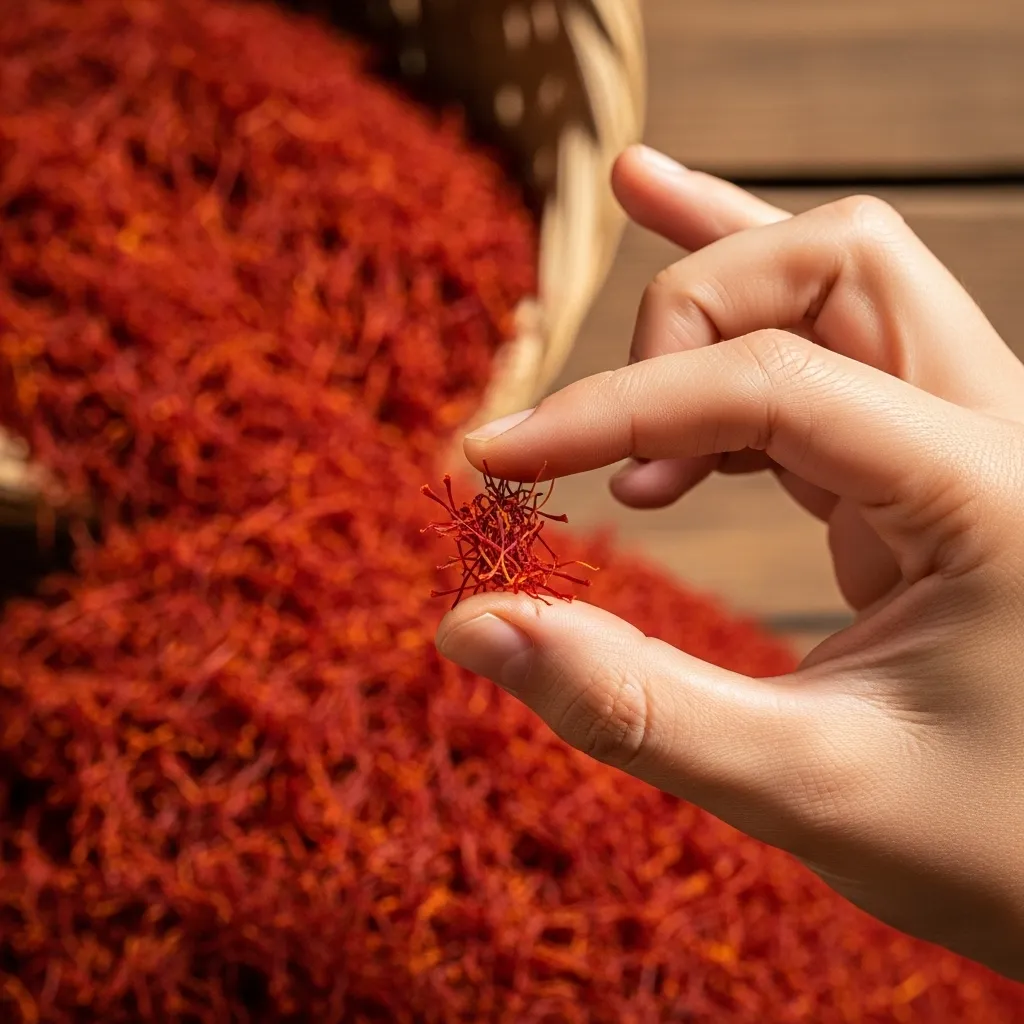
The quality of pure Kesar is a key determinant in its price. Saffron, including pure Kesar, is graded based on its color, aroma, and the purity of the threads. The highest-quality saffron, with deep red threads and a strong, aromatic fragrance, is considered pure Kesar. Pure saffron is hand-harvested and contains only the red stigmas of the flower, making it more expensive than saffron blends or lower-grade varieties. The better the quality, the higher the price. Saffron that has been finely sifted and is free from yellow or white threads commands the highest prices.
Origin of Pure Kesar
The region where the saffron is grown also plays a significant role in its price. The best quality Kesar is often sourced from regions like Kashmir, Iran, and Spain. Kashmiri saffron, in particular, is highly sought after for its deep color, high crocin content, and rich flavor. The scarcity of pure Kesar from these regions, combined with its excellent quality, drives up the price. Iranian saffron, although abundant, is also of high quality, with prices fluctuating based on supply and demand.
Harvesting and Production Process
The labor-intensive harvesting process of saffron contributes to its high cost. Each saffron flower produces only three red stigmas, which must be carefully hand-picked. It takes tens of thousands of flowers to produce just 1kg of pure Kesar. The drying process further adds to the cost, as it requires careful handling to preserve the aroma, color, and flavor. The short harvesting season and the fact that saffron must be collected by hand means that saffron is both scarce and labor-intensive to produce.
Market Conditions
The price of pure Kesar can fluctuate based on market conditions such as global demand, crop yields, and external factors like weather. Poor harvests can reduce the availability of pure saffron, leading to higher prices. Seasonal changes and shifts in demand also impact pricing, with peak prices often seen during festivals or special occasions when saffron usage increases.
When buying pure Kesar, it’s important to be aware of the market trends and quality indicators. While it can be expensive, investing in high-quality saffron offers superior flavor, aroma, and potential health benefits. Be cautious of low-priced saffron, as it may be diluted or of lower quality.
For more accurate pricing on pure Kesar and to explore our products, visit our price page for the latest details.
We hope this guide helps you understand the factors that influence the price of pure Kesar and assists you in making an informed purchase.