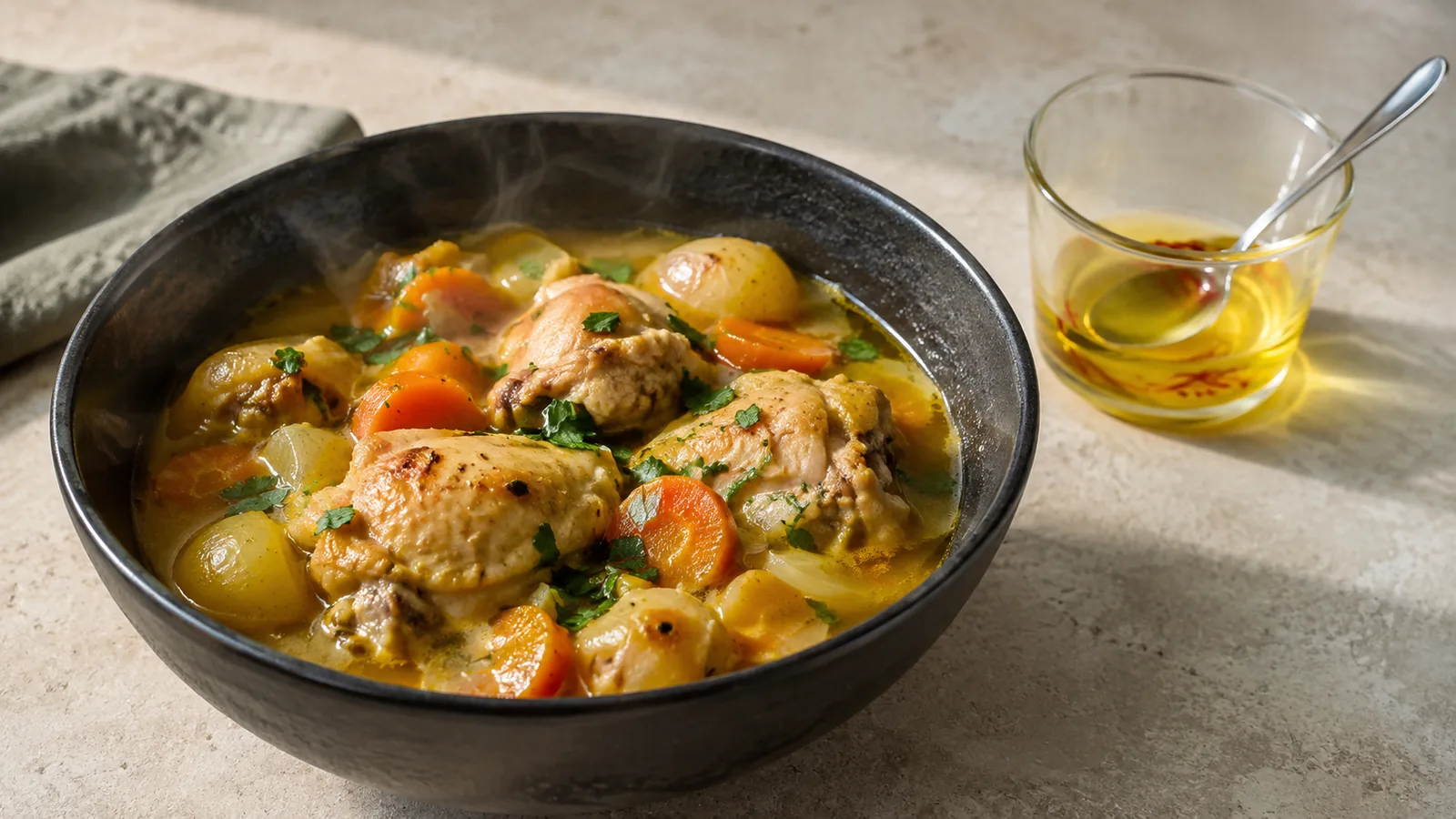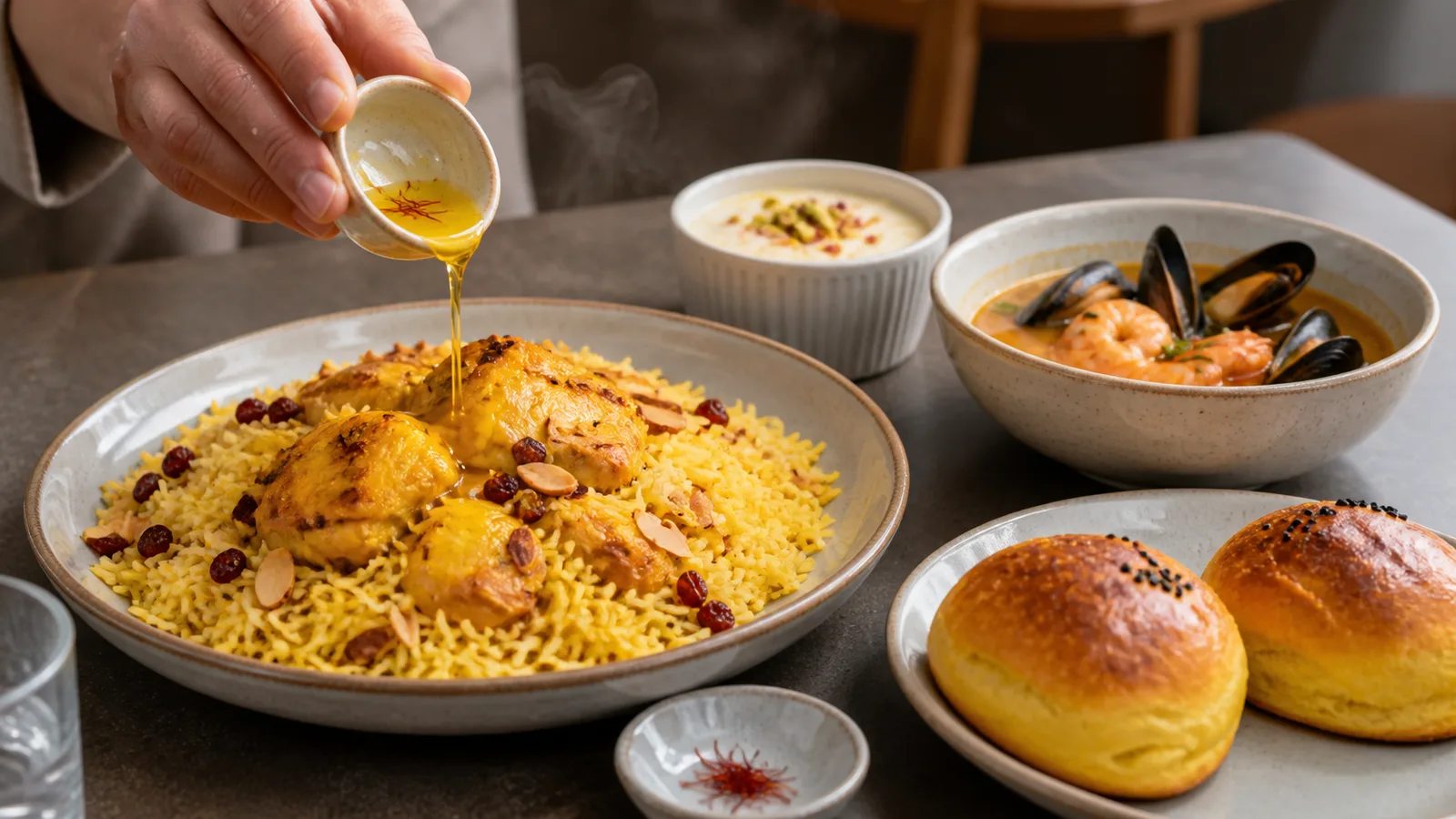
Saffron is used in rice, seafood, soups, stews, sauces, breads, puddings, ice cream and hot drinks. Its best-known dishes include Persian saffron rice, Indian biryani, Spanish paella, Italian risotto alla Milanese and French bouillabaisse.
The spice contributes a golden colour, a warm hay-like aroma and a taste that can seem floral, earthy and gently bitter. A small amount can shape an entire dish, but too much makes the bitterness dominate.
If you are wondering what is saffron used in, or more specifically what is saffron used in cooking, the short answer spans main dishes, sides, sweets and drinks. The uses of saffron in food are broad because its aroma works with grains, stock, dairy, fruit and gentle spices.
Foods with saffron around the world
Many foods with saffron in them belong to cuisines where the spice has been used for generations. It works in savoury and sweet cooking because it is aromatic rather than hot. The most useful examples are grouped below by how the saffron functions in the dish.
Rice dishes
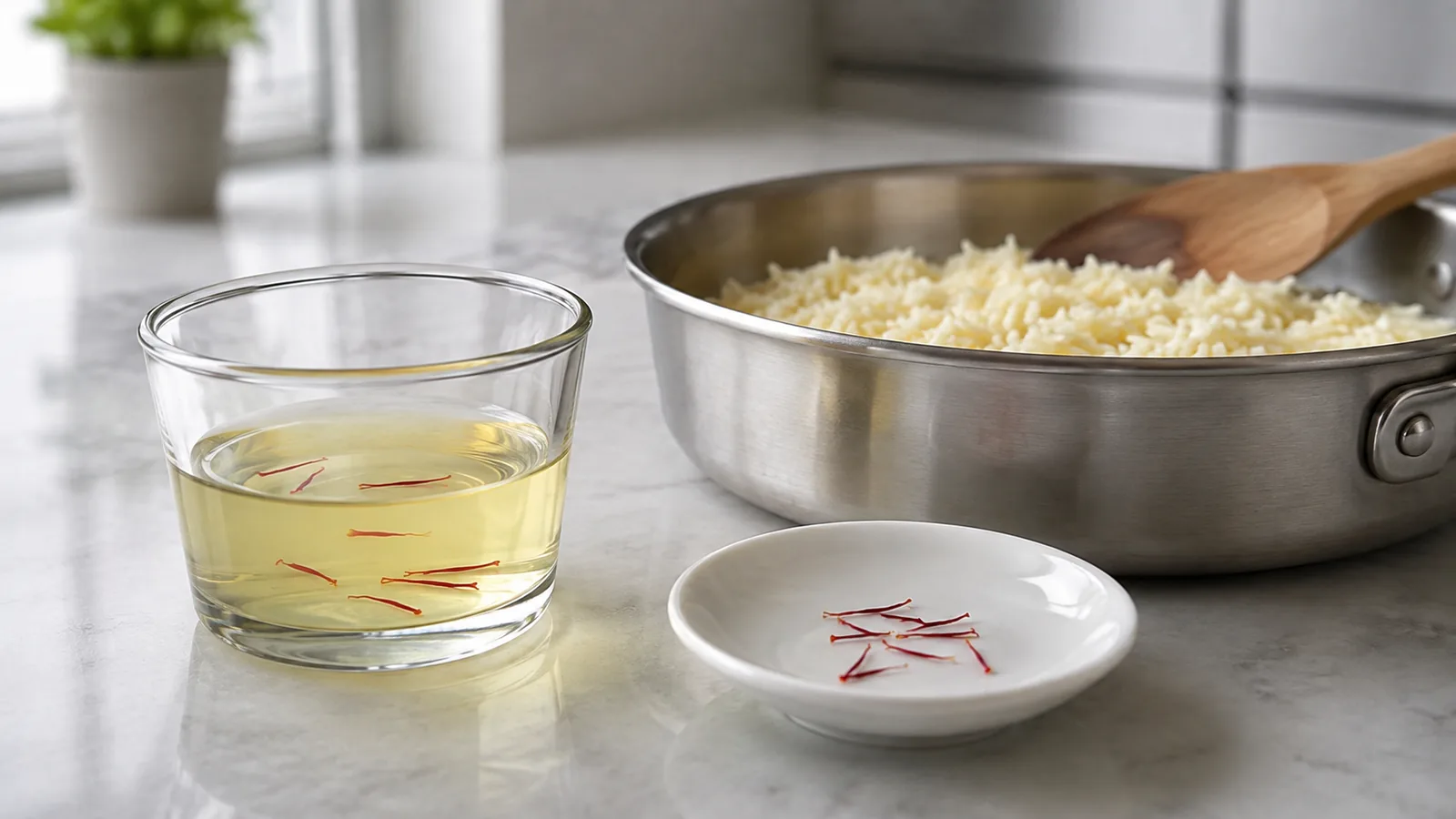
Rice is one of the clearest answers to what saffron is used in. Bloomed saffron colours some grains while leaving others white, or it can be stirred through the whole pot for an even golden shade.
- Persian rice: saffron water is spooned over steamed rice, tahdig or layered dishes such as jeweled rice. It also flavours the rice around chicken, lamb and barberries.
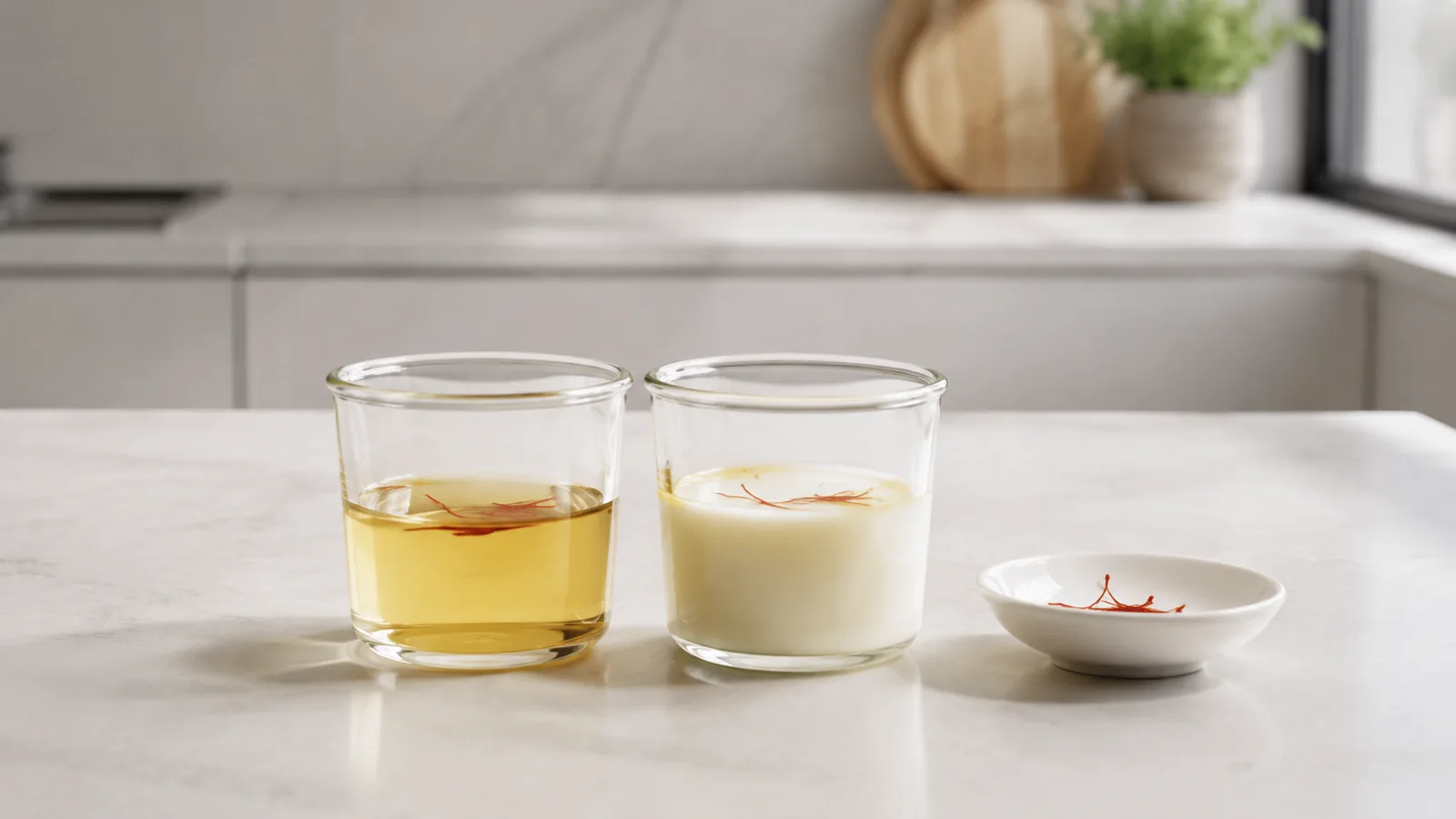
- Indian and South Asian rice: biryani, pilaf and pulao often use saffron bloomed in water or warm milk, sometimes with cardamom and fried onions.
- Spanish paella: saffron perfumes the stock that cooks the rice alongside seafood, chicken or vegetables.
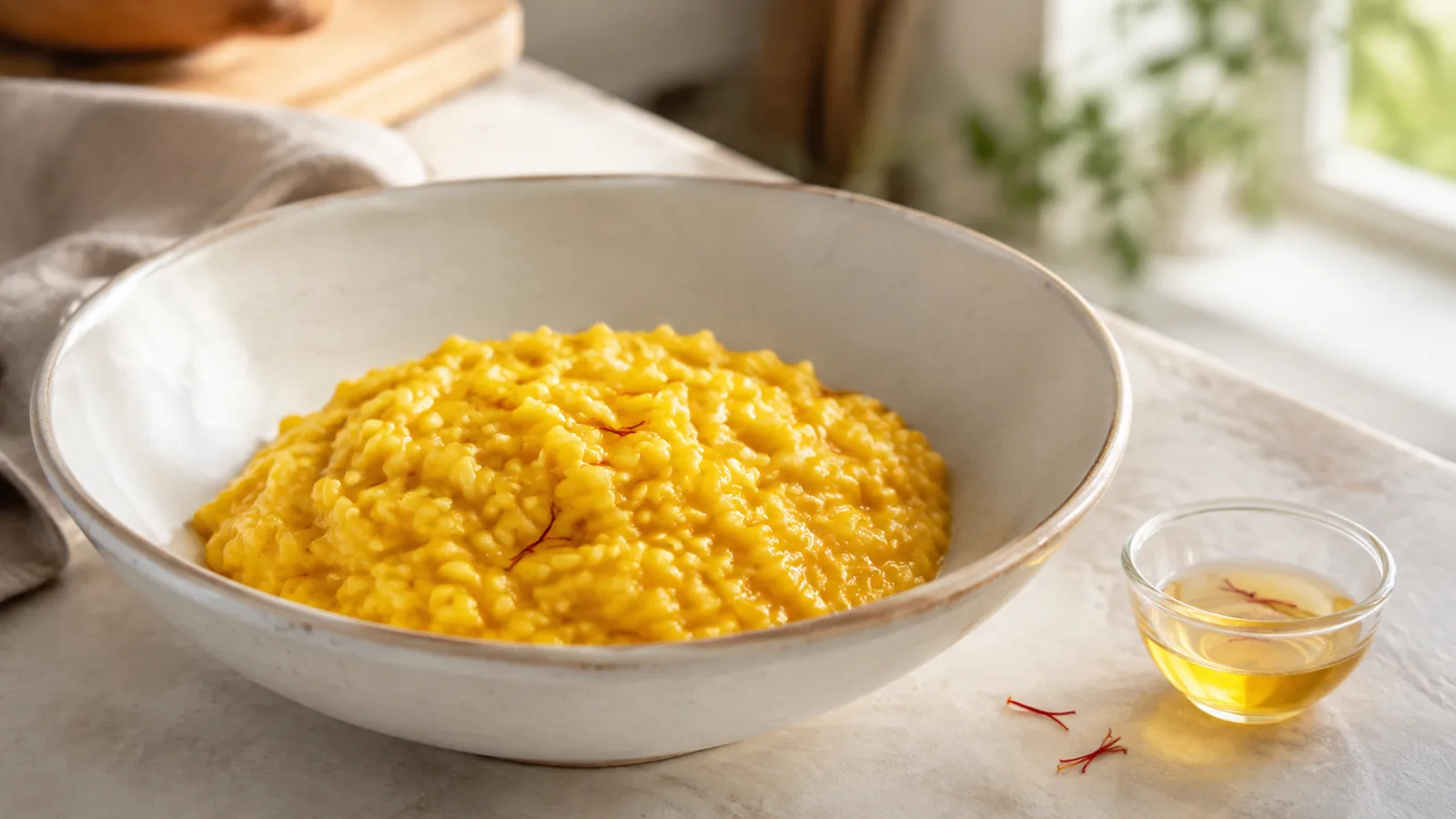
- Italian risotto alla Milanese: saffron gives creamy risotto its characteristic colour and aroma.
Do not scatter dry threads over finished rice and expect even flavour. Blooming first distributes the soluble colour and aromatic compounds much more effectively.
Soups, stews and sauces
Saffron belongs naturally in a flavourful broth. It is a defining note in French bouillabaisse and appears in fish soups, chicken stews, Moroccan-style tagines and sauces served with seafood. It also works in vegetable soups built around tomato, fennel, leek, squash or potato.
Add the bloomed liquid with the stock so it can spread through the dish. Long, hard boiling can flatten delicate aromas, so reserve a small portion for the final stage if you want a fresher saffron note.
Seafood and fish
Shellfish, white fish and saffron are classic partners. The spice can soften the sharp edge of tomato, wine or citrus while adding complexity to mussel broth, seafood risotto, fish curry and paella. Garlic, onion, fennel and a clean stock give it structure without drowning it.
A saffron cream sauce also suits fish, but balance matters: enough acidity keeps the result lively, and restrained seasoning lets the seafood remain the main flavour.
Chicken, lamb and vegetables
Saffron is used in marinades and cooking liquids for chicken and lamb, especially when yoghurt, lemon, onion or gentle spices are involved. It can season roast cauliflower, squash, carrots and potatoes, or bring aroma to chickpea and lentil dishes.
It is usually better to pair saffron with a few compatible ingredients than with a very aggressive spice blend. Cardamom, cinnamon, cumin and turmeric can all work, but each changes how clearly the saffron is perceived.
Breads, pastries and desserts
Saffron uses in food extend well beyond savoury dishes. Warm milk or water carries its colour into dough, custard and frozen desserts.
- Puddings: Persian sholeh zard, Indian kheer and other milk or rice puddings pair saffron with cardamom, rose water, cinnamon or nuts.
- Frozen desserts: Persian saffron ice cream and Indian kulfi often include pistachio, rose or dairy.
- Breads and buns: saffron appears in enriched breads and Swedish-style saffron buns, where butter and yeast carry its aroma.
- Cakes and pastries: it can flavour sponge cakes, cookies, custards and nut-filled pastries. Not every baklava recipe contains saffron, but it can be used in the syrup or filling.
Saffron is aromatic rather than naturally sweet. Sugar, honey, fruit and dairy create the sweetness; the spice adds contrast and perfume.
Drinks and beverages
Saffron tea is a simple infusion of threads in hot water, often paired with cardamom, cinnamon, ginger, lemon or honey. Saffron milk is another familiar use, served warm or cold. The spice also appears in coffee, milkshakes and alcohol-free celebratory drinks.
These beverages should be valued for flavour. Describing saffron tea as automatically calming or anti-inflammatory, or saffron milk as a health treatment, goes beyond what the drink itself can establish.
Saffron flavour pairings
Useful saffron flavor pairings depend on the direction of the recipe. For savoury food, try rice, seafood, chicken, lamb, tomato, fennel, onion, garlic, lemon, yoghurt and gentle stock. For sweets, look to milk, cream, cardamom, rose water, pistachio, almond, orange, honey, vanilla and cinnamon.
Turmeric supplies a stronger earthy taste and a bright yellow colour, but it is not a substitute for saffron’s aroma. If both are used, keep turmeric restrained so the saffron still has room.
How to use saffron in cooking
- Take a small pinch of threads. The recipe and batch strength matter more than an exact thread count.
- Lightly crush them between clean fingers or in a mortar; do not grind them to dust.
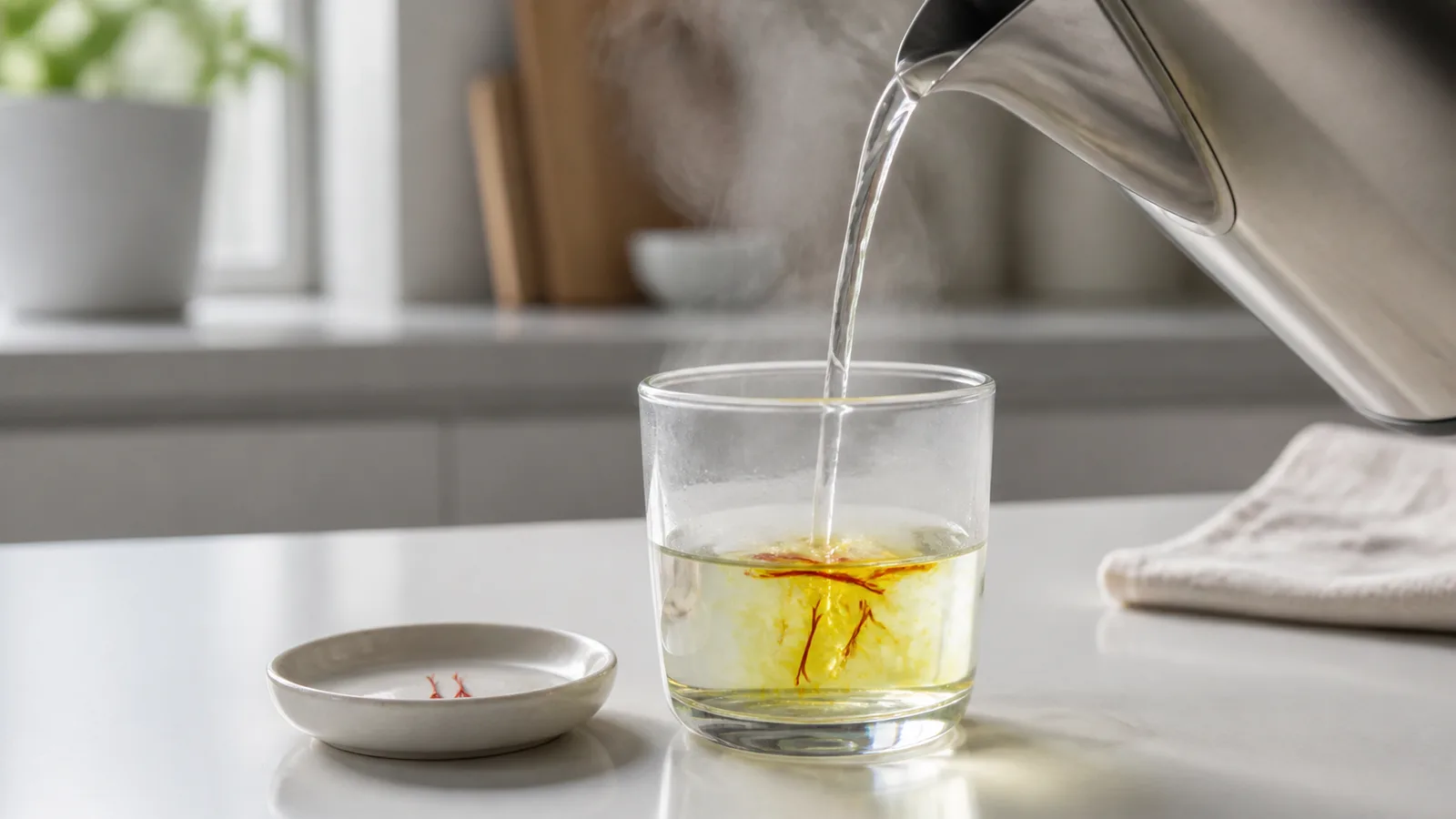
- Cover with a few tablespoons of warm, not violently boiling, water, milk or stock.
- Leave for 10–15 minutes, until the liquid is fragrant and deeply coloured.
- Add both the liquid and threads to the food.
This is where to use saffron most effectively: in a liquid that can carry it through the dish. For baking, count the blooming liquid as part of the recipe’s total liquid. For a cold dessert, bloom first rather than expecting threads to release fully in the finished mixture.
Choosing what to use saffron for
If you are new to saffron in food, begin with plain rice, a simple milk pudding or a clear seafood broth. Each gives you a chance to learn the aroma without burying it. Once you recognise its strength, it becomes easier to decide what to use saffron in and how much the dish needs.
Choose intact, fragrant saffron threads, store them airtight away from heat and light, and bloom only what you need. That small preparation step is what turns saffron spice uses from decoration into flavour.