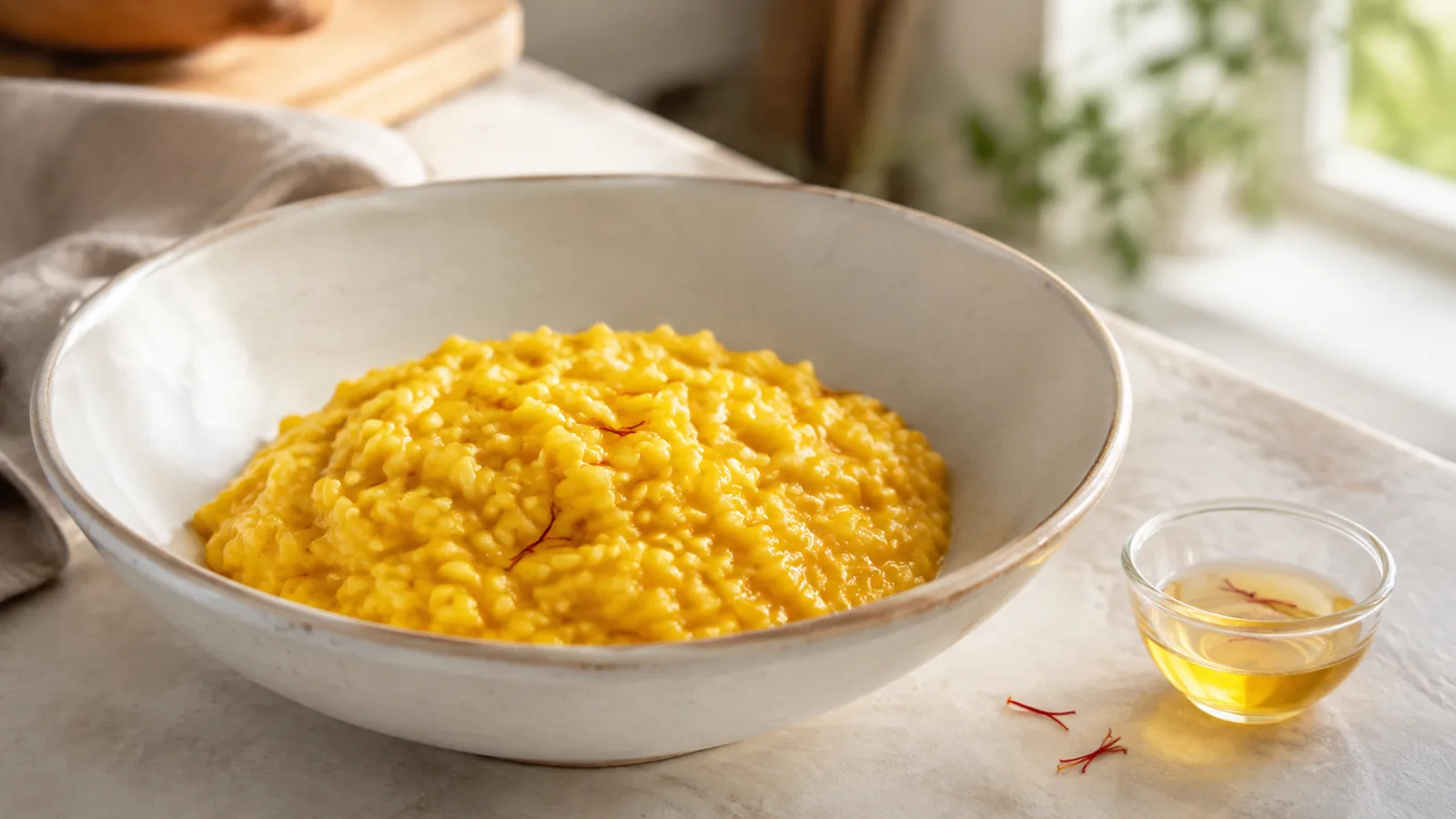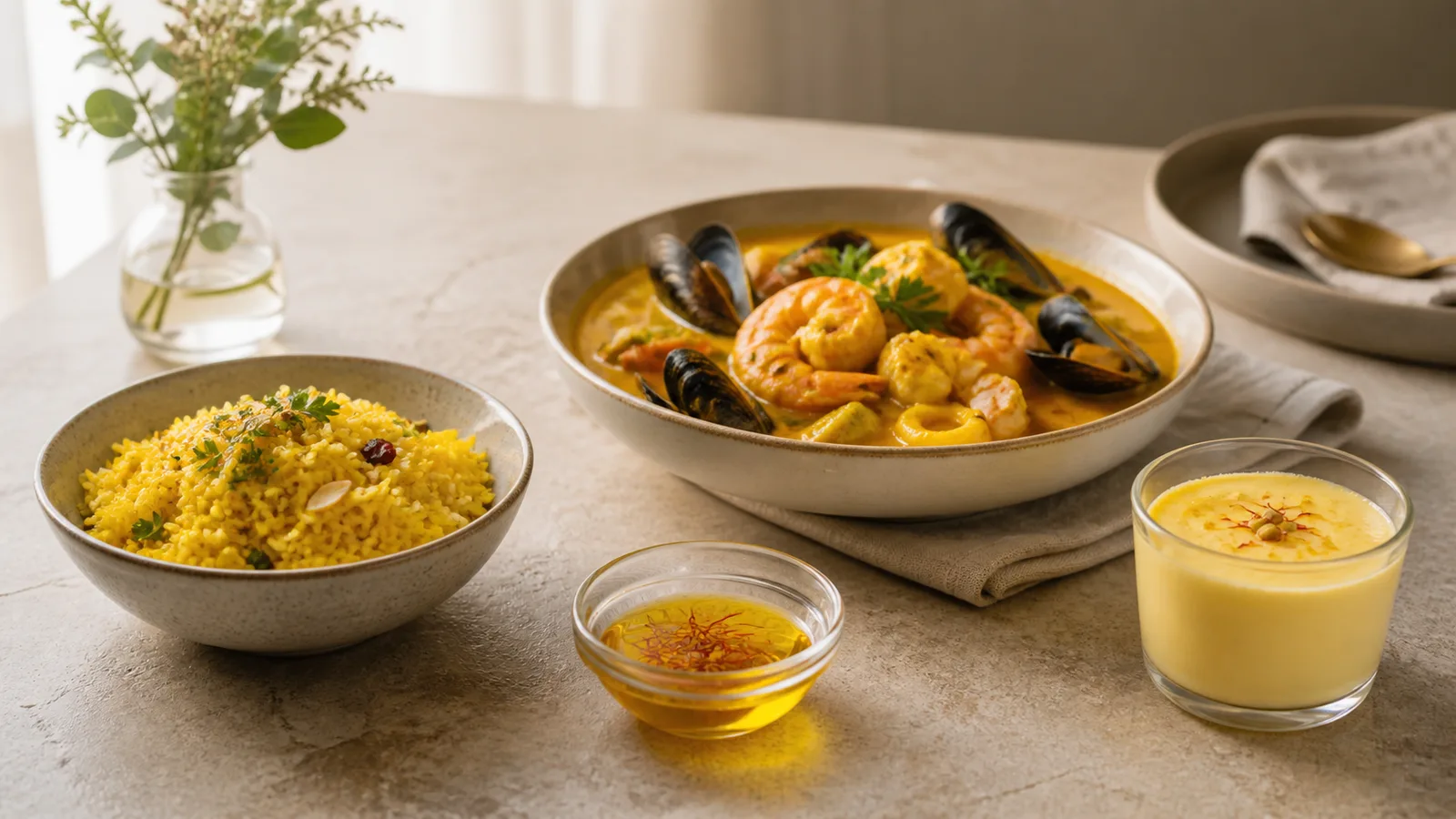
Saffron changes a dish in three connected ways: it adds a floral, hay-like aroma; a gently earthy, slightly bitter flavor; and a yellow-to-golden color. It does not taste simply sweet, and it should not make food uniformly orange. Used well, a small amount creates depth without announcing itself in every bite.
Saffron’s role in cooking depends on the recipe. In rice, the perfume moves through the steam. In a broth or sauce, an infusion distributes color evenly. In milk and desserts, the warmer, creamy background softens saffron’s natural bitterness.
What does saffron taste like?
Saffron is often described as floral, warm, grassy or hay-like, and faintly honeyed, but it also carries a dry bitterness. That combination is why it can feel delicate in one dish and surprisingly assertive in another. The exact impression changes with the saffron, the amount, the ingredients around it, and the cooking time.
It is not a neutral yellow coloring. Turmeric, annatto, or an artificial color may change appearance, but none reproduces saffron’s aroma. Equally, adding enough saffron to force a darker shade can make food harsh rather than more luxurious.
How saffron adds color
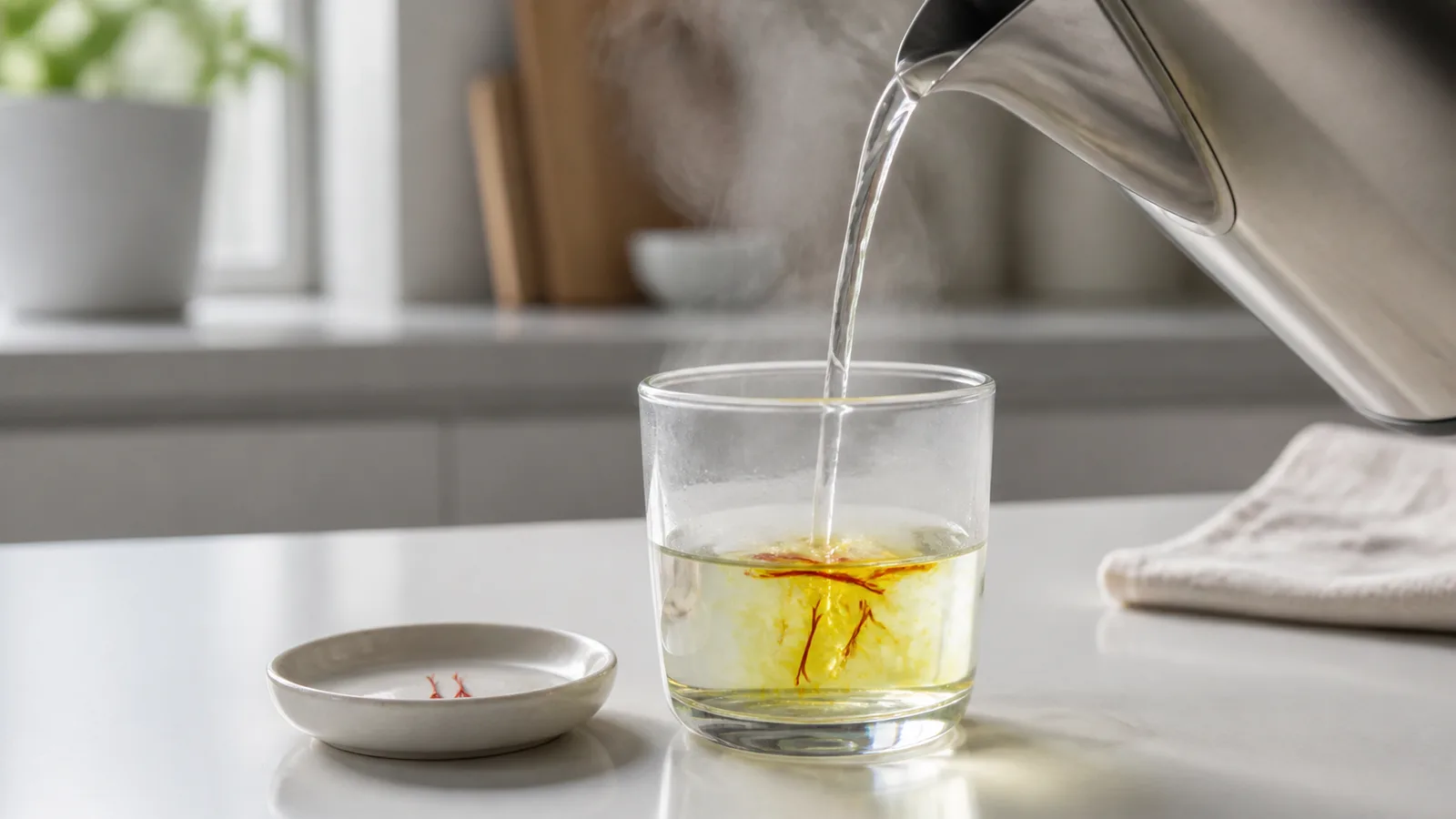
When threads meet warm water, stock, or milk, the liquid gradually turns yellow or gold. A prepared infusion spreads through rice, soup, stew, and batter more consistently than dry threads scattered at the last moment. Natural variation is normal: biryani may show white and gold patches, while a risotto or broth may look more even.
The final color depends on the amount of saffron, blooming time, the base liquid, and the color of the dish itself. Brown rice will never look like white basmati, and a tomato-rich stew may hide much of the yellow while still carrying the aroma.
How saffron changes aroma
Saffron’s fragrance is volatile, which means it can be lost under prolonged aggressive heat or buried beneath strong smoke, garlic, chilli, or floral waters. Gentle blooming releases the aroma before cooking. Adding the infusion at a point where it has time to move through the dish—without boiling for far longer than necessary—usually gives the clearest result.
Aroma also reaches the table before flavor does. Opening a sealed pot of saffron rice or lifting a spoonful of warm saffron custard creates an immediate impression that color alone cannot provide.
How to prepare saffron before adding it
- Take a small pinch of saffron threads and lightly crush two or three of them.
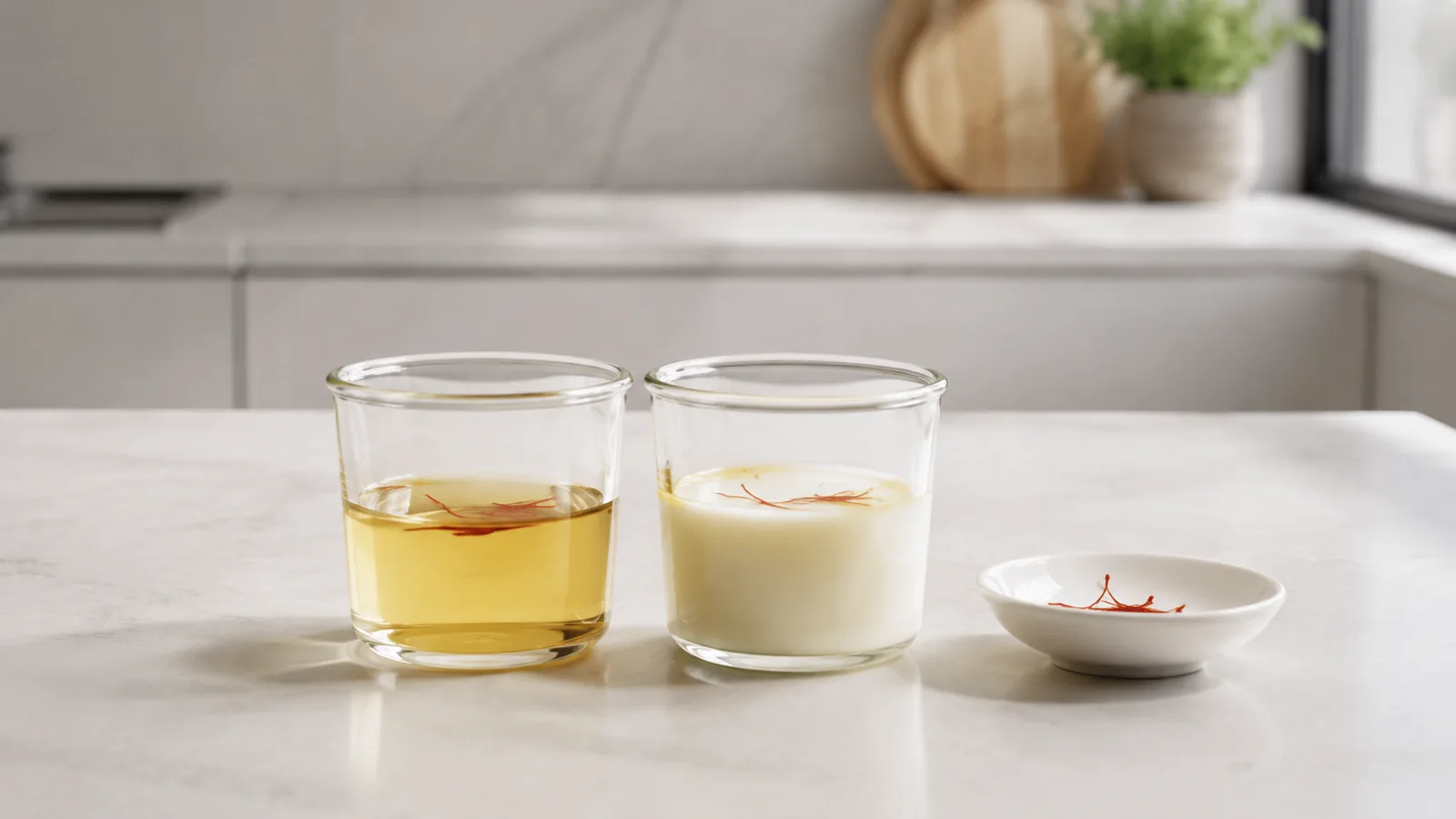
- Add a few tablespoons of warm water, stock, or milk. The liquid should steam gently rather than boil hard.
- Cover and leave it for 10 to 15 minutes.
- Add both the liquid and the threads to the dish.
Count the blooming liquid as part of the recipe. This matters in rice, pastry, and any preparation where a small change in moisture affects texture. More liquid is not necessarily better; use only enough to distribute the saffron.
What saffron does in different dishes
Rice and grains
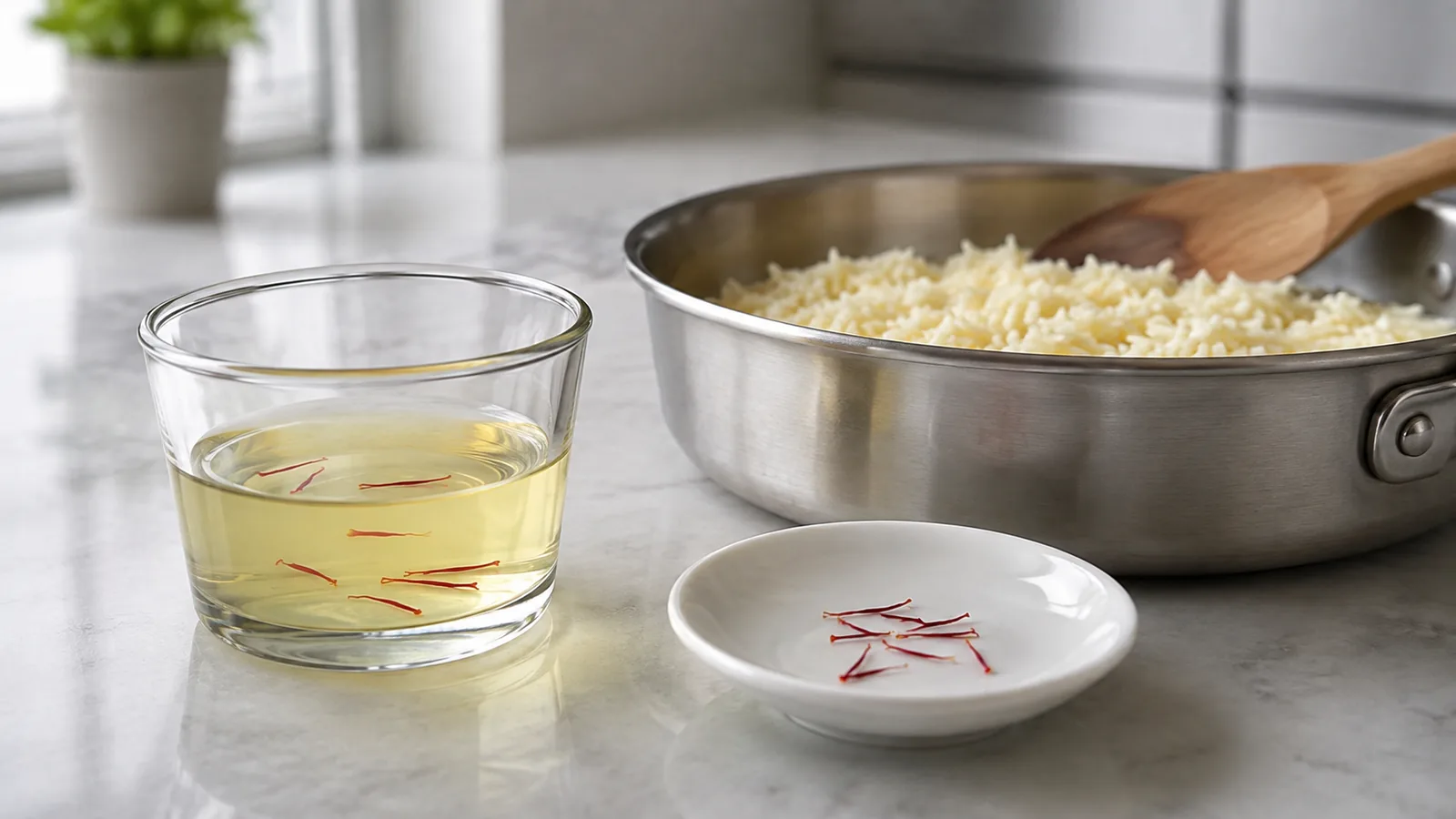
Saffron perfumes the cooking liquid and adds gold to basmati, paella rice, risotto, couscous, or brown rice. The best timing depends on the method: add it with stock for risotto or paella, and drizzle it during layering for biryani.
Soups, stews, and sauces
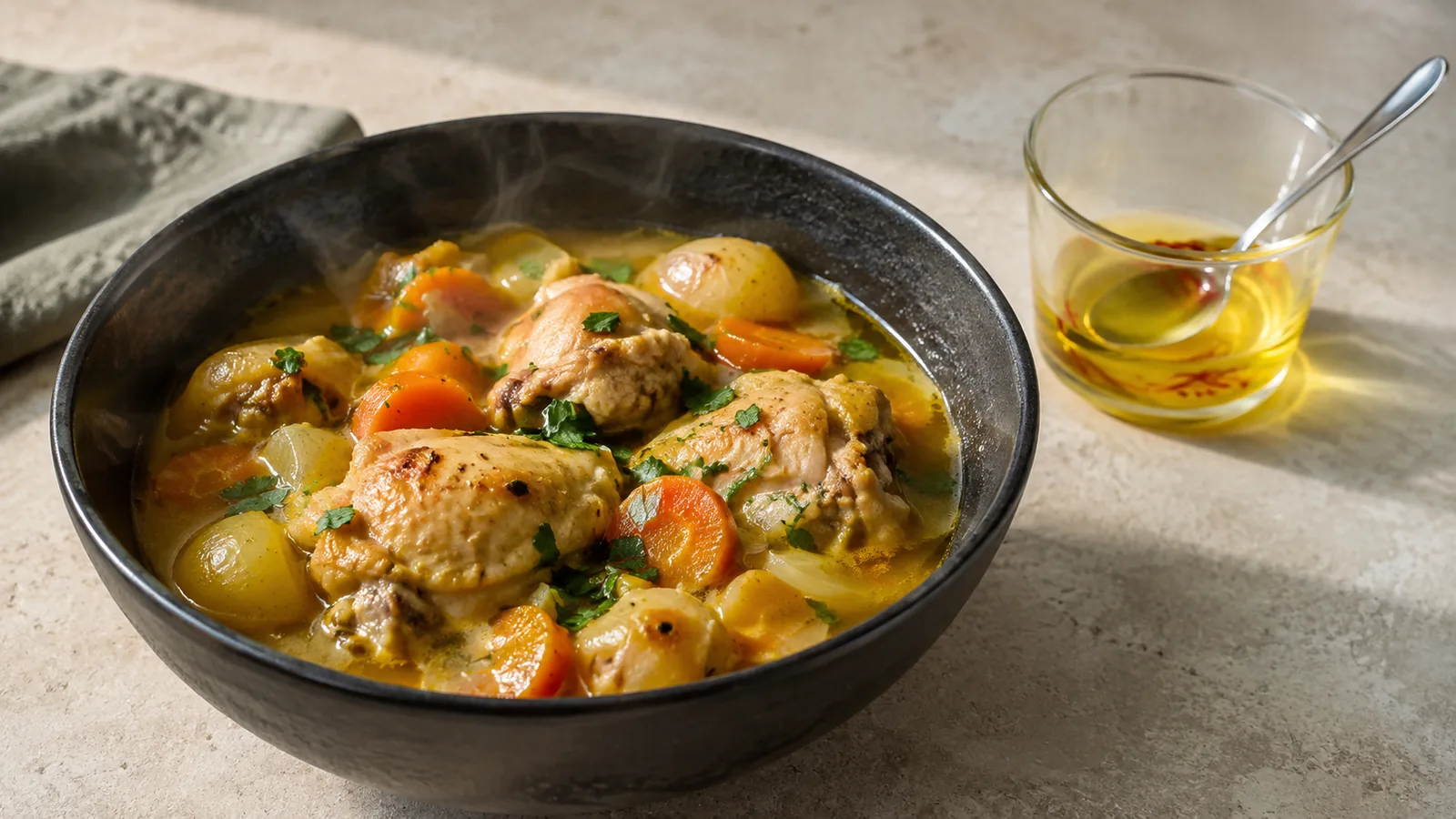
In a seafood broth, light chicken stew, or cream sauce, saffron joins the liquid and spreads quickly. Add it after the main base has developed, then simmer gently. Very dark or heavily spiced sauces can cover both the color and the fragrance.
Milk drinks and desserts
Milk rounds saffron’s bitterness and displays its color well. Bloom the threads before making custard, rice pudding, ice cream, cake batter, or a warm drink. Sweetness should balance the spice rather than bury it.
Meat, poultry, and seafood
Saffron works best through a marinade, sauce, broth, butter, or finishing infusion rather than as dry threads sitting on the surface. It pairs especially naturally with chicken, lamb, shellfish, and firm white fish when the rest of the seasoning leaves room for it.
What saffron cannot do
Saffron cannot rescue flat stock, poor rice texture, or under-seasoned food by itself. It also does not guarantee that a dish is traditional or high quality. The ingredient has to make sense within the recipe and be handled carefully.
A culinary pinch contributes sensory character; it is not evidence that the finished meal improves mood, protects against free radicals, or provides a specific wellness outcome. Those claims require evidence about the actual amount, preparation, and people involved, not the reputation of one ingredient.
Common mistakes
- Using too much: the flavor becomes bitter or medicinal.
- Skipping the bloom: color and aroma distribute less evenly.
- Boiling aggressively: delicate fragrance can be lost.
- Pairing with everything at once: smoke, heavy spice, and floral water can overwhelm it.
- Judging by color alone: aroma and flavor are equally important.
Choose dry, fragrant, identifiable threads and store them sealed away from light, steam, and stove heat. If you need saffron for a recipe, visit our products page.
So what does saffron do in dishes? It brings aroma, flavor, and color together. The effect is most convincing when the amount is restrained, the threads are bloomed, and the surrounding ingredients allow saffron to remain part of the dish rather than a decoration on top.