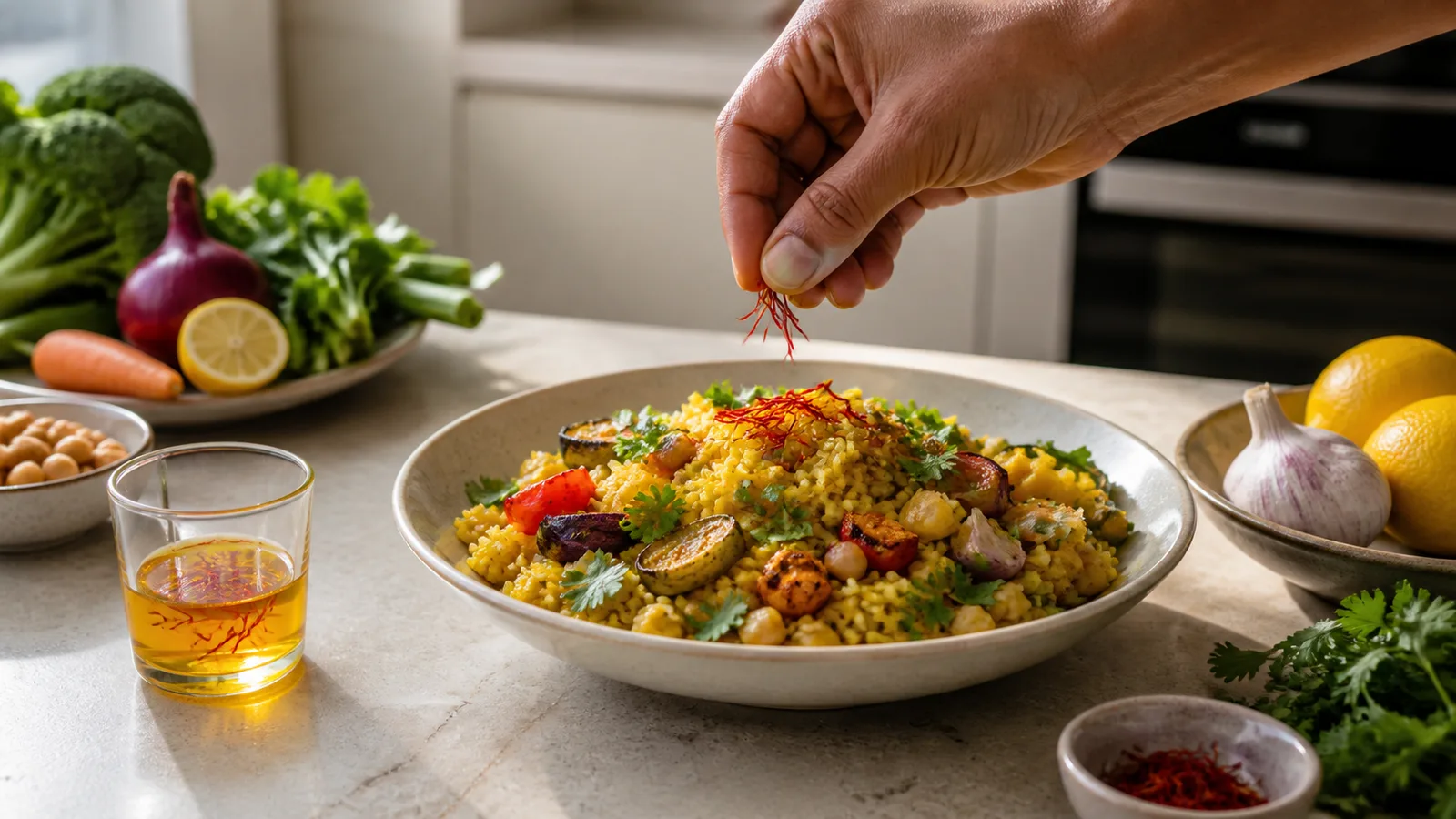
Saffron vitamins and minerals are real, but the amounts in a normal serving are small. Laboratory databases list B vitamins, vitamin C and several minerals in dried saffron. Most figures are reported per 100 grams, while a whole teaspoon of saffron weighs roughly 0.7 grams and a pinch used in one dish is smaller still.
That serving-size gap changes the answer to “saffron contains which vitamin?” The spice has an interesting chemical profile, but it is not a practical replacement for fruit, vegetables, grains, dairy, protein foods or a prescribed nutrient supplement. Saffron’s clearest contribution to a meal is its colour, aroma and flavour.
Which saffron vitamins and minerals are measured?
The USDA FoodData Central saffron record reports nutrients per 100 grams of dried spice. That large reference quantity is useful for chemical comparison, not as a suggested serving.
Reported vitamins include:
- riboflavin, or vitamin B2
- niacin, or vitamin B3
- vitamin B6
- folate, or vitamin B9
- vitamin C
Reported minerals include calcium, copper, iron, magnesium, manganese, phosphorus, potassium, selenium and zinc. Their concentration can vary with soil, origin, growing conditions, drying and analytical method. A review of minerals and trace elements in saffron found wide differences between samples from different countries.
Does saffron provide a meaningful amount?
Usually not at culinary scale. A value that looks impressive per 100 grams becomes less than one hundredth of that figure in a 0.7-gram teaspoon. A recipe then divides that teaspoon between several portions. The amount eaten by one person may be only a few hundredths of a gram.
This does not make the spice nutritionally worthless; it puts the claim in proportion. Herbs and spices can make nutritious foods more enjoyable, and saffron brings distinctive plant compounds. It simply should not be marketed as meeting a significant share of daily vitamin or mineral needs without a serving-based calculation that actually supports the statement.
What do the B vitamins in saffron do?
Riboflavin, niacin, vitamin B6 and folate take part in normal metabolism. Across the whole diet, they help the body release energy from food, make and maintain cells, support nervous-system functions and form genetic material or blood cells. Those are functions of the nutrients themselves, not special effects created by saffron.
Folate
Folate is needed for DNA synthesis and cell division. Too little can contribute to megaloblastic anaemia, but a pinch of saffron is not a folate treatment. People who need more folate—including anyone advised to use folic acid around pregnancy—should follow established dietary and clinical guidance rather than trying to obtain the dose from saffron.
Niacin
Niacin is used to form coenzymes involved in energy metabolism and many cellular reactions. Deficiency can cause pellagra, a specific medical condition; tiredness or low mood alone does not diagnose it. Saffron does not supply a therapeutic niacin dose in normal food.
Vitamin B6
Vitamin B6 participates in amino-acid metabolism, neurotransmitter production and haemoglobin formation. It is needed in small amounts, but “more” is not automatically better: concentrated B6 supplements can cause harm when used excessively. Culinary saffron and a vitamin B6 tablet are not comparable products.
Riboflavin
Riboflavin helps enzymes process carbohydrates, fats and proteins. Light can break down riboflavin in some foods, but that does not mean people exposed to sunlight have a special saffron requirement. The older version of this article blurred those two ideas.
Does saffron contain vitamin A?
Saffron contains carotenoid-related compounds, particularly crocins and crocetin. They are central to the spice’s colour and are studied for biological activity, but they should not be casually described as retinol—the preformed version of vitamin A—or as a reliable vitamin A dose.
Vitamin A is important for vision, immunity and normal growth. Excess preformed vitamin A can also be toxic. Neither fact supports using saffron to correct a deficiency. A clinician can identify the cause and appropriate dose when deficiency is suspected.
What about vitamin C in saffron?
Vitamin C is measured in dried saffron reference data, and it supports collagen formation, iron absorption and normal antioxidant systems. The practical amount in a pinch is tiny compared with common fruit and vegetables. Saffron therefore should not be promoted as a high-concentration vitamin C food, an immune booster, a cholesterol treatment or a way to prevent stroke.
Our article on antioxidants in saffron explains another common mix-up: laboratory antioxidant activity does not turn every measured compound into a proven disease-prevention benefit.
Which saffron mineral matters most?
Manganese is one of the more conspicuous minerals when saffron data are displayed per 100 grams. Magnesium, iron, copper, potassium and other elements are also measured. Once again, the serving size prevents a culinary pinch from functioning like a mineral supplement.
Mineral content is also a quality-control issue. Soil and processing affect the profile, and testing can reveal unwanted heavy-metal contamination as well as useful trace elements. This is one reason to buy food-grade saffron from a supplier that can document origin and quality rather than an unlabelled powder.
Red stigmas and purple petals are not the same food
The culinary spice is made from the red stigmas. Purple saffron flower parts contain different pigments and phenolic compounds and are being researched as a separate by-product. A nutrient result for petals cannot be copied into a claim about the threads, or vice versa.
Use petals only when they are specifically sold as food and have been handled accordingly. Decorative flowers may carry residues not intended for eating.
Do saffron vitamins explain mood research?
No. It is inaccurate to say saffron research on depression exists because the spice supplies B vitamins. Human studies generally investigate saffron extracts and bioactive compounds such as crocin and safranal, not correction of a vitamin deficiency. A broad evidence map of saffron meta-analyses also shows why preparation, outcome and study quality must be examined before making a health claim.
Our separate article on what saffron may do in the brain discusses that research on its own terms. Saffron should not replace assessment or treatment for depression, and a food serving is not equivalent to a trial extract.
Saffron extract is not a multivitamin
Capsules and syrups sold as saffron extract are usually standardised around plant compounds, not around a complete set of daily vitamins and minerals. Their concentration, formulation and evidence vary. “Natural saffron” is not automatically better than a supplement, and a stored extract is not automatically ineffective because oxidation exists.
Read the actual label. Check the amount per serving, other ingredients and intended use, and discuss a concentrated product with a pharmacist or clinician if you are pregnant, breastfeeding, preparing for surgery or taking regular medicine. Do not use a saffron extract to treat a diagnosed nutrient deficiency unless the relevant nutrient and dose have been verified.
How to get the real benefits of saffron in food
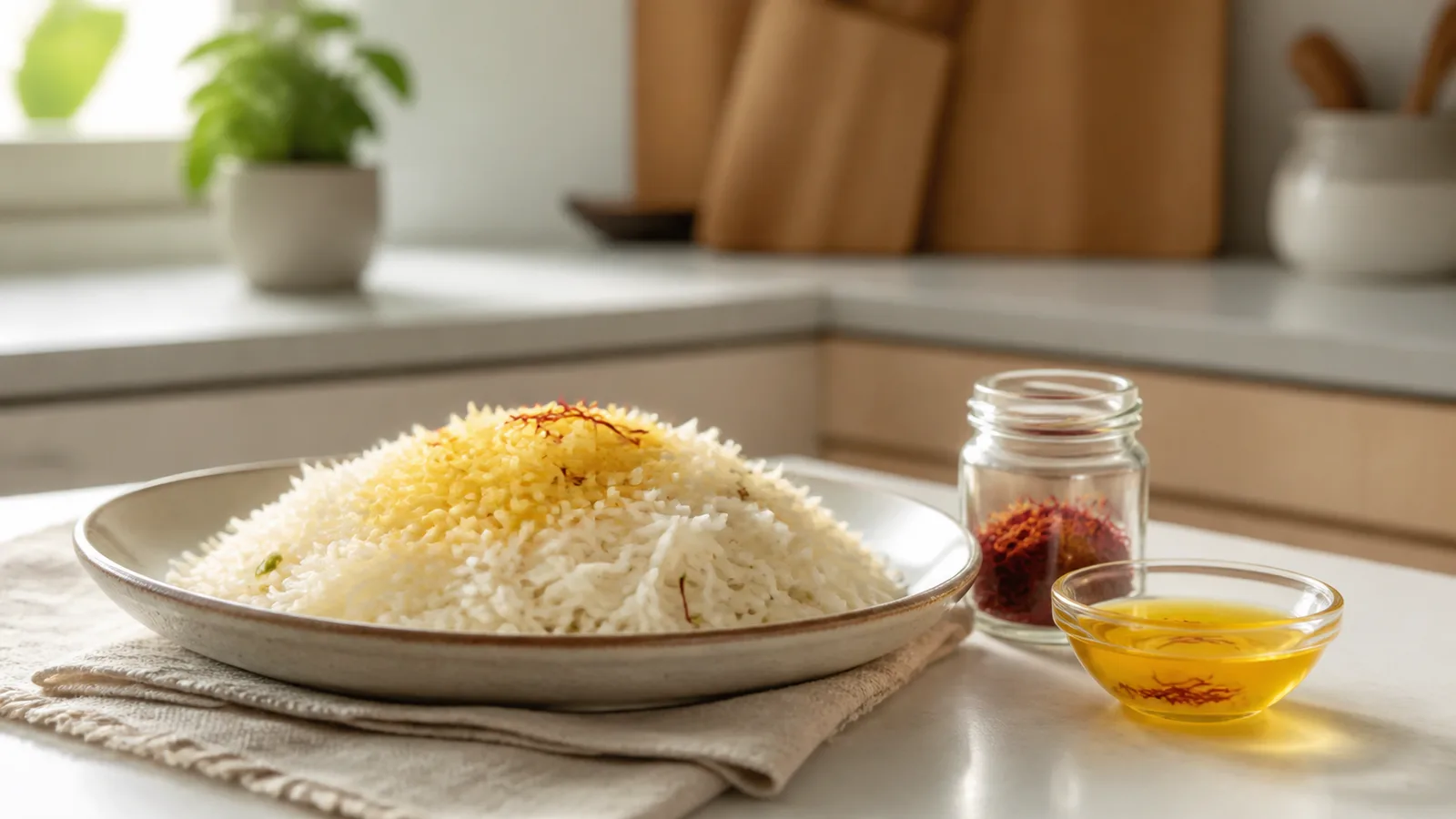
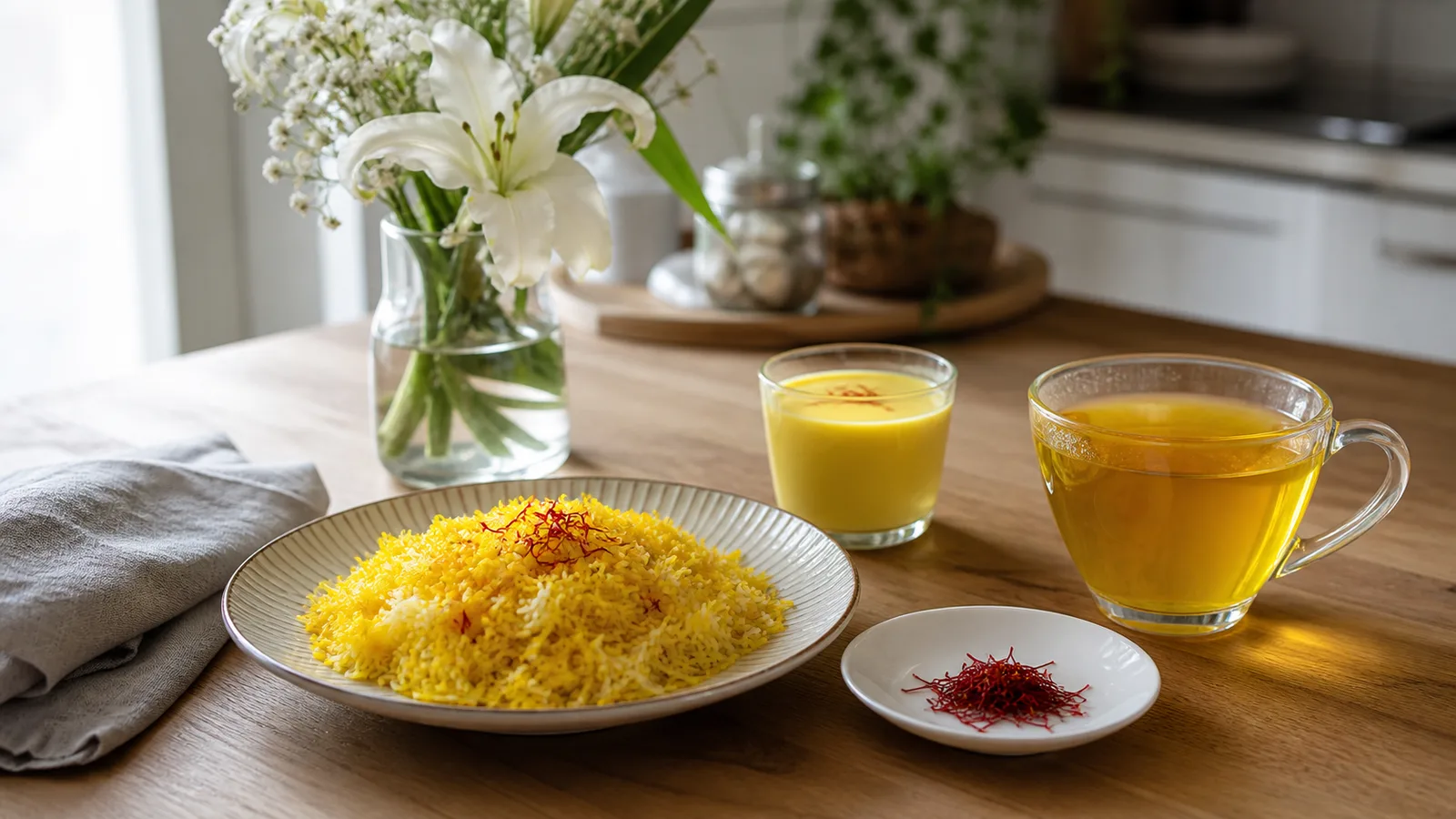
Use a small quantity to make nutritious food appealing. Crush the threads gently, bloom them in warm water for 10–15 minutes, then add the golden liquid to rice, lentils, vegetables, soup, yoghurt or another suitable dish. This spreads the colour and aroma without encouraging an unnecessary high dose.
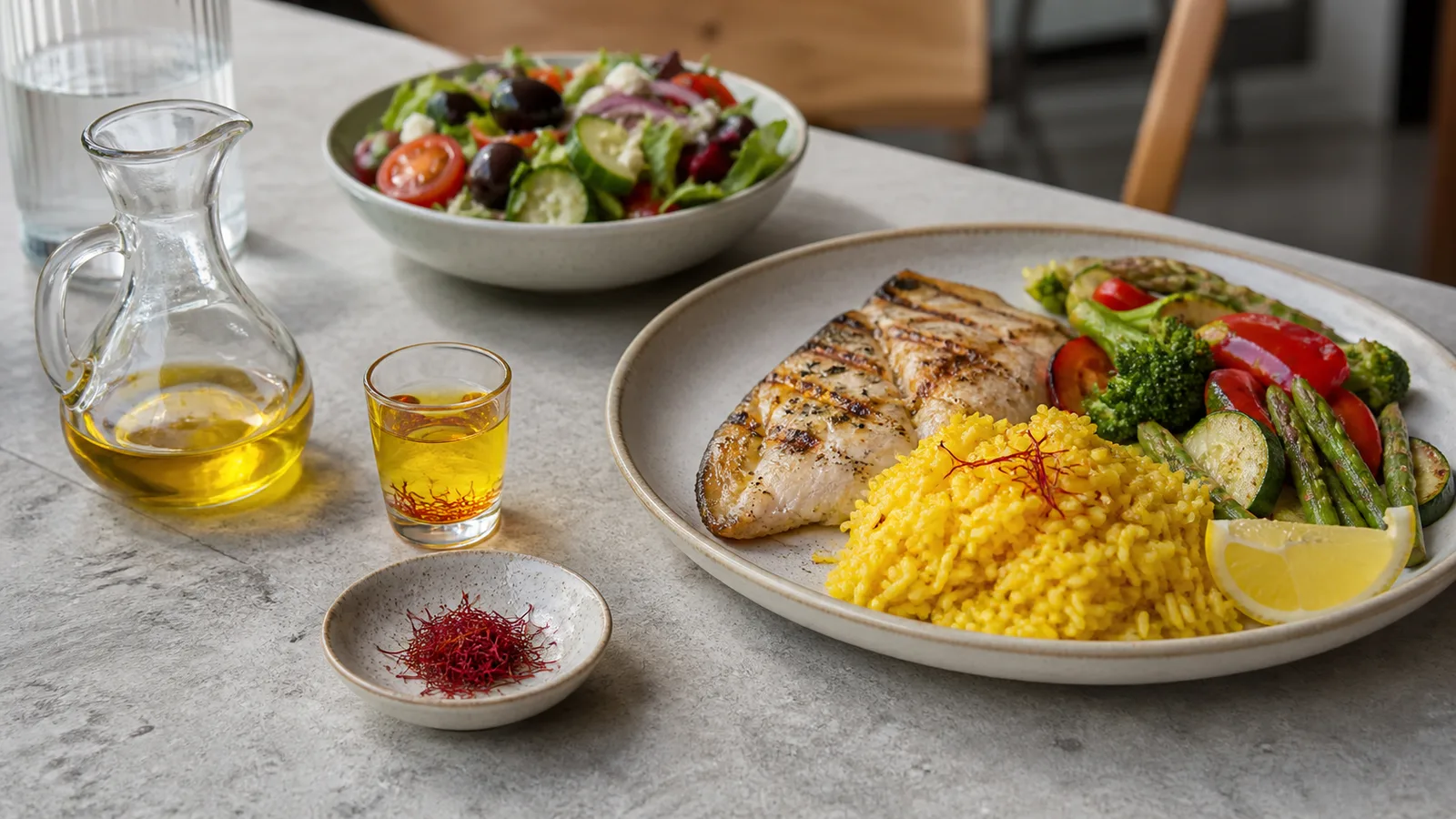
Build the meal around foods that contribute meaningful protein, fibre, vitamins and minerals. Let saffron do the job it performs exceptionally well: turning those ingredients into something fragrant and memorable.
A realistic conclusion on saffron nutrition
Saffron vitamin and mineral data include B2, B3, B6, folate, vitamin C and a range of mineral elements. The spice also contains carotenoid-derived compounds that are more distinctive than its micronutrient content. What it does not provide, in a normal pinch, is a significant portion of most daily nutrient requirements.
Enjoy saffron as a powerful culinary ingredient, not a miniature multivitamin. For nutrition claims, always convert the 100-gram laboratory figure to the amount actually eaten. That simple step separates useful information from an “incredible benefits” promise the serving cannot support.