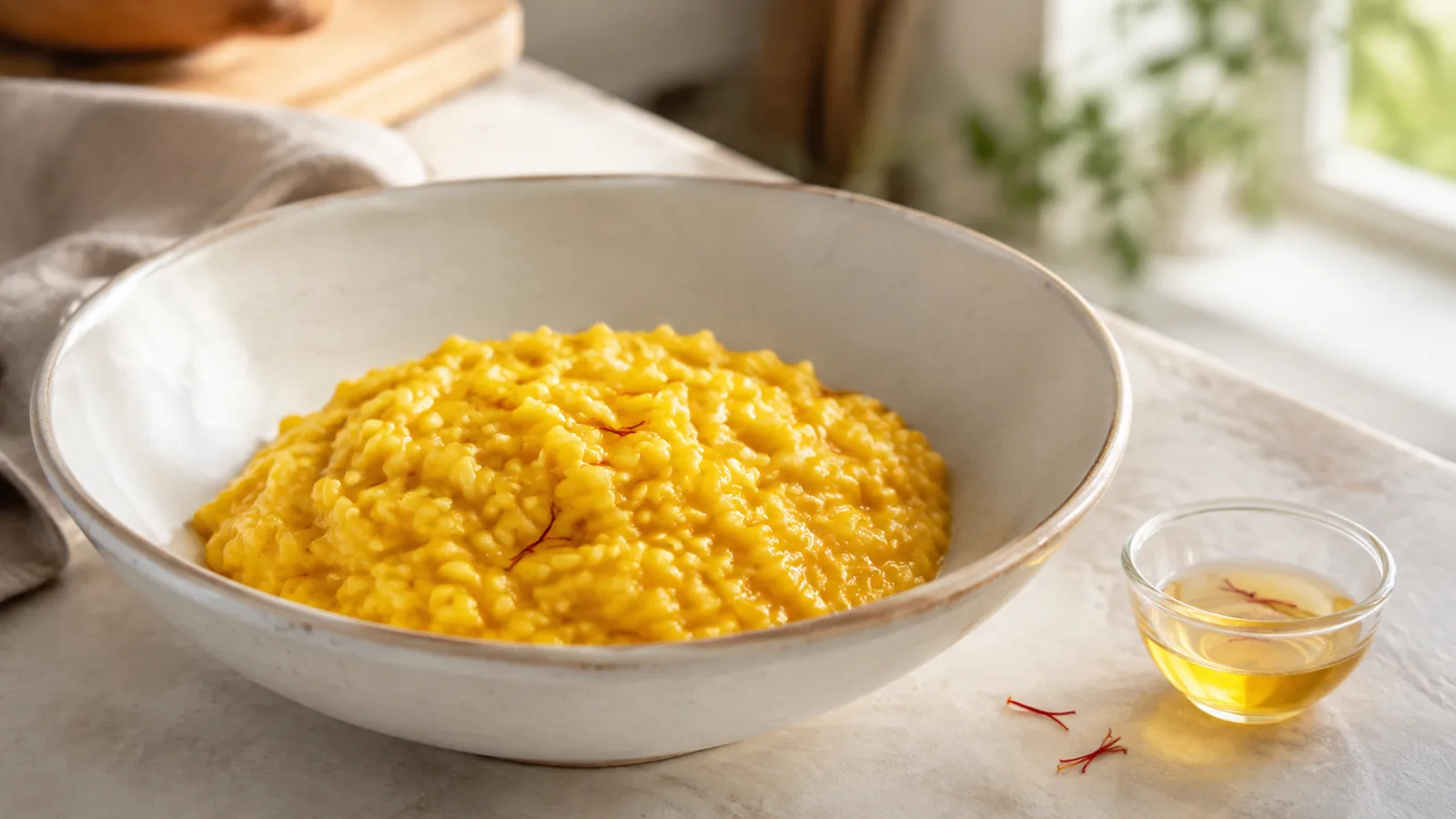
This simple homemade masghati recipe with saffron or rose makes the soft, glossy Iranian sweet with wheat starch, sugar, rosewater and a patient low simmer. Saffron gives one half a golden colour, while the plain rose version stays pale and fragrant.
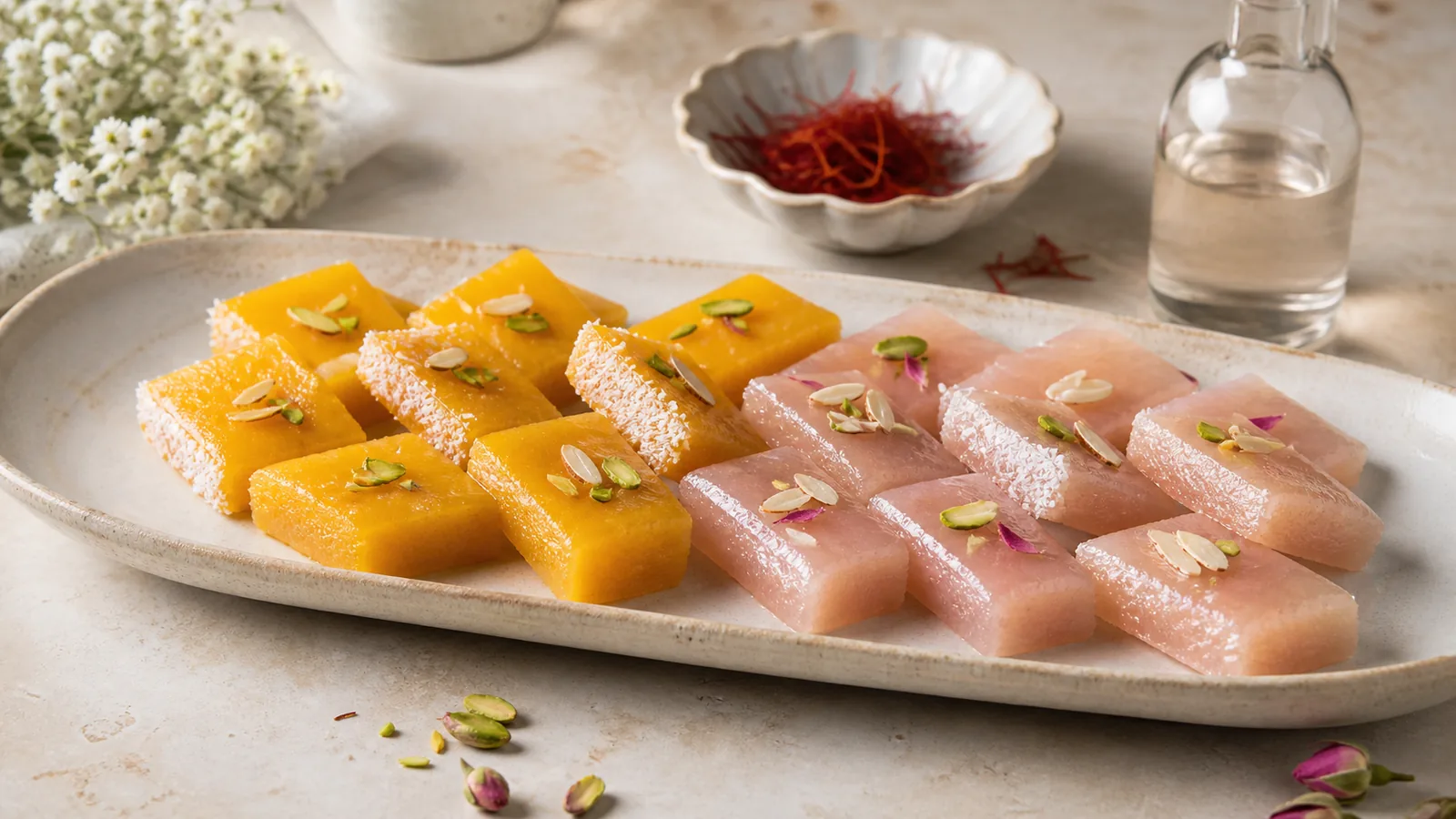
Masghati is a starch-set confection associated with Fars Province, especially Lar. It is often cut into small pieces for Nowruz and finished with pistachios, almonds or coconut.
Masghati ingredients
- 1 cup wheat starch
- 4 cups cold water
- 2 cups white sugar
- 1/2 cup rosewater
- 1/3 cup unsalted butter or neutral oil
- 1/2 teaspoon ground cardamom
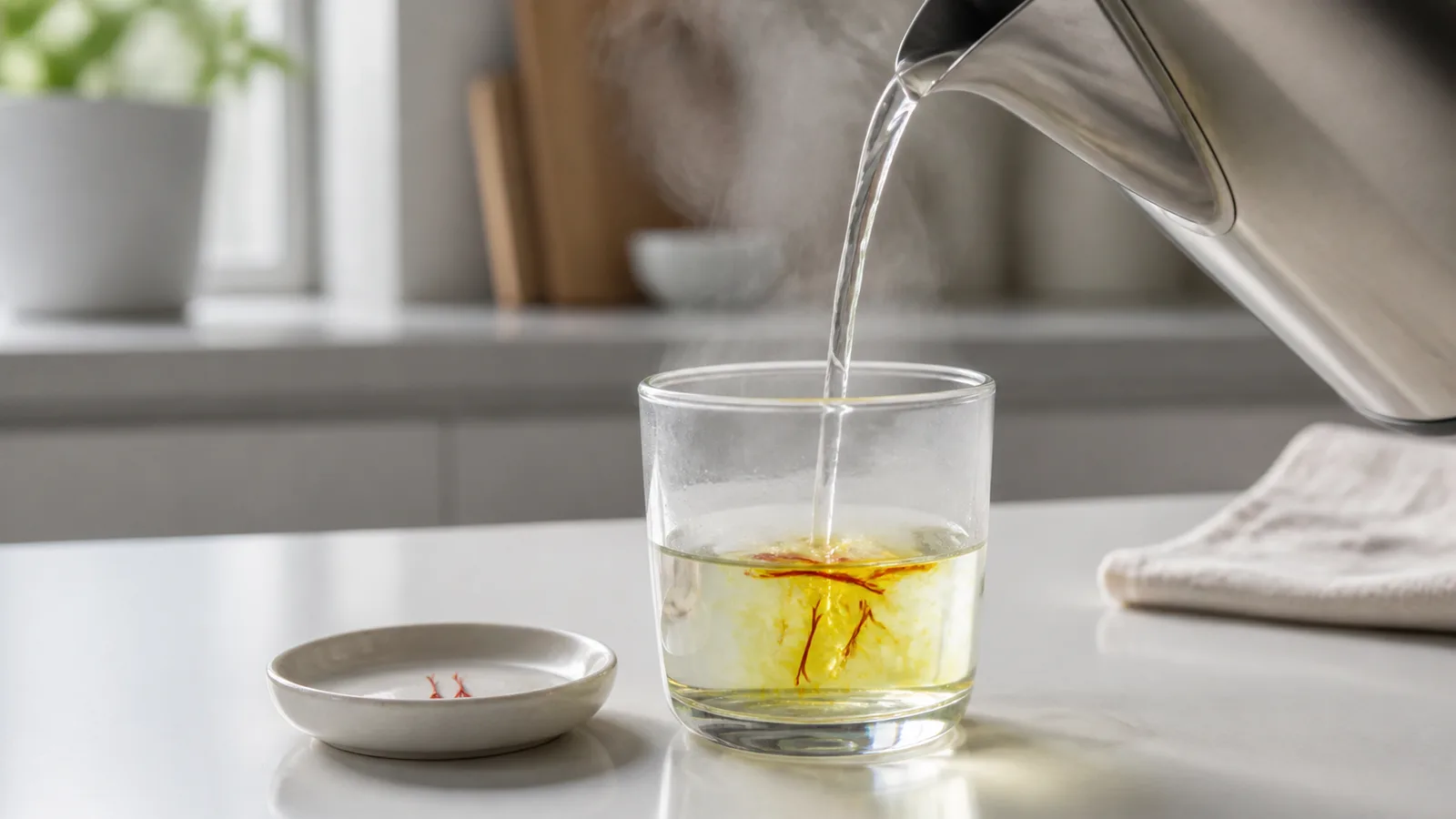
- 1/2 teaspoon saffron threads, finely ground and infused in 3 tablespoons hot water
- 1 tablespoon lemon juice, optional
- 2 tablespoons sliced pistachios or almonds
- Desiccated coconut or extra wheat starch, for coating if desired
Use wheat starch rather than wheat flour. Gelatin produces a different jelly-like sweet; traditional masghati develops its tender, elastic texture as the starch cooks slowly.
Dissolve the starch
Put the wheat starch in a heavy saucepan and add the cold water gradually, whisking until no dry pockets remain. Leave it for 10 minutes, then strain the liquid through a fine sieve into a clean saucepan.
Straining is worthwhile. Even a few starch lumps become difficult to remove once the mixture begins to thicken.
Cook the starch mixture
Set the pan over medium-low heat and stir continuously with a wooden spoon or heatproof spatula. The cloudy liquid will thicken and gradually become more translucent.
Add the sugar and keep stirring until it dissolves. The mixture may loosen at first; continue cooking gently rather than increasing the heat.
Add rosewater, cardamom and butter
Stir in the rosewater, cardamom and optional lemon juice. Add the butter or oil a little at a time, stirring until each addition is absorbed before adding more.
Cook over low heat for 45 to 60 minutes. Scrape the base and corners of the pan frequently. The masghati is ready for flavouring when it looks glossy, pulls away from the sides and falls from the spoon in a heavy ribbon.
Make saffron and rose masghati
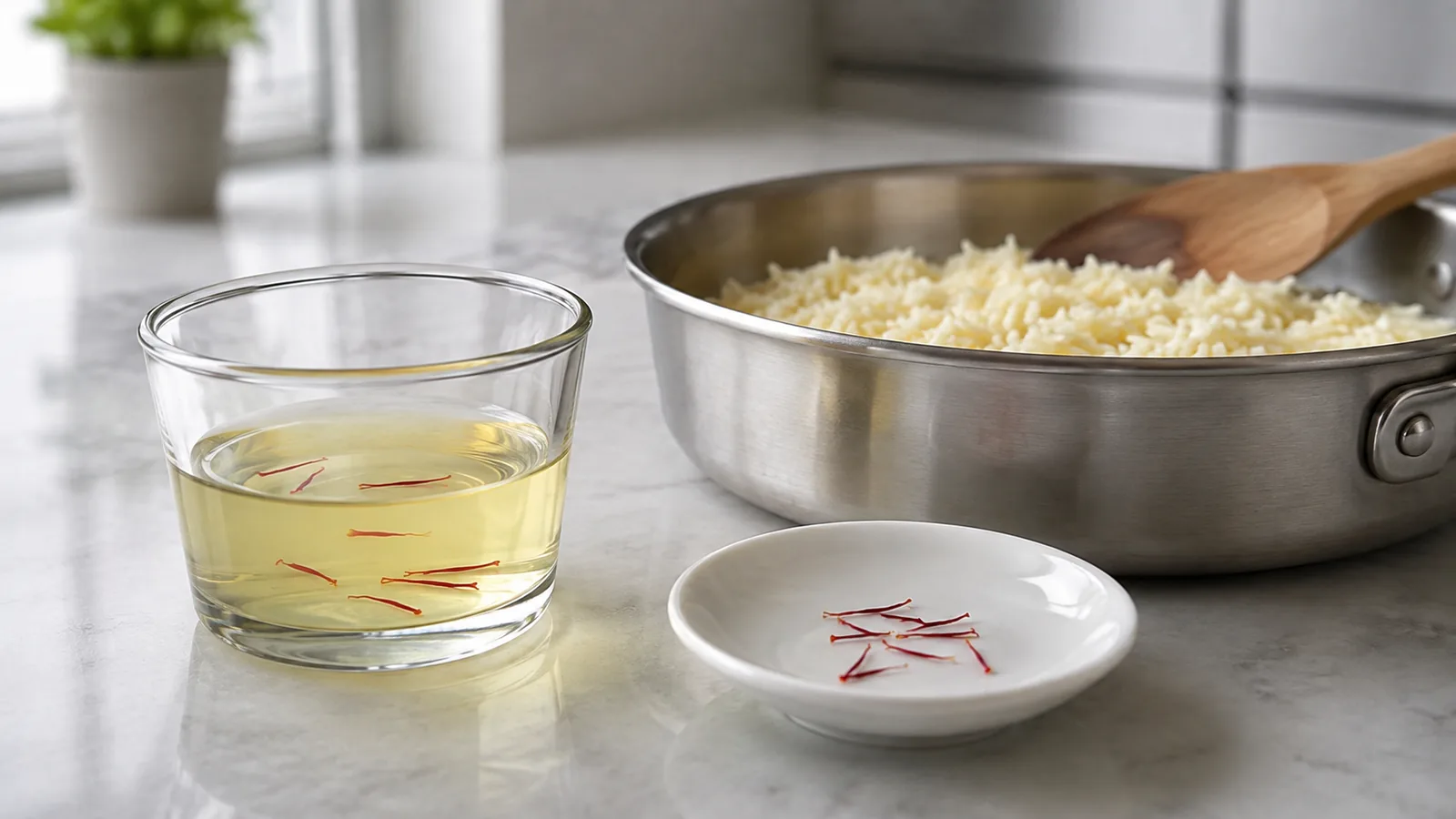
For an all-saffron batch, stir the complete saffron infusion into the pan during the final 10 minutes. A concentrated infusion gives clear colour and aroma without making the mixture watery; see our saffron brewing guide for the method.
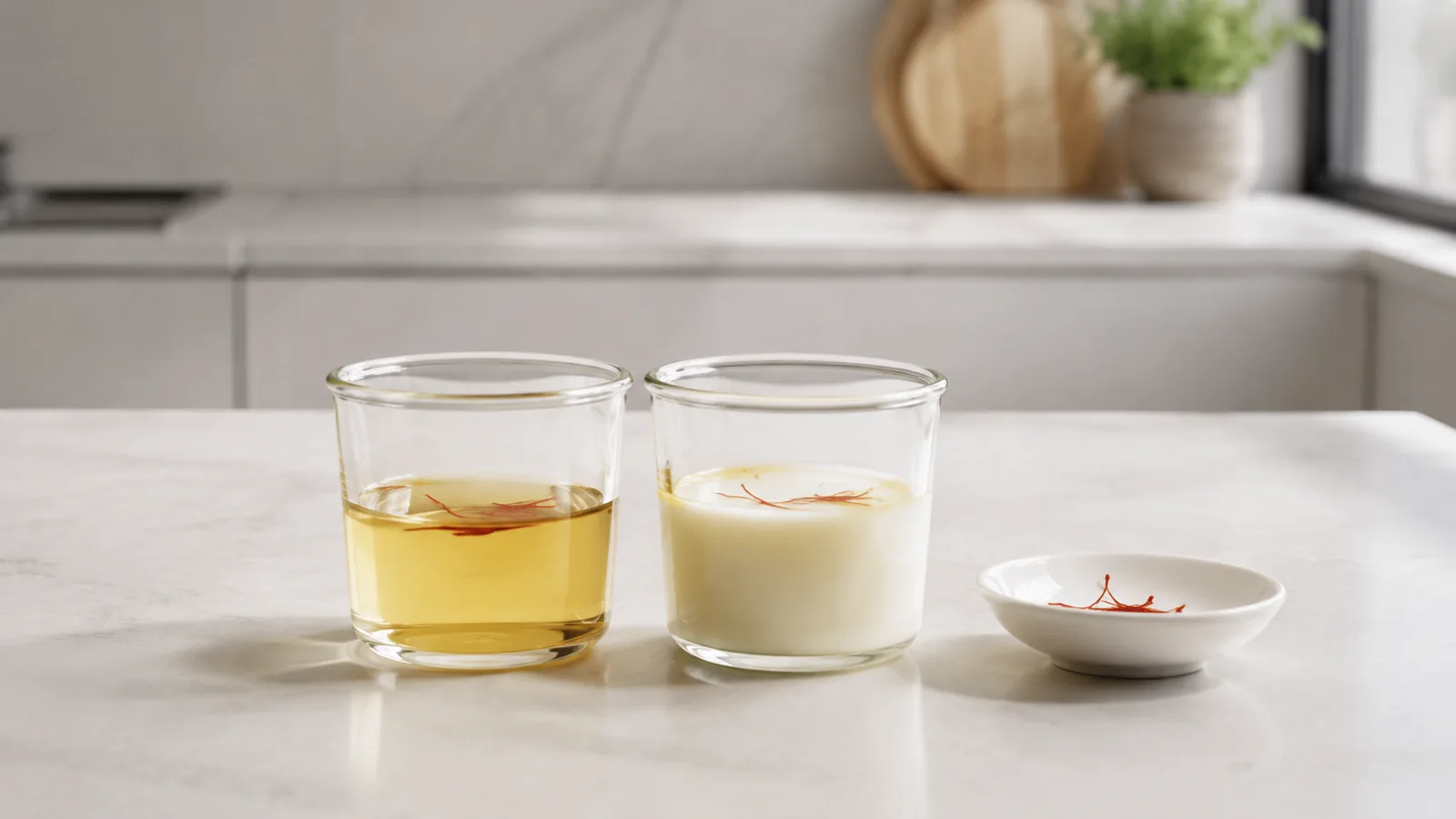
To make both flavours from one batch, divide the cooked mixture between two small pans. Stir the saffron infusion into one half and leave the other half scented with rosewater and cardamom. Warm each half briefly while stirring so both reach the same thick consistency.
Set and cut the masghati
Lightly grease a shallow dish and spread the hot mixture to an even depth of about 2 cm. Scatter the pistachios or almonds over the surface and press them in gently.
Let the masghati cool at room temperature, then cover and refrigerate for at least 3 to 4 hours. Cut it into small diamonds or squares with a lightly oiled knife.
Serve the pieces plain, dust them sparingly with wheat starch, or roll the edges in coconut. Too much coating can hide the delicate rose and saffron flavours.
How to judge the texture
- Too soft to cut: the starch needed longer cooking. Return the mixture to low heat and stir until it pulls cleanly from the pan.
- Rubbery: the heat was too high or the mixture cooked too far. Masghati should bend softly, not bounce like gelatin.
- Oily surface: the fat was added too quickly. Keep stirring over low heat until it is absorbed.
- Pale saffron flavour: use a concentrated infusion rather than adding extra water.
Storage
Keep masghati in a covered container in the refrigerator for up to 5 days, with baking paper between layers. Let it stand at room temperature for 10 to 15 minutes before serving so its texture softens.