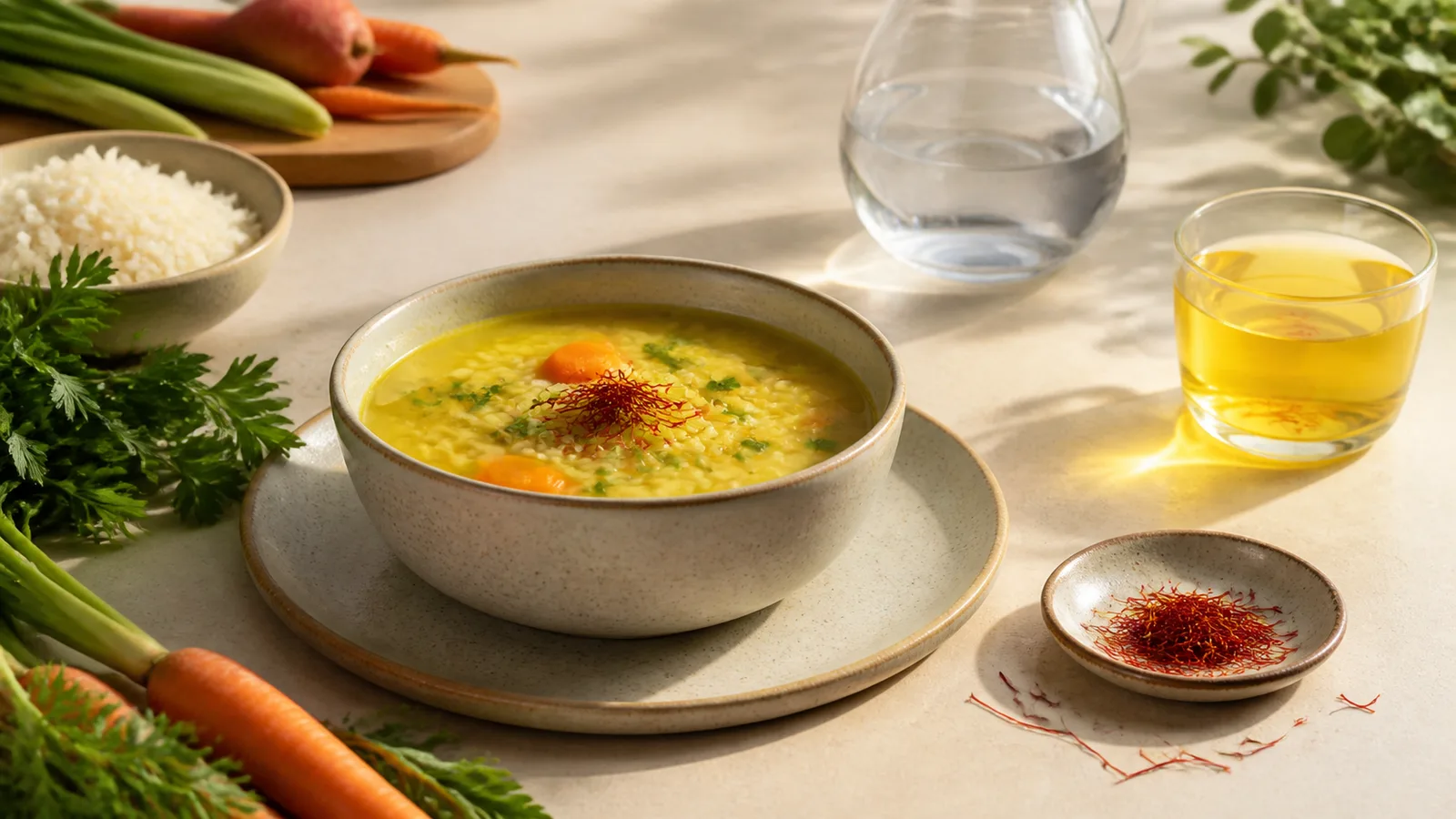
Saffron is enjoyable in food, but human research does not show that it is a treatment for common stomach or bowel problems. Claims that it relieves bloating, stimulates the intestines, heals ulcers, or reliably improves digestion come mainly from traditional use and laboratory or animal research—not good clinical trials in people with those conditions.
That makes the answer to “is saffron good for stomach health?” more practical than promotional. A culinary pinch may fit comfortably into a varied diet if you tolerate it. It should not replace the usual steps for identifying persistent pain, constipation, reflux, nausea, or swelling.
What “saffron digestion” claims actually mean
Saffron contains compounds including crocin and safranal. Researchers have studied their antioxidant, anti-inflammatory, and antispasmodic activity in cells and animals. These findings help explain why saffron and digestive diseases are research topics, but they do not prove that eating saffron relaxes the human gut or produces a meaningful clinical benefit.
Saffron has a long history in Persian traditional medicine, but that history does not establish modern claims about saffron gut health. A broad review of human research found that most clinical work concerned areas such as mood, cognition, vision, and metabolic measures. Evidence for routine digestive complaints remains sparse. Even supplements can cause gastrointestinal side effects, so “natural” does not guarantee that a product will soothe the stomach.
Does saffron make you poop?
There is no reliable human evidence that saffron works as a laxative or predictably increases bowel movements. If a saffron drink seems to help once, the warm liquid, a change in the meal, or ordinary day-to-day variation may be responsible. The spice itself has not been shown to stimulate the intestines in a dependable way.
Saffron for constipation should therefore be treated as an unproven claim. Established self-care usually starts with enough dietary fiber, fluids to support that fiber, regular movement, and time to use the bathroom. A doctor or pharmacist can advise on an appropriate short-term laxative when needed.
Seek medical advice for constipation that persists, keeps returning, or comes with blood in the stool, vomiting, fever, inability to pass gas, continuing abdominal pain, or unintentional weight loss. A sudden major change in bowel habits also deserves assessment.
Does saffron cause constipation?
Constipation is not established as a typical effect of culinary saffron, but individual reactions vary. A dish containing saffron may also include low-fiber refined rice, rich dairy, or other ingredients that affect a person’s bowel pattern. Medicines, dehydration, reduced activity, travel, pregnancy, and medical conditions are common alternative explanations.
If symptoms begin after a saffron supplement, stop assuming it is helping and review the product with a healthcare professional. Concentrated preparations differ from food, and supplements themselves can cause digestive complaints.
Does saffron cause bloating?
Saffron is not a recognized universal cause of bloating, but it also has not been proven to relieve it. Bloating is the feeling of abdominal fullness or swelling; visible distension may or may not occur. Common contributors include swallowed air, carbonated drinks, constipation, and carbohydrates that gut bacteria ferment.
To work out whether a saffron dish is involved, look at the whole recipe. Milk can matter to someone with lactose intolerance; onions and legumes can increase gas for some people; a large, rich meal can feel heavy. Keep the serving and other ingredients consistent, then note the timing of symptoms rather than crediting or blaming the spice immediately.
Frequent or troublesome bloating, a sudden change, or bloating with pain, diarrhea, constipation, vomiting, or weight loss should be discussed with a clinician. Those patterns can occur with irritable bowel syndrome, celiac disease, food intolerance, gastroparesis, or other conditions.
Saffron and stomach pain
“Stomach pain” can describe burning high in the abdomen, cramps, gas, reflux, or pain arising outside the stomach. Because the causes differ, there is no single spice remedy. A mild symptom after a large meal may settle, while recurring or severe pain needs a proper explanation.
Saffron tea may feel warm and pleasant, but comfort is not evidence that it treats the cause. For a fuller explanation of symptom patterns and appropriate caution, see our guide to saffron and stomach pain.
What about a “cold stomach”?
A “cold stomach” or a stomach with a “cold nature” is a traditional description, not a diagnosis used in modern gastroenterology. People may use it for indigestion, nausea, bloating, pain, or discomfort after certain foods. Those symptoms can have different causes and should not be attributed to an internal temperature imbalance without an assessment.
Saffron has a warm sensory character in some culinary and traditional systems. That does not show that it changes stomach temperature or cures the symptoms grouped under this label.
Can saffron heal a stomach ulcer?
No human clinical evidence shows that saffron heals a peptic ulcer. Laboratory and animal findings about crocin, oxidative stress, or the stomach lining cannot establish treatment in people.
A peptic ulcer is a sore in the lining of the stomach or the first part of the small intestine. Helicobacter pylori infection and nonsteroidal anti-inflammatory drugs such as ibuprofen or naproxen are the two most common causes. Effective care depends on the cause and may require testing, antibiotics, acid-reducing medicine, and changes to medicines under professional guidance.
Black or tarry stool, vomiting blood or material that resembles coffee grounds, sudden severe abdominal pain, fainting, or signs of shock require urgent medical care. Saffron must not delay treatment for bleeding or a perforated ulcer.
How to use saffron in a stomach-conscious meal
If saffron already agrees with you, use it for flavor rather than as a remedy:
- Lightly crush 8 to 12 genuine threads for a family-sized dish.
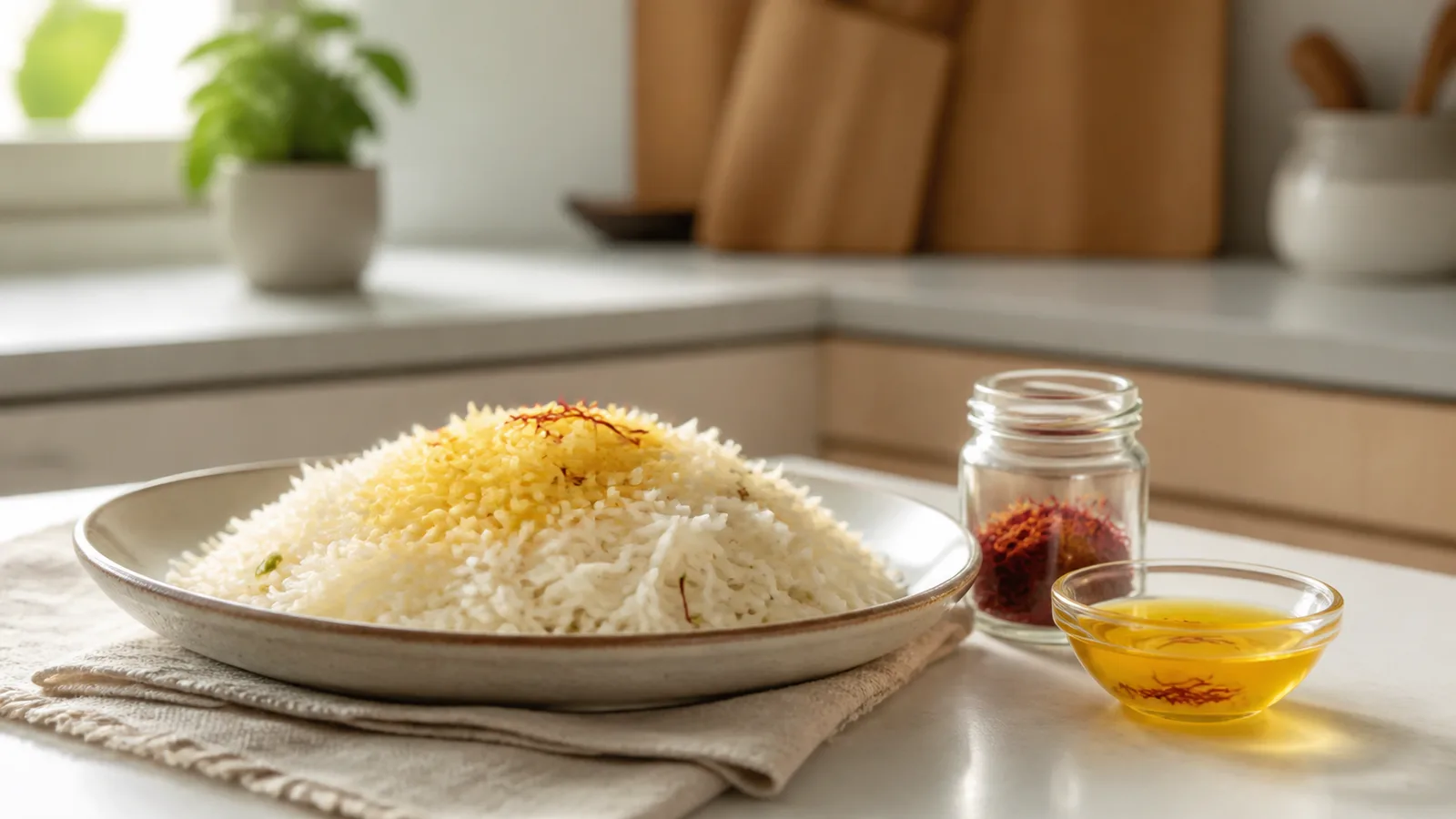
- Bloom them in 2 tablespoons of warm—not boiling—water for 10 to 15 minutes.
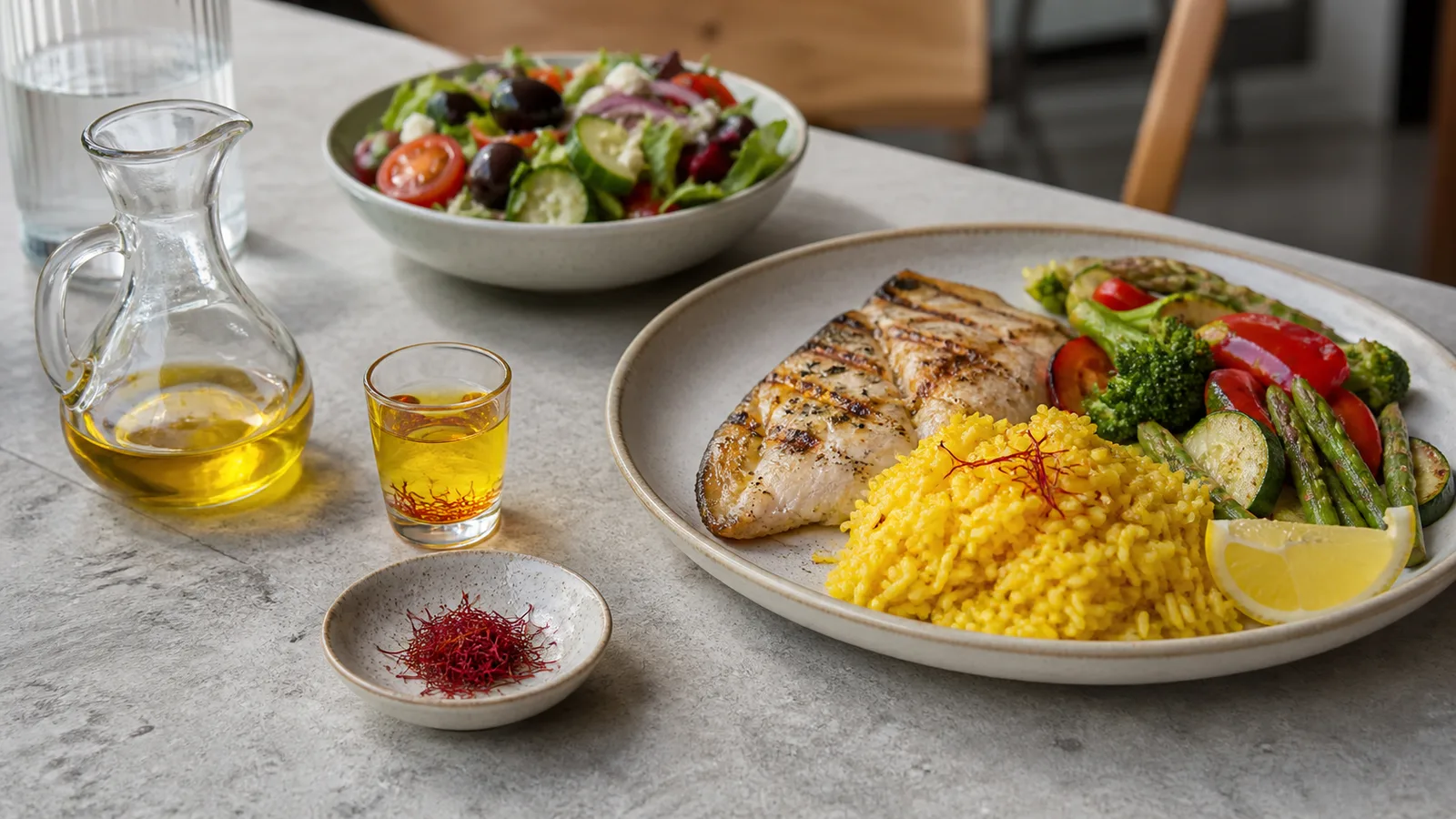
- Stir the infusion into rice, light soups or stews, vegetables, or another familiar recipe near the end of cooking.
- Start with a small portion when the complete dish contains ingredients you have not tried before.
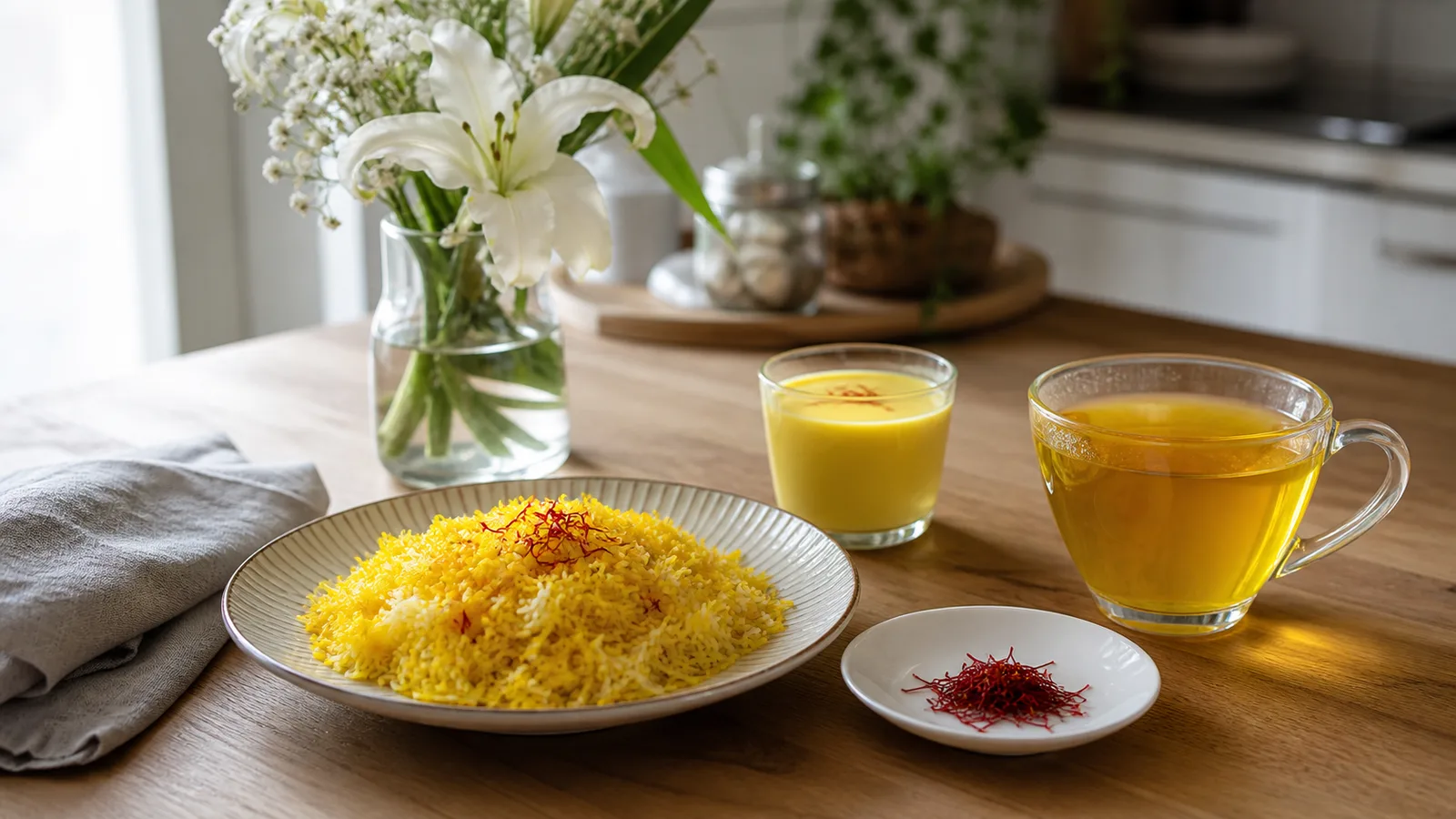
For a simple drink, a few threads can be steeped in a cup of hot water. Saffron milk and saffron honey may taste appealing, but milk, sweeteners, and portion size can alter how a drink feels. None of these formats is a treatment for constipation, bloating, or ulcers.
Culinary saffron is not a supplement
A pinch used in cooking is different from a capsule or extract taken every day. Concentrated products vary in composition and dose, and the evidence does not establish one for digestive health. A recent safety review found that gastrointestinal problems were the most frequently reported adverse events in human studies of saffron preparations, although most were minor and self-limiting.
Ask a clinician or pharmacist before taking a supplement if you are pregnant or breastfeeding, use regular medicines, have low blood pressure or a bleeding condition, or are preparing for surgery. Do not use more in the hope of a stronger effect.
Saffron for stomach health is best understood as a culinary choice with interesting early research, not a powerful digestive remedy. Enjoy it when it suits you; use symptom-specific, evidence-based care when your stomach or bowel is asking for more than flavor.