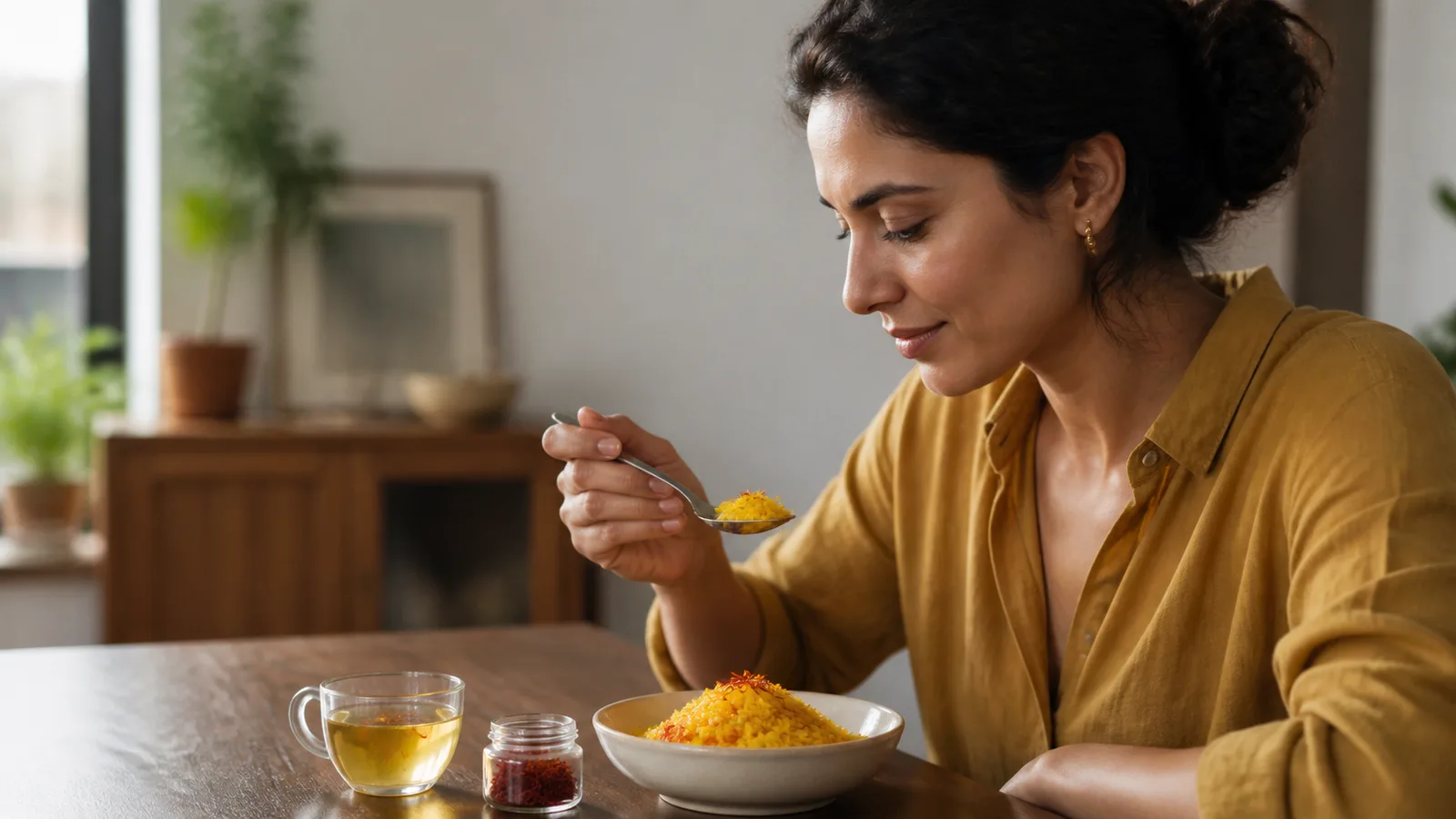
Saffron has been studied for memory and cognitive health, but it has not been shown to make a healthy person more intelligent. A handful of clinical trials involving people with mild cognitive impairment or Alzheimer’s disease have reported promising results from measured saffron extracts. Those studies are interesting, not permission to treat memory loss at home or to assume that a pinch in food works like a research product.
That distinction is the heart of any honest discussion about saffron for memory enhancement. Food, supplements and standardized extracts can contain very different amounts of saffron’s compounds. Memory problems also have many possible causes, some of them urgent or treatable. The sensible approach is to enjoy genuine saffron as food and read the human evidence with its limits intact.
What is pure saffron?
Saffron is the dried stigma of Crocus sativus. Each purple flower produces three red stigmas, which are separated and dried to make the spice. Crocins contribute much of its colour, picrocrocin is associated with its characteristic bitter taste, and safranal contributes strongly to the aroma that develops during drying and storage.
“Pure” should mean that the pack contains saffron rather than dyed fibres, unrelated plant material or added colour. It does not mean that every genuine batch has identical strength. Harvest, drying, storage, the amount of pale style present and the age of the spice all affect what reaches the cup or plate.
The old idea that merely touching a stigma releases an aroma that lasts for days is not a useful purity test. Neither is thread shape alone. Whole threads are easier to inspect than powder, but reliable sourcing, batch information and appropriate laboratory analysis give a firmer basis for judging quality.
What does research say about saffron and memory?
Memory in healthy adults
There is not enough clinical evidence to say that saffron increases intelligence or reliably sharpens memory in healthy people. Minerals naturally present in the spice do not establish that effect, and the tiny culinary amount used in a meal cannot be equated with a supplement dose. Claims that manganese, copper, iron, selenium, zinc or magnesium in saffron make a person smarter go beyond the evidence.
A good meal, adequate sleep, physical activity, social engagement and management of hearing, vision and cardiovascular risks have a much broader evidence base for healthy ageing than any single spice. Saffron may make those meals more pleasurable, but it should not be sold as a shortcut to a higher IQ.
Mild cognitive impairment and Alzheimer’s disease
Small randomized trials have tested standardized saffron preparations in people already diagnosed with cognitive impairment or Alzheimer’s disease. Some found changes on cognitive assessment scales over relatively short study periods. A systematic review of saffron and cognition described encouraging findings while also highlighting the small evidence base and the need for stronger trials.
These results do not show that culinary saffron prevents Alzheimer’s disease. They also do not establish that a store-bought supplement can replace diagnosis, prescribed medicine or specialist care. Study participants used defined preparations under clinical supervision; a commercial product may differ in composition, purity and dose.
If memory loss is new, worsening or interfering with daily life, it deserves a medical assessment. Sudden confusion, new weakness, difficulty speaking, severe headache or loss of consciousness needs urgent help. A spice should never delay that response.
Mood, sleep and the feeling of mental clarity
Memory does not operate in isolation. Depression, anxiety, poor sleep, pain, medication effects and physical illness can all make concentration and recall feel worse. This may explain why a person can feel mentally clearer when sleep or mood improves, even though their underlying memory capacity has not changed.
Saffron extracts have been studied more extensively for depressive symptoms than for memory in healthy adults. Meta-analyses report a possible benefit in small, short-term trials, but the research does not justify telling someone to stop antidepressants or manage serious depression alone. A review of neurological and psychiatric clinical evidence discusses both the promising signals and the limitations across conditions.
Sleep research is also developing. Some trials have reported improvements in self-reported sleep measures, yet products and study designs vary. Better sleep can help attention the next day; that is different from proof that saffron restores a disrupted “body clock” or permanently strengthens memory.
The wider benefits of pure saffron: where claims outrun evidence
Saffron is a valued culinary ingredient. Its colour, aroma and flavour are real advantages, and using it can make nourishing foods more appealing. Health claims need a higher bar. Laboratory findings about antioxidant activity or isolated compounds cannot, by themselves, prove that eating saffron prevents disease in people.
- Depression and mental wellbeing: small clinical trials of extracts are promising, but saffron is not a self-directed replacement for mental-health care.
- Pain: limited research in particular settings does not support a general claim that saffron relieves everyday muscle pain.
- Hair growth and hair loss: there is no sound reason to infer a treatment from the thread-like appearance of saffron. Visual resemblance is not biology.
- Respiratory conditions: evidence is insufficient to claim that saffron treats chronic cough, bronchial disease or impaired lung function.
- Heart and stroke prevention: changes in individual biomarkers do not prove that saffron prevents heart attacks or strokes.
- Skin and digestion: culinary use does not establish that saffron clears skin disease or strengthens the digestive system.
- Cancer: cell and animal experiments cannot show that saffron prevents or treats cancer in humans. It must not replace screening, oncology care or treatment.
For a broader evidence-by-evidence review, read our updated guide to saffron’s health benefits and uses.
Food use and research extracts are not interchangeable
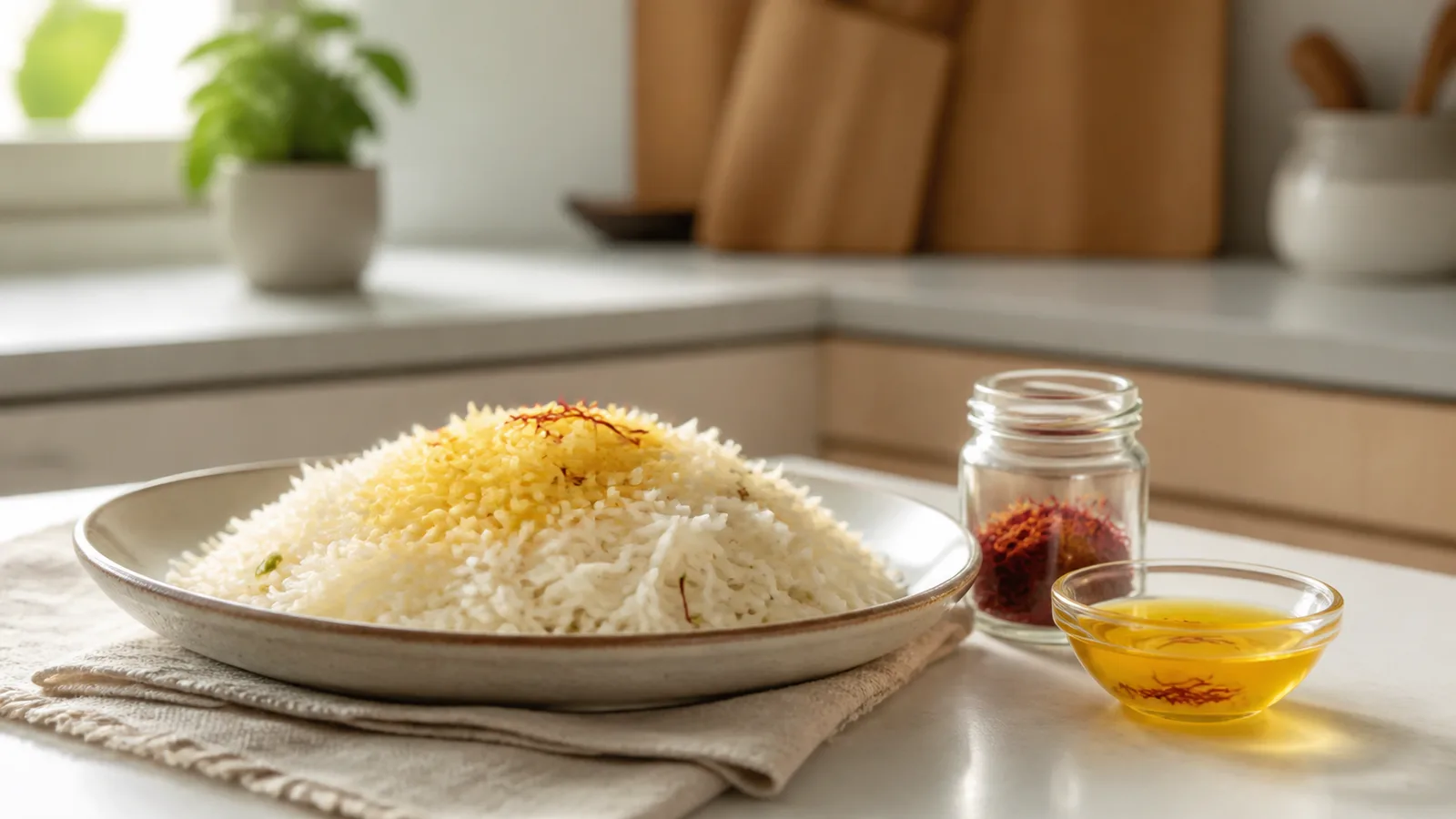
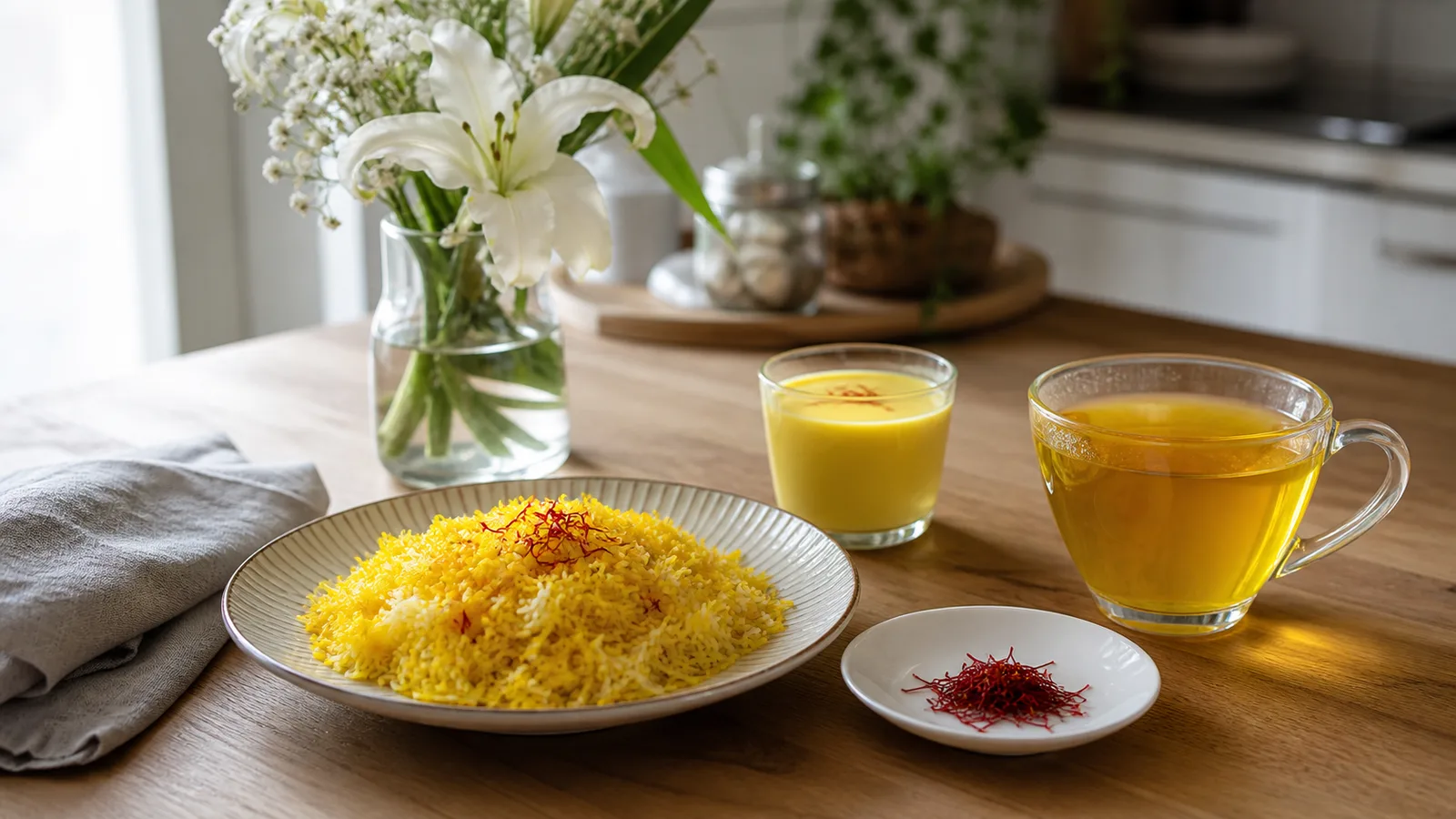
In the kitchen, a small pinch of whole threads is usually infused in warm water or milk before it is added to rice, soup, bread or dessert. This disperses the colour and aroma. Culinary use is about flavour; it is not a clinical dose and should not be described as one.
Research extracts may be standardized for selected compounds and supplied in measured capsules. Supplements sold to consumers can vary, and “natural” does not mean risk-free. Adverse effects reported with saffron products include digestive symptoms, headache, dizziness and allergic reactions. Concentrated use can also matter during pregnancy, before surgery or alongside medicines that affect mood, blood pressure, bleeding or blood sugar.
Anyone considering a supplement for memory, mood or sleep should first discuss the product and their medicines with a qualified clinician or pharmacist. This is particularly important for older adults, people who are pregnant, those with chronic conditions and anyone already receiving treatment for cognitive or psychiatric symptoms.
A practical way to think about saffron for memory enhancement
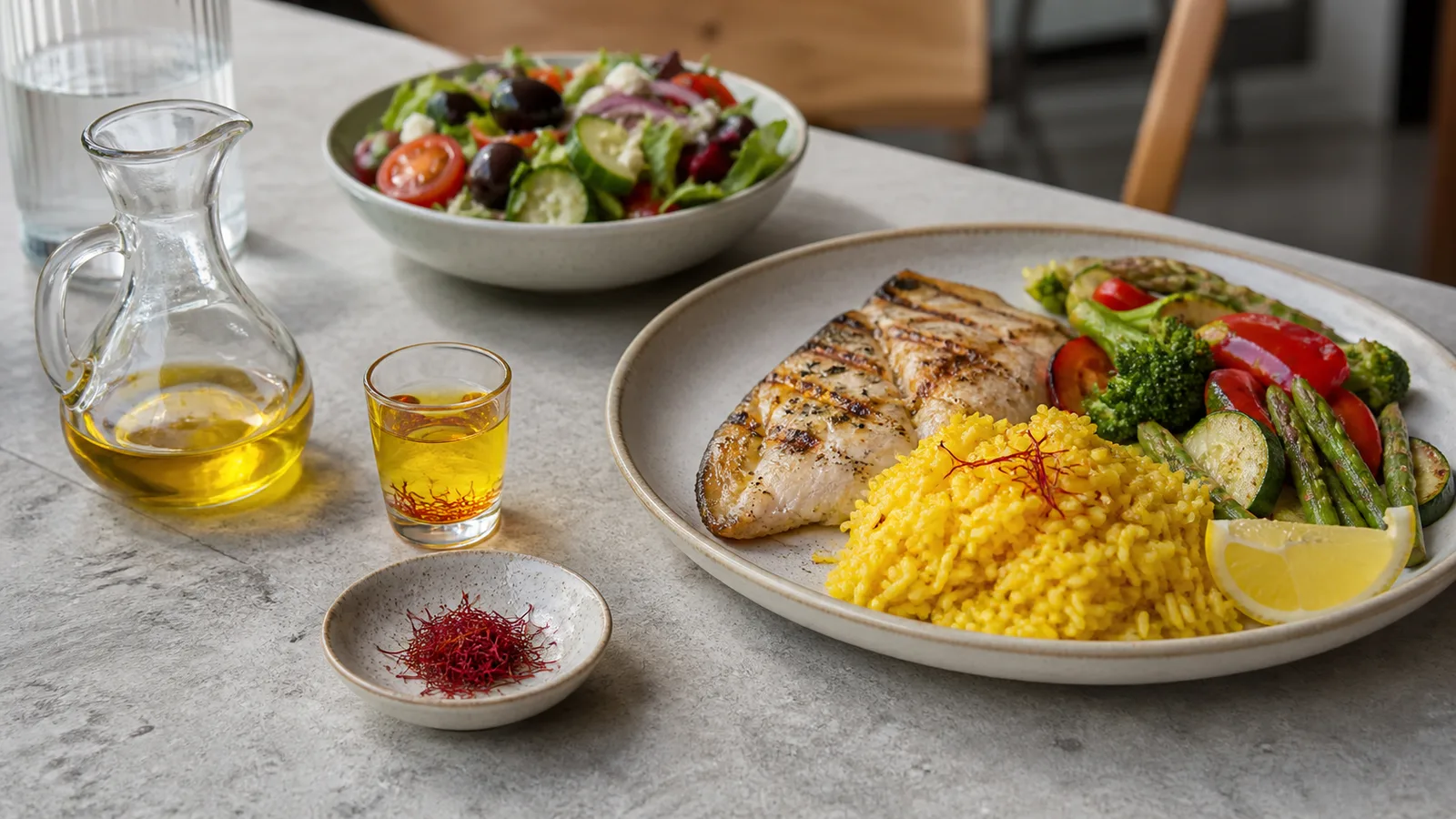
Use saffron because you value its taste, aroma and place in a meal. If you are curious about cognition research, notice who was studied, what preparation they received, how long the trial lasted and which outcome was measured. A score in a small clinical trial is not the same as preventing dementia in the general population.
It is reasonable to call the research promising. It is not reasonable to promise increased intelligence, guaranteed memory improvement or protection from Alzheimer’s disease. Pure saffron can be a pleasurable part of a varied diet; concerns about memory still deserve proper assessment, and any medicinal use belongs in a conversation with a healthcare professional.