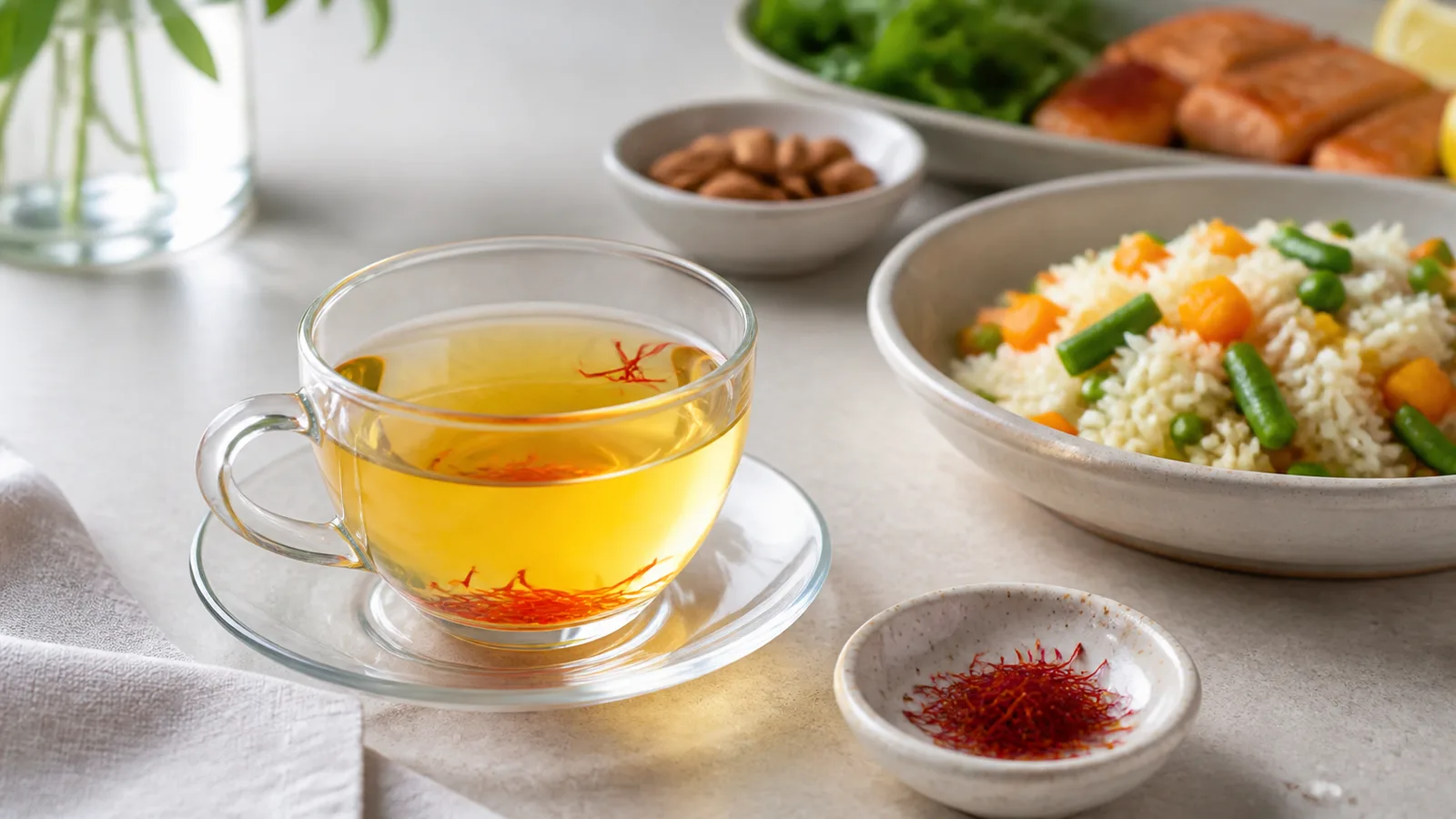
Saffron does not treat hypothyroidism or make an underactive thyroid produce more hormone. It can be enjoyed in ordinary food and drinks, and some of its compounds are being researched for other health effects. That is different from evidence that saffron improves thyroid function.
The connection between saffron and thyroid health is therefore straightforward: use saffron as a spice if you like it, keep taking prescribed thyroid medicine, and discuss any concentrated supplement with your doctor or pharmacist.
What hypothyroidism means
Hypothyroidism develops when the thyroid gland does not make enough thyroid hormone for the body’s needs. Because these hormones help regulate energy use throughout the body, symptoms can include fatigue, feeling cold, dry skin or thinning hair, constipation, weight gain, slowed heart rate, heavy or irregular periods, and low mood. Symptoms often develop gradually and can have many other causes, so diagnosis requires blood tests rather than guesswork.
Hashimoto’s disease is a common autoimmune cause. Hypothyroidism can also follow thyroid surgery, radioactive iodine or radiation treatment, thyroid inflammation, certain medicines, or problems involving the pituitary gland. Treatment depends on the cause and the person’s test results.
Can saffron help with hypothyroidism?
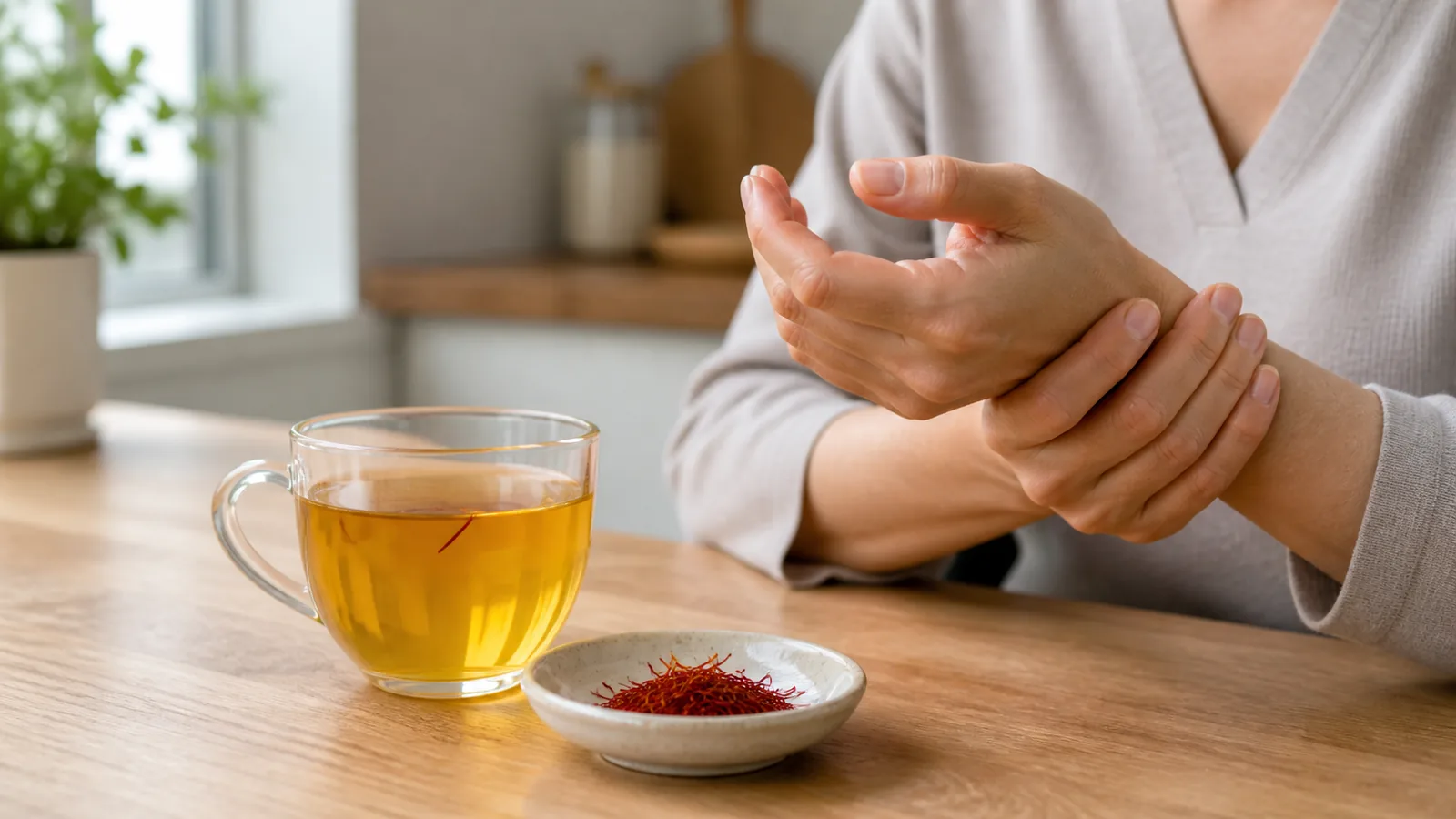
There is no good human clinical evidence that saffron raises thyroid hormone levels, lowers thyroid-stimulating hormone (TSH), repairs thyroid tissue, or treats Hashimoto’s disease. Most saffron thyroid claims online reach beyond the research. It should not be described as natural thyroid support if that phrase implies a therapeutic effect.
Saffron contains antioxidant compounds such as crocin and safranal. Laboratory observations about oxidative stress or inflammation are not proof of a targeted benefit in the thyroid gland. They also do not show that saffron reverses the metabolic slowdown, tiredness, weight changes, or other symptoms caused by too little thyroid hormone.
What about mood and everyday energy?
Saffron has a long history of traditional use, and modern extracts have been studied for mood and anxiety symptoms in other populations. Those studies did not test whether saffron corrects hypothyroidism. A person whose low mood or low energy comes from an underactive thyroid needs their thyroid levels and treatment reviewed. A supplement should not be used to mask persistent symptoms.
Does saffron interfere with thyroid medication?
No well-established saffron-specific interaction with levothyroxine has been demonstrated in human studies. That absence of evidence is not a guarantee that every saffron extract or supplement is compatible with every medicine. Concentrated products vary, and interaction data are limited.
Levothyroxine absorption is sensitive to timing. Current NHS guidance says to take it on an empty stomach, 30 to 60 minutes before the first meal, caffeinated drink, or other medicine. Calcium, iron, antacids, and some medicines and supplements also require special timing. Follow the instructions supplied with your own prescription rather than taking saffron tea, milk, breakfast, or capsules at the same time.
If you are considering a saffron supplement, show the exact product and ingredient list to a pharmacist. Do not change the dose or timing of thyroid medication without the clinician who monitors your TSH and thyroid hormone results.
Saffron for thyroid health: food versus supplements
Cooking with saffron
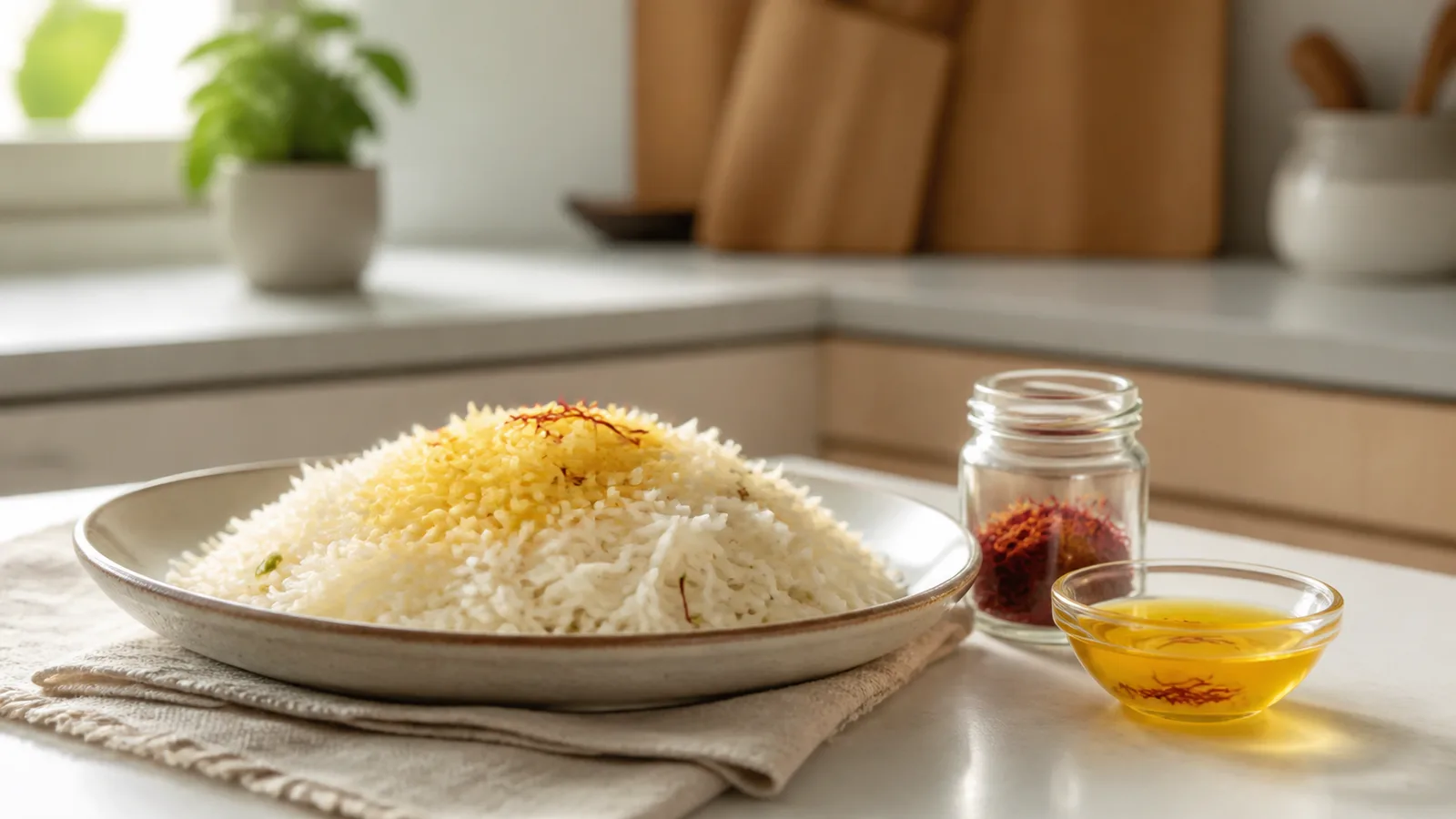
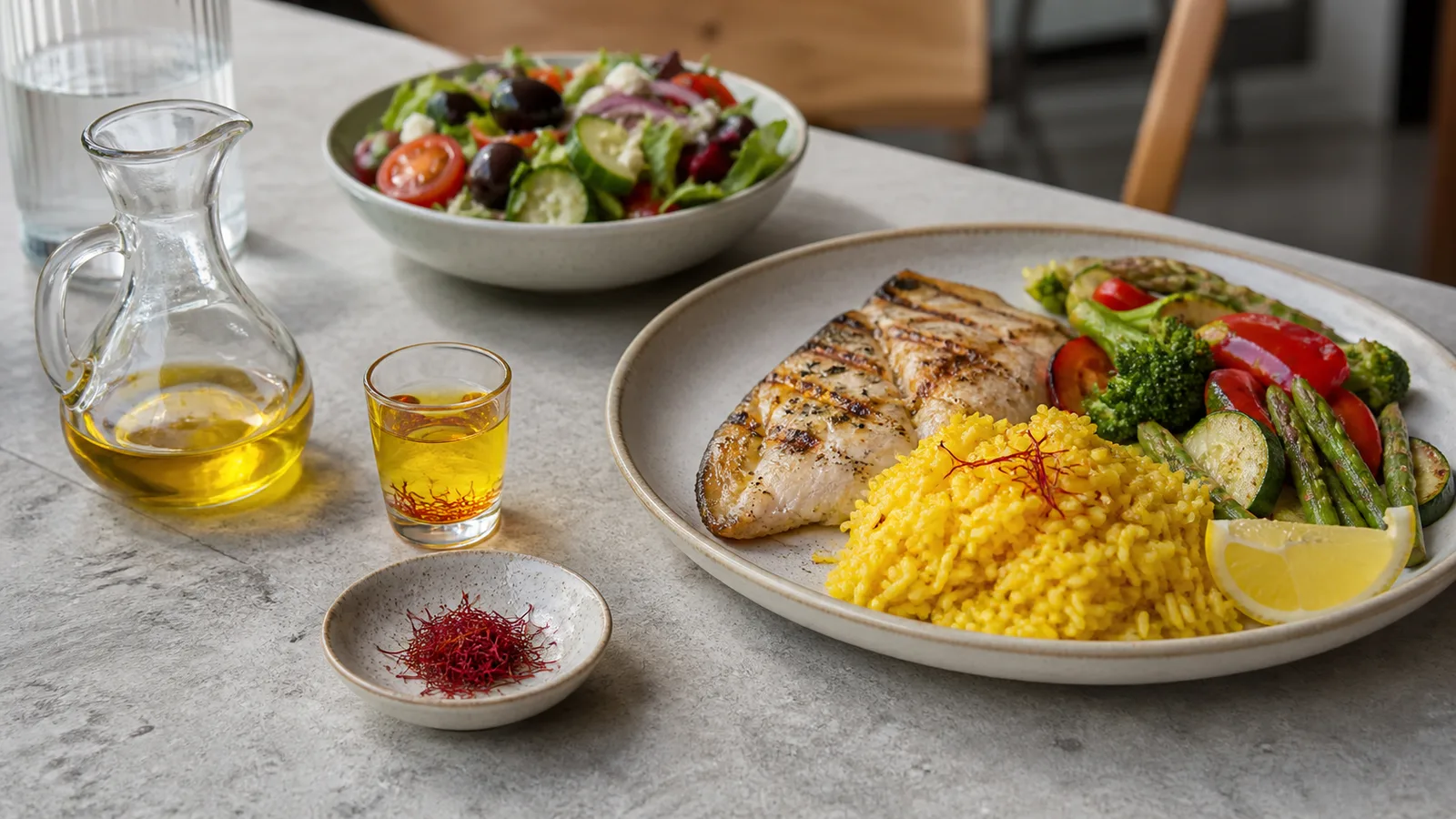
A small culinary amount can flavor rice, soups, vegetables, fish, or a sauce. This is a practical way to enjoy saffron as part of a balanced diet. It does not need to be eaten every day, and it should not be counted as thyroid treatment.
Saffron tea and other drinks
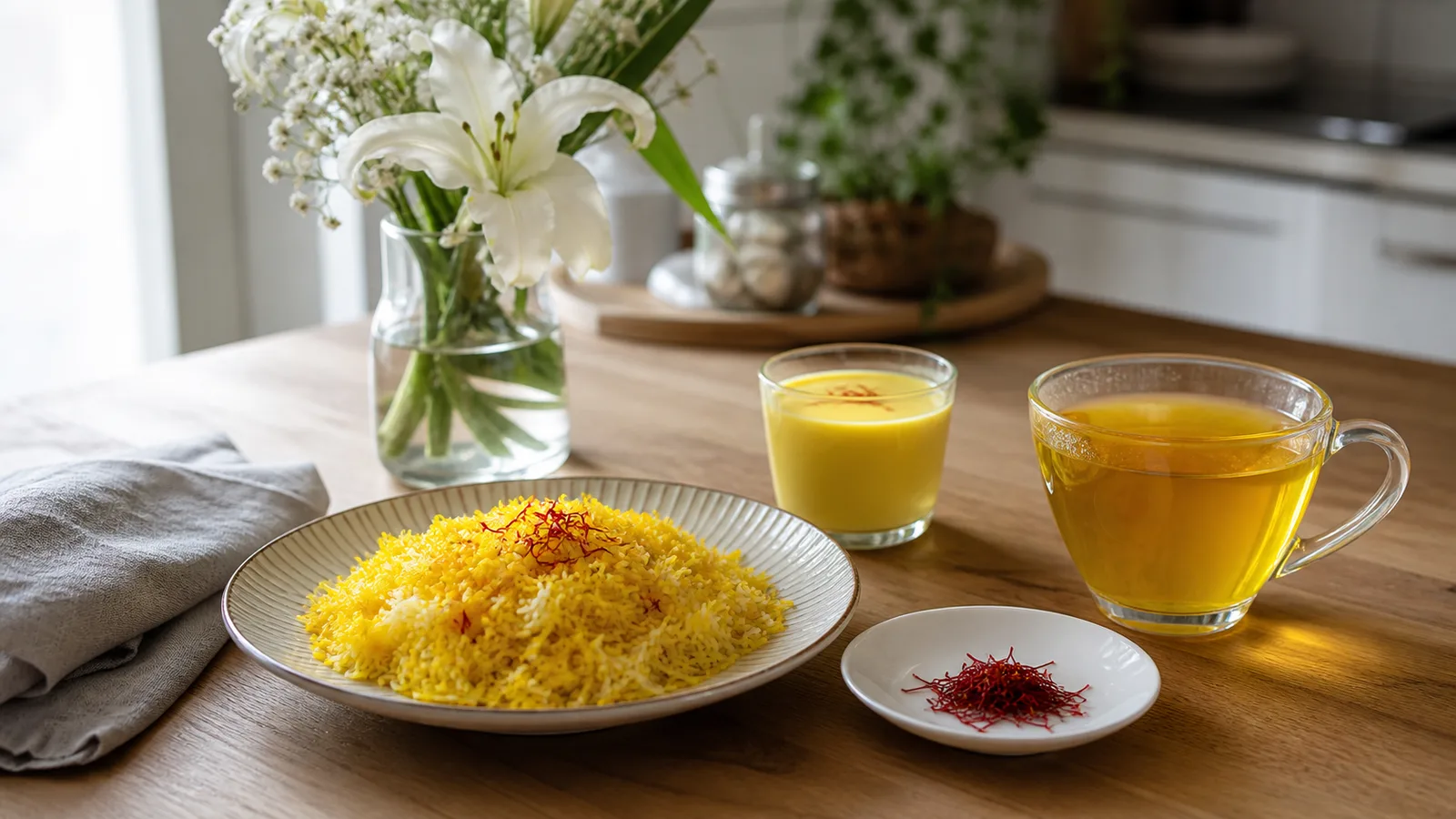
Steep a modest pinch of threads in warm-to-hot water for a gently aromatic drink. You can also add a little brewed saffron to milk after the medication timing window has passed. Our saffron tea guide explains the culinary method. Claims that a daily cup regulates TSH or supplies thyroid hormone are unsupported.
Saffron capsules and extracts
Capsules deliver a more concentrated and standardized-looking amount, but the label does not make them a proven hypothyroidism aid. Product quality and composition can vary. Ask a doctor or pharmacist before using an extract, especially during pregnancy, while breastfeeding, or alongside prescription medicine.
What does help an underactive thyroid?
Levothyroxine is a laboratory-made form of the hormone T4 and is the usual treatment for hypothyroidism. The dose is adjusted with blood tests. Once an effective dose is established, continued monitoring helps ensure that hormone levels remain in the intended range.
Do not stop treatment because symptoms improve, and do not increase it because symptoms persist. Too little and too much thyroid hormone can both cause problems. A clinician can check adherence, timing, absorption, other conditions, and whether the dose needs adjustment.
Diet and supplement cautions
A balanced diet supports general health, but there is no single “thyroid diet” that replaces hormone therapy. Iodine is necessary for thyroid hormone production; more is not automatically better. The U.S. National Institute of Diabetes and Digestive and Kidney Diseases warns that large amounts of iodine from foods such as kelp or from supplements can cause or worsen thyroid problems in people with autoimmune thyroid disease.
Tell your care team about herbal products, vitamins, and minerals you take. Biotin can interfere with some thyroid blood tests, while calcium and iron can reduce levothyroxine absorption when taken too close to it. These documented issues should not be confused with an unproven claim that saffron itself changes thyroid hormone production.
When to ask for a treatment review
Contact your clinician if fatigue, cold intolerance, constipation, weight change, low mood, menstrual changes, or other symptoms persist or return. Seek advice promptly if you are pregnant or planning pregnancy, because thyroid hormone needs and monitoring may change.
Saffron for thyroid wellness is best understood as a flavorful dietary choice. It may make a meal or drink more enjoyable, but the benefit and limit are equally important: saffron does not replace diagnosis, blood tests, or the thyroid hormone your body needs.