What is saffron milk?
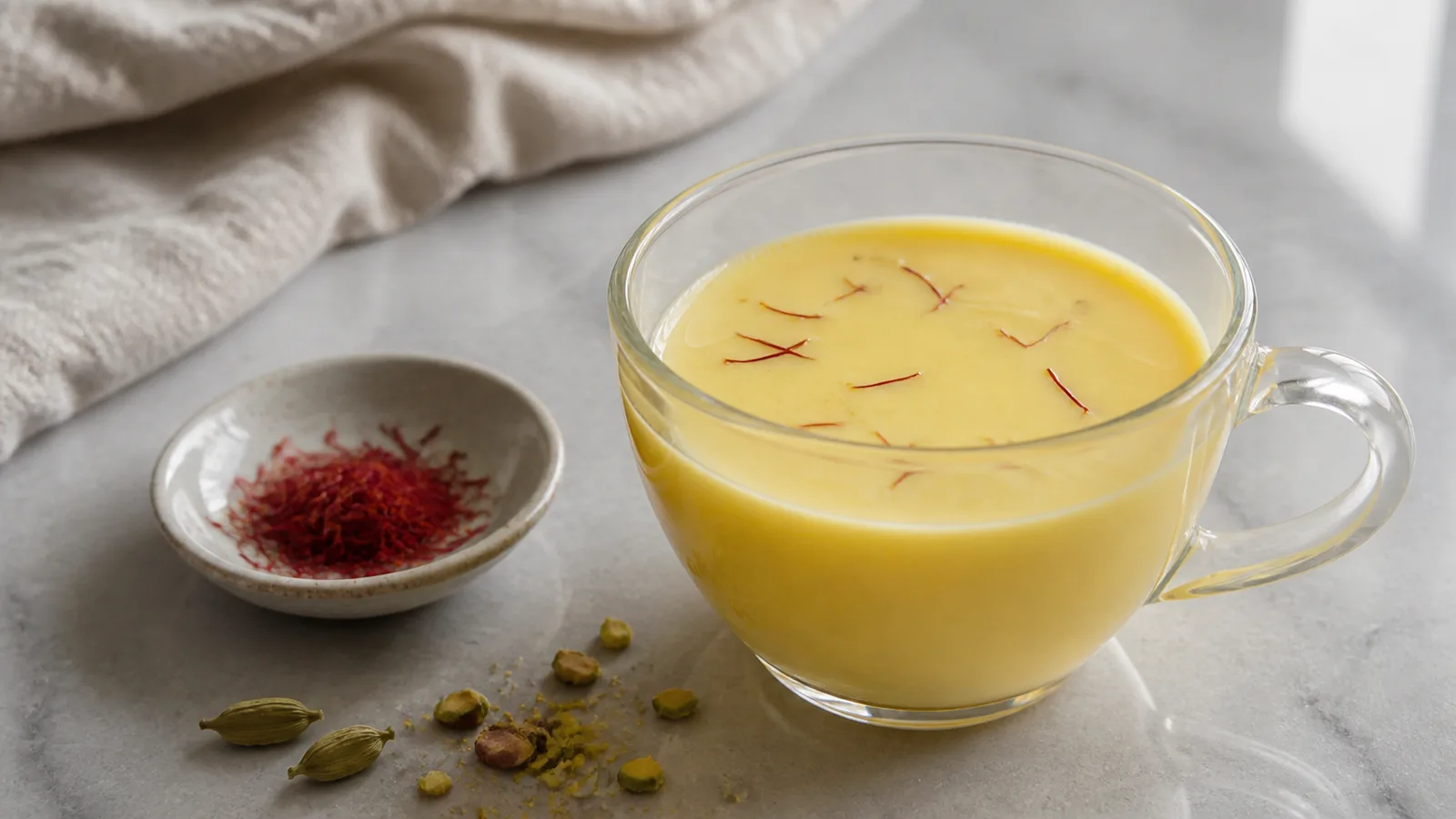
Saffron milk is warm milk infused with a small amount of saffron. Cardamom, honey or sugar, and chopped nuts are optional. The drink is also called kesar milk in South Asia, and you can make it with dairy milk or a plant-based alternative. This saffron infused milk can be served warm or chilled.
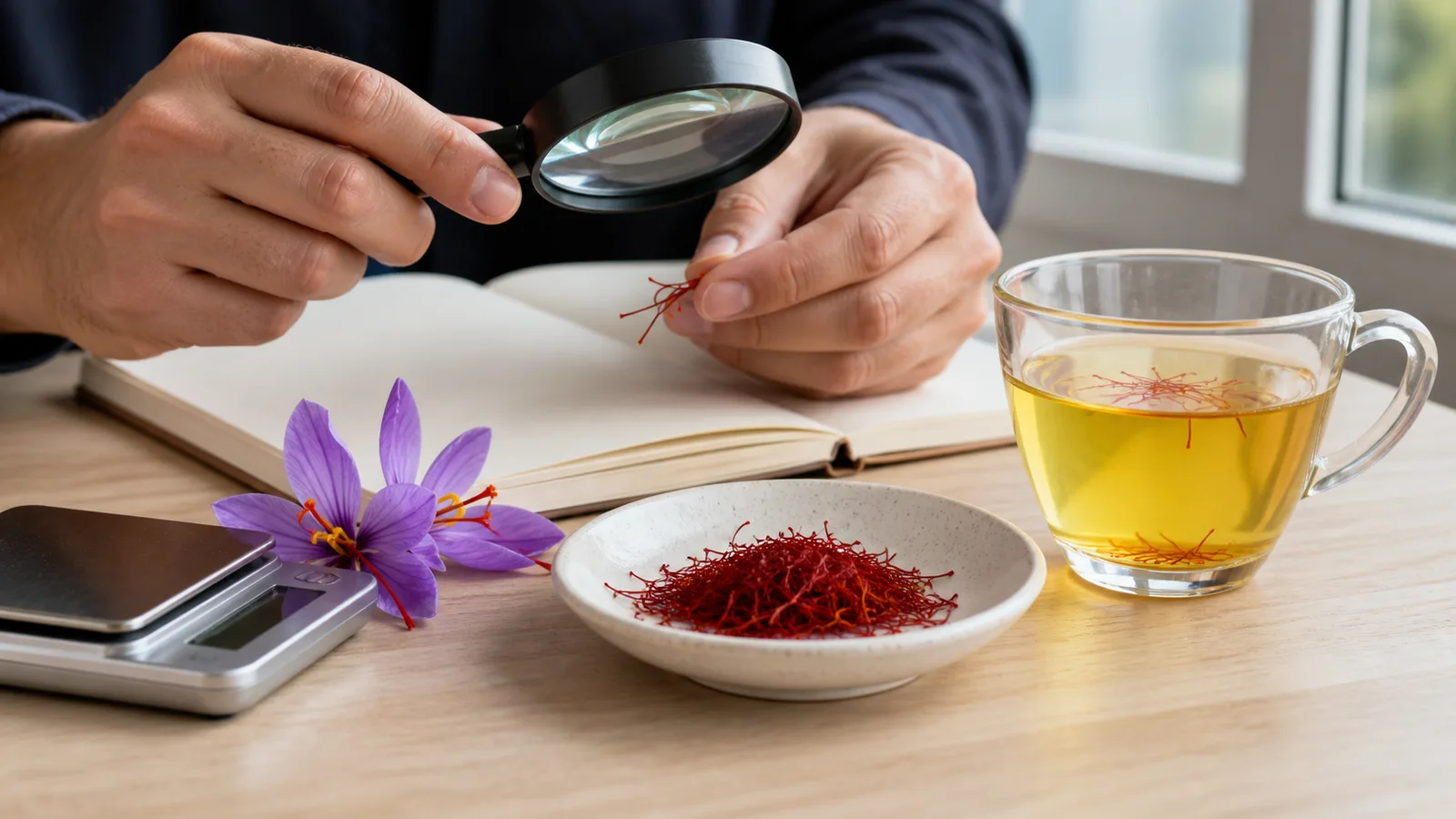
The key is restraint. For two cups of milk, 12 to 20 saffron threads usually provide plenty of color and aroma. Crushing and blooming the threads first gives a more even saffron infusion than dropping a large quantity straight into the pan.
How to use saffron in milk: an easy recipe
The best way to use saffron with milk is to make a small infusion first. Whether you call the spice saffron or kesar, blooming it before adding it to the pan distributes the flavor and color more evenly.
Saffron milk recipe
Ingredients for two servings
- 2 cups (480 ml) dairy milk or an unsweetened plant milk
- 12 to 20 saffron strands
- 2 tablespoons warm water or warm milk, for blooming
- 1/4 teaspoon ground cardamom, optional
- Honey or sugar to taste, optional
- 1 tablespoon chopped pistachios or almonds, optional
How to make saffron milk
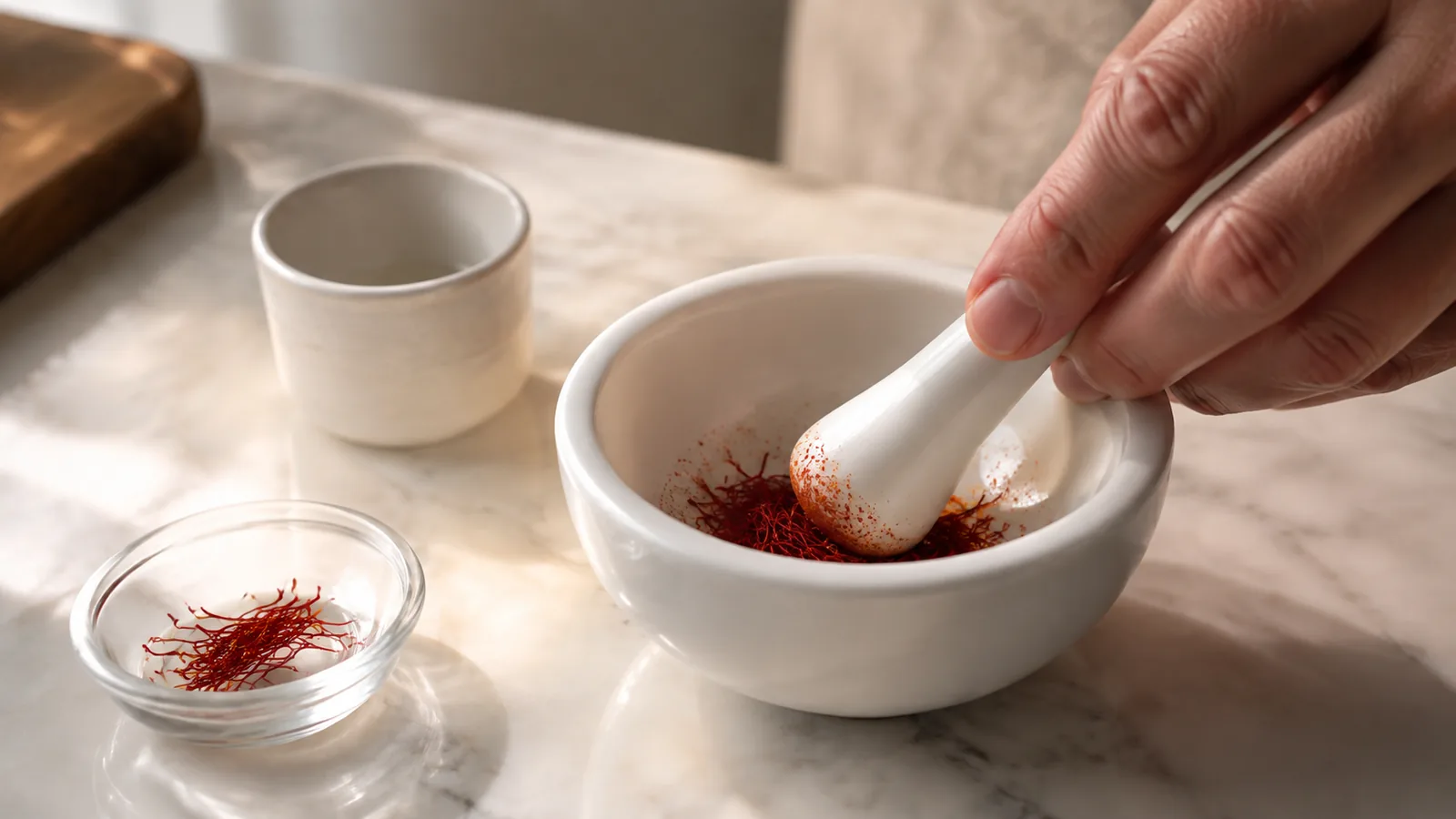
- Crush and bloom the saffron. Gently crush the strands with a mortar and pestle. Add 2 tablespoons of warm water or milk, cover, and leave for 10 to 15 minutes.
- Warm the milk. Heat 2 cups of milk over medium-low heat until it steams. Stir occasionally so it does not catch on the bottom.
- Add the infusion. Pour in the saffron liquid and softened threads. Add cardamom if you are using it.
- Infuse gently. Keep the pan over low heat for 3 to 5 minutes. Do not let it boil hard.
- Finish and serve. Remove from the heat, sweeten to taste, and pour into two cups. Add chopped nuts only if everyone drinking it can safely eat them.
This method answers both how to add saffron in milk and how to prepare saffron milk without wasting the spice. Blooming is especially useful with cold milk because dry threads release their color slowly. For a deeper look at the technique, see our guide to brewing saffron.
How many strands of saffron in milk?
For anyone asking how much saffron to use in milk, begin with 6 to 10 threads per cup; for two cups, use roughly 12 to 20. Thread size and strength vary, so treat this as a practical starting point rather than a medical dose. Half a teaspoon is usually far more than a two-serving drink needs and can make it bitter.
Readers who ask how much kesar in milk is enough, or how much kesar to put in milk, are asking the same question: kesar is another name for saffron. To understand how to use kesar in milk, follow the same thread quantity and blooming method. More threads do not make the drink healthier. A modest amount delivers the characteristic color, hay-like fragrance, and gentle bitterness while leaving the milk pleasant to drink.
Can we boil saffron in milk?
You can bring the plain milk close to a simmer, but add the saffron after lowering the heat. Vigorous or prolonged boiling is unnecessary and can flatten its delicate aroma. If you use dairy milk, gentle heat also lowers the chance of scorching or boiling over.
When using oat milk, almond milk, soy milk, or another plant alternative, check the carton because some products separate under high heat. An unsweetened version lets you control the final sweetness.
Saffron milk benefits: what is supported?
The clearest advantages of saffron milk are culinary: it is aromatic, warming, easy to customize, and an enjoyable way to use saffron. Putting saffron in milk benefits the drink’s color and aroma, but it does not turn the drink into medicine. The main nutritional value depends on the milk and other ingredients you choose. Saffron and milk benefits are sometimes presented as though the combination creates a treatment; it does not. Claims about the health benefits of saffron milk or the benefits of saffron with milk need the same evidence as any other health claim.
- Dairy milk normally provides protein and calcium; fortification varies by country and product.
- Fortified plant milk may provide calcium and vitamin D, but protein and added sugar vary widely. Read the label rather than assuming it matches dairy milk.
- Nuts add texture and flavor, along with extra energy and nutrients, but they are optional and unsuitable for anyone with the relevant allergy.
- Sweeteners are for taste. They add sugar, not a special saffron benefit. Honey does not create a separate set of saffron honey milk benefits.
Calcium contributes to bone health, but that benefit comes from getting enough calcium across the diet. It is not a special reaction between saffron and milk. Milk and saffron benefits should not be treated as automatically additive. Likewise, saffron’s antioxidant compounds do not justify claims that this drink boosts immunity, prevents seasonal illness, improves blood circulation, lowers blood pressure, or protects the heart.
Does saffron milk improve sleep or reduce stress?
Several small randomized trials have studied standardized saffron extracts in adults with sleep complaints, with some reporting modest improvements. Those trials tested measured extracts over several weeks; they did not test a homemade saffron milk drink. Warm milk may be a soothing bedtime routine, but it should not be presented as an insomnia remedy or a guaranteed way to relieve stress.
Does it give you energy?
The drink provides calories, protein, carbohydrate, and fat according to the milk and additions used. It does not act as a stimulant, and there is no special morning energy boost unique to milk with saffron.
How to drink saffron milk
Serve it warm immediately after making it, or chill it promptly for a cold saffron milk drink. Stir before drinking because ground spice may settle. There is no required time of day and no evidence that taking it every morning or before bed changes its health effects.
If you are wondering how to consume saffron with milk, how to drink saffron with milk, or how to take saffron with milk, treat it as a food: one normal cup is a serving, not a course of treatment. You can also eat saffron with milk in a pudding or custard. People with a milk allergy should avoid dairy milk. Those with lactose intolerance can choose lactose-free milk or a suitable plant alternative.
When to drink saffron milk
Choose the time that suits your meal and routine. Morning and bedtime are both fine for most people, but neither timing creates a special health effect.
Other uses for saffron-infused milk
- Milk tea: If you are asking how to make saffron tea with milk, brew black tea separately and add a small pour of the finished milk. This avoids overcooking the threads.
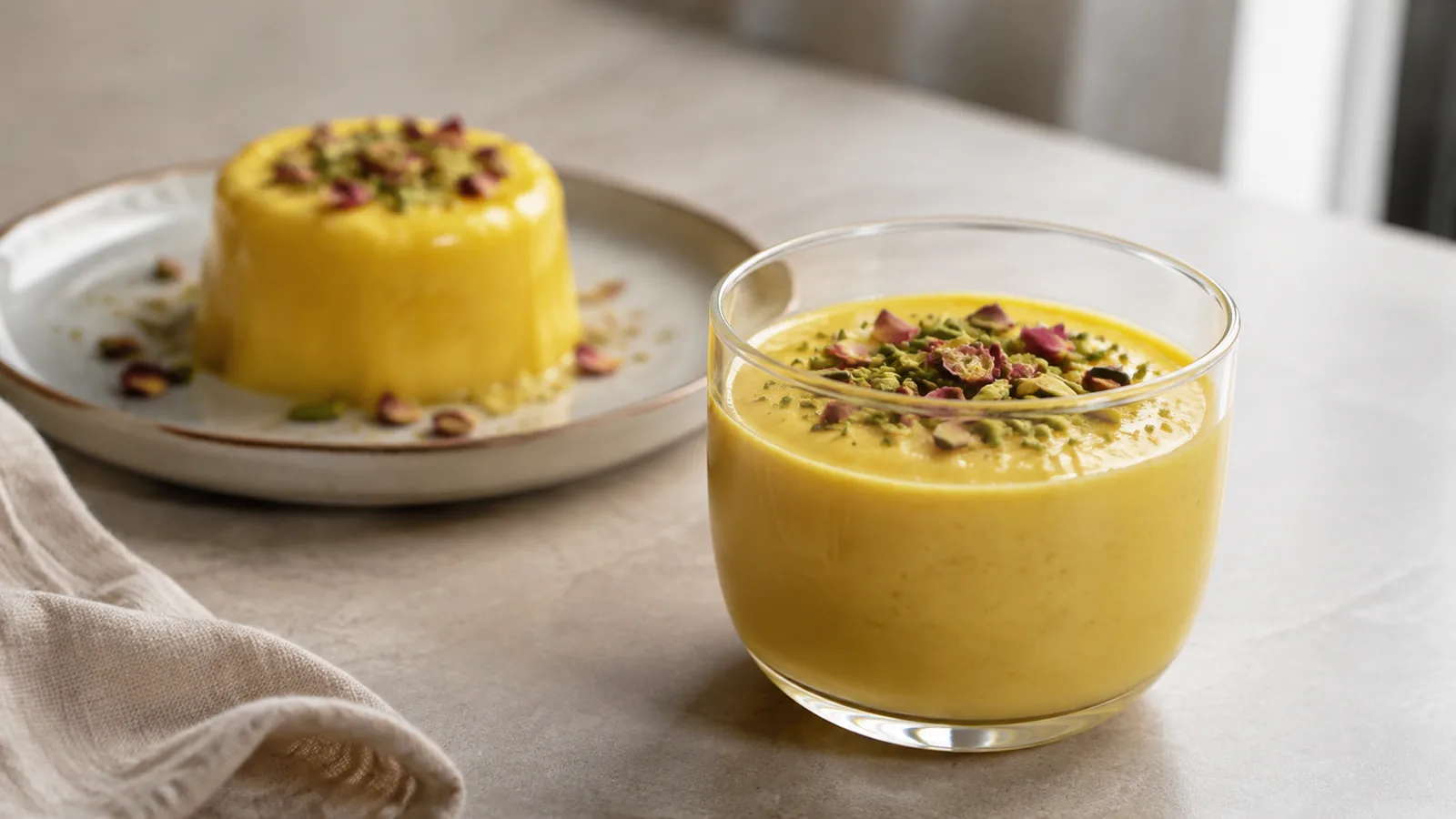
- Rice pudding or custard: Use the infusion as part of the recipe’s measured milk.
- Biryani: A few spoonfuls of saffron milk for biryani can be drizzled over layered rice for color and aroma.
- Cold drinks: Cool the mixture, refrigerate it, and serve over ice. Do not leave milk at room temperature for extended periods.
Storage and reheating
Freshly made saffron milk tastes best. Cool leftovers promptly in a covered container and refrigerate them according to the storage guidance for the milk you used. Reheat gently until steaming, stirring often; avoid repeated cooling and reheating.
Saffron and milk make a fragrant drink, but a good recipe does not need inflated health promises. A properly bloomed saffron milk infusion uses genuine threads, patient steeping, and a milk that suits your diet. Keep the flavor balanced.