Saffron for Heart Health: How This Spice Can Help Improve Your Heart’s Function

Saffron for Heart Health
Saffron and Heart Palpitations: The Benefits of Saffron for the Heart
Saffron and heart palpitations, its effects on heart health, and its role in preventing heart attacks have often been discussed in the media. In this article, we will explore both the benefits and potential risks of saffron for the heart, along with its ability to alleviate heart palpitations. Additionally, we will delve into how saffron can maintain overall heart health. Keep reading to learn more about its heart-healthy properties.
The Impact of Saffron on Heart Health
Saffron plays an important role in supporting the heart and arteries. Combining insights from both traditional and modern medical perspectives, we will examine how saffron affects heart function and helps alleviate palpitations.
Saffron and Heart Palpitations
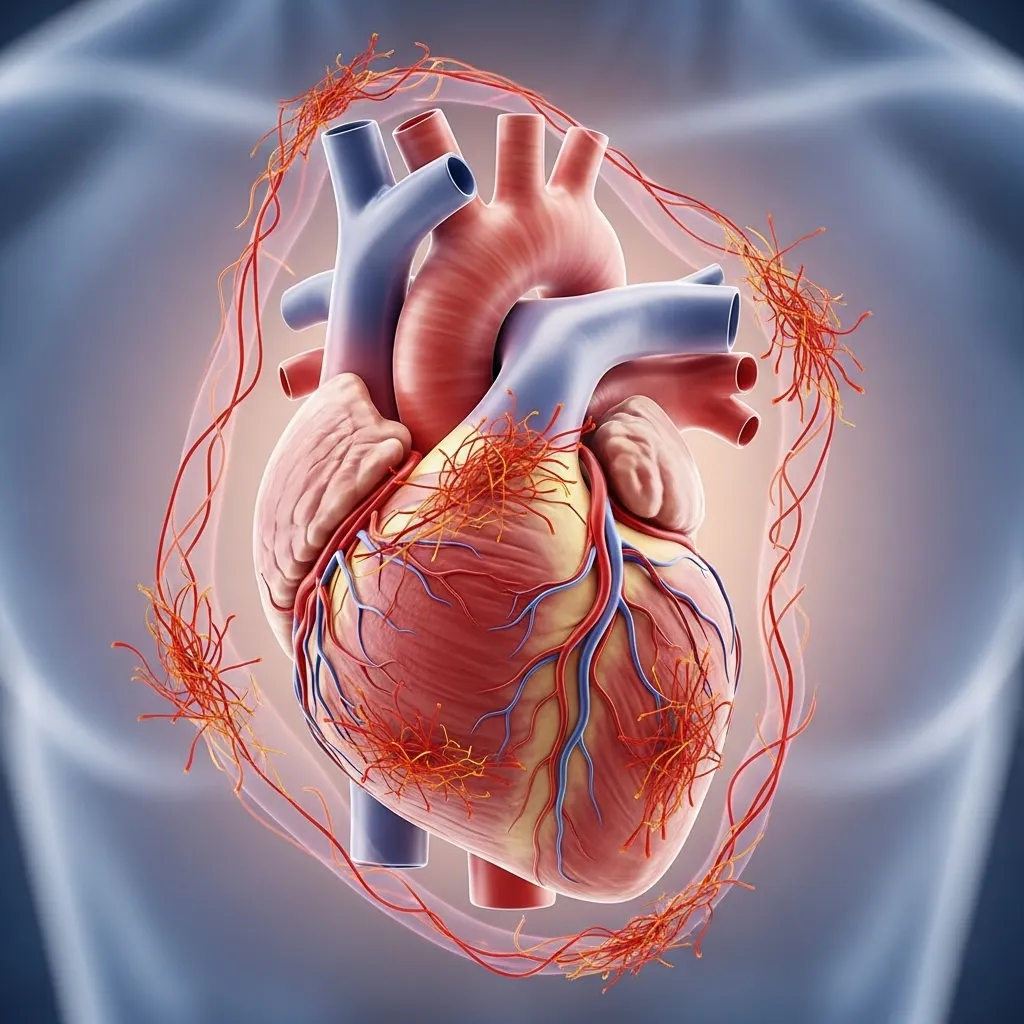
The heart is a vital organ in the circulatory system, responsible for pumping blood throughout the body and delivering oxygen to tissues. Blood circulation is essential for removing waste products, providing nutrients, and ensuring proper body function. If the heart doesn’t work properly, various health issues can arise. This makes it even more crucial to maintain heart health.
Rich in potassium, magnesium, and iron, saffron has proven benefits for the heart. Moreover, it contains vitamins like A, C, and several B vitamins that contribute to overall health and vitality. Because of these properties, incorporating saffron into your diet can help improve heart health significantly.
How Saffron Affects the Heart
1. Promoting Heart Health
Known for its mood-lifting and stress-relieving properties, saffron is also beneficial for heart health. Experts suggest that maintaining a positive emotional state is crucial for the heart because stress and anxiety can weaken its function. By reducing stress, saffron ensures the heart stays strong and healthy. In this way, saffron not only improves mood but also supports cardiovascular health.
2. Preventing Heart Attacks with Saffron
The compound safranal, which gives saffron its distinct aroma, helps lower the risk of heart attacks. On the one hand, it reduces the likelihood of a heart attack, while on the other, it provides protective effects, helping to prevent further damage to the cardiovascular system. As a result, saffron can be considered an effective natural remedy for heart attack prevention.
3. Aiding in the Treatment of Heart Disease
Heart disease often results from a buildup of cholesterol and fat in the arteries, leading to a condition called atherosclerosis. This condition increases the risk of heart attacks and strokes. Studies indicate that crocin in saffron can reduce the likelihood of developing heart disease by improving arterial function and preventing cholesterol buildup. Regular consumption of saffron can help prevent cardiovascular diseases.
4. Enhancing the Effect of Cardiac Medications
Historically, physicians like Avicenna recommended combining saffron with heart medications to improve their effectiveness. Saffron helps direct the medication to the heart, making the treatment more effective in addressing heart conditions. Consequently, patients experience better results when saffron is included as part of their treatment regimen.
The Healing Powers of Saffron for the Heart
5. Strengthening the Heart with Saffron
With its rich antioxidant and anti-inflammatory properties, saffron strengthens the heart and helps protect against cardiovascular diseases. Furthermore, it reduces oxidative stress, which can otherwise weaken the heart and other vital organs. In addition to its antioxidant benefits, saffron improves circulation, which is crucial for heart health.
6. Lowering Blood Cholesterol Levels
Crocin in saffron helps prevent the accumulation of harmful cholesterol, triglycerides, and fats in the bloodstream. This not only reduces the risk of heart disease but also improves overall blood circulation by preventing blockages in the arteries. As a result, saffron helps maintain healthy blood vessels and supports cardiovascular health.
7. Blood Circulation and Cleansing with Saffron
Saffron improves blood circulation and acts as a natural cleanser. By detoxifying the blood and enhancing circulation, saffron ensures that the heart functions efficiently and effectively. This purification process helps maintain a healthy cardiovascular system.
8. Reducing Blood Pressure with Saffron
Research shows that crocin and safranal in saffron can reduce blood pressure. Studies on animals have demonstrated that saffron can lower both high and normal blood pressure, making it an effective natural remedy for hypertension. As a result, regular consumption of saffron may help prevent high blood pressure and reduce the risk of related heart problems.
9. Improving Heart Function and Energy
Saffron helps regulate heart functions by boosting energy levels and improving circulation. This results in better oxygen delivery to tissues, which helps prevent issues like anemia and enhances overall heart health. Additionally, saffron contributes to better metabolism, ensuring optimal heart function.
Conclusion: Saffron for a Healthy Heart
The benefits of saffron for heart health are vast. It reduces the risk of heart disease, enhances circulation, strengthens the heart, and supports cardiovascular health. However, it is essential to use saffron in moderation to avoid potential side effects. When consumed correctly, saffron can be a valuable addition to your heart-healthy lifestyle, offering numerous protective benefits.