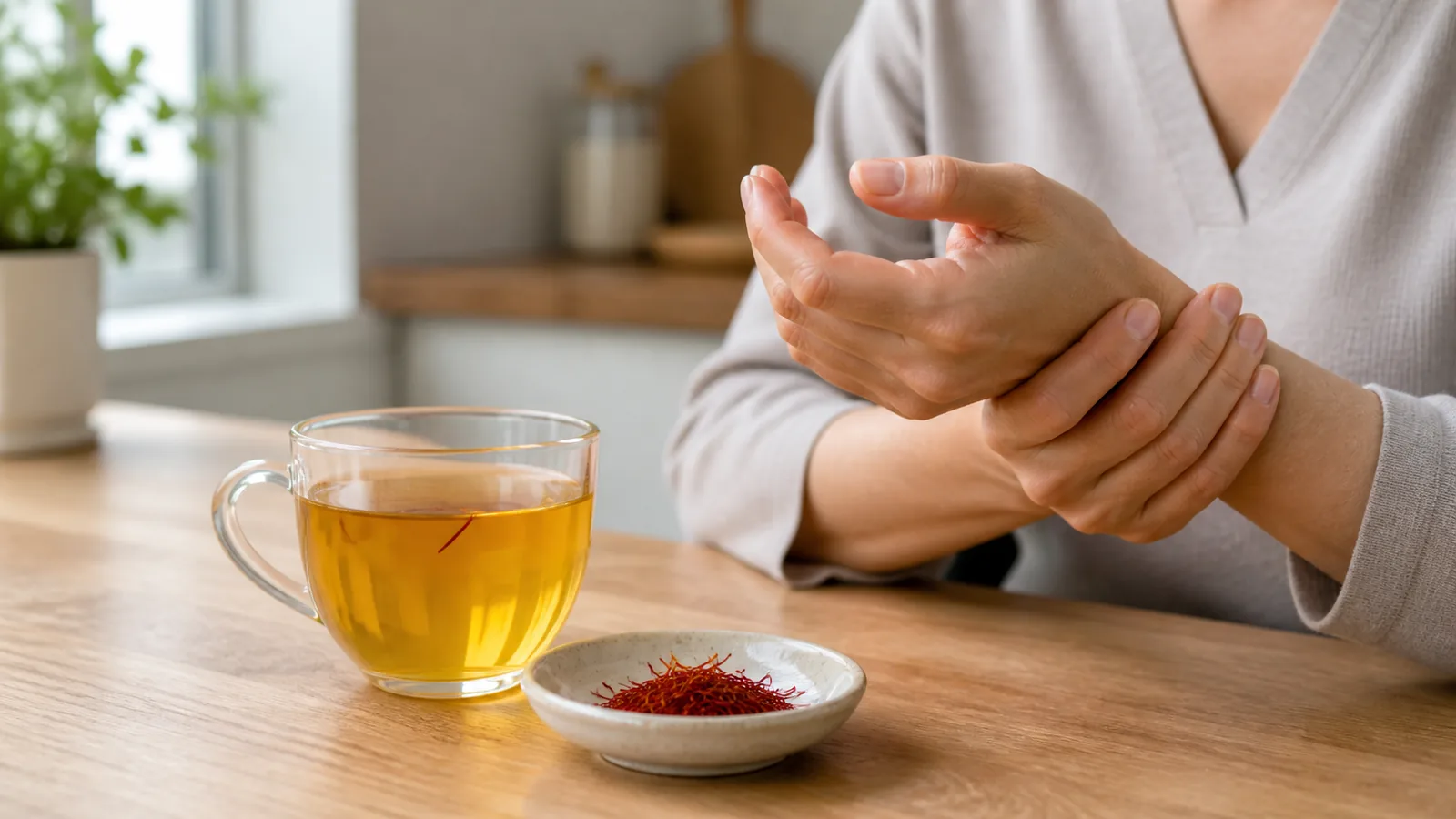
Human evidence does not establish saffron as a treatment for fatty liver disease. One small randomized trial in people with nonalcoholic fatty liver disease found changes in some inflammatory and oxidative-stress markers after a measured saffron supplement, but no significant improvement in liver enzymes, body composition, or weight.
Saffron for fatty liver is therefore a research topic, not a home remedy. Culinary saffron can fit into a balanced diet, while diagnosis, fibrosis assessment, weight management when appropriate, alcohol advice, and treatment of related metabolic conditions belong with qualified healthcare professionals.
What fatty liver disease means
Fatty liver describes excess fat stored in liver cells. The term metabolic dysfunction-associated steatotic liver disease (MASLD) is now used for what many sources called nonalcoholic fatty liver disease (NAFLD). Alcohol-associated liver disease and other causes of liver fat require a different assessment.
Some people have steatosis with little inflammation or damage. Others develop metabolic dysfunction-associated steatohepatitis (MASH, formerly NASH), in which inflammation and cell injury can lead to fibrosis, cirrhosis, and an increased risk of liver cancer.
MASLD is associated with factors including type 2 diabetes, insulin resistance, overweight or obesity, abnormal cholesterol or triglycerides, high blood pressure, and low physical activity. People with MASLD also have an increased risk of cardiovascular disease. It can occur in people without obesity. Pregnancy, aspirin use, or an antibiotic is not, by itself, a general explanation for ordinary MASLD; a clinician considers the full history, medications, and alternative liver conditions.
Symptoms and diagnosis
Fatty liver often causes no clear symptoms. Some people report fatigue or discomfort in the upper-right abdomen, but nausea or abdominal swelling can have many causes. Advanced liver disease may produce jaundice, fluid in the abdomen or legs, easy bleeding, confusion, or muscle loss.
Diagnosis is not made from symptoms alone. A clinician may review alcohol use, medicines and supplements, metabolic risk, blood tests, and imaging. Ultrasound can show fat but cannot reliably determine inflammation or early fibrosis. Scores based on routine blood tests and elastography can help assess scarring; selected patients may need a liver biopsy.
What saffron and liver-health studies found
Saffron contains crocin-related pigments and other compounds with antioxidant and anti-inflammatory activity in experimental models. Researchers have used those mechanisms to ask whether saffron could affect oxidative stress or liver markers in people.
A 2021 meta-analysis pooled eight randomized trials involving 463 participants. Saffron was associated with a small change in AST, but not a significant change in ALT or alkaline phosphatase. The participants had different underlying conditions, and a liver-enzyme change does not prove that liver fat or fibrosis improved.
The 12-week fatty-liver trial enrolled 76 adults and used a 100 mg/day saffron tablet alongside similar diet and activity advice in both groups. Some inflammatory and oxidative markers favored saffron. Liver enzymes, body composition, and anthropometric measures did not change significantly compared with placebo.
These findings are not a basis for copying the dose. A measured research product differs from culinary threads, and one small study cannot establish long-term benefit, the best preparation, or an effect on fibrosis and clinical outcomes.
Can saffron prevent liver cancer or “protect” the liver?
No human evidence shows that saffron prevents liver cancer. Laboratory and animal studies involving carcinogens or abnormal cells can reveal possible mechanisms, but a result in rats does not prove protection in people or justify calling saffron a chemical shield for the liver.
The liver processes medicines, alcohol, and many compounds, but it is not simply a filter that foods “clean.” A product can be natural and still stress or injure the liver. Report every supplement to the clinician interpreting liver tests.
Dr. Khairandish and traditional fatty-liver advice
Earlier versions of this topic referred to advice attributed to Dr. Khairandish and to traditional use of saffron, chicory, burdock root, fenugreek, and cinnamon. Traditional context can explain why a plant is studied; it does not demonstrate that a named herb removes liver fat, prevents complications, or is safe for every patient.
A precise medical recommendation should be traceable to a verifiable source and weighed against current clinical evidence. No such traditional protocol should replace tests, a fibrosis assessment, or a treatment plan based on the cause and stage of liver disease.
What improves MASLD?
For people with overweight or obesity, gradual weight loss can reduce liver fat and may improve inflammation and fibrosis. NIDDK guidance notes that losing about 3% to 5% of body weight can reduce liver fat, while larger losses may be needed to affect inflammation and scarring. The target should be individualized; rapid weight loss and malnutrition can worsen liver disease.
Regular physical activity can help even without weight loss. A clinician may also address diabetes, blood pressure, cholesterol, sleep apnea, alcohol, and medicines. Some people with MASH or advanced fibrosis may qualify for condition-specific medication or specialist care as guidance evolves.
How saffron can fit into a liver-conscious diet
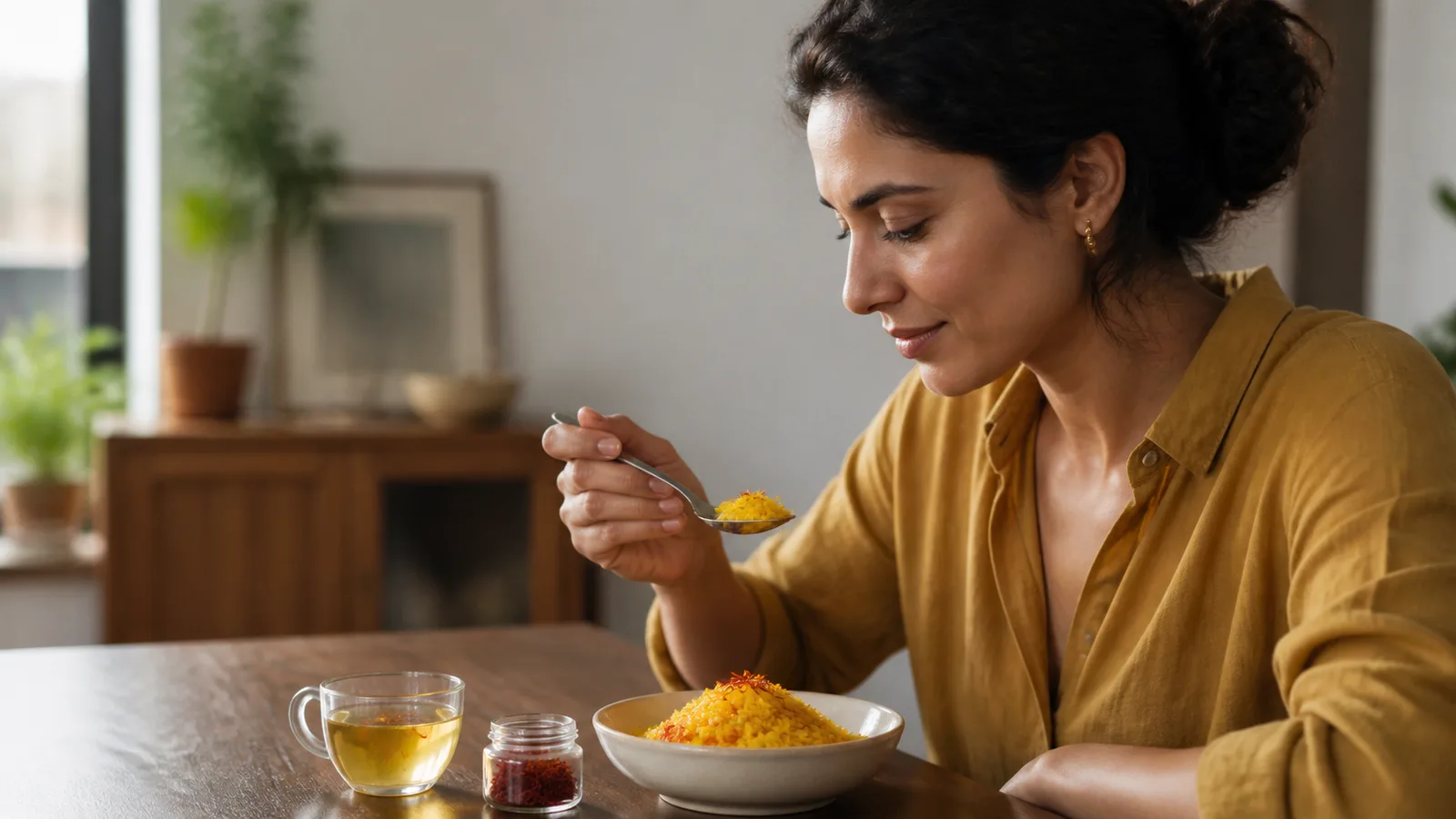
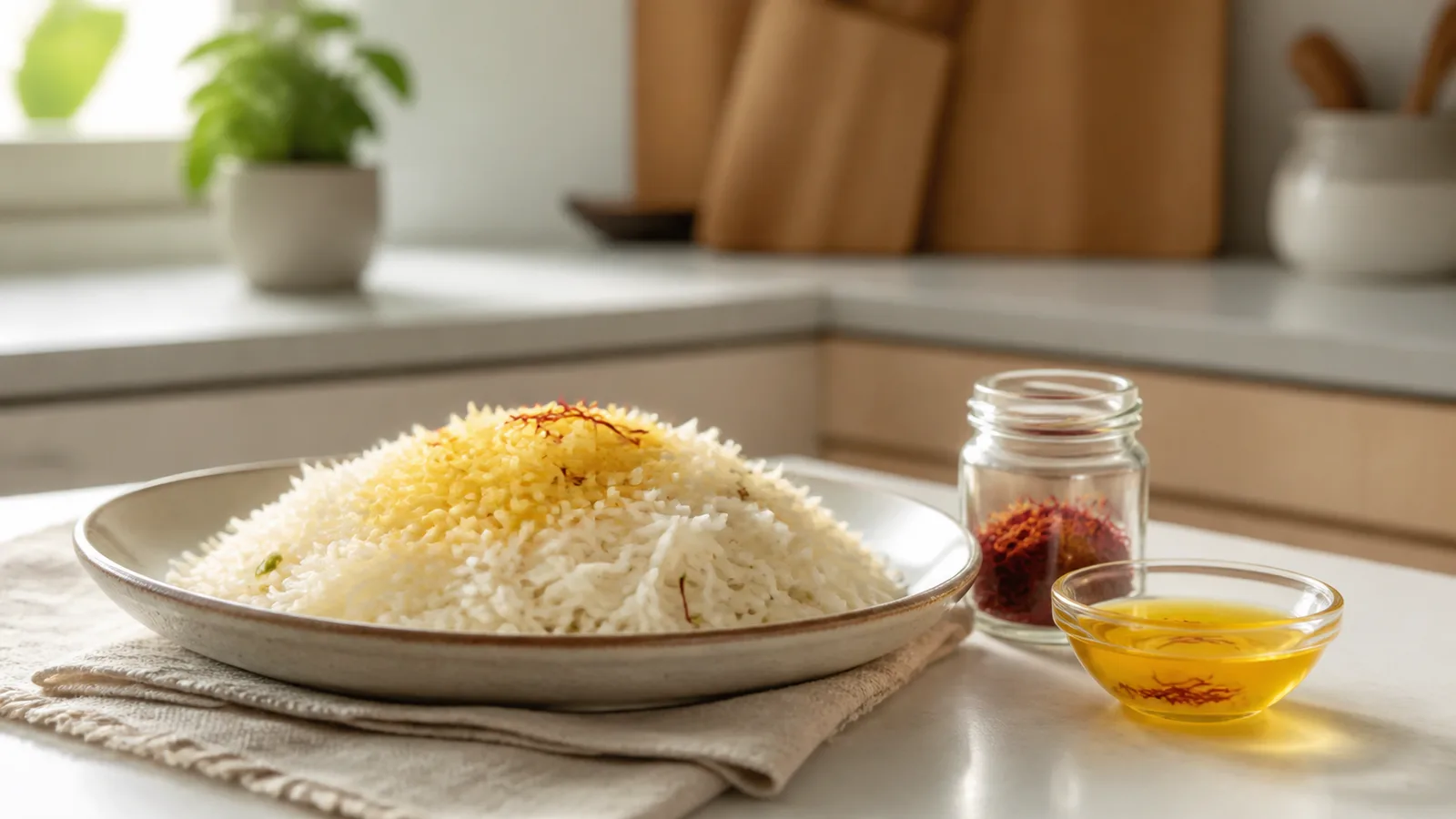
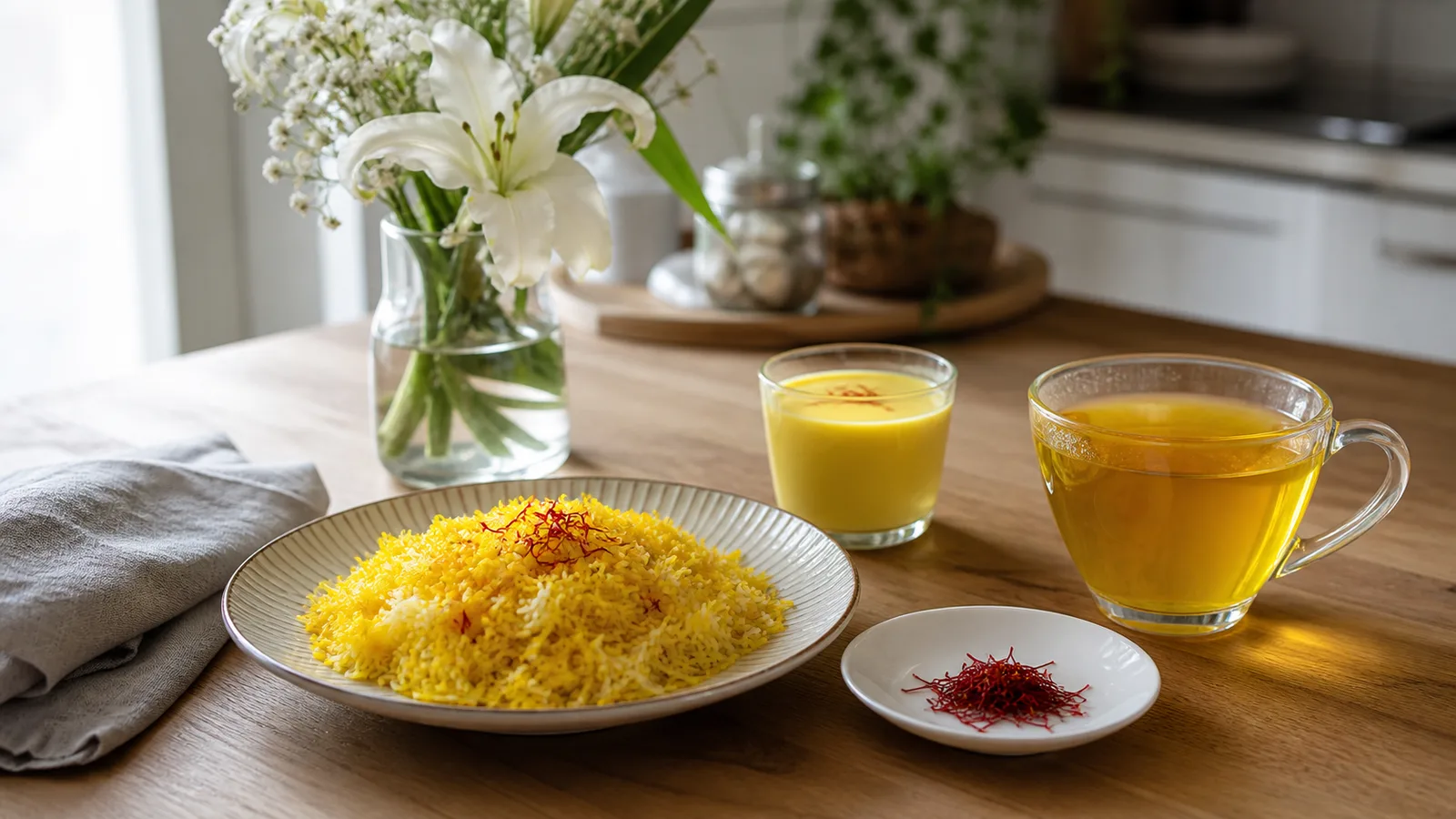
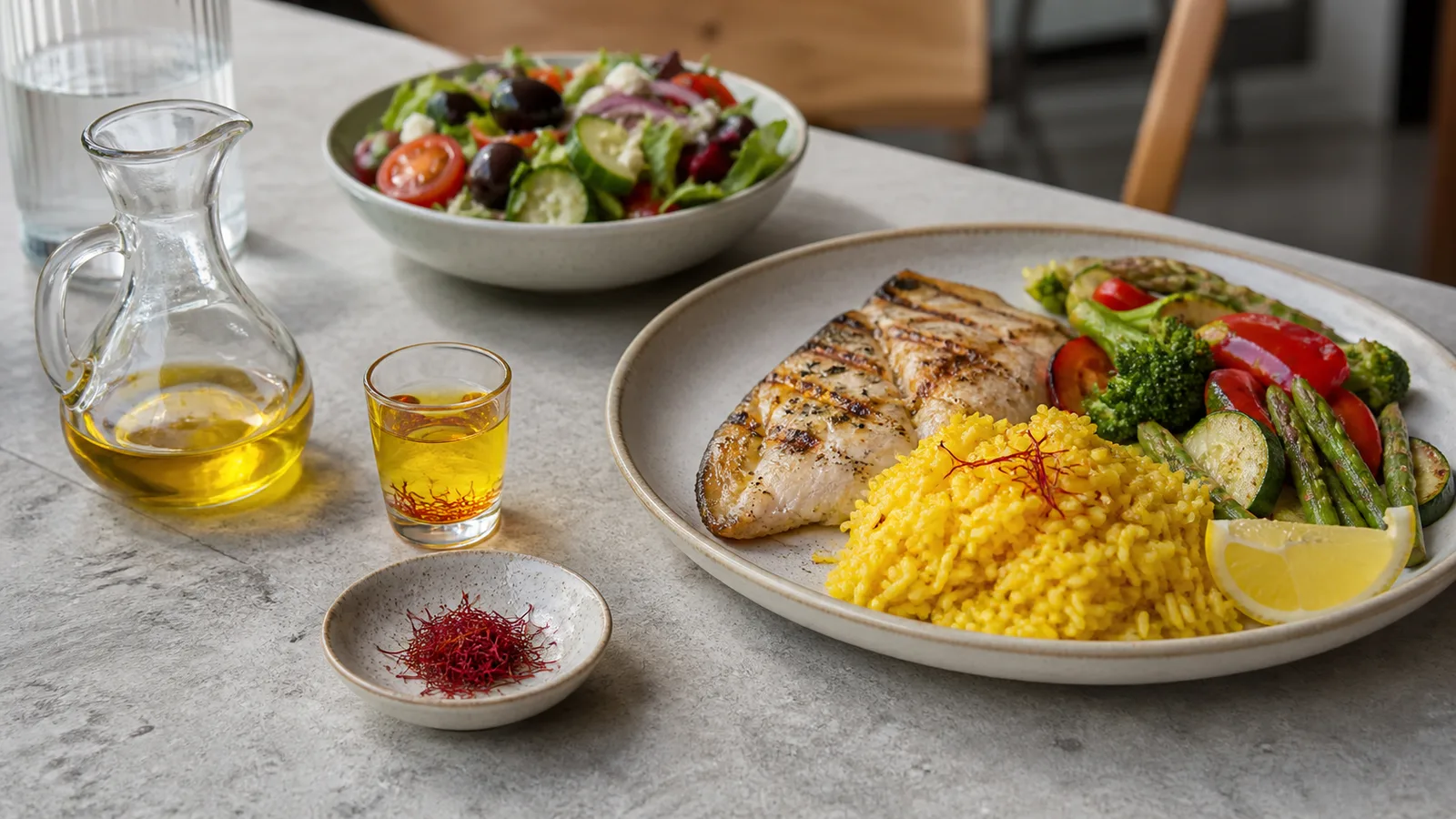
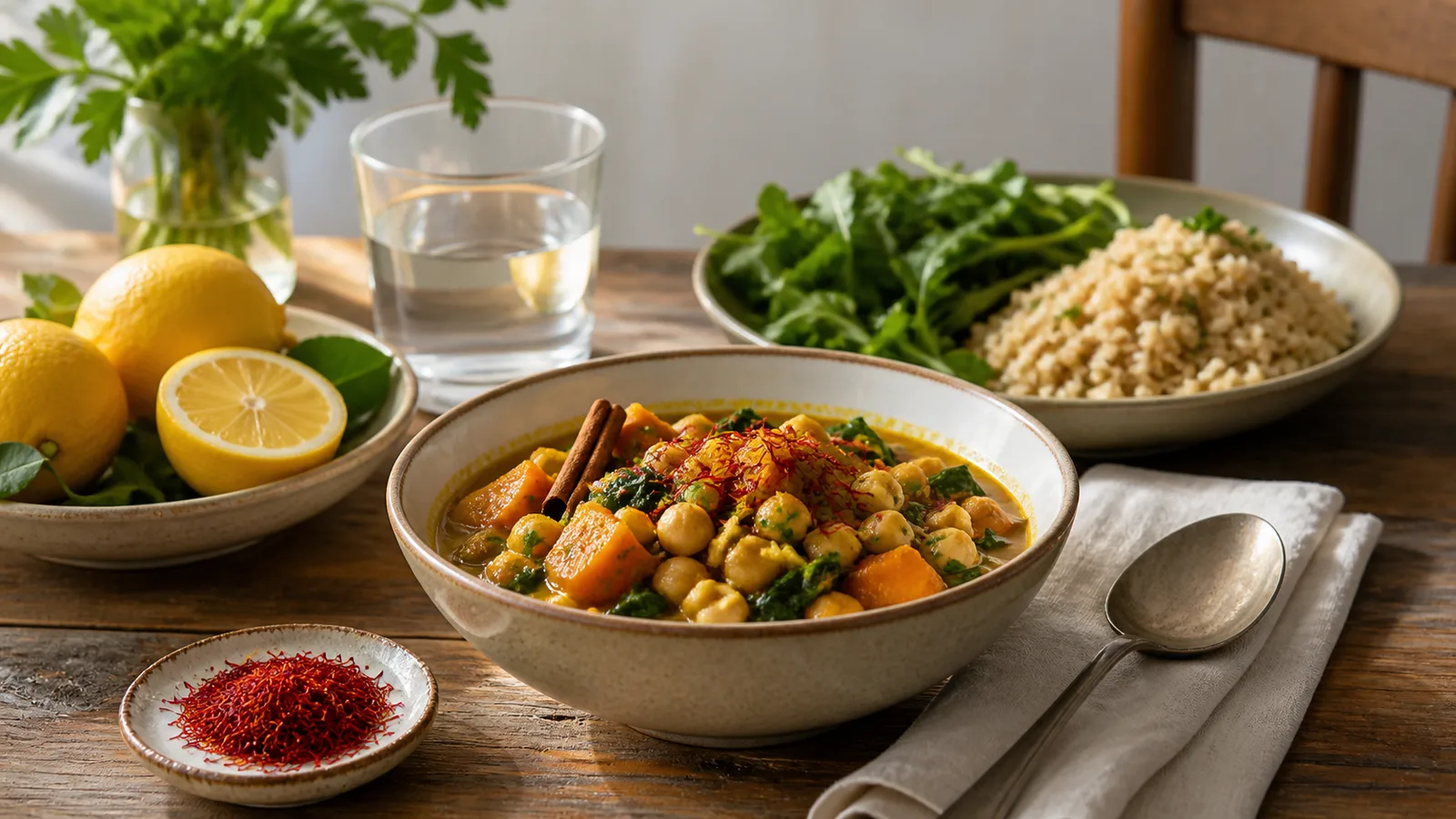
Saffron is useful when it helps make minimally processed food enjoyable. Bloom a small pinch in warm water, then add it to a chickpea stew, vegetables, fish, lentils, or whole grains. Cinnamon, fenugreek, chicory, or burdock should be chosen for flavor only when appropriate—not combined as a detox or presumed treatment.
The larger eating pattern matters: vegetables, fruit, legumes, whole grains, nuts, fish or other suitable protein, and unsaturated fats; fewer sugar-sweetened drinks and heavily processed foods; and portions suited to the person’s goals. Saffron does not cancel out excess energy, alcohol, or a diet high in added sugar.
Supplement safety and warning signs
Do not start a concentrated saffron supplement for abnormal liver tests without discussing it with a physician or pharmacist. Product identity, dose, medicines, pregnancy, bleeding risk, blood pressure, and the reason for the liver abnormality all matter.
Seek prompt care for jaundice, vomiting blood, black stool, increasing abdominal swelling, severe persistent abdominal pain, marked drowsiness or confusion. These are not symptoms to manage with herbs.
The balanced conclusion is straightforward: saffron and liver health deserve continued study, but current human evidence does not show that saffron treats fatty liver, reverses fibrosis, or prevents liver cancer. Use it as a spice, and build liver care around an accurate diagnosis and interventions with demonstrated value.