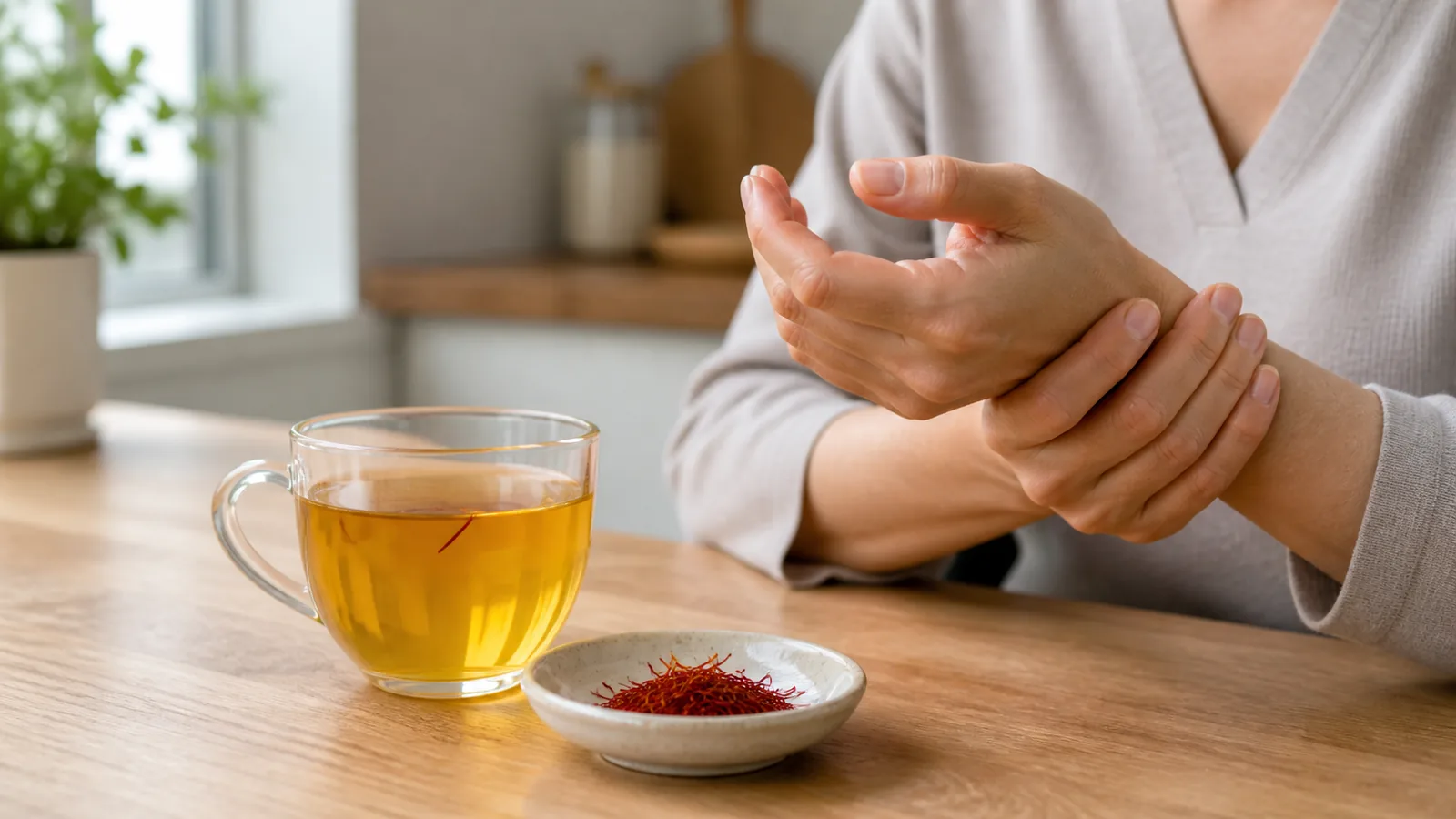
Research into saffron and older-adult mental health is promising but preliminary. Small clinical trials of standardized extracts have reported changes in mood or cognitive test scores in some people with depression, mild cognitive impairment or Alzheimer’s disease. They do not show that culinary saffron prevents dementia, restores lost memory or replaces established care.
That is the right starting point for saffron benefits for elderly mental health. A spice can be part of an enjoyable diet. A supplement is a concentrated product with potential side effects and interactions. Memory, confusion and mood changes in an older person also deserve attention to their cause rather than an automatic assumption that ageing is responsible.
What saffron is—and what quality does not prove
Saffron is made from the dried red stigmas of Crocus sativus, a small corm-growing plant rather than a bush. Each purple flower normally produces three stigmas. Crocins contribute much of saffron’s colour, picrocrocin its bitter taste and safranal much of the familiar aroma created during drying and storage.
These compounds are studied for biological activity, including effects relevant to the nervous system. Laboratory antioxidant findings can help researchers form a hypothesis; they cannot establish a benefit in an older person. A clinical claim needs human evidence for a defined preparation, population and outcome.
Iran, especially Khorasan, has a major saffron-growing tradition. Excellent saffron is also produced in other regions, and origin alone does not prove that one batch has greater brain effects than another. Freshness, purity, storage and testing matter more than a universal claim that no other origin can match Iranian quality.
Saffron and memory: what human studies examined
When people search for saffron and memory, they may be asking about everyday forgetfulness, mild cognitive impairment or diagnosed dementia. Those are different situations. Trials involving cognitive illness cannot be used to promise sharper memory in a healthy adult.
A systematic review of saffron and cognition identified a small group of clinical trials, including studies in Alzheimer’s disease and mild cognitive impairment. Some reported improvements or results comparable with an active treatment on selected rating scales over short study periods. Sample sizes were modest, preparations varied, and the evidence was not sufficient to establish prevention or long-term disease modification.
The phrase saffron memory benefit therefore needs careful boundaries. A change on a cognitive scale in a supervised trial is not the same as reversing Alzheimer’s pathology. Nor does it tell us that adding extra threads to tea or rice will produce the study result.
Saffron and Alzheimer’s disease
Alzheimer’s disease is a progressive condition that affects memory, reasoning and daily function. Early symptoms can resemble problems caused by medicines, depression, sleep disorders, hearing loss, thyroid disease, vitamin deficiency or other illness. Assessment matters because the cause shapes the response.
Small saffron-extract trials are a reason for further research, not a treatment recommendation. Saffron has not been shown to prevent Alzheimer’s disease, and no supplement should replace a diagnostic work-up, prescribed medicine, risk-factor management or support for the person and their caregivers.
Saffron brain health and the meaning of “support”
Searches for saffron brain health, saffron for brain health and saffron brain benefits often lead to the same mechanistic claims about crocin, inflammation or oxidative stress. Mechanisms can be plausible while clinical benefit remains uncertain. “Supports the brain” should not be used as a vague bridge from a laboratory result to a sales promise.
For older adults, the most dependable brain-health plan is broader: manage blood pressure, diabetes and hearing problems; review medicines; remain physically active as abilities allow; eat a varied diet; stay socially connected; protect sleep; and avoid smoking. These steps do not guarantee prevention, but they address recognised risks without relying on one spice.
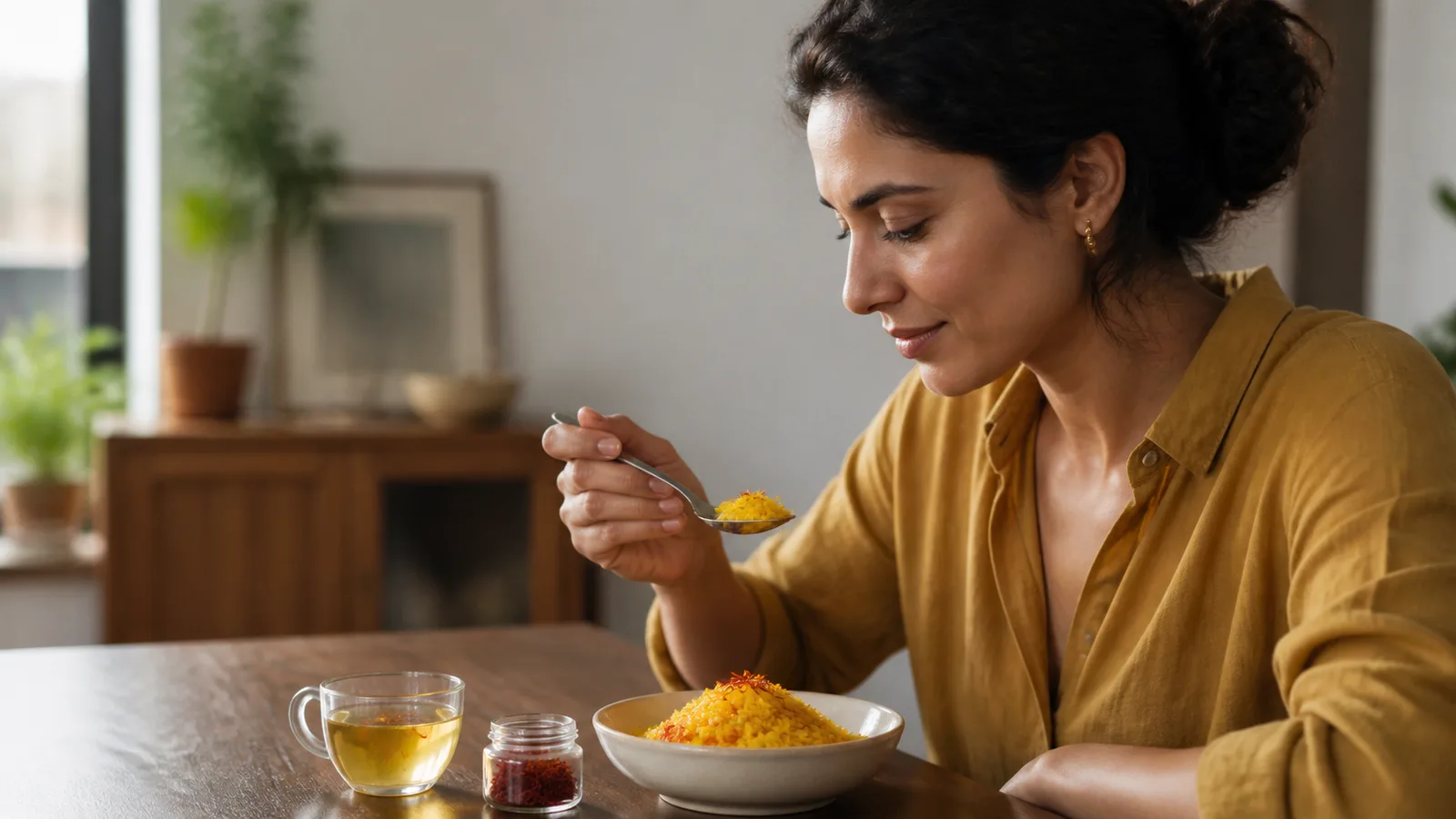
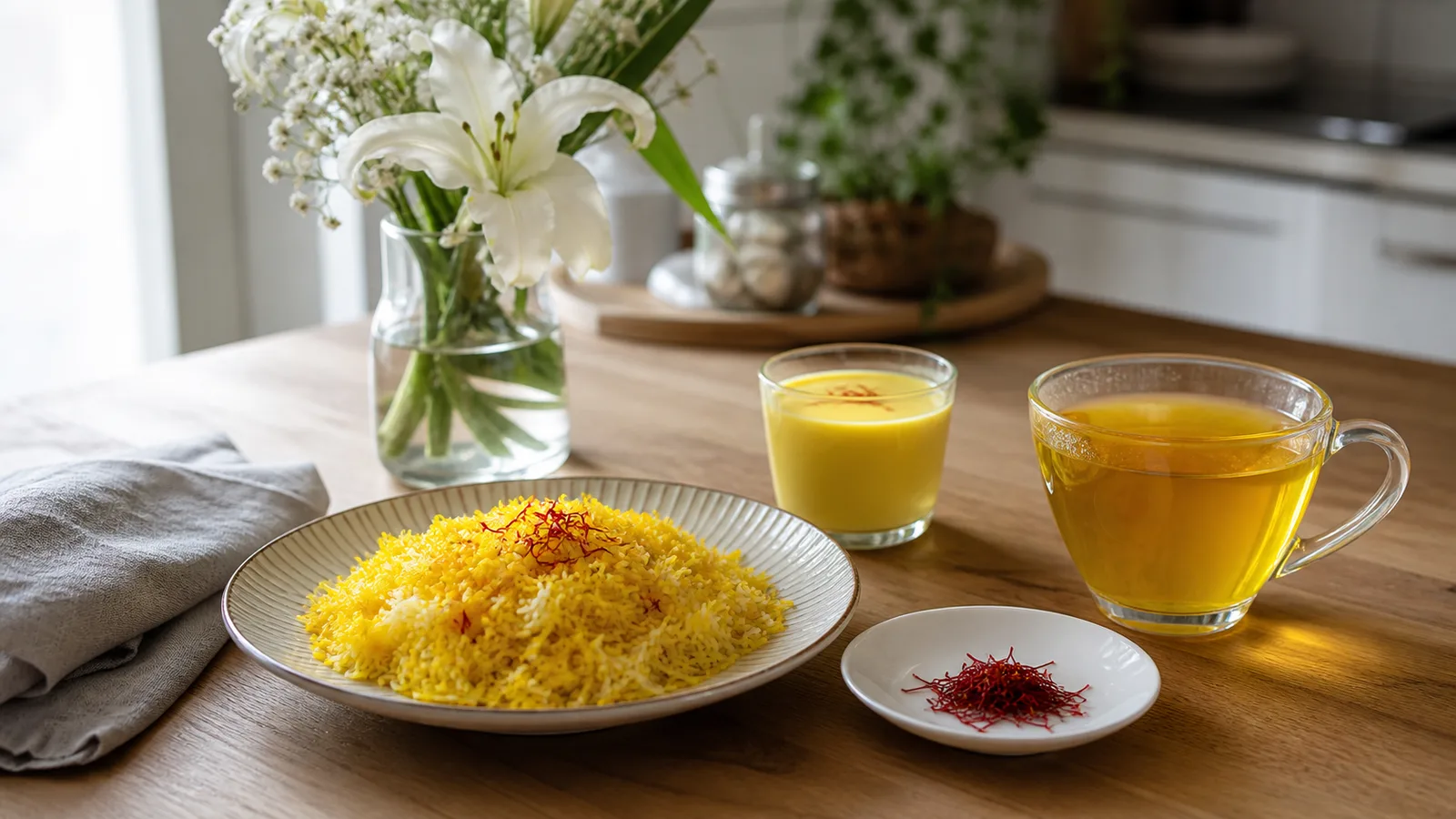
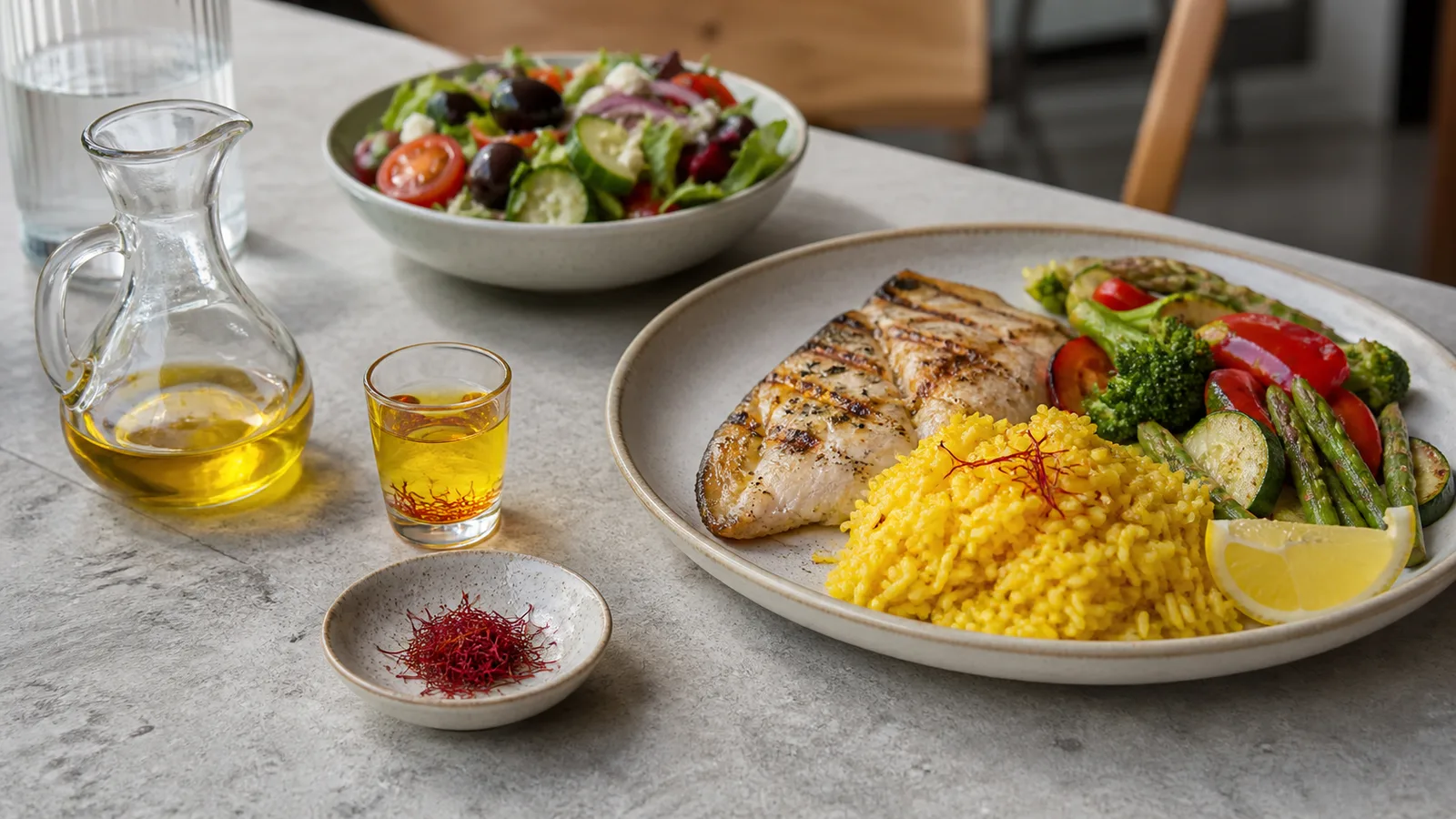
Saffron can fit within that varied diet. It can make rice, soup, vegetables, fish, milk or tea more aromatic and appealing, which may be useful when appetite is low. That culinary role is real even when a medicinal claim is not established.
Mood and emotional wellbeing in later life
Saffron extracts have a larger clinical literature for depressive symptoms than for memory in healthy older adults. Reviews find a possible short-term benefit in small trials, but studies differ and are not a reason to stop antidepressants or self-treat depression.
Low mood in later life can be missed when it appears as withdrawal, poor sleep, low appetite, irritability or memory complaints. Bereavement, isolation, pain, medication effects and physical illness may contribute. A conversation with a clinician can sort out those possibilities and connect the person with appropriate support.
Thoughts of self-harm, refusal of essential food or fluids, severe agitation, hallucinations or a sudden marked change in behaviour need urgent help. Saffron tea is not an emergency response.
How to use saffron in food for an older adult
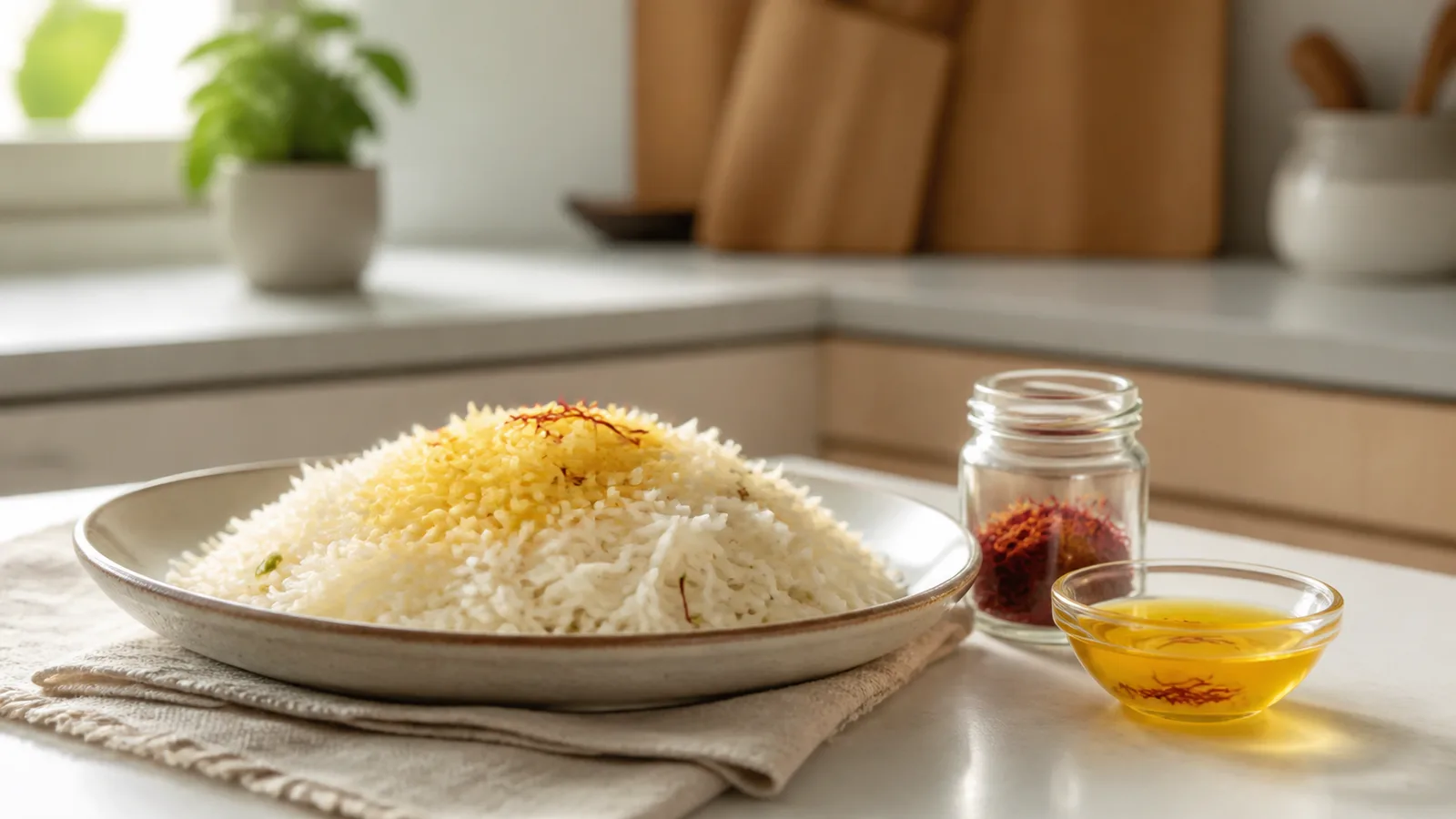
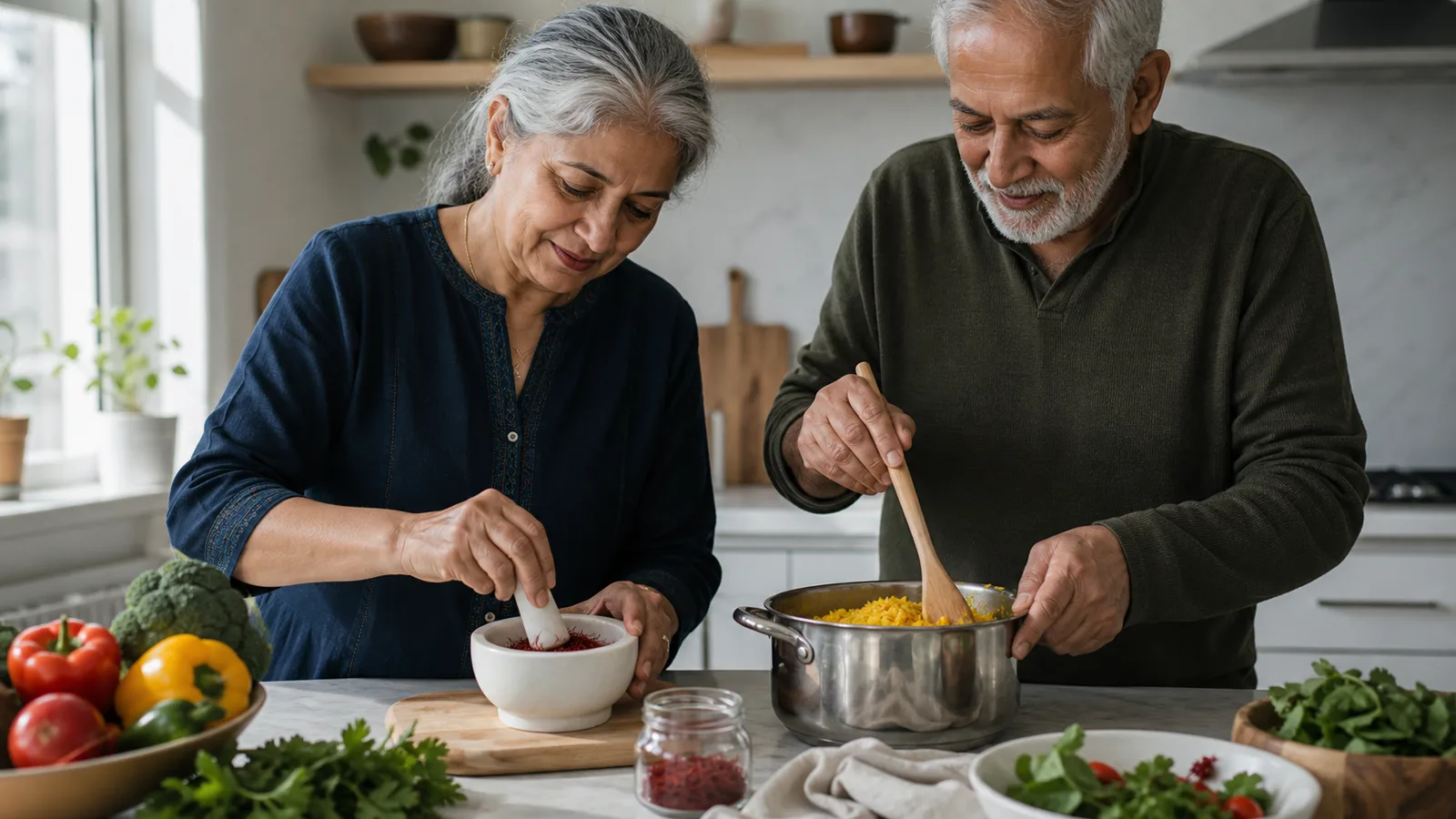
Gently crush a small pinch of whole threads, steep them in warm water or milk, then stir the infusion into food. This distributes the colour and aroma without requiring a large quantity. Whole threads are easier to inspect than powder, and an airtight container kept cool, dry and dark protects quality.
Adapt the dish to the person, not the other way around. Someone with swallowing difficulty may need an appropriate texture; a person with diabetes may not benefit from a heavily sweetened saffron drink; and anyone on a low-sodium plan still needs the rest of the recipe considered. Saffron cannot make an unsuitable dish medically appropriate.
Supplements, medicines and practical precautions
Older adults are more likely to take several medicines and may be more vulnerable to dizziness, changes in blood pressure, bleeding or low blood sugar. Saffron supplements can also cause nausea, digestive discomfort, headache, dry mouth or allergic reactions. A systematic review of reported saffron adverse events is useful context, but an individual product may still differ from the preparations studied.
Before using a concentrated extract, show the exact label to a pharmacist or clinician who knows the person’s medicine list. That is particularly important with antidepressants, sedatives, anticoagulants or antiplatelet drugs, blood-pressure medicines and diabetes treatment. Stop before surgery only according to the surgical team’s instructions.
A new episode of dizziness or unsteadiness should not be dismissed. Falls can have serious consequences in later life, and adding multiple supplements makes it harder to identify the cause of a symptom.
When memory or confusion needs prompt assessment
Gradual forgetfulness that begins to affect bills, cooking, medicines, navigation or personal care deserves a medical appointment. Bring a complete medicine and supplement list, examples of what changed and someone who knows the person well if possible.
Sudden confusion is different. It may be delirium caused by infection, dehydration, medicine effects, pain or another acute problem. New weakness, facial droop, difficulty speaking, severe headache, collapse or loss of consciousness can indicate an emergency. Seek urgent care rather than trying a food or supplement.
A balanced view of saffron benefits for brain health
Saffron research in cognition and mood deserves careful follow-up. Current studies do not justify promises of dementia prevention, restored memory or a healthier brain from culinary use. They also do not make ordinary saffron food dangerous for most older adults.
Use saffron for flavour and pleasure. Treat a standardized extract as a supplement, check it against medicines and health conditions, and keep changes in memory or mental health connected to proper assessment. That is a stronger form of support than asking one ingredient to do a clinician’s job.