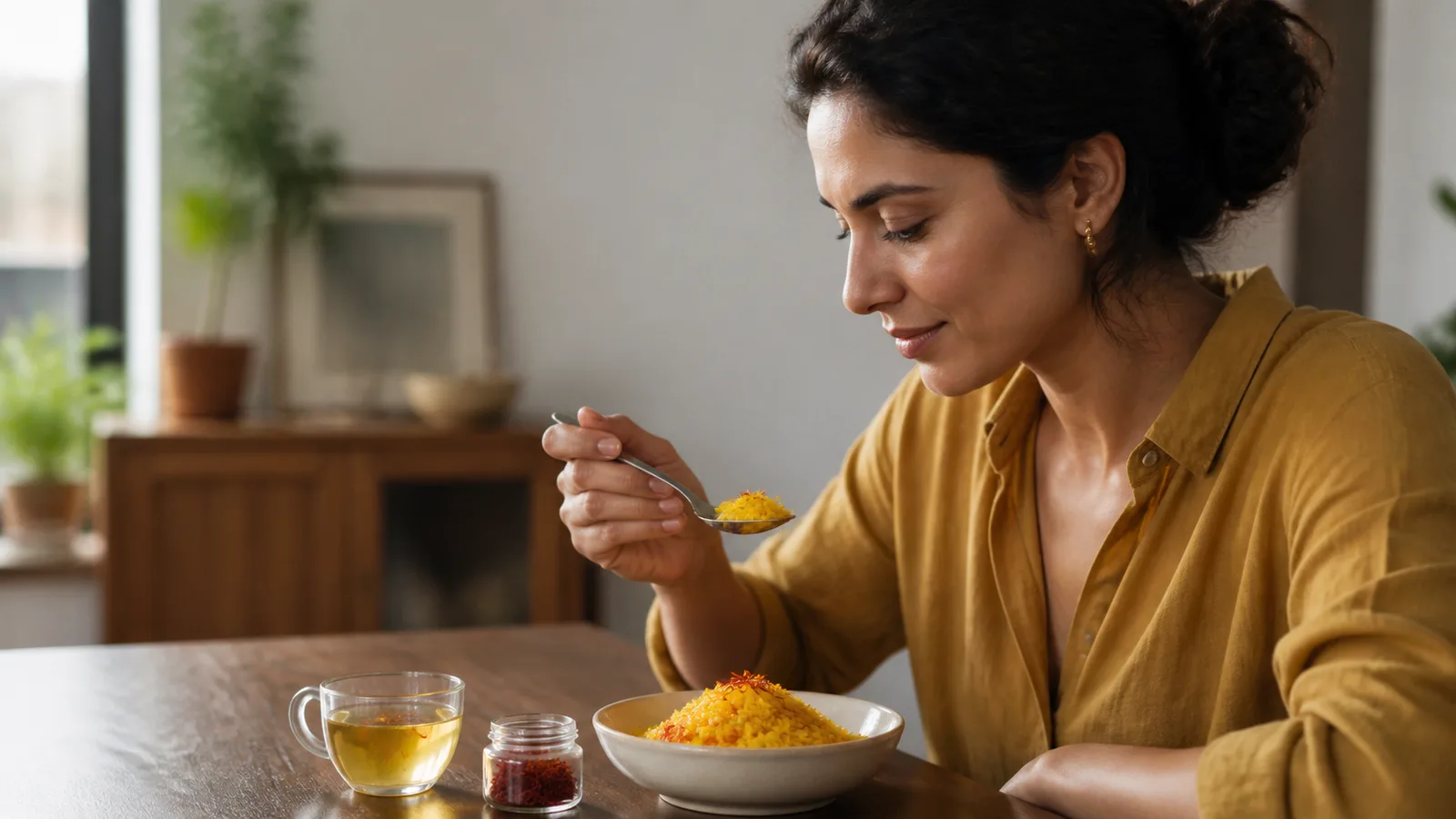
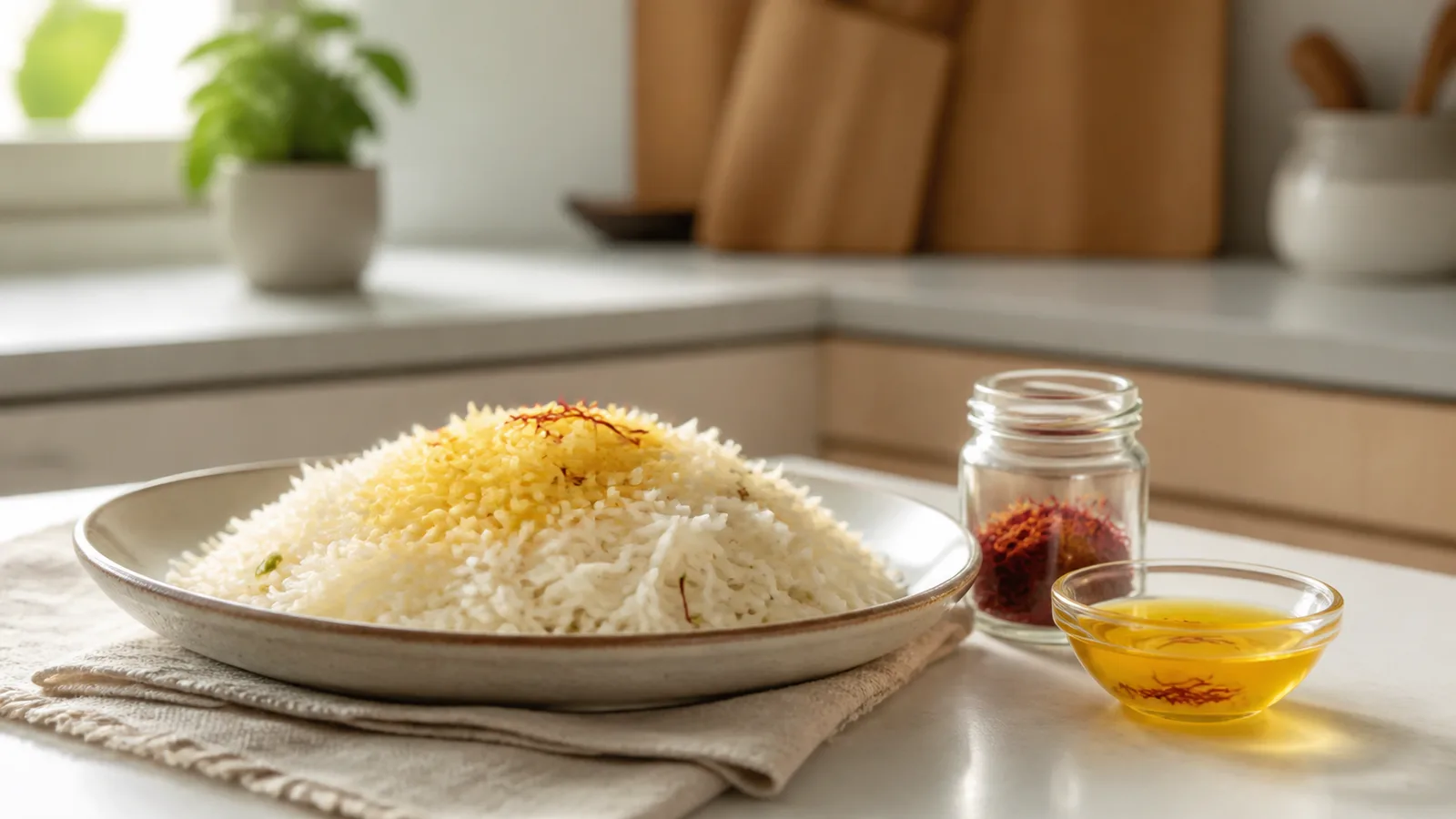
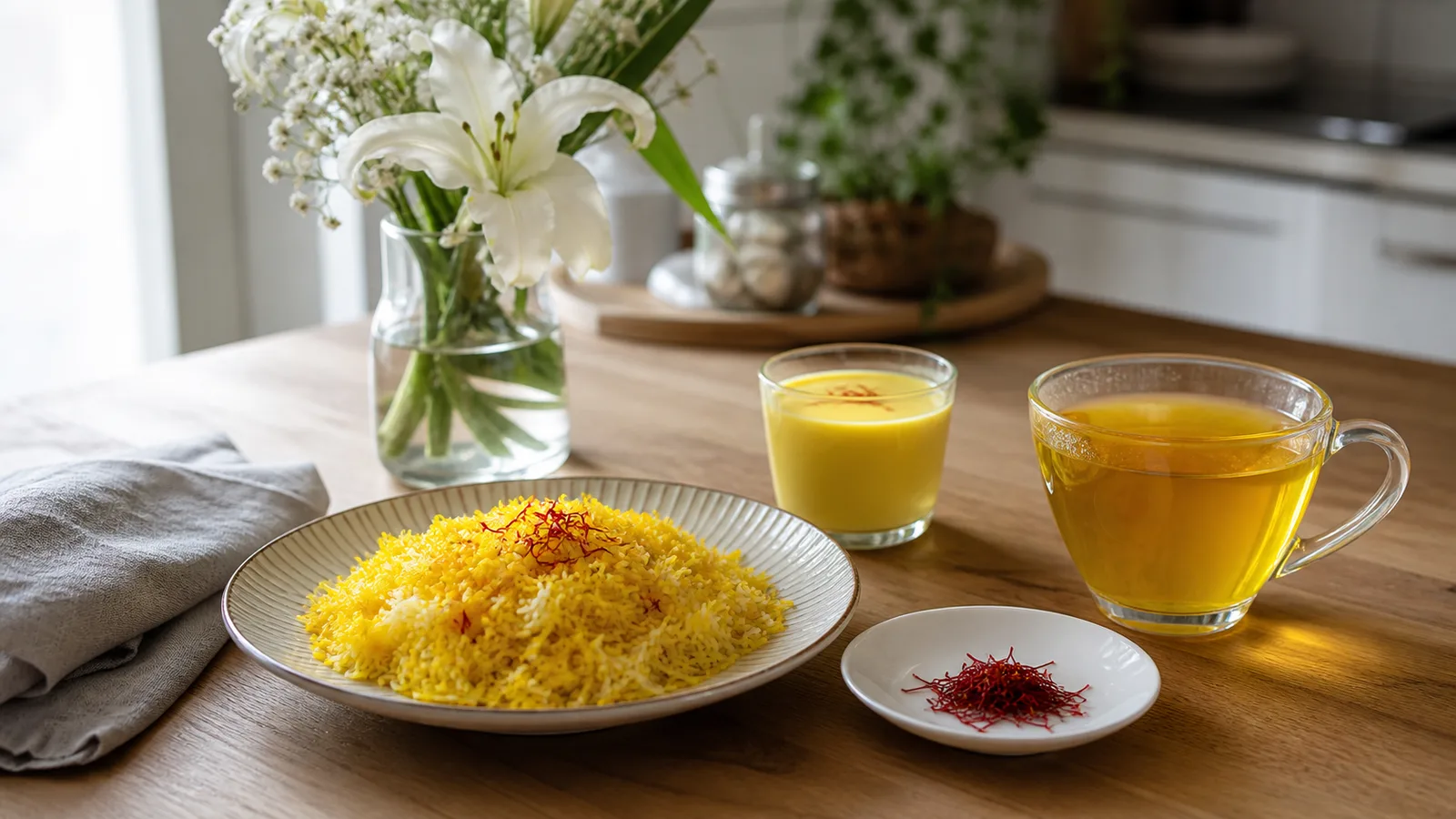
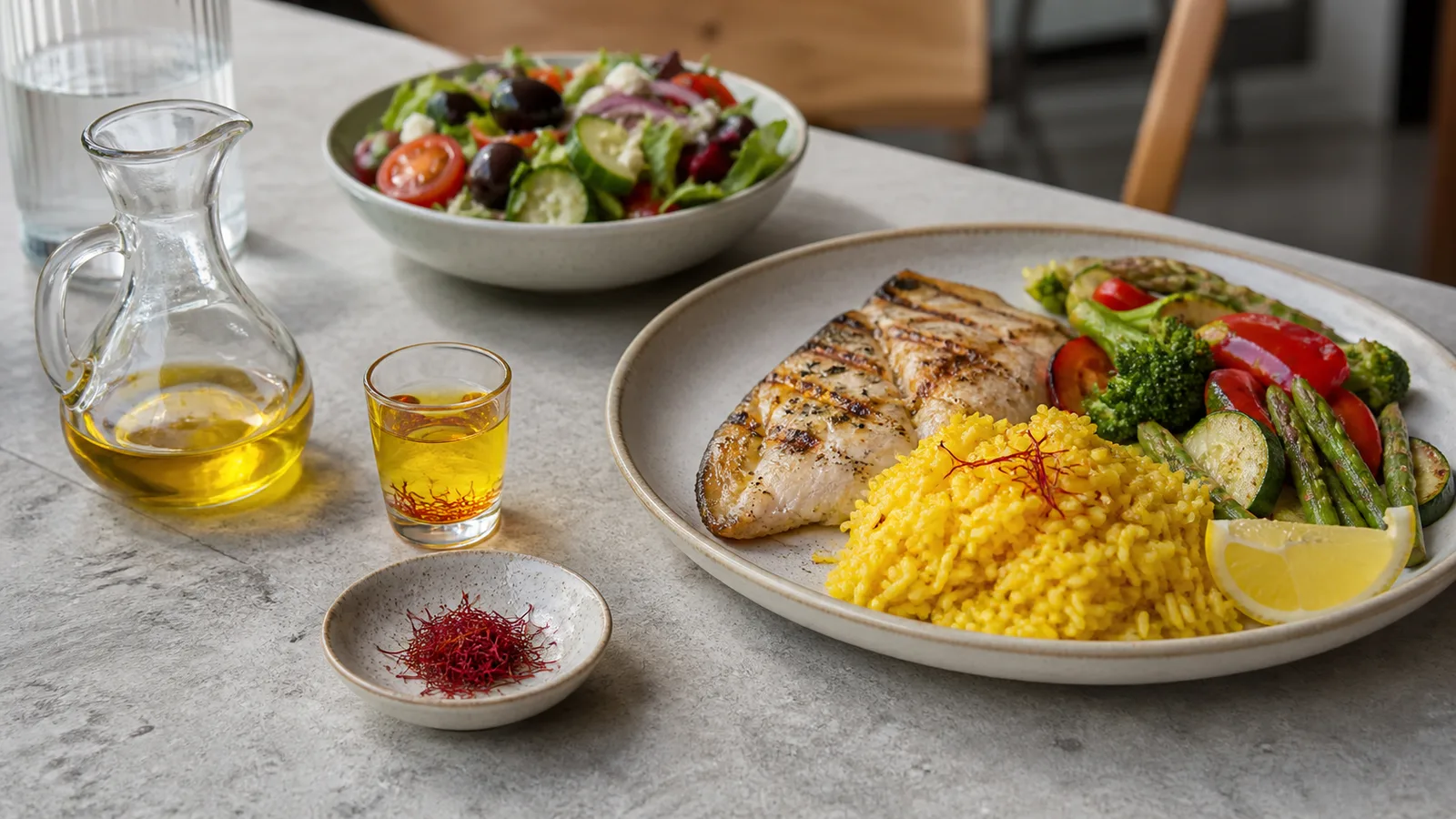
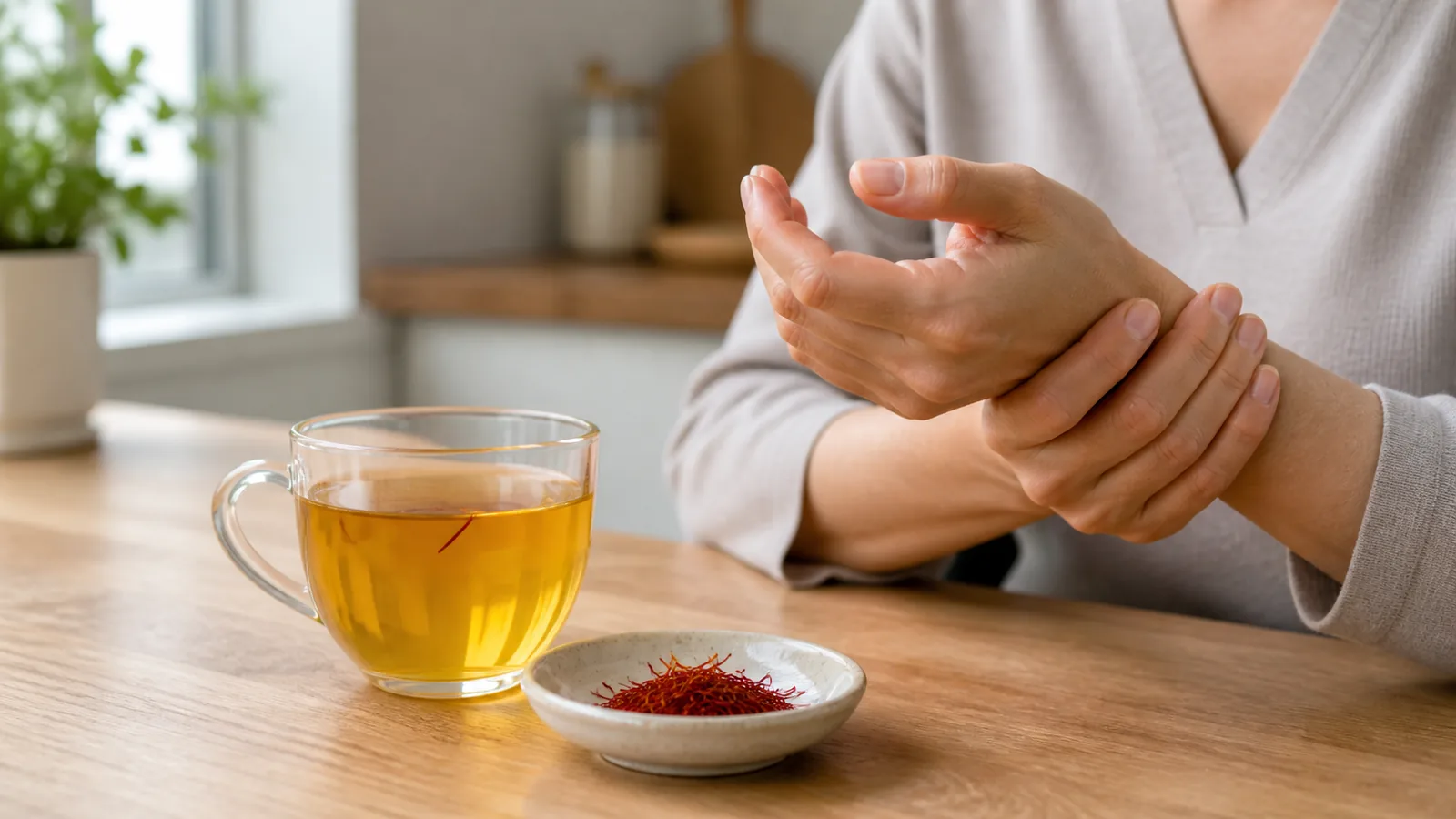
Saffron for sleep and mood is an active research topic, but the evidence does not support treating the spice as a guaranteed natural remedy. Small clinical trials of specific, standardized saffron extracts have reported improvements in some measures of sleep or self-reported mood. Results are not uniform, long-term evidence is limited, and those preparations are not the same as adding a few threads to food or tea.
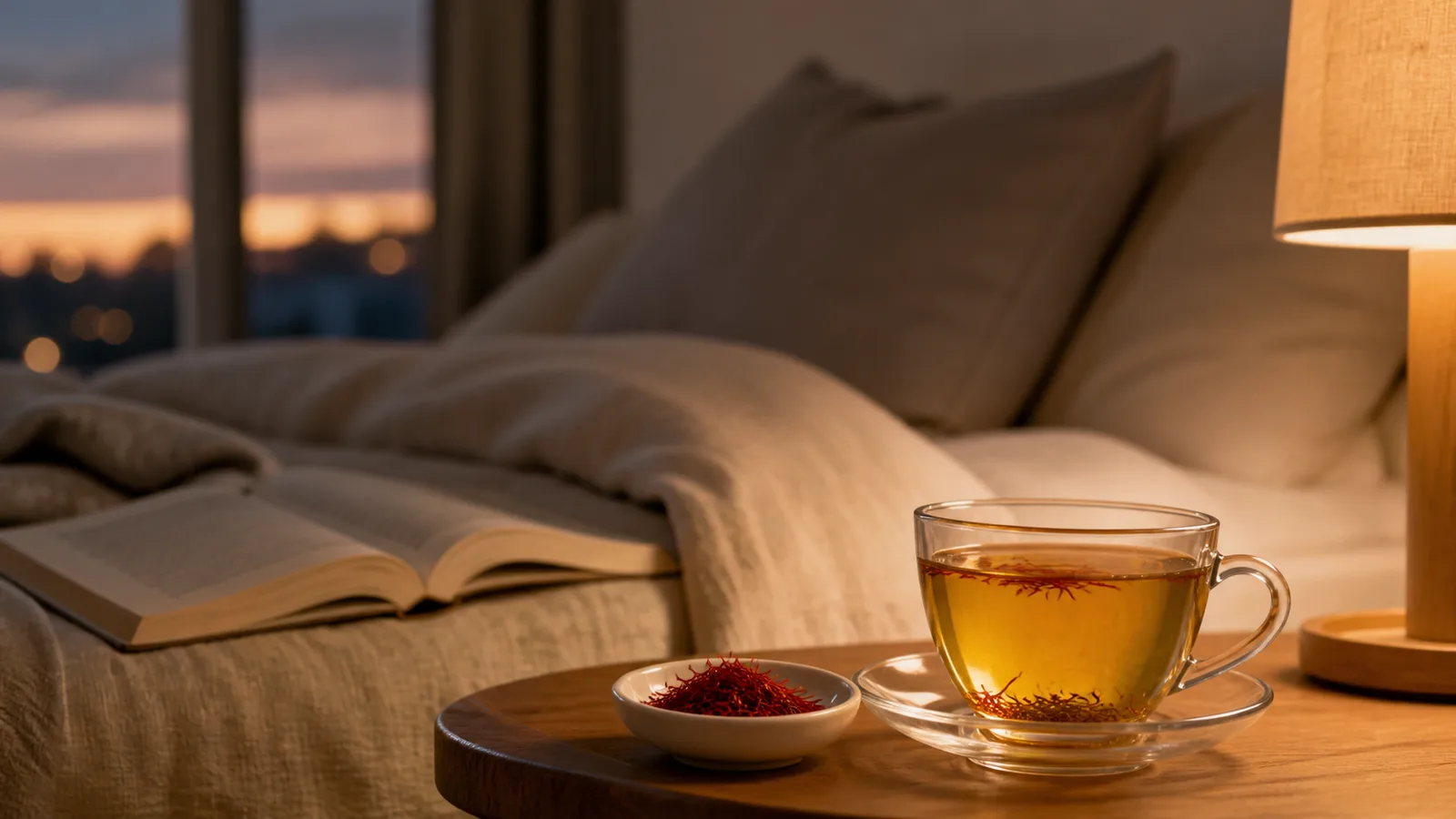
That distinction matters. Saffron is the dried stigma of Crocus sativus, prized in Iranian cooking for its colour, aroma and flavour. It also has a long history of traditional use. Tradition can inspire research, but it cannot establish that saffron treats insomnia, depression or another medical condition.
Can saffron help you sleep?
The short answer is: perhaps for some people, but the finding is not strong enough to call saffron a treatment for insomnia. A 2022 systematic review and meta-analysis included eight articles and 431 participants. It found a possible benefit for sleep quality and sleep duration, while the effect on insomnia severity was not statistically significant. The authors rated part of the evidence as low or very low certainty.
One of the better-known trials enrolled 120 adults who were dissatisfied with their sleep. Participants took a placebo or 14 mg or 28 mg of a particular standardized saffron extract one hour before bed for 28 days. The randomized trial reported better scores on its primary sleep-quality measure and some other outcomes, but no significant difference on several additional sleep measures. The authors called for longer studies, objective sleep measurements and trials in people with diagnosed insomnia.
These results do not show that a saffron tea, rice dish or dessert will produce the same effect. Extracts are made to a specification and measured in milligrams. A home infusion varies with the number and size of the threads, their quality, storage and brewing method.
What the mood research actually shows
Saffron has also been studied for depression and anxiety symptoms. A 2026 meta-analysis of 34 randomized controlled trials, involving 1,769 adults, found reductions on two self-report scales. The studies differed substantially from one another, however, and the pooled results did not show significant effects on several clinician-rated measures. The review described saffron as a possible complementary intervention and emphasized the need for higher-quality trials.
That is more cautious than saying saffron is “proven” to relieve mild or moderate depression. It should not replace an assessment, psychotherapy or medication recommended by a qualified clinician. Anyone experiencing persistent low mood, loss of interest, severe anxiety or thoughts of self-harm should seek professional help rather than trying to manage the problem with a spice or supplement.
Serotonin, dopamine and melatonin: promising ideas, not promises
Articles about saffron often explain its proposed effects by saying that it raises serotonin, dopamine or melatonin. The real picture is less settled. Researchers have investigated several biological pathways, and one short sleep trial measured a rise in evening melatonin after its specific extract. That does not prove that every saffron preparation directly “balances” these chemical messengers or regulates the sleep–wake cycle in everyday use.
Dopamine is sometimes called the “happiness hormone,” but that phrase is misleading. It is a neurotransmitter involved in movement, motivation, learning and reward, among other functions. Mood and sleep arise from interacting biological, psychological and social factors; neither can be reduced to one chemical.
Insomnia has many possible causes
Stress and anxiety can disturb sleep, but they are not the only explanations. Work schedules, caffeine or alcohol, medicines, pain, menopause, breathing disorders, restless legs and other physical or mental health conditions can all play a part. Poor diet alone is not a sufficient explanation for persistent insomnia.
For long-term insomnia, the US National Heart, Lung, and Blood Institute identifies cognitive behavioural therapy for insomnia (CBT-I) as the usual first treatment option. A clinician can also look for an underlying cause. Loud snoring, pauses in breathing, severe daytime sleepiness or sleep problems that continue despite routine changes deserve medical attention.
Build a better evening routine first
A warm saffron drink may be enjoyable as part of winding down, particularly when it replaces a late caffeinated drink. The routine around it is more dependable than any promise about the spice. Evidence-based sleep habits include:
- keeping a consistent bedtime and wake time;
- making the bedroom quiet, cool and dark;
- reducing bright screens during the hour before bed;
- avoiding caffeine, nicotine and alcohol close to bedtime;
- being physically active during the day; and
- using a calm wind-down routine, such as reading or relaxation.
These recommendations come from the NHLBI healthy sleep guidance. A cup does not need a therapeutic claim to have a place in that routine.
How to use saffron in food and drinks
Saffron’s most reliable benefit is culinary. It brings a honeyed, hay-like aroma, a subtle bitterness and a clear golden colour to rice, savoury dishes, desserts and beverages. To make a simple caffeine-free infusion, lightly crush a small pinch of threads, cover with hot water and steep for 10–15 minutes. The article on drinking saffron water explains practical quantity and safety considerations in more detail.
Add bloomed saffron gradually to a recipe and taste as you go. Extra threads can make the flavour medicinal or bitter; more is not automatically better. Culinary use also does not reproduce a clinical dose or provide a dependable treatment effect.
Store it to protect aroma and colour
Keep saffron in an airtight container in a cool, dry, dark cupboard. Light, heat, moisture and repeated exposure to air weaken its fragrance. Whole threads are easier to inspect than powder, although appearance alone cannot prove authenticity. Buy from a traceable seller, be wary of suspiciously cheap material that may be low-quality or counterfeit saffron, and grind only what you need.
What about the other claimed health benefits?
Laboratory studies and small human trials have explored saffron in relation to cognition, inflammation, blood pressure and other outcomes. That is not the same as showing that ordinary saffron consumption improves memory, strengthens the immune system or prevents chronic disease. Those broad claims were present in earlier versions of this article; they are too strong for the available evidence.
Saffron can contribute flavour without much sodium or sugar, depending on the recipe. It can make a varied diet more enjoyable. It should not be presented as protection against cardiovascular disease, dementia, cancer or infection, and no one should delay proven care in favour of it.
Amounts, supplements and safety
Clinical studies have used different products and amounts. The former version of this article quoted 30–50 mg a day for sleep and mood; one sleep trial used 14 mg or 28 mg of a branded standardized extract, while other research has used different preparations. These numbers describe study protocols, not a universal dose recommendation.
For normal cooking, use a modest pinch appropriate to the dish. If you are considering a concentrated extract or repeated medicinal use, show the exact product and label to a doctor or pharmacist. Product strength and purity vary, and supplements are not interchangeable with culinary threads.
Reported unwanted effects in saffron research are often mild and can include digestive discomfort, headache or dizziness, but absence of a reaction in a small short trial does not establish long-term safety. Stop using a product and obtain medical advice if it seems to worsen mood or causes another concerning symptom.
Pregnant or breastfeeding people should not begin medicinal-dose saffron without guidance from their healthcare professional. The same caution applies to children, people preparing for surgery and anyone taking medicines—particularly products that affect mood, sedation, blood pressure, blood clotting or blood sugar. Possible interactions depend on the person, drug and saffron preparation.
A realistic conclusion on saffron for sleep and mood
Saffron is an exceptional Iranian spice and a legitimate subject of clinical research. Current studies offer encouraging signals for certain standardized extracts, but they do not make saffron a proven natural solution for insomnia or depression. Enjoying its aroma in a quiet evening drink is reasonable; expecting that drink to guarantee uninterrupted sleep or a happier mood is not.
The sensible approach is to keep culinary saffron in its culinary role, treat supplement claims with care and address continuing sleep or mood problems with qualified professional support. That protects both the pleasure of the spice and the health of the person using it.