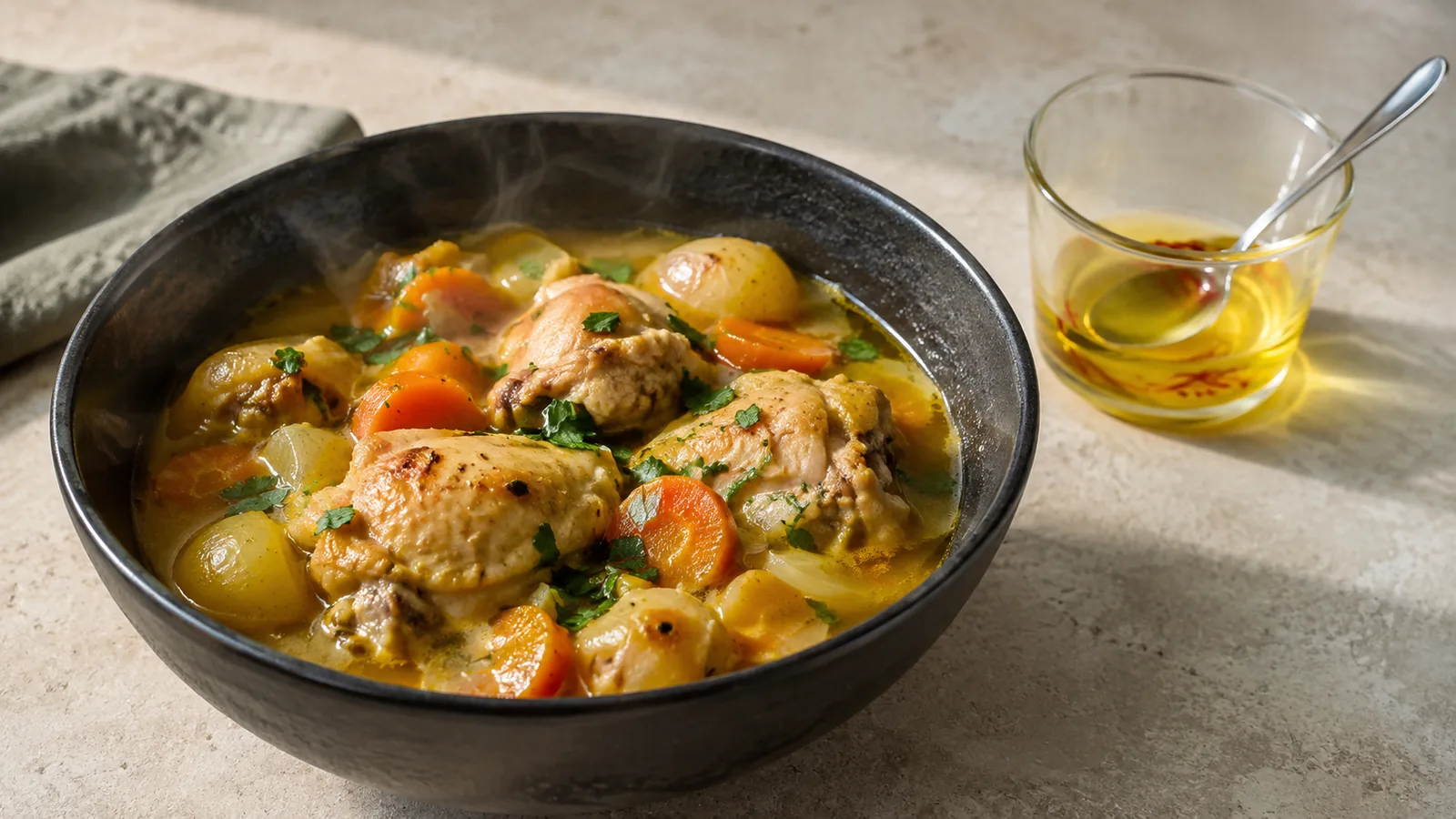
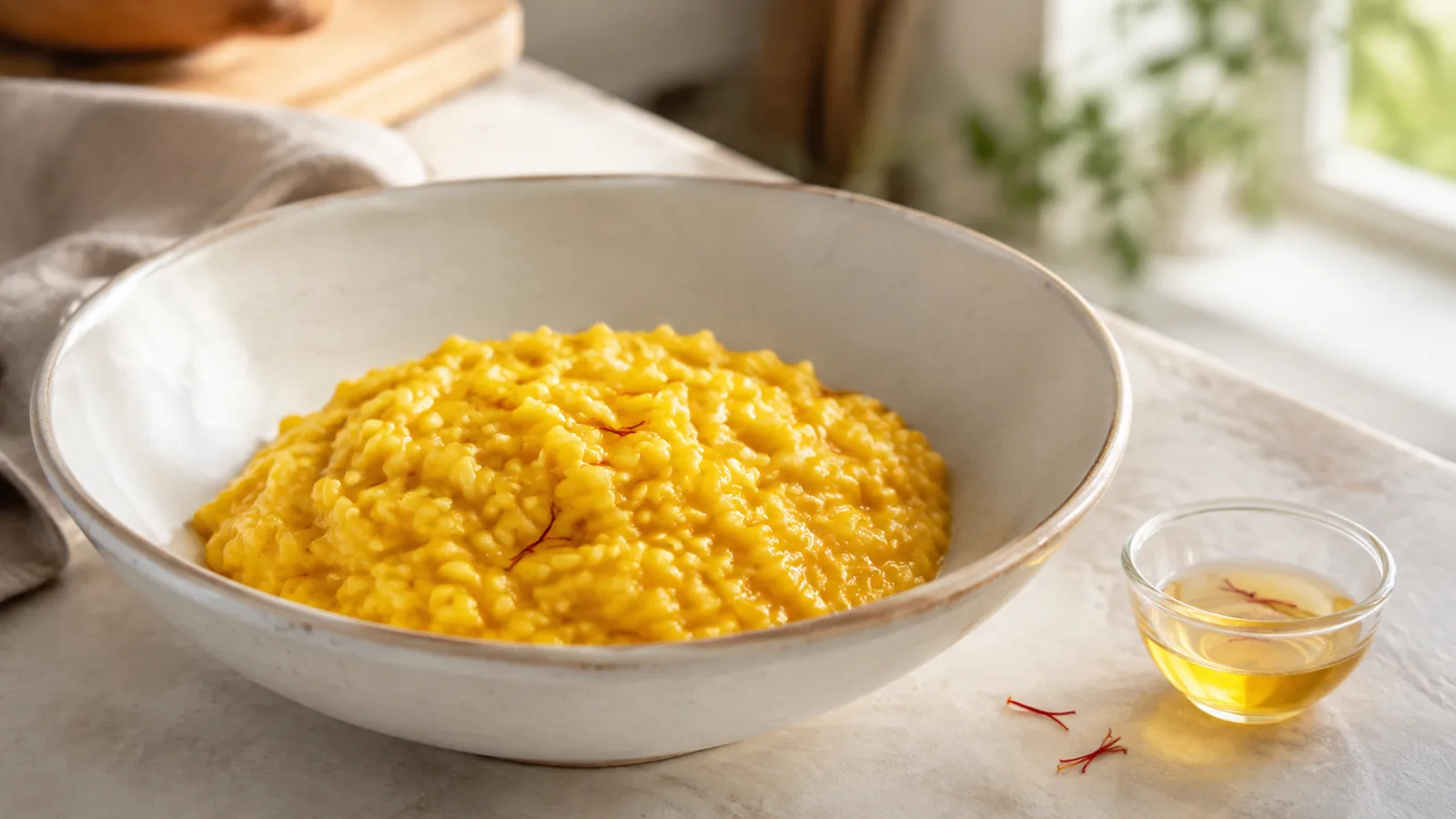
Persian carrot jam is bright, softly spiced and made for breakfast: sweet carrot, rosewater, cardamom and saffron in a spoonable preserve. This carrot marmalade recipe keeps those traditional flavours while giving clearer instructions for controlling the texture and storing the finished jars safely.
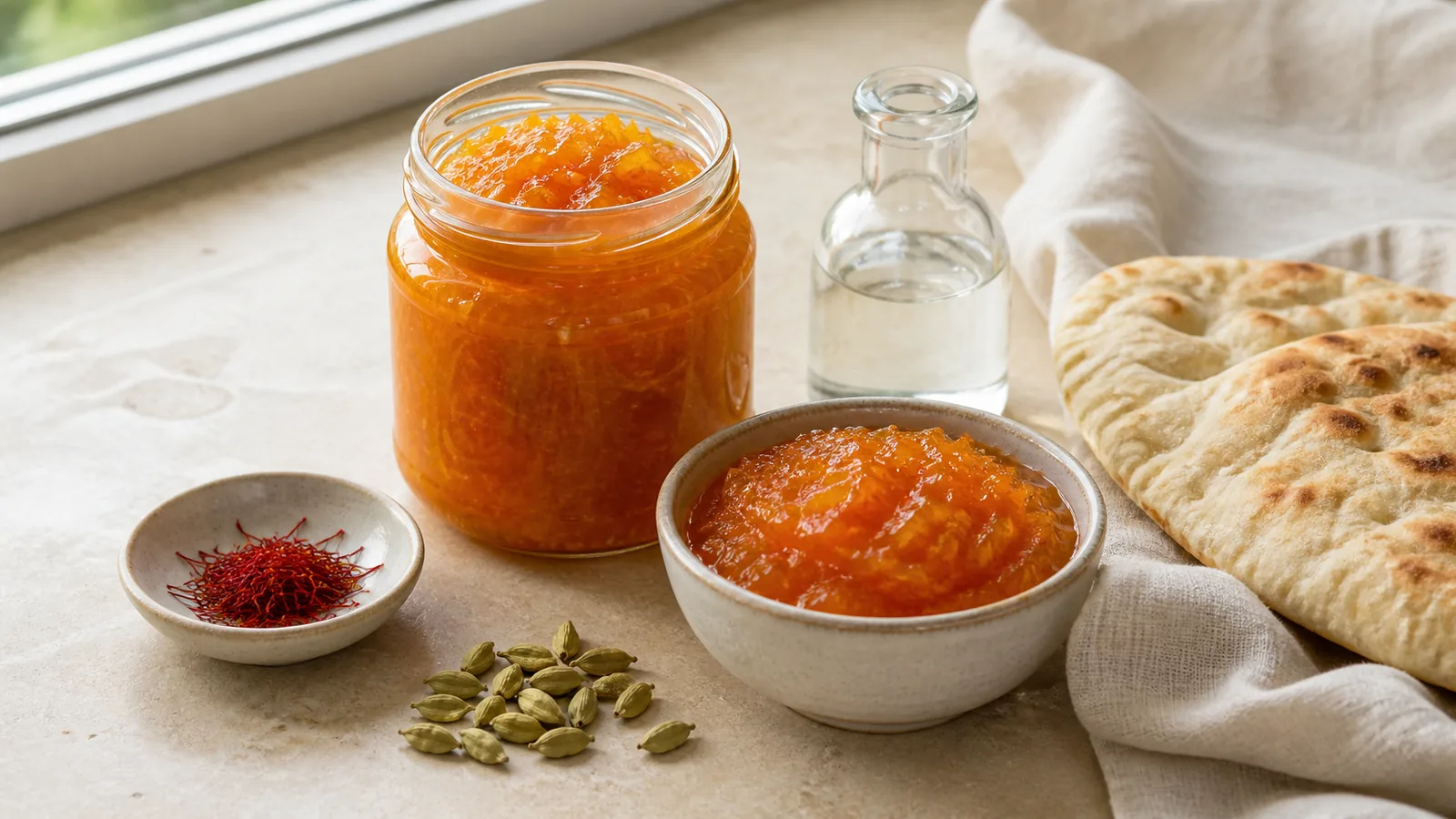
The recipe below is a refrigerator preserve, not a tested shelf-stable canning formula. Carrots are a low-acid vegetable, and neither sugar nor a brief dip in boiling water makes an untested carrot preserve safe for room-temperature storage.
Persian carrot jam or carrot marmalade?
In Persian cooking this breakfast preserve is often described in English as Persian carrot jam. The texture can be smooth enough to resemble marmalade, although it contains no citrus peel. Here, the cooked carrot is finely grated or lightly mashed rather than blended into a completely uniform paste, so the preserve remains glossy and has a little texture.
Saffron gives the orange preserve a deeper golden tone and a warm aroma. Rosewater and cardamom should sit behind the carrot rather than overwhelm it, so add them near the end of cooking.
Ingredients
- 1 kg carrots, weighed after trimming
- 1 kg granulated sugar
- 1 cup water, plus a little more if needed to cook the carrots
- 1 tablespoon cardamom seeds, finely ground, or less to taste
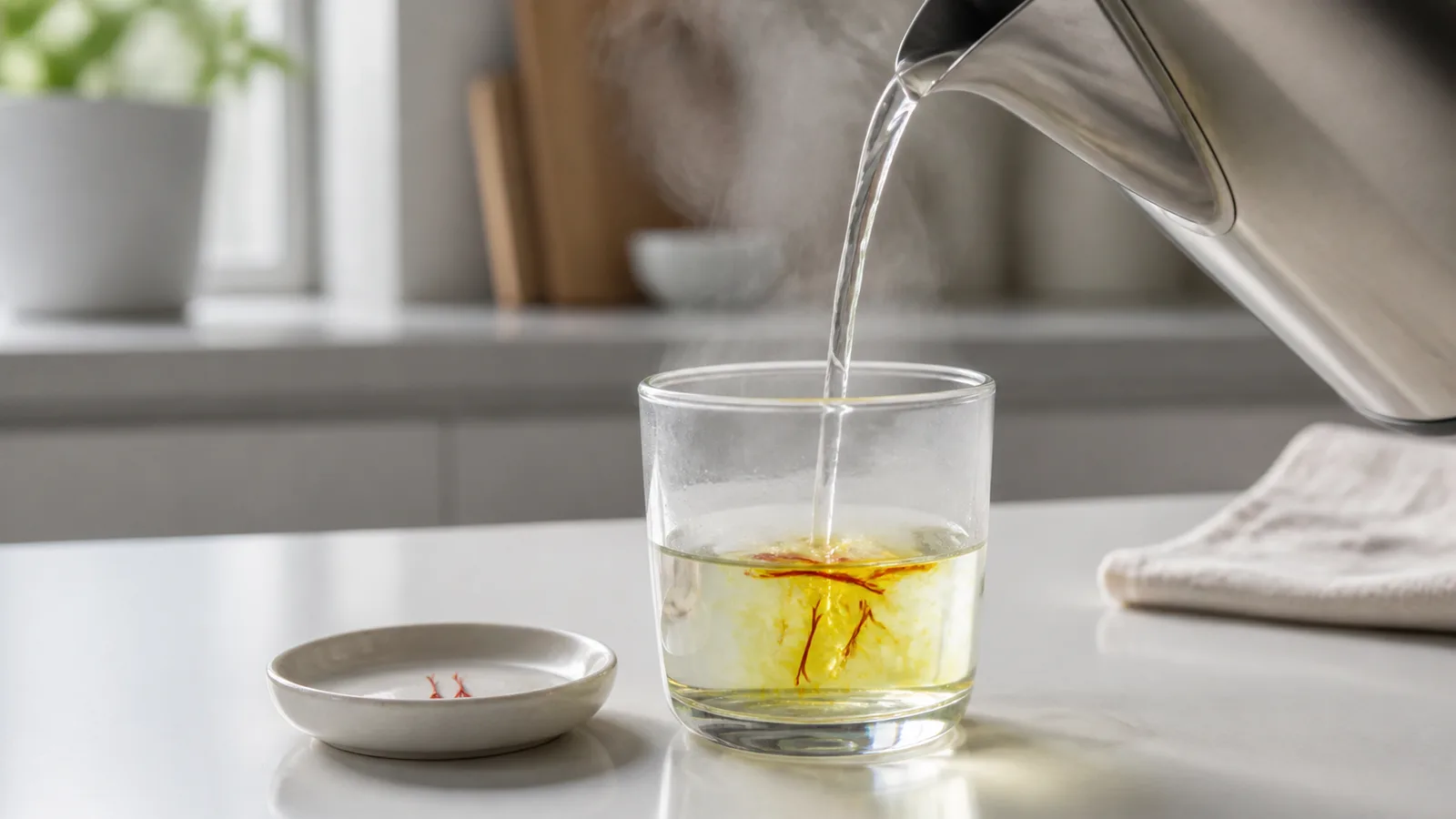
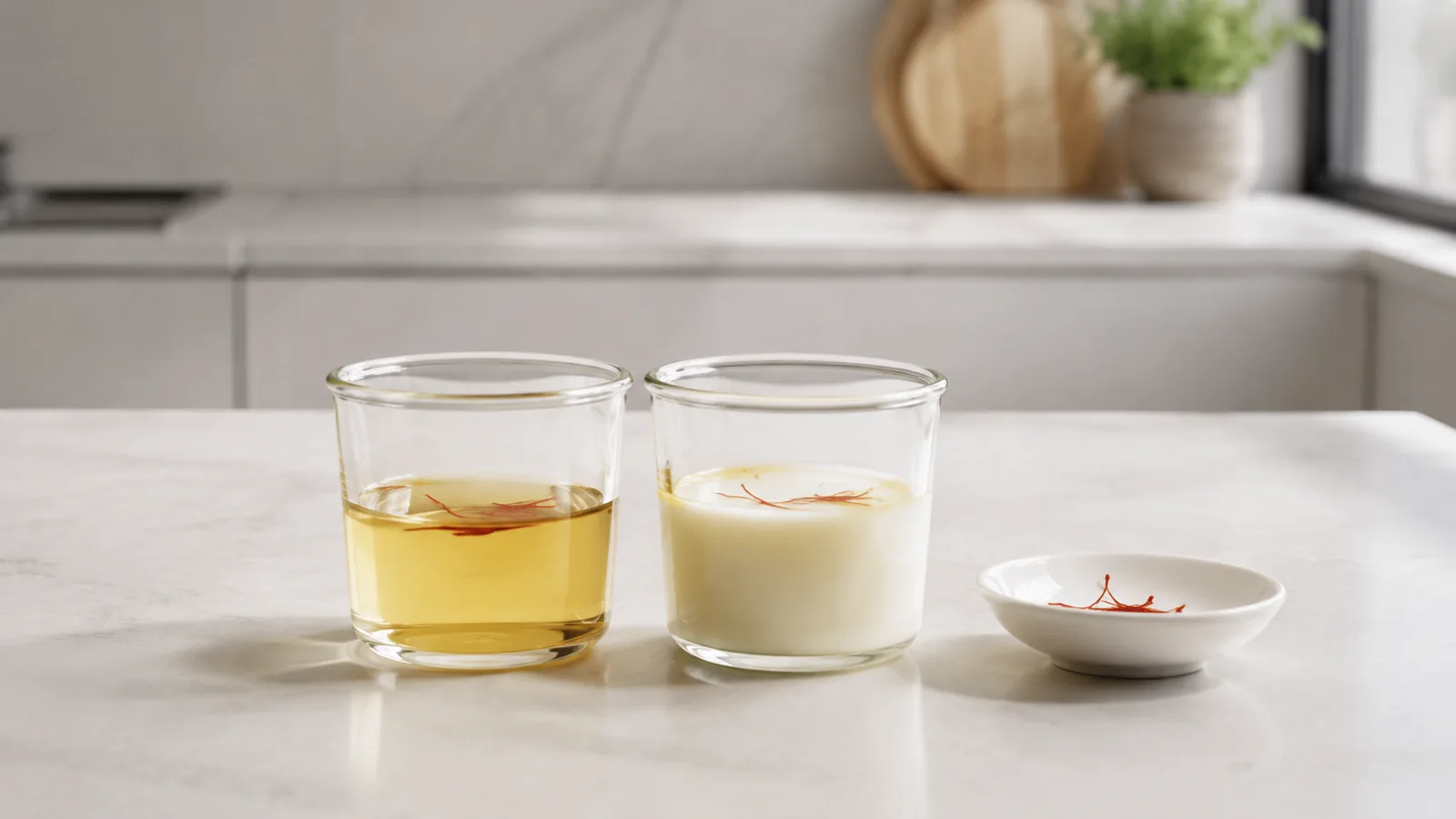
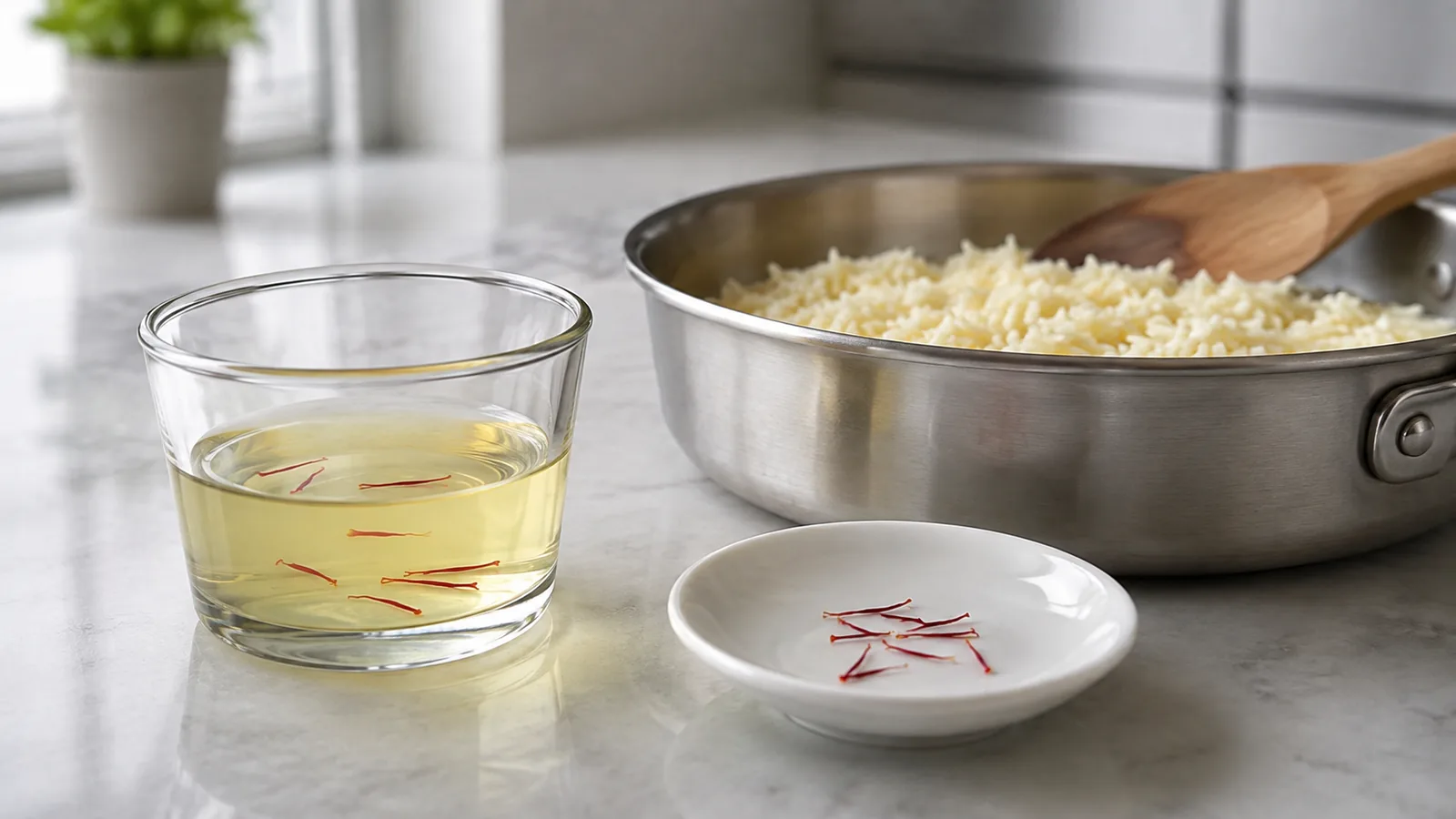
- 1 teaspoon concentrated brewed saffron
- 1 tablespoon fresh lemon juice
- 1/2 cup rosewater
- 1 tablespoon clean quince seeds, optional
The original formula used equal weights of carrots and sugar. That makes a distinctly sweet preserve. If you change the ratio, expect the setting time and refrigerated keeping quality to change as well.
How to make carrot marmalade with saffron
1. Prepare the carrots
Wash, peel and rinse the carrots. Coarsely grate them for a traditional strand-like texture, or cut them into small pieces if you prefer to mash them later. Put the carrots and water in a wide, heavy saucepan.
Cover and cook over medium-low heat until the carrot is completely tender. Stir occasionally and add only enough extra water to prevent scorching. If you used pieces, cool them slightly and mash or pulse them briefly. Avoid turning them into a watery purée.
2. Start the quince-seed gel, if using
Put the quince seeds in a small heatproof bowl with 3 tablespoons of hot water. Set the bowl over gently steaming water for about 15 minutes. The liquid around the seeds will become slippery and lightly gelled. Strain it before adding it to the jam; the seeds themselves do not go into the jar.
This is a traditional texture aid, not a substitute for a tested canning process. If you do not have quince seeds, simply cook the jam a little longer. Gelatin can set a refrigerated spread, but it produces a softer, less traditional texture and still does not make the preserve shelf-stable.
3. Cook the carrot and sugar
Add the sugar to the tender carrot. Warm the mixture slowly, stirring until the sugar has dissolved, then bring it to a steady simmer. Cook uncovered, stirring more often as it thickens so the bottom does not catch.
Add the strained quince-seed gel, if using, followed by the ground cardamom and brewed saffron. Continue cooking until a spoon drawn across the base of the pan leaves a clear path for a moment. A small spoonful placed on a chilled plate should thicken as it cools rather than release a ring of watery syrup.
4. Add the final aromas
Stir in the lemon juice and rosewater during the last minute, then remove the pan from the heat. Taste only after a sample has cooled: heat hides sweetness and aroma. If you want a stronger saffron note, add a small amount of concentrated infusion rather than dry threads.
5. Cool and refrigerate
Spoon the hot carrot marmalade into clean, heat-safe jars, leaving enough room at the top for easy stirring. Let the jars cool briefly, cover them and refrigerate promptly. Label them with the preparation date.
The National Center for Home Food Preservation distinguishes refrigerator spreads from shelf-stable preserves and says refrigerator jams generally keep for up to three weeks. Its guidance also says home-canned foods should use a tested recipe and the stated processing method. Because this carrot formula has not been presented as a laboratory-tested canning recipe, keep it refrigerated and use it within three weeks. Discard the entire jar if you see mould, bubbling or another sign of spoilage; do not scrape the surface and keep the rest. See the centre’s jam and jelly storage guidance for the distinction.
How to avoid runny or crystallised carrot jam
If it is too thin
Use a wide pan and cook in a single batch. A crowded, narrow pot slows evaporation. Remember that the preserve thickens as it cools, so test a small amount on a chilled plate before extending the cooking time. Excess water, undercooked carrots or a very short simmer can leave the syrup loose.
If it becomes stiff
Overcooking drives off too much water and dulls the saffron and rosewater. Remove the pan when the cold sample is thick but still spreads easily. If a refrigerated batch becomes firmer than you like, loosen only the portion you plan to serve with a teaspoon of warm water.
If sugar crystals appear
Dissolve the sugar completely over gentle heat before the mixture boils. Once it is simmering, avoid scraping dried sugar from the sides of the pan back into the preserve. Lemon juice helps balance the intense sweetness and can reduce crystallisation, but it is included for flavour and texture here, not as proof that the recipe is safe to can.
Serving Persian carrot jam
Serve Persian carrot jam with warm bread, butter, cream cheese or labneh. It also works as a thin layer in a plain sponge cake or beside unsweetened yoghurt. Use a clean spoon each time and return the jar to the refrigerator rather than leaving it on the breakfast table for hours.
What makes this carrot jam Persian in character is the restrained combination of saffron, rosewater and cardamom. None should cover the sweet, earthy flavour of the carrot.
A good batch should taste first of carrot, then cardamom, saffron and rosewater. That balance is what makes Iranian carrot jam distinctive: fragrant enough to be memorable, but still gentle enough for breakfast.