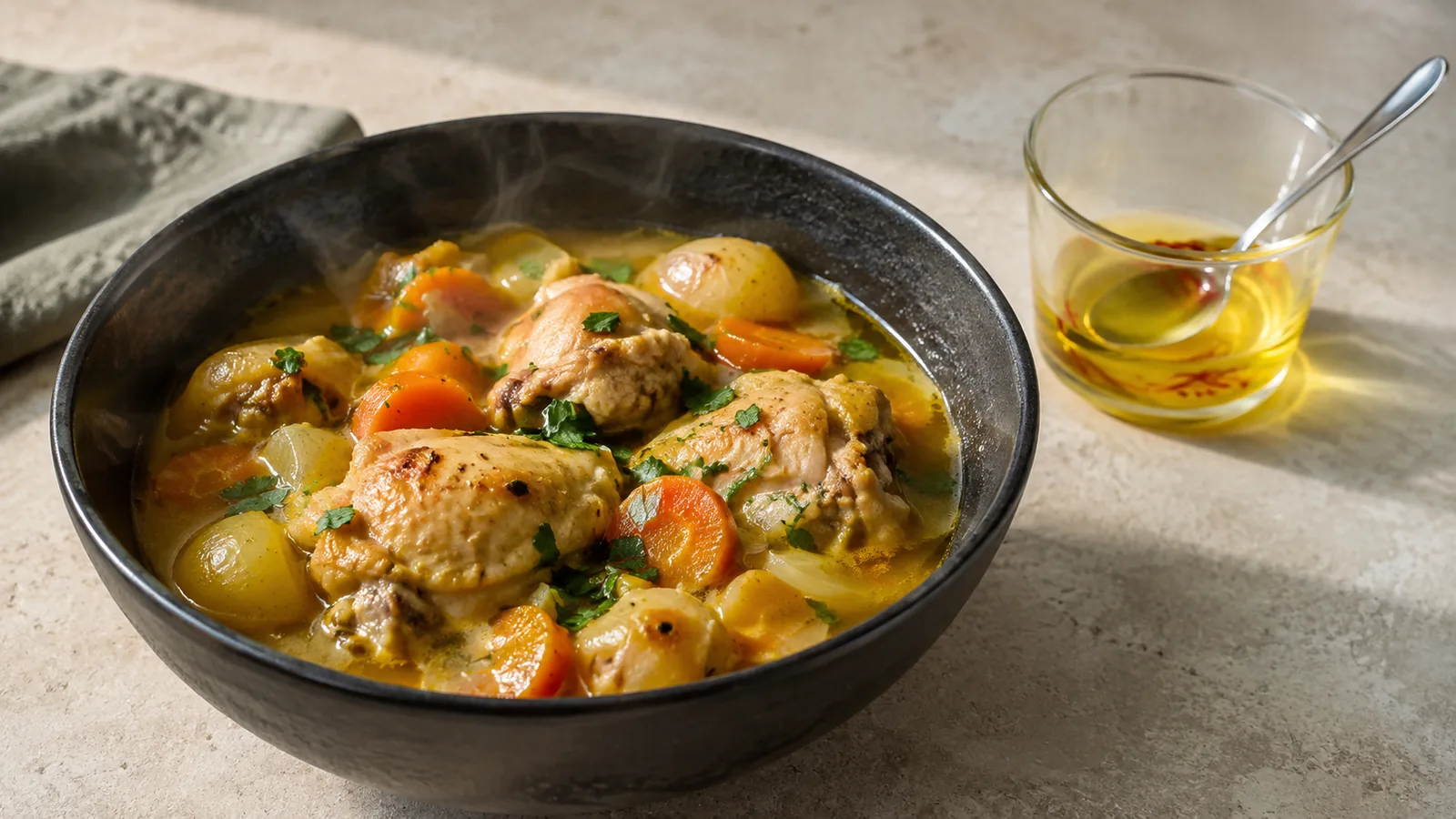
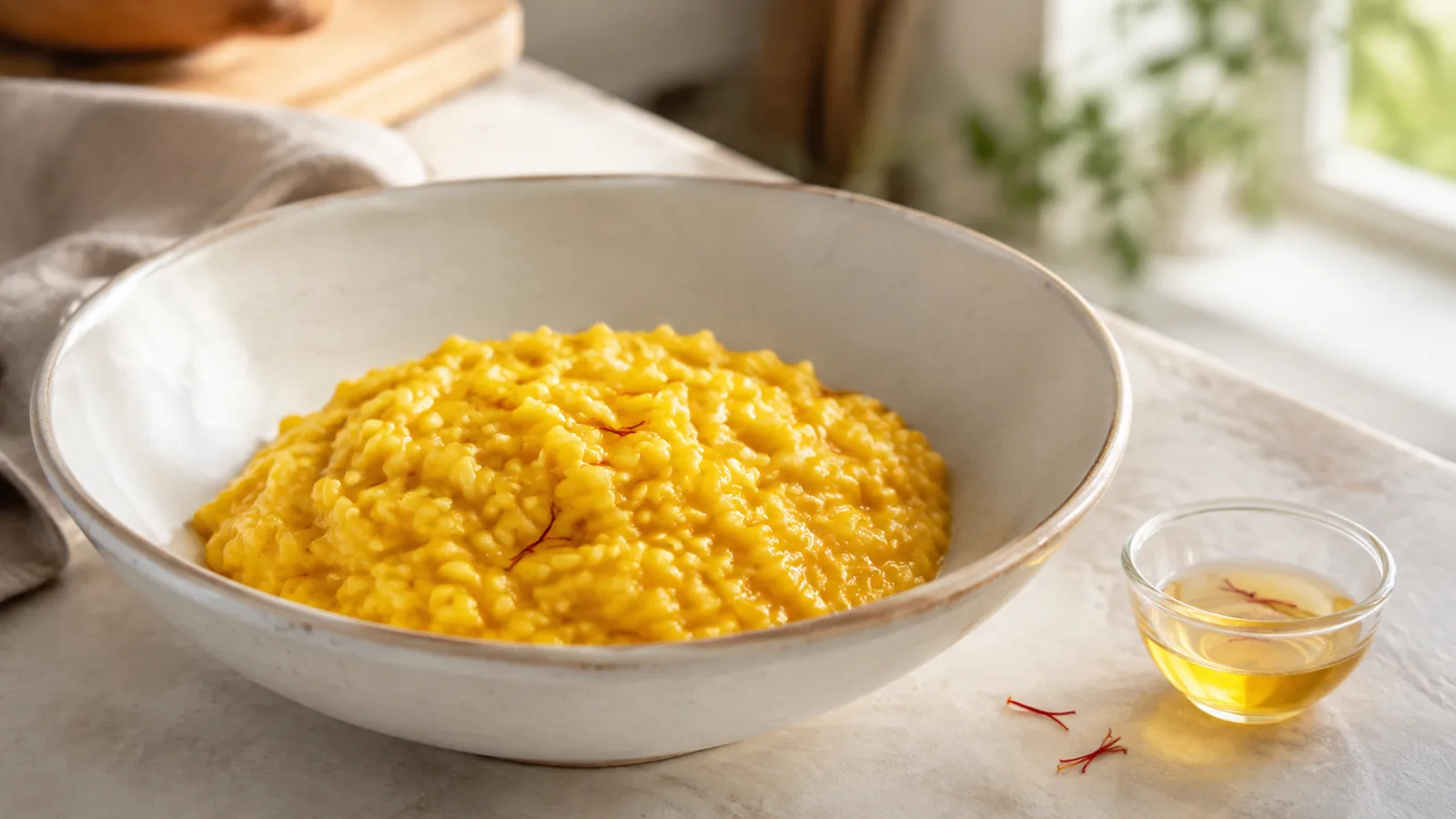
This recipe for Tahchin Qaisi cooking with Iranian saffron layers saffron rice with chicken, spinach and tender dried apricots before baking it into a golden rice cake.
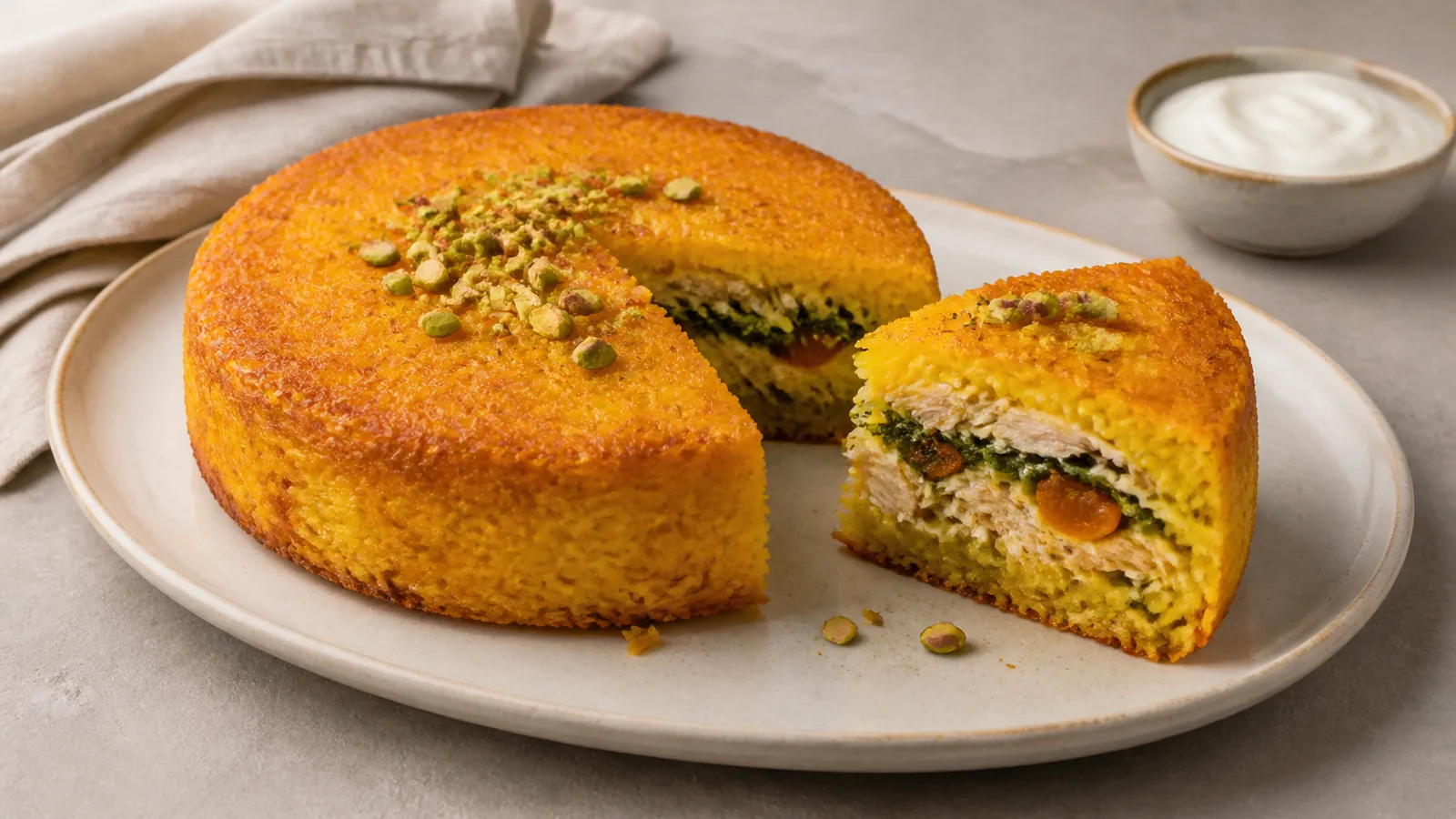
Qaisi, also written qeysi, is the dried apricot in this version of tahchin. Its sweet-tart flavor sits between the savory chicken and spinach, while the yogurt, egg yolk and saffron mixture binds the rice into a sliceable crust.
Ingredients for Tahchin Qaisi
- 5 cups long-grain rice
- 250 g Qaisi (dried apricots), cooked until tender and drained
- 700 g cooked spinach, squeezed and chopped
- 1 cooked chicken breast, shredded or finely chopped
- 1 medium onion, finely chopped
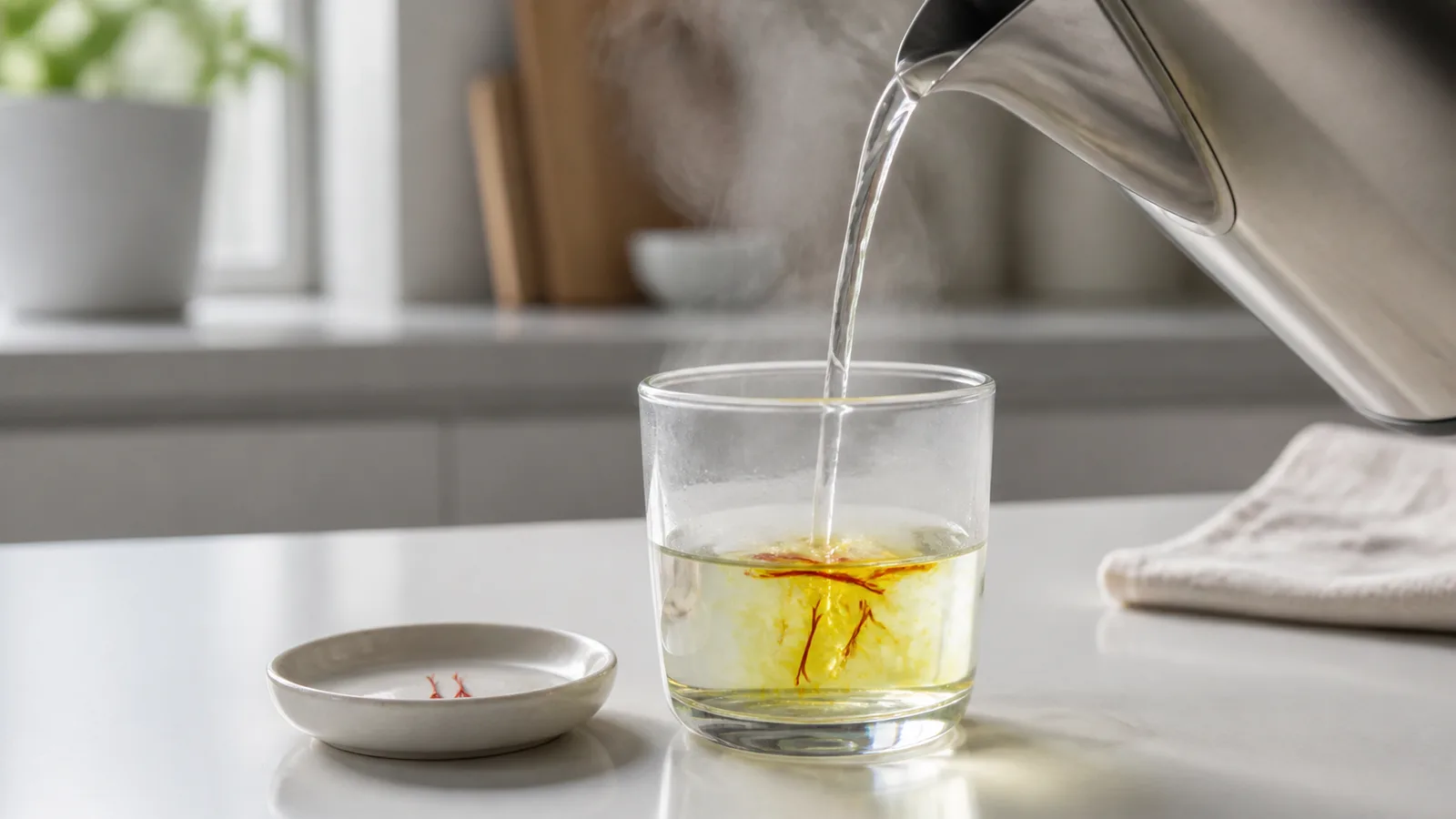
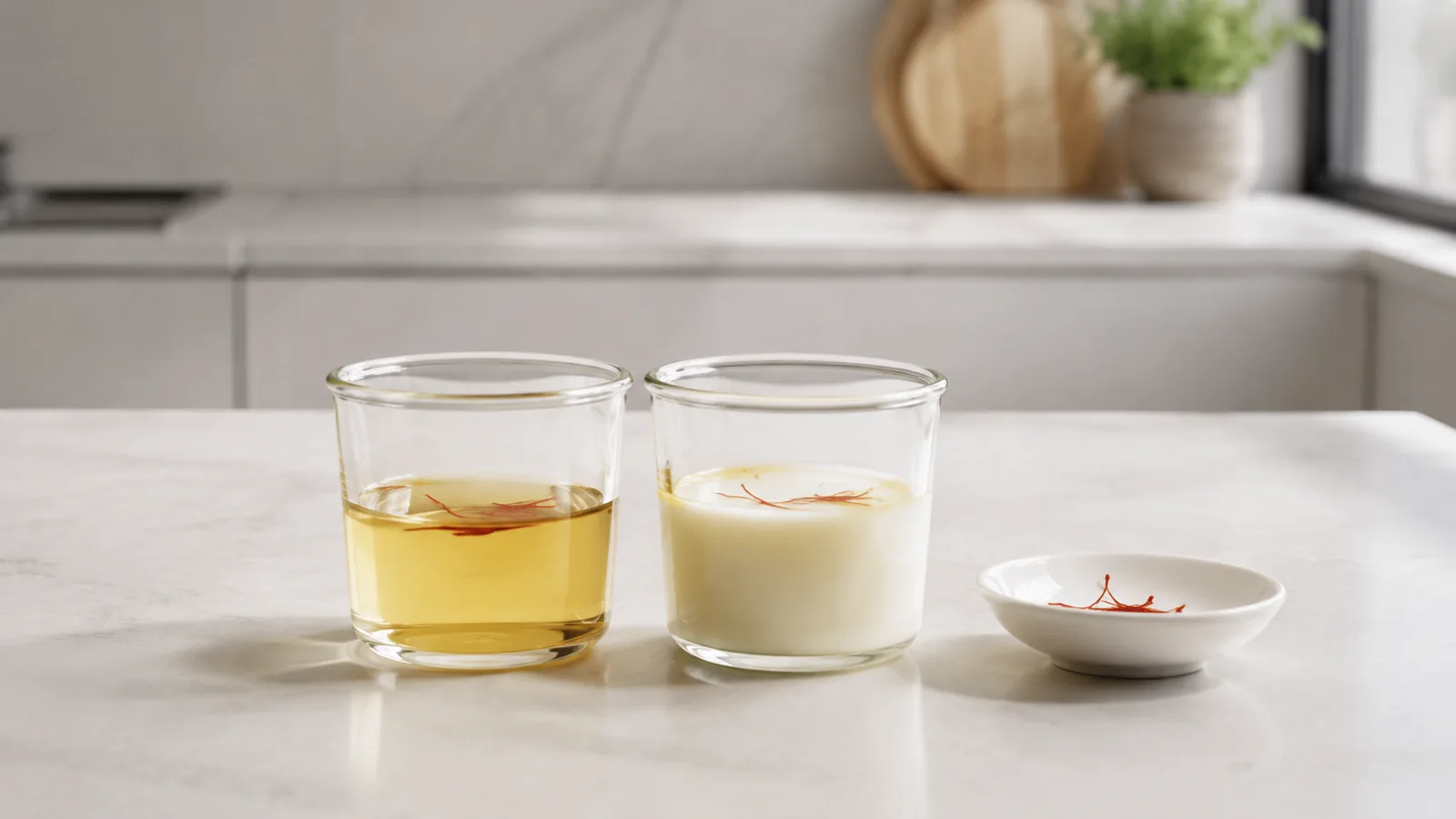
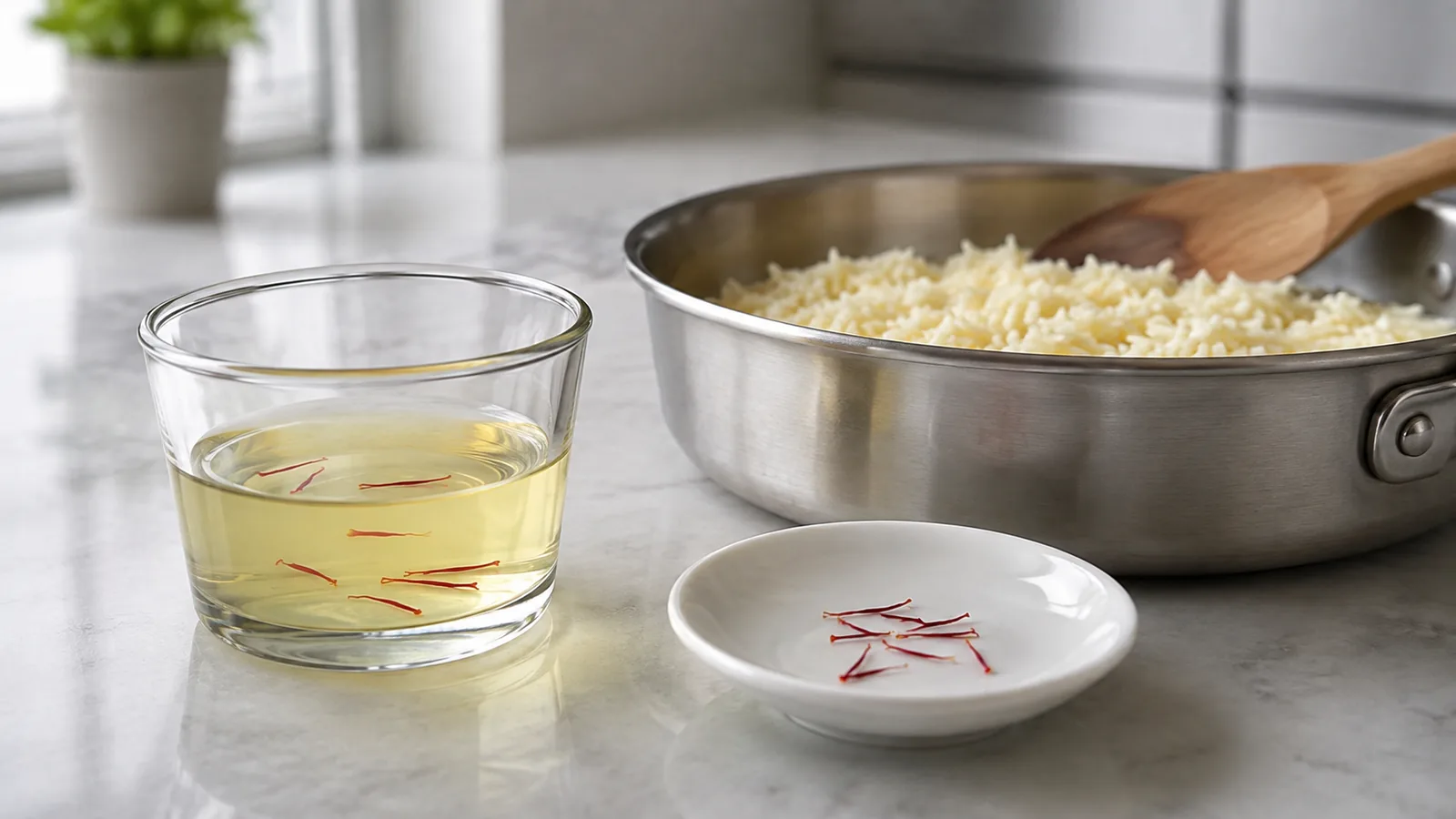
- ¼ cup bloomed saffron
- 1 cup plain yogurt
- 5 egg yolks
- ⅓ cup neutral cooking oil
- 50 g butter
- 1 teaspoon white pepper
- Salt, as needed
- Yogurt and chopped pistachios, optional, for serving
Drain the spinach and Qaisi carefully. A wet filling releases steam into the rice and makes it harder for the tahchin to keep a crisp outer crust.
Parboil the rice
Rinse the rice until the water becomes mostly clear. Bring a large pan of salted water to the boil, add the rice and cook until the grains are flexible at the surface but still firm in the center.
Drain it a little earlier than you would for ordinary rice. The grains will continue cooking in the oven, so fully softened rice can become heavy once mixed with yogurt and egg yolks.
Make the chicken, spinach and Qaisi filling
Heat the neutral oil in a wide pan. Add the onion and cook over medium heat until golden.
Stir in the cooked spinach, chopped chicken, white pepper, half of the bloomed saffron and the tender Qaisi. Cook briefly, turning the mixture until excess moisture has evaporated, then take the pan off the heat.
Taste and adjust the salt. Keep the filling in distinct pieces rather than stirring so hard that the apricots break down into a paste.
Prepare the saffron rice mixture
Beat the egg yolks for about five minutes, until slightly thickened and lighter in color. Add the yogurt, a small pinch of salt and the remaining saffron.
Fold in the drained rice. Work gently from the bottom of the bowl until the grains are evenly coated without being crushed.
Layer the Tahchin Qaisi
Heat the oven to 200°C. Melt the butter and use it to coat the base and sides of a deep ovenproof mold.
Spoon about three ladles of saffron rice into the mold and press it into an even layer. Add a layer of the chicken, spinach and Qaisi filling, keeping it slightly away from the outer edge.
Continue alternating rice and filling, pressing each layer lightly. Finish with rice so the filling is enclosed and the tahchin can turn out cleanly.
Bake and unmold the tahchin
Cover the mold tightly with foil and make a few small holes in the top to release excess steam. Place it on the middle shelf and bake at 200°C for one hour and 15 minutes.
Remove the foil, lower the oven to 150°C and bake for another 10 minutes. Look for a set center and a deep golden edge where the rice meets the mold.
Let the tahchin rest for 10 minutes after it leaves the oven. Run a thin knife around the edge, place a serving platter over the mold and invert both together in one confident movement.
Serve Tahchin Qaisi with saffron
Scatter chopped pistachios over the golden crust. Serve yogurt alongside rather than pouring a heavy layer over the top, which keeps the crisp rice visible and lets each person add as much as they like.
Cut the tahchin with a sharp knife and lift each portion with a flat server so the rice, apricot, spinach and chicken layers stay together.
Checks for a clean golden crust
- Drain the filling: cooked spinach and softened apricots should not carry loose water into the mold.
- Keep the rice firm: it finishes cooking during the long covered bake.
- Grease every surface: bare patches can hold the crust when the mold is inverted.
- Finish with rice: an enclosed filling gives the cake a stronger base.
- Rest before unmolding: the hot binder needs a few minutes to settle around the grains.