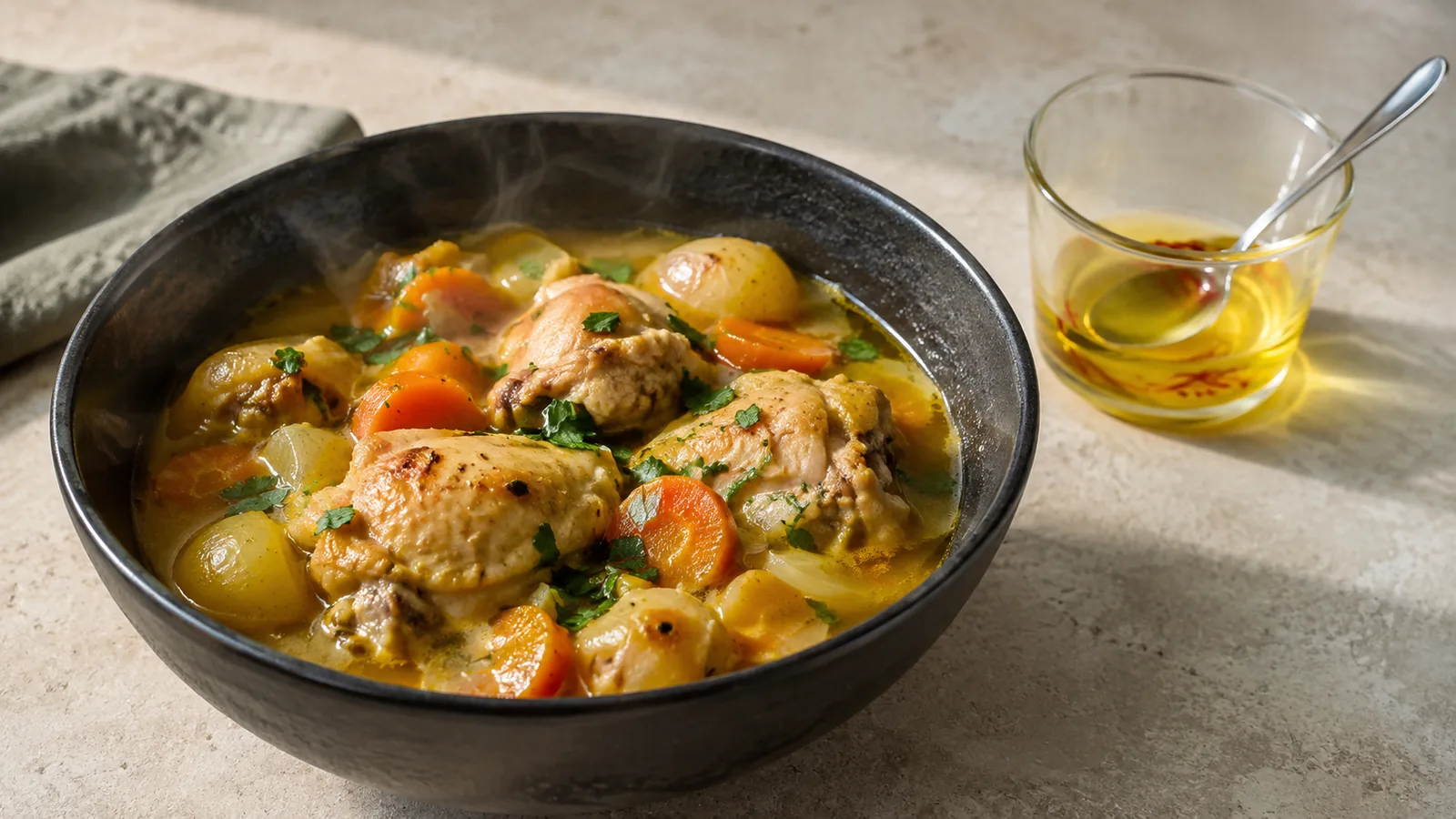
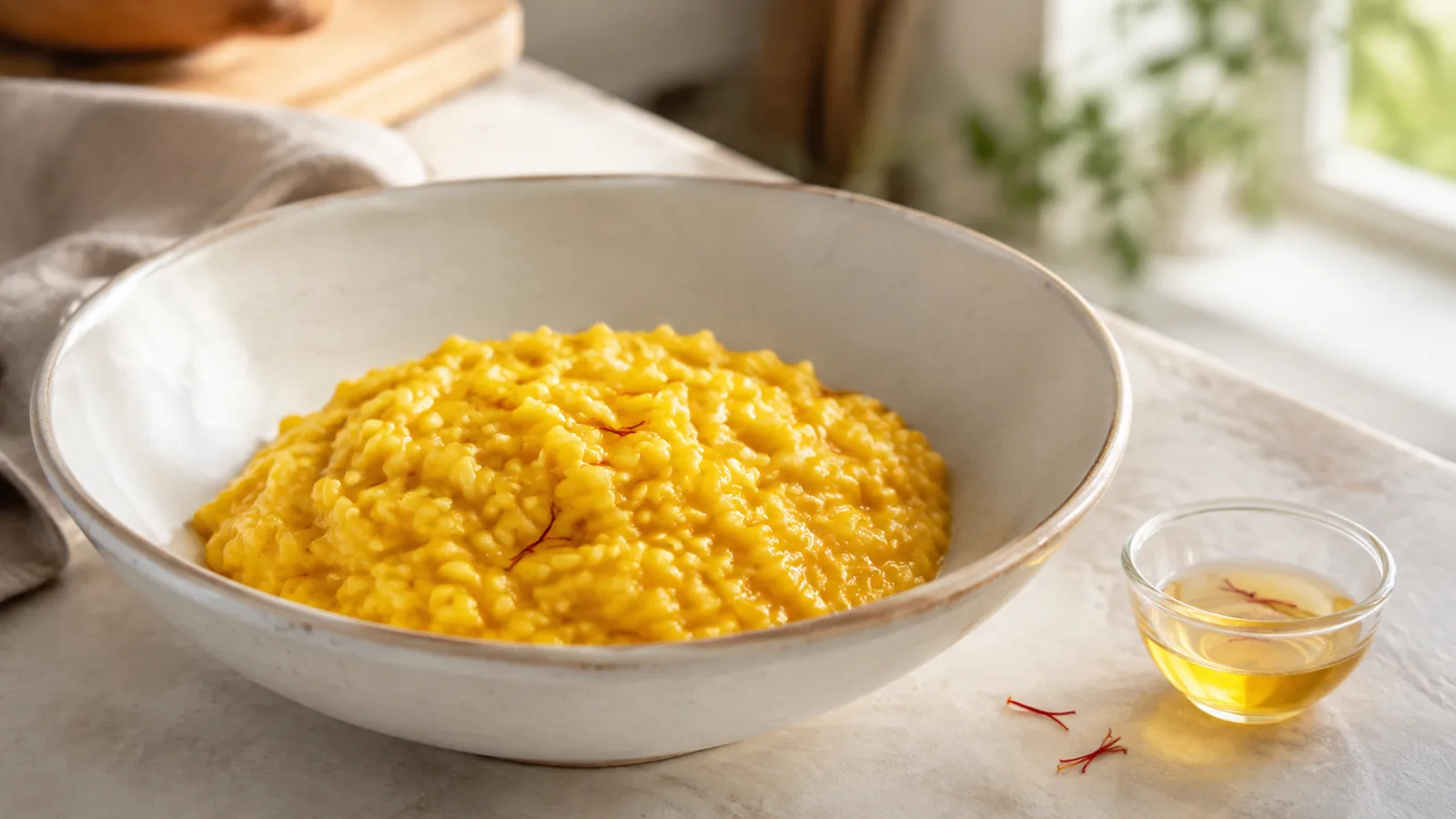
This sour chicken stew with rhubarb and saffron is built around contrasts: tender chicken, tart spring rhubarb and the rounded aroma of brewed saffron. Dried lime and sour-grape seasoning deepen the acidity, while tomato paste gives the broth colour and body. Add the rhubarb near the end so it softens without disappearing into the sauce.
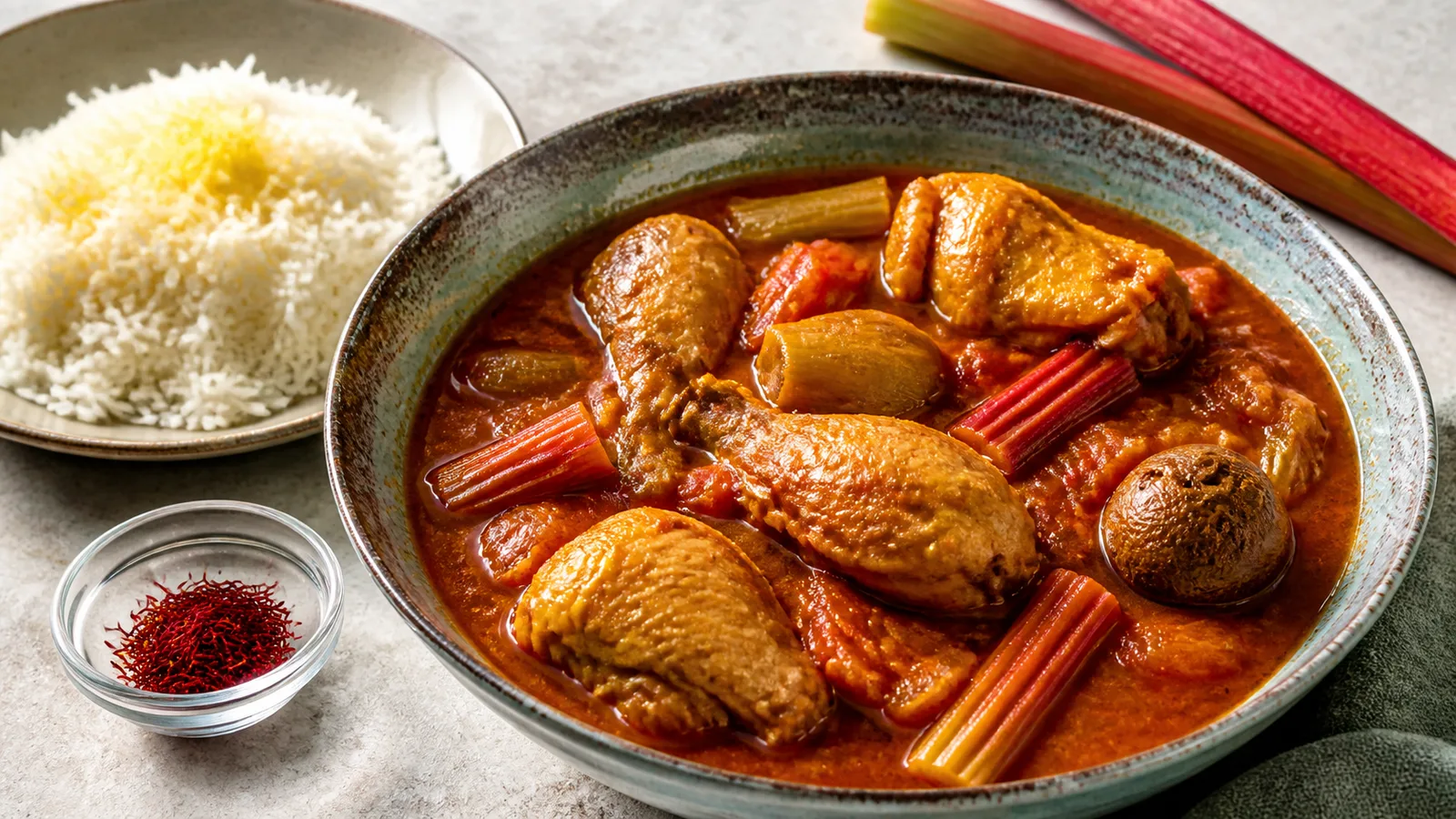
What this rhubarb and saffron stew tastes like
Fresh rhubarb is naturally sharp, so this is meant to be a genuinely sour stew rather than a sweet rhubarb dish. The combination is especially useful in spring, when crisp stalks are easiest to find. Iranian rhubarb stews are often prepared with lamb or beef; this version uses chicken for a lighter, quicker pot.
The phrase “saffron sour” sometimes leads readers to this recipe. Saffron itself is not the main souring ingredient. Rhubarb, dried Omani lime, sour-grape powder and optional verjuice or sour fruit paste provide the acidity; saffron supplies aroma, colour and a slightly bitter counterpoint.
Ingredients
- 300 g rhubarb stalks
- 500 g chicken pieces
- 1 medium onion, grated or very finely chopped
- 2 tablespoons neutral oil, plus a little more if needed
- 1–2 tablespoons tomato paste
- 2 tablespoons strongly brewed saffron water
- 2 dried Omani limes
- Sour-grape powder, to taste
- Salt and black pepper, to taste
- About 2 cups hot water, or enough for a spoonable stew
Optional souring choices include a little verjuice, ground dried lemon, sour pomegranate paste or plum paste. Choose one at first, taste late in cooking, and add more only if needed. Combining every sour ingredient at full strength can overwhelm both the chicken and the saffron.
Prepare the rhubarb and saffron
Use firm rhubarb stalks without soft or damaged patches. Remove and discard every leaf, wash the stalks and trim the ends. Rhubarb leaves are toxic and only the stalks belong in the stew, as the University of Minnesota Extension’s rhubarb guidance explains.
If the outer fibres are tough, pull away only the stringy layer; young stalks often need no peeling. Cut the rhubarb into pieces about 4–5 cm long, similar to celery. Keeping them fairly large helps the pieces hold their shape.
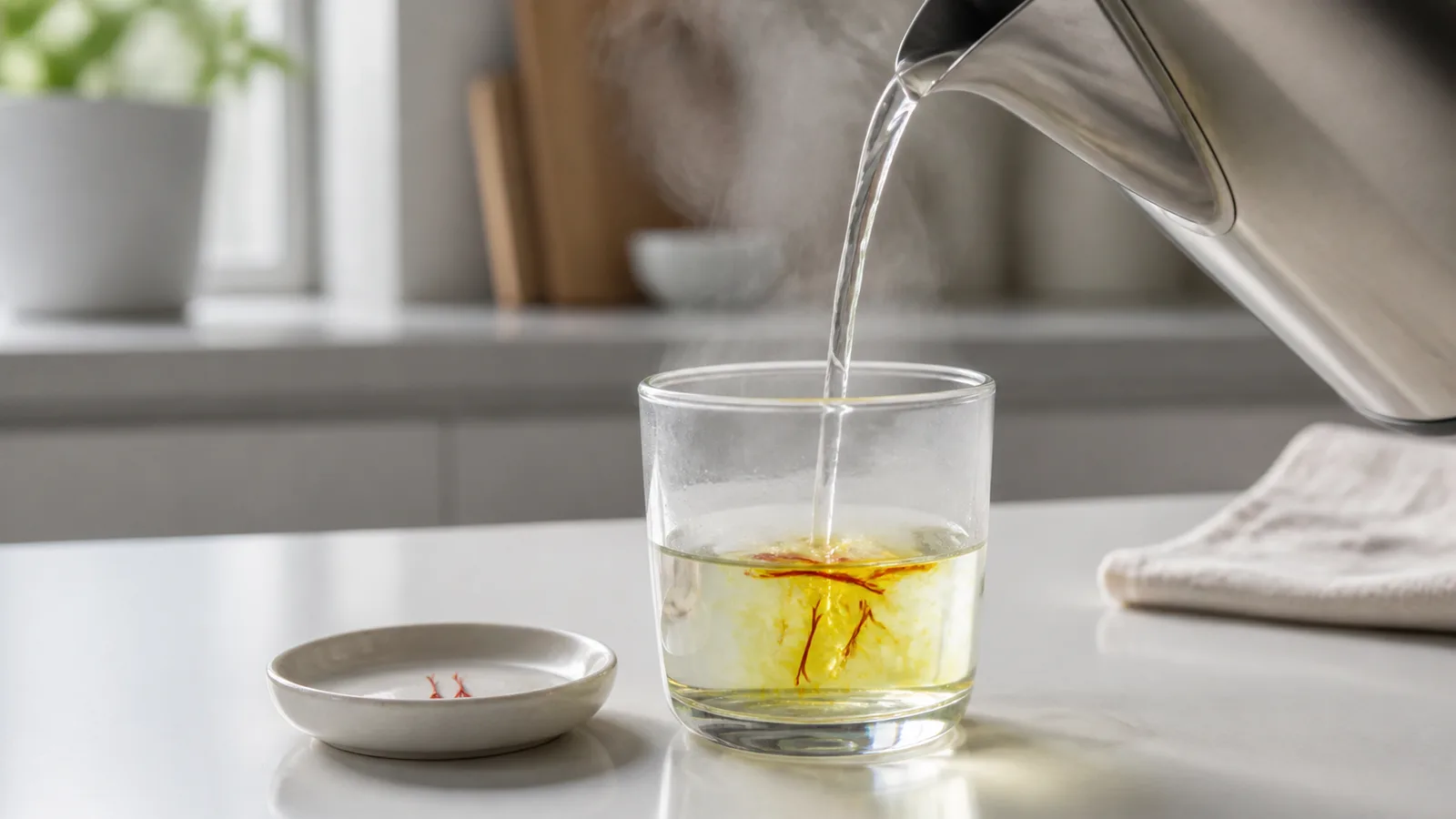
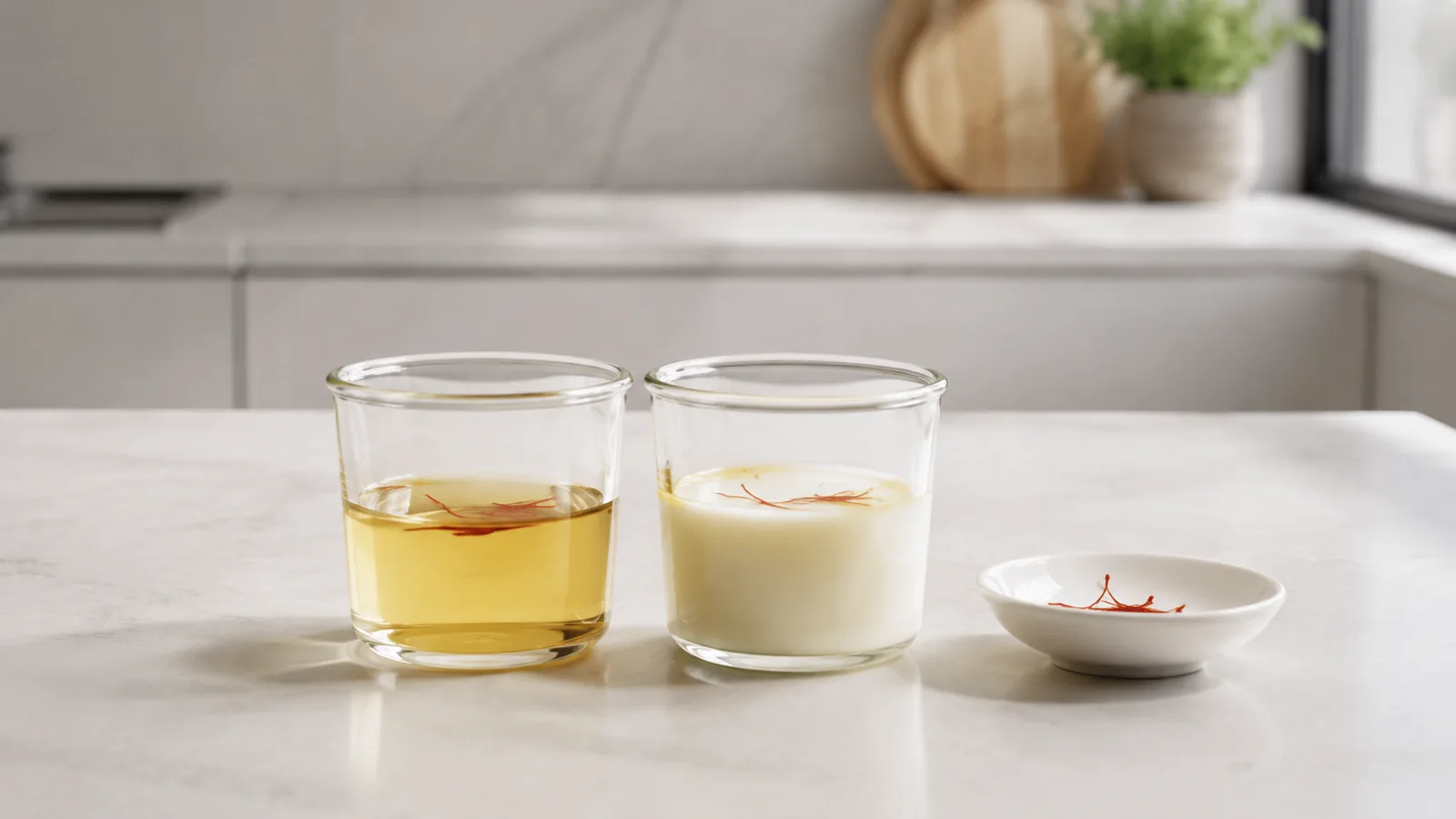
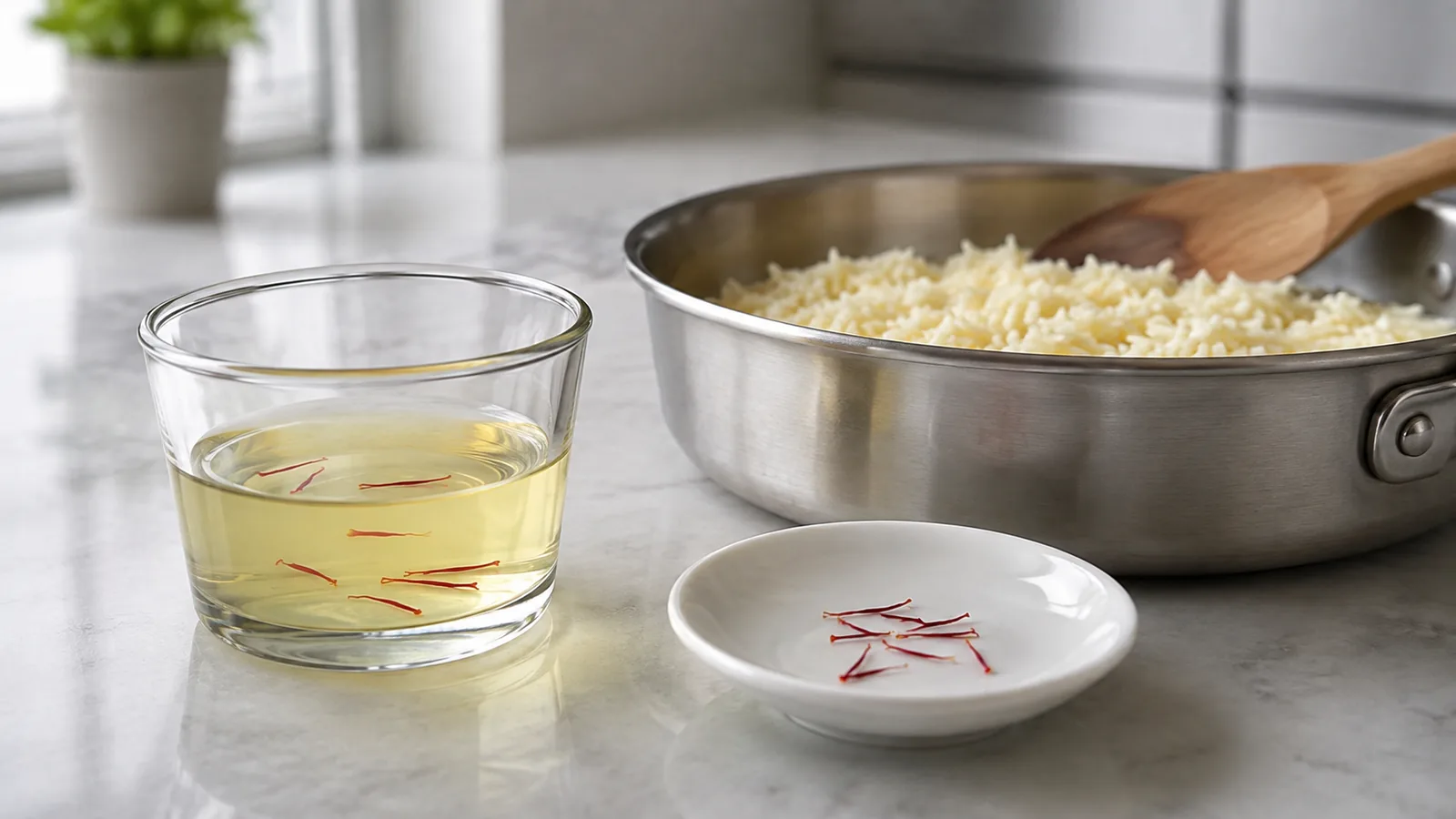
For the saffron water, grind a small pinch of threads and bloom it in a few tablespoons of hot—not violently boiling—water. Set it aside while the chicken begins to cook.
Cook the chicken base
- Put the grated onion in a wide, heavy saucepan over medium-low heat. Let some of its water evaporate, then add the oil and cook until soft and lightly golden.
- Pat the chicken dry. Add it to the onion, season with black pepper and a restrained amount of salt, and turn the pieces until their surfaces lose the raw colour and begin to brown.
- Rinse the dried Omani limes and pierce each one several times with a skewer or fork. Add them to the pan with enough hot water to come partway up the chicken.
- Bring to a gentle simmer, cover partly and cook until the chicken is nearly tender. The exact time depends on the cut and whether it is bone-in.
Piercing the dried limes lets their flavour enter the sauce. If you are sensitive to their characteristic bitterness, soak them in warm water first and discard that water, or remove them once the broth tastes balanced.
Build the sauce
- About 30 minutes before the chicken is expected to finish, warm a little oil or butter in a small pan. Fry the tomato paste for one to two minutes, stirring, until its raw aroma fades and the colour deepens.
- Stir in the brewed saffron and a small amount of sour-grape powder. Add this mixture to the chicken.
- Simmer for about 15 minutes so the tomato, lime and saffron settle into the broth.
- Add the prepared rhubarb for the final 10–15 minutes. Move the pieces gently rather than stirring hard.
The finished sauce should coat a spoon but still flow. Leave the lid partly open if it needs to reduce. If it becomes too thick before the chicken is tender, add a small splash of hot water.
Adjust the sourness at the end
Taste only after the rhubarb has cooked, because it releases acidity into the sauce. Add verjuice a spoonful at a time if you want a brighter finish. If sour-grape powder is unavailable, a modest amount of ground dried lemon is the closest option listed in the original recipe. Sour pomegranate paste produces a darker, fruitier sauce; plum paste makes it rounder and slightly sweeter.
If the stew is sharper than you intended, do not bury it under sugar. First dilute it with a little hot water and let the sauce settle. A slightly sweet pomegranate or plum paste can soften the edge while remaining consistent with the recipe’s fruit-based flavour.
Know when the chicken is done
Chicken should be fully cooked before serving. Check the thickest part of a piece with a food thermometer, avoiding the bone; poultry needs to reach 165°F (74°C), according to FoodSafety.gov’s minimum-temperature chart. This is more dependable than colour alone.
The old post recommended rhubarb stew for anorexia and jaundice, but it did not provide clinical evidence for those claims. This recipe is presented as food, not as a treatment. Anyone managing an illness should follow advice from a qualified clinician rather than relying on a stew for care.
Serving and storing
Let the stew rest off the heat for five minutes, then serve it with plain steamed rice. Spoon plenty of sauce over each portion and place a few intact rhubarb pieces on top. The saffron aroma is most noticeable while the dish is warm, not boiling hot.
Refrigerate leftovers promptly in a covered container. Reheat only the portion you need until it reaches 165°F (74°C), adding a splash of water if the sauce has tightened. Stir gently so the already-soft rhubarb does not break down further.