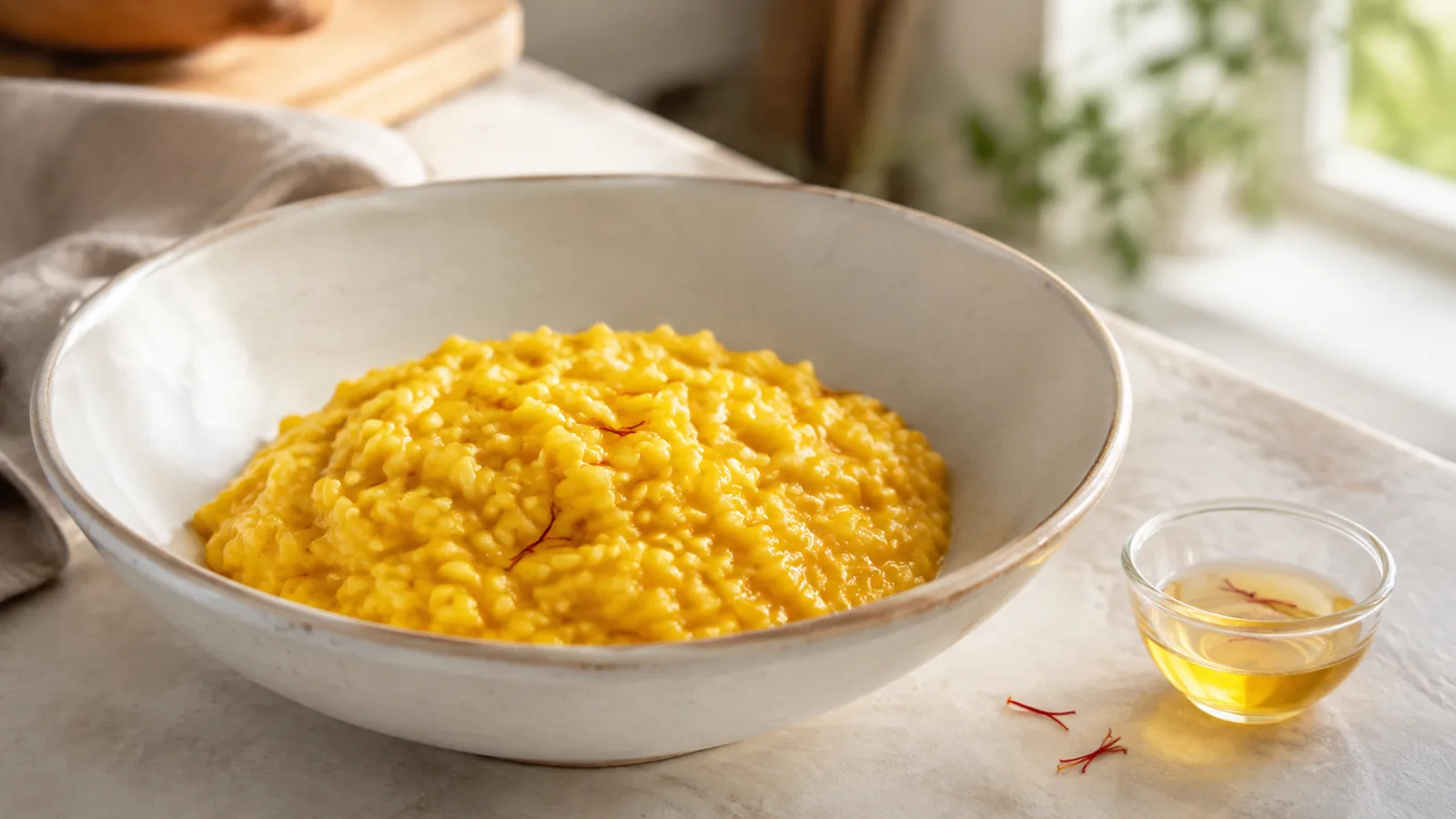
Simple tah chin is the purest version of the Persian saffron rice dish: crisp and deeply golden outside, tender inside, with no chicken or meat filling to distract from the saffron crust. It makes an elegant side dish, but it is substantial enough to serve with salad and yoghurt as a light meal.
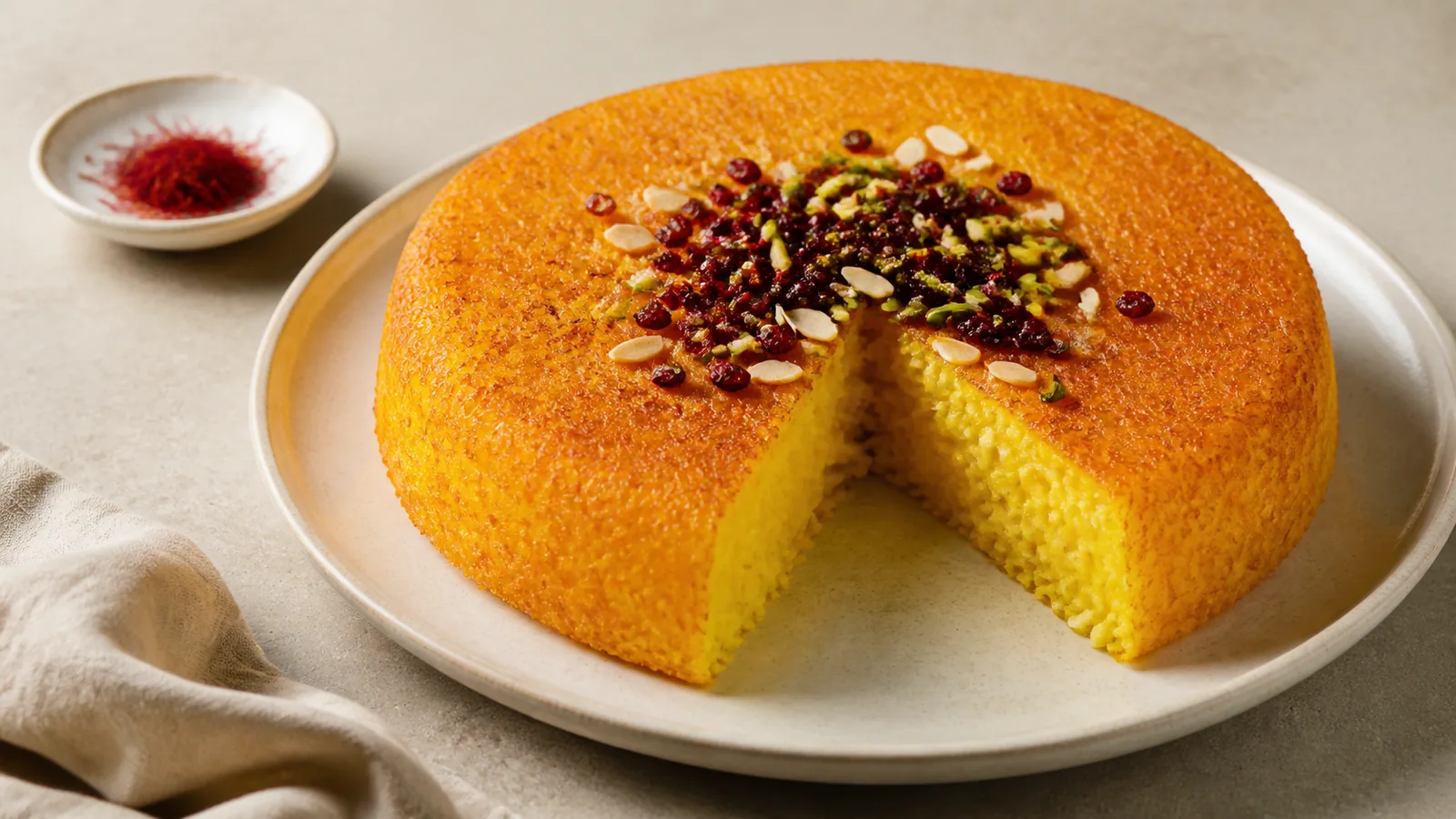
Simple tah chin ingredients
- 2 cups basmati rice
- 1 large egg
- 4 tablespoons thick or strained yoghurt
- Brewed saffron, to taste
- Salt and black pepper, to taste
- 3 tablespoons neutral oil, plus a little for the pan if needed
- Barberries, sliced pistachios or sliced almonds, optional, for serving
The yoghurt should be thick rather than watery. That small detail helps the rice mixture hold together and keeps the centre tender without making it wet.
How to make tahchin
Soak and parboil the rice
Rinse the rice several times until the water is mostly clear, then soak it in salted water for one to three hours. Bring a large pot of water to a rolling boil, add a little salt and one tablespoon of the oil, then drain the soaked rice and add it to the pot.
Boil until the outside of each grain is soft but the centre still offers slight resistance when pressed between two fingers. This normally takes only a few minutes. Drain at once and rinse briefly with lukewarm water to stop the cooking. Let the rice drain thoroughly; excess water makes a clean crust harder to achieve.
Make the saffron mixture
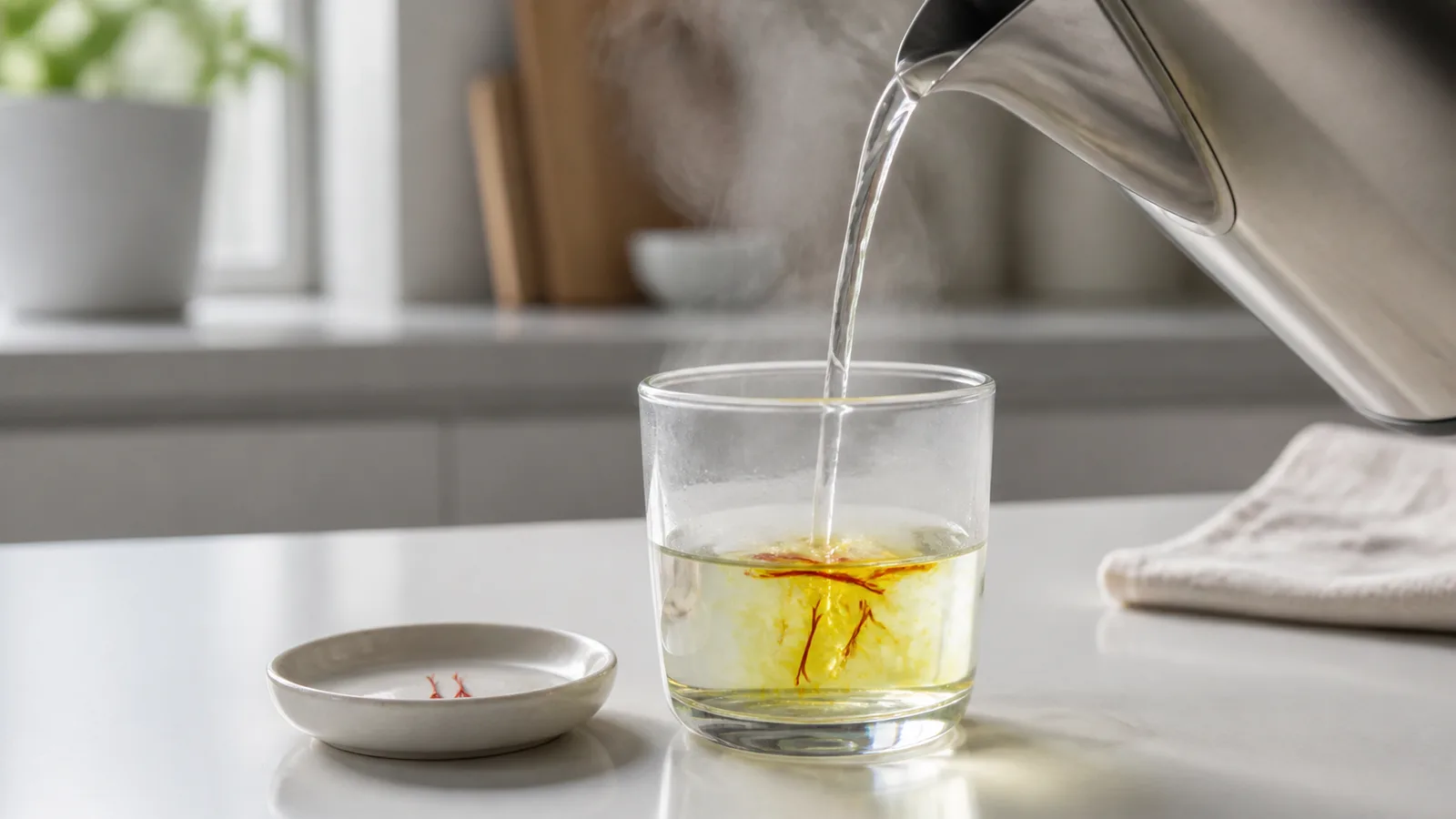
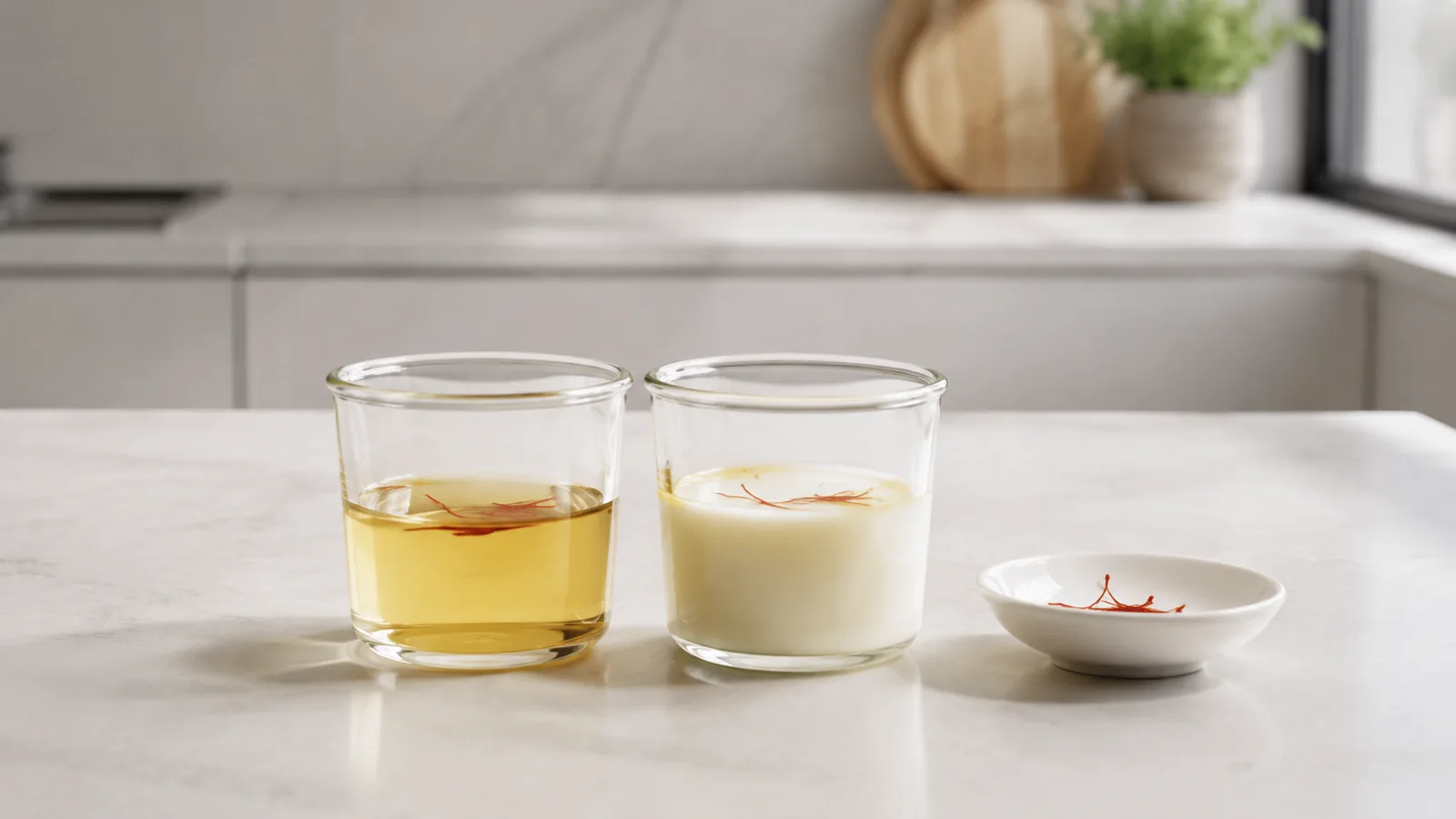
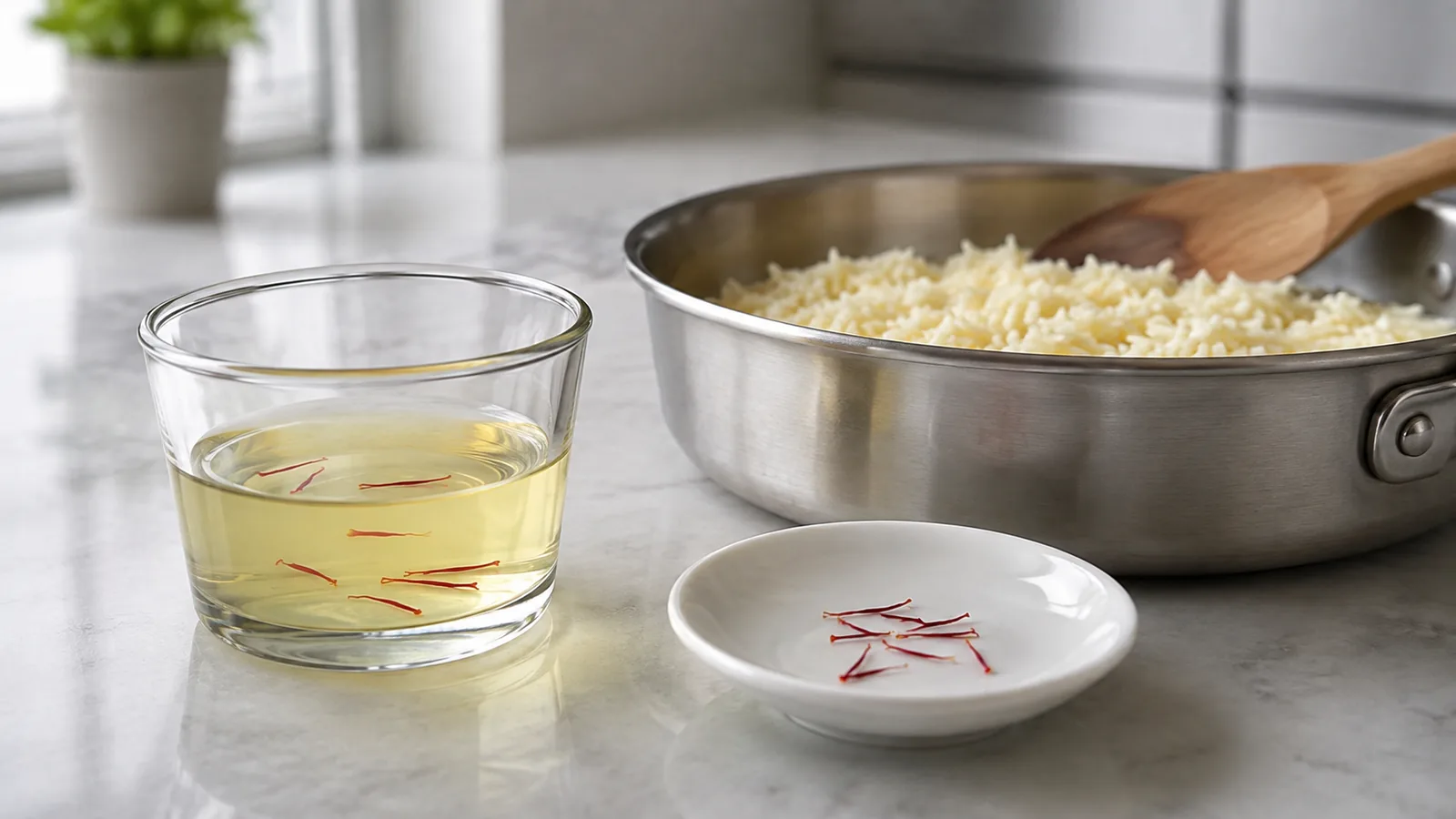
Brew the saffron in a small amount of hot water and allow it to cool slightly. In a roomy bowl, whisk the egg with the thick yoghurt, remaining oil, saffron, salt and pepper until smooth.
Add the drained rice and fold gently until every grain carries a light golden coating. Avoid vigorous mixing, which can break the parboiled grains and turn the centre dense.
Cook it on the stovetop
- Lightly oil a non-stick, heavy-based saucepan. Spoon in the rice mixture and press it evenly with the back of a spoon, especially around the edges. A level, compact layer is what allows the finished tah chin to turn out in one piece.
- Cover the pan and set it over medium heat. As soon as you hear a steady sizzle and see steam, reduce the heat to low.
- Cook gently for about one hour. If your pan is thin or your stove runs hot, use a heat diffuser and begin checking earlier so the base colours without burning.
- Remove the pan from the heat and leave it undisturbed for 10 minutes. Run a flexible spatula around the edge, place a serving platter over the pan and invert both together in one confident movement.
Oven method
For a simple baked tahchin, heat the oven to 170°C (340°F). Oil a suitable baking dish, press in the rice mixture and cover it tightly. Bake for about 40 minutes, then uncover and continue for roughly 20 minutes, until the edges and base are golden and the centre is fully set.
Ovens and dishes behave differently, so judge the final stage by colour and firmness rather than waiting for an exact minute. A glass dish makes the browning easier to monitor, though it must be handled according to the manufacturer’s temperature guidance.
How to get an even golden crust
- Parboil, do not fully cook, the rice. The grains finish cooking in the pan and stay distinct.
- Drain well. Water left on the rice dilutes the egg-and-yoghurt coating.
- Press evenly. Loose pockets make the tah chin fragile when it is turned out.
- Lower the heat after the first sizzle. The crust needs time to colour through; high heat burns the base before the middle sets.
- Rest before inverting. Ten minutes lets the crust release more cleanly, but do not leave it in the pan until it becomes damp.
Serving and variations
Serve the tah chin plain, or scatter it with briefly sautéed barberries, pistachios and almonds. The tart berries are especially useful against the rich saffron crust. This recipe is designed for a small pan and makes about four side servings.
Once the basic method is familiar, it can become the foundation for chicken, eggplant, mushroom or meat-filled tahchin. Those are separate dishes with their own moisture and cooking requirements; for this simple tah chin recipe, keeping the filling out is precisely what gives the saffron rice and crisp base the leading role.