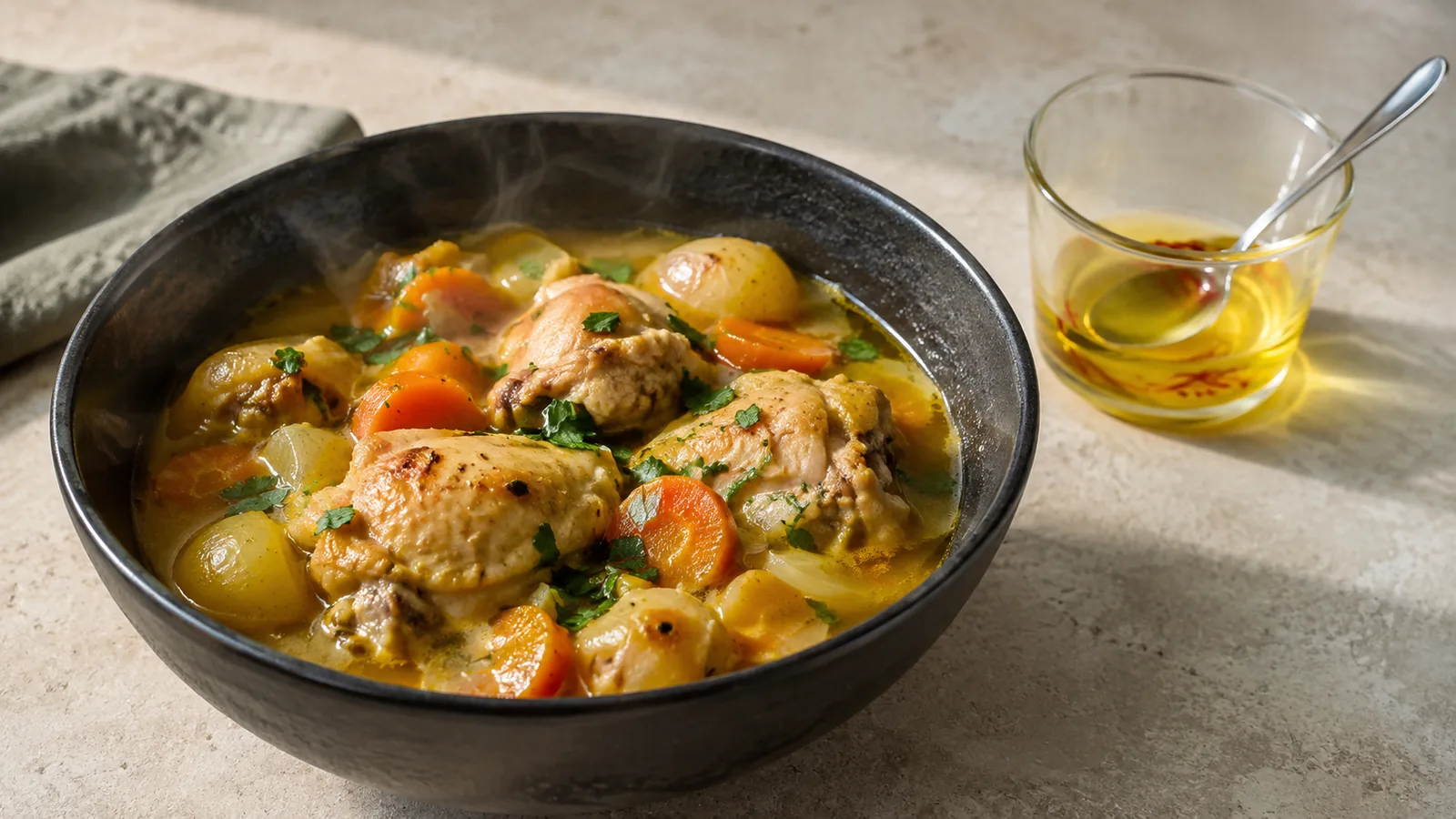
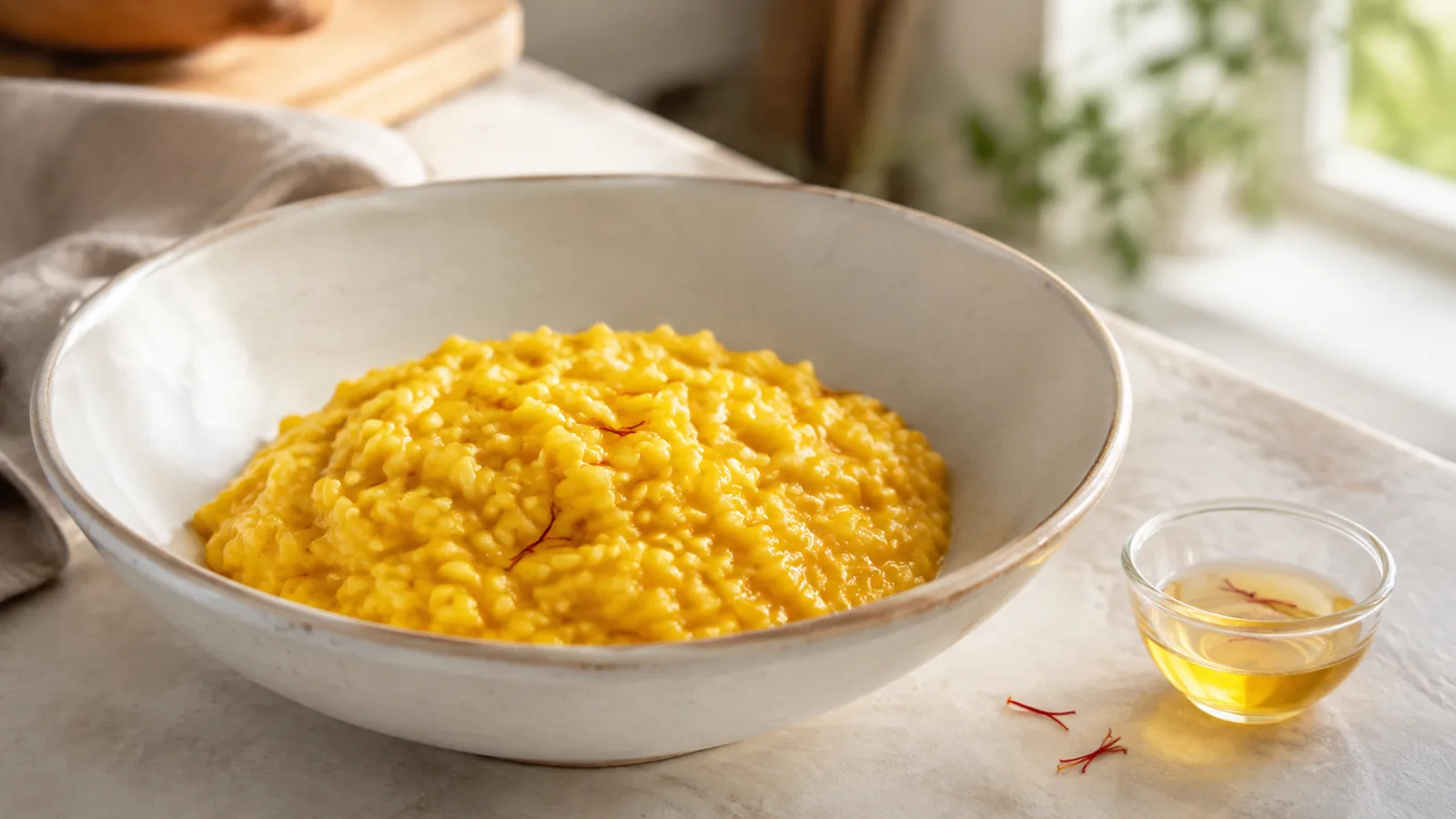
This recipe for Shushtari rice cooking with Iranian saffron brings together steamed rice, saffron chicken, dill and black-eyed peas in one fragrant southern Iranian dish.
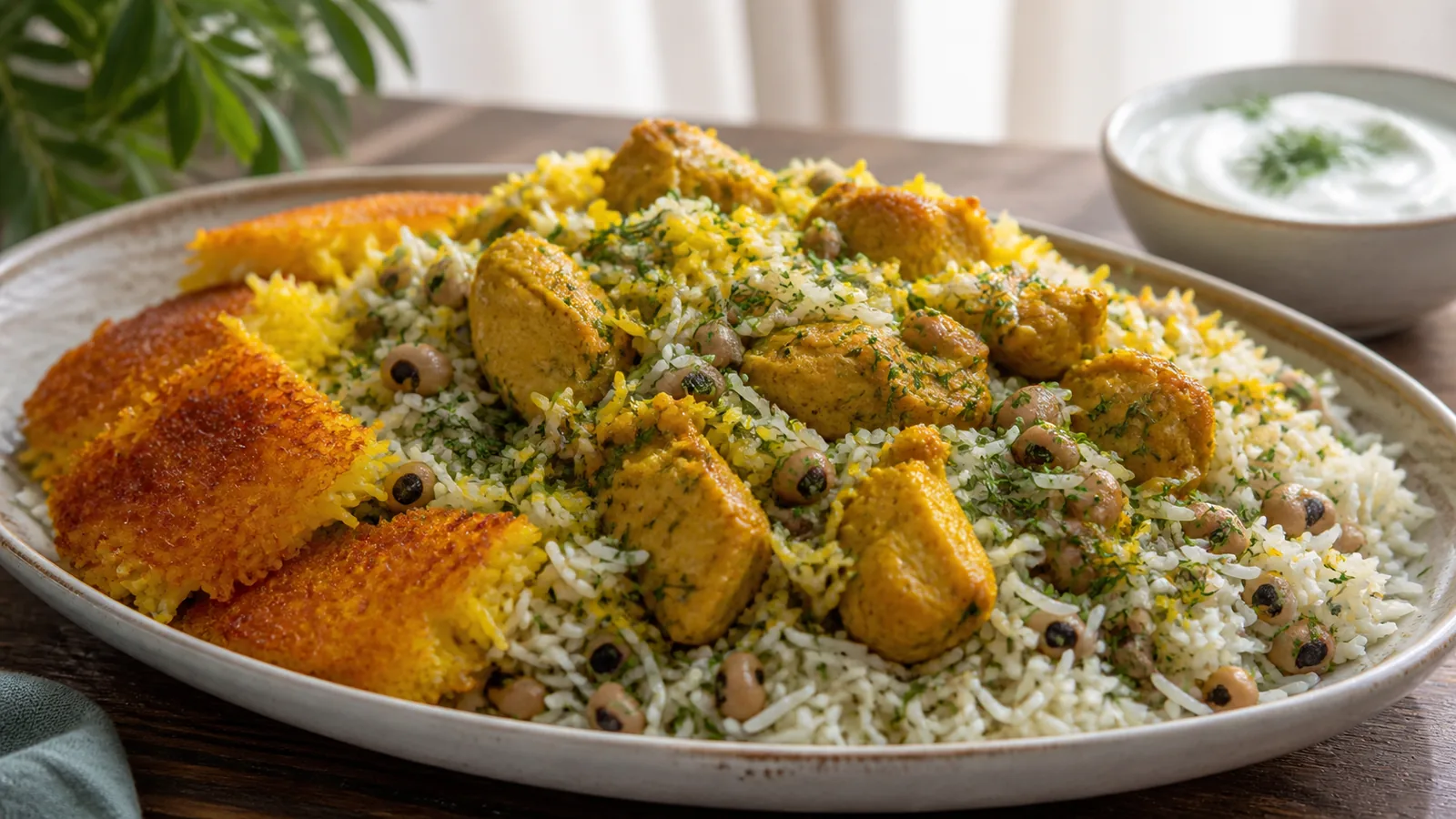
The old English version of the recipe called the legumes both “roasted beans” and “kidney beans.” Shushtari rice is normally made with black-eyed peas, so that is the bean used here. The original quantities and its 45-minute steaming time are retained, while the preparation is explained more clearly.
What is Shushtari rice?
Shushtari rice, or Shushtari polo, is associated with Shushtar in Khuzestan. Its character comes from the combination of rice, dill and tender beans. Chicken cooked with onion and Iranian saffron turns it into a complete meal and adds a warm golden layer to the rice.
The dish is flexible enough for a family table, but the components need slightly different treatment. The beans should be cooked before they enter the rice pot, the grains should be only partly cooked before steaming, and the chicken mixture should not contain loose liquid. Getting those three details right prevents hard beans and soggy rice.
Ingredients
This quantity makes roughly eight generous servings.
- 1 kg long-grain rice
- 500 g boneless chicken fillet, cut into bite-size pieces
- 2 cups cooked black-eyed peas
- 2 cups fresh dill, washed, dried and finely chopped
- 1 medium onion, thinly sliced
- 1 teaspoon saffron threads, finely ground
- 4 tablespoons hot water for blooming the saffron
- Salt and black pepper, as needed
- 1 teaspoon turmeric, optional but useful with the chicken
- Neutral oil or clarified butter, as needed
If you begin with dried black-eyed peas, soak them for several hours, drain, then simmer them in fresh water until tender but still holding their shape. Measure two cooked cups after draining. Canned black-eyed peas can be rinsed and drained, although their softer texture means they should be folded into the rice gently.
Prepare the saffron, rice and chicken
Bloom the Iranian saffron
Iranian saffron, also commonly called Persian saffron in English-language recipes, gives the chicken its warm color and the rice its distinctive aroma.
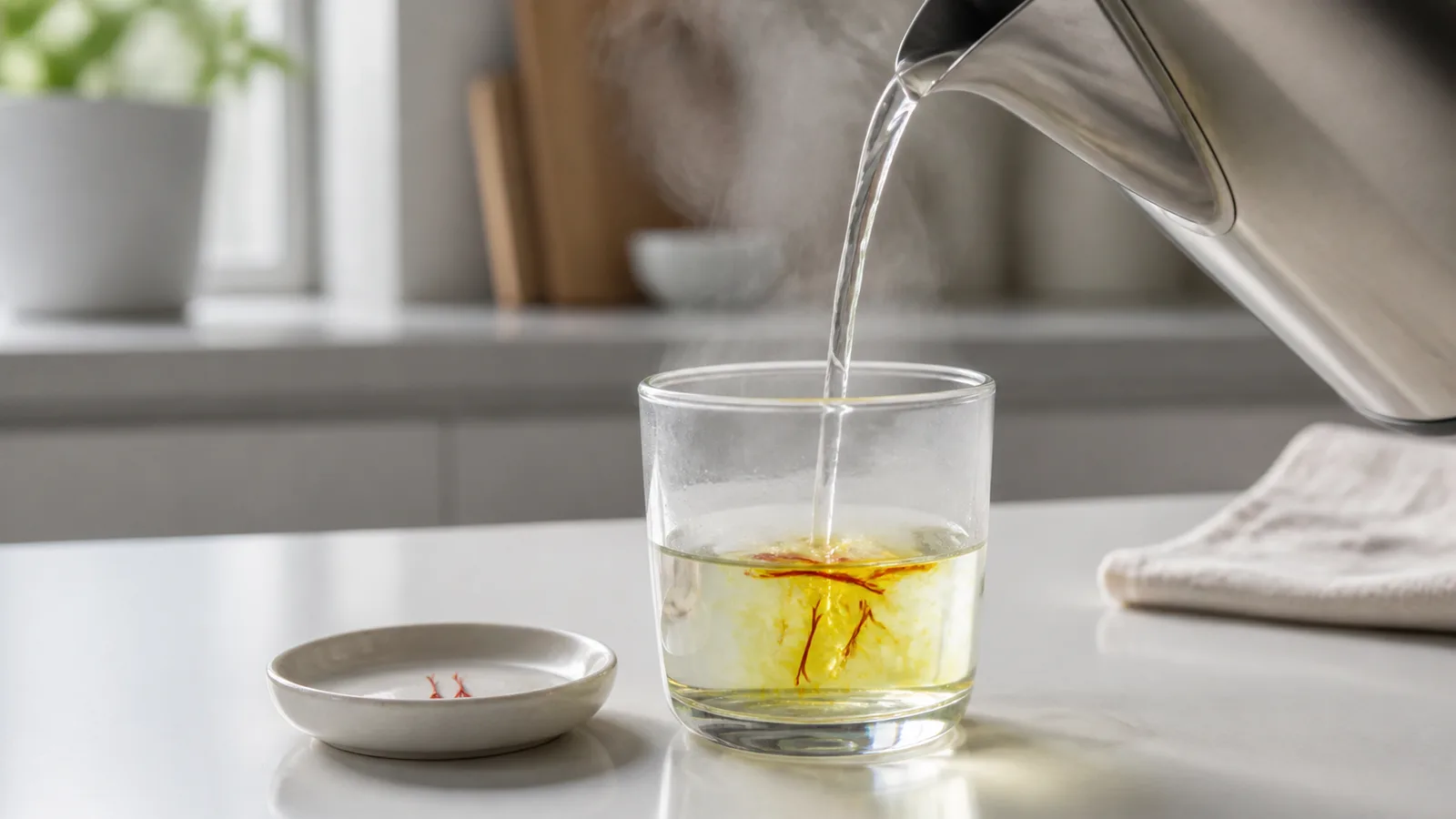
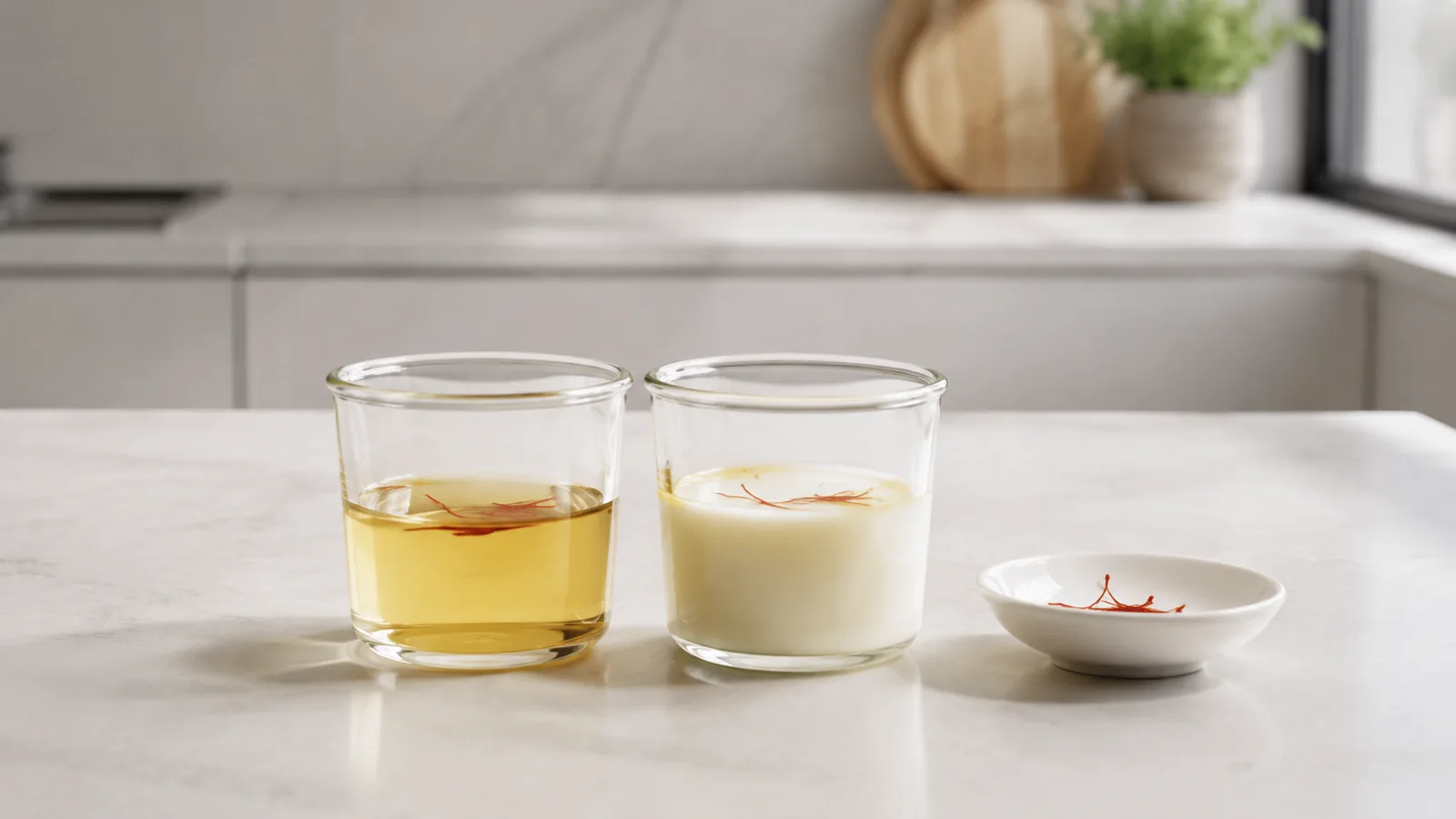
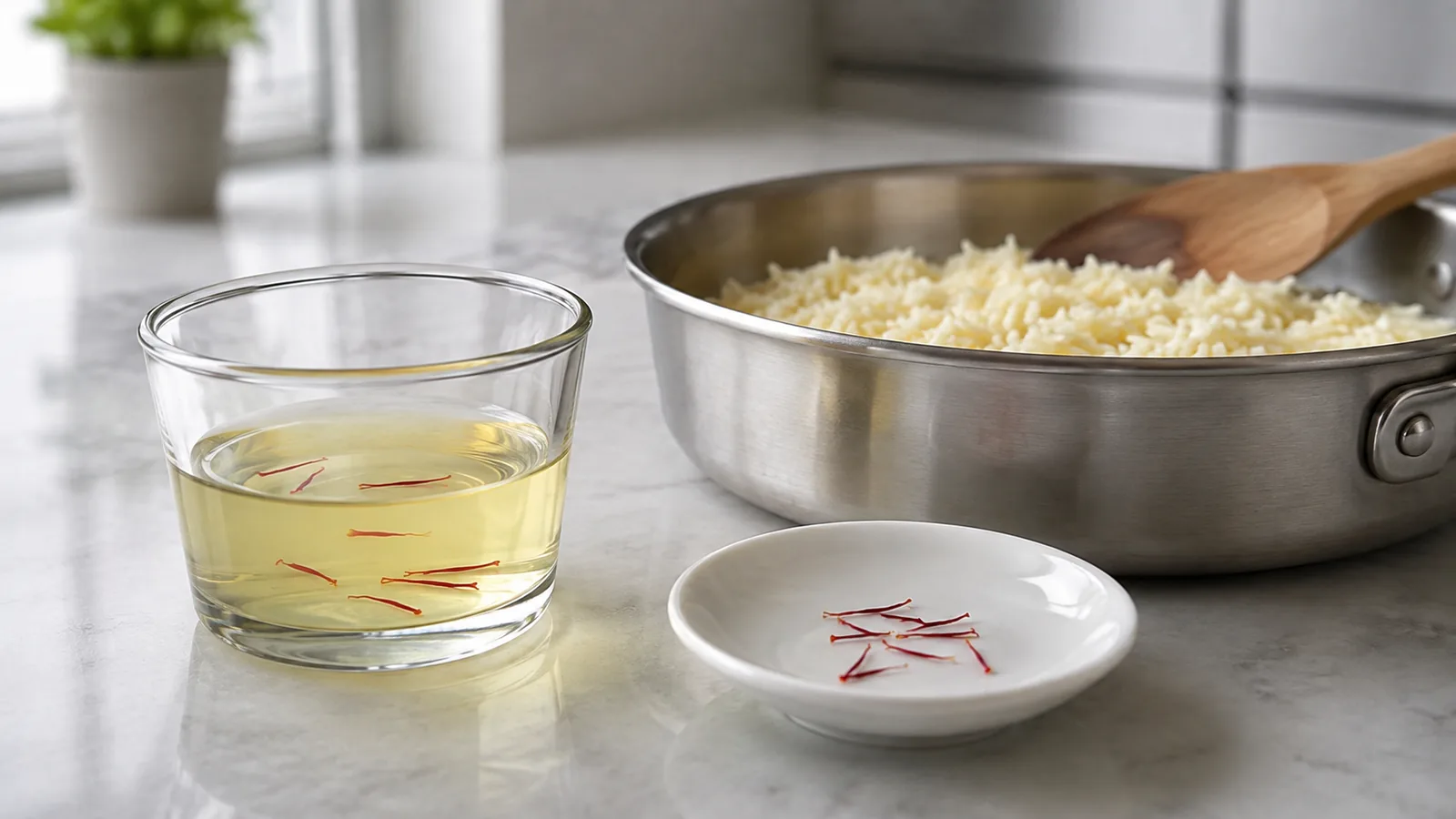
Put the ground saffron in a small heatproof cup, add four tablespoons of hot water, cover and leave it for 10–15 minutes. This gives the threads time to release their color and aroma. If this technique is unfamiliar, see our checked guide to brewing saffron.
Soak and parboil the rice
Rinse the rice several times until the water is much clearer. Soak it in salted water for at least one hour, then bring a large pot of water to a strong boil. Drain the soaked rice and add it to the pot.
Boil until the outside of a grain is tender but the center still has a slight bite. This commonly takes 5–8 minutes, depending on the rice and its soaking time. Drain immediately. The grains will finish cooking during the final steam, so fully cooked rice at this stage is likely to become soft.
Cook the saffron chicken
Warm a little oil in a wide pan and cook the sliced onion over medium heat until golden. Add the chicken pieces, turmeric if using, black pepper and a modest amount of salt. Cook until the surfaces lose their raw color.
Pour in half of the bloomed saffron and about one cup of water. Simmer gently until the chicken is cooked and the liquid has nearly evaporated. The mixture should be moist enough to flavor the rice but not watery. Check the thickest chicken pieces with a thermometer; poultry should reach 165°F (74°C).
Layer and steam the Shushtari rice
- Add two or three tablespoons of oil to a clean, heavy pot. If you want tahdig, arrange thin potato slices or a layer of flatbread over the base.
- Spread a loose layer of parboiled rice over the bottom. Add some chopped dill, black-eyed peas and saffron chicken.
- Repeat the layers without pressing them down. Keep a little plain rice for the top and shape the mixture into a gentle mound so steam can circulate.
- Drizzle the remaining bloomed saffron over the rice. Make several steam channels with the handle of a wooden spoon, stopping before the bottom crust.
- Cover the lid with a clean kitchen towel, secure it above the flame, and close the pot. Start over medium heat until steam rises, then reduce to low.
- Steam for about 40–45 minutes. Turn off the heat and let the pot stand for five minutes before gently lifting and mixing the layers.
Taste the bean and rice mixture before it goes into the steaming pot. The beans should already be tender and the rice should have enough salt, because seasoning is harder to correct once the layers are assembled.
Fresh dill or dried dill?
The original recipe uses two cups of fresh dill and suggests one glass of dried dill as an alternative. Dried dill is much more concentrated, and a full cup can easily dominate the dish. Start with one-third to one-half cup of dried dill for this quantity of rice, then adjust the next time to suit your preferred strength.
Whichever form you use, avoid adding wet dill to the rice. After washing fresh dill, dry it well before chopping. Extra surface water can make the steamed grains sticky.
How to keep the rice separate and fragrant
- Cook the black-eyed peas separately so their cooking water does not darken or soften the rice.
- Stop parboiling while each grain still has a firm center.
- Reduce the chicken liquid before layering; do not pour a thin sauce into the pot.
- Fold the cooked dish with a wide spoon instead of stirring hard and breaking the grains or beans.
- Add the bloomed saffron in two stages so it seasons the chicken and remains noticeable on the finished rice.
Meat variations from the original recipe
The older Shushtari rice recipe says minced meat or pieces of ostrich can replace chicken. For minced meat, form small meatballs or brown loose meat thoroughly with onion before layering it with the rice. Ostrich should also be cooked separately and handled according to the supplier’s safe-cooking directions before it enters the steaming pot.
These are variations, not required ingredients. Black-eyed peas, dill and rice remain the recognizable base. If you omit meat entirely, slightly increase the beans and fried onion, and keep the saffron so the finished rice still has the aroma promised by the recipe.
Serving Shushtari rice
Turn the tahdig onto a separate plate or break it into pieces for the table. Spoon the rice onto a wide platter without compressing it, distributing the chicken and beans through the grains. A crisp cucumber-and-herb salad or plain yogurt balances the warmth of the saffron and fried onion.
Shushtari rice is at its best when the grains are separate, the beans are tender and the dill supports rather than overwhelms the saffron. Serve it promptly while the rice is steaming and the bottom crust is still crisp.