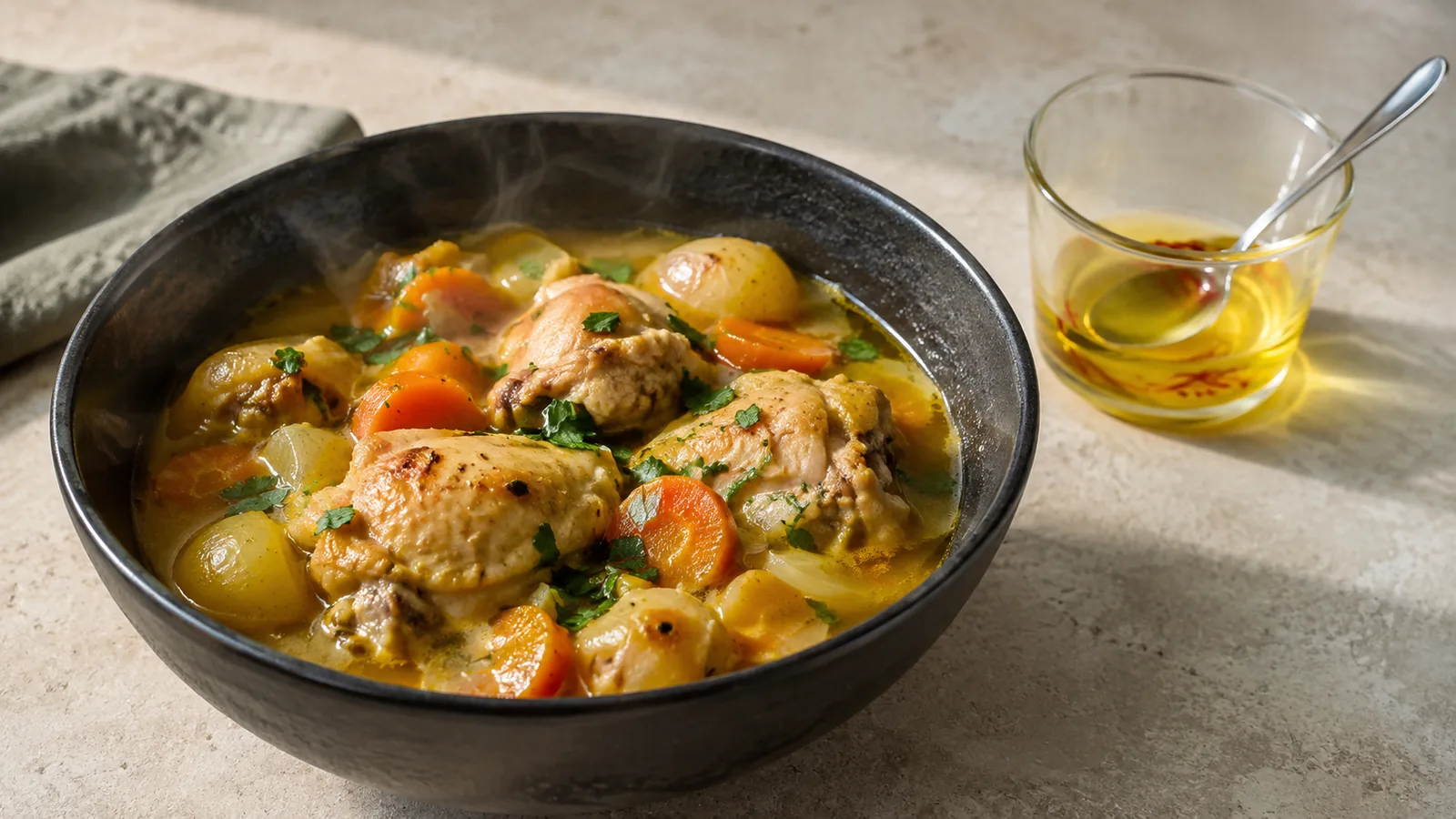
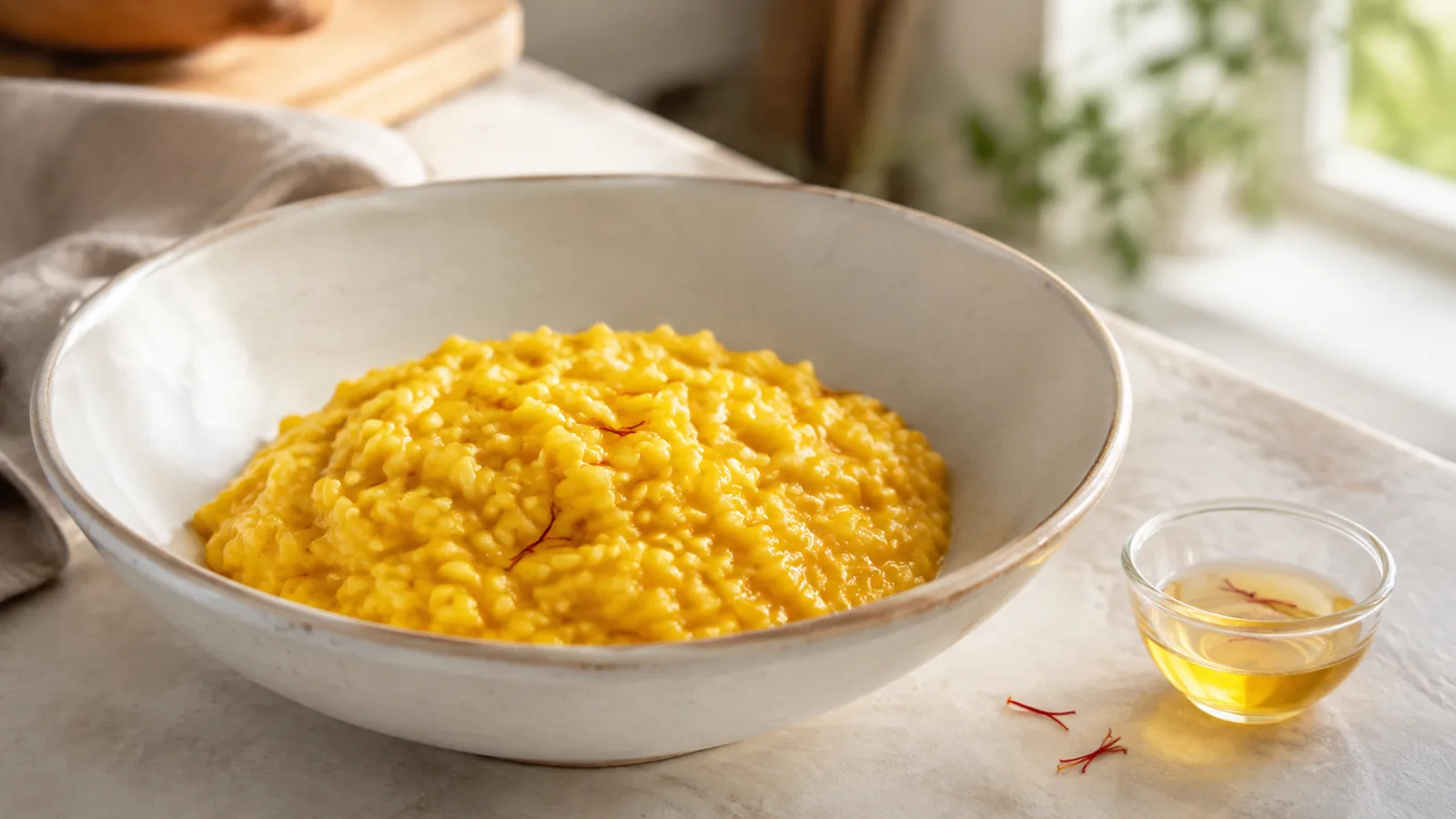
This recipe for cooking shami split peas with Iranian saffron makes tender Persian meat-and-pea patties with crisp edges, a soft center and the traditional hole in the middle.
The earlier translation repeatedly called the split peas “cotyledons,” “cobs” and “cocoons,” and called the patties “candles” or “supper.” All of those words refer to the same two things: yellow split peas and shami patties. The method below keeps the original large-batch quantities and two-stage grinding process, but uses practical cooking language.
What are shami split peas?
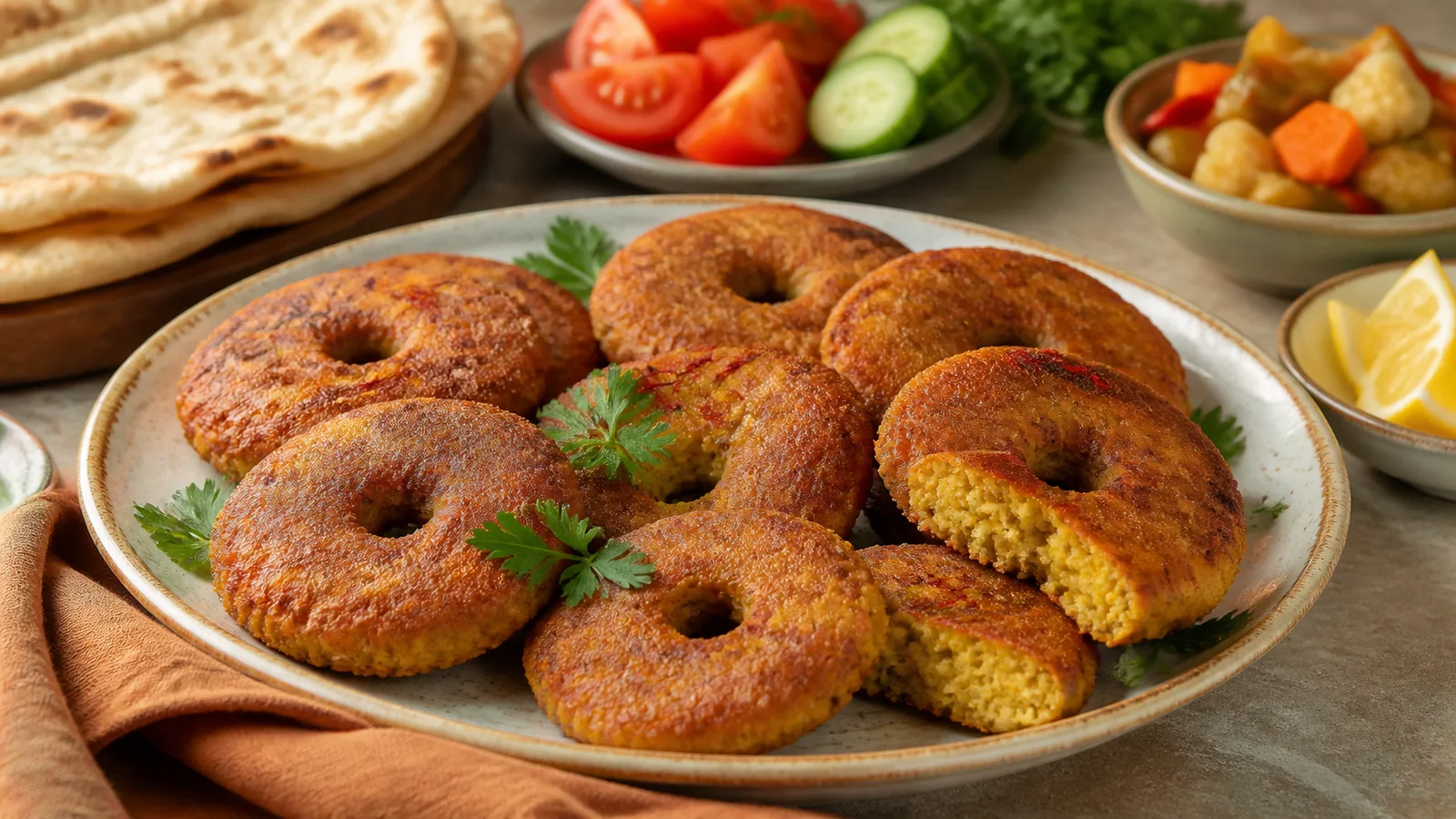
Shami lapeh are Iranian patties made from cooked meat and yellow split peas, bound with egg and seasoned before shallow frying. They are usually round and flattened, with a finger-size opening in the center. That hole is useful as well as recognizable: it helps the thick patty cook evenly and makes it easier to turn.
These shami split peas with saffron can be served hot for dinner, tucked into bread with herbs and pickles, or cooled and packed for a picnic. Their texture depends on removing excess cooking liquid before grinding. Wet meat or peas make a loose mixture that is difficult to shape.
Ingredients
The original proportions make a very large batch, approximately 24–30 patties depending on their size.
- 1 kg lean mutton or lamb leg, cut into large pieces
- 1 kg yellow split peas, picked over and rinsed
- 7 large eggs
- 2 medium onions
- 1 teaspoon ground Iranian saffron
- 1 teaspoon turmeric
- Salt and black pepper, as needed
- 1–3 tablespoons chickpea flour, only if the mixture needs firming
- Neutral frying oil, as needed
- 1 teaspoon baking soda or baking powder, optional
Because egg sizes and the moisture in cooked meat and peas vary, do not add all seven eggs automatically. Beat them together, begin with six, then use the final egg only if the mixture is too dry to hold.
Cook the meat and split peas separately
Cook the mutton until tender
Trim the meat, rinse only if needed, and pat it dry. Peel the onions and cut them into large pieces. Put the meat and onion in a medium pot with enough water to come most of the way up the meat and a small pinch of salt.
Bring to a boil, skim any foam, then reduce to a gentle simmer. Cover and cook until the mutton is tender enough to pull apart. The time depends on the cut and age of the meat, commonly 1½–2½ hours. Uncover toward the end so nearly all the liquid evaporates, watching closely to prevent scorching.
Cook the yellow split peas
At the same time, put the rinsed split peas in a separate pot with water, turmeric and a little salt. Bring them to a boil, reduce the heat and skim any foam. Use only enough water to cook them, adding a splash if the pot becomes dry before they soften.
The split peas can become very tender because they will be ground. What matters is that no free water remains. Drain them thoroughly if necessary, spread them in a shallow dish and let the steam escape.
Cool both the meat and peas before adding egg. A hot mixture can begin cooking the eggs unevenly and become difficult to bind.
Grind and season the shami mixture
Pass the cooked meat through a meat grinder once. Combine it with the cooked split peas, then grind the mixture together a second time. A food processor can be used in short pulses, but stop before the mixture turns gummy.
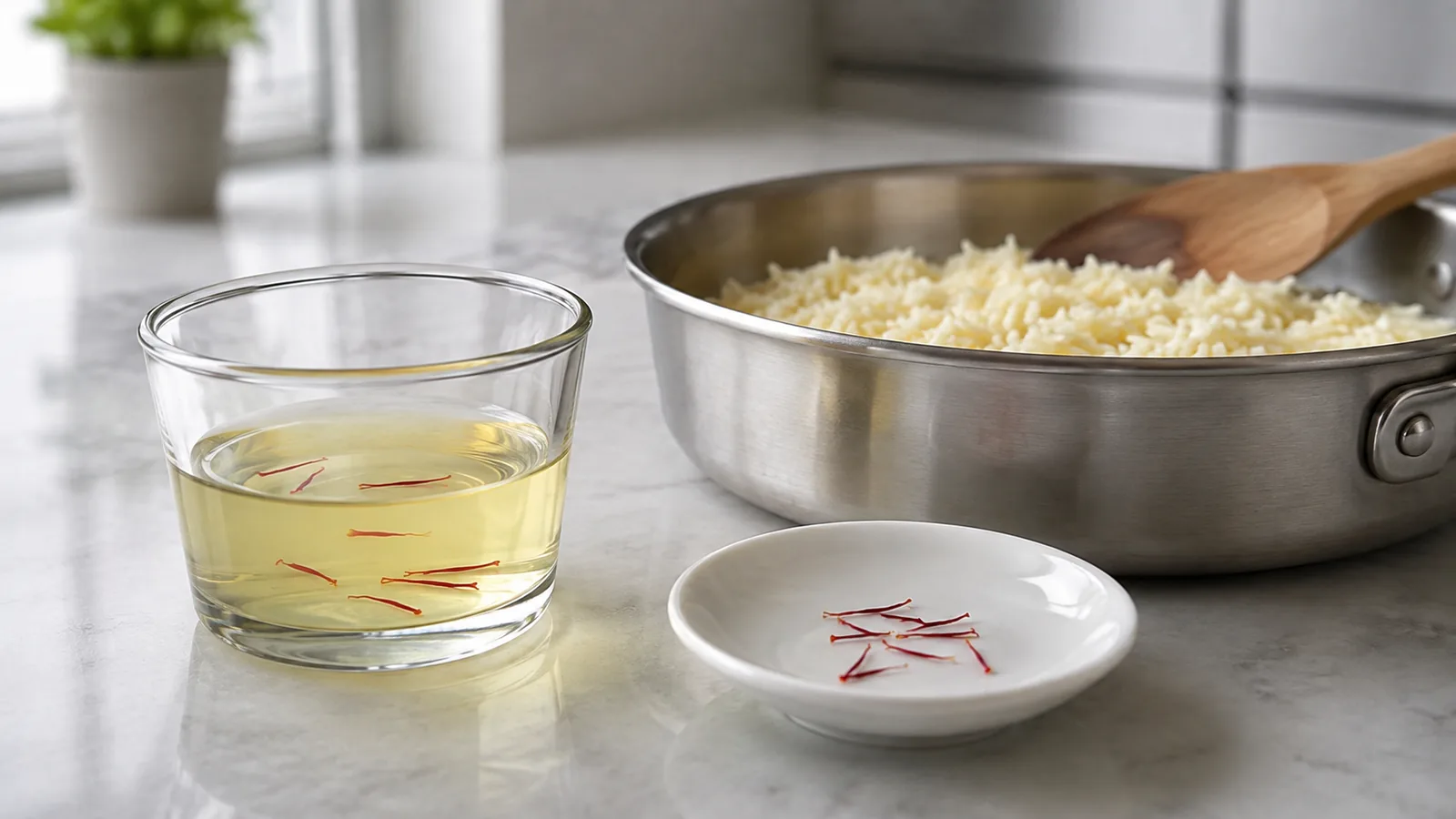
Finely grind the saffron and dissolve it in one or two tablespoons of hot water. For a fuller explanation, use our verified guide to brewing Iranian saffron.
Beat six eggs with the bloomed saffron, salt and pepper. Pour them over the meat and split peas, then knead by hand until evenly combined. The mixture should feel soft and slightly tacky while still holding a clean shape. If it crumbles, add some of the seventh beaten egg. If it slumps or sticks heavily to the hand, work in chickpea flour one tablespoon at a time.
The old recipe suggests dissolving one teaspoon of baking soda in cold water for a lighter interior. It is optional and can leave an alkaline taste if overused. Baking powder is a milder alternative; the patties will also work without either when the mixture is ground and balanced properly.
Shape the traditional ring patties
- Keep a small bowl of cool water nearby and lightly dampen your hands.
- Take a portion slightly larger than an egg and roll it into a smooth ball.
- Flatten it between your palms into a round patty about 1.5 cm thick.
- Press a finger through the center and widen the opening slightly so it does not close during frying.
- Set the shaped patty on a tray and repeat without stacking them.
Fry one test shami before shaping the whole batch. If it cracks when turned, the mixture may be too dry or coarse; add a little beaten egg and knead again. If it spreads, add a small amount of chickpea flour. A test patty is more reliable than guessing from the bowl.
Fry the shami safely and evenly
Pour enough oil into a wide frying pan to cover the base generously, without deep-filling the pan. Heat it over medium heat to about 340–350°F (170–175°C). The oil should shimmer, but it should not smoke.
Lower several patties into the pan, leaving space between them. Fry until the underside is deep golden and releases easily, then turn once with a thin spatula. Cook the second side until evenly browned and the center is hot.
Because the cooked mutton has been ground and mixed with raw egg, check a test patty at its thickest point. The mixture should reach 160°F (71°C), the official minimum for ground red meat.
Move each fried shami to a metal rack set over a tray. A paper towel underneath the rack can catch drips without holding steam against the crust. Keep the oil temperature steady between batches; cool oil and an overcrowded pan cause more absorption than a supposed shortage of eggs.
Troubleshooting the texture
The patties break in the pan
Let the mixture rest for 15 minutes, then test again. If it feels dry and cracks while shaping, add beaten egg a spoonful at a time. If it feels wet and cannot hold an edge, add one tablespoon of chickpea flour. Do not add both at once.
The patties absorb too much oil
Bring the oil back to temperature before the next batch and avoid crowding. Patties that are very thick also need longer in the pan and may take up more oil, so keep their thickness even.
The center feels dense
Make sure the meat and peas were tender before grinding and that the mixture was passed through the grinder together. The center hole and consistent thickness help heat reach the middle without burning the outside.
How to serve shami split peas
Serve the patties with flatbread, fresh herbs, tomato, cucumber and pickles. They also work beside plain rice or a simple salad. A little lemon can brighten the rich mutton and fried exterior without covering the saffron.
Cool leftovers promptly and refrigerate them within two hours. Reheat in a covered skillet or moderate oven until steaming throughout; this protects the soft center better than frying them a second time.
Well-made shami split peas should hold their ring shape, brown evenly and remain tender inside. Careful draining, gradual egg addition and one test patty are the three steps that make the largest difference.