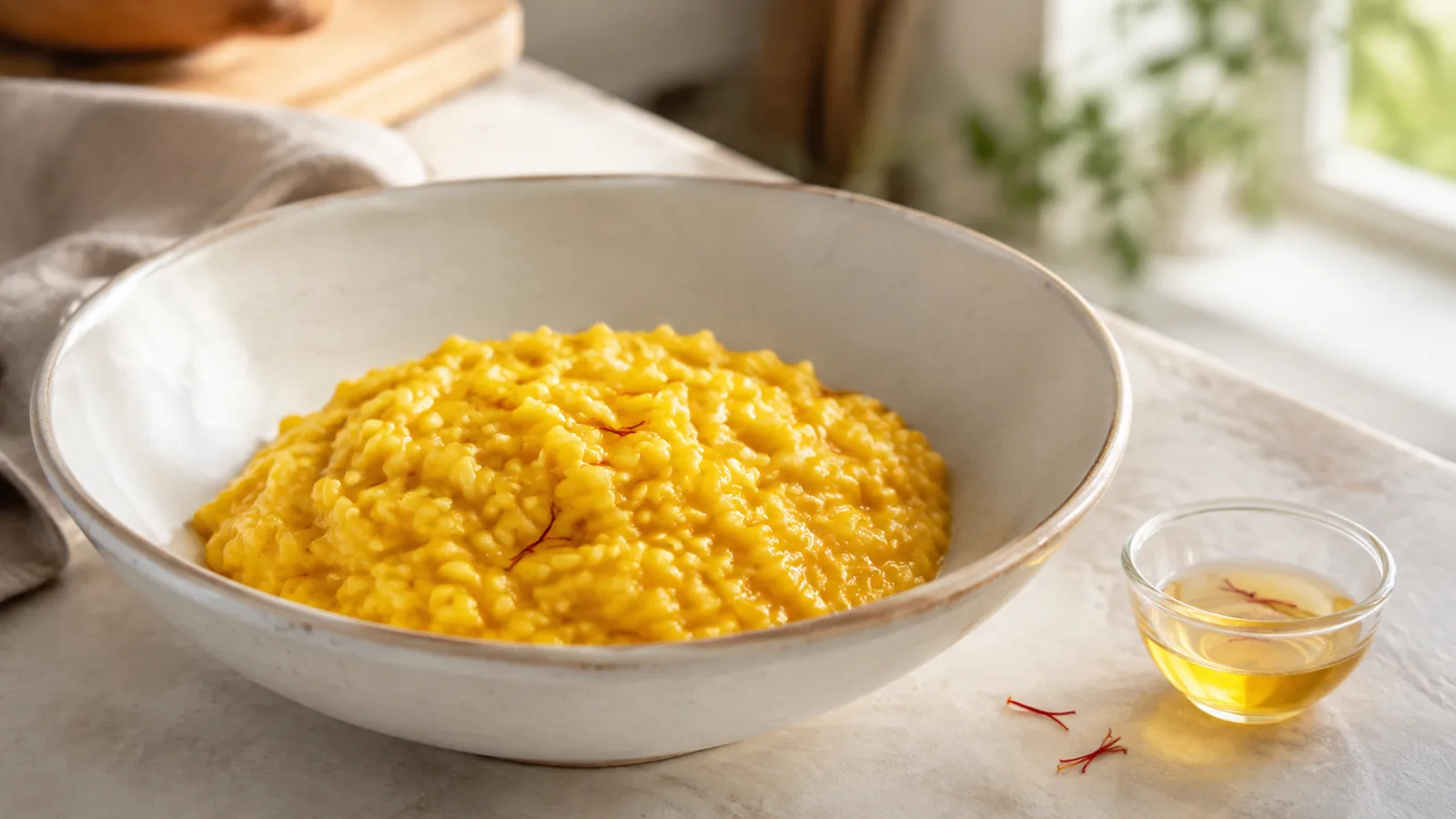
This recipe for cooking Majlisi rice walnuts with Iranian saffron layers fragrant rice with tender mutton, toasted walnuts, barberries, golden onion and concentrated saffron.
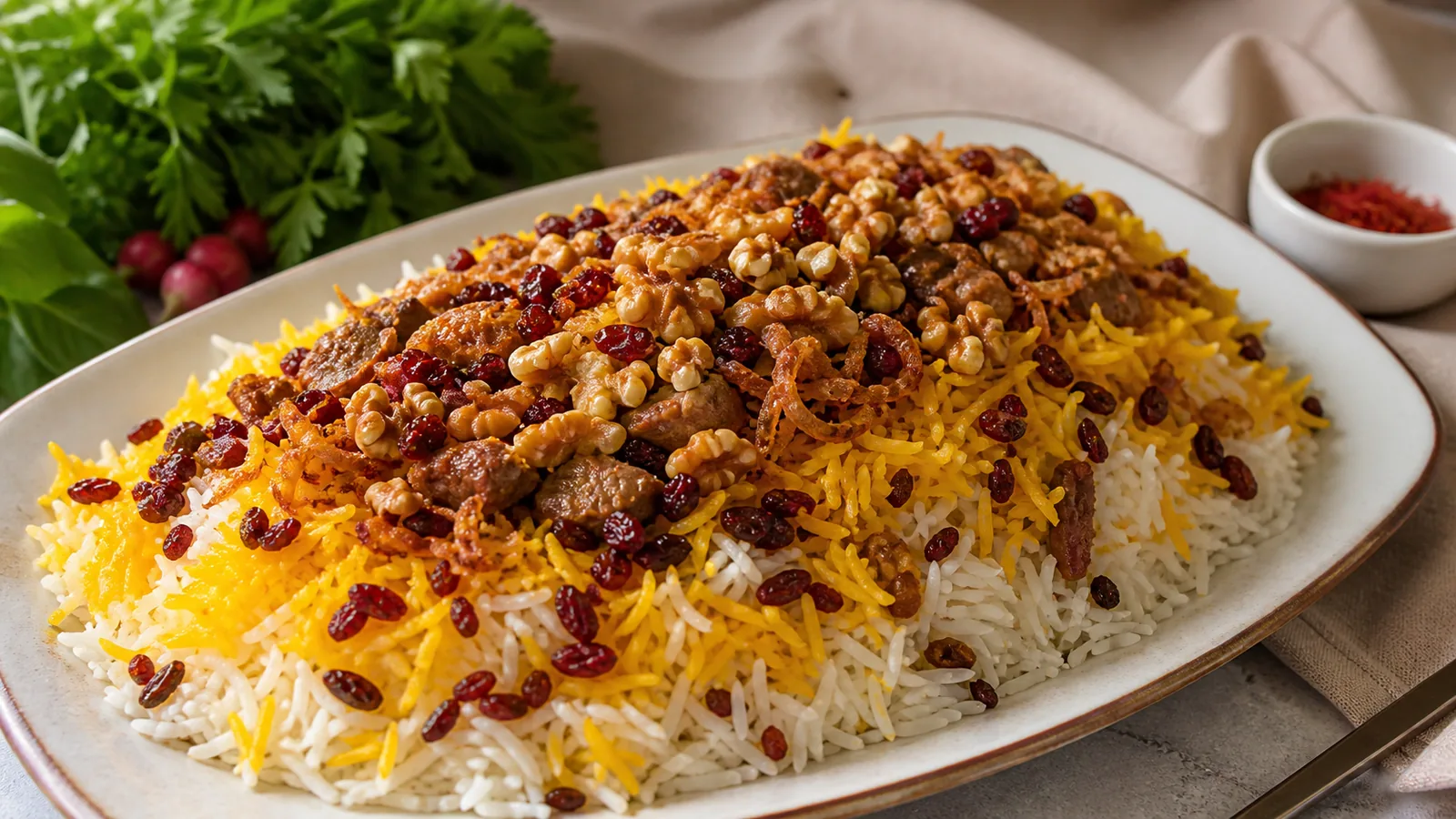
Majlisi describes a dish arranged for guests or a special table. Here, the contrast matters as much as the flavour: white and saffron rice, dark walnuts, ruby barberries and small pieces of meat should remain visible rather than becoming one indistinct mixture.
Ingredients for Majlisi rice
- 3 cups rice
- 250 g mutton
- 250 g walnut kernels
- 2 medium onions
- Barberries, as desired
- Concentrated brewed saffron, as needed
- Black pepper, to taste
- Salt, to taste
- Cooking oil, as needed
- Optional: a small pinch of ground cardamom
- Fresh herbs or vegetables, for serving
Cut the mutton into small pieces or narrow strips so it can be distributed through the rice. Keep the pieces larger than mince; they need to remain recognisable in each serving.
Cook the saffron mutton
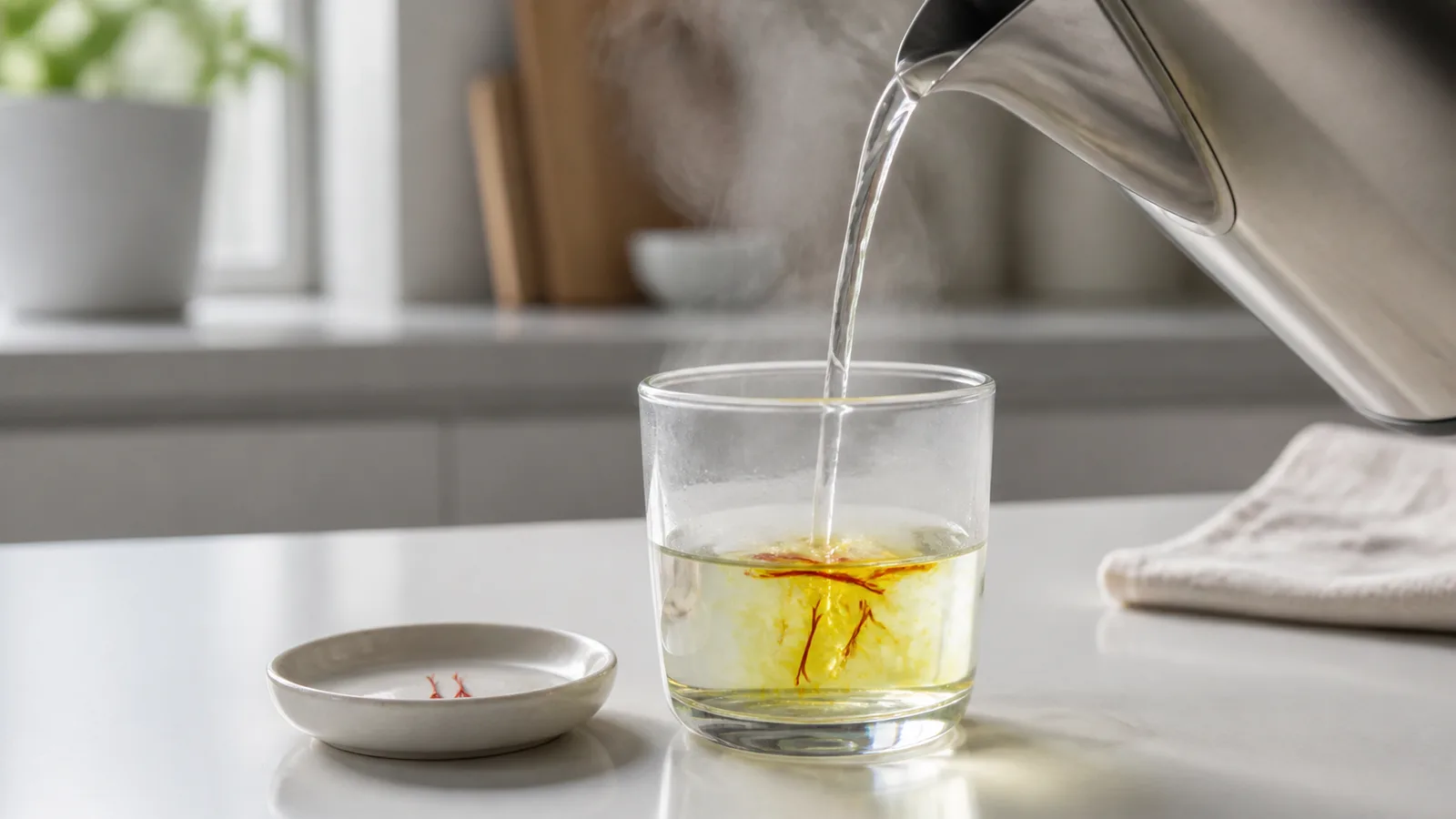
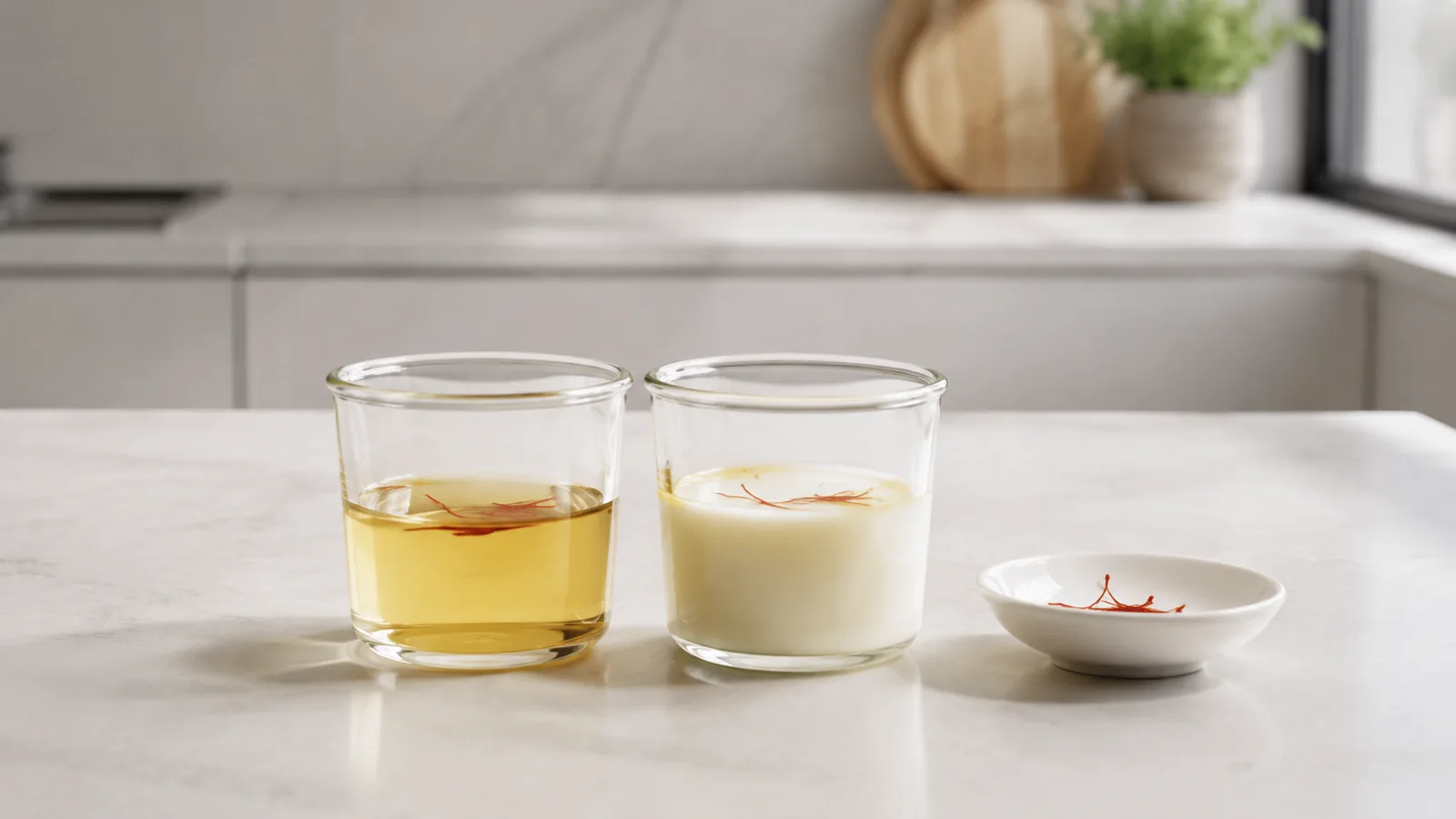
- Season the mutton with black pepper and a spoonful of concentrated brewed saffron.
- Grate or very finely chop one onion.
- Warm a little oil in a saucepan, add the onion and cook until it begins to soften.
- Add the mutton and turn it until the outside changes colour.
- Pour in 2 glasses of water and bring to a gentle simmer.
- Cover partially and cook until the meat is completely tender, adding a little hot water only if the pan becomes dry too early.
At the end, very little loose liquid should remain. A wet meat mixture will make the finished walnut rice heavy and can stain every grain instead of leaving defined layers.
Make the golden onion
Finely slice or chop the second onion. Fry it slowly in a little oil until evenly golden. Lift it from the pan and drain away excess oil, then set it aside.
Slow frying gives a sweeter, crisper result than rushing the onion over high heat. Stop before it becomes dark, because it will continue to deepen slightly as it cools.
Prepare the walnuts and barberries
Chop the walnut kernels finely, then soak them in cold water for about 1 hour as the original method specifies. Drain thoroughly and pat away surface water before they go near hot oil.
Warm a small amount of oil in a frying pan. Add the drained walnuts and fry briefly over moderate heat, stirring so their edges do not burn.
Rinse the barberries carefully and dry them well. Add them to the walnuts and toss only until they brighten and become slightly plump. Barberries scorch quickly, so keep this stage brief.
Add the cooked mutton, golden onion and another spoonful of concentrated saffron. If using cardamom, add only a small pinch. Fry everything together for a few minutes, just long enough to combine the aromas and remove any remaining surface moisture.
Parboil and drain the rice
Rinse the 3 cups rice until the water becomes clearer. Soak it first if that is your usual method for the variety you use. Bring a large pot of salted water to a boil, add the rice and cook until the outside is tender while the centre still has a slight firmness.
Drain immediately and let excess water run off. The rice will continue cooking during steaming, so fully soft grains at this point are likely to break when layered.
Two ways to assemble the walnut rice
Steam the rice with the filling
Add a little oil to a clean pot and arrange your preferred tahdig base if using one. Spread in a layer of rice, add a thin layer of the mutton-and-walnut mixture, then repeat. Keep the filling away from the pot wall so the rice can steam cleanly around it.
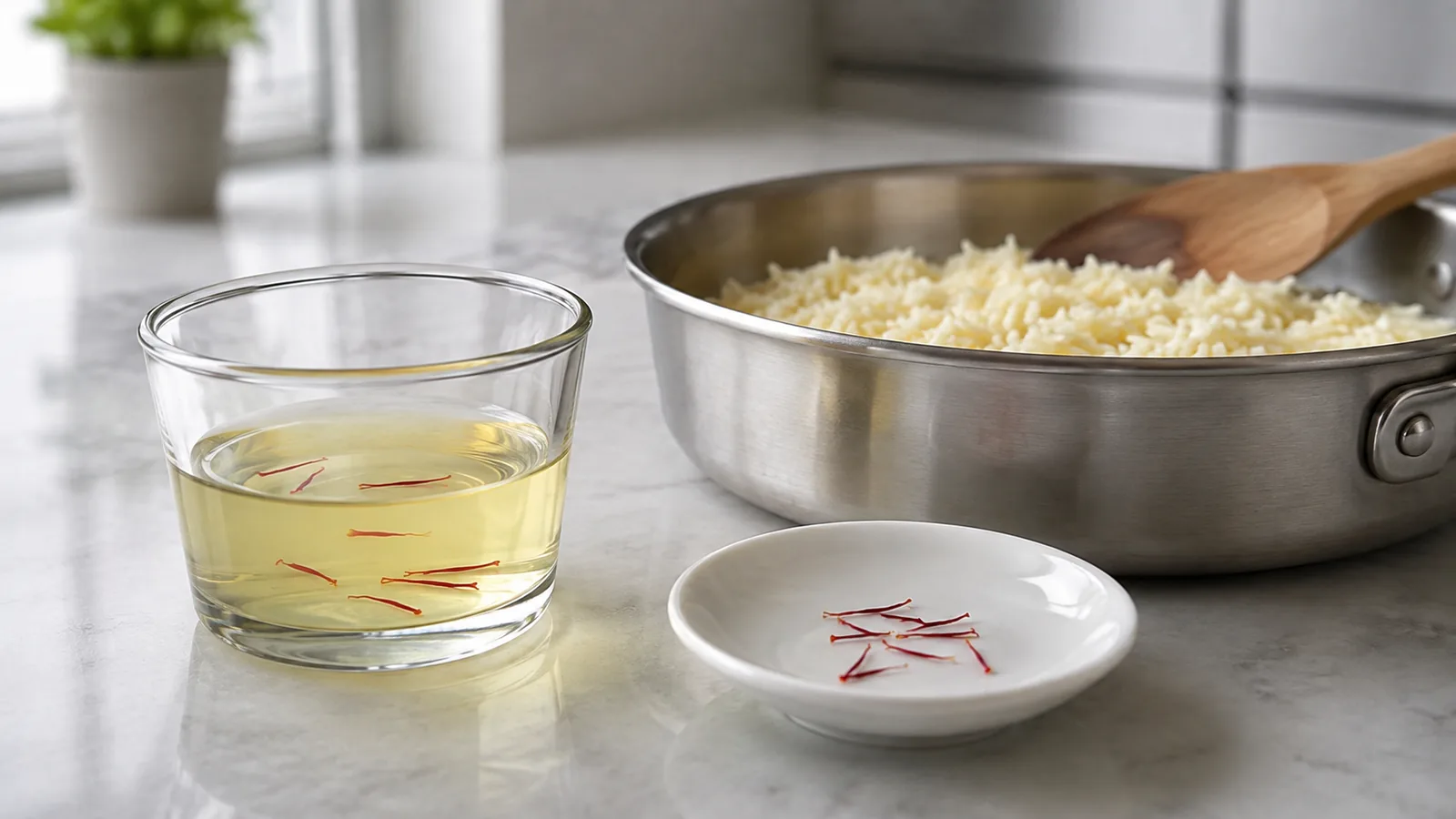
Finish with rice, cover and steam over low heat until the grains are tender and separate. Spoon a little saffron over the top near the end.
Layer it at the table
For the clearest Majlisi presentation, steam the rice separately. Place a layer of rice on the serving platter, add a layer of meat, walnuts and barberries, then repeat. Finish with saffron rice and the brightest pieces of garnish.
This second method follows the original option to prepare plain rice and layer the filling only when serving. It also keeps the barberries and golden onion more distinct.
Serve Majlisi rice walnuts
Serve the rice hot, with fresh herbs or crisp vegetables alongside. Distribute the walnuts evenly so one portion is not overloaded while another has none.
The finished dish should be aromatic rather than sweet: saffron and mutton lead, walnuts bring richness, and the barberries provide small tart bursts. Cardamom is optional and should stay in the background.
Details that protect the texture
- Reduce the meat liquid. The filling should be moist, not watery.
- Dry walnuts and barberries before frying. Surface water spits in hot oil and prevents clean toasting.
- Keep barberry cooking brief. Gentle heat protects its colour and tartness.
- Drain the rice while its centre is firm. It finishes during steaming without collapsing.