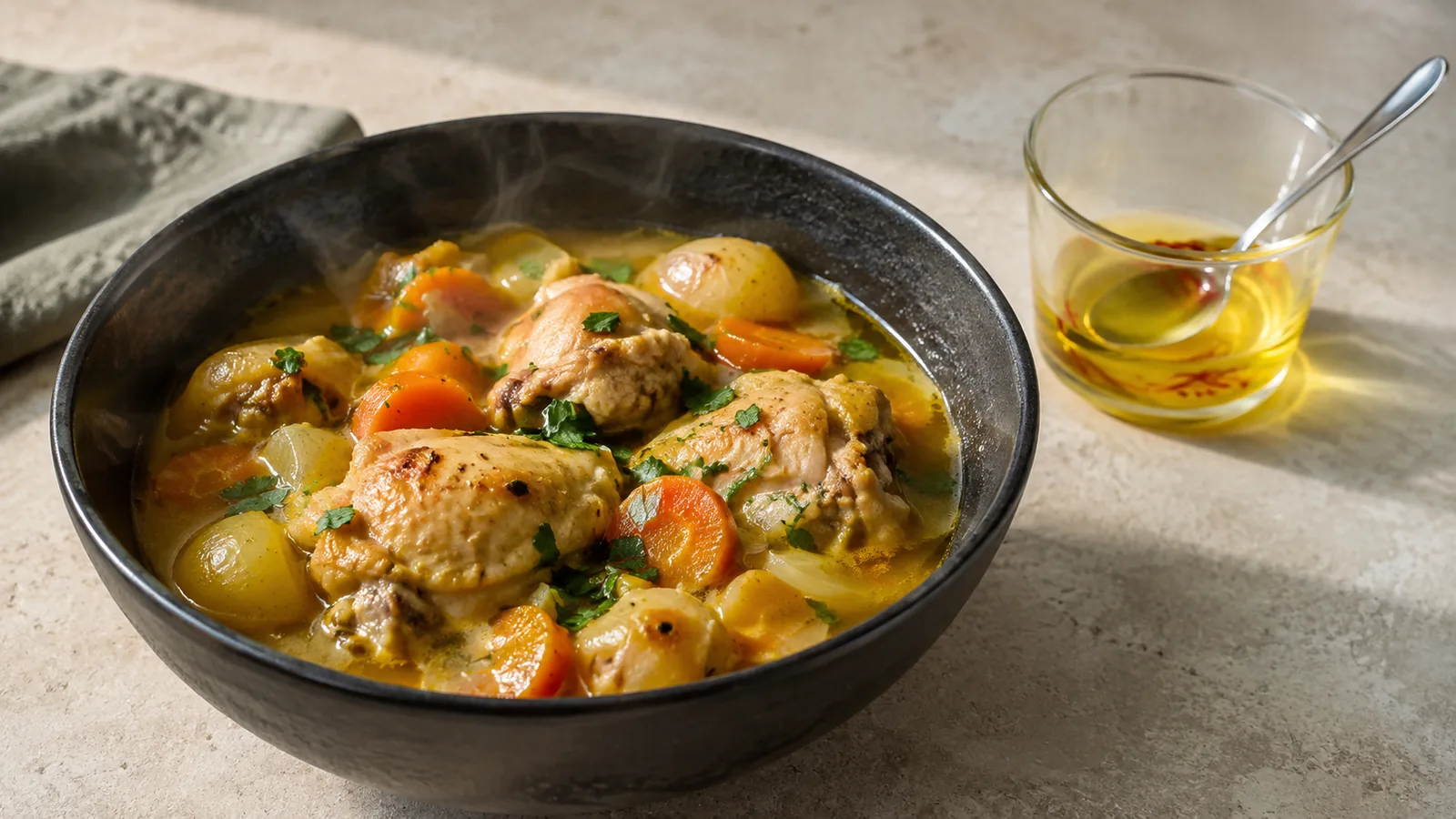
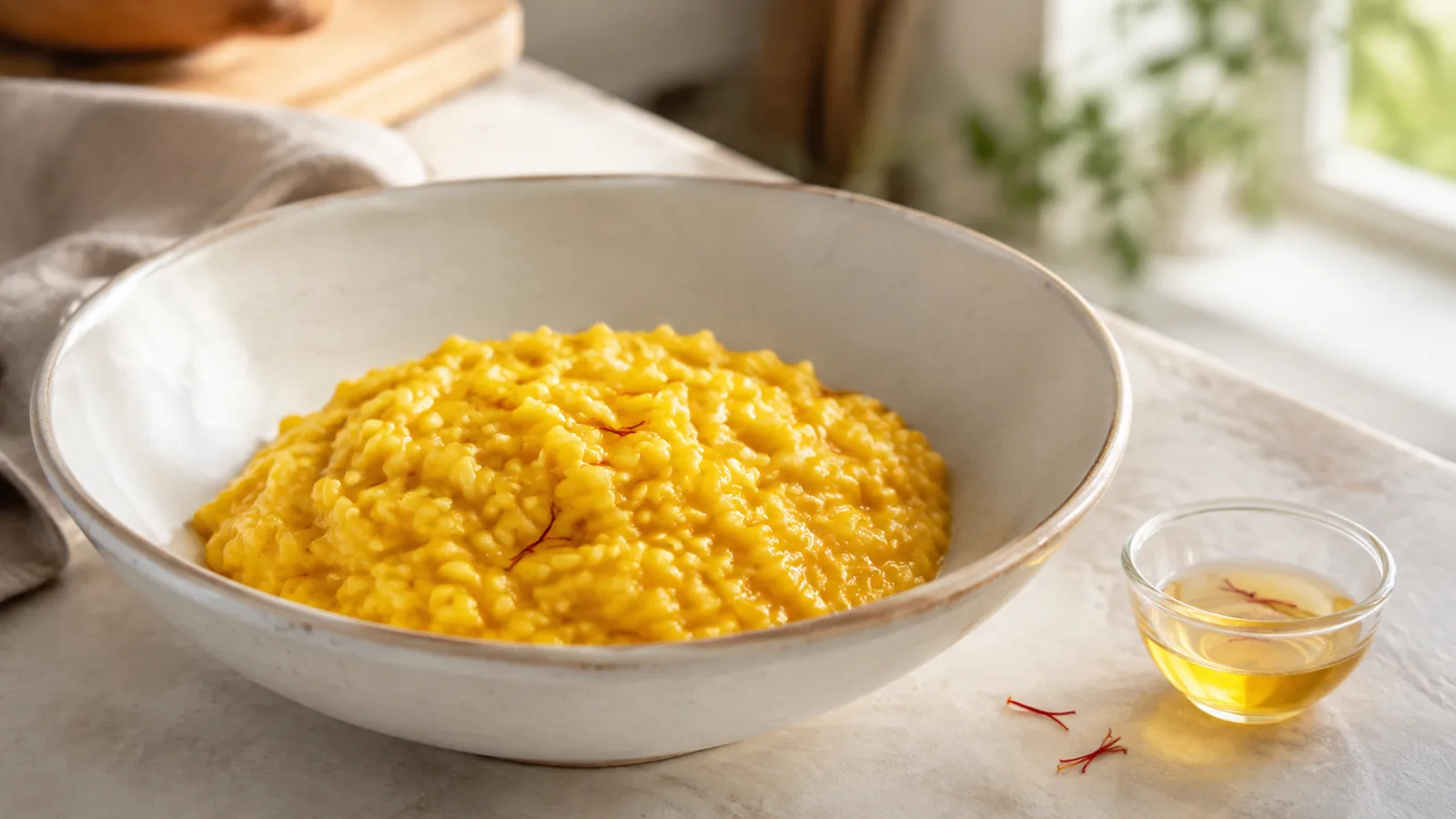
Kuku pokura with Persian saffron is a chickpea-flour, leek and egg batter that can be fried as small fritters or cooked as one pan-sized kuku.
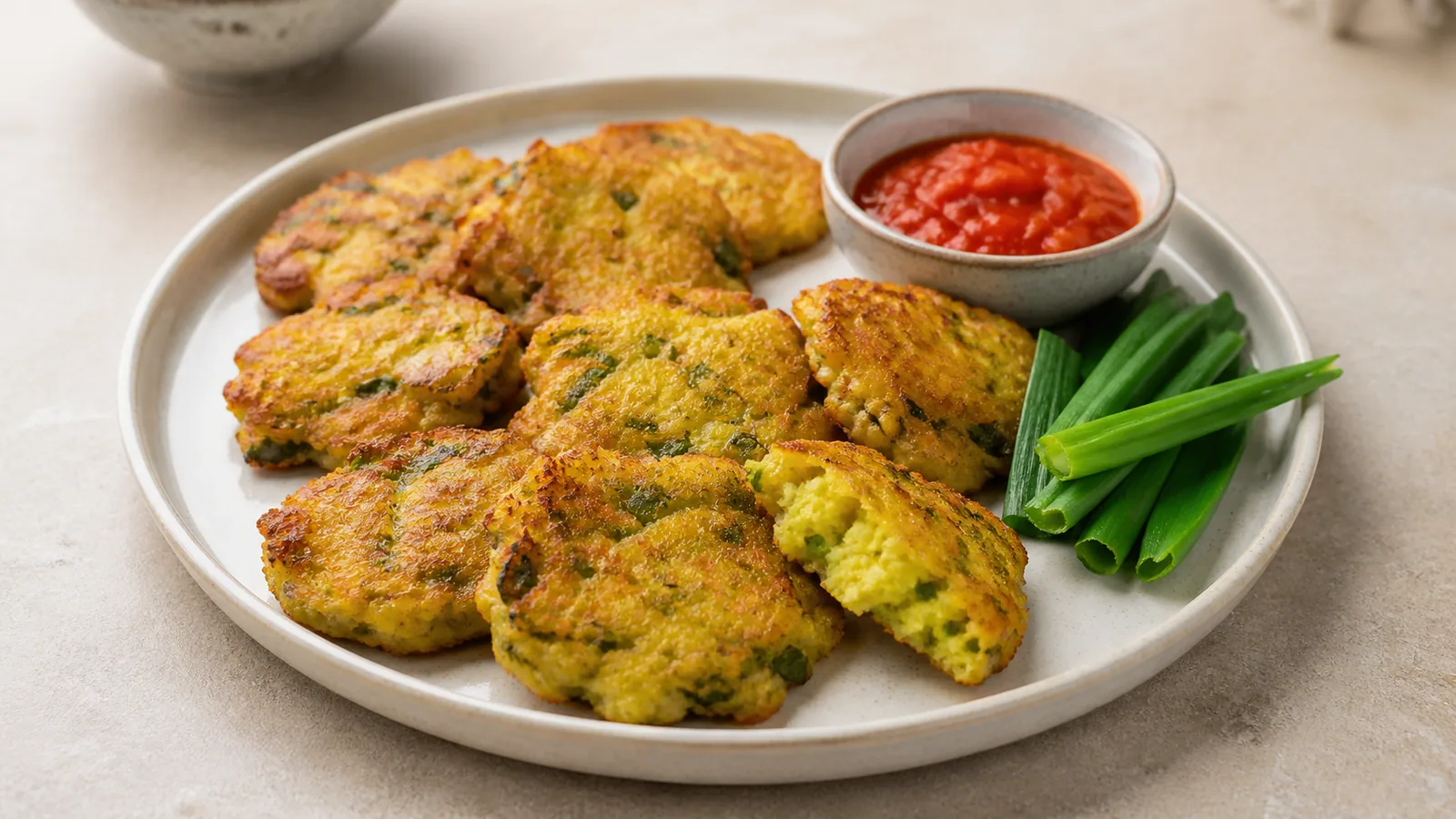
“Pokura” is the spelling used by this original recipe, and it carries the page’s established search identity. The method resembles a pakora-style fritter but includes eggs and offers a second, distinctly kuku-like way to cook the whole mixture and turn it in the pan.
What is kuku pokura?
This Iranian kuku sits between two familiar forms. Spoonfuls dropped into oil become individual chickpea-and-leek fritters with crisp edges. Pouring the batter into the pan at once creates one thicker round that is fried on both sides and cut for serving.
The phrase “Iranian food ice cream” in the old English introduction was a translation error. Pokura is a savoury cooked dish, not ice cream or a frozen dessert.
Ingredients for Persian saffron pokura
- 200 g raw chickpea flour
- 1 cup chopped leeks
- 1 small cup lukewarm water, added gradually
- 2 eggs
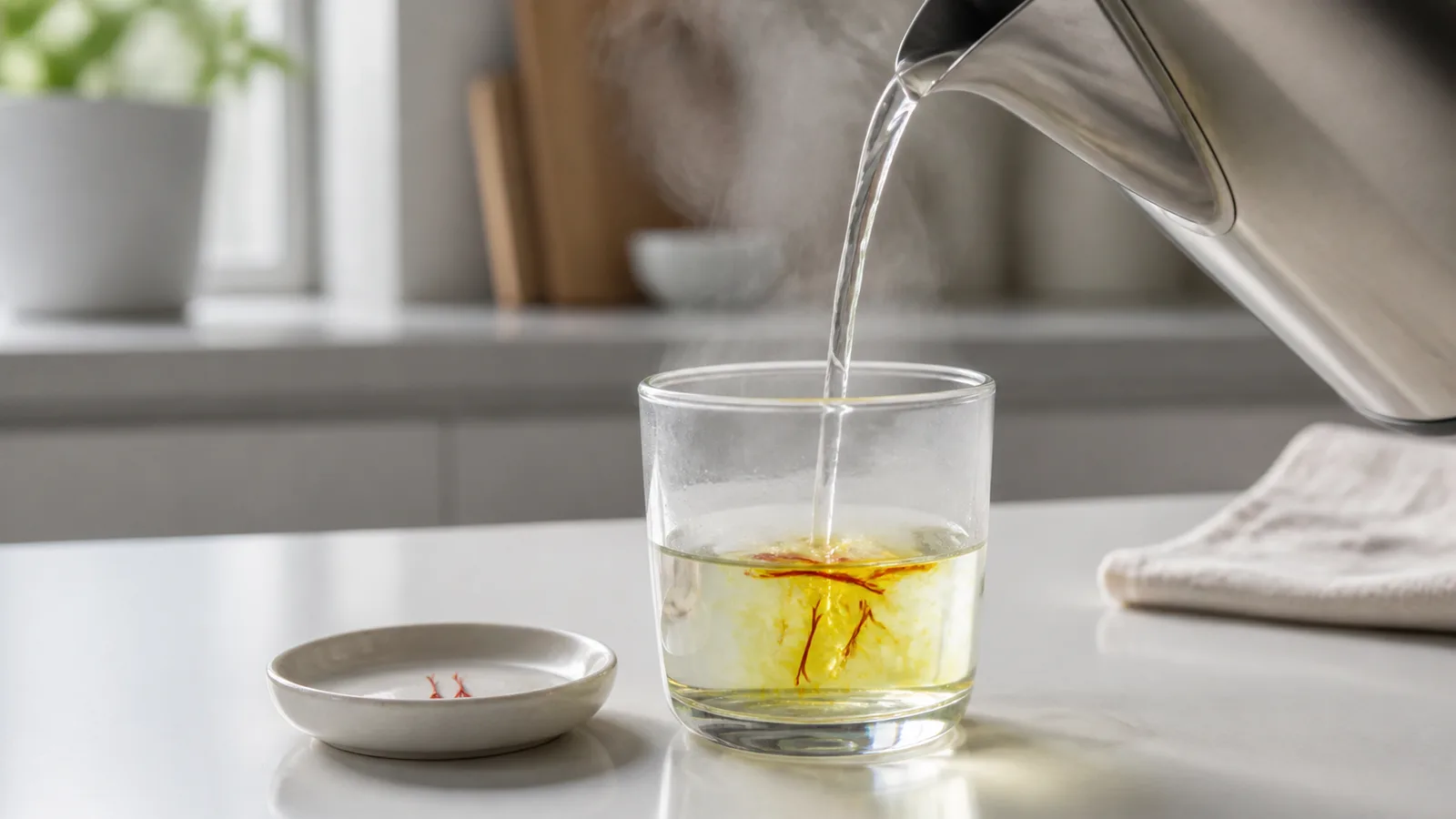
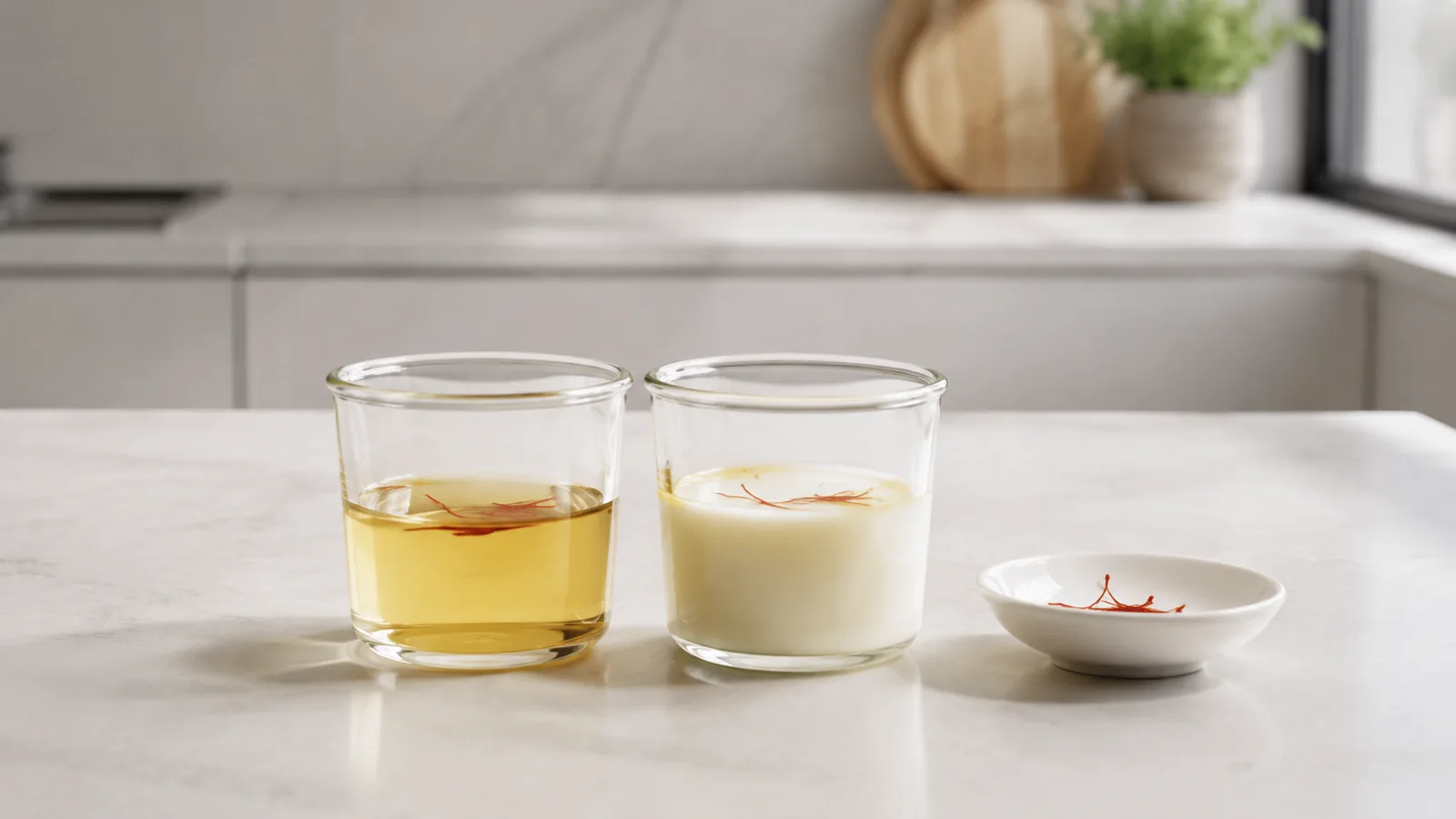
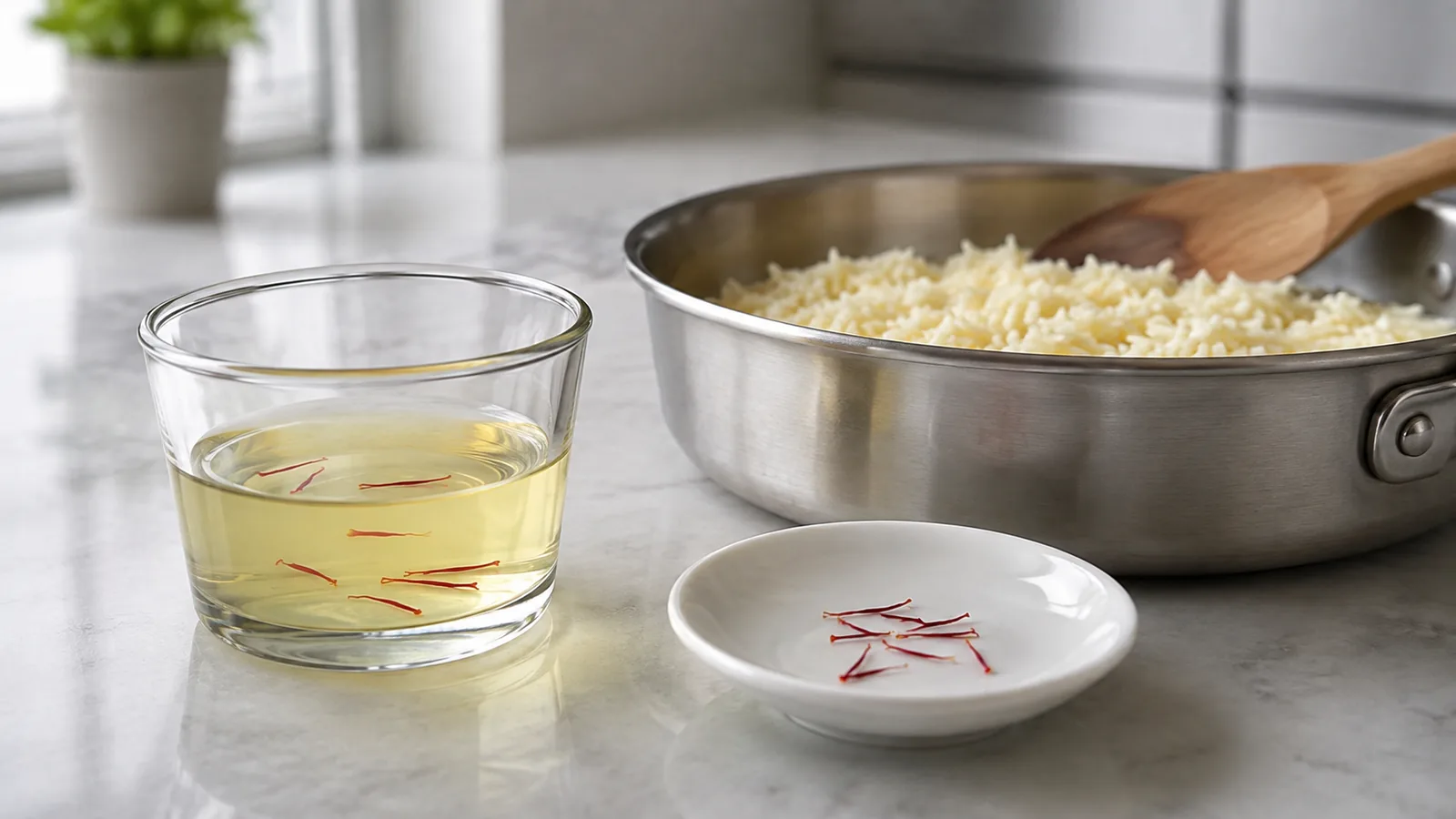
- 1 tablespoon prepared saffron infusion
- 1/2 teaspoon red pepper powder
- Salt, black pepper and other spices, to taste
- Oil for frying
- Tomato sauce, for serving
“Raw pea flour” in the source refers here to raw chickpea flour, also sold as gram flour or besan. The small cup is not a reliable universal volume, so add the lukewarm water in stages. The batter should fall from a spoon slowly rather than pour like a drink.
Make the chickpea and leek batter
- Put the 200 g chickpea flour in a mixing bowl.
- Add the lukewarm water a little at a time, stirring with a fork until no dry flour or large lumps remain.
- Mix in the prepared saffron infusion and 1 cup chopped leeks.
- In a separate bowl, beat the 2 eggs with salt, black pepper, the 1/2 teaspoon red pepper and any additional spice for a few minutes.
- Pour the seasoned eggs into the chickpea mixture and stir until evenly combined.
- Let the batter stand for 5–10 minutes so the flour can hydrate, then check the consistency again.
If it becomes very thick during the rest, add a spoonful of lukewarm water. If it is thin, give the chickpea flour another few minutes before changing it. Adding a large amount of flour at the end can leave a raw, dusty centre.
Method one: fry small pokura fritters
- Pour enough oil into a frying pan for shallow frying and warm it over medium heat.
- Test with a tiny drop of batter. It should sizzle promptly without turning dark at once.
- Take small spoonfuls of the kuku pokura mixture and lower them into the oil. Do not crowd the pan.
- Fry until the underside is golden and set, then turn each fritter once.
- Cook the second side and transfer to a rack or absorbent kitchen paper.
Keep the portions modest. Large spoonfuls can brown outside while the egg-and-flour centre remains undercooked. Stir the bowl gently between batches so the chopped leek stays evenly distributed.
Method two: cook one pan-sized kuku
- Heat a thin, even layer of oil in a non-stick or well-seasoned frying pan.
- Pour in all the batter and spread the leeks evenly.
- Reduce to low heat, cover and cook until the edges are golden and the top is nearly set.
- Slide the kuku onto a flat plate and invert it back into the pan, or cut it into sections and turn them separately.
- Cook the second side until golden and the centre is fully cooked.
The two methods answer the same recipe promise, so choose according to the texture you want. Small pokura pieces have more crisp surface; the whole kuku is softer inside and uses less active frying time.
Check that the centre is cooked
Chickpea flour should not taste raw, and the egg must be fully set. The official FoodSafety.gov temperature chart lists 160°F (71°C) for egg dishes. Check the thickest fritter or the centre of the whole kuku.
If the outside colours too quickly, lower the heat rather than shortening the cooking. Drain the finished pieces briefly and serve with tomato sauce, as in the original recipe. Increase the red pepper if you prefer more heat, but keep the saffron and leek noticeable.
A careful note on chickpea-flour nutrition
The earlier article claimed exactly 800 mg potassium per 100 g of chickpea flour and presented the dish as effective for lowering blood pressure. That is too definite for a recipe. Nutrient values vary by ingredient and product, while the finished food also contains salt and frying oil. USDA FoodData Central is the appropriate source for checking food-composition records rather than assigning one unsupported figure to every flour.
Potassium is relevant to blood-pressure patterns, but one pokura recipe is not a treatment. The NIH potassium fact sheet says that increasing dietary potassium while reducing sodium might help lower blood pressure. People with kidney disease or medicines that affect potassium need individual medical advice; adding a high-potassium food is not automatically safe for everyone.
Chickpea flour can contribute protein, iron, B vitamins and minerals, but the exact amount belongs to a measured product and serving. For a lower-salt version, season carefully and serve fresh vegetables beside the fritters rather than making a health promise about the dish.
Useful texture checks
- Hydrated batter falls slowly from a spoon and does not separate into water and flour.
- Finely chopped leek distributes more evenly than long, wet pieces.
- Moderate heat cooks the centre before the crust becomes dark.
- Small fritters need space in the pan; the whole kuku needs a lid and low heat.
- The finished centre should be set, hot and free of raw chickpea flavour.
Whichever shape you choose, keep the defining parts together: chickpea flour, leek, eggs, Persian saffron and red pepper. That combination is what makes this recipe kuku pokura rather than an ordinary omelette or plain fritter.