Bandari rice is a bold southern Iranian rice dish built around seafood, aromatic herbs, tomato and warm curry spice. This version uses canned tuna for a practical family meal, then finishes the platter with saffron rice so the colour and aroma stay clear.
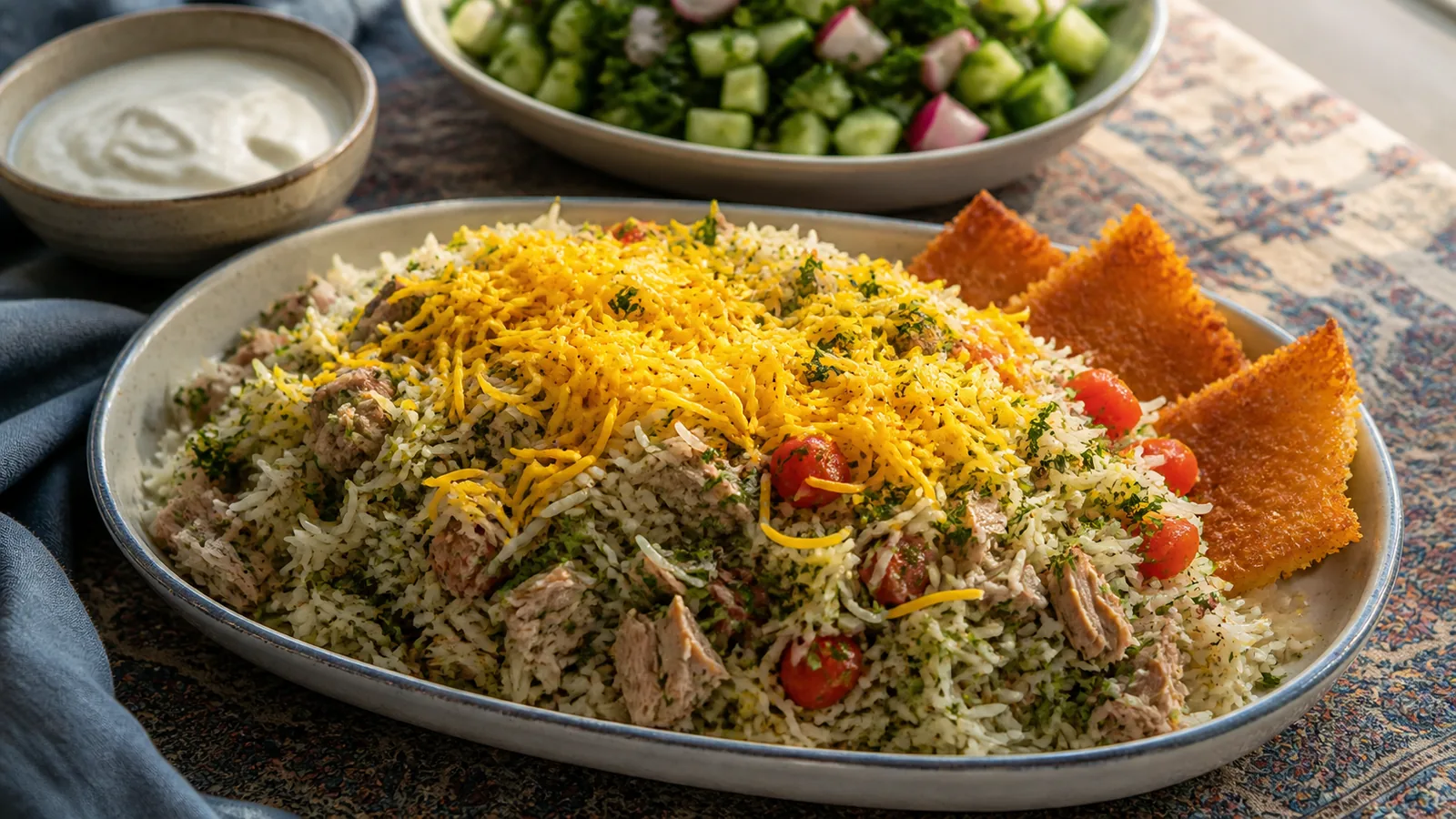
The original recipe serves eight and uses a generous amount of herbs. The method below keeps that formula while explaining the missing rice steps, how to handle the tuna, and when to add saffron without drying it out.
Bandari rice ingredients for eight
- 1 kg basmati rice
- 2 standard cans of tuna, drained
- Up to 1 kg finely chopped mixed aromatic herbs
- 2 ripe tomatoes, grated or very finely chopped
- 1 large onion, finely chopped
- 5 garlic cloves, minced
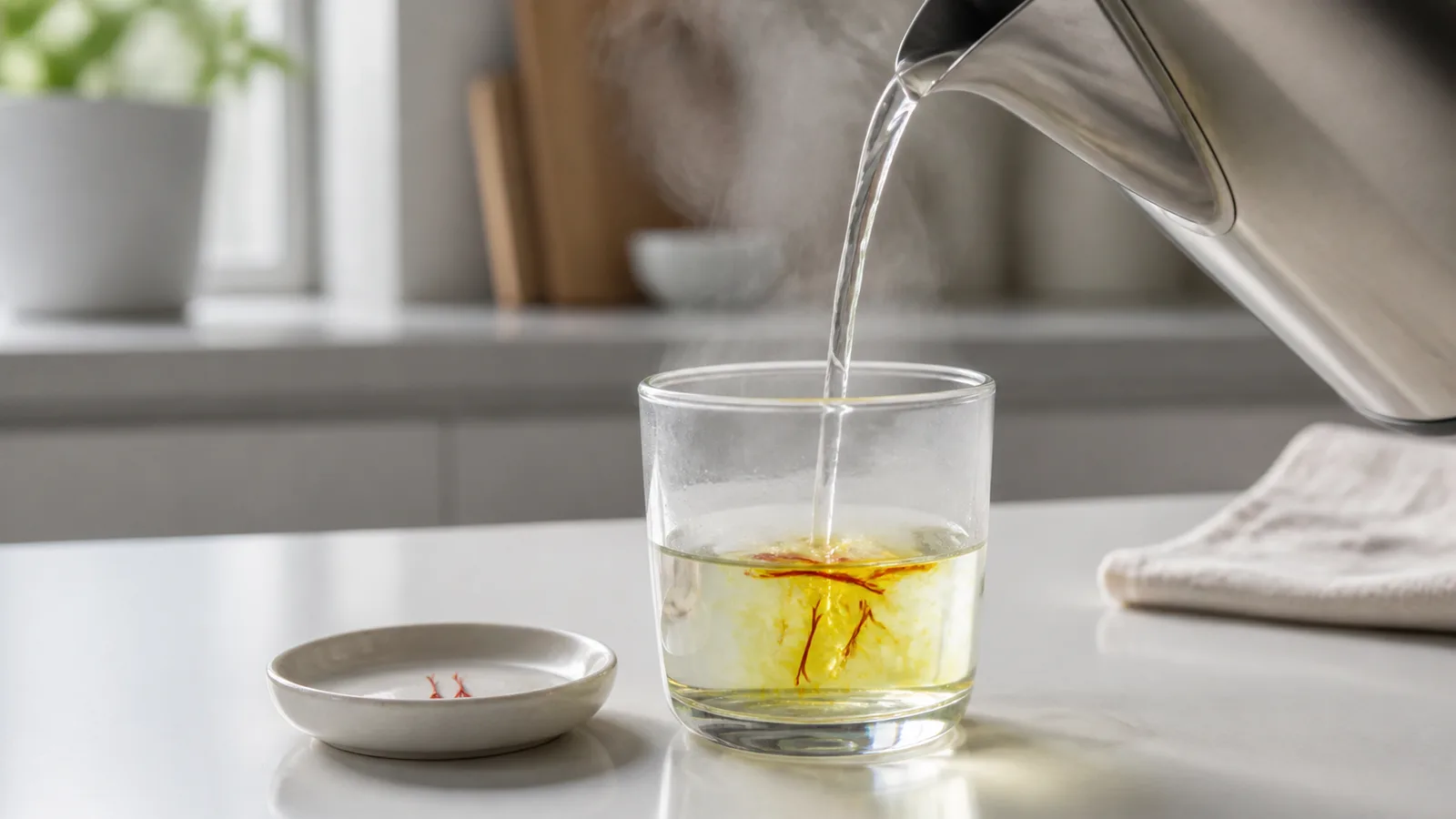
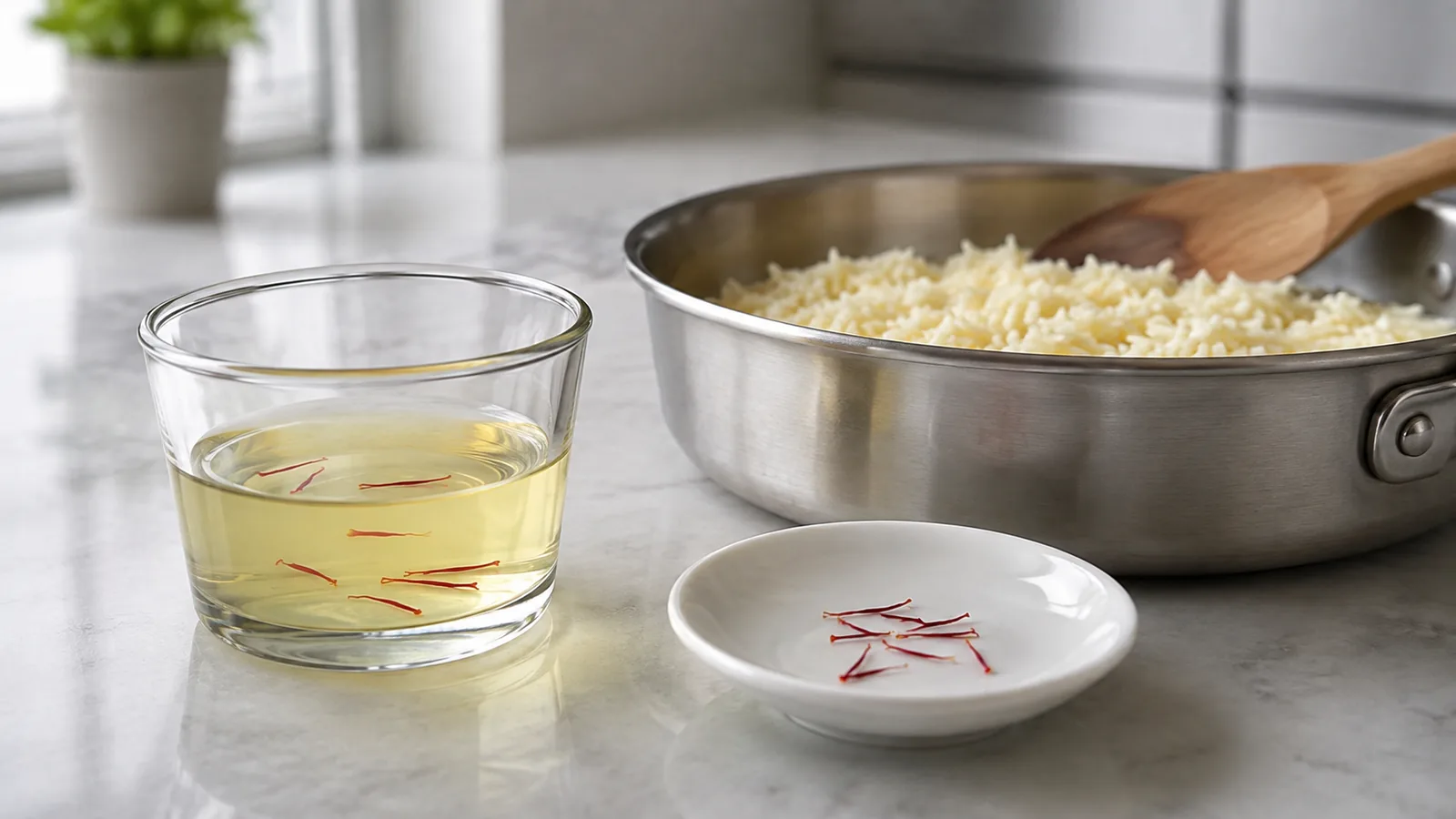
- 2 tablespoons concentrated brewed saffron
- 1–2 teaspoons curry powder, or to taste
- Salt and black pepper
- Oil or butter, as needed
For the herbs, use a sabzi polo-style mixture such as coriander leaf, dill, parsley and chives or the green parts of spring onions. A little fenugreek gives a distinctly southern note, but too much can turn bitter. One kilogram is the generous quantity in the original formula; 600–750 g still gives a well-herbed rice if you prefer a lighter balance.
“Two pieces of tuna” in the earlier translation means two cans, not two fresh steaks. Canned tuna is already cooked. Drain it well and add it late enough that it stays in flakes rather than disappearing into the sauce.
How to make Bandari rice with tuna
1. Wash and soak the rice
Rinse the basmati rice several times until the water is nearly clear. Cover it with cool water and add a generous pinch of salt. Soak for 30 minutes to two hours, depending on the rice.
Meanwhile, wash the herbs thoroughly and dry them before chopping. Wet herbs make the filling watery and can prevent the rice from steaming evenly.
2. Build the onion, garlic and tomato base
Heat 3 tablespoons of oil or butter in a wide frying pan over medium heat. Add the onion and cook until soft and lightly golden, about 8 minutes. Stir in the garlic and cook for 30–60 seconds; it should smell fragrant but not brown.
Add the grated tomatoes, curry powder, black pepper and a small amount of salt. Cook until the raw tomato aroma has gone and most of the loose liquid has evaporated, roughly 8–10 minutes.
3. Cook the herbs and fold in the tuna
Add the chopped herbs in batches. They will look bulky at first, then collapse as they cook. Stir over medium heat until their excess moisture has evaporated and the mixture is moist rather than wet.
Fold in the drained tuna and warm it for two or three minutes. Keep some visible flakes. Taste before adding more salt because canned tuna can already be salty.
The old instructions mention baking powder even though it is absent from the ingredient list. It is not needed in this rice and has therefore been left out.
4. Parboil and drain the rice
Bring a large pot of salted water to a strong boil. Drain the soaked rice, add it to the pot and stir once so the grains separate. Boil until the outside of a grain is tender but its centre still offers a little resistance. This usually takes 5–8 minutes, though the rice itself is the better guide.
Drain immediately and rinse briefly with lukewarm water if the rice tastes too salty.
5. Layer and steam
Wipe out the rice pot and add 2 tablespoons of oil. If you want tahdig, arrange thin potato slices or a layer of flatbread over the base.
Spread one third of the rice in the pot, then add half of the tuna-and-herb mixture. Repeat, finishing with rice. Lift the layers together gently with the handle of a spoon; do not mash the grains.
Make several steam holes, cover the lid with a clean cloth and set it firmly on the pot. Cook over medium heat for 5 minutes, then reduce to low and steam for 35–45 minutes.
6. Add the saffron finish
Put two large spoonfuls of cooked white rice in a bowl and mix with the concentrated saffron. Rest it for a minute so the colour spreads evenly.
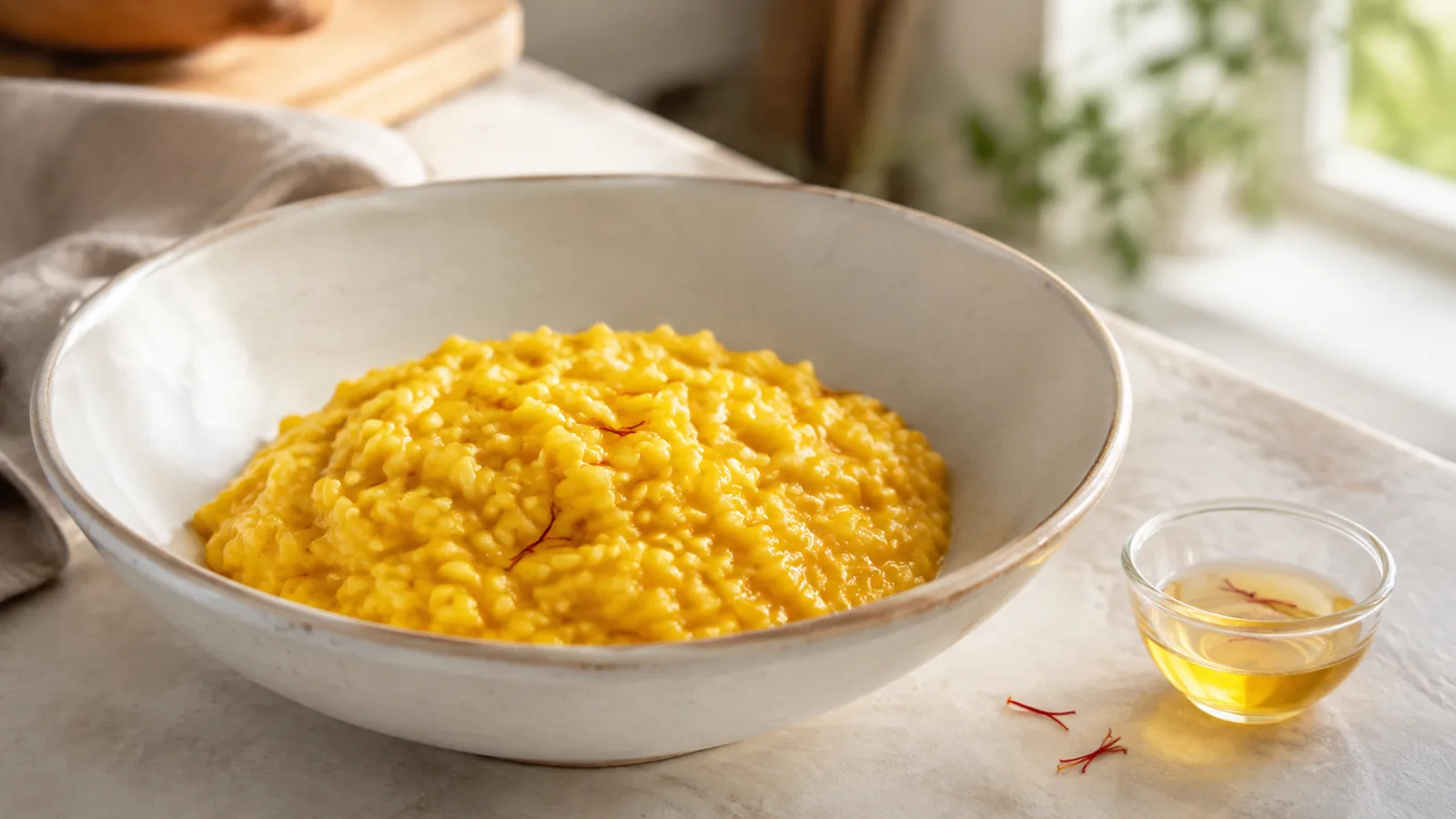
Turn the Bandari rice gently onto a platter, keeping the grains loose. Scatter the saffron rice across the top and add the tahdig around the edge. This late addition protects saffron’s aroma and gives the dish its bright finish.
Using shrimp instead of tuna
Shrimp is a traditional and particularly good alternative. For this quantity of rice, use about 700–900 g peeled shrimp. Pat them dry, season with salt, pepper and a little curry powder, then sauté separately just until opaque. Fold them into the cooked herb mixture before layering.
Do not cook shrimp for the full steaming time in the frying pan first. A quick sauté followed by gentle steaming keeps them tender. Seafood should reach 63°C/145°F, according to the US government’s minimum-temperature chart.
Can Bandari rice be made with chicken?
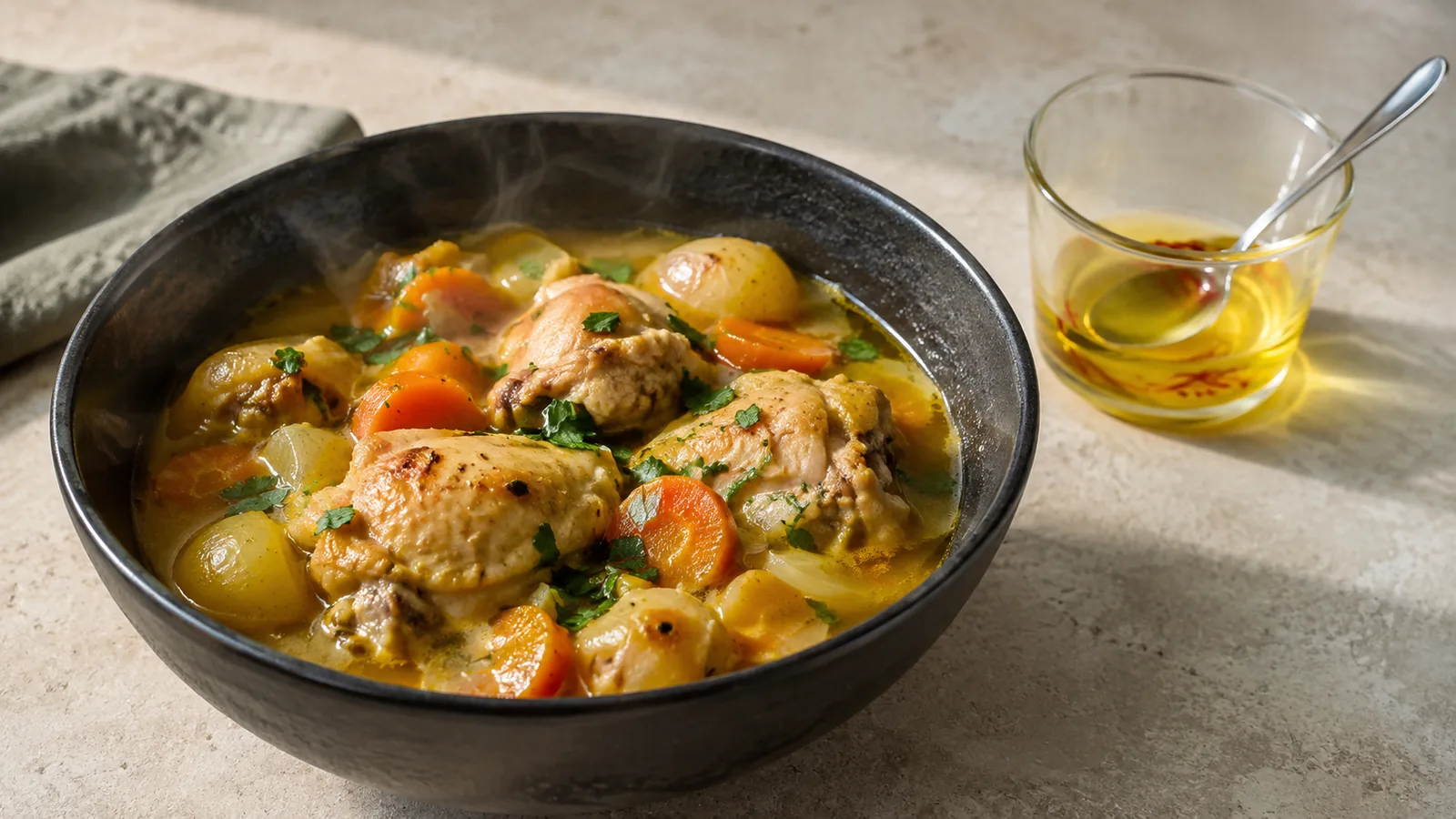
Chicken Bandari is a related variation rather than the seafood recipe above. Replace the tuna with about 900 g boneless chicken thigh cut into bite-size pieces. Brown it after the onion and garlic, then add the tomato and spices. Cook the chicken through before layering; its centre should reach 74°C/165°F.
Chicken makes the rice milder, so a little extra black pepper or curry powder may be welcome. Keep the same herb mixture and saffron finish to preserve the southern rice character.
Serving and storage
Preparation takes about 20 minutes once the ingredients are ready, followed by roughly an hour for cooking and steaming. Serve Bandari rice for lunch or dinner with a crisp cucumber-and-herb salad, pickles or plain yogurt. It can also make a satisfying iftar meal during Ramadan.
Rice and seafood are perishable after cooking. Refrigerate leftovers in shallow containers within two hours, or within one hour when the temperature is above 32°C/90°F, following FoodSafety.gov’s chilling guidance. Reheat only the amount you plan to eat.
The finished rice should be fragrant rather than heavy: separate grains, a savoury herb-and-tomato mixture, clear tuna or shrimp pieces and small flashes of saffron across the top.