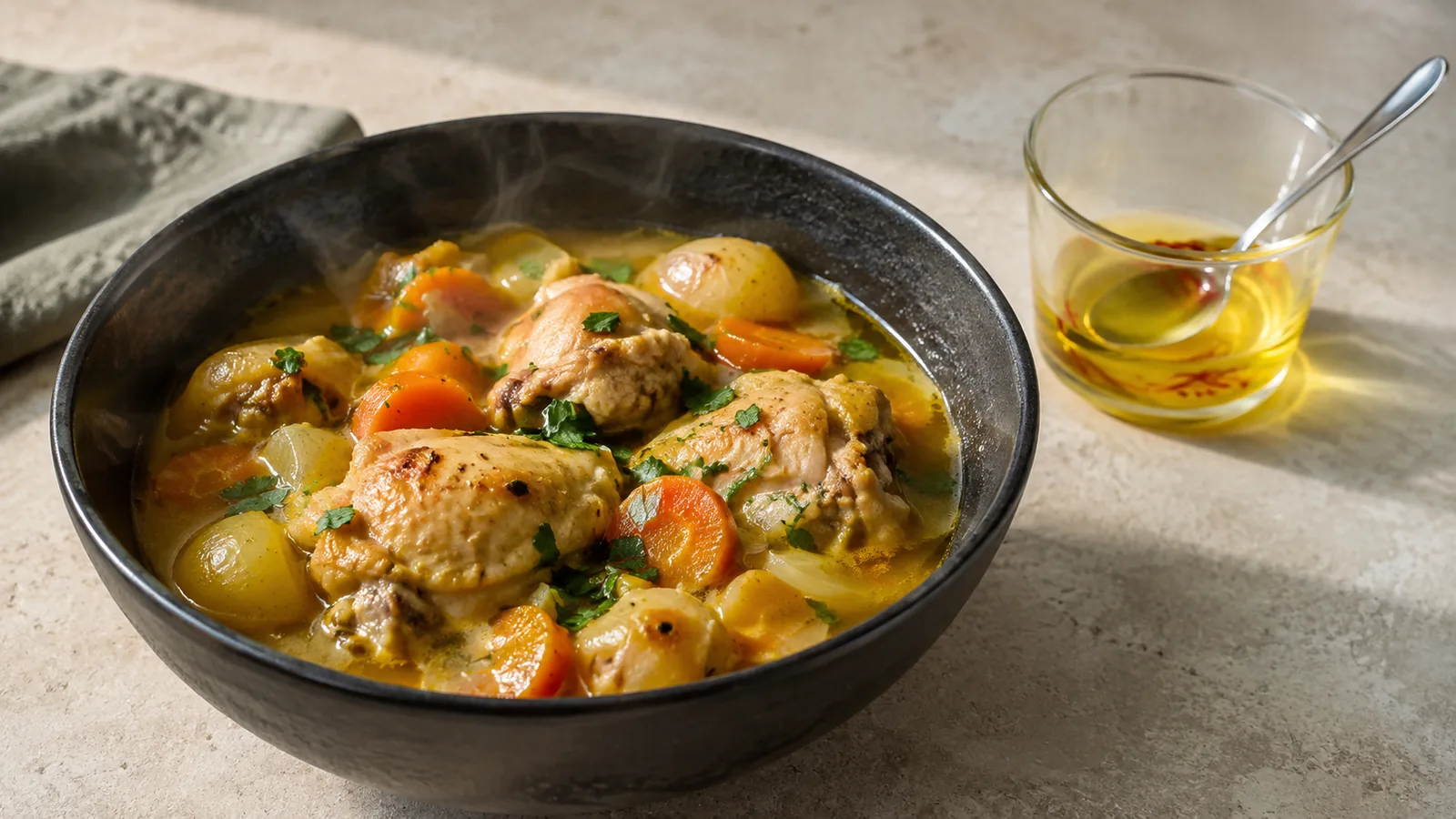
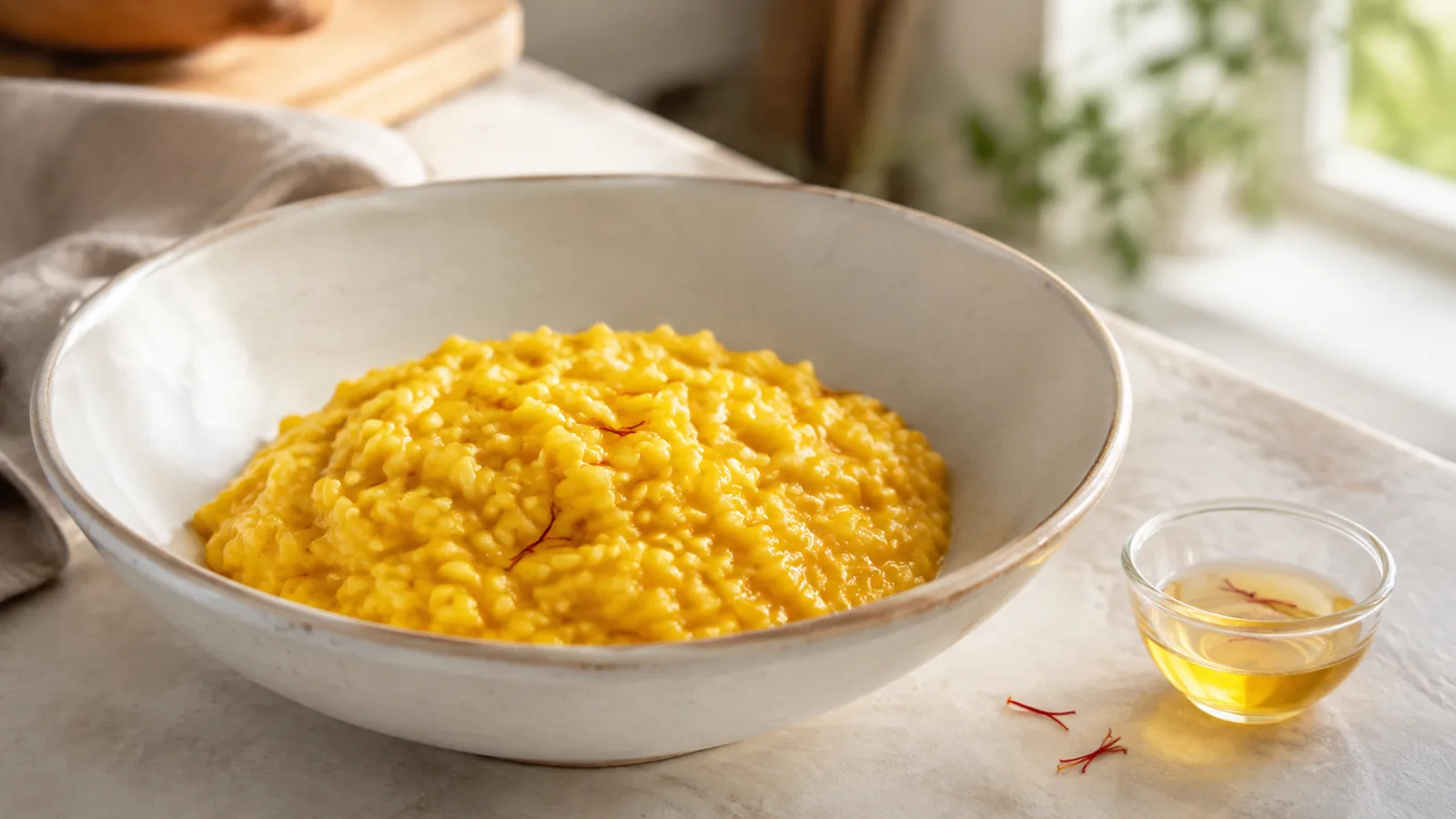
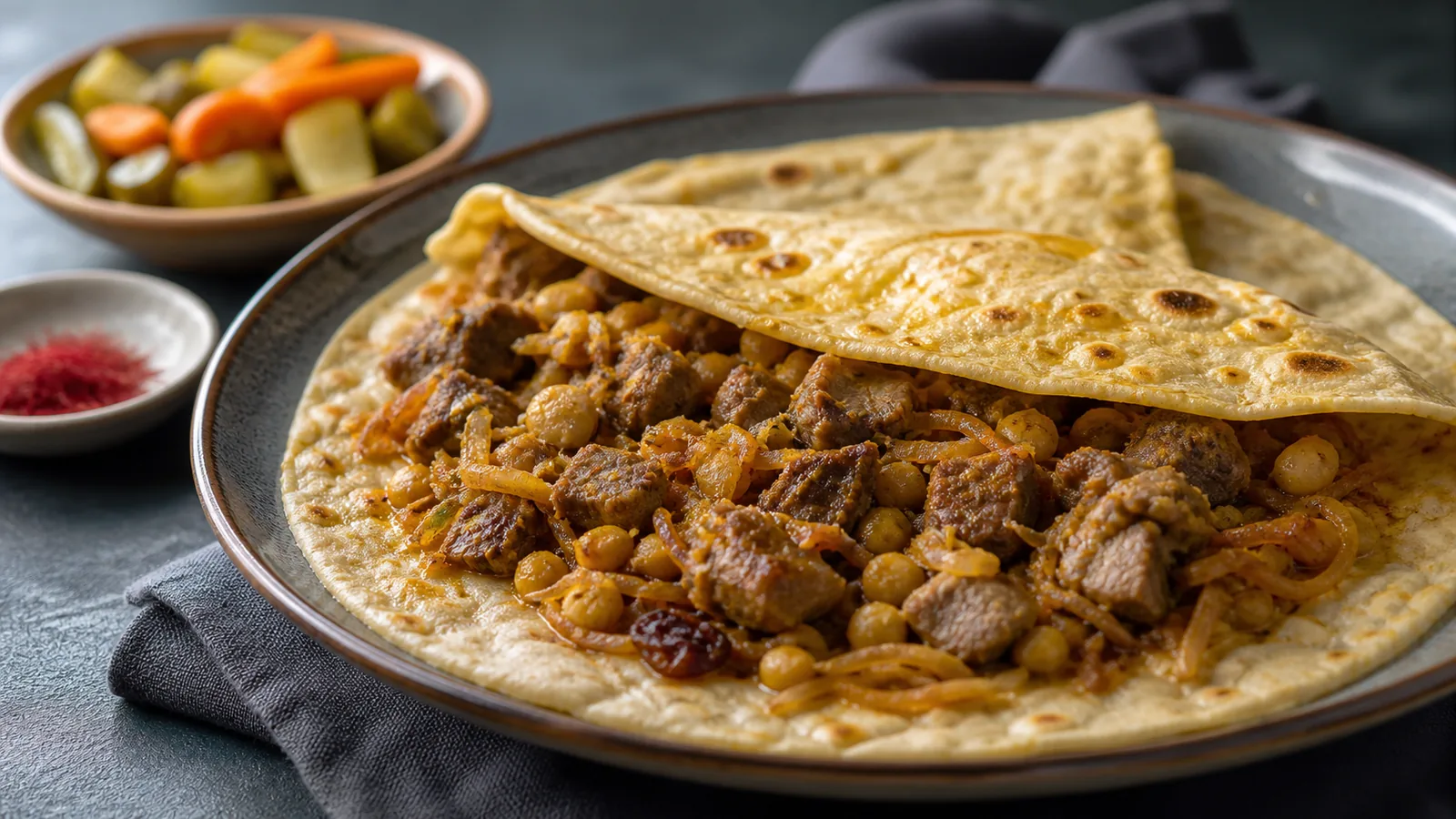
This recipe for baking fatty bread with Iranian saffron is a Shushtari dish of tender mutton and split chickpeas spooned over broth-soaked taftoon bread, then finished with fried onion and optional raisins.
Despite “baking” in the established English title, the traditional method described here is a slow stovetop braise. The older recipe remembers Shushtari fatty bread as food served for wedding lunches. It is intentionally rich, with meat, broth and animal fat giving the bread its characteristic flavour.
Ingredients for Shushtari fatty bread
- 500 g mutton, preferably from the leg, shoulder or neck
- 2 cups dried chickpeas, soaked, peeled and split
- 3 medium onions
- 2 tablespoons cooking oil
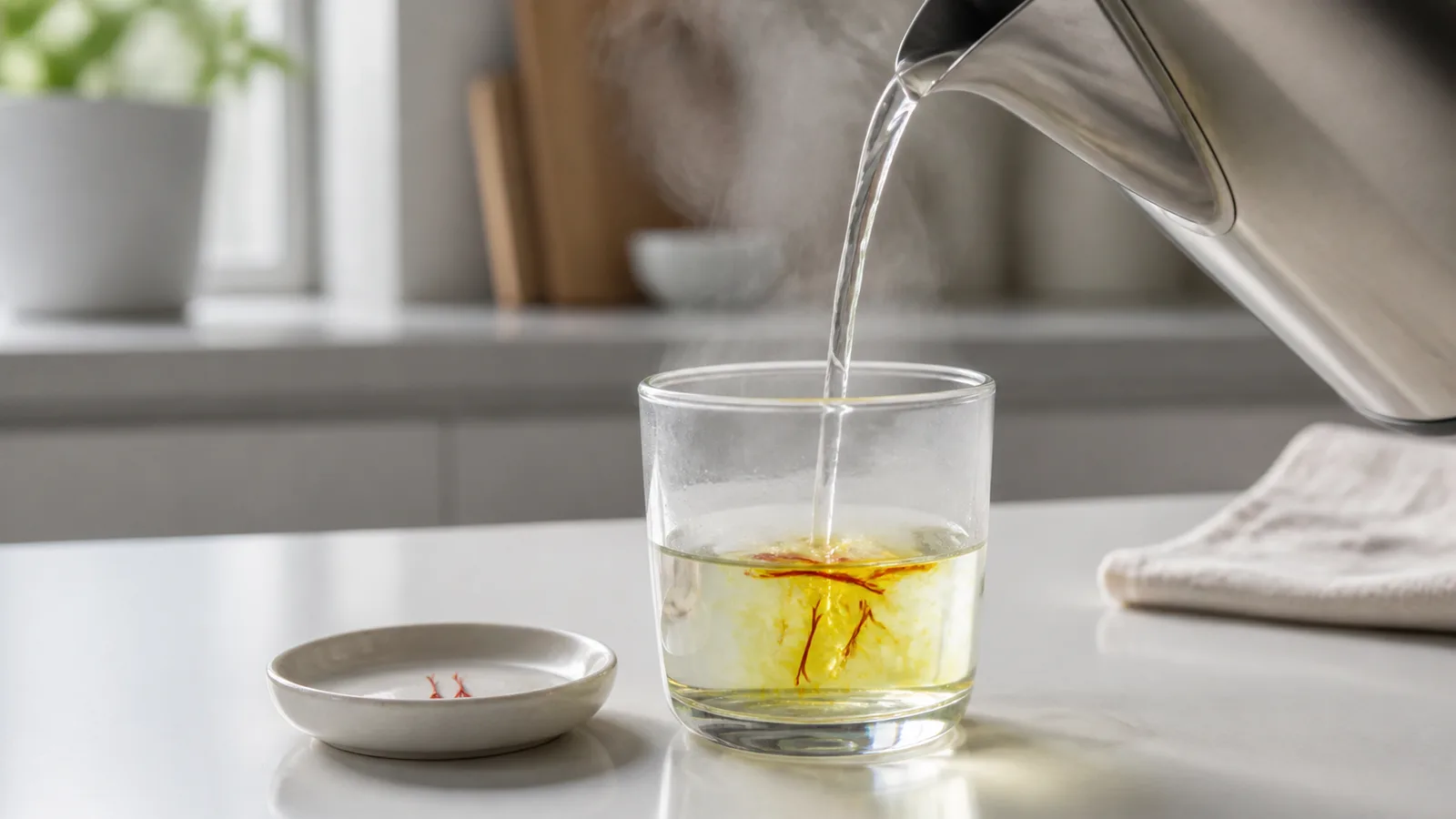
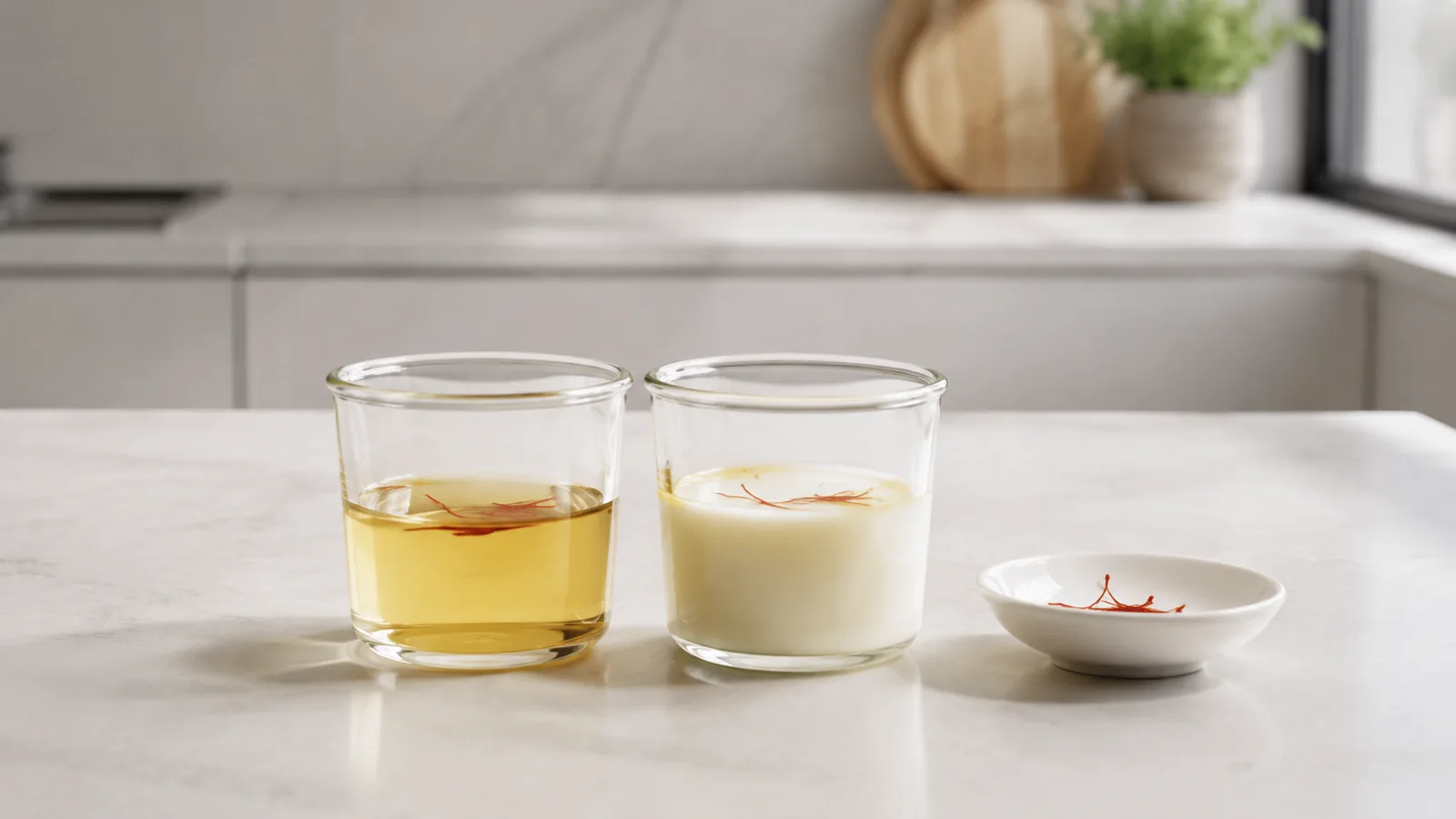
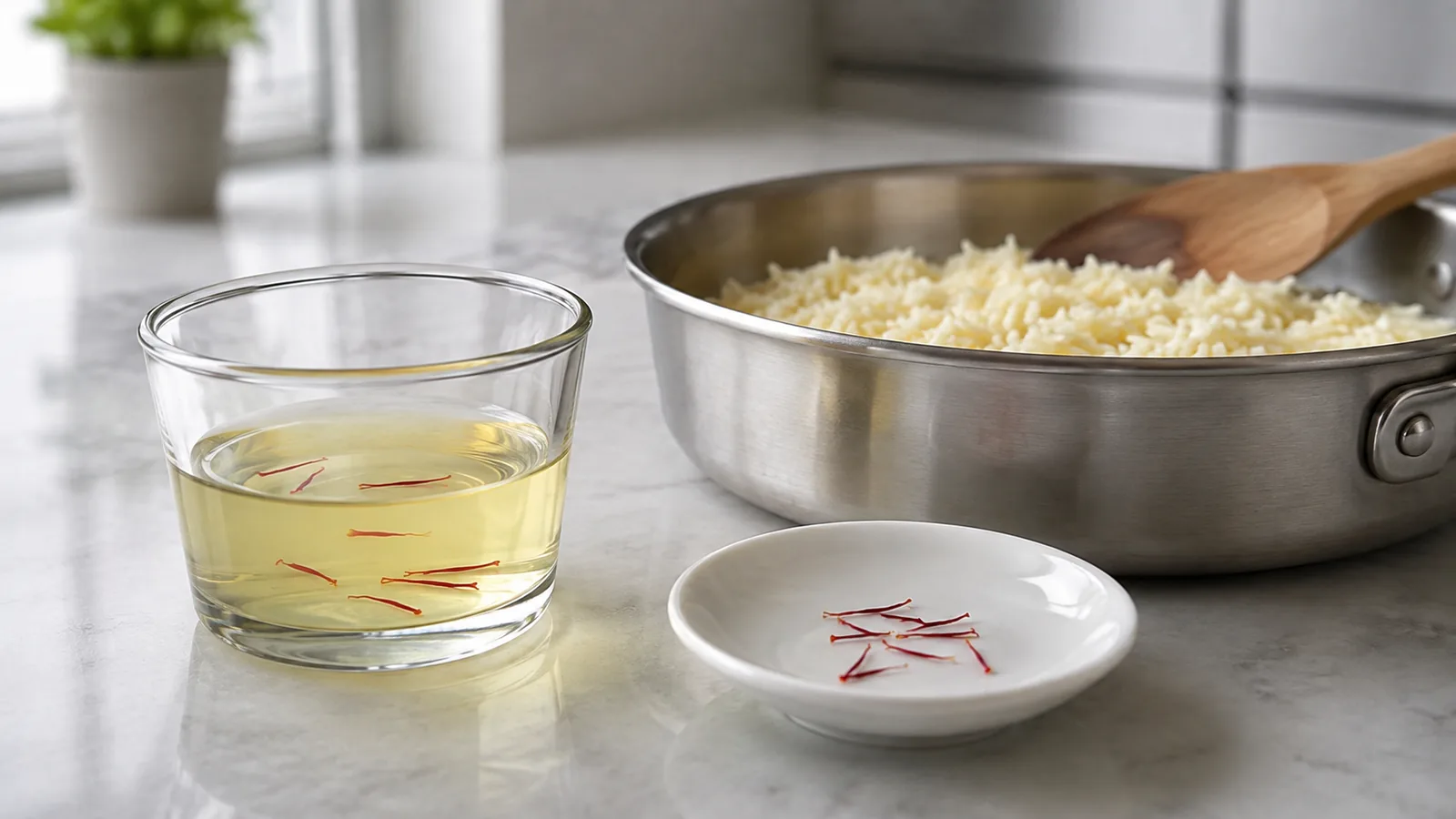
- 3 tablespoons concentrated brewed saffron
- Raisins, as needed and optional
- Salt and turmeric, as needed
- Animal oil or clarified butter, as needed
- Taftoon bread, one round for each person
- Pickles, for serving if desired
Mutton leg, shoulder and neck all suit slow cooking. Cut the meat into pieces smaller than ordinary stew cubes, but do not mince it. This corrects a confusing line in the older translation that says the pieces should be “smaller than minced meat.”
Soak, peel and split the chickpeas
Cover the chickpeas generously with cool water and leave them to soak overnight. Drain them the next day. Rub each chickpea between your fingers to loosen the skin, then split it along its natural seam into two halves.
For a larger batch, spread the soaked chickpeas on a clean cloth and roll a smooth glass gently over them with light pressure. Transfer them to a bowl of clean water and skim away the loosened skins. Avoid crushing the chickpeas into a paste; the halves should remain visible in the finished dish.
Brown the onion and mutton
- Peel all three onions. Finely chop two for the braise and slice the remaining onion for the garnish.
- Warm the 2 tablespoons cooking oil in a heavy pot over medium heat.
- Add the chopped onions and cook until golden.
- Add the mutton and turn the pieces until their surfaces change colour.
- Season with turmeric and a modest amount of salt.
- Add enough hot water to begin a slow braise, cover partially and simmer gently.
The recipe does not specify a fixed volume of water because the pot, meat cut and cooking time all affect evaporation. Start conservatively and add a little hot water only when needed. The final broth should be concentrated rather than soupy.
Add the chickpeas and Iranian saffron
When the mutton is about halfway to tender, add the peeled, split chickpeas and the 3 tablespoons brewed saffron. Stir once, return the pot to a gentle simmer and cook until both the meat and chickpeas are tender.
Check the pot occasionally so the chickpeas do not catch on the bottom. Toward the end, remove the lid if necessary and let excess liquid reduce. You need enough broth to moisten the taftoon, but the meat-and-chickpea mixture itself should be thick and well combined.
Make the onion and raisin topping
During the final 10 minutes of cooking, warm a small amount of animal oil or clarified butter in a separate frying pan. Fry the sliced onion until golden, then add a pinch of turmeric.
Add raisins if using them and toss only until they plump and become glossy. They can scorch quickly, so keep the heat moderate. A small spoonful of brewed saffron may be stirred into this topping for extra colour. Fatty bread can also be prepared without raisins, exactly as the original note allows.
Soak and fill the taftoon bread
- Lay one round of taftoon bread on a wide plate or tray.
- Spoon a little hot broth over it, turning or folding the bread briefly so both sides are moistened.
- Do not flood it. The bread should soften while remaining strong enough to hold the filling.
- Add mutton and split chickpeas across one half.
- Spoon the fried onion and raisins over the meat, then fold the bread in half.
Another method is to transfer the cooked mutton briefly to the pan with the fried onion and raisins, turn everything together, and then place that combined filling on the broth-soaked bread.
How rich should fatty bread be?
This dish is richer than an everyday stew, and the original version deliberately uses more oil. Animal oil deepens the traditional flavour, but “as needed” does not require soaking the filling in fat. Add enough to fry the garnish and carry the saffron aroma while keeping the concentrated broth in balance.
More meat makes a fuller filling, but the stated 500 g already gives the dish substance. People who limit saturated fat or manage cholesterol can use a leaner cut, trim visible fat, reduce the animal oil and choose a smaller portion. That changes the richness, not the basic cooking method.
Serve the fatty bread
Serve immediately while the taftoon is warm and pliable. Sharp pickles are a useful accompaniment because their acidity cuts through the mutton and fried onion.
The finished plate should have three distinct elements: tender pieces of mutton, soft split chickpeas in concentrated saffron broth, and taftoon that is moist enough to fold without becoming a wet paste.