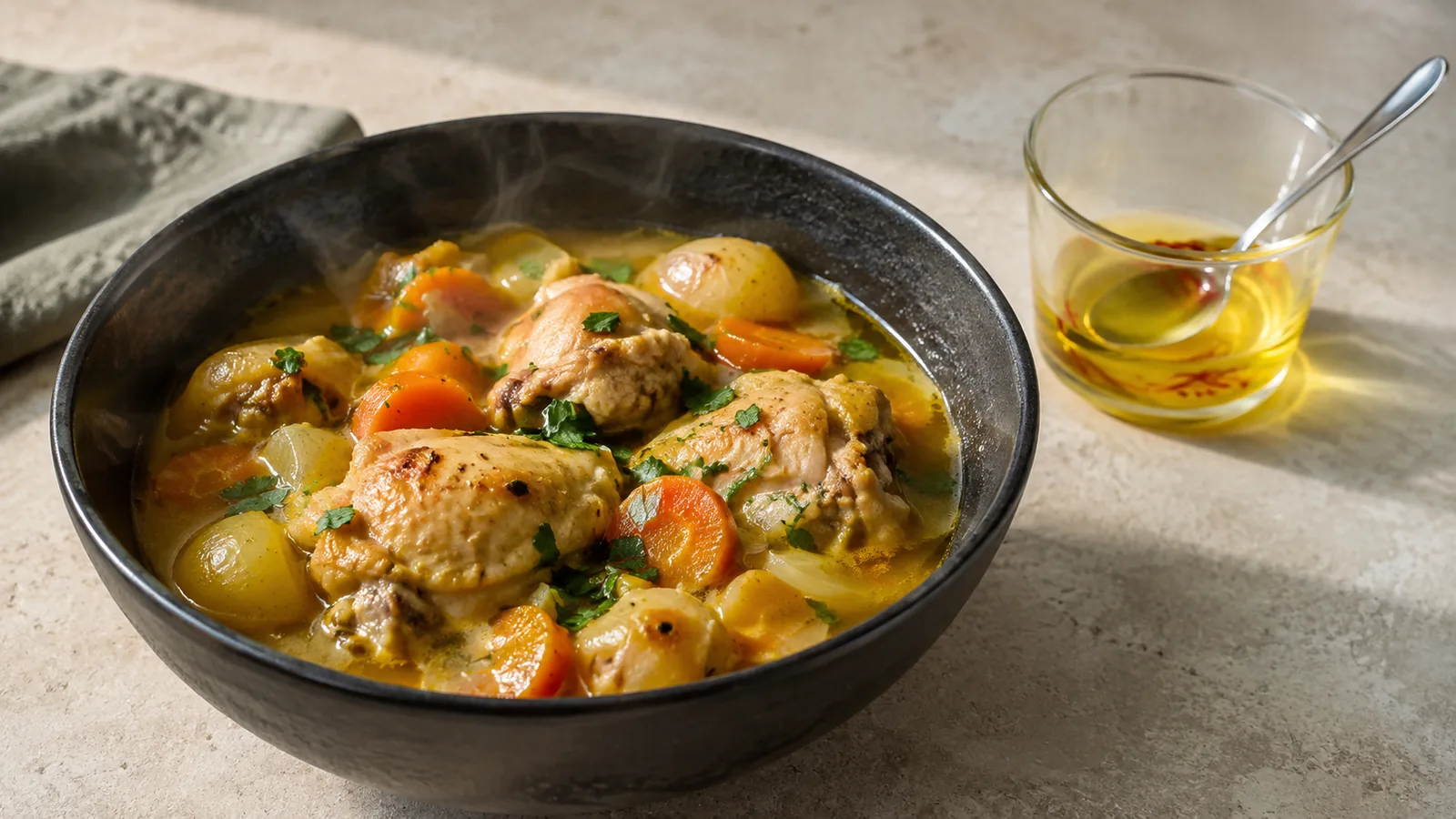
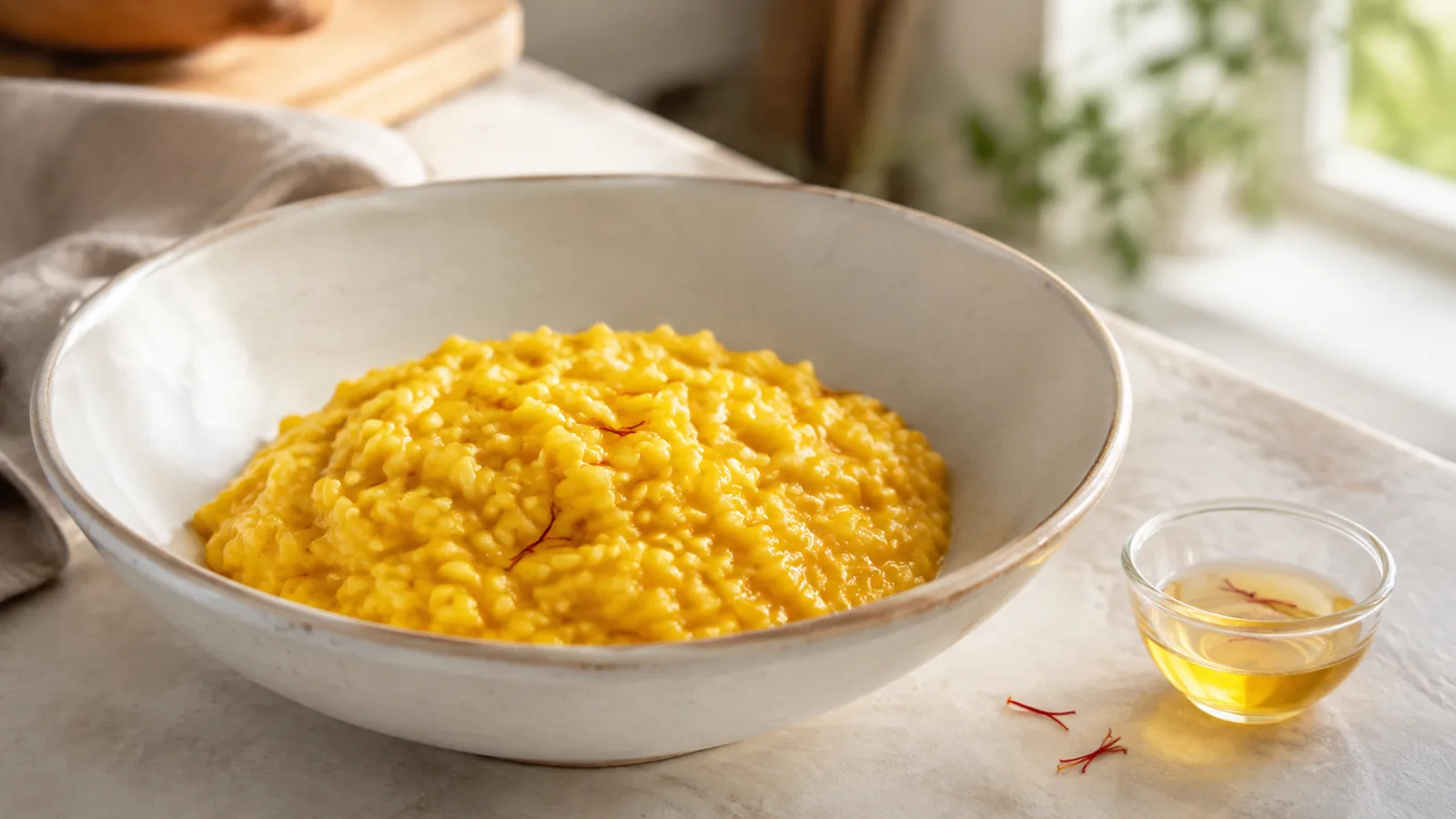
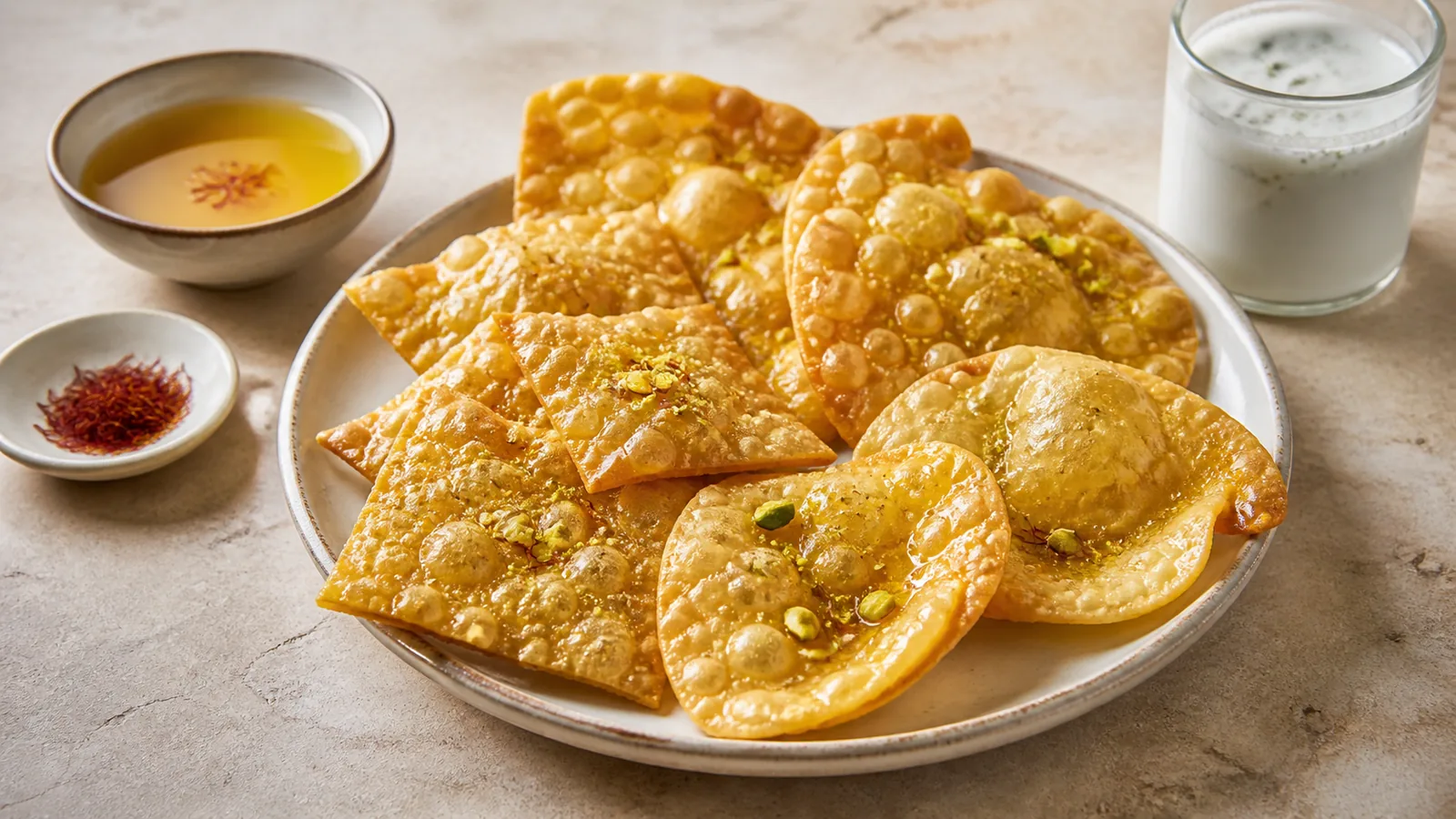
Gushfil is the Persian elephant ear sweet: thin pieces of rested dough that puff in hot oil, then take a short bath in saffron-and-rosewater syrup. It is especially popular during Ramadan, although in Isfahan the crisp pastry is famously enjoyed with cold, salty doogh throughout the year.
What are elephant ear sweets?
The name gushfil (also written goosh-e fil or gosh-e fil) means “elephant’s ear,” a reference to the folded or pinched shape. This is a fried pastry, not the hard confection some search results call elephant ear candy, and it is different from the large cinnamon-sugar fairground pastry known by a similar English name.
Persian versions are often dipped in fragrant syrup. Other regional versions may be dusted with icing sugar, cardamom and pistachios instead. The method below keeps the saffron syrup and Ramadan style of the original recipe.
Gushfil ingredients
For the pastry
- 3 large eggs, at room temperature
- ½ cup milk or thick mild yogurt
- 5 tablespoons melted butter or neutral oil, cooled
- 1 teaspoon baking powder
- About 500 g plain flour
- ¼ teaspoon fine salt
- Neutral high-heat oil, for deep-frying
For the saffron syrup
- 3 cups granulated sugar
- 1 cup water
- ¼ cup rosewater
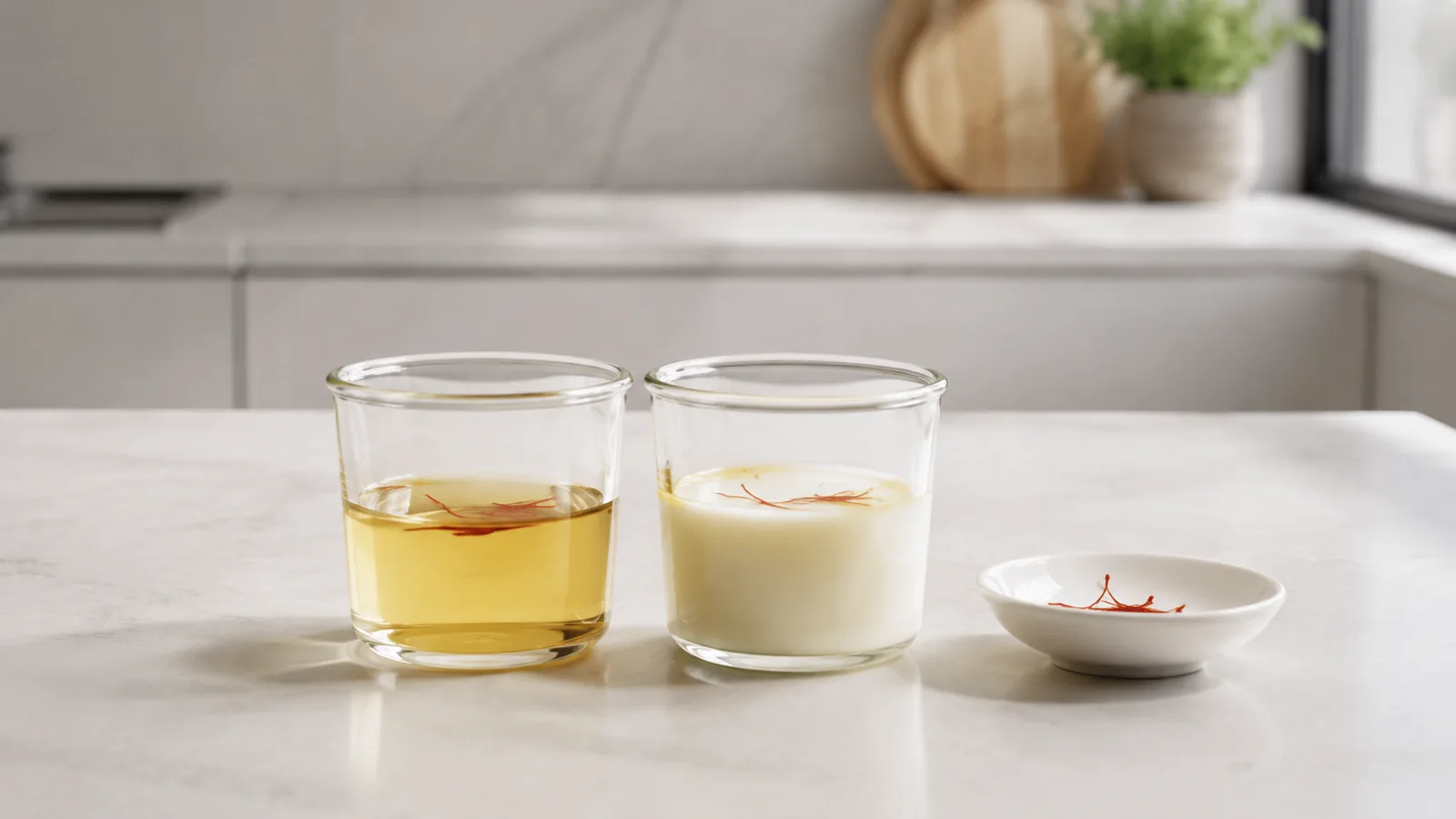
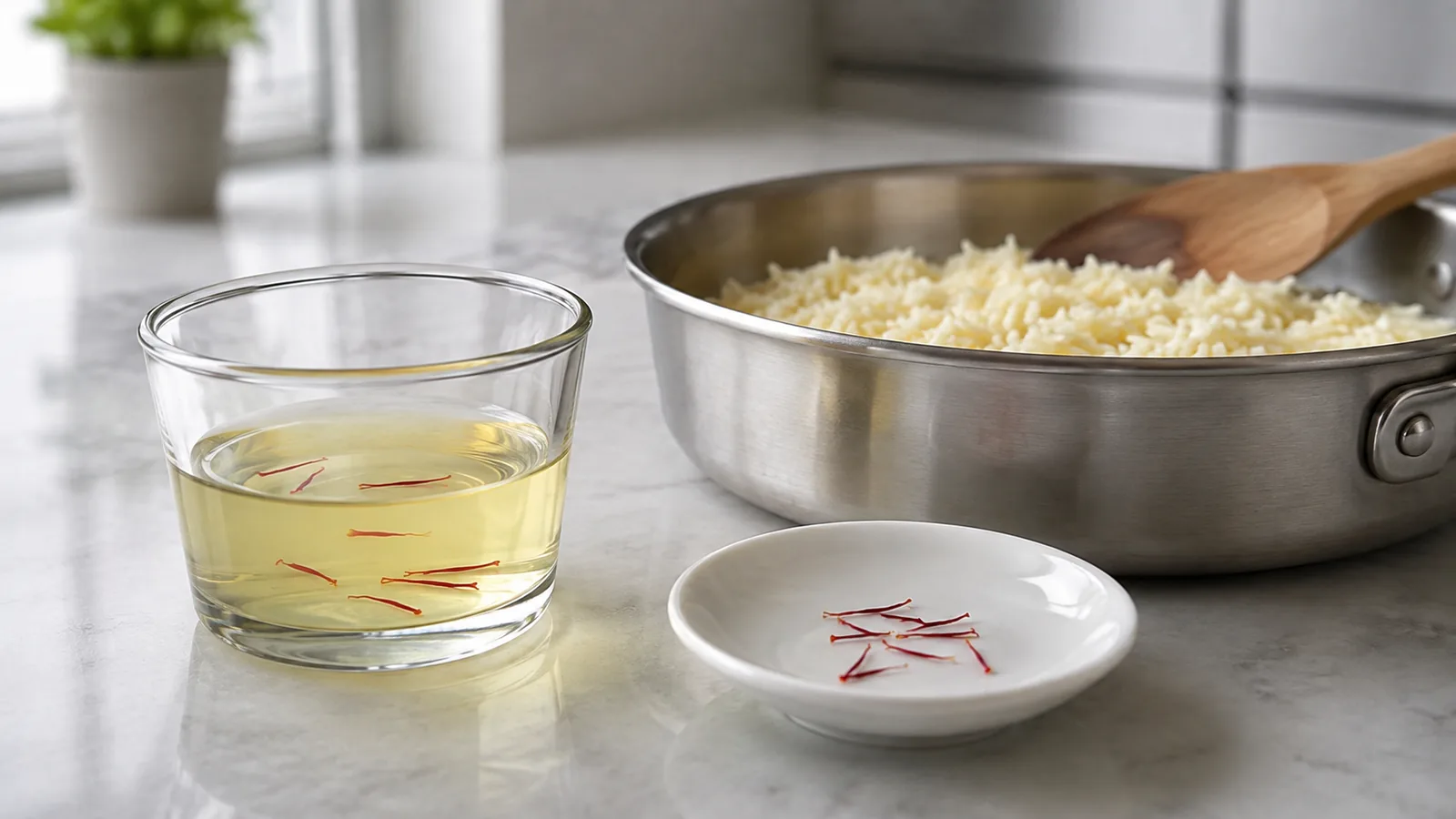
- 2 teaspoons concentrated brewed saffron
- ½ teaspoon fresh lemon juice
- Chopped pistachios or desiccated coconut, for finishing
Make the syrup first
Combine the sugar and water in a saucepan over medium heat. Stir only until the sugar dissolves, then simmer gently until the syrup has slightly thickened. Add the lemon juice, brewed saffron and rosewater during the final minute. Remove it from the heat and let it cool to room temperature.
A heavy syrup can crystallise on the pastry, while a watery one quickly softens it. The cooled syrup should fall from a spoon in a smooth, light ribbon rather than behaving like water or sticky candy.
How to make elephant ear pastry
1. Mix and rest the dough
Whisk the eggs with the milk or yogurt, baking powder and salt. Add the cooled butter or oil. Work in the flour gradually, stopping as soon as you have a soft dough that no longer clings to your fingers. The full 500 g is a guide: flour and yogurt vary, and forcing in too much flour will prevent the pastries from puffing.
Knead gently until smooth, then cover the bowl or wrap the dough so the surface cannot dry. Leave it at room temperature for 2 hours. This rest makes the dough easier to roll thinly and helps it blister in the oil.
2. Roll and shape
Divide the dough into manageable pieces. On a lightly floured surface, roll one piece to about 2 to 3 mm thick while the rest stays covered. Cut 5 to 6 cm rounds, diamonds or small squares. To make the traditional ear shape, pinch one side of a round so it fans outward.
Brush away loose flour before frying. Excess flour settles in the oil and burns, giving later batches a bitter taste.
3. Fry in small batches
Pour oil into a deep, heavy pan, leaving plenty of space above it. Heat to about 170°C (340°F). Slide in only a few pieces at a time. They should rise and blister without turning brown immediately. Turn once and fry until both sides are evenly golden.
Keep water away from the hot oil, use long tongs or a slotted spoon, and adjust the heat between batches. Oil that is too cool makes greasy pastry; oil that is smoking colours the outside before the centre turns crisp.
4. Dip in saffron syrup
Drain each hot batch briefly, then place it in the room-temperature syrup for 1 to 3 minutes. Thin pieces absorb syrup quickly, so taste one before leaving the next batch longer. Lift them to a rack and let the excess drip away.
How to keep gushfil crisp
Roll every piece to a similar thickness and do not overcrowd the oil. If an elephant ear pastry does not puff, the dough may contain too much flour, may not have rested long enough, or may have entered oil below temperature. If it softens soon after dipping, shorten the syrup time or cook the syrup a little further next time.
Finish the cooled pastries with pistachios or coconut. Serve them the same day for the cleanest crunch, with tea or, in the Isfahan tradition, doogh. If you must store them, keep them loosely covered at cool room temperature; a sealed container traps moisture from the syrup.