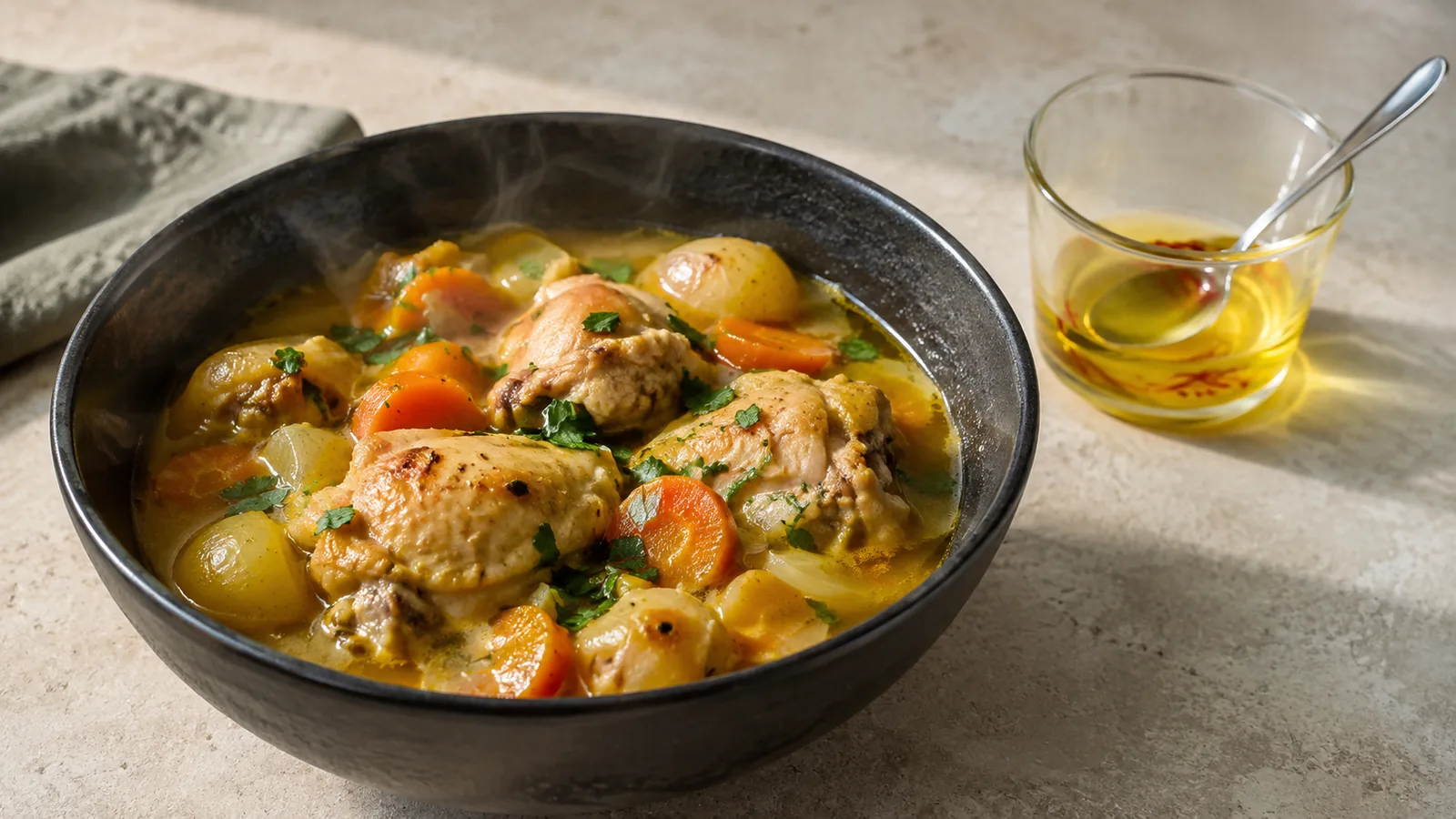
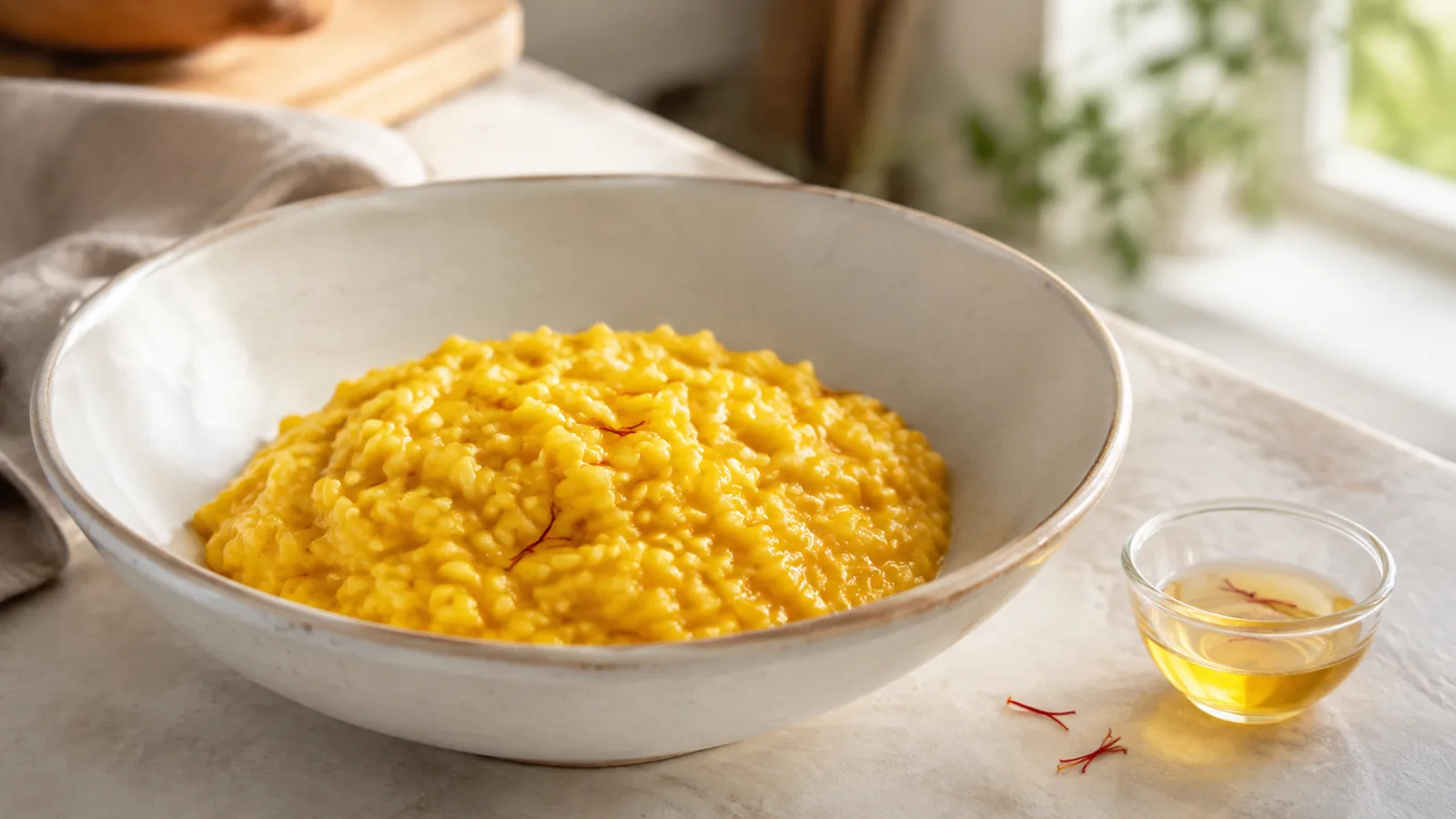
This Persian Carrot Kebab Saffron Isfahani Shami Recipe makes small lamb-and-carrot patties that simmer in a saffron glaze. The carrots soften the meat mixture, while chickpea flour helps each hand-shaped kebab stay together.
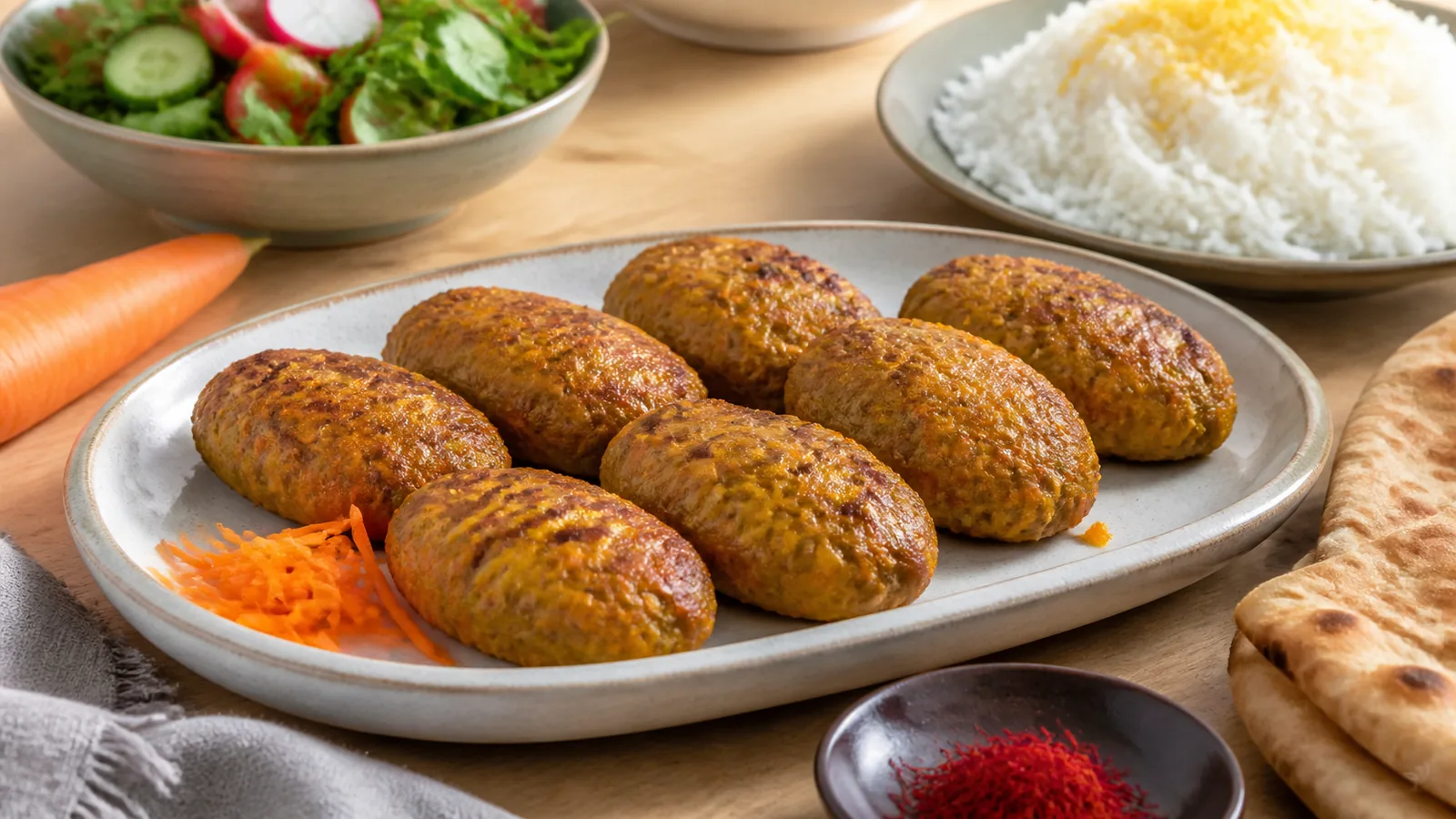
The dish is also known as shami havij or kabab-e zardak. This Persian shami recipe is for a hand-shaped patty rather than a skewered kebab: the fried pieces absorb a sweet saffron syrup, or a sweet-sour glaze made with vinegar and date molasses.
Persian carrot kebab ingredients
For the Isfahani shami
- 250 g minced lamb or mutton
- 4 medium carrots, peeled and finely grated
- 1 onion, finely grated
- 1 teaspoon chickpea flour, plus more only if needed
- 1/2 teaspoon ground turmeric
- Salt, to taste
- 1 egg, optional, if the mixture will not bind
- Neutral oil, for shallow-frying
For the saffron glaze
- 1/4 cup sugar
- 1/4 cup water
- A generous pinch of saffron threads, finely ground and infused
Sweet-sour alternative
- 2 tablespoons date molasses
- 2 tablespoons vinegar
- 1/4 cup water
- A generous pinch of saffron threads, finely ground and infused
Choose one glaze, not both. The sugar version follows the main recipe; the vinegar-and-date-molasses option comes from the original note and gives the carrot kebab a sharper finish.
Prepare the carrot and onion
Grate the carrots finely so they cook at the same pace as the small patties. Put the grated onion in a clean cloth or fine sieve and press out its excess liquid.
If the carrots are unusually juicy, squeeze them lightly as well. Do not press them completely dry: a little moisture keeps the meat tender, but too much makes shaping difficult.
Mix the Persian shami
Put the minced lamb, carrots, onion, turmeric and salt in a bowl. Knead by hand for 3 to 4 minutes, until the mixture becomes cohesive and the carrot is evenly distributed.
Add 1 teaspoon chickpea flour and mix again. Pinch off a small portion and roll it between your palms. If it holds a walnut-size shape, do not add more flour.
If the mixture remains crumbly after thorough mixing, add the optional beaten egg a little at a time. The old instruction places the egg in the sauce, but it is useful here as a binder; an egg added to the glaze would curdle rather than thicken it cleanly.
Cover and refrigerate for 20 minutes. This short rest lets the chickpea flour absorb moisture and makes the kebabs easier to fry.
Shape and fry the carrot kebabs
Take walnut-size portions and roll them into compact ovals or small round patties. Keep them similar in size so they cook evenly.
Warm a shallow layer of oil in a wide frying pan over medium heat. Add one test kebab. It should sizzle steadily and keep its shape; if it spreads, work another teaspoon of chickpea flour into the remaining mixture.
Fry the kebabs in batches, turning them until all sides are well browned. They do not need to be completely cooked at this stage because they will finish in the glaze. Transfer them to a plate and pour away excess frying oil.
Make the saffron glaze
For the sweet version, combine the sugar and water in a small saucepan. Warm gently, stirring only until the sugar dissolves. Add the saffron infusion and remove from the heat.
For the sweet-sour version, stir together the date molasses, vinegar, water and saffron. Taste before it reaches the kebabs. Date molasses varies in sweetness and vinegar varies in strength, so add a spoonful of water if the balance is too sharp.
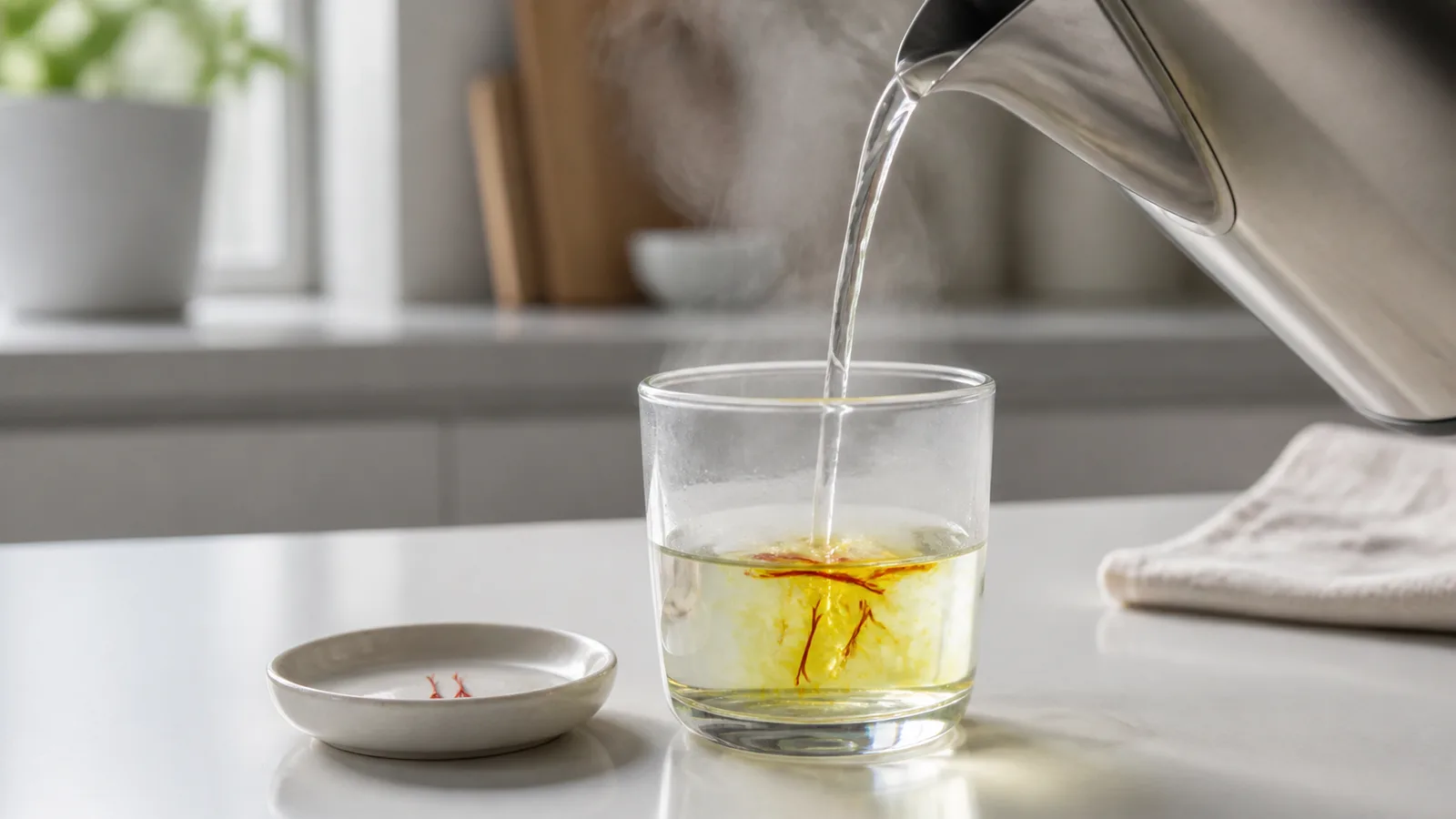
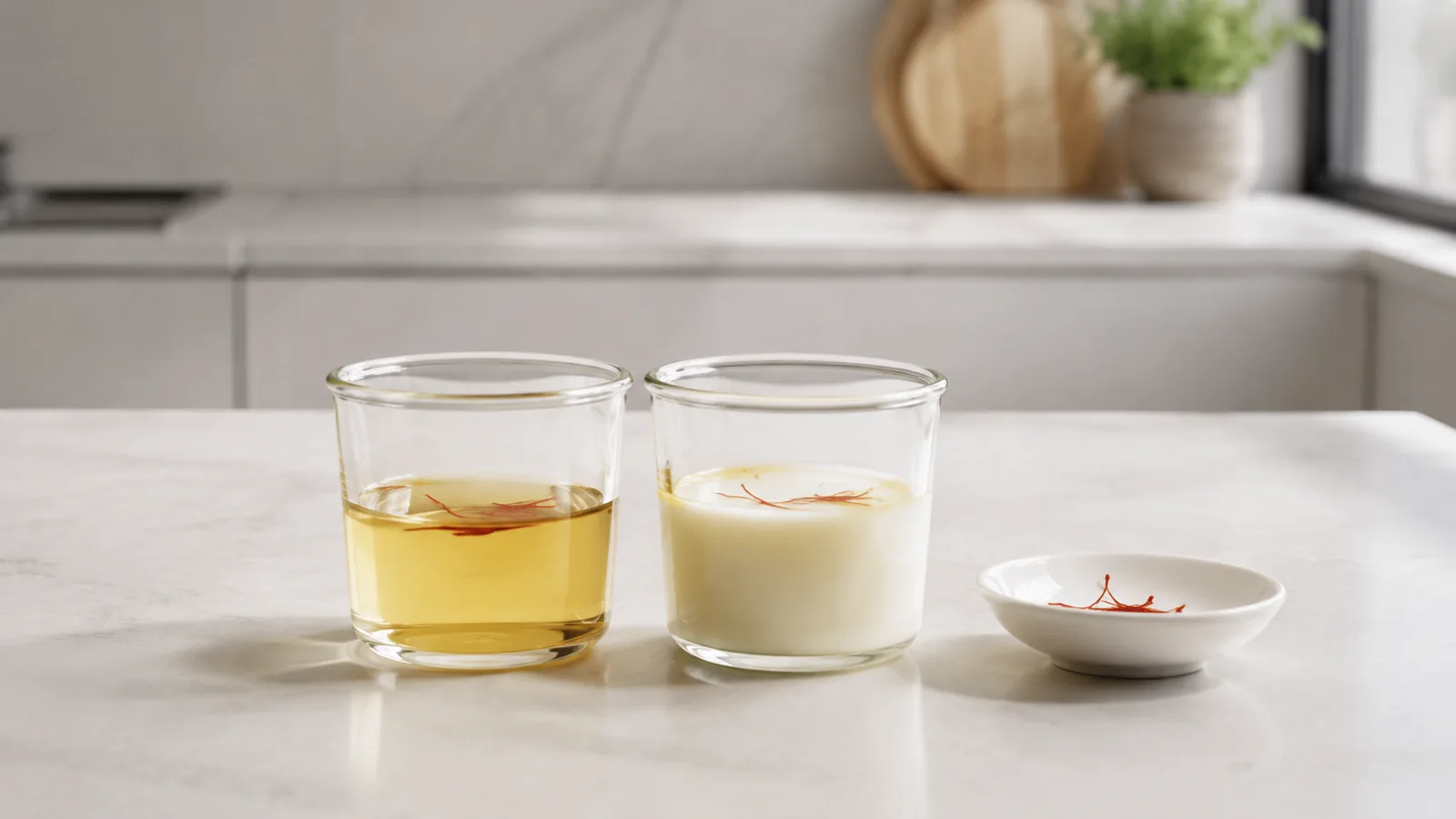
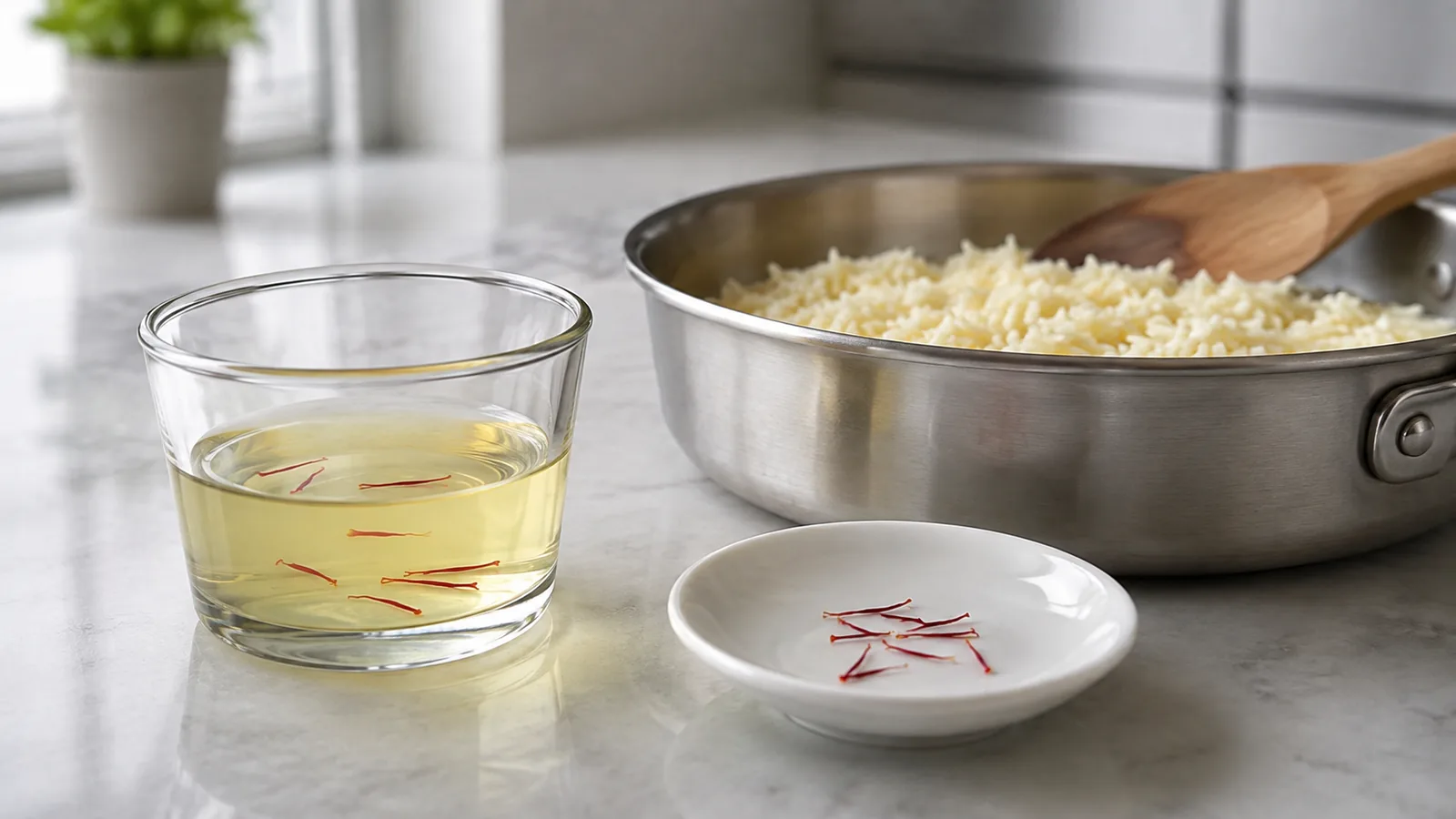
Our guide to brewing saffron explains how to draw colour and aroma from a small pinch without leaving dry threads in the sauce.
Simmer until the glaze is absorbed
Arrange the fried patties in a single layer in a clean, wide pan. Pour your chosen glaze over them and bring it to the gentlest simmer.
Cover loosely and cook over low heat for 30 to 45 minutes. Turn the kebabs once with care so both sides absorb the saffron glaze. The finished sauce should lightly coat the patties rather than pool like broth.
If the glaze remains thin, remove the lid and let it reduce for a few minutes. Do not add raw egg to the sauce. If it becomes sticky before the kebabs are hot through, loosen it with one or two tablespoons of water.
Serve shami havij
Serve the Isfahani shami warm with bread or plain rice and a crisp salad. Spoon a little of the remaining glaze over each portion.
The sweet version has a gentle confection-like edge that suits the natural flavour of carrot. The date-molasses version is darker and tangier, with the vinegar keeping the glaze from tasting heavy.
Cooking checks
- Patties crack in the pan: knead longer, chill the mixture and add chickpea flour one teaspoon at a time.
- Texture becomes dense: avoid adding extra flour once a test patty holds together.
- Glaze scorches: use low heat and add a spoonful of water before the sugar catches.
- Carrot remains coarse: grate it finely rather than using thick shreds.
Storage
Cool leftovers promptly and refrigerate in a covered container for up to 2 days. Reheat the patties and glaze gently until hot throughout, adding a splash of water if the chilled sauce has become very thick.