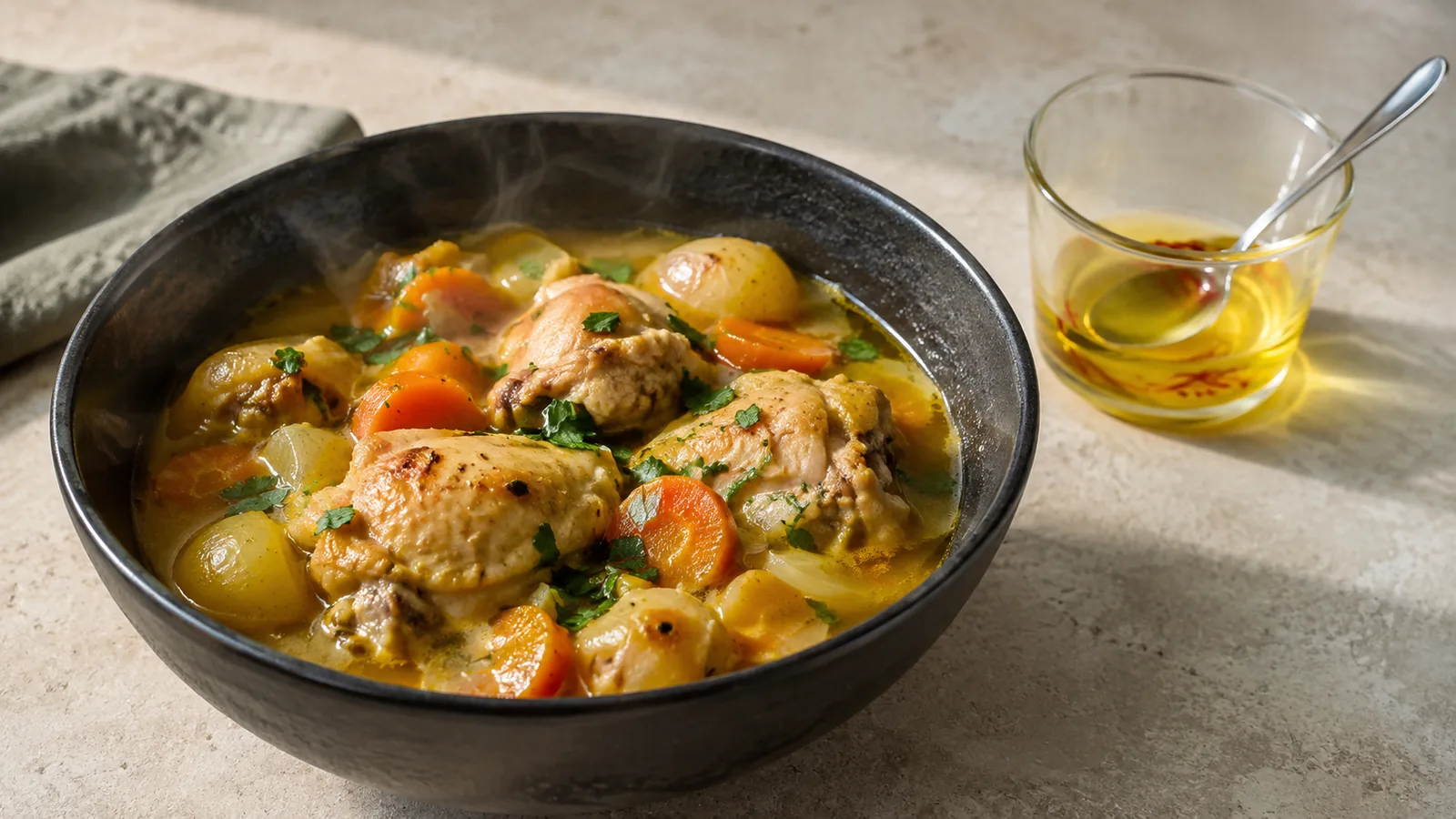
Omaj halva is an Azerbaijani-Iranian flour halva with a texture unlike the smooth versions found elsewhere in Iran. Milk is sprinkled over flour and rubbed into tiny grains—called omaj or umaj—before they are dried, toasted and slowly cooked with saffron syrup.
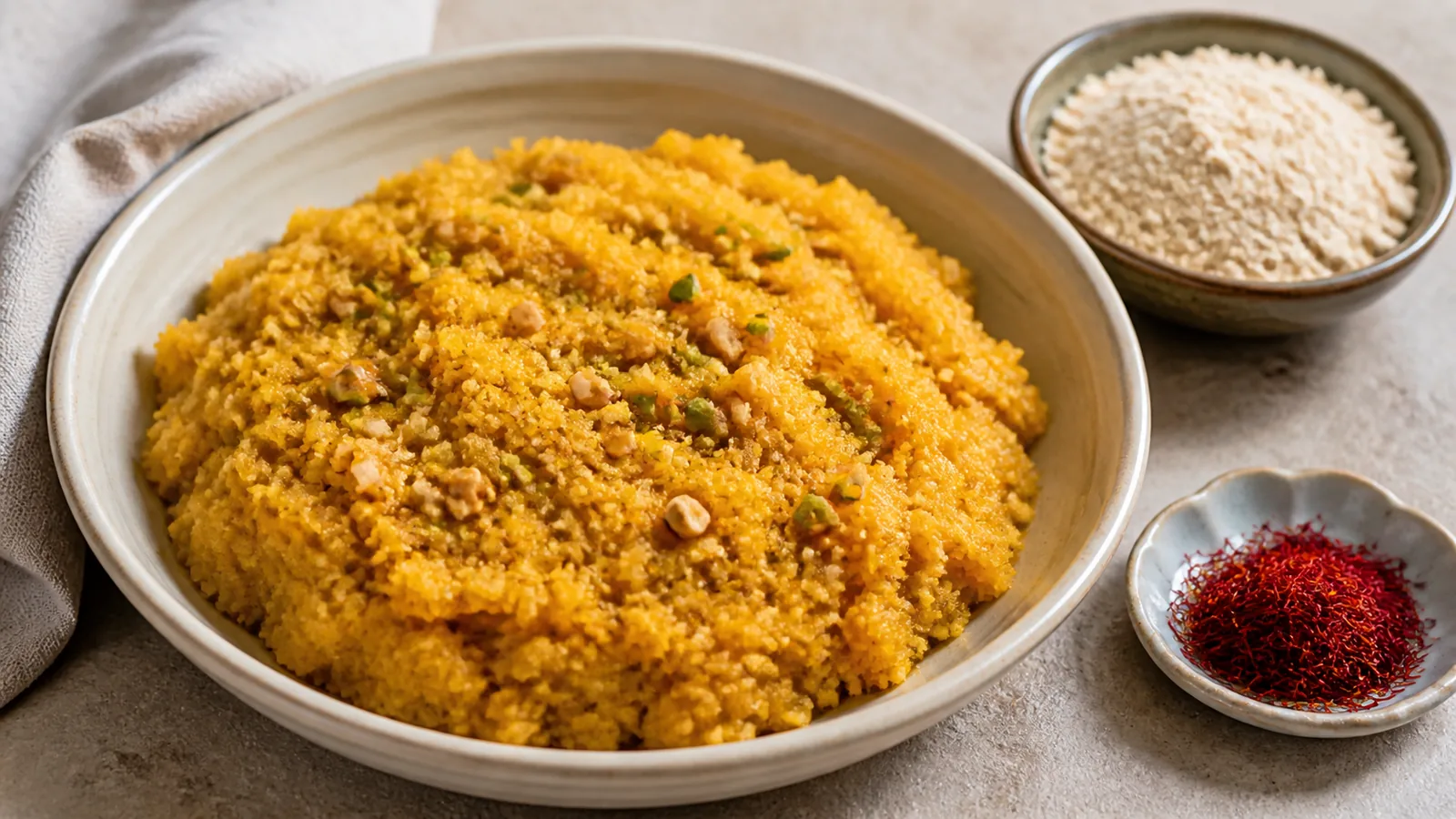
Omaj halva ingredients
- 2 cups wheat flour
- 1 cup milk
- ⅛ teaspoon salt
- ¾ cup neutral oil
- ½ cup sugar
- 1 cup water
- ½ cup grape juice
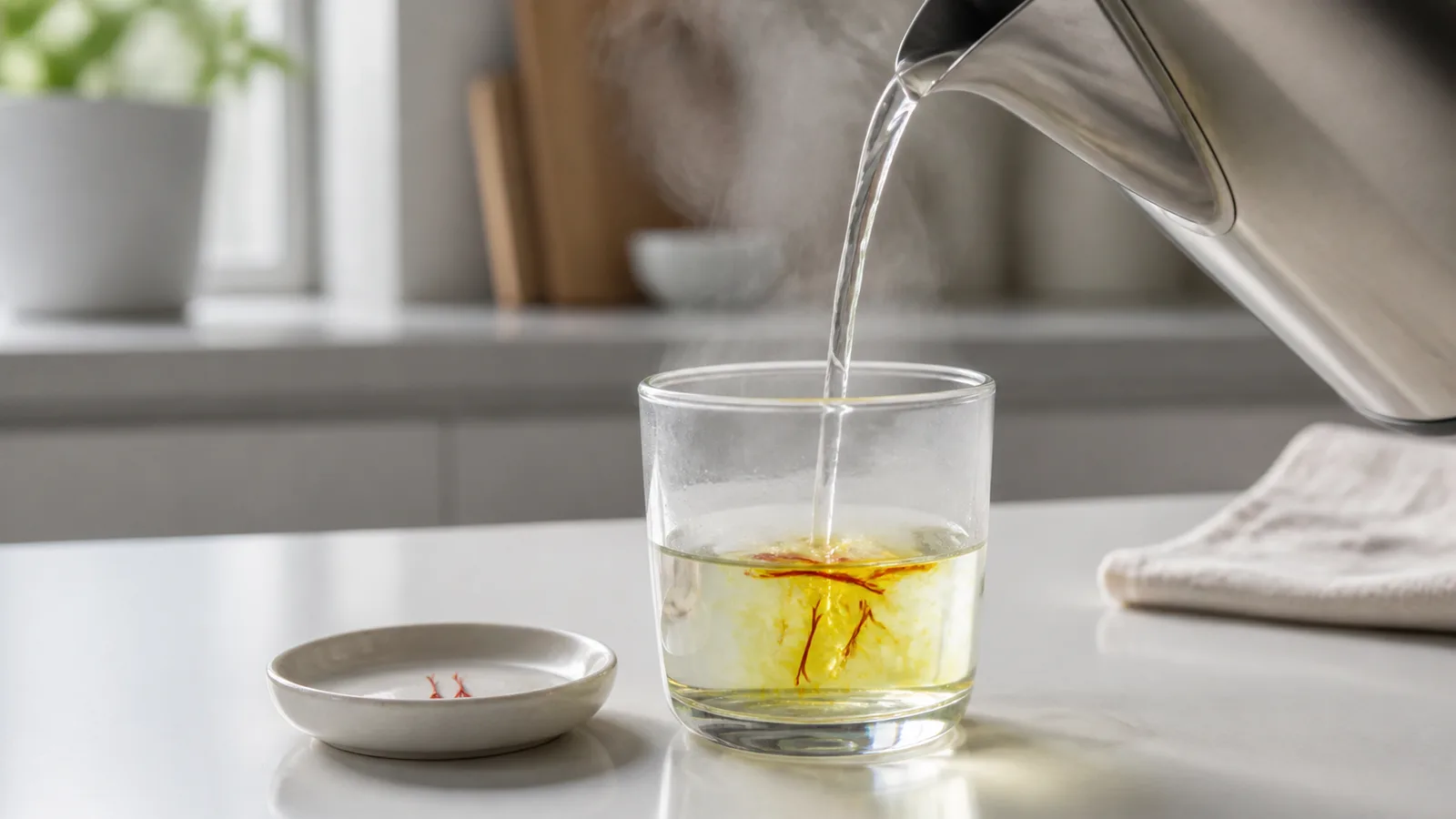
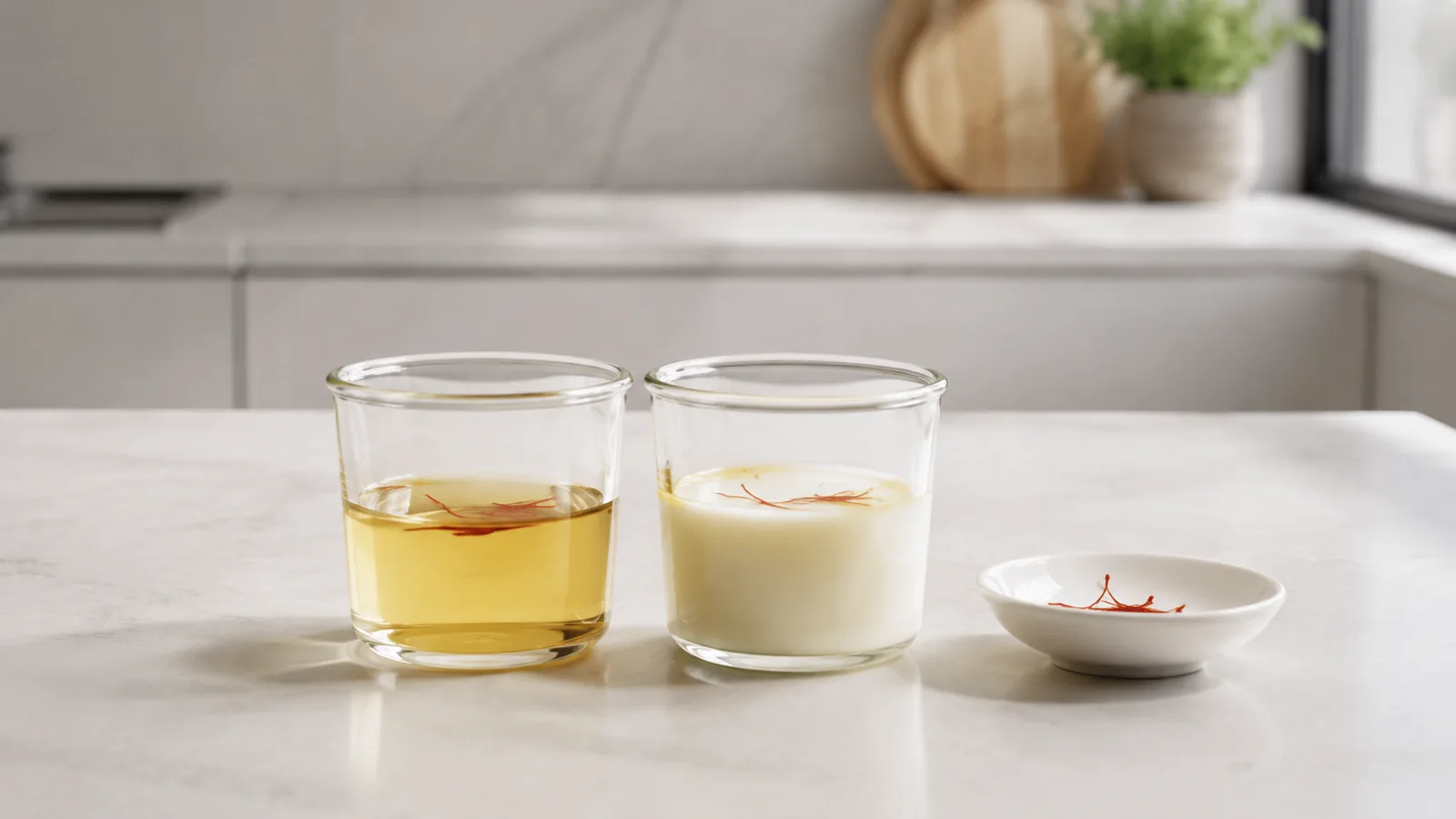
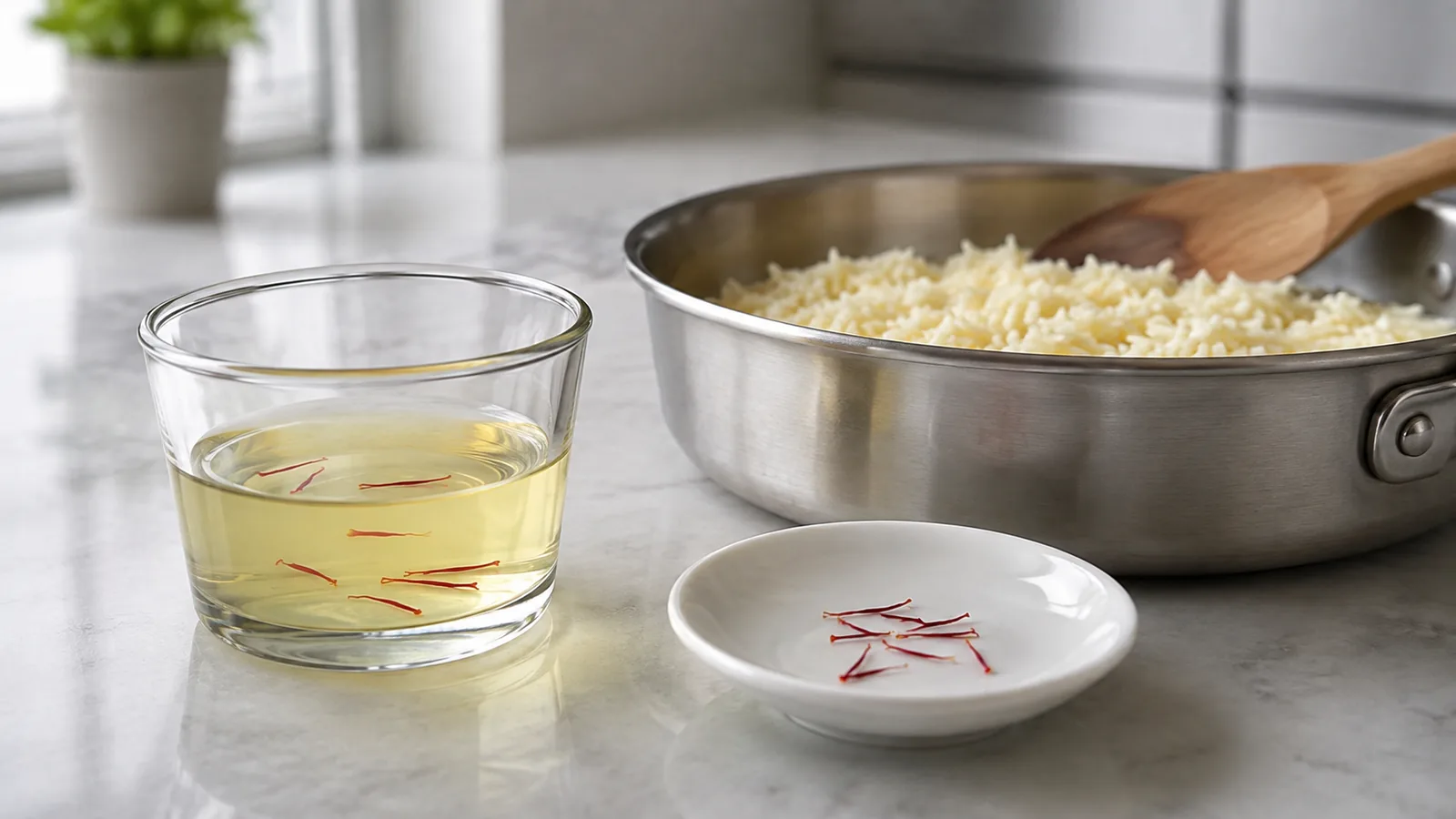
- ⅓ cup brewed saffron
- 3 tablespoons rosewater
- ¼ teaspoon ground cardamom
- ½ cup finely chopped or ground walnuts
In Azerbaijani usage the dish is also called Omaj Halvasi or umaç helvası. The name describes its defining action: rubbing moistened flour between the palms until it resembles coarse sand.
Make and dry the omaj grains
Spread the flour in a wide tray and mix in the salt. Sprinkle the milk over it a little at a time. Do not pour the milk into one spot; fine droplets make it much easier to form small, even grains rather than a mass of dough.
Rub the damp flour gently between your palms. Break up the larger pieces until the tray is filled with crumbs ranging from fine sand to tiny pellets. Spread them in a thin layer and leave them to dry for about four to five hours in a cool, clean place.
The grains must be dry before they are toasted. If they remain wet inside, they can form heavy lumps in the finished halva. Once dry, pulse them briefly in a food processor or pass them through a coarse sieve. The aim is an even granular texture, not flour powder.
Prepare the saffron syrup
Combine the sugar, water and brewed saffron in a saucepan. Warm gently until the sugar dissolves, then add the grape juice and bring the mixture to a quiet simmer. Remove it from the heat and stir in the cardamom and rosewater.
This formula means ordinary unsweetened grape juice. Concentrated grape molasses is a different ingredient: it is darker and much sweeter, and using half a cup without reducing the sugar and liquid would change the recipe substantially.
Toast and cook the halva
- Transfer the dried omaj grains to a broad, heavy pan. Toast over medium-low heat, stirring constantly, until they smell nutty and colour evenly.
- Add the oil and continue stirring. Cook until the grains reach the shade you prefer; a longer toast gives darker halva, but stop before the flour tastes burnt.
- Take the pan off the heat. Add the hot syrup gradually, standing back from the steam and stirring after each addition.
- Return the pan to low heat once the bubbling settles. Stir until the syrup is evenly absorbed.
- Cover and cook very gently for about 30–40 minutes so the small dough grains cook through. Lift the lid several times to stir and scrape the base.
- Fold in the walnuts when the halva is tender, cohesive and no longer watery.
How to judge the finished texture
Omaj halva should remain visibly granular. It is not meant to become the completely smooth paste of conventional wheat-flour halva. A spoonful should hold together on the plate, but individual soft grains should still be apparent.
If it looks dry before the grains are tender, add a small splash of hot water, cover and continue on the lowest heat. If it is loose after 40 minutes, uncover it and stir until the excess moisture evaporates. These adjustments are safer than raising the heat, which can catch the sweet mixture on the base.
Serving Omaj Halvasi
Spoon the warm halva onto a platter and shape it with the back of a spoon. Finish with a little extra walnut, pistachio or a few decorative lines made with a fork. It is traditionally associated with religious and mourning gatherings in parts of Iranian Azerbaijan, though it can be prepared whenever a textured saffron halva is wanted.
The inherited scaling note says that 1 kg of flour makes three to four serving platters. Treat that only as a rough catering estimate because platter size varies; for the household formula above, judge portions from the finished weight rather than that note.
Omaj halva rewards patience at two points: drying the milk-moistened flour thoroughly, then cooking the toasted grains slowly in the saffron syrup. Those steps create the characteristic sandy texture that distinguishes umaj from other Iranian halva recipes.