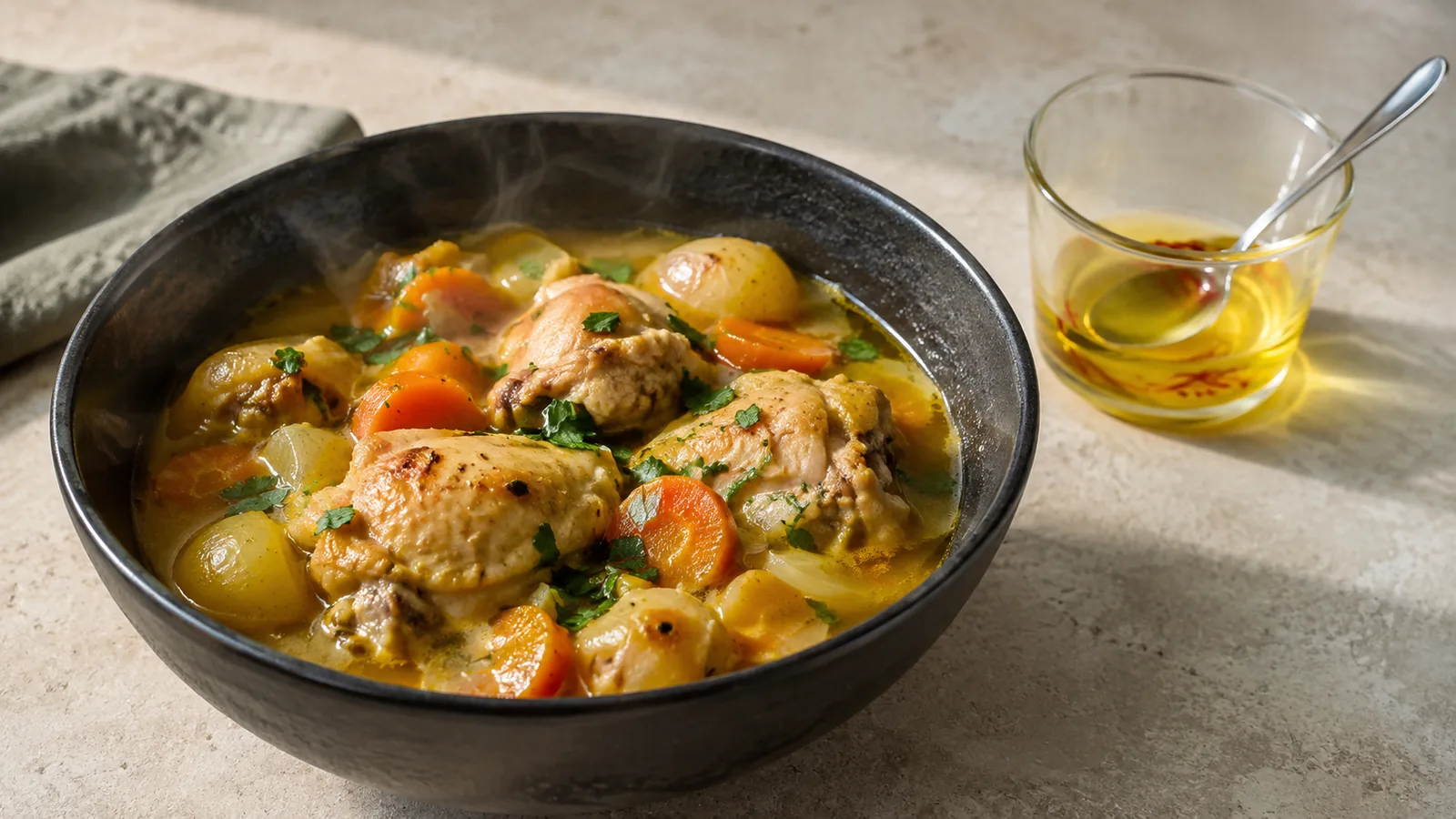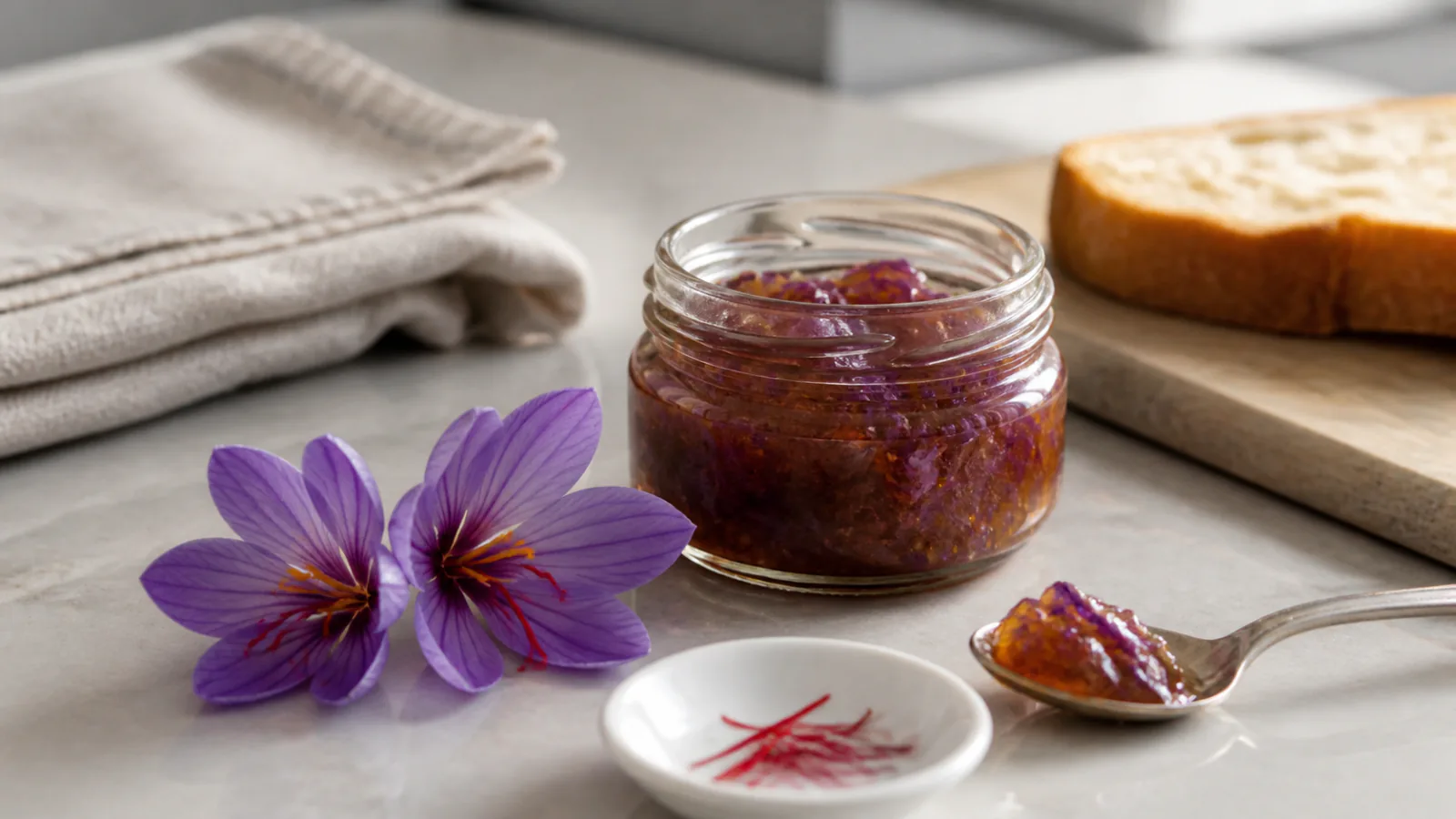
Learn how to make saffron flower jam from the purple petals left after the red threads are harvested. This Persian-style refrigerator preserve is lightly floral, gently tart and more syrupy than a fruit jam. It uses Crocus sativus petals—not the red stigmas and never an unidentified garden “autumn crocus.”
The recipe is designed for refrigeration, not shelf-stable canning. Flower petals are a low-acid ingredient, and this formula has not been validated by a food-preservation authority for a water-bath process. Keep the finished jam cold or freeze it in small portions.
Learn How to Make Saffron Flower Jam Safely
First, identify the flower of saffron correctly
The true flower of saffron is Crocus sativus, an autumn-flowering crocus with six purple tepals and three long red stigmas. The stigmas become the spice. The petals can be used for this recipe only when the plant’s identity and cultivation history are certain.
Do not gather lookalikes from parks, roadsides or ornamental beds. The plant commonly called autumn crocus, Colchicum autumnale, is not saffron and is highly poisonous. Poison Control lists it among poisonous plants and stresses that safe advice depends on accurate identification.
Use petals grown or sold for food. Florist and ornamental flowers may have been treated with products not intended for edible crops. Discard petals with mould, decay, heavy dirt or an unknown spray history.
How to get saffron from a flower
If you are working with freshly harvested Crocus sativus, separate the spice before making the jam:
- Handle the flowers promptly in a clean, cool workspace.
- Open each flower and lift out the three red stigmas without crushing them.
- Keep the stigmas separate for controlled drying; do not wash them with the petals.
- Remove the yellow stamens and green stem material from the purple petals.
- Rinse the petals gently in cool potable water, drain and spread them on a clean towel.
This is how to get saffron threads and an edible petal by-product from the same flower. The spice’s strong aroma, bitterness and colouring power are concentrated in the stigmas; the petals make a much milder preserve.
Saffron flower jam ingredients
- 4 lightly packed cups verified fresh Crocus sativus petals, rinsed and drained;
- 2 cups granulated sugar;
- 1 cup water;
- 2 tablespoons bottled lemon juice for consistent acidity and flavour; and
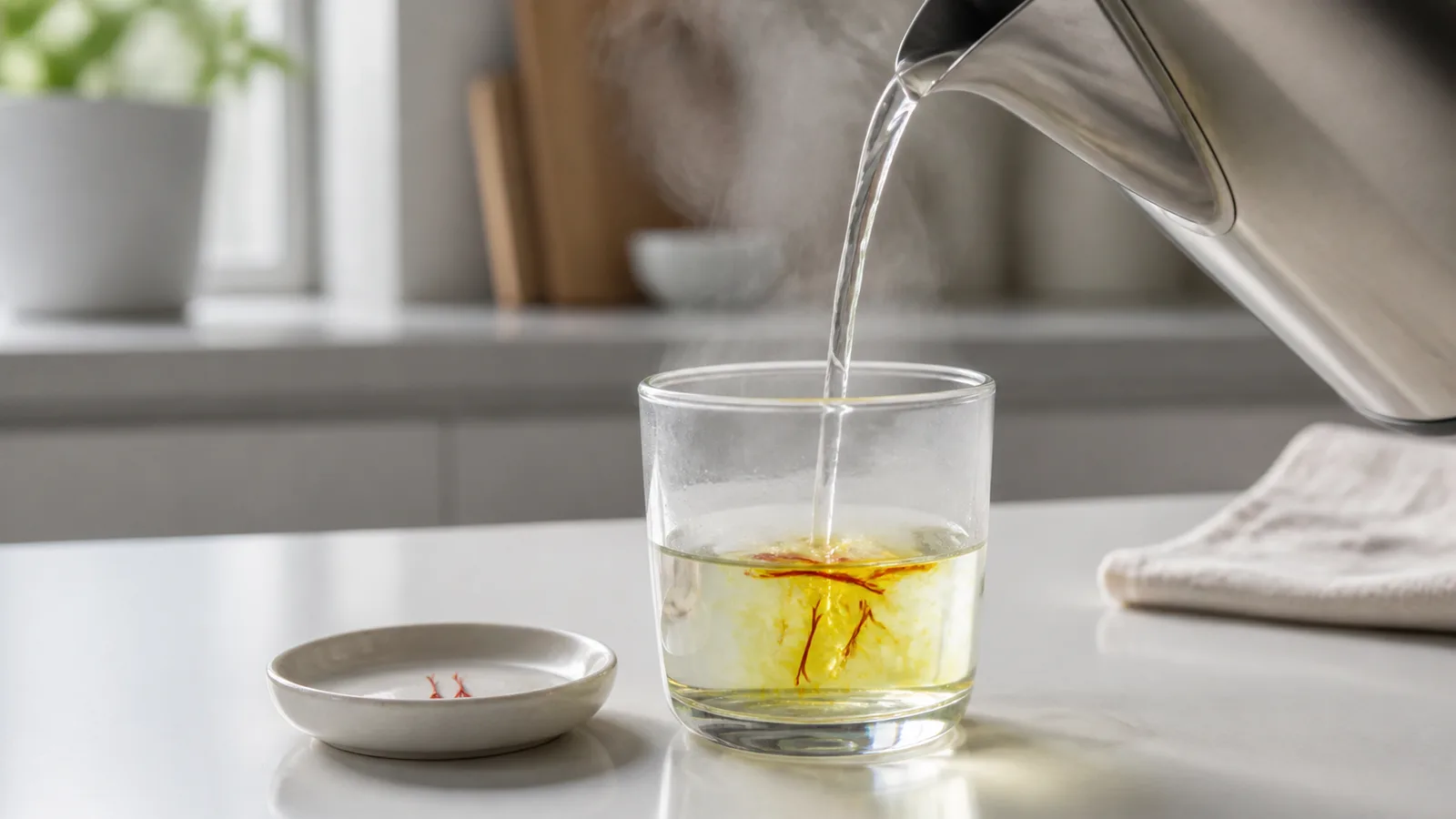
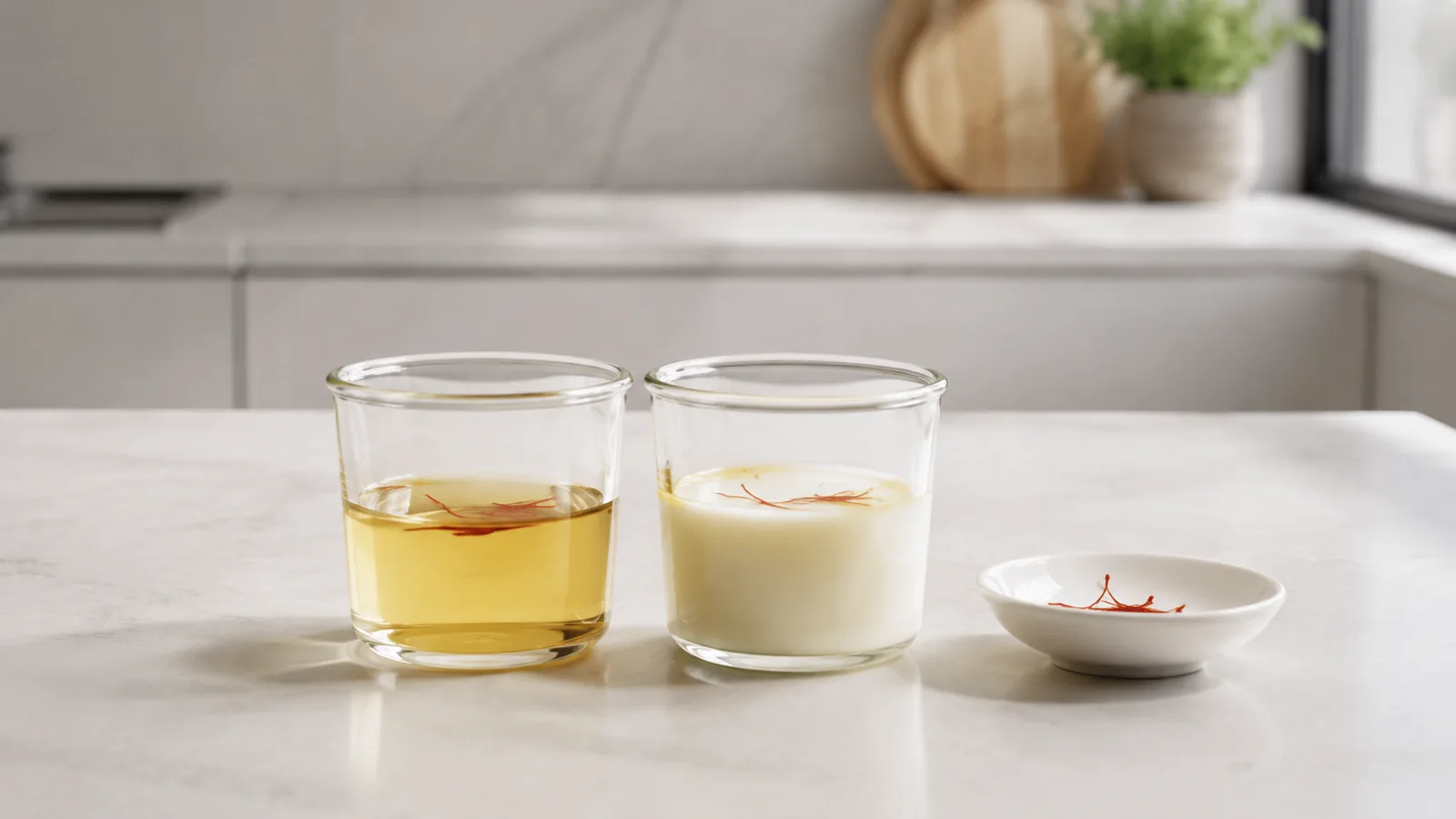
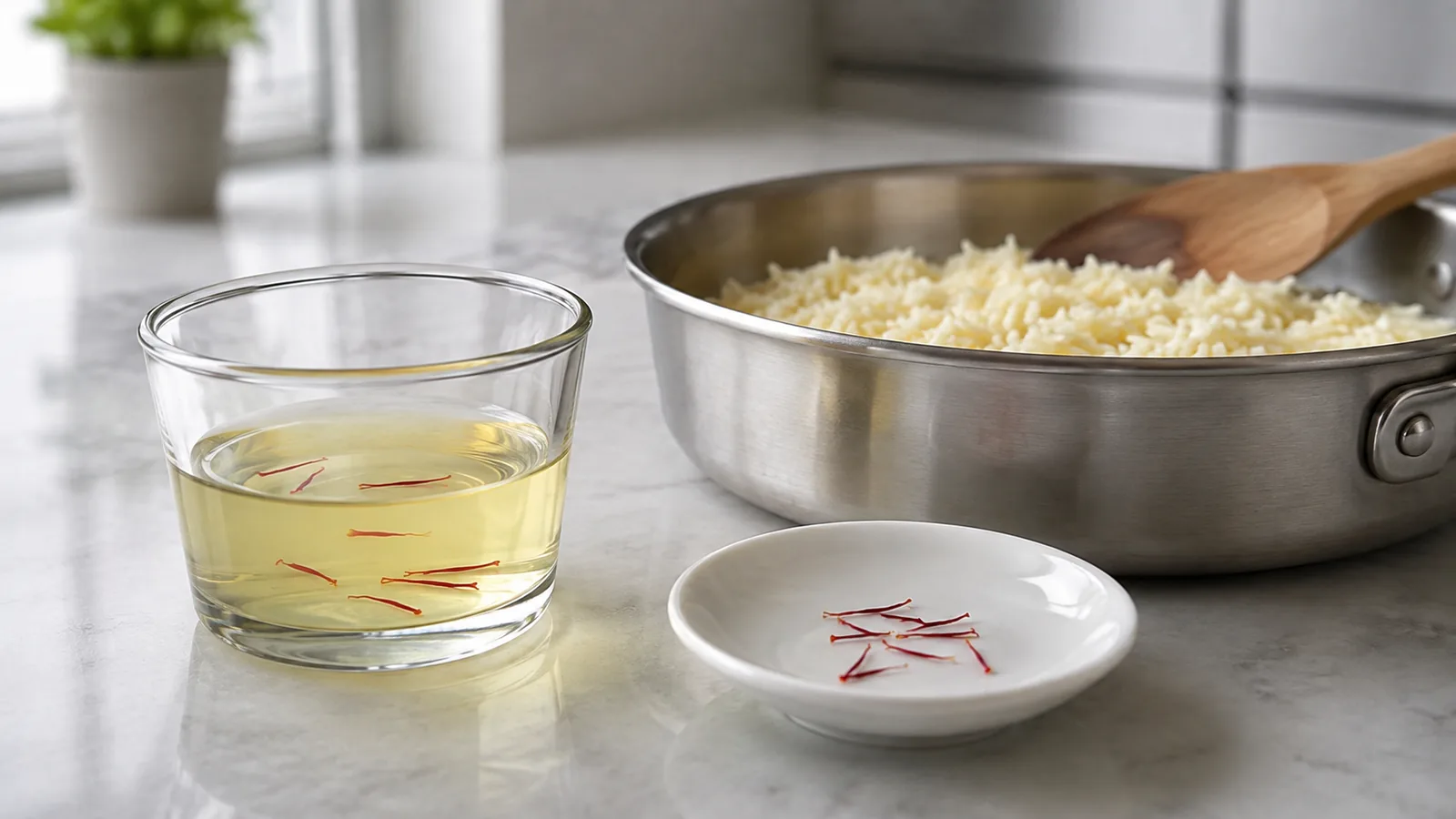
- 5–8 genuine saffron threads, optional.
The optional threads deepen the familiar saffron aroma and golden tone, but the recipe remains a petal preserve. Do not increase the batch size until you know how the petals behave; a wider or deeper pan changes evaporation.
Step-by-step method
- Prepare the container. Wash a heat-safe jar and lid in hot soapy water, rinse well and keep them clean. This does not make the recipe shelf stable.
- Make the syrup. Combine sugar and water in a heavy, non-reactive saucepan. Warm over medium heat, stirring until the sugar dissolves.
- Add the petals. Bring the syrup to a gentle simmer, add the drained petals and reduce the heat.
- Cook gently. Simmer uncovered for about 15–20 minutes, stirring carefully. The petals will soften and the syrup will thicken slightly.
- Add lemon and optional threads. Stir them in during the final 2 minutes. Do not overcook in pursuit of a firm gel; the preserve thickens as it cools.
- Pack and cool. Spoon the hot preserve into the clean jar, leaving room at the top. Cool briefly, close the lid and refrigerate promptly.
The finished texture should be a spoonable petal preserve in a light syrup. If you want a firm gel, use a separately tested recipe designed for that ingredient and pectin rather than improvising canning ratios.
Storage and food-safety rules
Label the jar with the preparation date, refrigerate at 4°C/40°F or colder and use a clean spoon each time. For this unvalidated refrigerator recipe, a conservative home rule is to use it within 7 days. Freeze extra portions promptly in suitable containers, leaving expansion space.
Discard the whole container if you see mould, bubbling, leakage, an off odour or another sign of spoilage. Do not scrape mould from a sweet spread and eat the remainder.
The National Center for Home Food Preservation says only scientifically tested recipes should be used for shelf-stable canning because low-acid additions can make pH unpredictable. The earlier version of this page suggested water-bath processing “for longer shelf life”; that instruction is withdrawn. This saffron flower jam stays refrigerated.
How saffron flowers are consumed
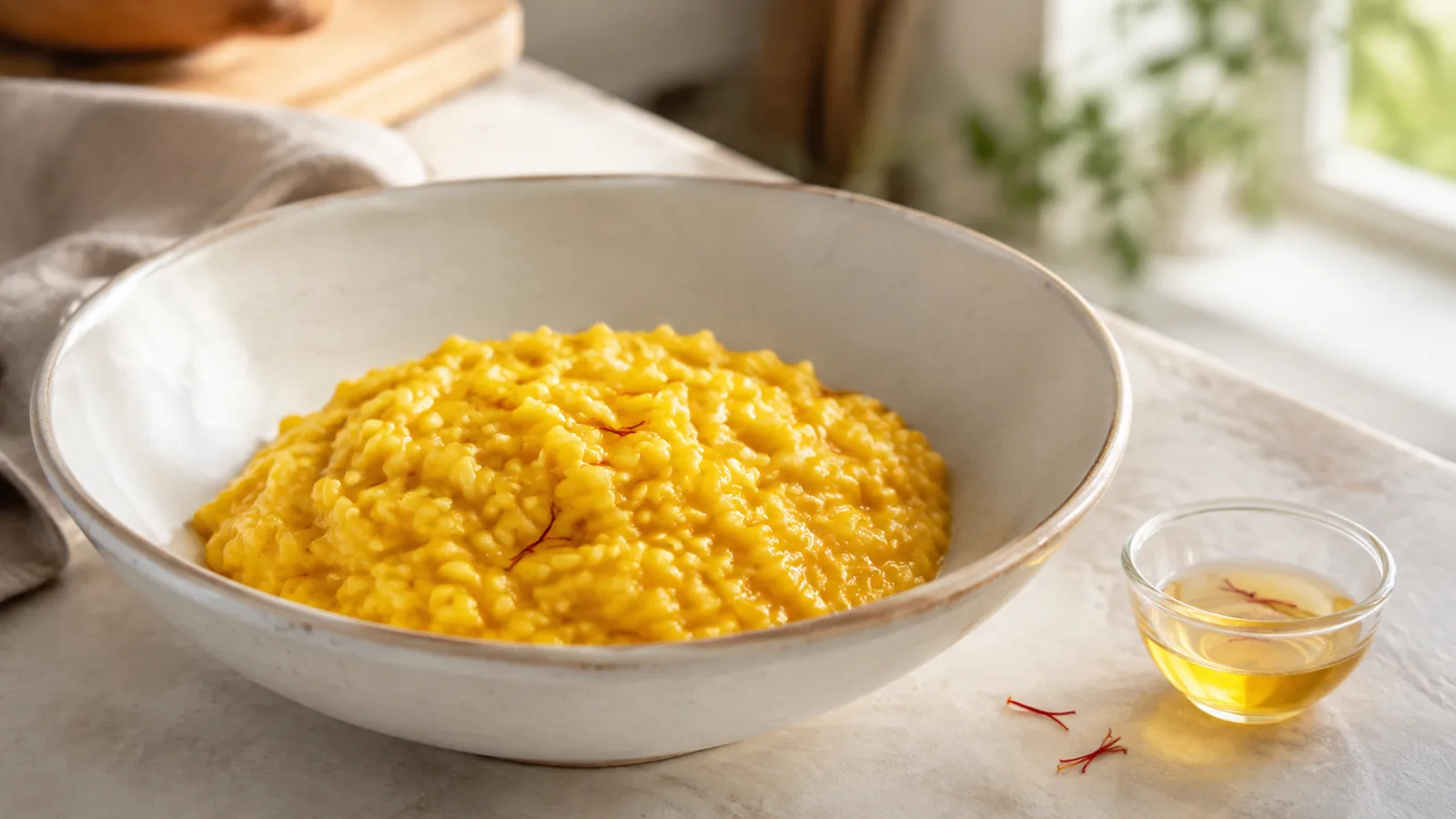
People searching cara konsumsi bunga saffron are asking how to consume saffron flowers. The purple petals are milder than the threads and may be used in a verified petal jam, infused syrup or as a small food-grade garnish. The red stigmas are dried and used sparingly as the spice.
Petals should not be confused with corms, leaves, stamens or an unidentified crocus-like plant. Edibility applies to correctly identified, food-grade Crocus sativus material, not every part of every flower with a similar name.
How to serve saffron flower jam
- spoon a small amount over plain yogurt or soft cheese;
- spread it on warm bread, scones or toast;
- serve it beside a mild rice pudding or vanilla ice cream;
- stir a teaspoon into hot water or tea; or
- use a little as a glaze after a cake has cooled.
The flavour is delicate. Strong spices, dark chocolate or large amounts of rosewater can hide the petals. Taste the first batch before adding another aromatic ingredient.
Troubleshooting flower jams
The syrup is too thin: let it cool fully before judging. If needed, return it to a clean pan and simmer briefly, then refrigerate again. Long boiling can flatten the floral aroma.
It crystallised: sugar may have remained on the pan wall or the syrup may have been over-concentrated. Dissolve all sugar before adding petals and avoid stirring dried crystals back into the mixture.
The flavour is bitter: too much yellow or green flower material may have been included, or too many saffron threads were added. Use clean purple petals and a genuinely small optional thread portion.
The colour turned dull: prolonged high heat and light can degrade plant pigments. Cook gently, cool promptly and store the jar closed in the refrigerator.
What saffron flower jam is not
This is a sweet preserve, not a treatment. Saffron has been studied for mood, cognition, eye conditions and other outcomes, while crocin and crocetin have been investigated in laboratory cancer models. Those studies do not turn jam into medicine.
The earlier article carried long traditional-use lists covering blood pressure, cholesterol, asthma, urinary problems, menstrual symptoms, memory, cancer and vision. None is a reason to eat more jam or delay care. The preserve contains substantial sugar, and concentrated saffron intake carries different risks—especially in pregnancy or alongside medicines—than a few optional threads spread across a batch.
Saffron flower jam is valuable for a simpler reason: it gives clean, correctly identified petals a use after the red threads have been removed. Treat it as a fresh refrigerator food, keep the recipe small and let its subtle floral flavour do the work.