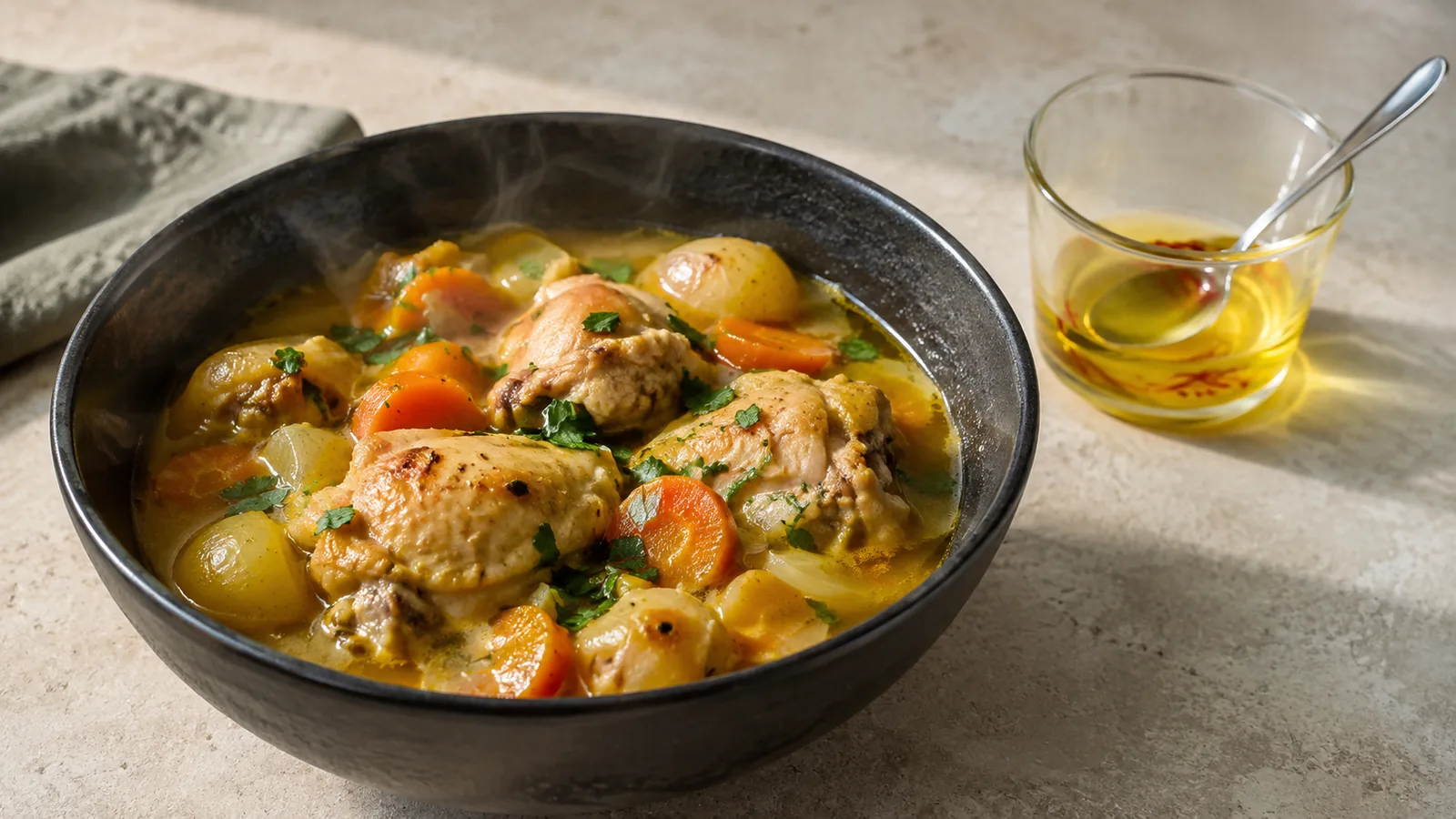
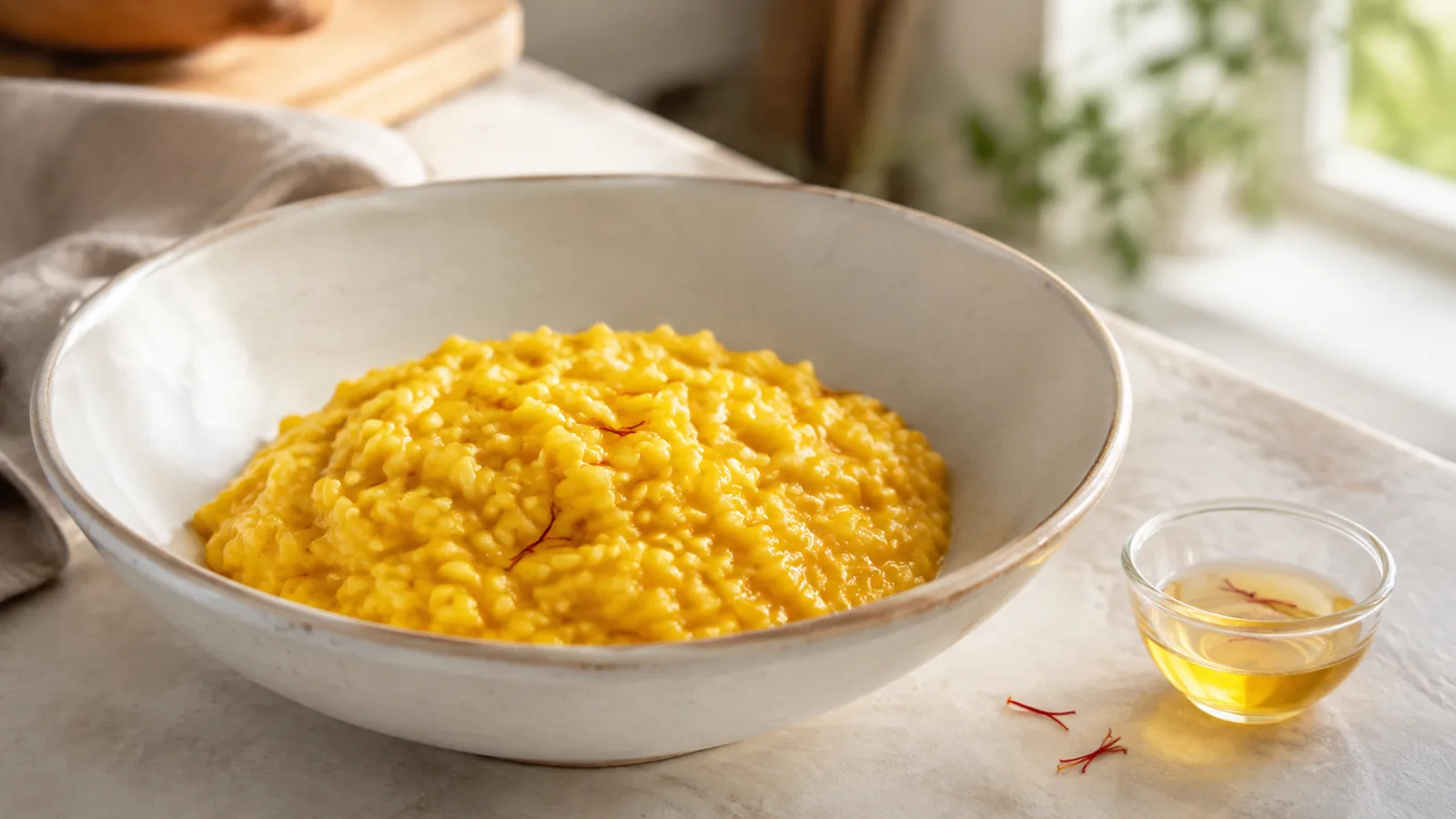
Julab Syrup Saffron Recipe For Summer is a rose-water and saffron concentrate served over cold water. This corrected household version keeps the old method—simmering sweetener and rose water, reducing the liquid, then adding bloomed saffron—without repeating the corrupted ingredient translations or the implausible 231-gram saffron measure.
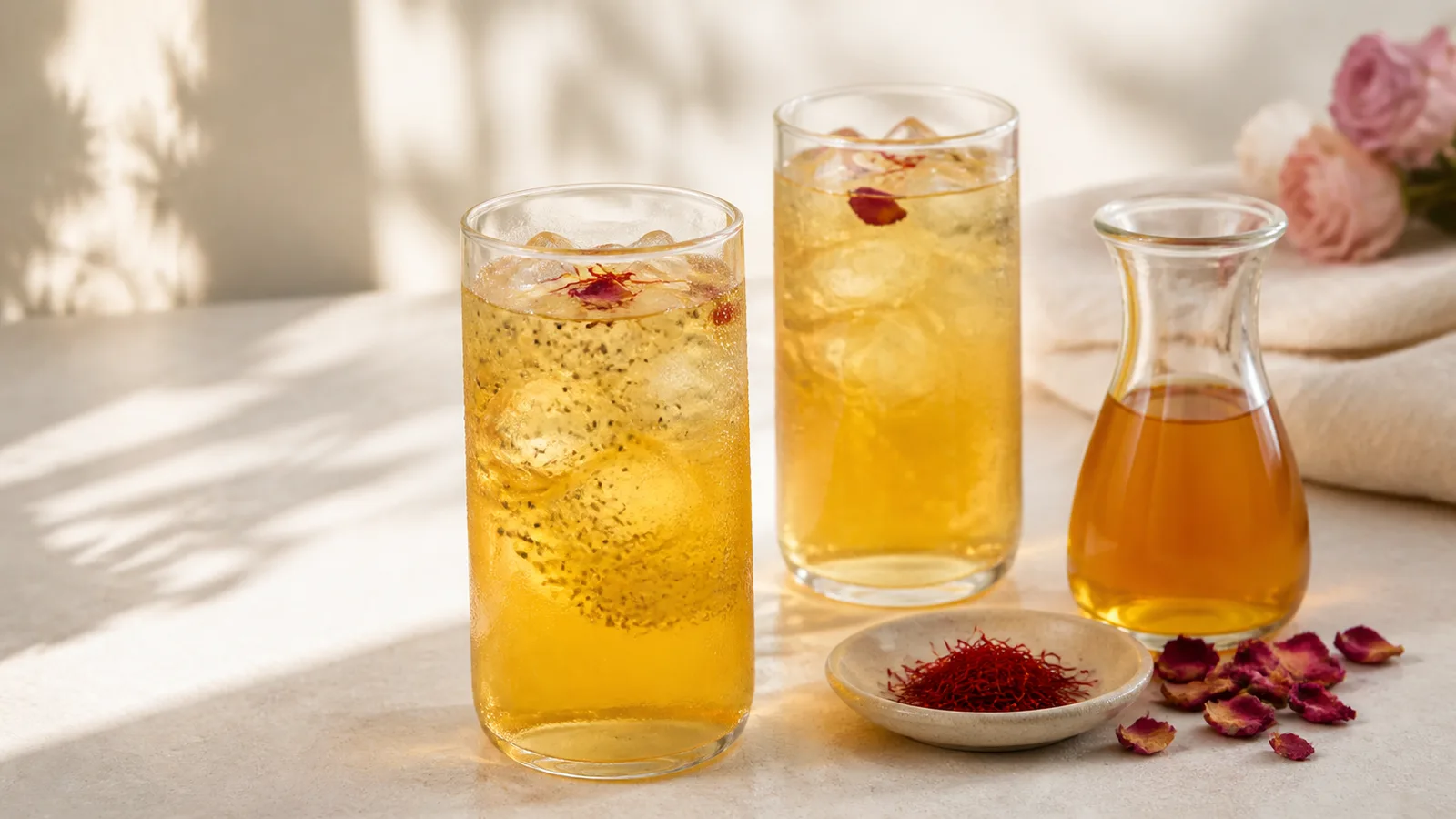
What is a julab drink?
Julab is a sweet, aromatic syrup based on rose water. Saffron gives this version a golden colour and a warm floral depth. The concentrate is not meant to be drunk neat; a small amount is mixed with cold water when serving.
The original post described julab as a useful syrup base for summer drinks and suggested adding soaked seeds. Its English text called one of those additions “fennelmeshky,” an unclear transliteration, and also mentioned basil seeds. Food-grade basil seeds are the unambiguous option retained here.
Ingredients for a household batch
For the julab syrup
- 750 ml food-grade rose water
- 250 g white granulated sugar or finely crushed white rock candy
- ¼ teaspoon saffron threads, lightly ground
- 2 tablespoons warm rose water, taken from the measured amount, for blooming
For each glass
- 1–2 tablespoons julab concentrate, or to taste
- 200–250 ml cold water
- 1 teaspoon basil seeds, optional
- Ice, optional
This batch uses the source’s one-to-three sweetener/rose-water ratio at one quarter of its old scale. Measuring by volume and weight is clearer than the original “kilos” phrasing for a home kitchen.
Correcting the old ingredient list
The archived English list said “white cake = 1 kilo,” “rose water = 3 kilos” and “saffron = 231 grams.” In context, “white cake” is not cake: the method later refers to candy, so it appears to mean white sugar or white rock candy. Rose water can be weighed, but a household recipe is easier to follow in millilitres.
The 231-gram saffron quantity is not credible for this syrup. It is likely a damaged fraction or decimal from the source text, but the original value cannot be reconstructed reliably. This recipe therefore uses a normal culinary quantity and records the bad figure here rather than pretending it was valid.
How to make julab syrup
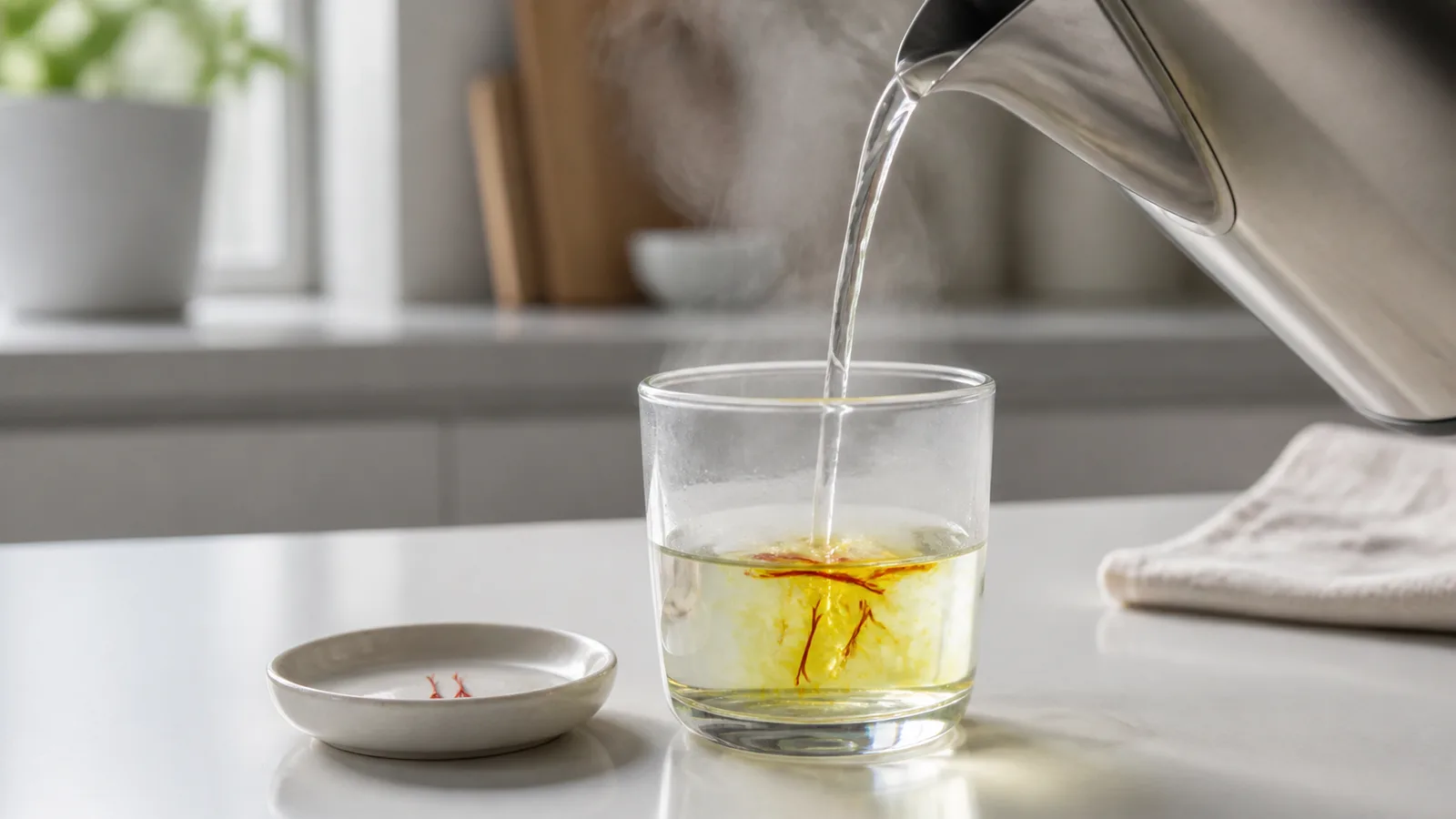
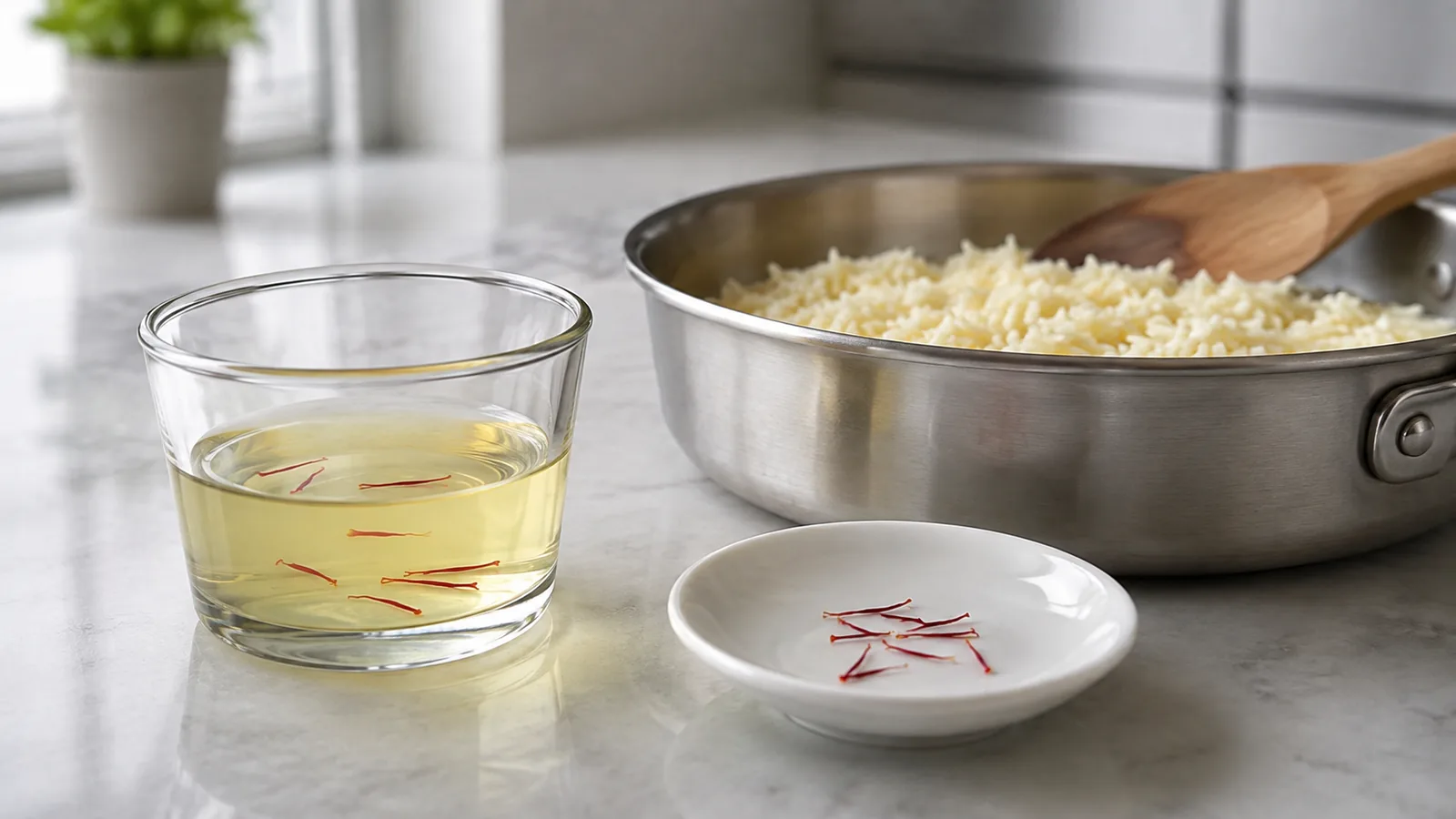
- Bloom the saffron. Put the lightly ground threads in a small cup with 2 tablespoons of warm rose water. Leave for 10 minutes.
- Dissolve the sugar. Combine the remaining rose water and sugar in a wide, non-reactive saucepan. Warm over low heat, stirring gently until the sugar has dissolved.
- Reduce gently. Bring the mixture to a quiet simmer rather than a hard boil. Cook uncovered until its volume has reduced by roughly half and it lightly coats a spoon.
- Skim if needed. If foam or impurities gather on the surface, lift them away with a clean spoon. This is the practical meaning of the old instruction to “flatten” the syrup.
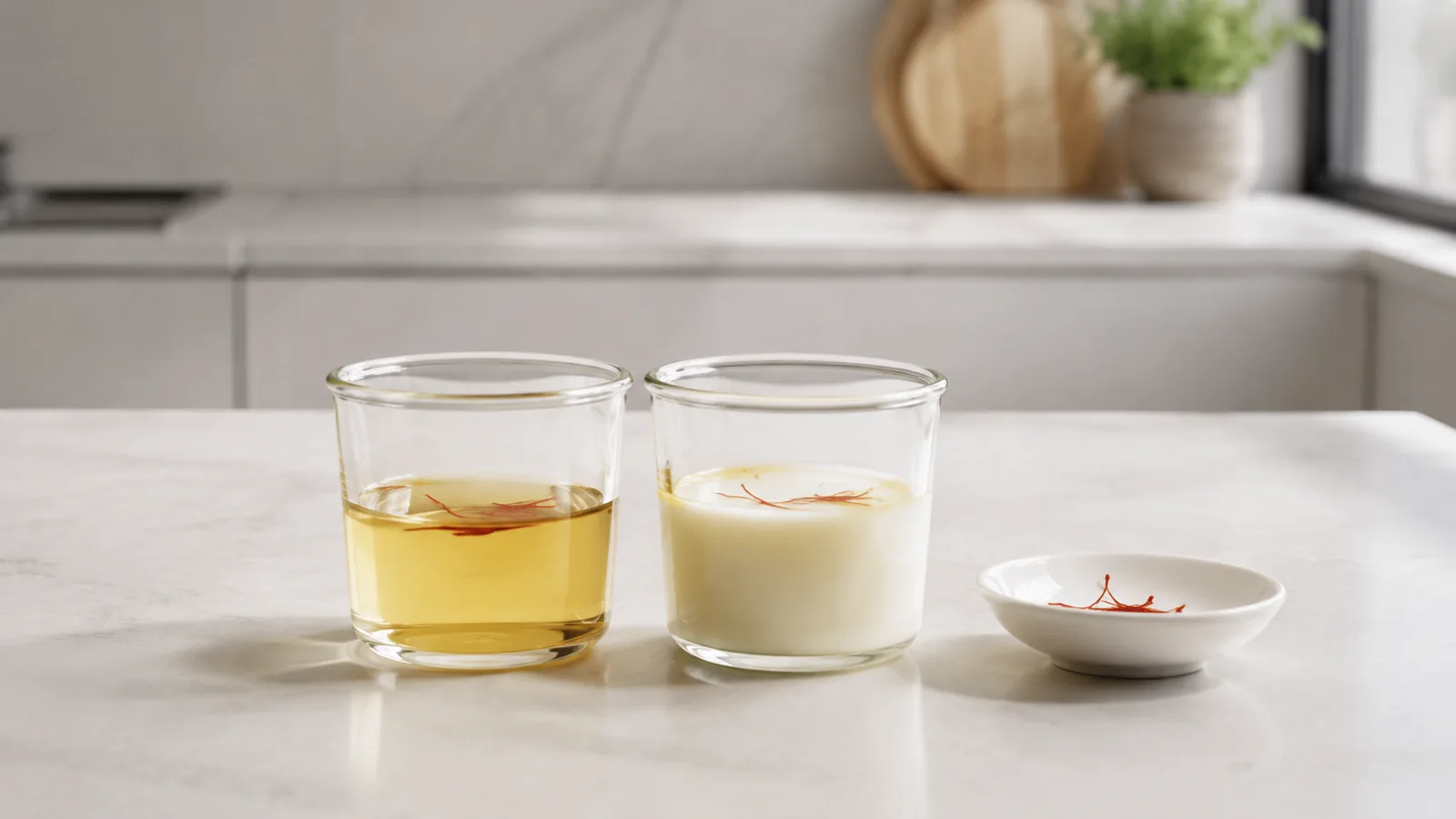
- Add the saffron. Remove the pan from strong heat. Stir in the bloomed saffron and its rose water, then return to very low heat for one minute.
- Cool and bottle. Let the concentrate cool, then transfer it to a clean bottle or jar and refrigerate.
Do not chase an exact clock. Pan width and heat determine evaporation, so the visible reduction and light syrup texture are more useful than a fixed number of minutes.
How to serve julab for summer
Start with 1 tablespoon of chilled concentrate in a glass. Add 200–250 ml cold water and stir. Taste before adding more; rose water and saffron should be distinct without becoming perfumed or bitter. Add ice if you like.
For basil-seed julab, soak 1 teaspoon food-grade basil seeds in plenty of clean water for about 10–15 minutes, until a clear gel forms around them. Drain through a fine strainer, then add them to the diluted drink. Use seeds sold for food, not garden seed intended for planting.
Why the order of cooking matters
The sweetened rose water needs time to reduce, but prolonged boiling can flatten its aroma. Saffron is therefore bloomed separately and added near the end. This also spreads the threads through the syrup instead of leaving dry clumps.
A gentle simmer reduces the risk of scorching the sugar. Stir only as needed once it is dissolved, and use a pan with enough room for bubbling. The finished concentrate will thicken further as it cools.
Adjusting sweetness, rose water and saffron
Julab is intentionally sweet because it is a concentrate. Adjust the drink in the glass, not by over-diluting the whole bottle. If the syrup is too intense, use less concentrate; if it is too light, add another teaspoon.
Rose waters vary greatly. Choose a food-grade product with a clean aroma and no added perfume. More saffron does not automatically improve the drink. Excess makes the flavour bitter and turns a refreshing syrup into an expensive, heavy mixture.
What the old health claims do not prove
The source said the syrup could “strengthen heart and nerves” and help depression. It gave no clinical source, dose, comparison or safety information. Those phrases are preserved here for transparency, but this sweet summer drink is not presented as a treatment for depression, heart disease or a nervous-system condition.
Anyone dealing with chest symptoms, persistent low mood or another health concern needs appropriate professional care. Julab can be enjoyed for taste and tradition without turning a recipe into medical advice.
Storage and quality checks
Keep the cooled concentrate refrigerated in a clean, tightly closed container. Always pour with a clean spoon rather than drinking from the bottle. Discard it if you notice fermentation, mould, gas, an unusual odour or a change that suggests spoilage.
Basil seeds should be soaked only for the drinks you are serving. Keep the dry seeds sealed and add the hydrated seeds after dilution, not to the full storage bottle.
Recipe basis
The one-part white sweetener to three-parts rose-water ratio, reduction by half, separately dissolved saffron, cold-water dilution, basil-seed option, summer use and syrup-base role all come from the recipe preserved in the original post. The corrupted “white cake,” “cabbage,” “fennelmeshky” and 231-gram translations are explained rather than repeated as cooking directions. Unsupported heart, nerve and depression claims are retained only as corrected historical context.