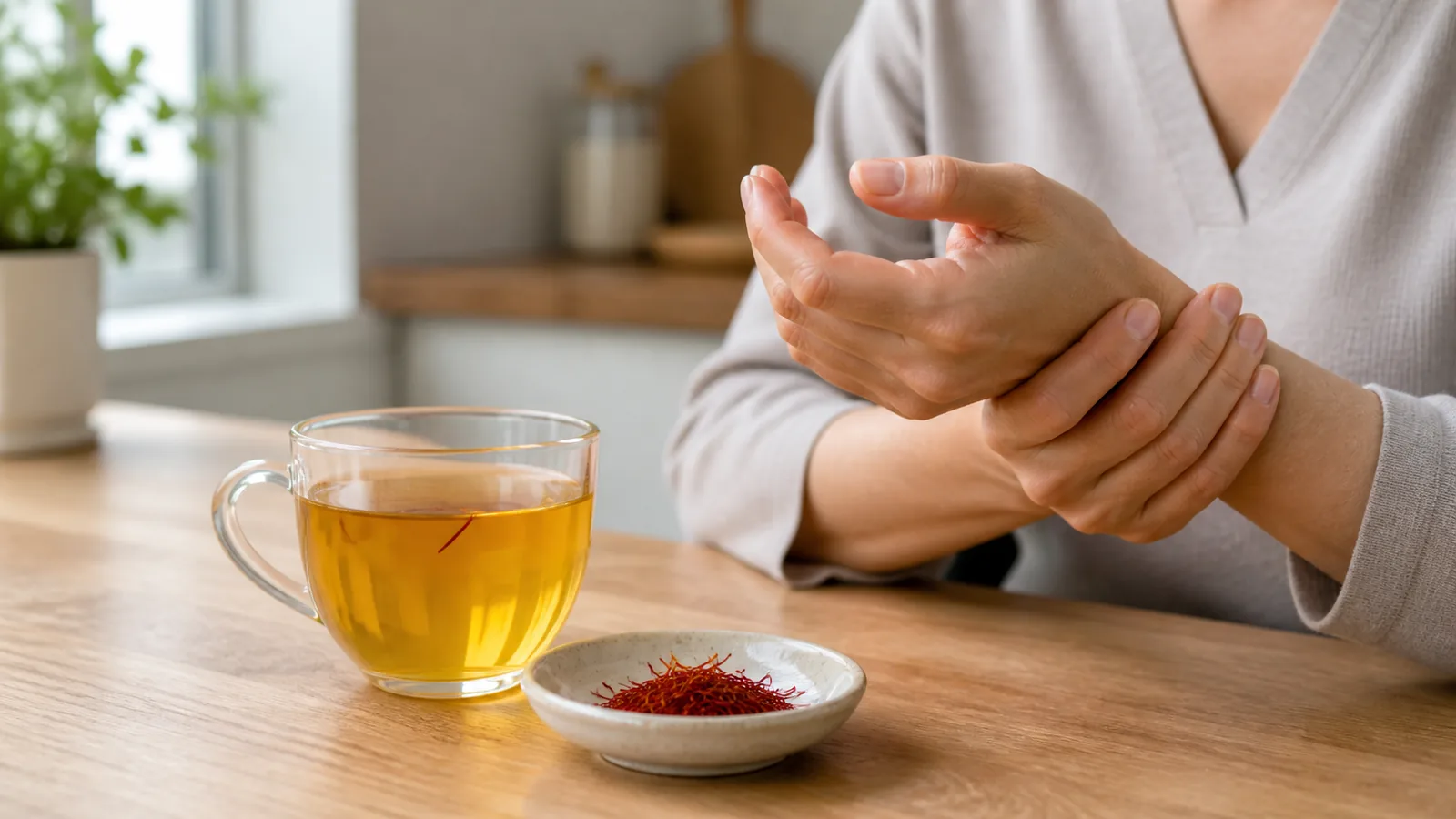
Is saffron good for sperm? Current human evidence does not show reliably that saffron improves sperm count, movement or shape. One small uncontrolled trial reported improvements in motility and morphology, but a larger randomised placebo-controlled trial found no significant benefit. Saffron should not replace a fertility assessment or evidence-based treatment.
Is Saffron Good for Sperm?
Saffron fertility claims often begin with antioxidant theory, then jump directly to a promise about conception. Those are different questions. A compound can show antioxidant activity in a laboratory without improving semen results in people, and a change in one semen measure does not necessarily lead to pregnancy or a live birth.
How Does Saffron Benefit Sperm Health?
Saffron contains crocins and other compounds studied for antioxidant activity. Oxidative stress is relevant to some cases of male infertility, but it has many causes and cannot be diagnosed from symptoms or a food habit. The presence of antioxidants in saffron is not proof that eating saffron protects sperm DNA or corrects infertility.
A systematic review and meta-analysis of saffron trials found contradictory results for semen parameters. Its authors said interpretation was limited by methodological flaws and heterogeneity and called for further trials.
Boosting Sperm Count and Motility
The evidence does not support the original article’s claim that saffron boosts both sperm count and motility. A 2008 trial involving 52 infertile men reported improved motility and morphology after three months, but no significant increase in sperm count. The study did not use a placebo comparison, which makes it hard to separate treatment from time, variation and other influences.
A subsequent double-blind randomised placebo-controlled trial enrolled 260 men and found no statistically significant improvement in sperm density, morphology or motility after 26 weeks. That stronger negative result is an important part of the answer, not a detail to omit.
Improving Sperm Quality
“Sperm quality” can refer to concentration, total count, movement, shape and other laboratory measures. Semen analysis helps a specialist assess these parameters, but no single number determines fertility on its own. Results can also vary between samples.
Neither of the saffron trials established that the spice increases conception or live-birth rates. It is therefore inaccurate to say that saffron improves the chance of conception. Anyone concerned about fertility should arrange a clinical evaluation rather than trying to infer sperm health from diet or supplement response.
How to Use Saffron for Sperm Health
There is no established saffron dose for improving semen parameters, so the former recommendation of 10–15 threads a day was not evidence-based. Do not copy the amount used in a trial without medical supervision: trial material, preparation, participant group and monitoring may differ from a retail product.
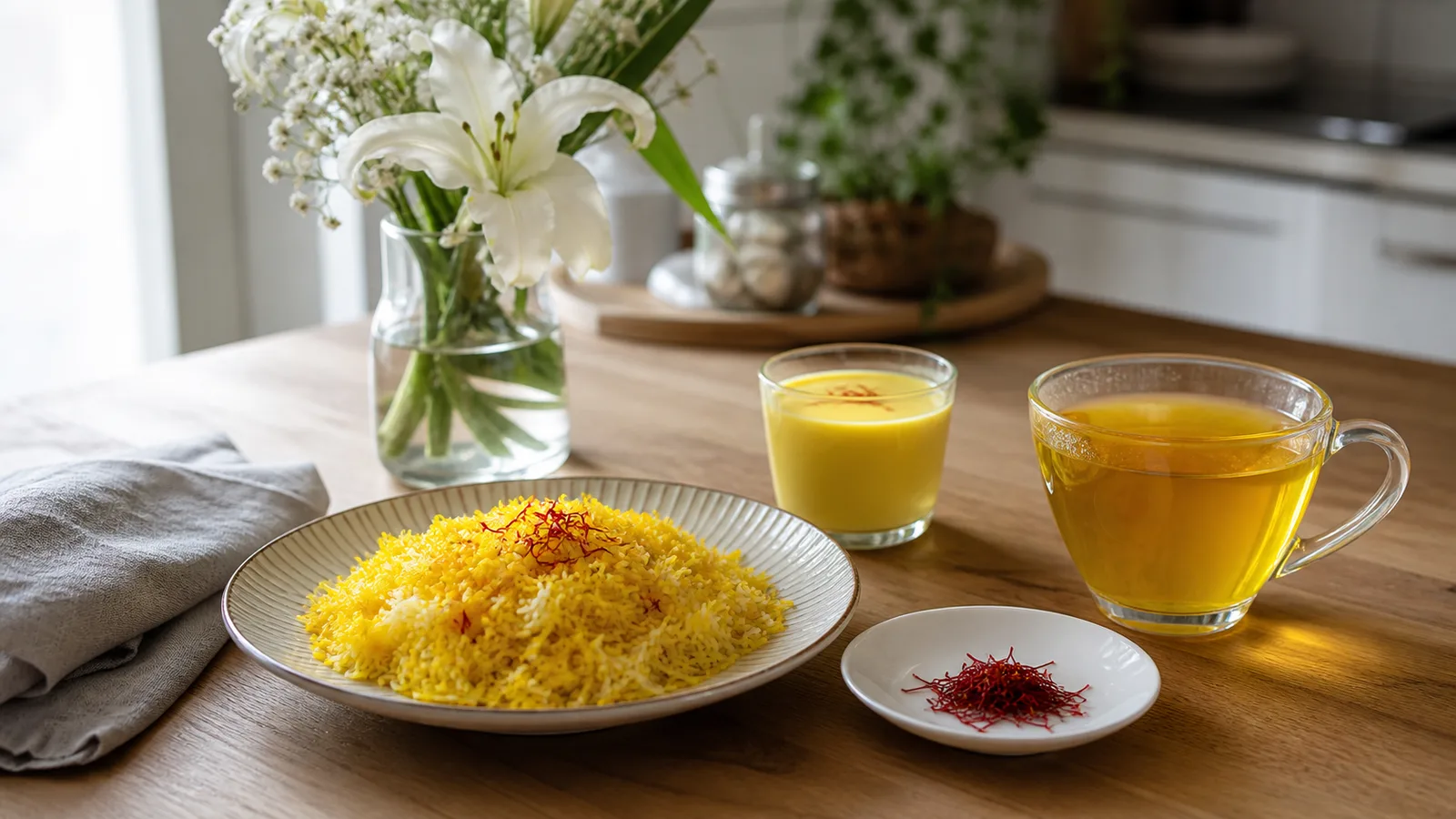
You can still use saffron as a culinary spice in rice, soup, tea or milk if it suits your diet. That is food enjoyment, not fertility treatment. Capsules and extracts are concentrated products and deserve a pharmacist or clinician review, particularly if you take medication or have a medical condition.
Are There Any Risks of Using Saffron for Sperm Health?
A systematic review of human saffron safety evidence found preparations generally well tolerated, while gastrointestinal complaints were the most frequently reported adverse effects and higher-dose or prolonged medicinal use required more caution. Product quality and additional ingredients also matter.
Stop a non-essential supplement and seek advice if you feel unwell. A known saffron allergy calls for avoidance. Do not delay a semen analysis, urology appointment or fertility referral while trying a spice, because timing and the underlying cause can affect available options.
What to Do if You Are Concerned About Fertility
Speak with a GP, urologist or fertility service. Bring a list of medicines and supplements, and mention recent illness, surgery or relevant exposures. A proper assessment may include medical history, examination and one or more semen analyses; it looks beyond a single food.
For culinary use only, you can browse our saffron selection. It should not be purchased with a promise to improve sperm or treat infertility.
Conclusion
Saffron has been studied in male infertility, but the clinical results for sperm count, motility and morphology conflict, and the stronger placebo-controlled trial found no significant benefit. Enjoy saffron in food if you like it; do not rely on it as a fertility treatment or use an invented daily thread dose.