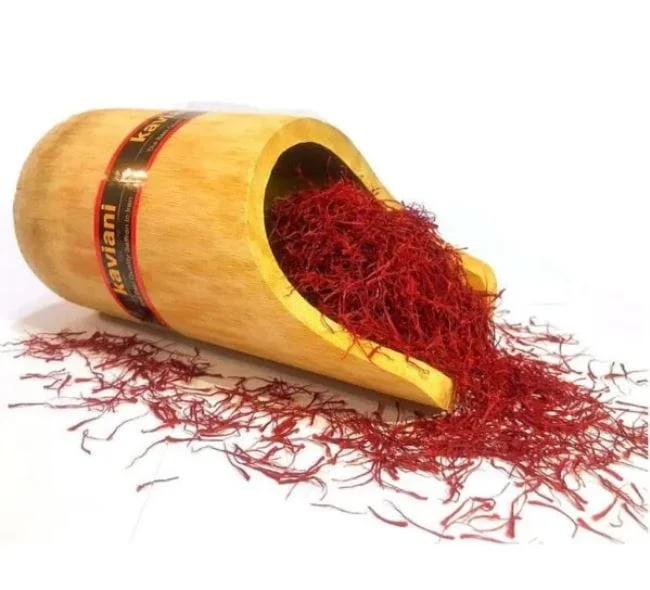
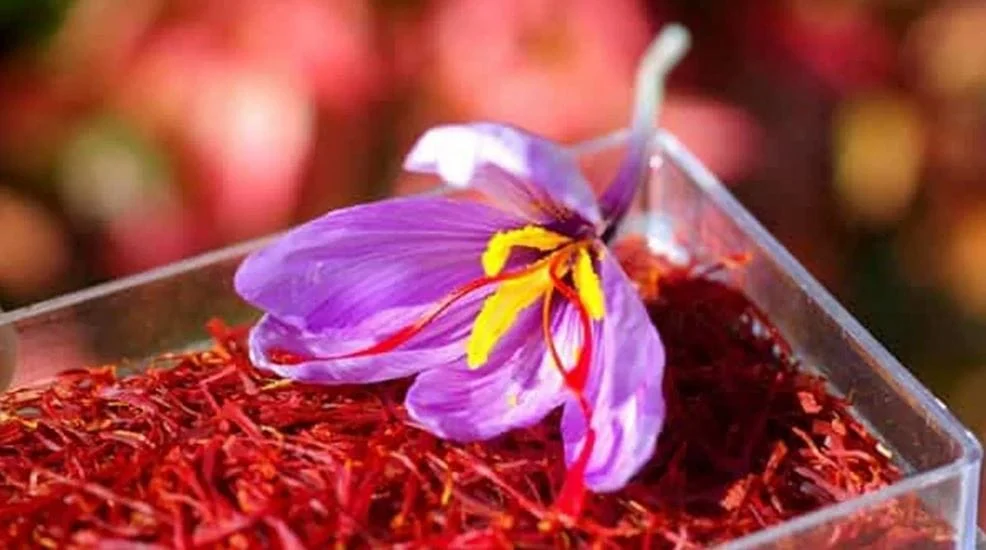
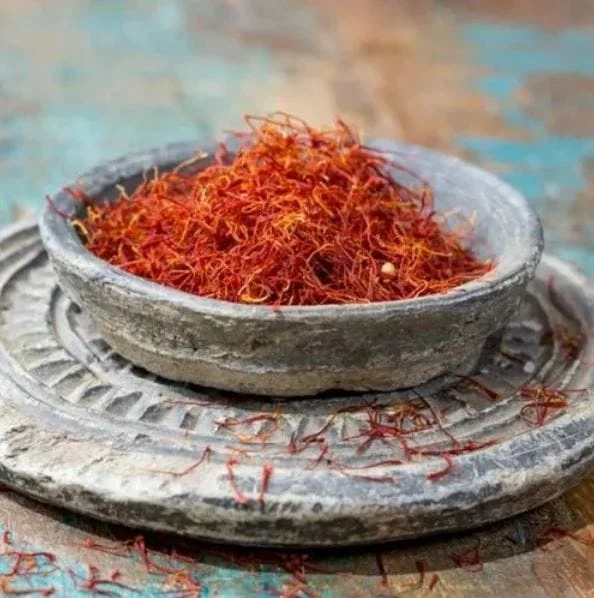
Iranian saffron can reach world markets through Spain, the United Arab Emirates and other trading hubs without ceasing to be Iranian in origin. The commercial problem begins when processing or re-export is confused with cultivation, or when a buyer cannot tell where the saffron was actually grown. A 2015 parliamentary interview criticised exactly that loss of identity.
The interview said Iranian saffron was being offered internationally under UAE branding and argued that Iran needed a stronger role in distribution, packaging and price discovery. A related interview used Spain as the comparison: Spain produced relatively little saffron but exported far more. The underlying issue was not that every re-export is deceptive. It was that Iran often supplied the crop while value, customer recognition and negotiating power accumulated elsewhere.
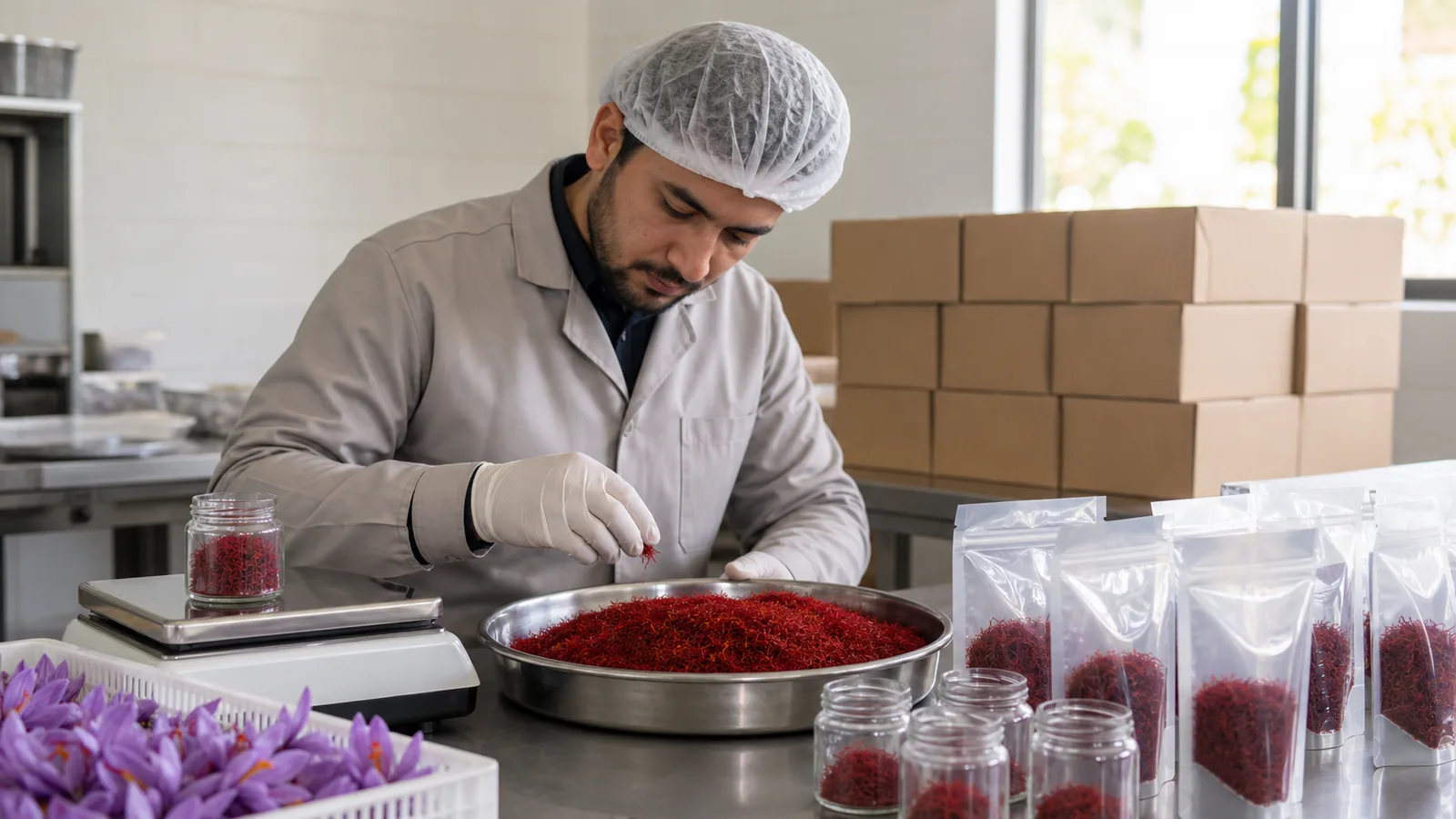
What the 2015 UAE claim actually said
Abolghasem Khosravi, then the parliamentary representative for Torbat-e Heydarieh, Mahvelat and Zaveh, said Iranian saffron was sold in world markets as Emirati saffron. The surviving article does not identify shipments, companies, packages or customs records, so it cannot support an accusation against all UAE traders.
There are several legitimate reasons for a product to pass through a trading hub. Saffron may be imported in bulk, tested, sorted, packed and then re-exported. The exporter shown in trade statistics can therefore differ from the agricultural country of origin. What should remain clear is the origin claim presented to the customer. Repacking in another country does not by itself mean the crocuses were grown there.
False or ambiguous origin is different. If packaging, documents or marketing cause a buyer to believe Iranian-grown saffron was cultivated somewhere else, traceability has failed. The remedy is not a slogan; it is a chain of records from producer and lot through processing, export and final pack.
Why Spain appeared in the same debate
Khosravi’s related interview said Spain produced less than five tonnes of saffron but exported roughly 100 tonnes. The exact numbers were presented as a political comparison, without a year or source. Contemporaneous trade data supports the broad point that Spanish exports greatly exceeded the crop figure quoted in the interview: the UN Comtrade record presented through the World Bank’s WITS saffron export page for Spain reports about $47.2 million in 2014 exports, while the underlying quantity record is approximately 133.7 tonnes.
Trade quantity does not prove where every gram was grown. It can include imported saffron that was blended, graded, packaged or re-exported, and international datasets can contain revisions or estimation flags. The defensible conclusion is narrower: Spain had a large saffron export trade relative to its own reported production, and imported material helped support that trade. It is not defensible to label all Spanish saffron Iranian or all Spanish branding fraudulent.
The dated 95% and 50,000-job claims
The source interview described Iran as producing 95% of the world’s saffron and said 50,000 people were directly employed in production. These figures are useful as a record of what the MP said in 2015, but neither came with a statistical release, definition or reference year. They should not be repeated as current measurements.
Production share also does not determine who earns the most from a finished product. Cleaning, laboratory testing, grading, finance, compliant packaging, buyer relationships, distribution and retail all add cost and value after harvest. A large crop gives Iran an important position, but it does not automatically create a consumer brand or control the final price.
What traceable Iranian origin requires
A credible origin story should survive inspection. For a commercial lot, that normally means records linking the grower or cooperative, growing area, harvest period, lot number, processor, test results, packing date and exporter. Claims such as organic, protected origin or laboratory grade need their own valid evidence; they are not created by attractive packaging.
Origin can also have a meaningful agricultural story. The qanat-based saffron system in Gonabad, for example, is internationally recognised as agricultural heritage. That recognition has value when it is described accurately and paired with product traceability. It is not a substitute for identifying the contents of an individual pack.
For buyers, the most useful questions are practical: Where was this lot grown? Who handled it after harvest? What does the stated grade mean? Which laboratory or method supports a composition claim? Can the invoice, label and shipping documents be reconciled? Clear answers protect both the customer and the origin.
Packaging can add value, but it cannot create quality
Khosravi argued that organic production, design and packaging could double saffron’s value and foreign-exchange earnings. “Double” was an aspiration, not the result of a cited study. The underlying business idea is sound: selling a protected, tested and well-explained retail product can retain more value than anonymous bulk supply.
Good packaging has a functional job. It should limit moisture, light, odour transfer and physical damage; use food-contact materials suited to the destination market; show an accurate net weight and origin; and make the lot traceable. Design matters after those requirements are met. An ornate box cannot repair weak aroma, excess floral waste, unsafe colouring or missing records.
“Organic” also has a specific meaning in regulated markets. A farm may use traditional practices or few inputs and still lack organic certification. Exporters should use the term only when the supply chain meets the applicable standard and the claim can be documented.
The proposal for an international saffron exchange
Both articles called for an Iranian international saffron exchange. The proposed benefit was more transparent supply, demand and price information, with Iran taking a role proportionate to its production. The interview treated this as an ambition; it did not document an operating global exchange with authority over world prices.
A trading platform can standardise contracts, publish transactions and reduce some information gaps. It cannot by itself make lots comparable. Reliable price discovery depends on agreed grades, sampling, laboratory methods, delivery terms, currency, payment security and enforceable settlement. If those details differ, one quoted “saffron price” may combine products that are not commercially equivalent.
The broader history of Iranian saffron export figures shows the same need for definitions. A percentage is only useful when its period, weight or value measure, market and source are known.
Government purchasing and harvest-season pressure
The source said growers faced recurring difficulty at harvest, when fresh supply enters the market and many families need cash. Khosravi proposed that the Ministry of Agriculture buy saffron from farmers to limit exploitation by intermediaries and speculators.
Intermediaries are not automatically harmful. Aggregators can assemble small lots, finance purchases, test material and reach buyers that individual farms cannot serve. The risk appears when farmers have little price information, few buyers, urgent debts or no suitable storage. Public purchasing is one possible policy response, but it also needs transparent grades, eligibility rules, storage, funding and a clear exit plan. The old interview did not evaluate those trade-offs.
Producer cooperatives, warehouse receipts, prompt market reporting, quality-based contracts and access to working capital can address the same imbalance in other ways. The goal is a real choice for the grower, not merely replacing a private buyer with an opaque public one.
The reported Khorasan Razavi production decline
The destination article also reported a 30–50% fall in saffron production in parts of Khorasan Razavi. Khosravi listed successive drought, heat, severe cold and lower rainfall as possible causes, while saying agricultural officials, universities and a saffron institute were still investigating. No harvest year, province-wide baseline or final report was included.
That range should therefore remain a dated local report, not a current national production figure. Weather can affect flowering, irrigation and corm health, but measured losses need a defined area and comparison period. The article said a special meeting involving the parliamentary agriculture commission, the National Saffron Council, Chamber of Commerce and Ministry of Agriculture would review the problem; it did not provide the meeting’s eventual findings.
Where Iranian exporters can retain more value
The two interviews converge on a practical sequence:
- protect quality during harvest, separation, drying and storage;
- define lots and grades so buyers can compare like with like;
- test and document the claims required by the destination market;
- use packaging that protects the spice and states origin honestly;
- build direct, repeat relationships where they improve service and margins;
- keep farmers informed about quality premiums and actual market prices.
Spain and the UAE became symbols in this debate because they showed how trade, processing and branding can be separated from cultivation. The durable response is not to deny the role of international partners. It is to make Iranian origin, product quality and commercial responsibility visible at every stage, so customers know what they are buying and more of the value can return to the people who produce it.

![Exporting Saffron to Turkey + Price Guide [Complete 0 to 100]](https://img.rowhanisaffron.com/20260303111347/f1-372.webp)