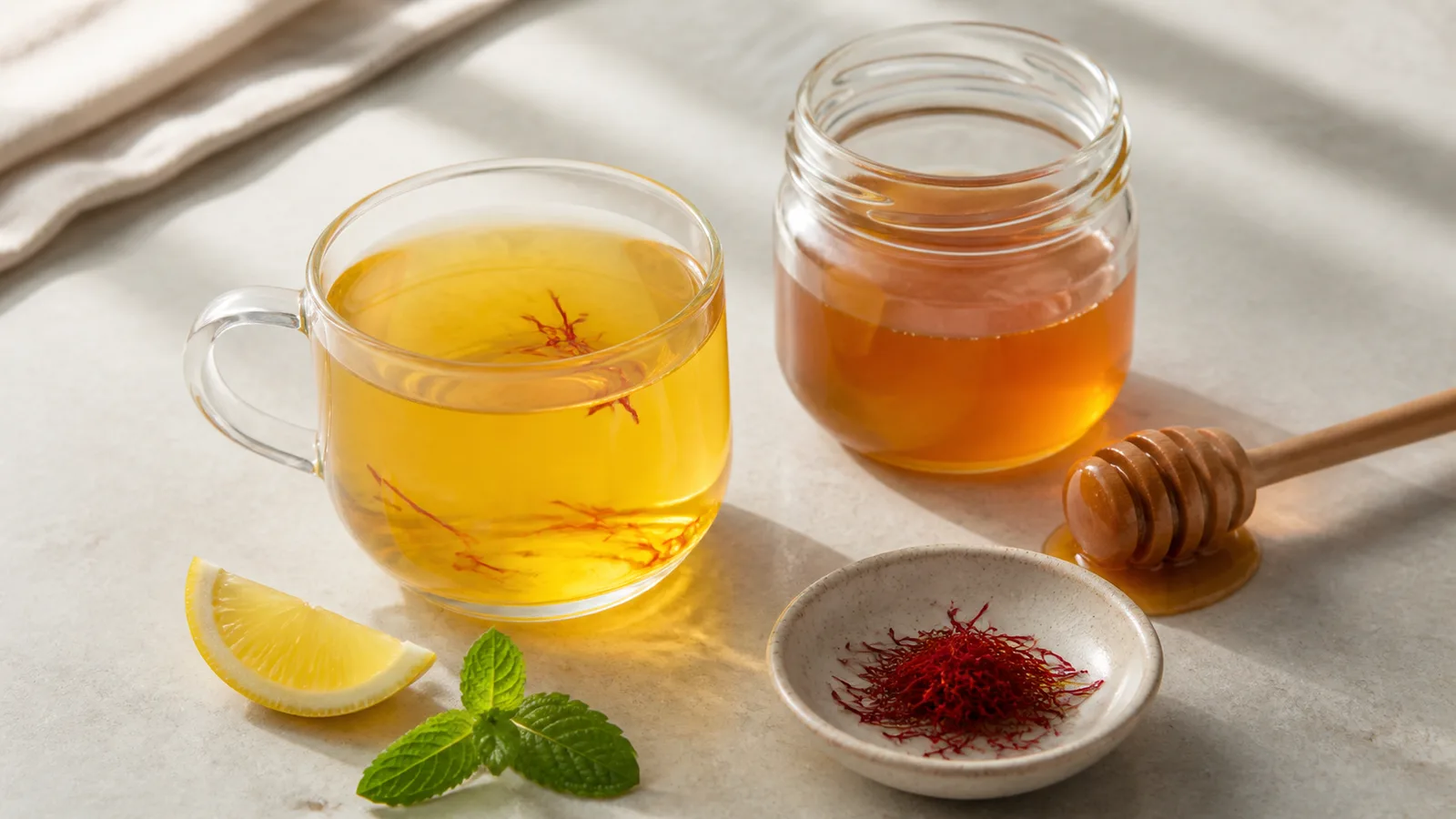
Saffron with honey is a simple way to balance saffron’s floral aroma and gentle bitterness with sweetness. You can stir the pair into warm water, milk, or tea, or use them in desserts and marinades. The most dependable benefits are culinary: flavor, color, and a comforting drink that is easy to prepare.
Both ingredients contain biologically active compounds, but that does not make the mixture a treatment for disease. Most human studies examine standardized saffron products or honey separately, not a homemade saffron-and-honey drink. That distinction matters when discussing saffron honey benefits.
What is saffron honey?
The term can describe two different products. It may mean ordinary honey infused or blended with saffron threads, or honey produced and sold with saffron as a flavoring ingredient. It is not the same as honey gathered exclusively from saffron flowers, a claim that would require specific traceability.
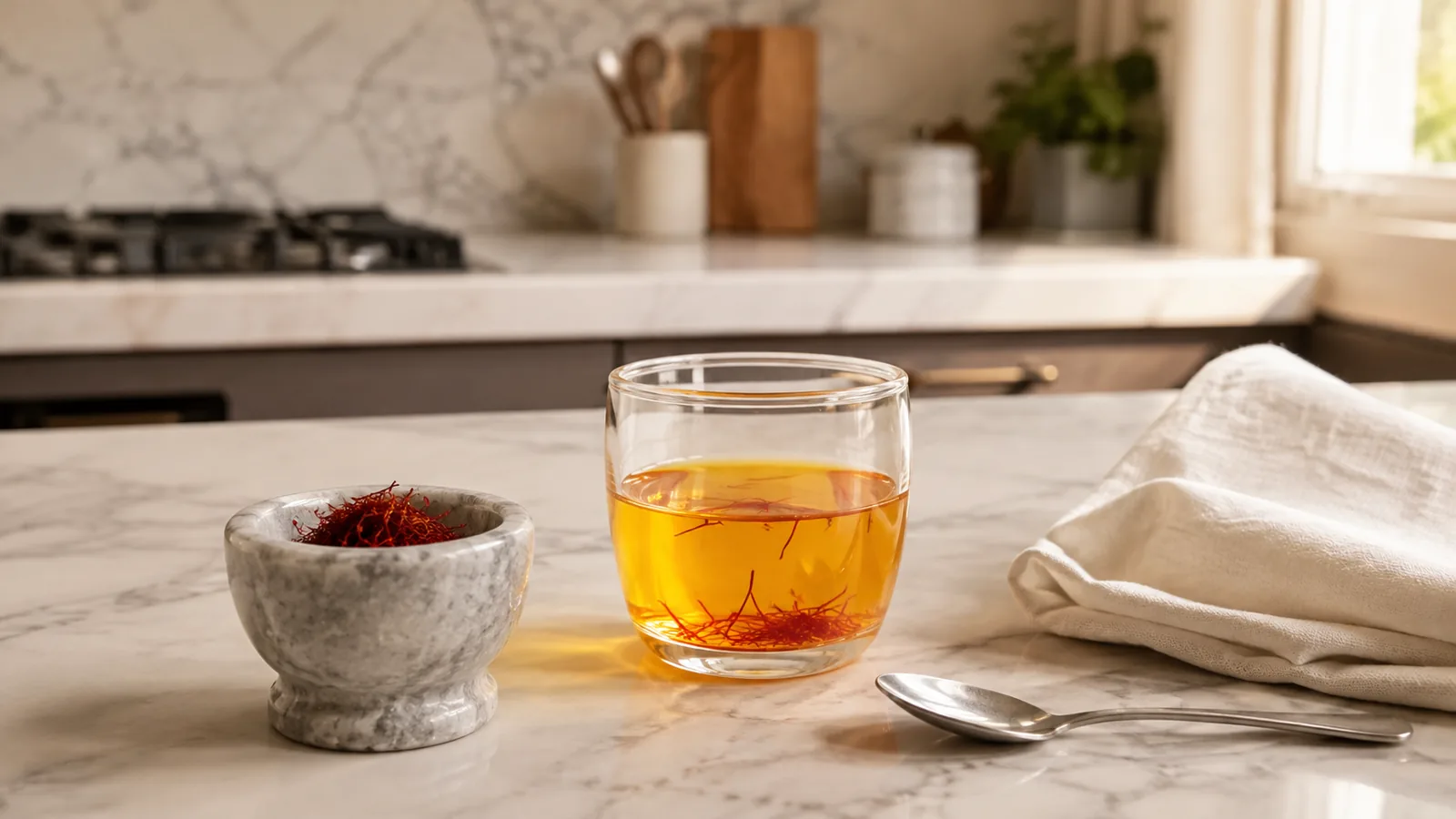
At home, saffron honey is usually made by blooming a small amount of saffron in warm liquid and then adding honey. The liquid carries the saffron’s aroma and golden color; the honey rounds out its bitterness.
How to make saffron with honey
For one warm drink
- 8 to 12 saffron threads
- 250 ml water
- 1 to 2 teaspoons honey, according to taste
- optional lemon juice or food-grade rosewater
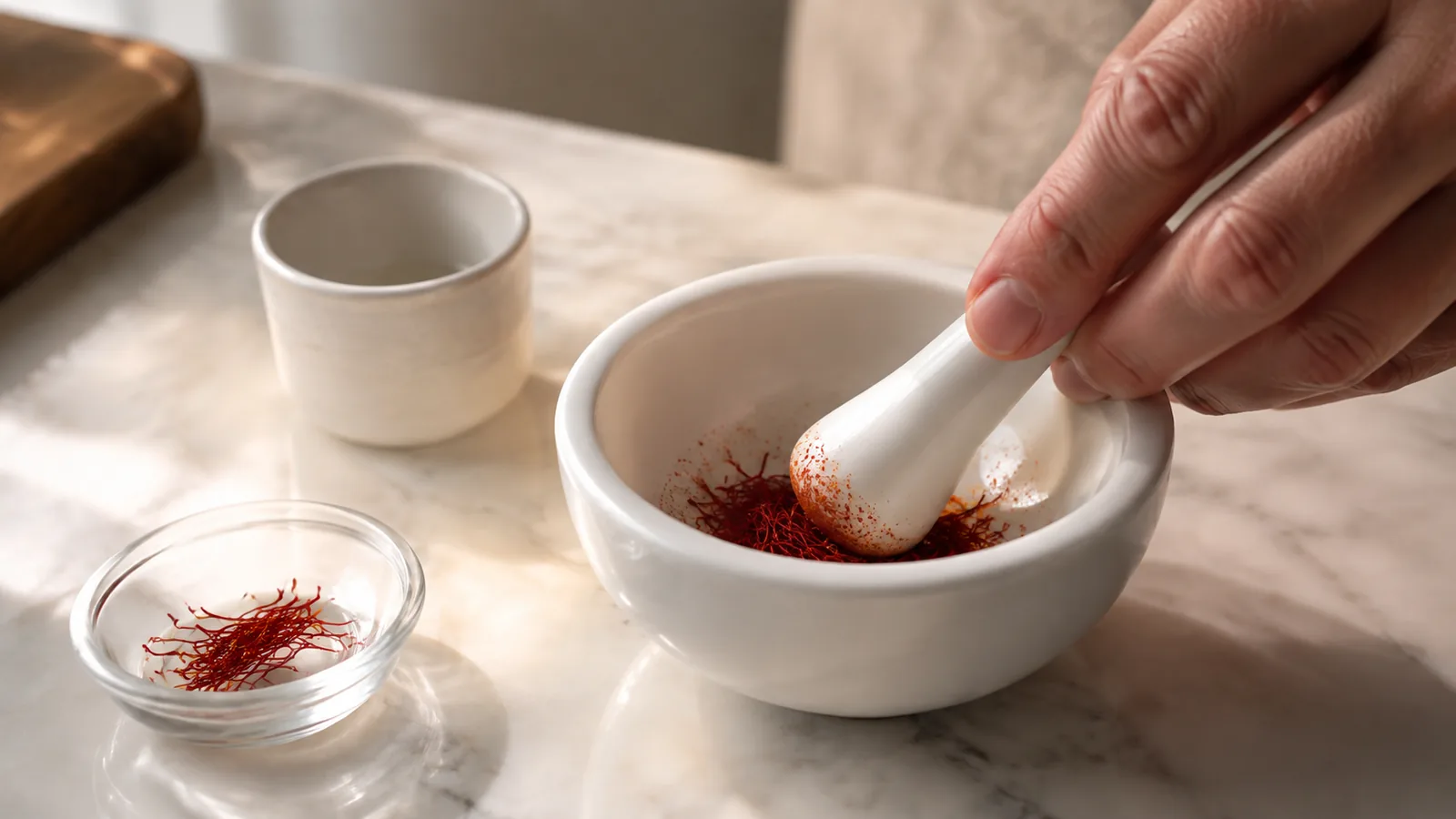
- Crush the saffron lightly in a small mortar or between clean fingertips.
- Add it to hot water that is no longer at a rolling boil.
- Cover and steep for 10 to 15 minutes, until the water is fragrant and golden.
- Let the drink cool until comfortably warm, then stir in the honey.
- Add a little lemon or rosewater if you want a brighter or more floral flavor.
You can prepare a stronger saffron infusion separately and add a spoonful to tea or warm milk. Honey is already sweet, so taste before adding sugar.
Benefits of saffron with honey: what is realistic?
A flavorful alternative to a heavily sweetened drink
Saffron contributes aroma and color without caffeine. Honey provides sweetness and energy, but it is still a source of free sugars. The drink can fit a balanced diet when the portion suits the person and the rest of the meal.
A soothing warm drink
Warm liquid and honey can feel soothing on an irritated throat during a cold. Reviews have found that honey may help relieve acute cough symptoms in some people, particularly children over one year old. Saffron has not been shown to add a cough-treatment effect, and breathing difficulty, persistent fever, or worsening symptoms need medical attention.
Plant compounds without exaggerated promises
Saffron contains compounds including crocin, crocetin, picrocrocin, and safranal. Honey’s composition varies with its floral source and processing. Both have shown antioxidant activity in laboratory research, but phrases such as “neutralizes free radicals in the body” overstate what a cup of the drink has been demonstrated to do in people.
A pleasant relaxation ritual
A warm saffron-and-honey drink can be part of an evening routine. Clinical research has explored standardized saffron preparations for mood and anxiety symptoms, but the studies do not establish that honey and a few culinary threads will treat depression, stress, anxiety, or pain. Persistent low mood deserves qualified care.
Claims the mixture cannot support
The internet often attributes a long list of benefits to honey with saffron. Current evidence does not justify using the homemade blend to:
- prevent kidney stones or improve kidney or urinary tract function;
- treat heart disease or lower cardiovascular risk on its own;
- prevent or treat cancer;
- treat asthma or another breathing disorder;
- prevent postpartum bleeding;
- cure menstrual pain or regulate a menstrual cycle;
- restore eyesight or treat an eye disease; or
- boost immunity in a clinically established way.
Some saffron-only studies have examined mood, premenstrual symptoms, or age-related eye conditions. They use defined products, doses, and study populations under research conditions. Their results cannot be transferred automatically to saffron honey, and they do not replace diagnosis or treatment.
Can saffron and honey be used on skin?
A homemade paste of honey, saffron, and yogurt is sometimes promoted for winter dryness or “brightening.” Honey can hold moisture, but kitchen honey is not the same as a sterile medical-grade wound product. There is no good evidence that adding saffron will lighten skin or treat a skin condition.
Food ingredients can irritate skin or trigger an allergy. Do not apply the mixture to broken skin or an infection. If you still want to try it as a cosmetic rinse-off mask, patch-test a small area first and stop if it stings, itches, or becomes red. A fragrance-free moisturizer is the more predictable choice for dry skin.
Who should be cautious?
- Babies: never give honey to a child under 12 months because of the risk of infant botulism.
- People managing blood sugar: count honey as sugar and choose the amount accordingly.
- People with allergies: avoid the drink if you have reacted to honey, bee products, saffron, or another ingredient in the blend.
- Pregnancy and breastfeeding: ordinary culinary use is different from concentrated supplements or large medicinal amounts. Discuss supplements and repeated high intake with a clinician or midwife.
- People taking medication or receiving treatment: do not replace prescribed care with the drink. Ask a clinician before using concentrated saffron products.
More is not better. Large amounts of saffron can cause adverse effects such as nausea or headache, and excess honey adds unnecessary sugar. Use the spice as a seasoning and the honey for taste rather than trying to turn the recipe into a dose.
How to choose saffron and honey
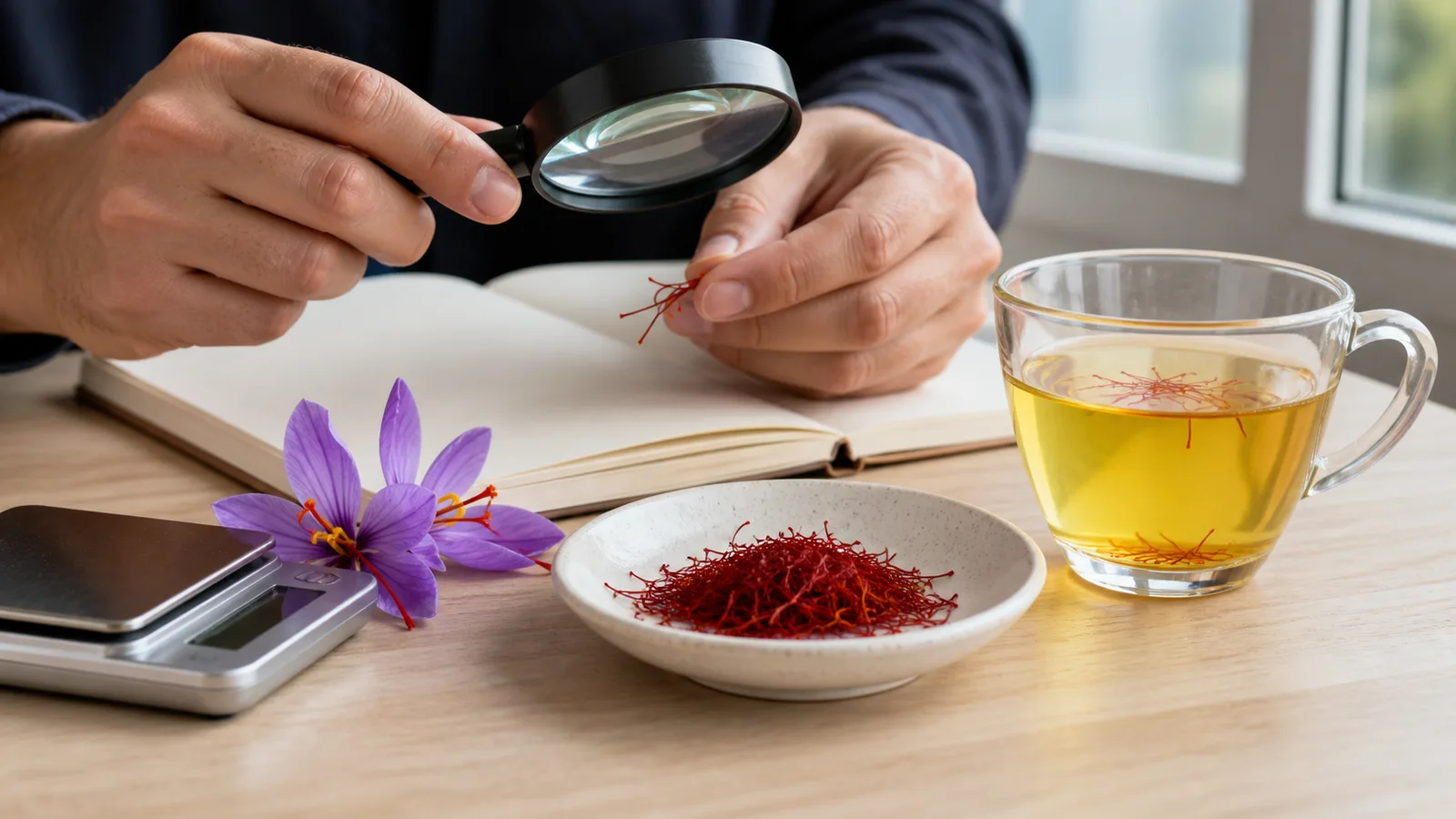
Choose saffron threads with a clean characteristic aroma, natural variation, and clear batch information. Whole threads are easier to inspect than an anonymous red powder. Keep them airtight, dry, and away from heat and light.
For honey, read the ingredient list and origin statement. Crystallization can occur naturally and does not prove that honey is spoiled or fake. Buy from a supplier that can identify the product and lot; an adulterated saffron or honey product cannot be rescued by words such as “premium,” “organic,” or “elixir” without evidence.
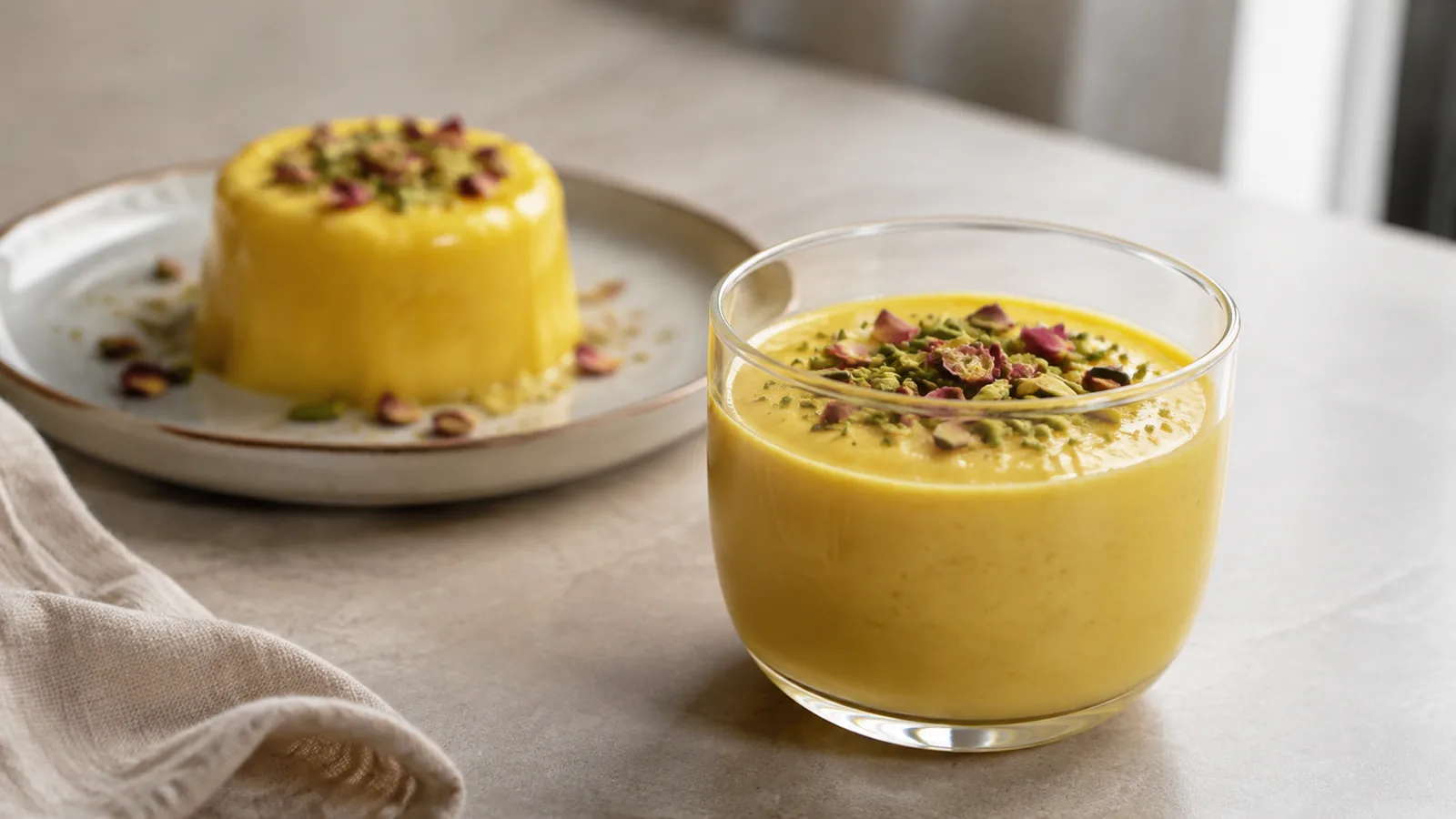
If you want to use the combination in food, try it in yogurt, oatmeal, fruit, salad dressing, roasted carrots, a glaze, or our saffron and honey halva. Heating changes delicate aromas, so reserve a little bloomed saffron or honey for the final stage when the recipe allows.
Saffron and honey work well together because one is aromatic and gently bitter while the other is sweet. Enjoy that pairing for what it reliably offers, and treat broader wellness claims with the same care you would apply to any food-based remedy.
Sources
- 2026 GRADE-assessed systematic review of saffron trials for depression, anxiety, and mood disorders
- Systematic review of honey for acute cough in children
- US Centers for Disease Control and Prevention: botulism and honey risk for infants
- US Food and Drug Administration: added sugars and the Nutrition Facts label