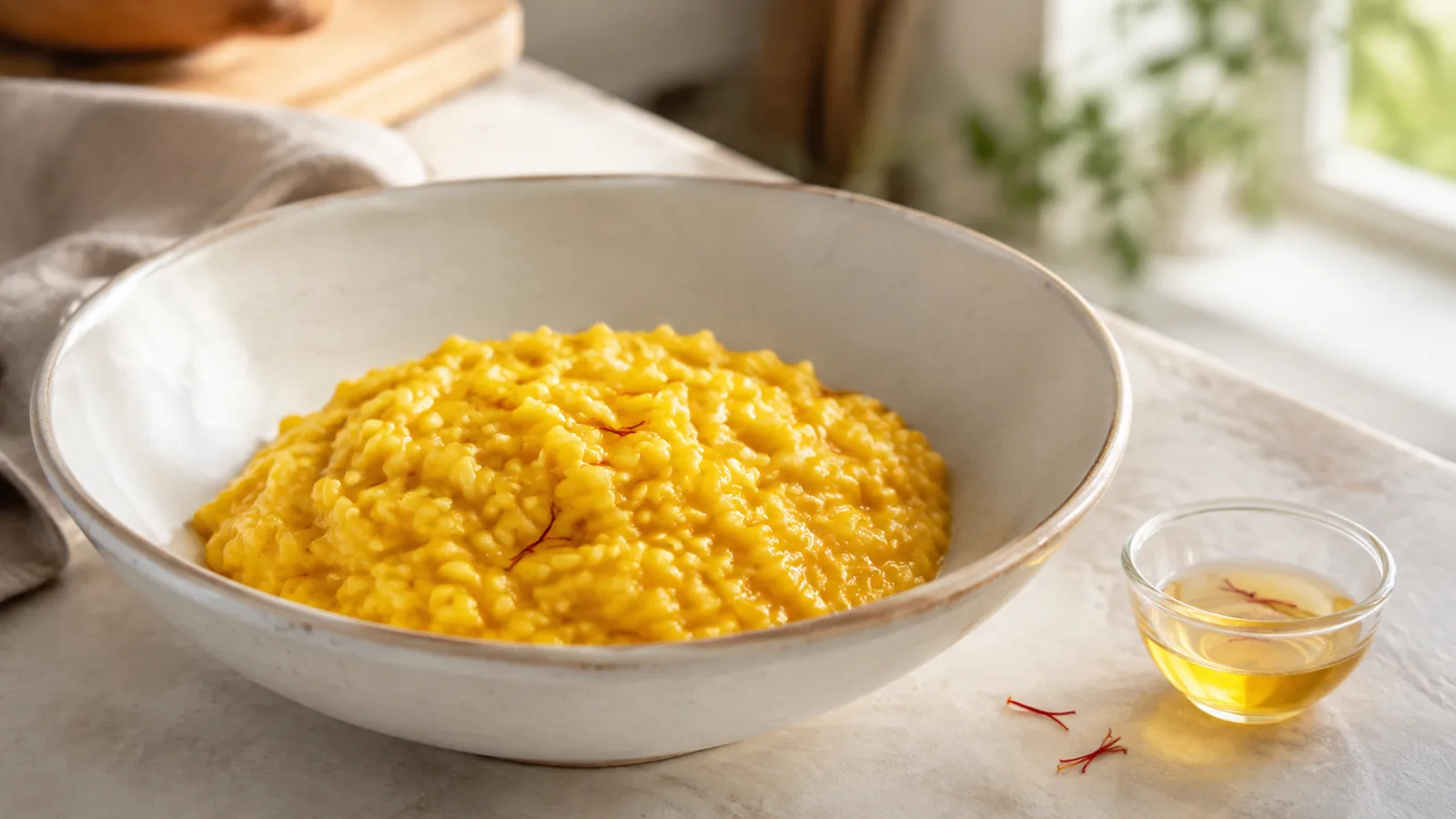
Saffron Tahdig is the crisp golden layer beneath Persian rice. This guide gives you three versions—an egg-and-yogurt crust, a version without eggs, and lavash tahdig—using the same reliable rice and steam method.
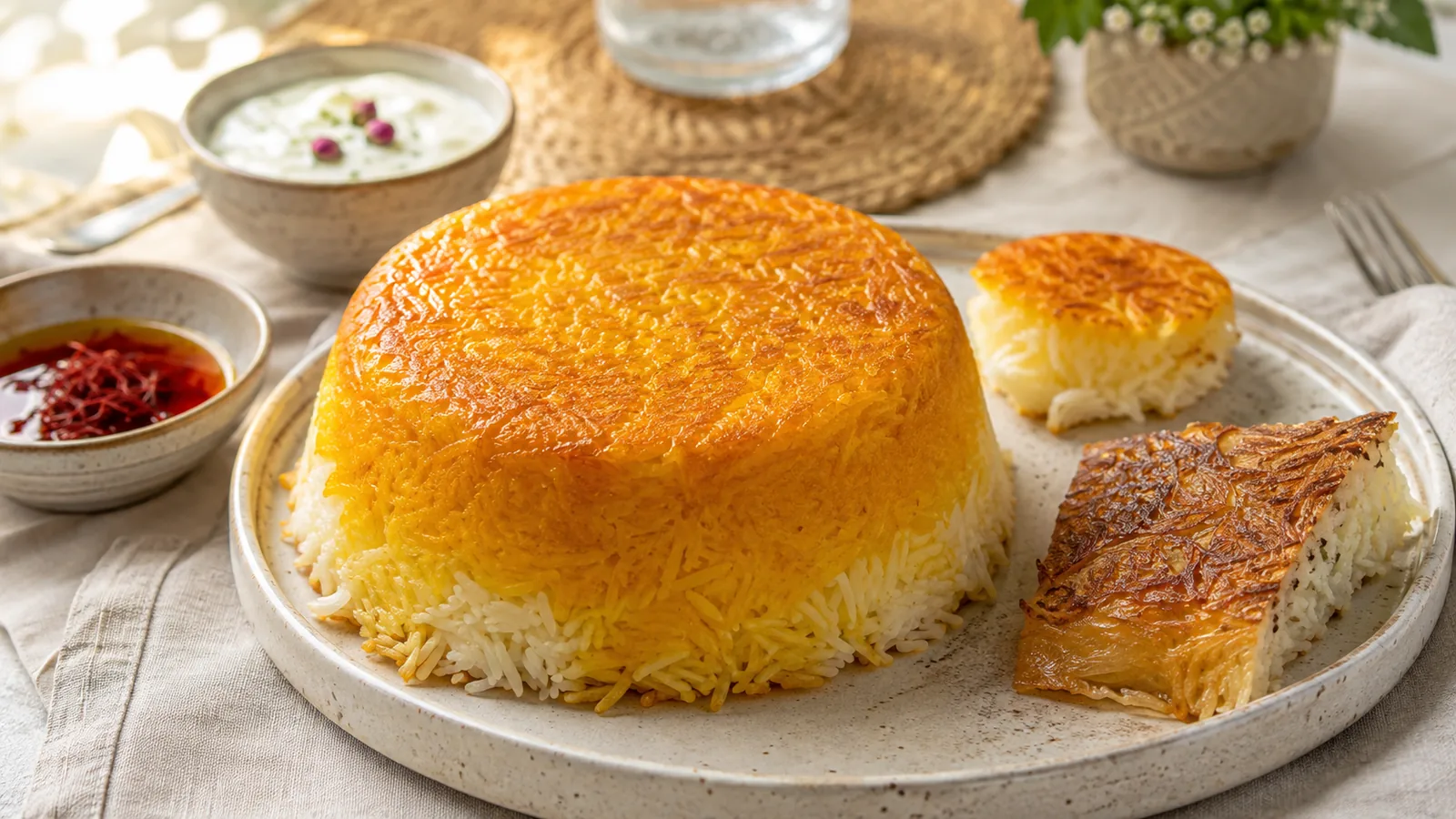
Tahdig is a crust, not fried rice
The crisp layer forms while the rice steams over controlled heat. You do not need to flip it in the pan to brown both sides. At serving time, either invert the whole pot onto a platter or lift the crust out in golden pieces.
A heavy nonstick pot with a flat base makes release easier. Choose a pot that gives the rice room to steam; a crowded pot creates a thick soft layer above the crust.
Prepare the rice for every version
- 2–3 cups basmati rice
- Water for soaking and boiling
- 1–2 tablespoons salt for the boiling water
Rinse the rice several times until the water is mostly clear. Soak it in generously salted water for 30 minutes to 2 hours. Bring a large pot of water to a rolling boil, drain the soaking water and add the rice.
Boil for 5–7 minutes, depending on the grain. Bite one: the outside should be soft while the centre retains a fine firm line. Drain immediately and rinse briefly with lukewarm water. Overcooked rice cannot form a distinct fluffy layer above the tahdig.
Bloom the saffron
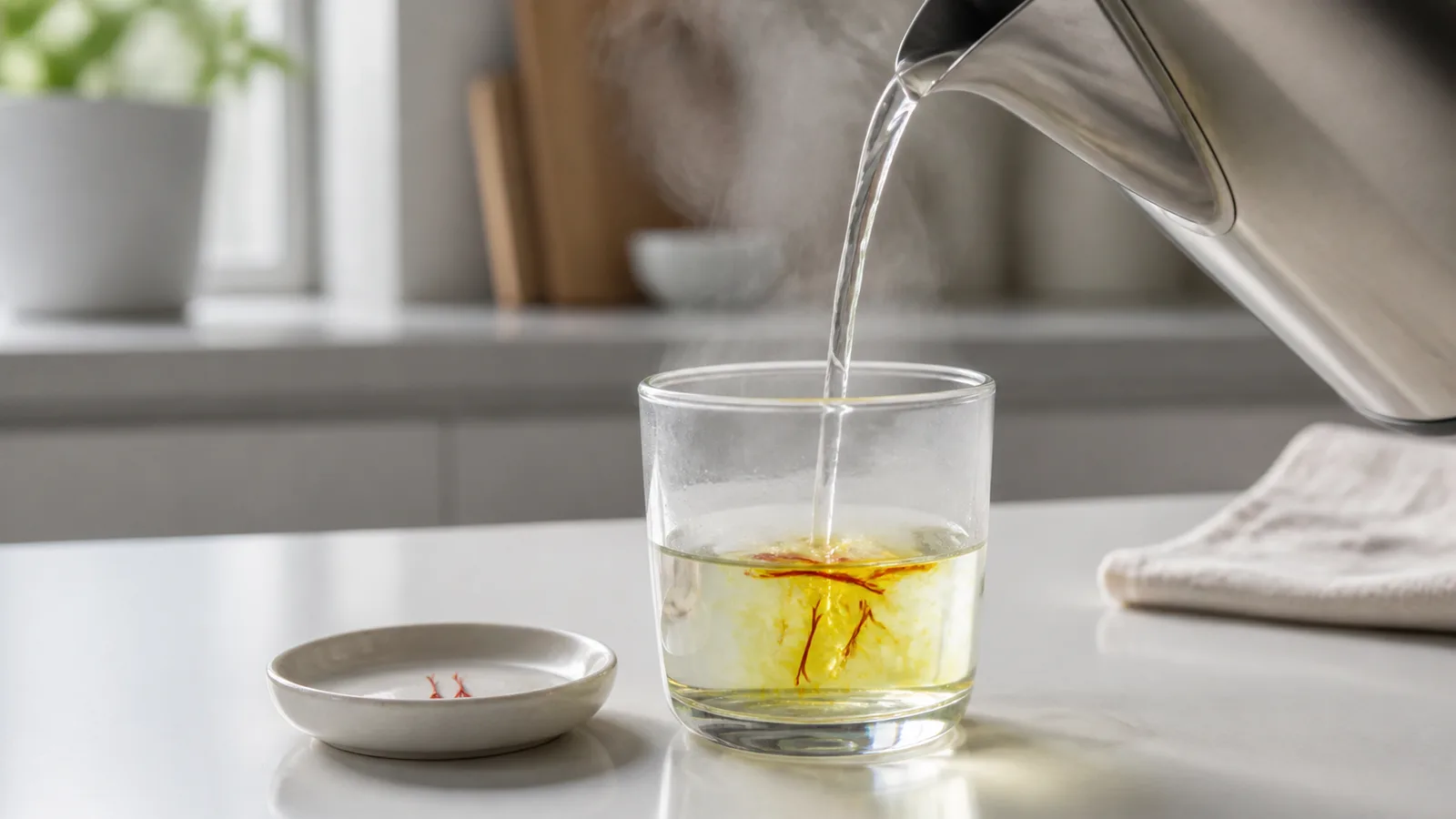
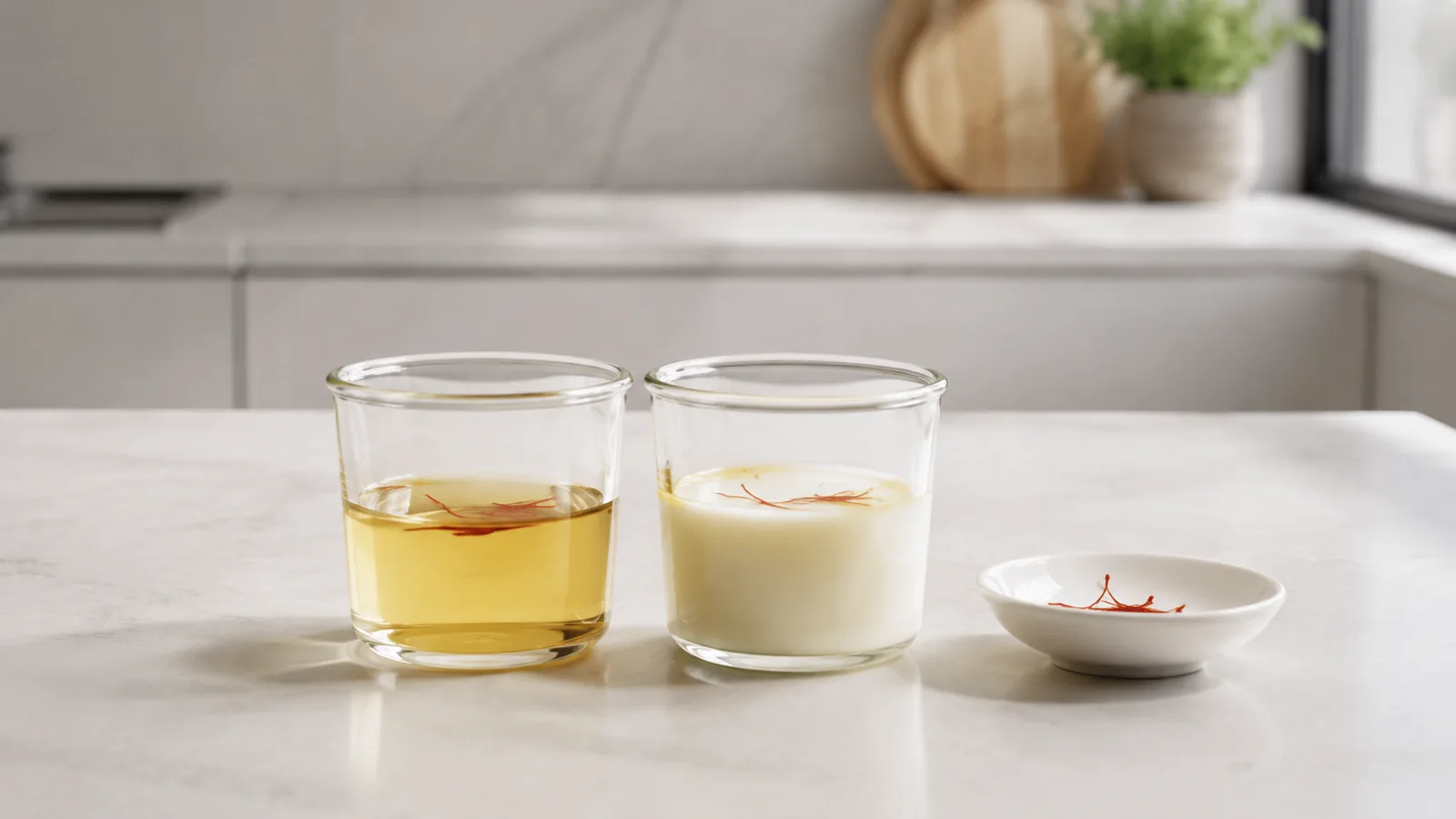
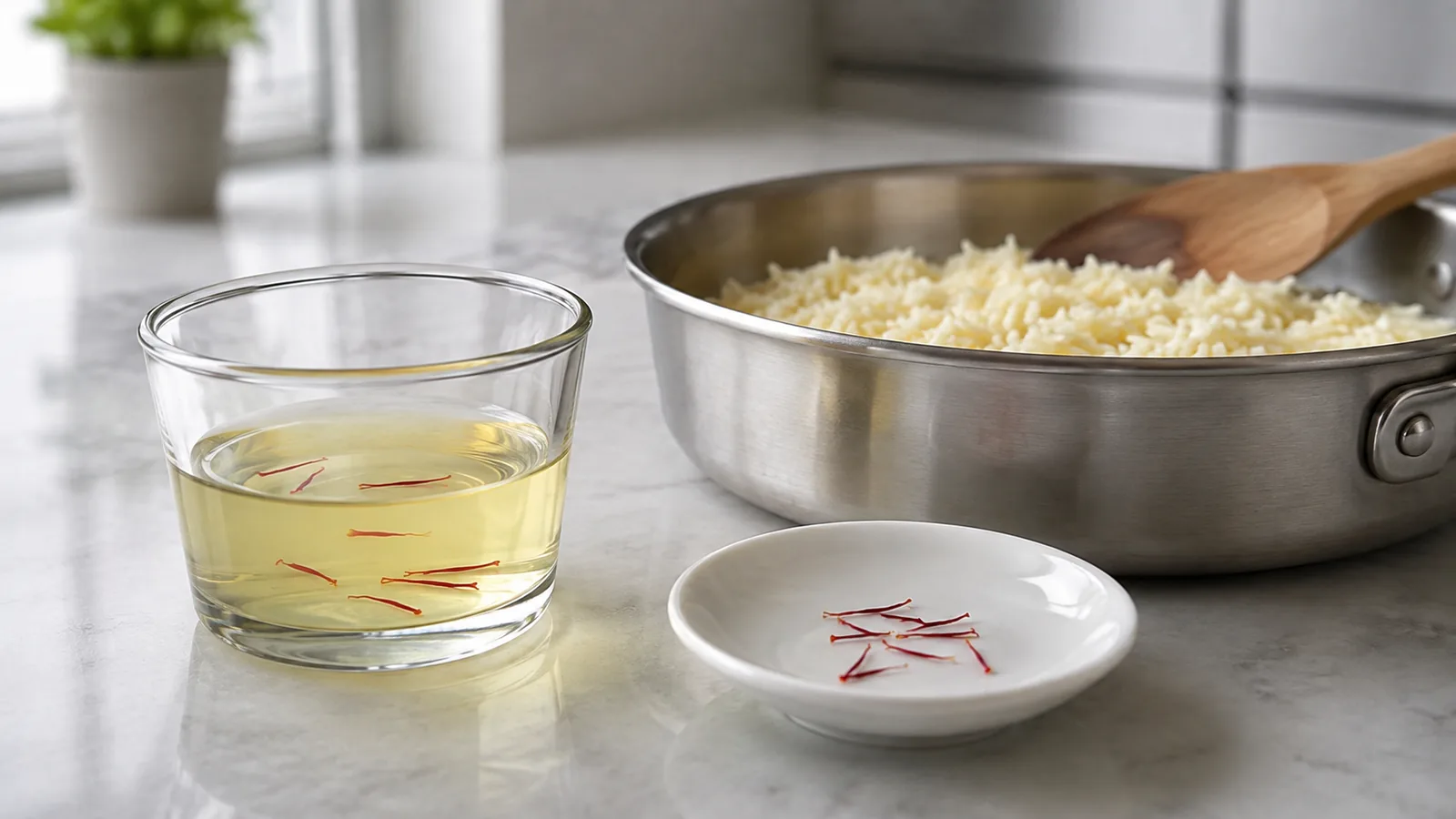
Grind 2 teaspoons of saffron threads. Cover with 4 tablespoons of hot water for 10 minutes, or place two small ice cubes over the ground saffron and let them melt. The finished infusion should be strong and evenly coloured.
Saffron tahdig with eggs
This is a rich, cohesive base with some of the character of tahchin. It works with 2–3 cups dry rice and serves about six alongside a main dish.
Ingredients
- About one-quarter of the parboiled rice prepared above
- 2 eggs
- 1 cup thick plain yogurt
- 2 teaspoons bloomed saffron
- 1 tablespoon rosewater, optional
- 4 tablespoons neutral oil, plus more if needed
- Pinch of salt
Method
Whisk the eggs until uniform, then mix in the yogurt, saffron, optional rosewater and salt. Fold in enough parboiled rice to make a loose, well-coated mixture.
Add the oil to the cold nonstick pot and spread it across the base. Spoon in the saffron rice mixture and press it into an even 1–1.5 cm layer. Mound the remaining plain rice loosely above it and make three steam holes with the handle of a spoon.
Cover the lid with a clean tea towel, securing the corners away from the flame. Cook over medium heat for 7–10 minutes, until steam builds, then reduce to low. Steam for 35–45 minutes. Let the pot stand off the heat for 5 minutes before inverting.
Saffron tahdig without eggs
Egg-free saffron tahdig can still release as a whole crust. Yogurt and rice starch bind it more gently, so give it enough oil and do not disturb the pot while it cooks.
Ingredients
- 3 cups dry basmati rice, parboiled as above
- 1 cup thick plain yogurt
- 2 teaspoons bloomed saffron
- 1 tablespoon rosewater, optional
- 4–5 tablespoons neutral oil
- Pinch of salt
Method
Mix about one-quarter of the parboiled rice with yogurt, saffron, optional rosewater and salt. Pour the oil into the cold pot, spread the saffron rice evenly across the base and press lightly. Add the remaining rice in a loose mound.
Build steam over medium heat, then cover and cook on low for 40–50 minutes. Rest for 5 minutes. If the crust resists inversion, dip the outside base of the pot in a shallow tray of cool water for 10 seconds, dry it and try again. Serving in crisp pieces is equally traditional and does not mean the tahdig failed.
Saffron tahdig with lavash bread
Ingredients
- 3 cups dry basmati rice, parboiled
- Lavash bread, enough for one layer across the pot
- 2 teaspoons bloomed saffron
- 4 tablespoons neutral oil
- Pinch of salt
Method
Cut or tear the lavash to cover the base in a single layer, with only slight overlap. Warm the oil in the pot over medium heat and stir in the saffron. Lay the bread flat, taking care around hot oil, and cook for 1–2 minutes.
Add the parboiled rice loosely, make steam holes, cover and lower the heat once steam rises. Cook for 35–45 minutes. The lavash should become crisp and deep golden, not dark brown.
Heat control: the difference between gold and burnt
The initial medium heat starts steam and sets the crust. Low heat finishes the rice without burning the saffron or bread. Very thin pots may need a heat diffuser. Listen after the heat is lowered: gentle crackling is useful; aggressive frying and a burnt smell are warnings.
Oil quantities are guides because pot diameter matters. The base should be completely filmed, with a little extra around the edge, but the rice should not float.
How to release tahdig
Run a silicone spatula gently around the edge. Put a platter wider than the pot over the top, hold both firmly and invert in one motion. Lift the pot straight up. If the crust comes out in sections, arrange them crisp-side up around the fluffy rice.
Do not scrape hard with metal utensils; they damage nonstick surfaces and break a crust that may still release with a short rest.
Troubleshooting
- Pale and soft: the pot needed a little more initial heat or cooking time.
- Dark before rice is cooked: the pan is thin or the low setting is still too hot.
- Greasy: reduce oil slightly next time or use a smaller pot.
- Rice is mushy: drain it earlier during parboiling.
- Lavash tears: use one even layer and avoid excessive overlap.
Serving
Serve saffron tahdig immediately beside Persian stew, grilled chicken or herbs and yogurt. Steam softens the crust as it sits, so keep it uncovered and crisp-side up until everyone is ready to eat.