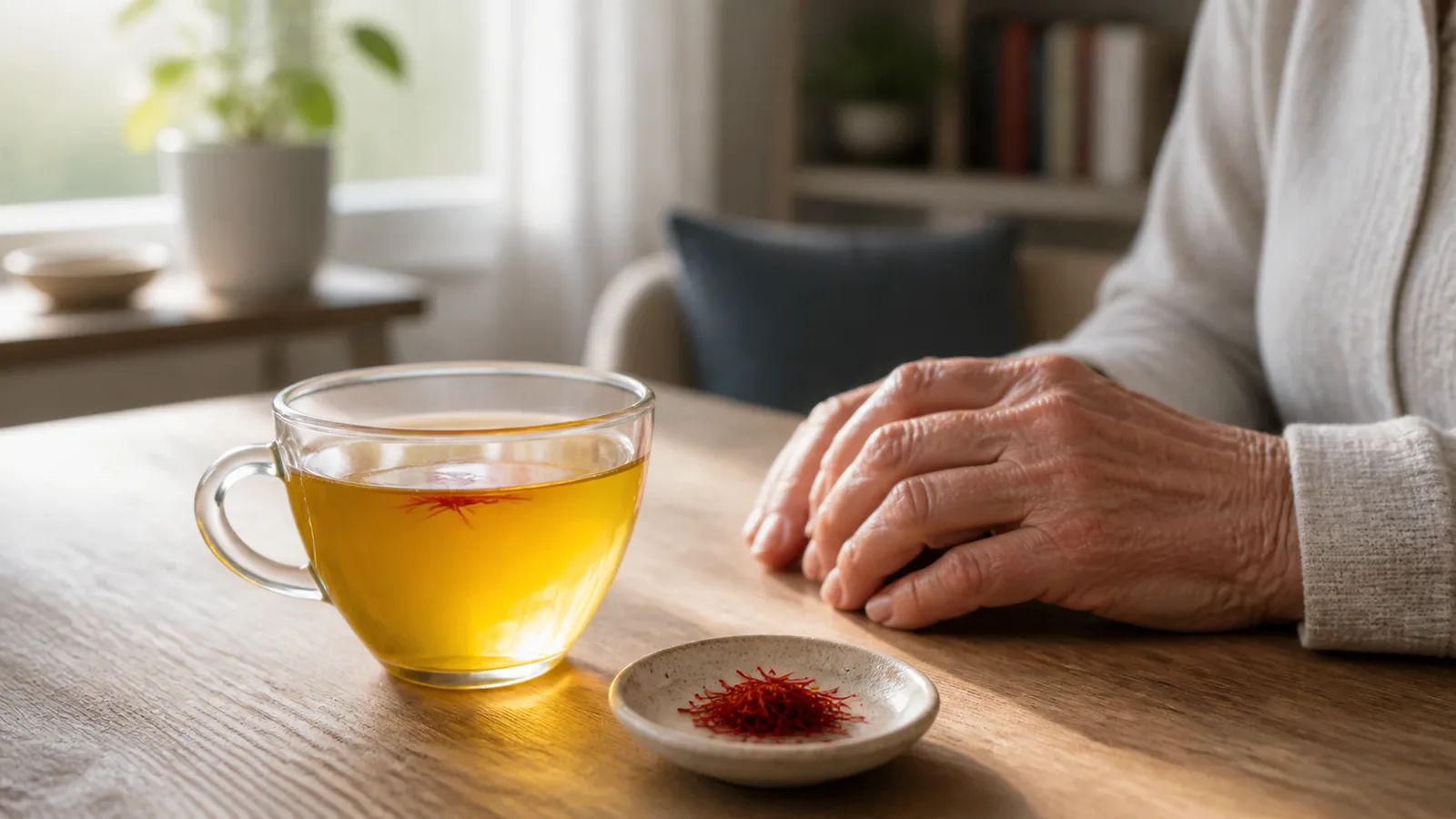
Saffron for rheumatism is an interesting area of research, not an established treatment. A few small clinical trials have tested saffron supplements in people with rheumatoid arthritis, and their results do not agree. Saffron contains compounds with anti-inflammatory activity in laboratory studies, but that alone cannot tell us whether it will ease a person’s joint pain, stiffness, or swelling.
It is also important to clarify the language. “Rheumatism” is an older, broad term for pain or disease affecting joints, muscles, or connective tissue. It is not one specific diagnosis. Rheumatoid arthritis, osteoarthritis, gout, and several other conditions have different causes and need different care.
Is saffron good for arthritis?
The most accurate answer is that we do not yet know whether saffron provides a meaningful benefit for any particular form of arthritis. Evidence from small trials is preliminary, and saffron has not been adopted as a standard arthritis treatment.
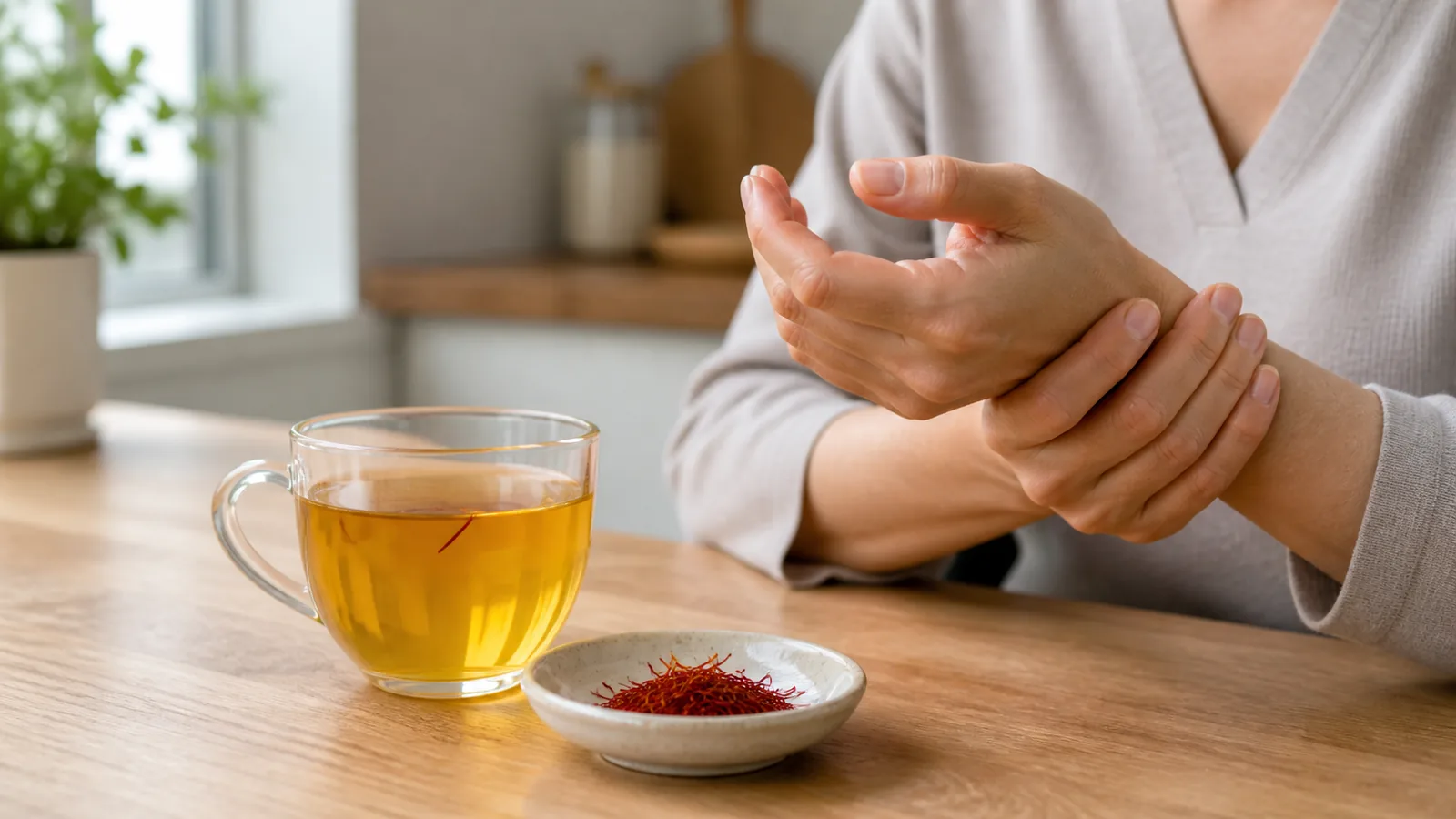
Rheumatoid arthritis (RA) is a chronic autoimmune disease in which the immune system attacks the body’s own tissues. It commonly causes pain, swelling, warmth, and prolonged stiffness in the hands, wrists, and feet. Osteoarthritis is different: it involves changes and damage within a joint and is not the same autoimmune disease. A result in one condition should not be transferred automatically to the other.
What studies of saffron and rheumatoid arthritis found
Two randomized controlled trials illustrate why cautious wording matters.
- A 2020 trial reported a benefit. Sixty-six women with active RA were assigned to a saffron supplement or placebo for 12 weeks, with 61 included in the final analysis. The researchers reported improvements in tender and swollen joint counts, pain, and a measure of disease activity in the saffron group.
- A 2021 trial did not find an added benefit. Fifty-five newly diagnosed patients received standard RA treatment plus either saffron or placebo. Disease activity improved in both groups, but there was no significant difference between them at the end of the study.
Both studies were small, short, and conducted in a limited population. They used a measured supplement under research conditions, not ordinary saffron tea or saffron rubbed on the skin. Taken together, they justify further study; they do not prove that saffron treats rheumatoid arthritis or prevents joint damage.
What “saffron anti-inflammatory” evidence means
Crocin, crocetin, and safranal are among saffron’s studied antioxidant constituents. Cell and animal experiments, along with some human research, have reported effects on oxidative stress and inflammatory pathways. Those findings help researchers decide what to test next.
They are not the same as evidence that eating saffron will relieve an inflamed joint. “Anti-inflammatory” describes an observed biological effect under particular conditions; it is not a promise of pain relief, restored flexibility, or broader heart and immune benefits. It does not make saffron an alternative to disease-modifying medication.
Saffron for arthritis in food, tea, oil, and supplements
Saffron in food
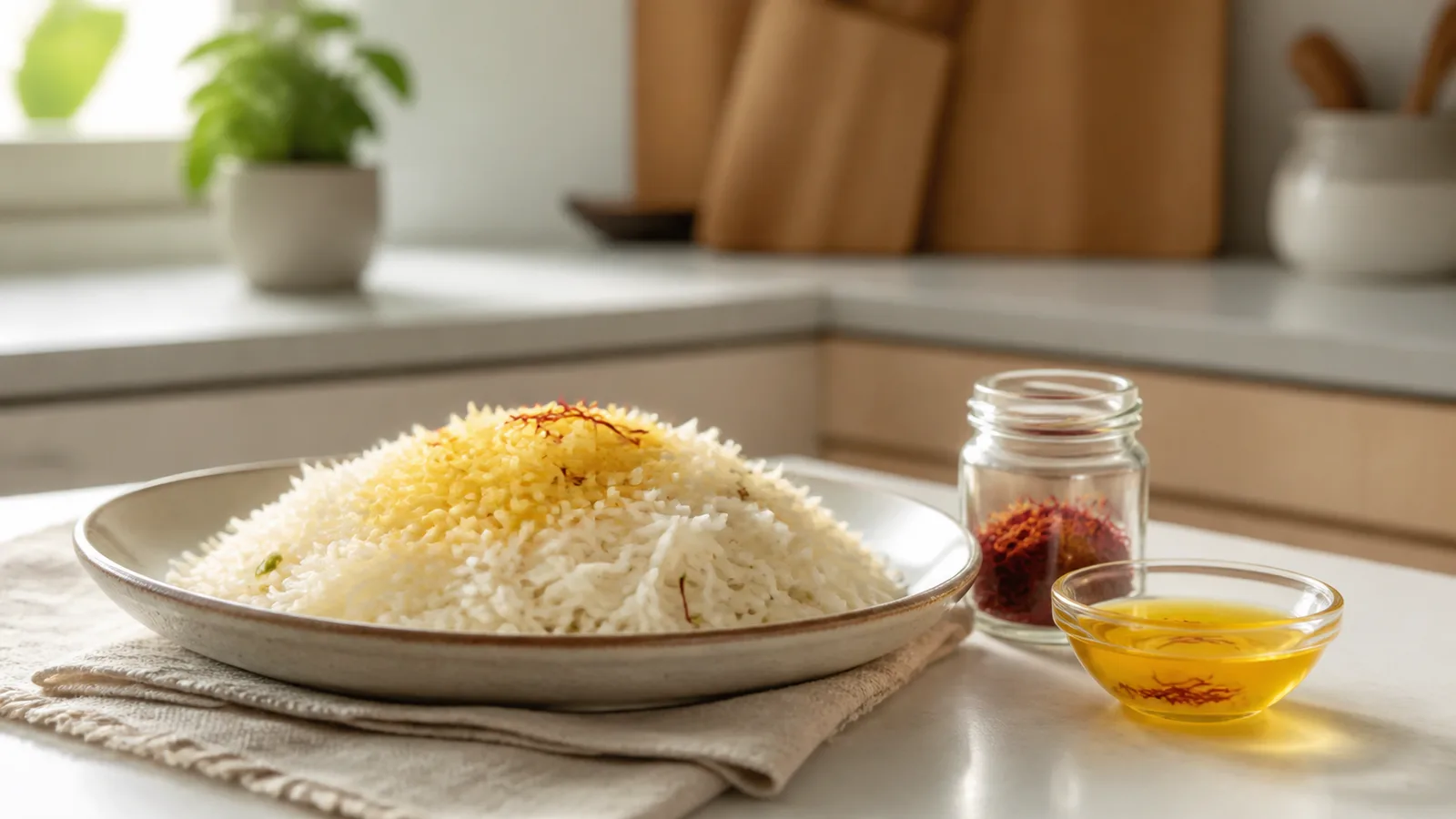
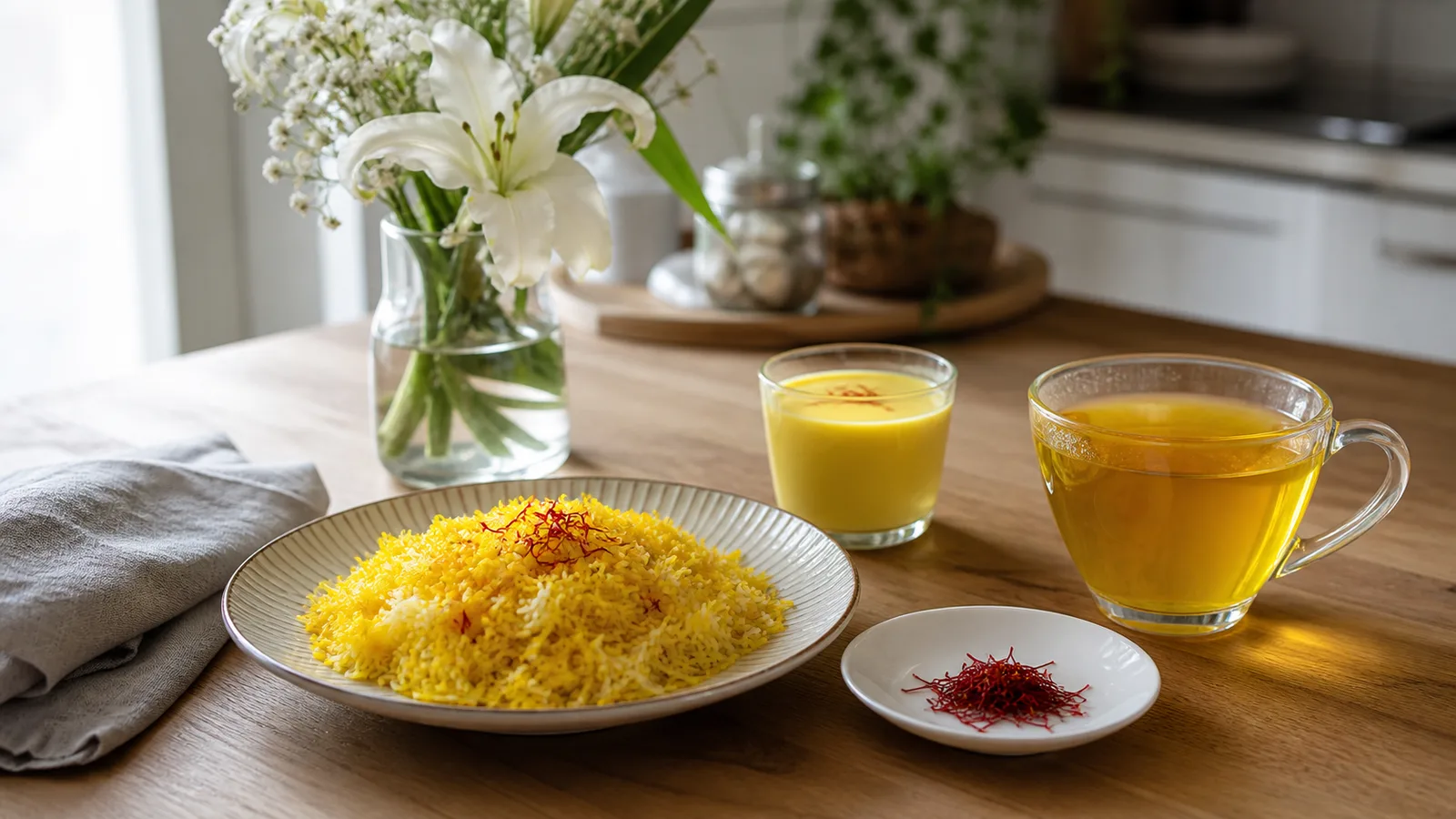
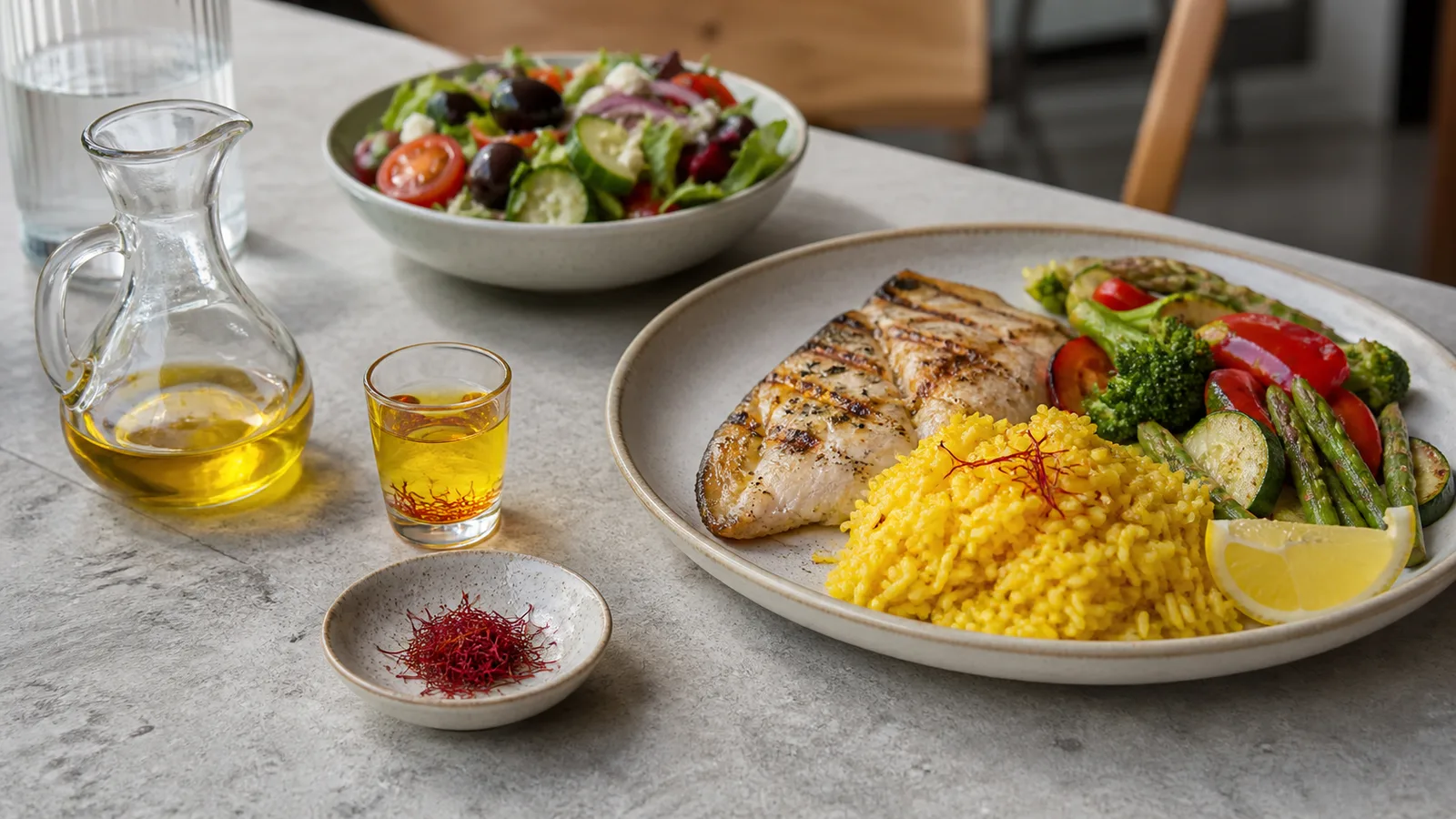
Using a small culinary amount in rice, soup, or another dish is the least concentrated way to enjoy saffron. It adds aroma, color, and flavor, but there is no clinical evidence that a normal serving relieves rheumatism. It is best thought of as food, not medicine.
Saffron tea
A gently brewed cup can be a pleasant warm drink. Avoid recipes that call for a teaspoon of threads: that is far more saffron than a normal cup needs. A modest pinch is enough for flavor. Tea has not been shown to reduce RA disease activity or replace pain treatment.
Topical saffron or saffron oil
There is no good clinical evidence that mixing saffron oil with a carrier oil and rubbing it over a sore joint treats rheumatoid arthritis, reduces swollen joints, or restores mobility. Massage itself may feel comforting, but it should not be credited to saffron without evidence. Oils and fragranced products can also irritate skin.
Saffron supplements
Supplements are much more concentrated than food, and products can differ in composition and quality. The amounts used in research should not be copied as a personal treatment plan. Speak with a doctor or pharmacist before taking one, particularly if you are pregnant, have a medical condition, or use prescription medicines.
Safety findings also need context. A 2026 systematic review of human saffron studies found that the most frequently reported adverse effects were generally minor, self-limiting gastrointestinal problems. Earlier reviews have reported symptoms such as nausea, headache, and dizziness. Evidence about allergic reactions is limited, so these lists should not be treated as a prediction of what any one person will experience. Stop using a product and seek advice if a concerning reaction occurs.
Why medical treatment should continue
Rheumatoid arthritis can begin damaging joints early in the disease. Current treatment aims to control inflammation, protect joints and organs, and maintain daily function. Disease-modifying antirheumatic drugs are used because they can slow or change the disease process; saffron has not been shown to do that.
If a person with RA wants to use saffron alongside their usual diet, that choice should be discussed with their rheumatologist without stopping or reducing prescribed medicine. Feeling temporarily better is not reliable evidence that the underlying disease is controlled.
When joint symptoms need medical attention
Seek a medical assessment for persistent swelling, warmth, morning stiffness lasting more than 30 minutes, symptoms affecting both sides of the body, loss of function, unexplained fatigue, or recurring pain. A clinician can distinguish an autoimmune condition from osteoarthritis, an injury, gout, infection, or another cause.
A hot, suddenly swollen joint accompanied by fever can require urgent care. Do not delay evaluation while trying saffron or another home remedy.
The practical conclusion
Questions about saffron for inflammation and saffron for arthritis are reasonable because early research has produced some interesting signals. The evidence remains too limited and inconsistent to call saffron a treatment for rheumatism or rheumatoid arthritis. Enjoying saffron in food or a mild tea may fit comfortably alongside medical care, but concentrated supplements deserve a conversation with a healthcare professional.
Sources
- Randomized, double-blind, placebo-controlled trial in active rheumatoid arthritis (2020)
- Randomized trial of saffron alongside standard rheumatoid arthritis treatment (2021)
- U.S. National Institute of Arthritis and Musculoskeletal and Skin Diseases: rheumatoid arthritis overview
- NIAMS: rheumatoid arthritis diagnosis and treatment
- Systematic review of adverse events reported in human saffron studies (2026)