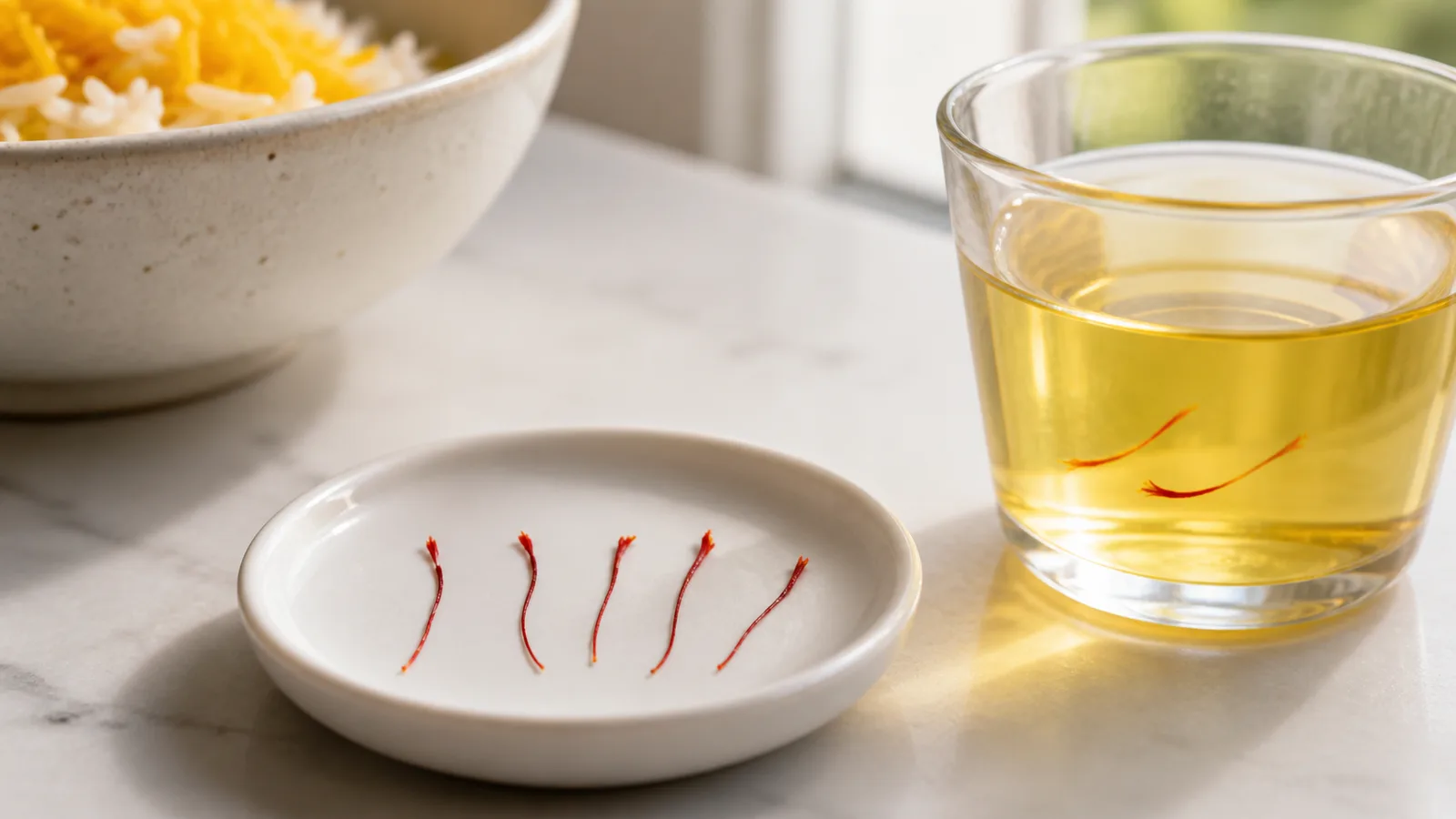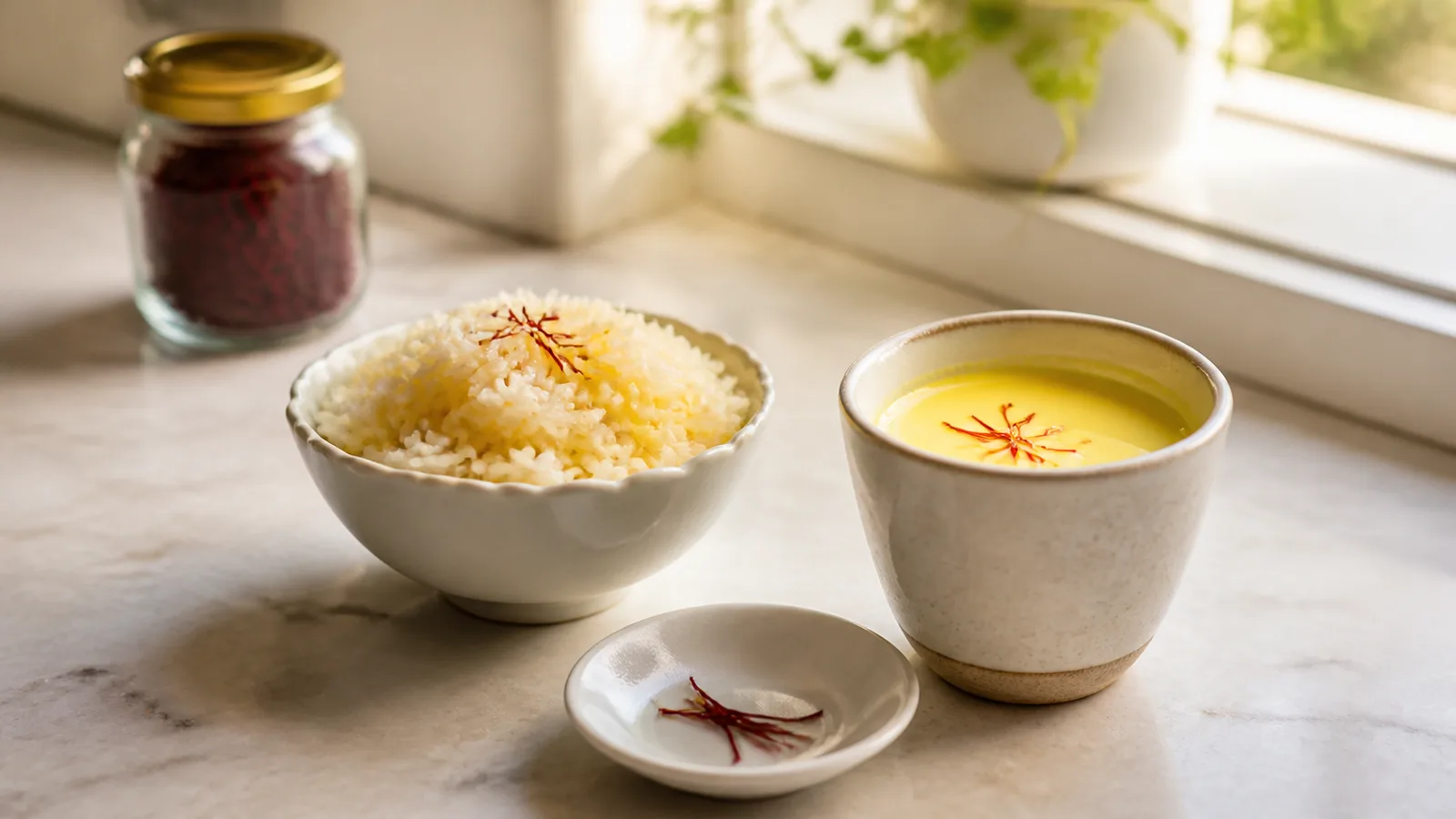
There is no universal amount of saffron that every person should consume each day. For cooking, saffron is used by the pinch: a few threads in one serving or a small pinch spread through a shared dish. That is very different from taking a measured powder, tablet, or concentrated extract for a health purpose.
A sound daily saffron intake policy starts by deciding which use you mean. Ordinary culinary use is about flavor, aroma, and color. A medicinal or supplement routine needs product-specific evidence and advice; it should not be derived from a recipe or a strand count.
Is 30 to 50 mg a recommended daily amount?
You may see 30 to 50 mg (30 to 50 milligrams) described online as a general daily recommendation. That number is not an official daily requirement for saffron, and clinical research does not make it appropriate for everyone. Studies use different forms, extracts, doses, durations, and populations. A milligram amount of one product may not be comparable with the same number on another.
Saffron is also too light and variable to measure accurately with an ordinary kitchen spoon. Thread size differs, and a “pinch” depends on the hand. These are useful culinary descriptions, not medical measurements.
How many grams of saffron per day?
For normal food use, thinking in whole grams per person per day is usually the wrong scale. A gram is a substantial quantity of this potent spice, not a routine individual serving. There is no reason to convert a few threads in rice or milk into a daily gram target.
If a clinician or a research protocol calls for a measured amount, use the specified standardized product and an appropriate scale or prepared dosage form. Do not estimate grams by spoon, pinch, or thread count.
How much kesar should be consumed daily?
Kesar is another name for saffron, so the same distinction applies. There is no nutritional requirement to consume it every day. If you enjoy it in food, use a modest recipe amount and let the dish—not a daily quota—determine whether you need it that day.
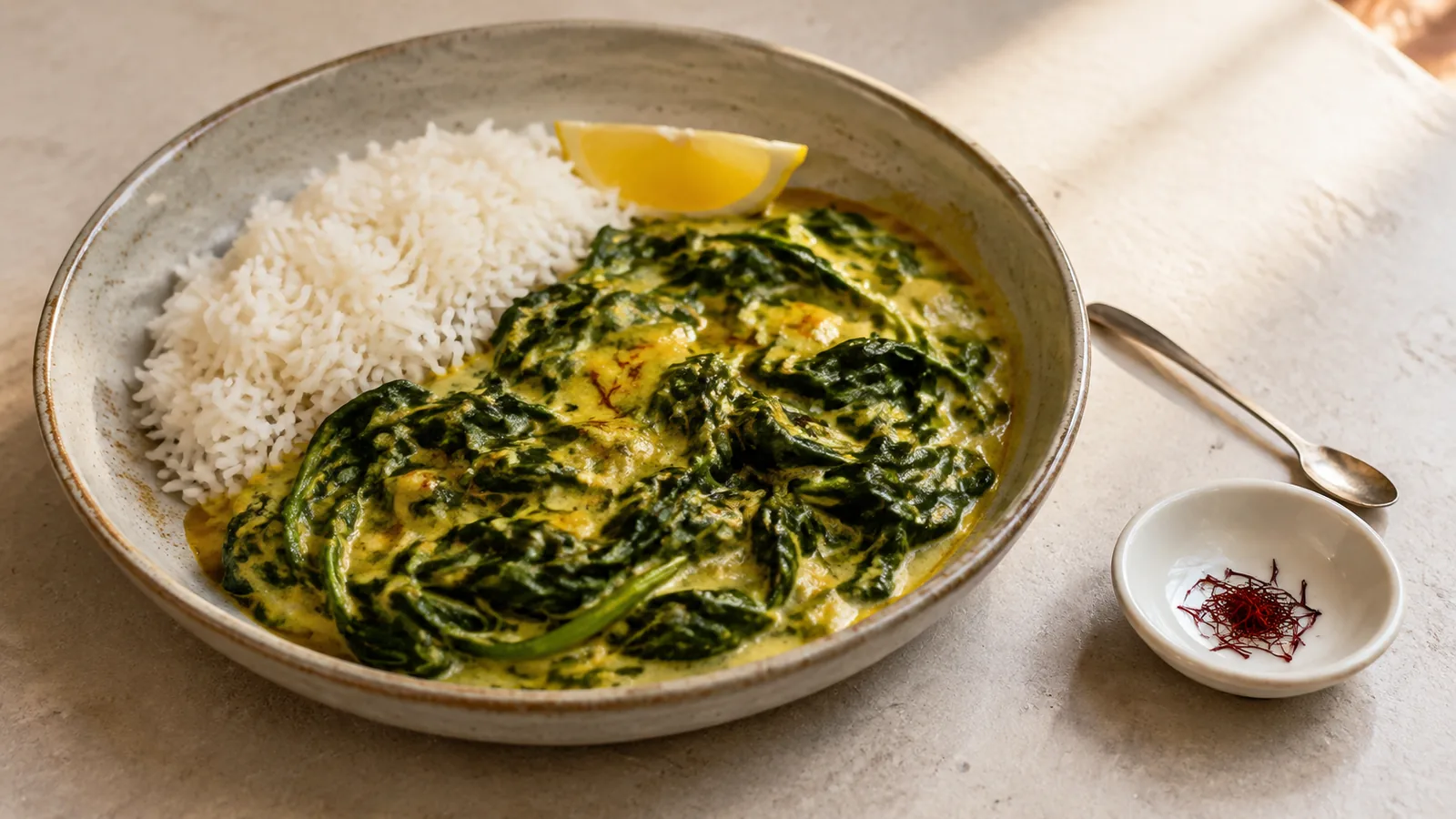
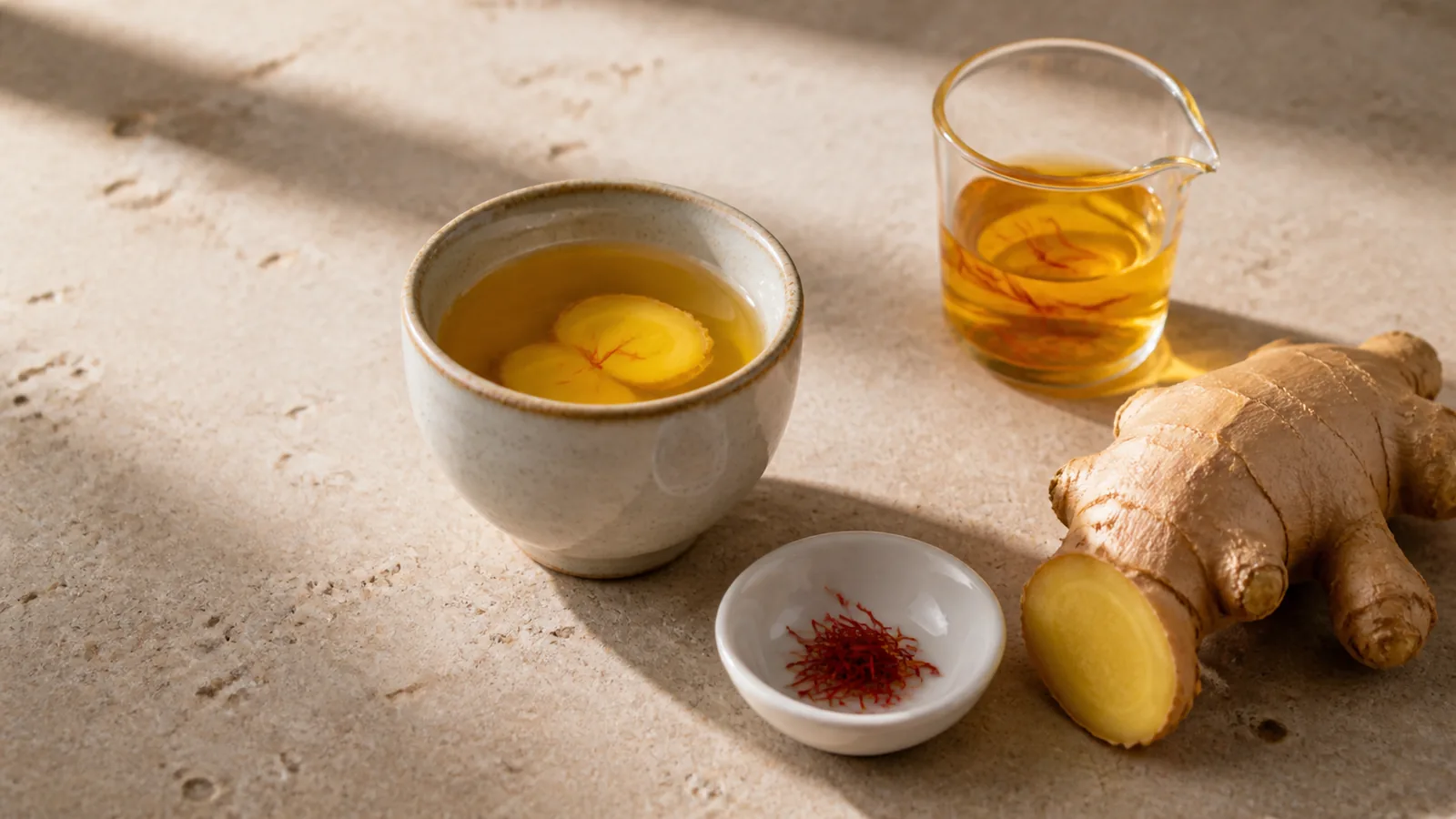
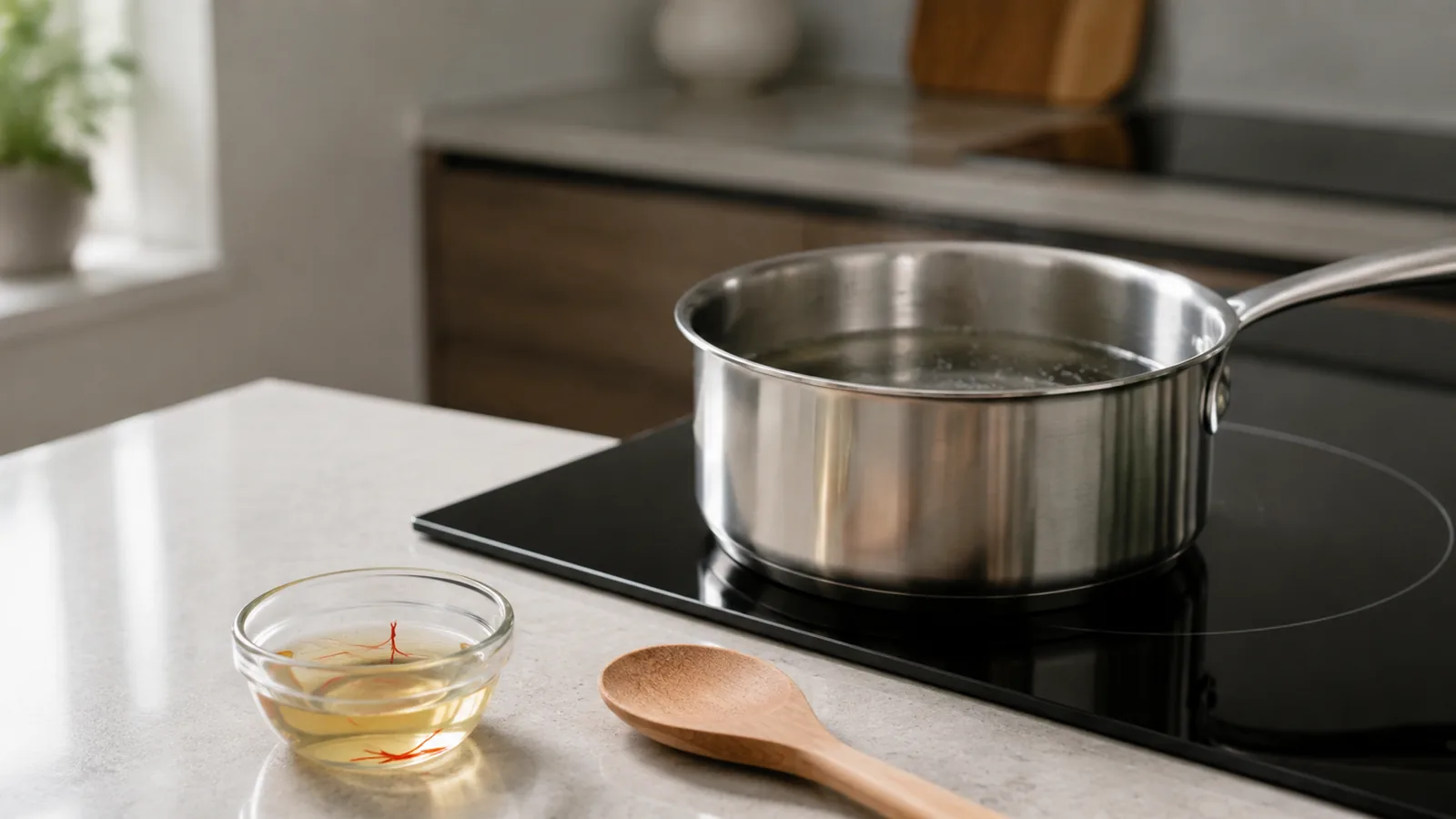
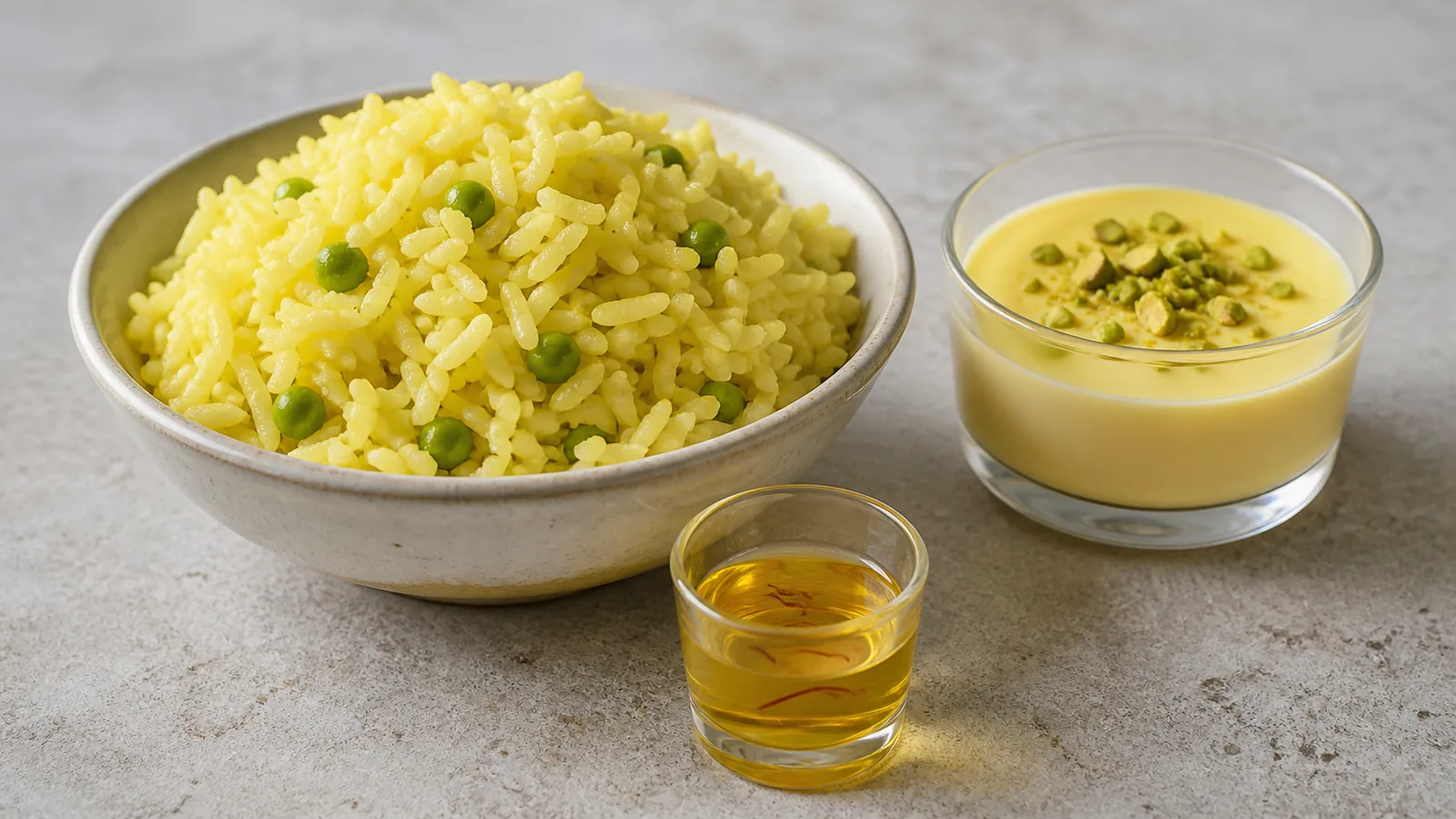
A few threads may suit one cup of tea or milk. A small pinch may be spread through rice, stew, or dessert for several people. Blooming the threads for 10 to 15 minutes in warm water, stock, or milk helps a modest amount distribute evenly and reduces the temptation to keep adding more.
What does the safety research show?
A small 2008 placebo-controlled trial gave healthy adults 200 mg or 400 mg of saffron tablets daily for seven days. Researchers observed no gross clinical changes, but the higher exposure affected blood pressure and several blood and biochemical measures; the changes remained within normal ranges in that short study. This was a 30-person experiment, not a daily-consumption recommendation. Read the trial record on PubMed.
A 2026 systematic review examined 102 clinical trials and one case report involving saffron monopreparations. It estimated that related adverse events occurred in about 17.5% of participants, most often minor, self-limiting gastrointestinal problems. The authors found saffron generally well tolerated but advised monitoring for higher-dose or prolonged medicinal use. See the systematic review on PubMed.
These findings help explain why “a dose appeared in a study” and “everyone should take that dose daily” are not the same statement.
Possible signs you have taken too much
Research on concentrated preparations most often reports gastrointestinal symptoms such as nausea, stomach discomfort, vomiting, or diarrhea. Dizziness or any other unexpected symptom after a supplement or unusually large amount also deserves attention.
Stop taking the product and contact a healthcare professional or local poison service if you think you swallowed a large quantity, do not know the concentration, or feel unwell. Severe symptoms need urgent care; an online dose chart cannot assess an individual exposure.
Who should get individual advice?
Ask a qualified clinician or pharmacist before using saffron in supplement or medicinal amounts during pregnancy or breastfeeding, for a child, before surgery, with a significant health condition, or alongside medicines and other supplements. Bring the exact label, because “saffron” can describe whole stigma powder, a tablet, or a standardised extract.
Normal seasoning and concentrated use remain separate decisions. A food recipe should not be treated as evidence that a supplement is suitable, and a supplement study should not be converted into a culinary strand count.
Practical ways to keep culinary use modest
- Take a small pinch out of the container instead of pouring directly into the pan.
- Bloom the threads so the aroma and color spread efficiently.
- Taste the finished infusion before deciding that more is needed.
- Do not combine several saffron foods and a supplement to meet an invented daily target.
- Store threads closed, dry, and away from light so loss of aroma does not lead to overuse.
What about daily benefits?
Research into saffron does not justify promising that a culinary pinch every day will improve mood, digestion, inflammation, or general wellness. The outcome depends on the preparation, amount, duration, health context, and evidence for the specific claim. Enjoy saffron as food unless a qualified professional has recommended something more specific.
For identifiable culinary threads and recipe use, visit our products page.
The clearest answer to how much saffron should I consume daily is therefore simple: there is no required daily quota. Keep kitchen use modest, do not translate clinical doses into household advice, and seek product-specific guidance before using concentrated forms.