There is no evidence-based number of saffron strands per day for weight loss. Five or ten threads may be a reasonable culinary pinch, but it is not a proven weight-loss dose. Human studies have generally tested measured, standardised extracts rather than counting threads, and the overall evidence does not show a reliable reduction in body weight.
You can still use saffron in a balanced meal or drink. Just separate that enjoyable food choice from the much stronger claim that a particular strand count suppresses appetite, speeds metabolism or causes fat loss.
How many strands of saffron per day for weight loss?
No clinical guideline says that 5–10 strands, or any other thread count, produces weight loss. Threads differ in length, thickness, moisture and the amount of crocin, picrocrocin and safranal they contain. Counting them therefore cannot provide the controlled dose used in a trial.
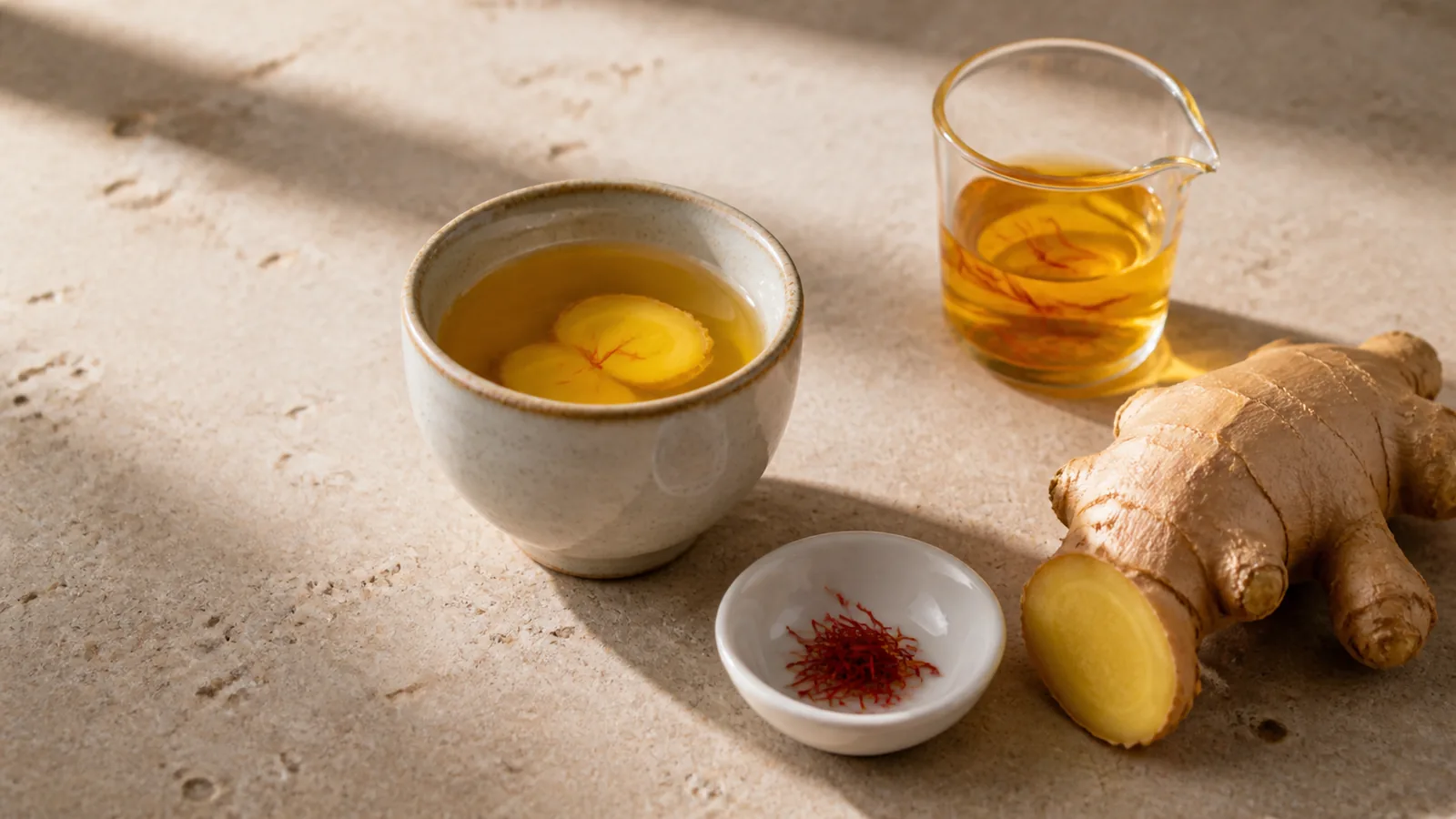
If you want saffron for flavour, a small pinch is usually enough for one drink or a modest dish. Bloom the lightly crushed threads in warm water for 10–15 minutes, then add both the liquid and threads. That is a cooking method, not a saffron dosage for weight loss.
Can saffron help with weight loss?
The most useful answer comes from results across several trials. A systematic review and meta-analysis of 25 randomised trials in people with overweight or obesity found no statistically significant reduction in body weight, BMI, waist circumference or hip circumference. It found a change in waist-to-hip ratio, but the authors also noted limitations and called for better evidence.
That result is more informative than an individual promising study. It means saffron should not be presented as a reliable way to lose weight, even though researchers continue to investigate particular preparations and metabolic outcomes.
What about appetite and snacking?
A small eight-week randomised trial in 60 mildly overweight women reported fewer self-recorded snacks and greater weight reduction with a branded saffron extract than with placebo. The study used 176.5 mg of that extract per day, divided into capsules. It did not test ordinary culinary threads, and it does not establish that a cup of saffron water will curb hunger.
Appetite is influenced by meal composition, sleep, stress, medicines, health conditions and eating patterns. Crocin and safranal are interesting saffron compounds, but describing them as proven serotonin-balancing appetite suppressants, digestion enhancers or metabolism boosters is too certain for the evidence.
Why milligrams from a study cannot become a strand count
A standardised extract is manufactured to a defined specification. Culinary saffron is the dried stigma of Crocus sativus, with natural variation from crop to crop. One cannot be converted reliably into the other by dividing a capsule amount into an estimated number of strands.
This distinction also matters for safety. A few threads in rice are not the same exposure as a concentrated supplement used every day. If a product was studied at a particular amount, the result belongs to that product and population; increasing a different product does not make it equivalent.
How to take saffron for weight loss without overclaiming it
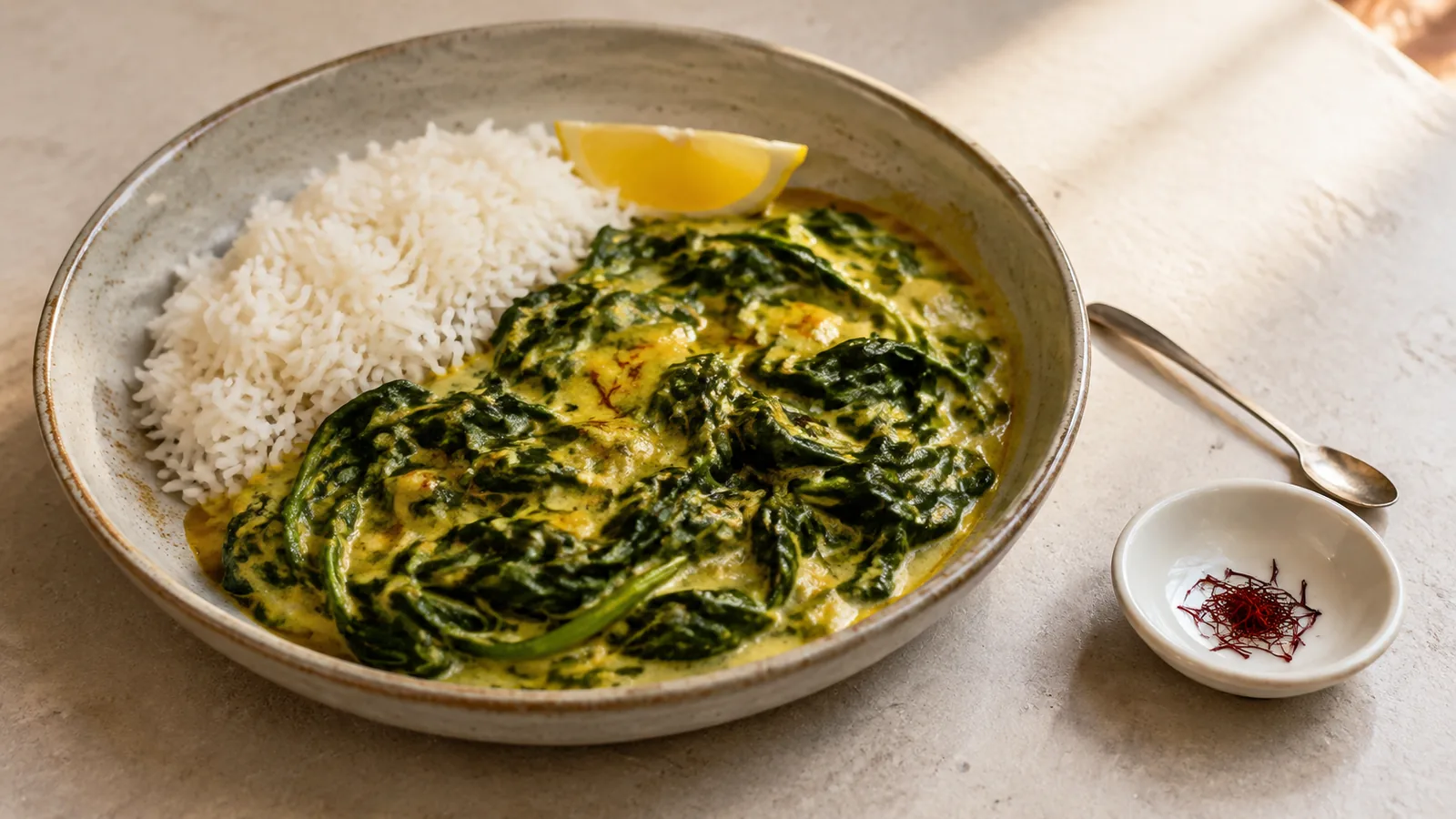
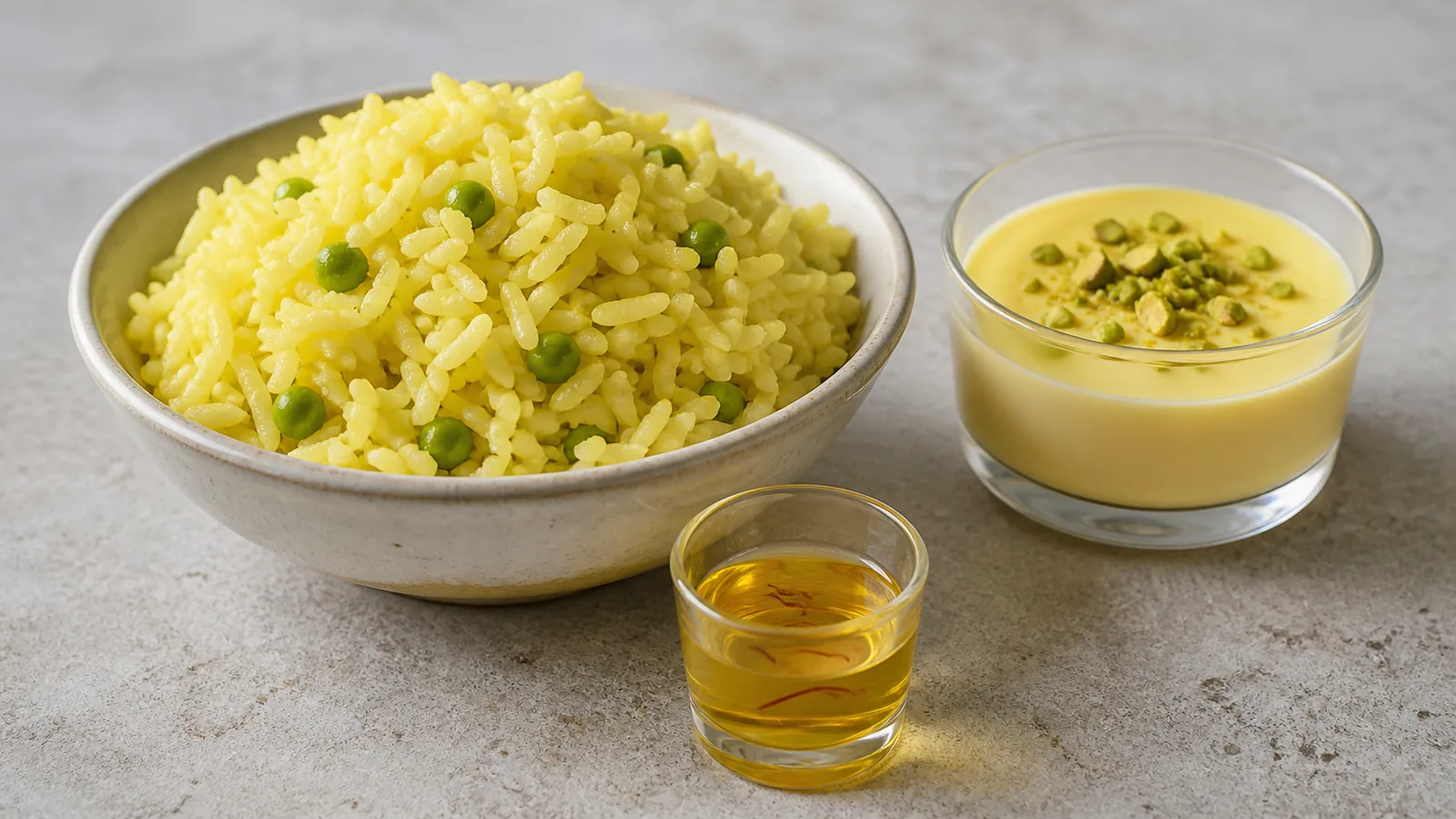
If you enjoy saffron, use it where it helps make nourishing food appealing. Bloomed saffron works in rice, vegetables, soups, yoghurt, milk and unsweetened tea. Watch what accompanies it: a heavily sweetened saffron drink or dessert can add substantial energy even though the spice itself is used sparingly.
There is no need to spread threads between morning and dinner to keep metabolism active. Morning saffron has not been shown to create a sustained energy boost, and taking it before an evening meal is not proven to prevent overeating. Choose timing for taste and comfort unless the label for a specific extract gives other directions.
What actually supports weight management?
The US National Institutes of Health’s consumer guidance on weight-loss supplements says the established approach is a healthy eating pattern, reduced calorie intake and regular physical activity. It also warns that evidence for many products sold for weight loss is limited and that supplements can interact with medicines.
A practical plan should also be realistic enough to maintain. Protein- and fibre-rich foods can make meals more satisfying; sleep and routine matter; and a clinician or registered dietitian can help when weight changes are unexplained, medications affect appetite, or a health condition complicates the plan. Saffron may flavour that plan, but it should not replace it.
Safety before using concentrated saffron
Culinary amounts and supplements should not be treated as interchangeable. Check with a qualified healthcare professional before using a concentrated saffron product if you are pregnant or breastfeeding, take medicines, are preparing for surgery, have an important medical condition or are being treated for obesity or an eating disorder.
Stop and seek advice if a new supplement causes a troublesome symptom. Do not increase the serving because a lower amount has not changed your appetite or weight, and do not combine several weight-loss supplements without a professional reviewing all the ingredients.
The practical conclusion
How much saffron per day is appropriate depends on whether you mean food or an extract. For food, use the small amount the recipe needs and enjoy its aroma and colour. For a supplement, follow the exact label and professional advice rather than inventing a strand equivalent.
If you are considering saffron to lose weight, the honest answer is that no daily strand count has been proven to do that. Choose authentic culinary saffron for cooking, and build weight management around methods with stronger evidence.