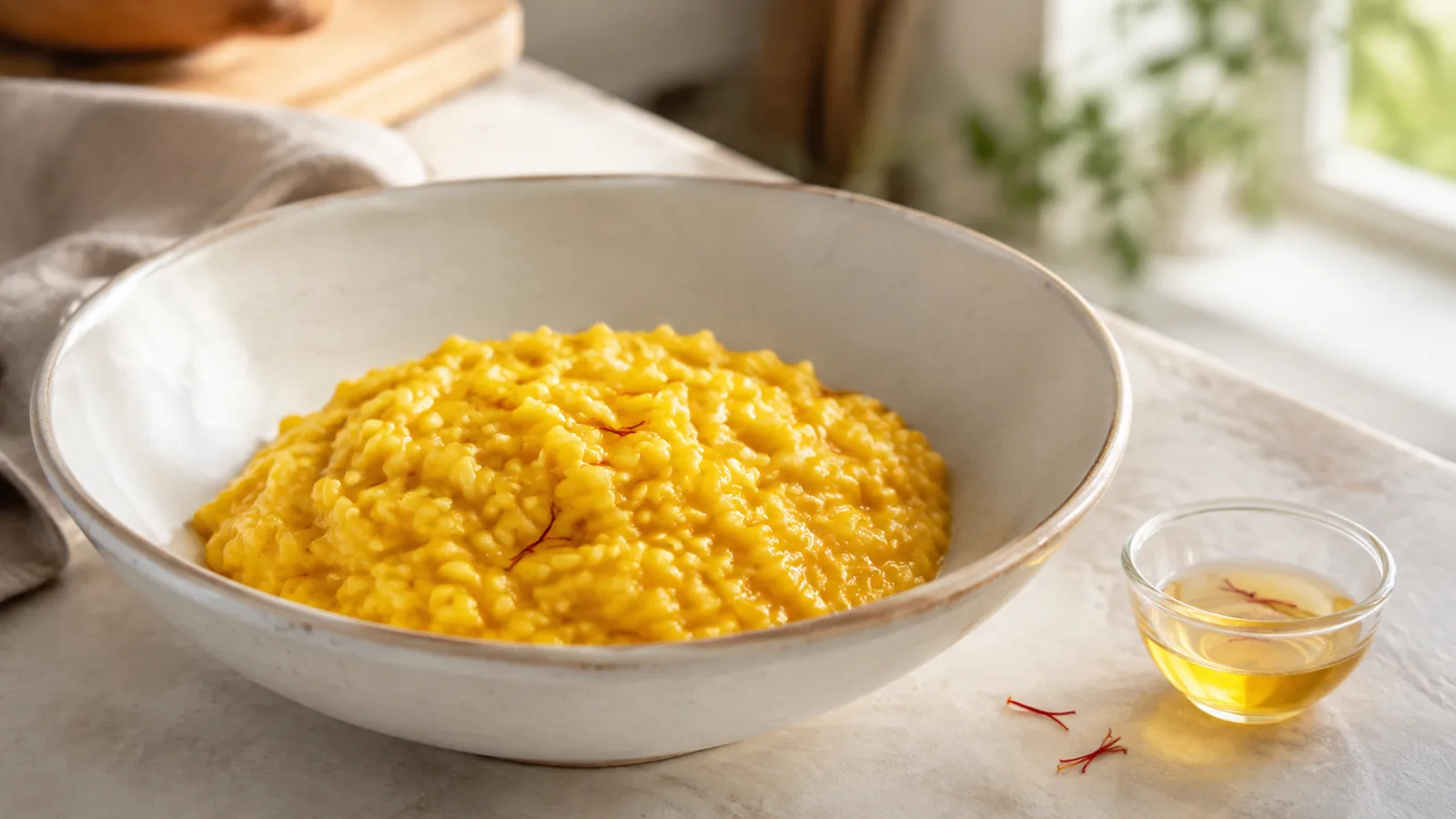
For one 240 ml cup, start with 3–5 saffron strands. This makes a light, aromatic drink without using more spice than you need. For a fuller saffron flavour, try 7–8 strands the next time rather than adding a large pinch at once.
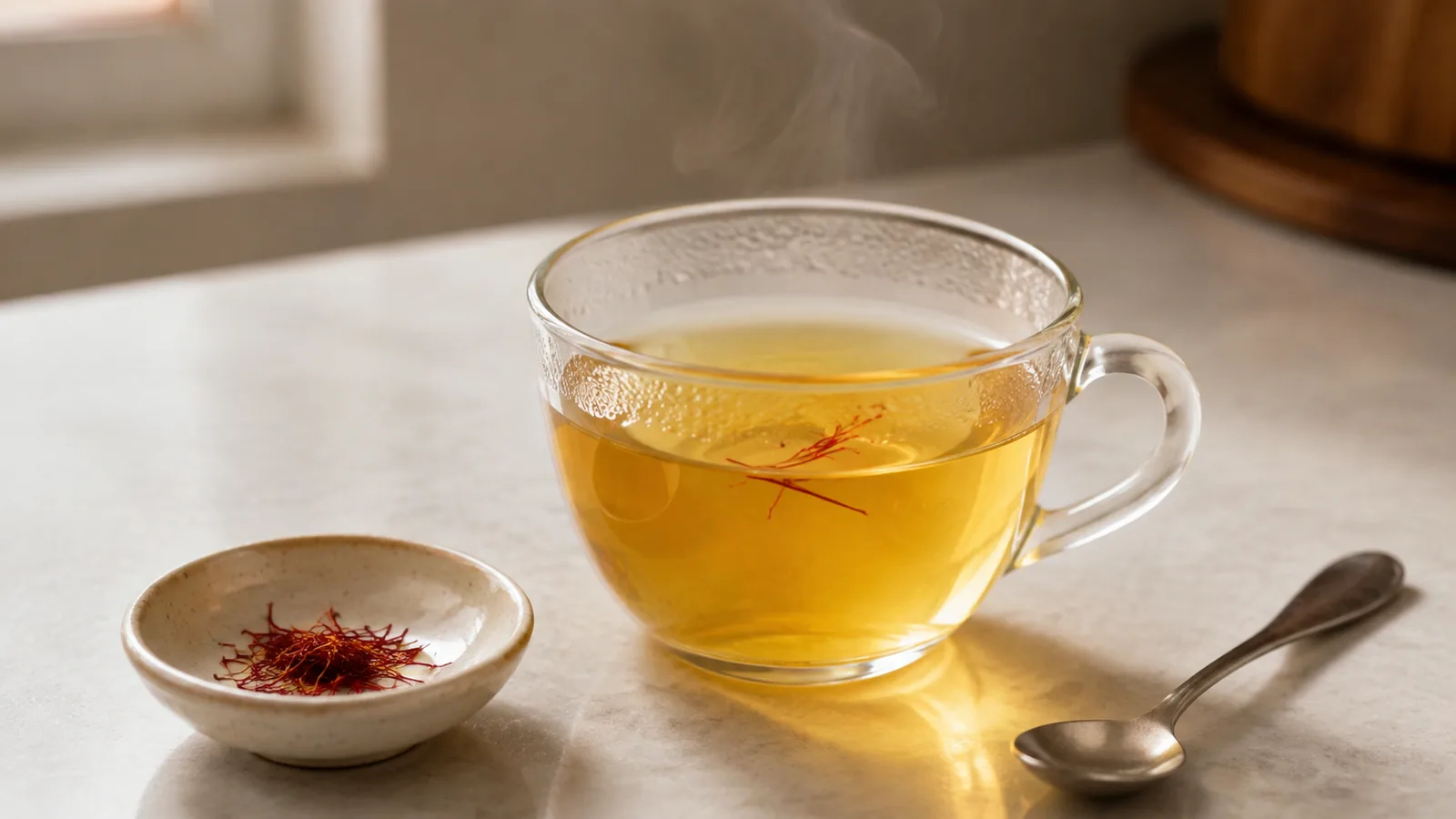
How many strands of saffron for 1 cup of tea?
Saffron strands for tea are best treated as a practical starting measure, not a precise dose. Whole threads differ in length and thickness, while the bottom of a jar often contains shorter fragments. Three long stigmas and three broken pieces will not flavour water in the same way.
Whether you ask how many strands of saffron for tea or how much saffron to use in tea, begin with 3–5 visible threads for a gentle cup and 7–8 for a stronger one. The same guidance answers “how many saffron threads for tea?”—thread and strand mean the same thing here. The ideal amount depends on the saffron, cup size and other ingredients. If you are brewing a large mug, scale the amount modestly and taste before deciding what works for the whole jar.
What counts as a strand?
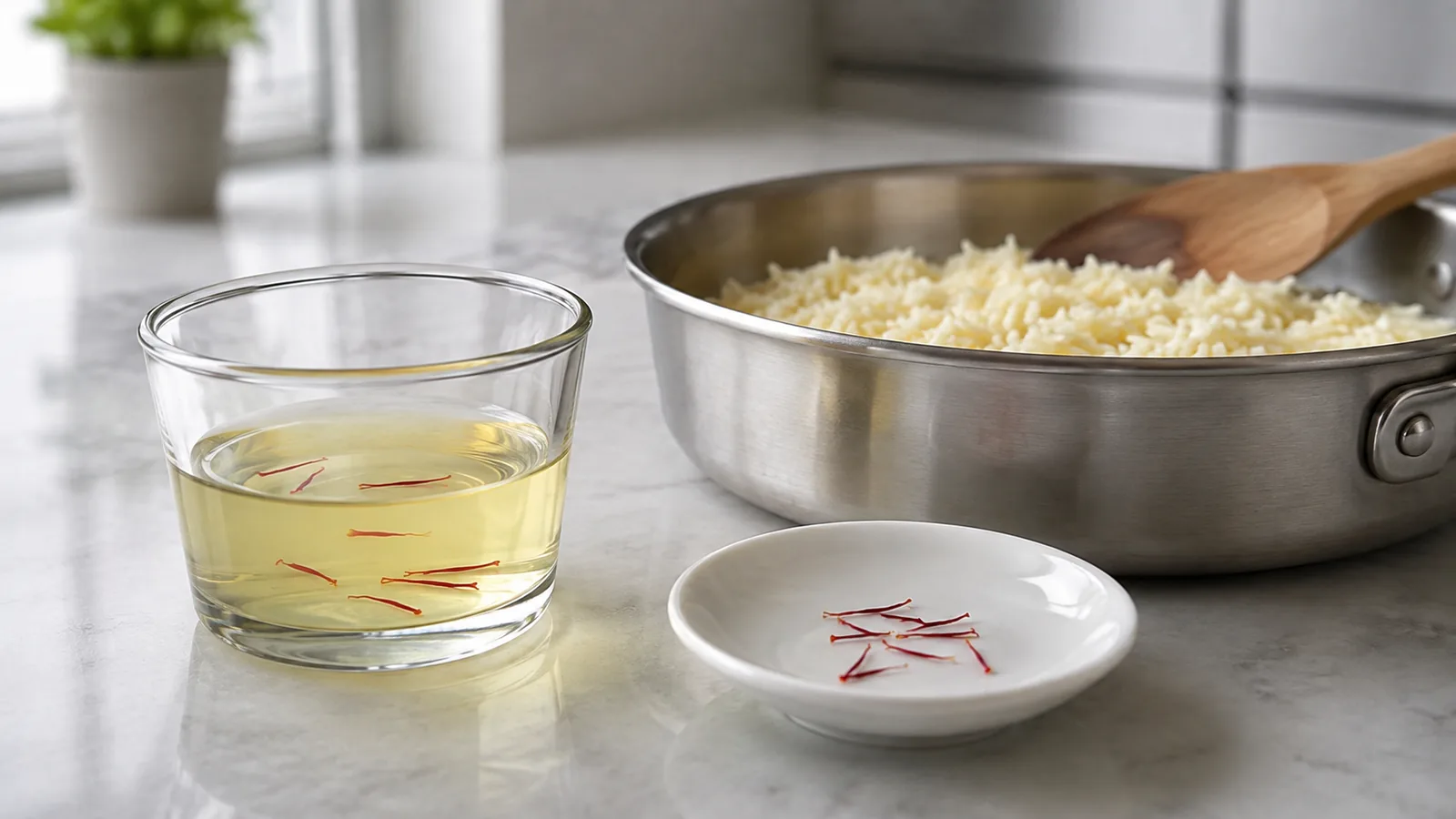
A saffron “strand” or “thread” is a dried stigma from the flower. Some people search for saffron sprigs, but sprig is not the usual culinary term. A packet may contain intact stigmas, split ends and small fragments, so counting becomes less reliable as the saffron breaks.
This is also why a question such as “30 mg of saffron—how many strands?” has no dependable universal answer. If a recipe or product instruction specifies milligrams, use a scale that can measure that quantity; do not convert it to a guessed thread count.
How to brew one cup
- Put 3–5 threads in a small cup or heatproof dish. Lightly crush them with clean, dry fingers or the back of a spoon.
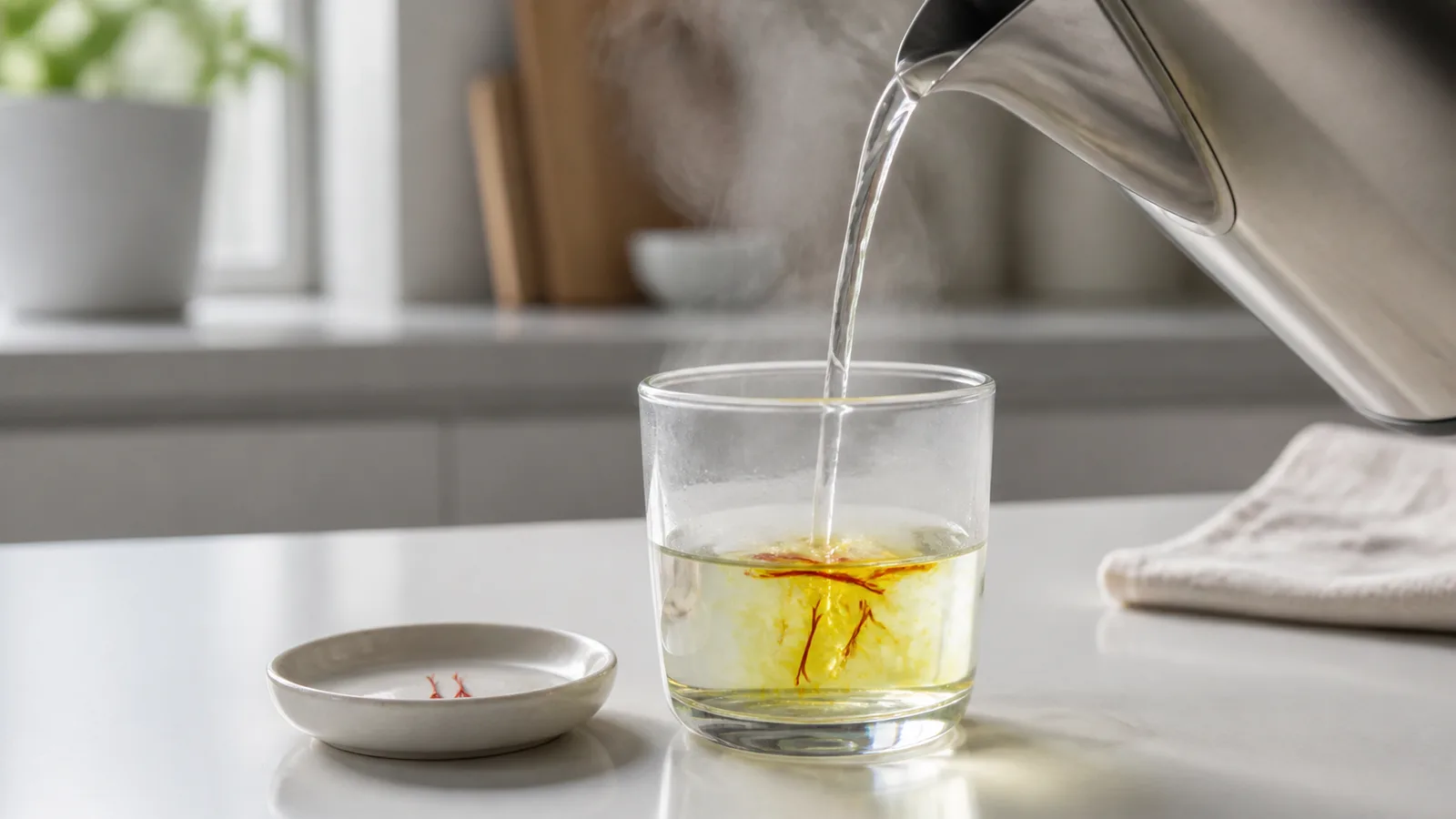
- Add one or two tablespoons of warm water—hot enough to make an infusion—and leave the threads to steep for 10–15 minutes.
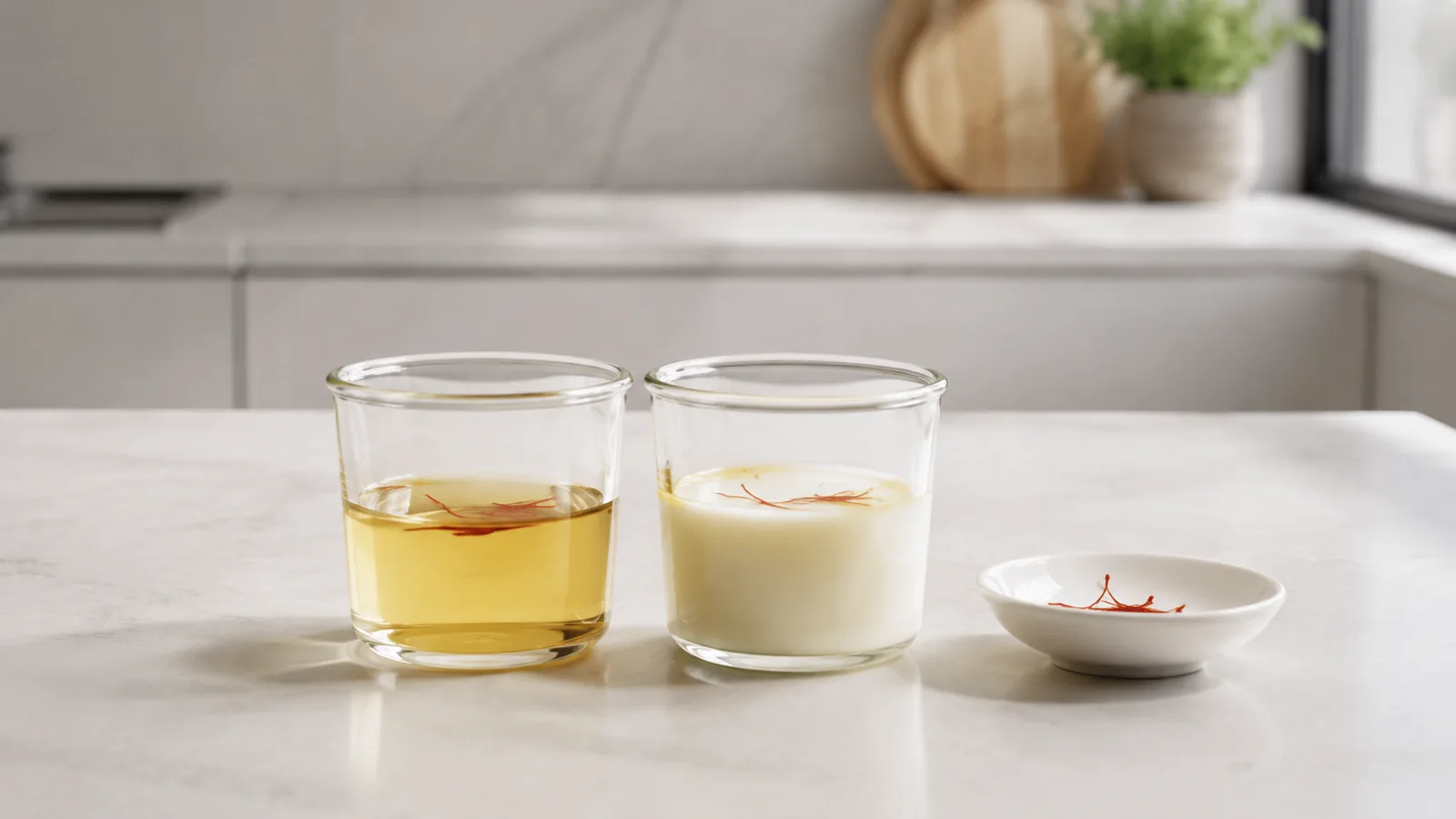
- Pour the infusion, including the softened threads if you like, into roughly 240 ml of hot water or freshly brewed tea.
- Taste it plain first. Add a little honey or lemon only if it suits you; either can cover a very delicate brew.
Pre-infusing helps distribute the colour and aroma instead of leaving dry threads floating in one part of the cup. For other brewing methods and flavour combinations, see the full guide to using saffron in tea.
Black, green or herbal tea?
Saffron can be infused in hot water by itself or added to a tea base. Black tea produces a stronger, brisker cup, so it may need the upper end of the thread range. Green tea is lighter but can turn bitter if brewed too hot or too long. Mild herbal blends leave more room for saffron’s floral aroma.
A drink made only with saffron and water contains no added tea leaf or coffee ingredient. If caffeine matters to you, check the base tea and its label: black and green tea contribute caffeine, while the saffron thread count does not tell you how much caffeine is in the cup.
How to adjust the flavour
If the cup tastes weak, first give the infusion more time. A pale colour alone does not prove that the saffron failed; aroma and taste matter too. On the next brew, increase by one or two threads and keep the water volume the same.
If the drink tastes too bitter or medicinal, dilute it with more water rather than covering it with sugar. Use fewer threads next time. Saffron should be noticeable, but it need not dominate every sip.
Can you drink the threads?
Culinary saffron threads can remain in the cup after steeping. They soften in hot water and may settle at the bottom. You can drink them, leave them behind, or strain the infusion according to the texture you prefer.
That advice applies to plain culinary threads. It does not apply automatically to capsules, liquid extracts or products with other ingredients; follow the label for those products.
When and how often should you drink it?
There is no established “best time” for an ordinary culinary cup. Choose a time that suits the rest of the drink. If you add saffron to caffeinated black or green tea, the tea base may make an evening serving less suitable for some people.
A thread count for flavour is not a daily supplement recommendation. Searches such as “how many saffron strands per day” or “how much saffron tea should I drink” involve personal health questions that this recipe cannot answer.
Keep culinary use separate from health claims
The US Food and Drug Administration lists saffron as a food substance used for colour and flavour, including under its spice regulation. That supports ordinary culinary use; it does not turn a cup of tea into a treatment. See the FDA saffron entry.
Claims about digestion, mood, sleep, skin or cognitive function should not be inferred from a home cup made with a few unweighed threads. Clinical research often uses measured preparations and defined protocols. A 2026 systematic safety review found that saffron was generally tolerated in clinical studies but still advised attention to adverse effects with medicinal use at higher doses or for longer periods.
If you are pregnant or breastfeeding, take regular medicine, have a health condition, or want to use saffron for a therapeutic purpose, ask a qualified clinician or pharmacist. Do not use the 3–5-thread flavour suggestion as medical dosing advice.
A simple starting recipe
For a balanced first cup, use 3–5 threads, 240 ml hot water and a 10–15-minute infusion. Keep the ingredients simple enough to taste the saffron, then change one variable on the next cup. If you need whole culinary threads, review the current Sargol saffron pack details before ordering.