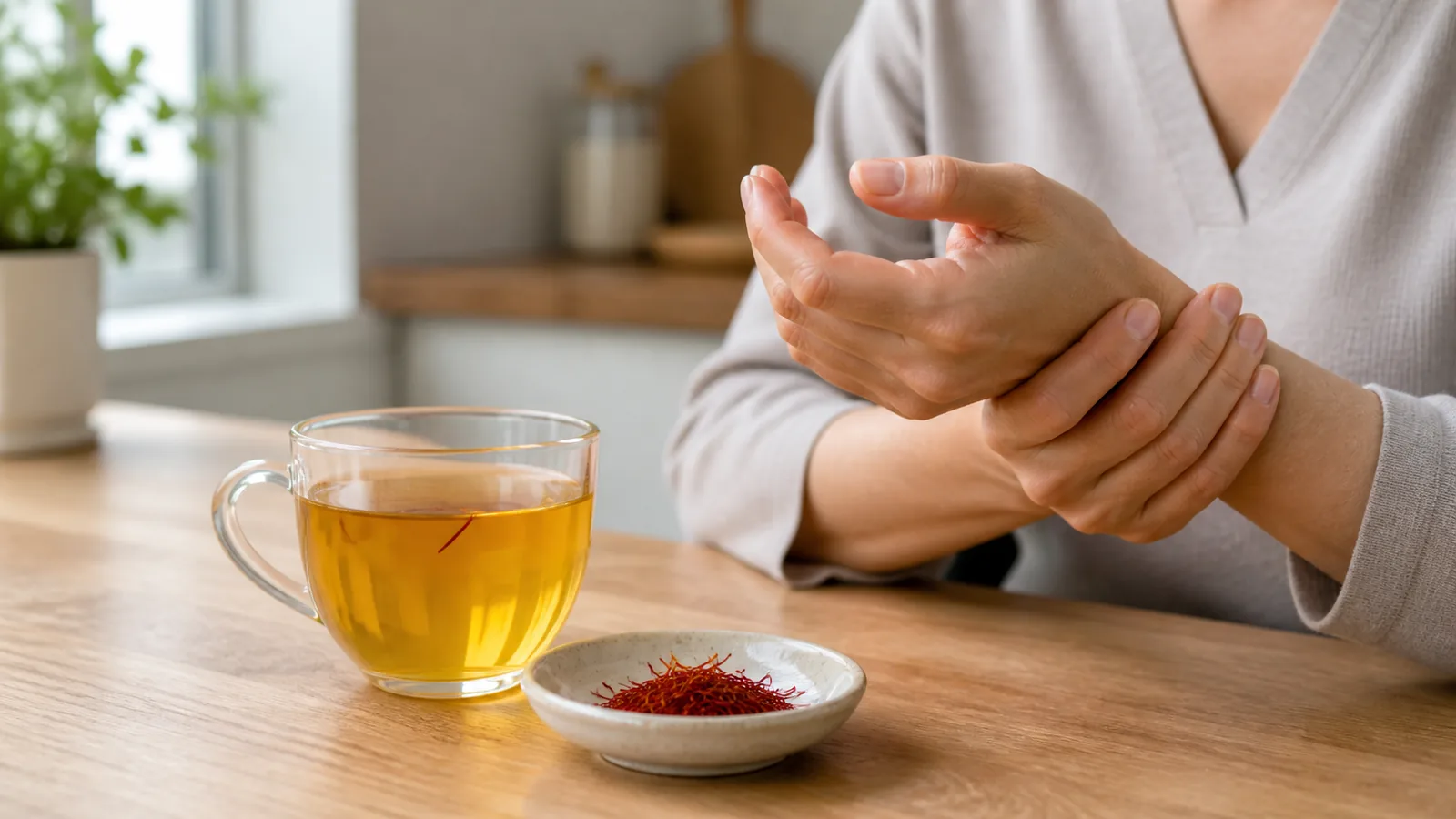
Saffron and liver cancer research is preclinical. Scientists have tested saffron extracts and compounds such as crocin and safranal in cells and animals, but there is no reliable evidence that eating saffron prevents liver cancer or that saffron treats the disease in people.
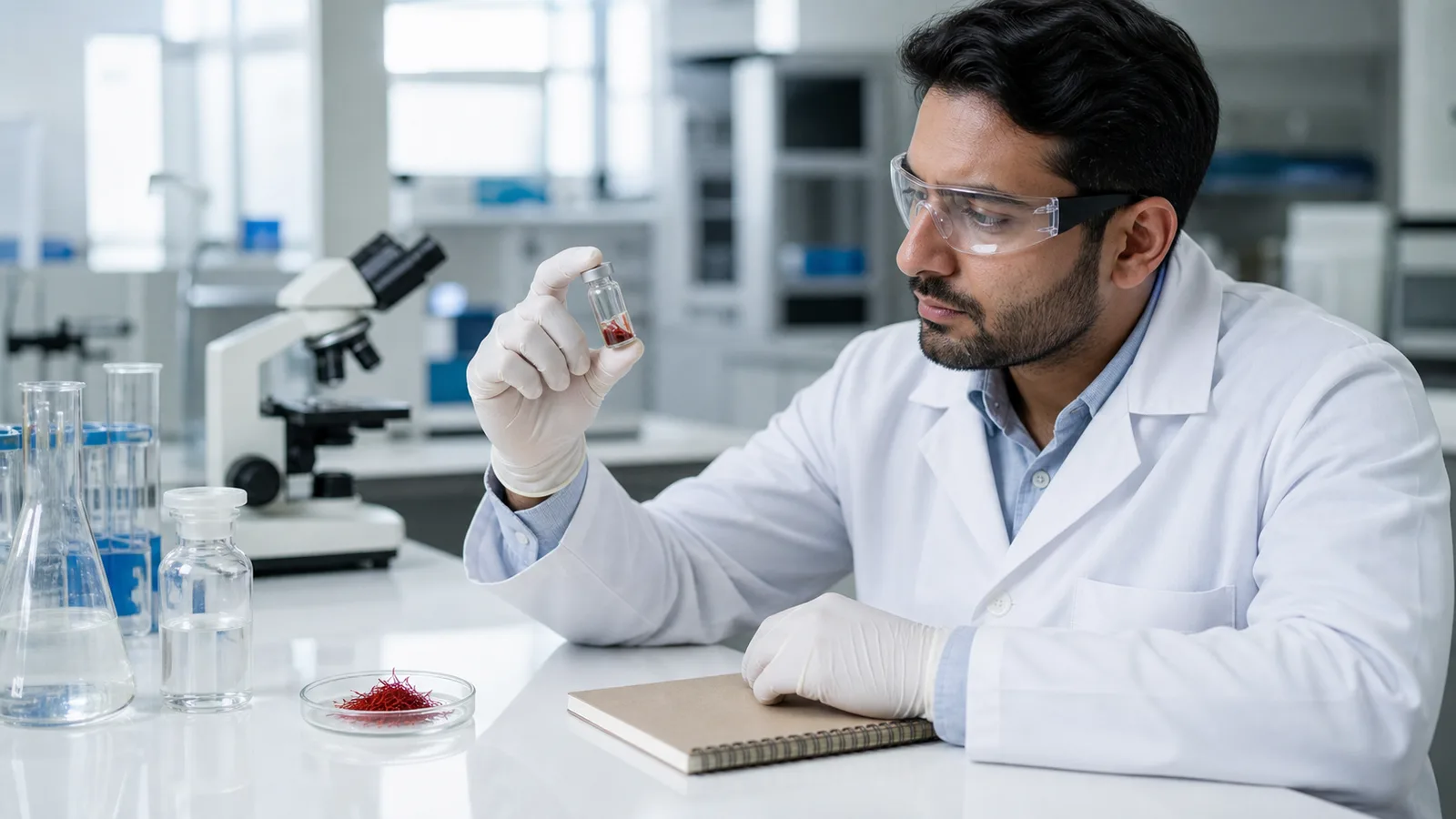
The distinction matters. “Promising in a model” is not the same as safe, effective or approved for a patient. This guide explains what the liver does, which risks are known, what saffron studies have actually tested and why food use must not be confused with cancer care.
What the liver does
The liver sits mainly in the upper right side of the abdomen. It processes nutrients arriving from the digestive tract, produces bile, makes important proteins, stores energy and helps the body handle medicines, alcohol and waste products. It performs many jobs at once; it does not merely “filter toxins” from blood.
Fatty liver disease, viral hepatitis, cirrhosis and liver cancer are different conditions. A spice cannot be assumed to help all of them because a laboratory paper reports antioxidant activity.
What liver cancer means
Primary liver cancer begins in the liver. Hepatocellular carcinoma, or HCC, is the most common type in adults. Cancer that begins elsewhere and spreads to the liver is a different disease and is treated according to where it started.
The old article called liver cancer the world’s fifth most common cancer and said its root cause was unknown. Global rankings change with year, sex and data source, and HCC has several well-established risk factors. The US Centers for Disease Control and Prevention highlights chronic hepatitis B or C, cirrhosis and certain metabolic conditions among them. Heavy alcohol use can contribute by damaging the liver over time; the liver does not simply stop every other function whenever alcohol enters the blood.
- Vaccination can prevent hepatitis B.
- Testing and treatment can reduce harm from viral hepatitis.
- Avoiding shared needles lowers the risk of blood-borne infection.
- Limiting alcohol and managing metabolic liver disease with clinical care can reduce preventable liver damage.
- People at high risk may need regular surveillance arranged by their liver specialist.
These steps reduce risk; none can promise that cancer will never develop.
What saffron studies have found
Saffron contains several biologically active compounds. Researchers often isolate crocin, crocetin or safranal and expose cancer cells to them, or administer a defined compound in an induced animal model. They then measure cell growth, inflammation, programmed cell death or signalling pathways.
A 2025 narrative review of saffron, rosemary and HCC found anticancer activity in cell and animal studies. Crucially, its search covered in vitro and in vivo preclinical work, and the authors called for clinical studies to establish safety and effectiveness.
An earlier crocin study used chemically induced liver lesions in rats and HepG2 cells. A 2026 safranal experiment also used a rat cirrhosis-HCC model while investigating its combination with sorafenib. These designs are useful for investigating mechanisms. Neither is evidence that a person should consume saffron with chemotherapy.
Cells are not patients
A compound can reach a tumour cell directly in a dish at a concentration that eating the spice would never produce in the human liver. Cell cultures do not reproduce digestion, metabolism, immune responses, side effects or interactions between organs.
Animal models are not treatment trials
An induced cancer in a rat helps researchers ask a controlled question, but species, dose, tumour biology and exposure differ from human disease. Before a compound becomes a treatment it requires suitable formulation, toxicity work and phased human trials comparing meaningful outcomes. Saffron has not crossed that evidence gap for liver cancer.
Saffron is not chemotherapy
The earlier text contained the necessary warning that saffron should not be described as chemotherapy, but later told readers to eat it daily “to protect your liver against cancer.” Those statements contradict each other. The daily-protection instruction is unsupported and has been removed.
The National Cancer Institute’s adult primary liver cancer treatment information describes options according to cancer stage and liver function. They may include surgery, transplant, ablation, embolisation, radiation, targeted therapy or immunotherapy. A patient’s multidisciplinary team decides what is appropriate. Saffron is not listed as a curative, preventive or substitute treatment.
Terms such as “antioxidant,” “anti-inflammatory” and “induces apoptosis” sound clinical but often describe a laboratory measurement. They do not prove that a food prevents normal human cells from becoming cancerous, shrinks an established tumour or improves survival.
Can someone in cancer care use saffron as food?
A small culinary quantity spread through a dish is not the same exposure as a concentrated tea, extract, capsule or purified compound. Many people can enjoy saffron as flavour, but cancer treatment can change appetite, digestion, bleeding risk and the way medicines are handled.
- Tell the oncology team about every supplement, extract and herbal tea.
- Do not combine concentrated saffron with sorafenib or another cancer medicine because an animal paper tested the pair.
- Do not postpone imaging, biopsy, surveillance or treatment while trying a food-based remedy.
- Ask the clinical dietitian about food choices when nausea, poor intake or liver function makes eating difficult.
- Stop a product and seek advice after an unexpected reaction.
A 2026 review of saffron adverse events found medicinal preparations generally tolerated in trials, with gastrointestinal complaints among the more frequent problems. It does not establish the safety of high-dose products during complex cancer treatment.
Using saffron for flavour, not liver protection
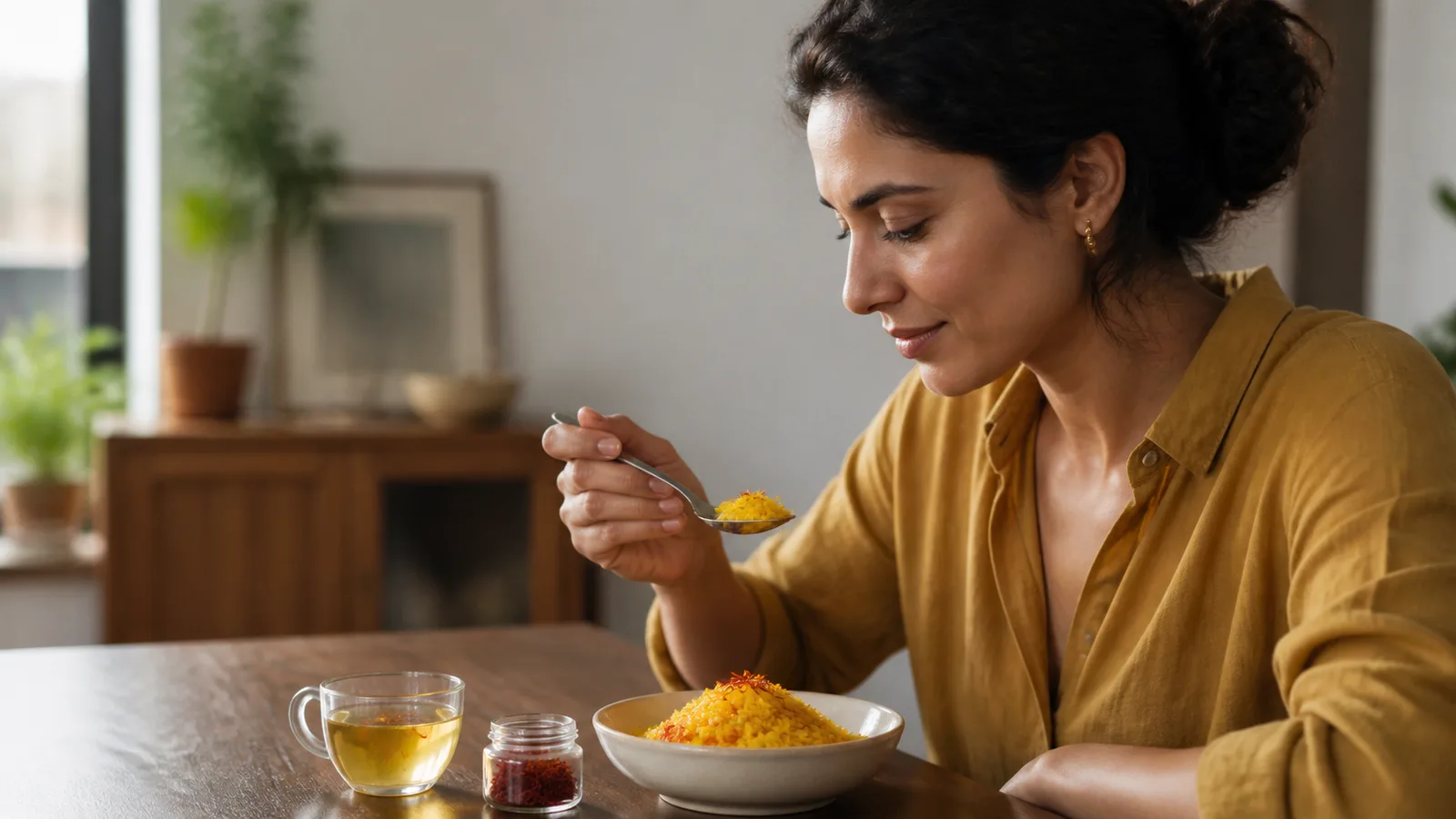
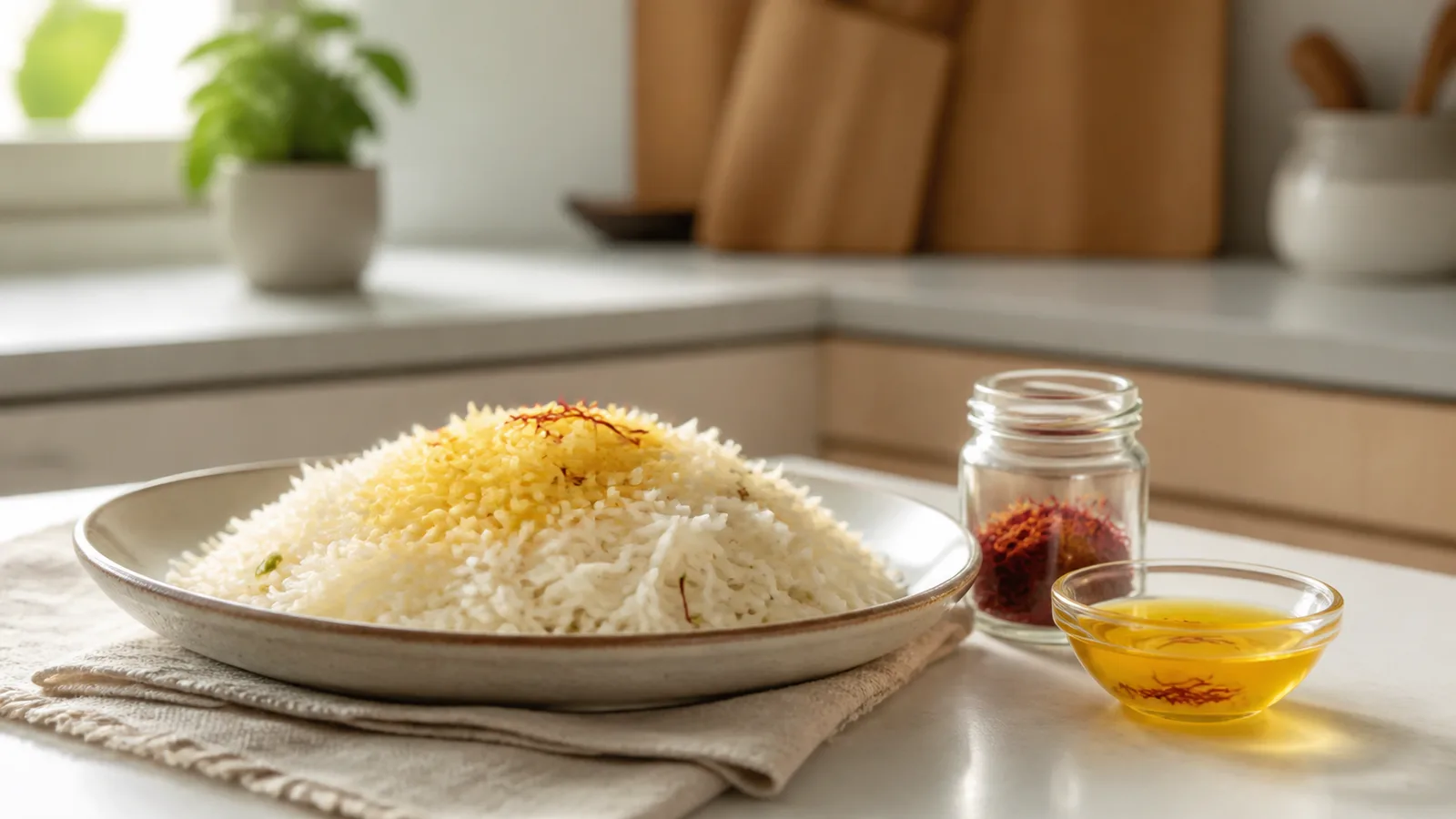
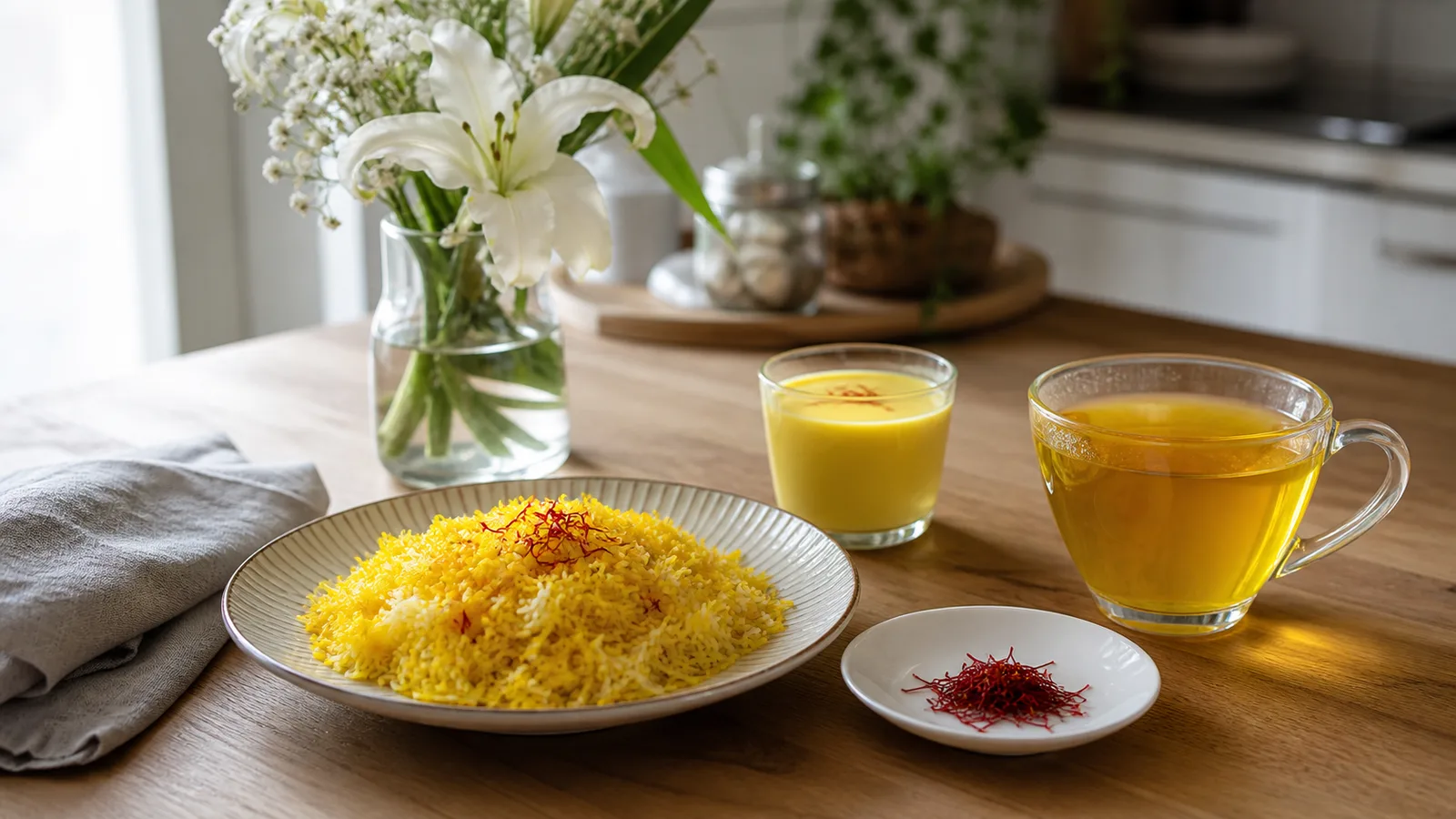
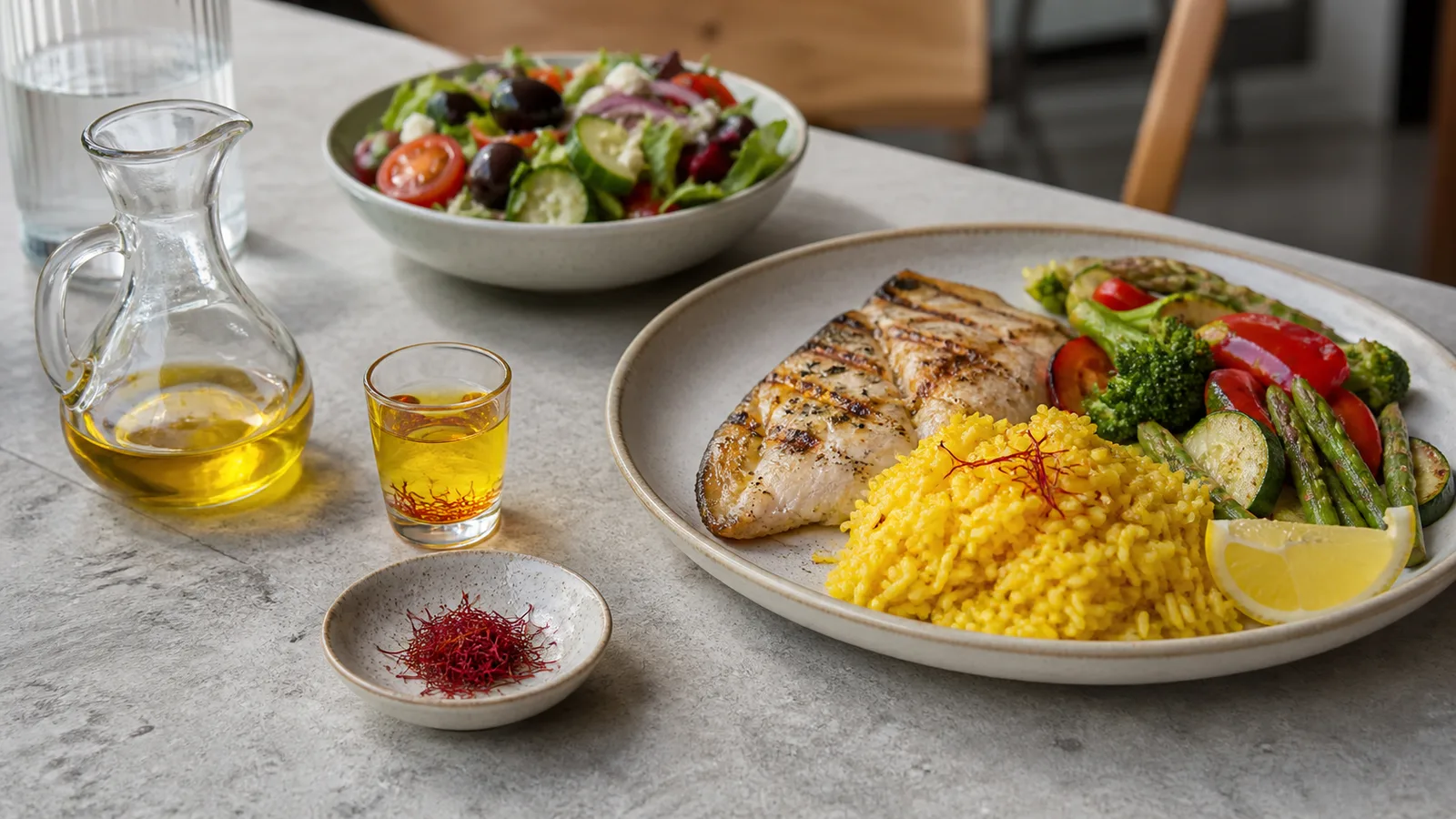
For cooking, crush a modest pinch and steep it in a few tablespoons of hot water for 15–20 minutes. Add the infusion to rice, soup or sauce for an even golden colour and aroma. There is no smell-based threshold that proves a medicinal amount, and more saffron does not provide more cancer protection.
Our guide to brewing saffron covers culinary technique. It should be read as a recipe method, not a cancer protocol.
The responsible conclusion
Saffron and liver cancer research offers hypotheses worth testing. Current evidence remains in cells and animals, so it cannot support prevention claims, a dose, or treatment advice for people. Protecting liver health means addressing recognised risks and using qualified medical care. Saffron’s appropriate role today is culinary unless a future high-quality human trial establishes something more.