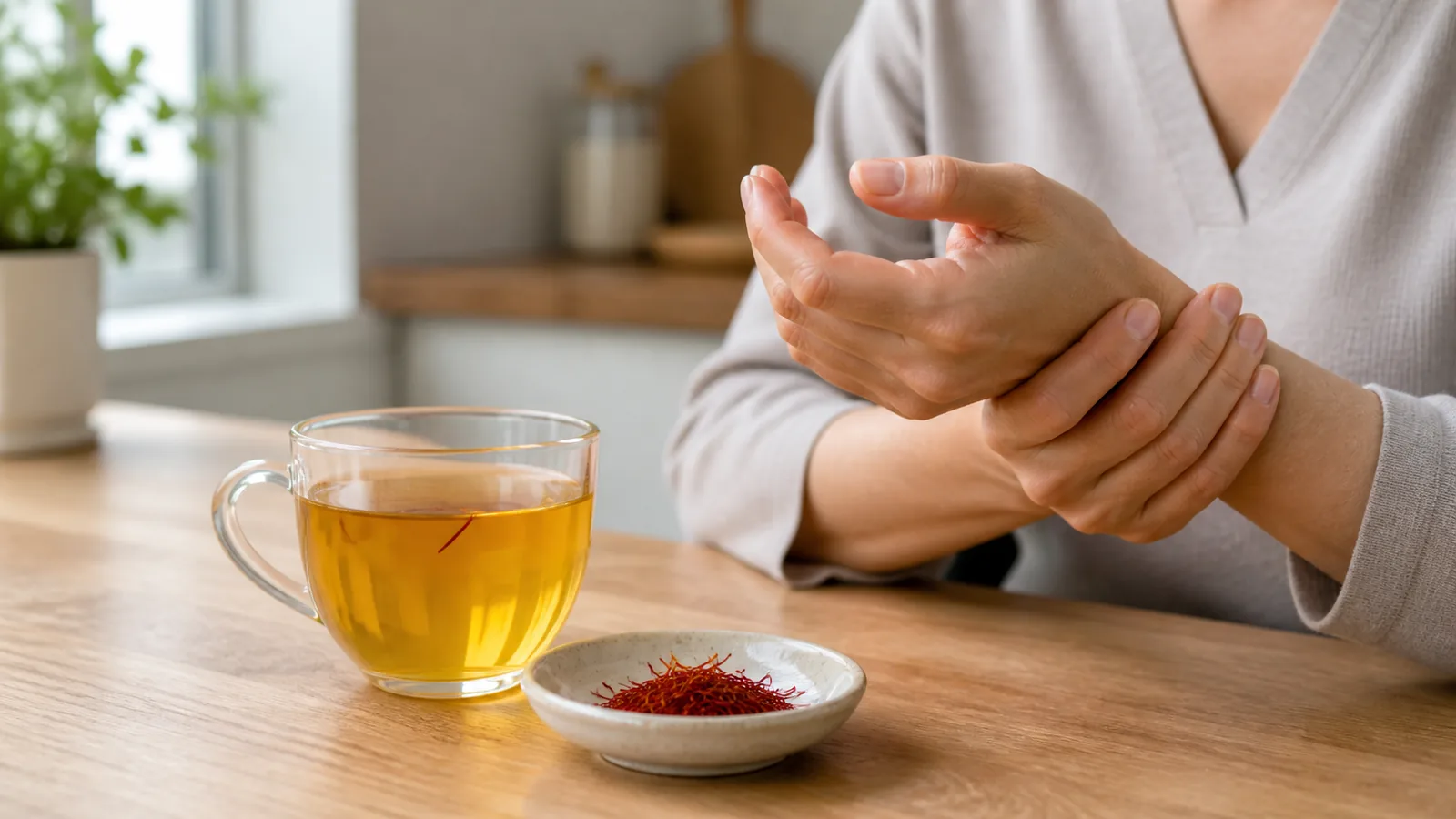
The main health risks of saffron consumption arise from an allergy, a concentrated supplement, an unusually large amount, or a medical situation that changes the risk. Saffron used as a spice is generally well tolerated. A few threads shared across a dish should not be treated as equivalent to daily extract capsules or swallowing grams of the spice.
If someone has taken a large or unknown amount and feels unwell, do not rely on an online “safe dose.” Contact a local poison center or medical service with the product, estimated quantity, time, age, and symptoms.
Important Considerations for Saffron Consumption in Cooking
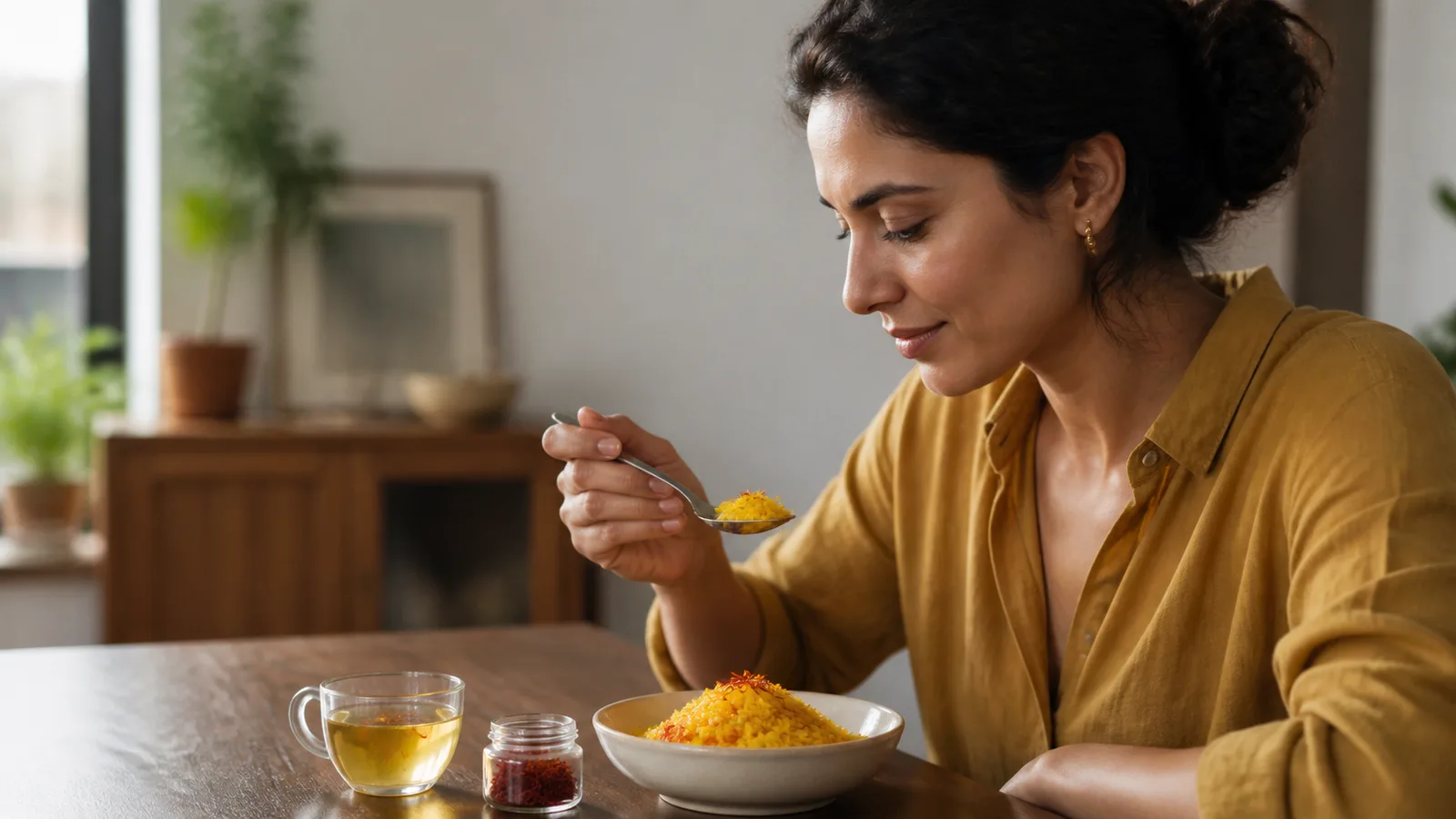
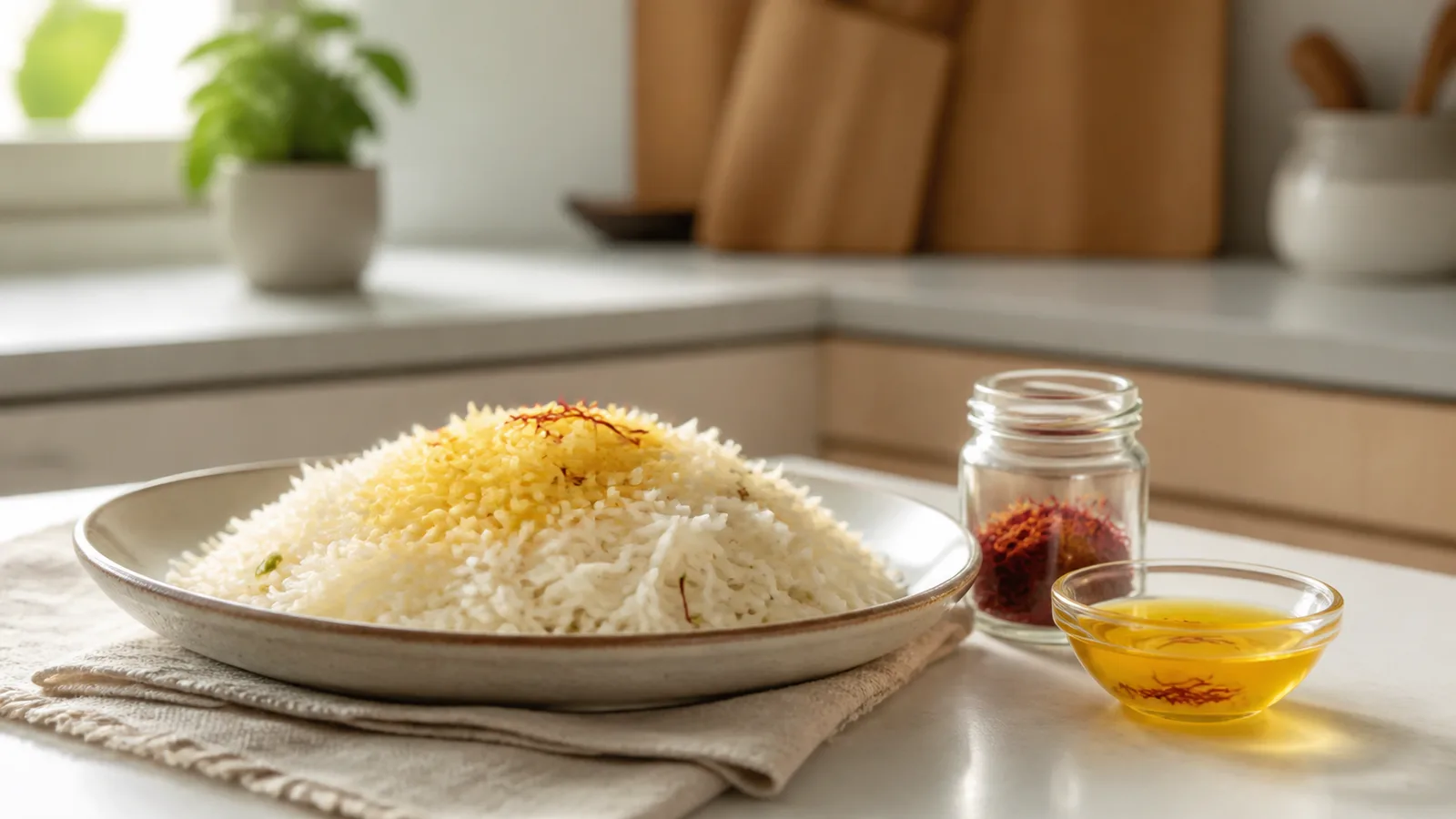
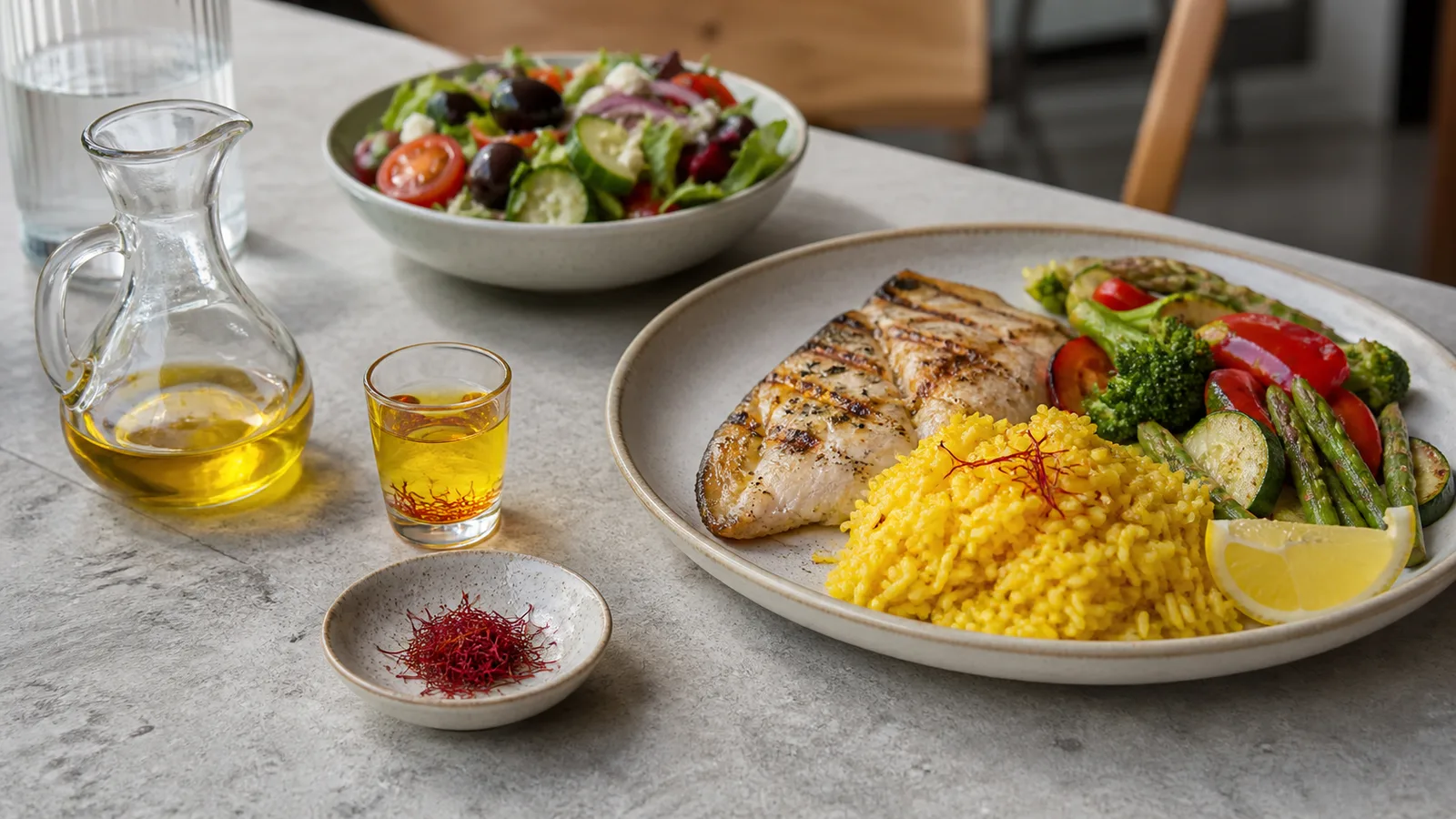
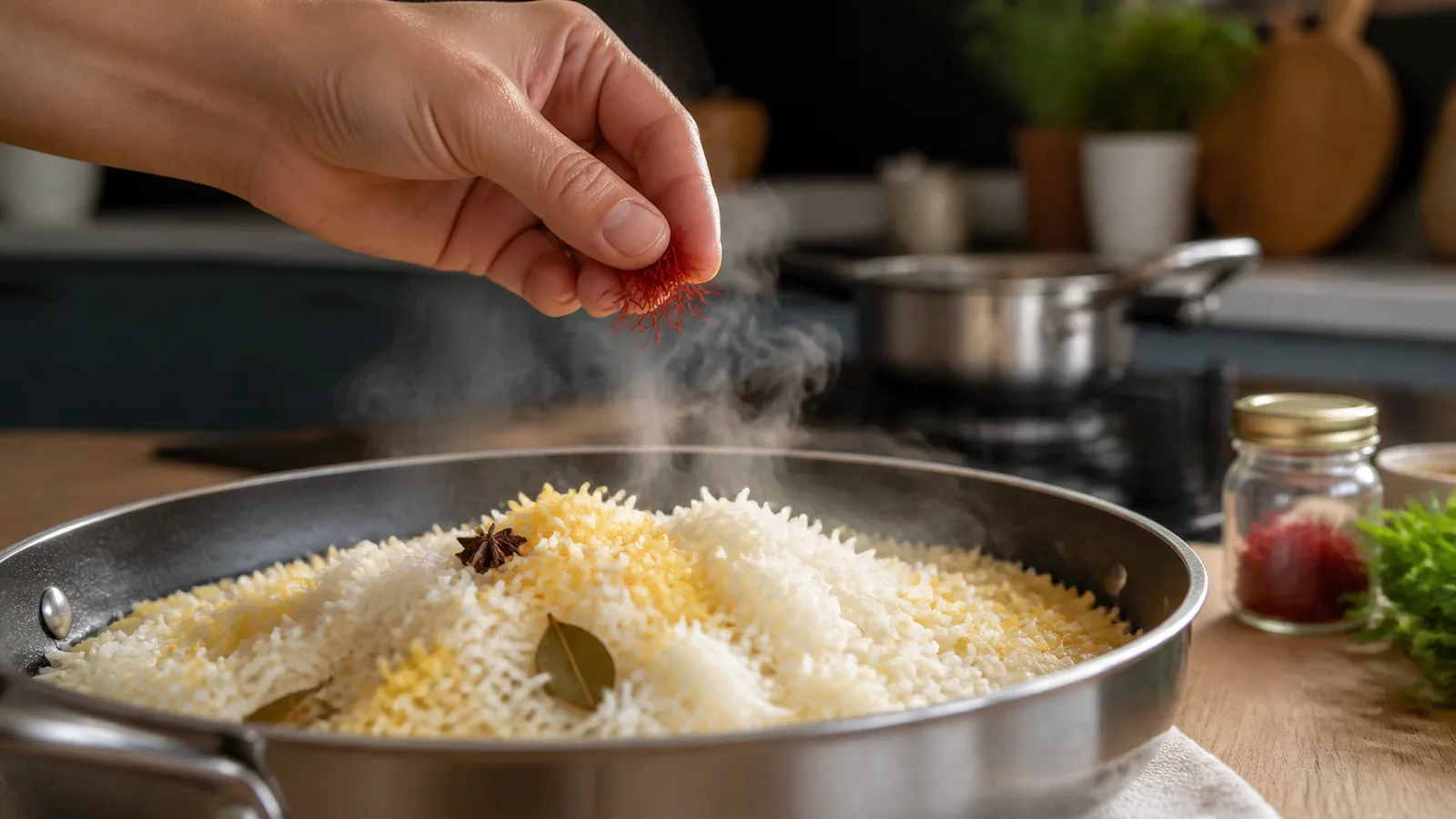
Saffron has a powerful aroma, strong color, and naturally bitter taste when overused. In Iranian and Mediterranean cooking, a modest pinch is normally infused and distributed through several portions. That culinary pattern is the useful starting point for saffron consumption safety.
Problems begin when advice for three different products is mixed together:
- Culinary saffron: whole or ground food-grade threads used to season a recipe.
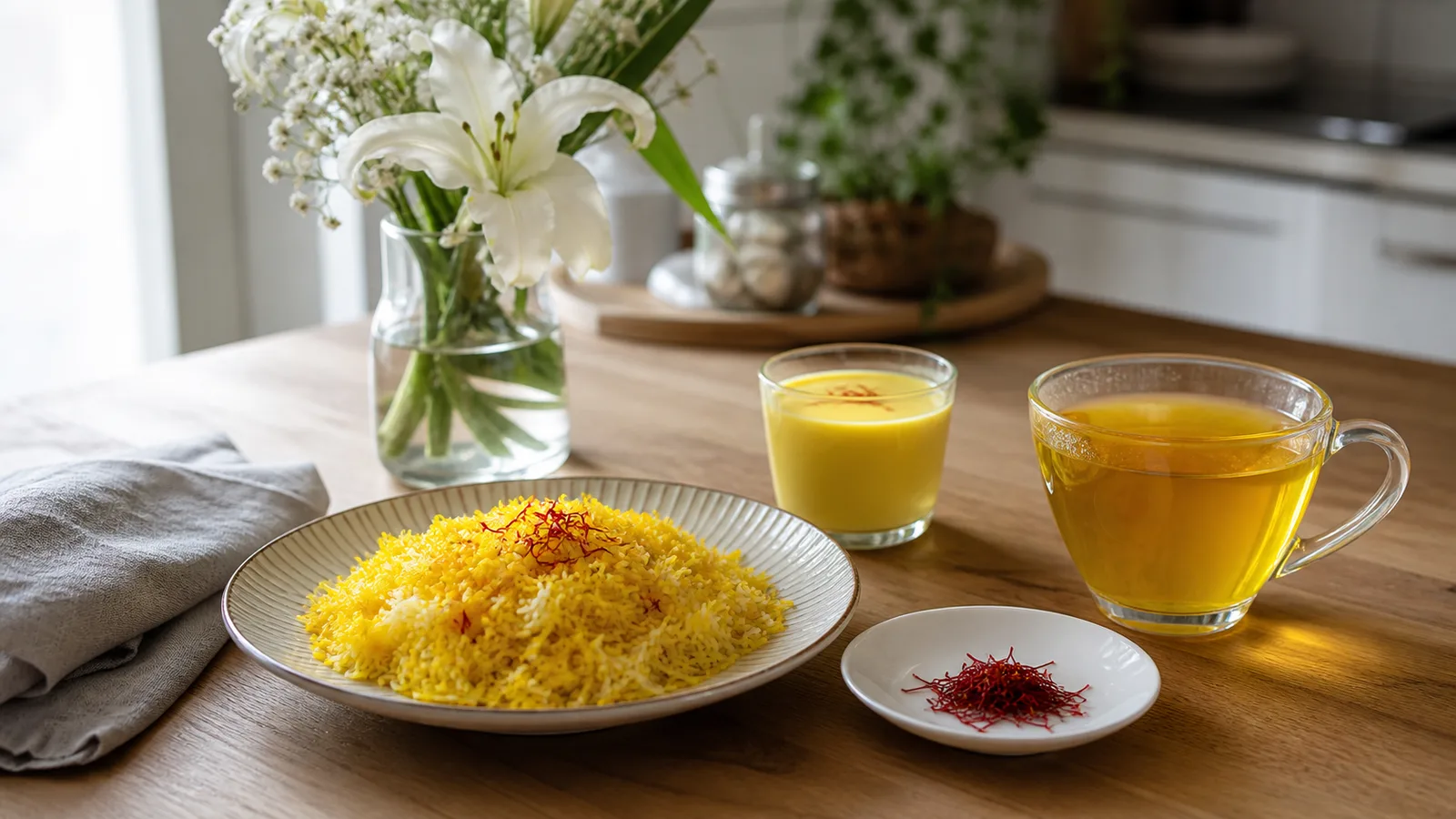
- Saffron water: an infusion whose strength depends entirely on how much saffron and water were used.
- Saffron extract: a concentrated preparation that may be standardized, combined with other ingredients, or taken repeatedly.
A trial of one named extract does not set a safe amount for every capsule, and a cup of highly concentrated saffron water is not automatically gentle because it is a drink.
How much saffron is too much?
There is no universal number that answers this for every person and product. Body size, pregnancy, health conditions, medicines, product concentration, duration, and whether the amount was taken at once all matter. Published toxicology reviews often discuss gram-level exposures, but those figures come from mixed evidence and are not a target or home dosing guide.
For cooking, follow a tested recipe and stop adding more once the dish has the intended color and aroma. For a supplement, follow professional advice about the exact labeled product. Taking more because a hoped-for benefit has not appeared increases exposure without proving that the product will work.
Too much saffron is also any amount that triggers a significant reaction in that individual. Someone with a true allergy may react to far less than an amount associated with general dose-related toxicity.
Saffron overdose, toxicity, and poisoning
The words overdose, toxicity, and poisoning are sometimes used loosely in search results. Feeling nauseated after a supplement is an adverse event; it is not by itself proof of poisoning. A suspected overdose means the amount may be unsafe and deserves product-specific triage.
Is saffron dangerous or toxic?
Saffron is not inherently dangerous when used normally as food, but it can be toxic at sufficiently high exposure and can cause an allergic or product-specific reaction at a lower amount. People asking about the dangers of saffron or saffron toxicity therefore need more than a yes-or-no answer: the product, amount, route, and person involved all matter.
Possible saffron overdose symptoms
Human trials and safety reviews have reported nausea, vomiting, stomach discomfort, headache, dizziness, dry mouth, drowsiness, and appetite changes. Reports during a study do not always prove that saffron caused the symptom, but new symptoms after a large dose should not be dismissed.
Seek urgent help for trouble breathing, swelling of the tongue or throat, fainting, confusion, severe or repeated vomiting, unusual bleeding, seizures, or rapidly worsening symptoms. During pregnancy, bleeding, strong pain, contractions, faintness, or another worrying change requires urgent obstetric advice.
Do not make the person vomit unless a poison professional specifically instructs you to do so. Keep the package or a photograph of its label; multi-ingredient supplements may contain substances other than saffron that change the response.
Health Risks of Excessive Saffron Consumption
Saffron side effects reported in studies
A 2026 systematic review assessed adverse-event reporting across 102 saffron clinical trials. The studies used different powders, extracts, doses, and treatment periods, and reporting quality varied. The overall picture was generally favorable short-term tolerability at conventional study doses, not an absence of side effects.
The old list also named anxiety and agitation as common effects. Current human evidence does not establish either as a predictable response to saffron in food. Mood-targeted supplements can still be inappropriate for some people, and an unexpected psychological change should be discussed with the prescriber rather than explained away as “natural.”
Kesar is another name for saffron, so searches for kesar side effects or the side effects of kesar refer to the same spice. A kesar drink or capsule may contain additional ingredients, which should be checked separately.
Saffron water side effects
Saffron water has no separate safety category. A pale infusion made from a small culinary pinch is different from a strongly concentrated drink prepared with a large quantity. Sweeteners, milk, herbs, or medicines added to the drink may also cause symptoms.
If saffron water causes nausea, dizziness, rash, swelling, or another new symptom, stop drinking it and assess the severity. Do not keep making it stronger in pursuit of sleep, mood, weight-loss, or other medical effects.
Can you take too much saffron extract?
Yes. An extract concentrates selected components and may be used every day, so its label, standardization, serving size, other ingredients, and quality controls matter. Do not convert a culinary thread count into an extract dose or copy the milligrams from a study onto an unrelated commercial product.
Effects of smoking saffron
Saffron should not be smoked. There is no established health benefit or treatment reason to burn the spice and inhale it. The US National Cancer Institute notes that cigarettes made from flowers and herbs can still produce harmful chemicals such as tar and carbon monoxide when burned. The absence of tobacco does not make plant smoke safe for the lungs.
Breathing saffron-flower pollen at work is a different exposure from smoking dried threads; occupational sensitization has been reported, but it does not support inhaling saffron as a remedy.
Who should pay special attention to saffron usage restrictions?
A person with a known saffron allergy should avoid it. Anyone considering a concentrated supplement should speak with a clinician or pharmacist first if they are pregnant or breastfeeding, take regular medicine, have diabetes or low blood pressure, live with bipolar disorder, have heart or kidney disease, or are preparing for surgery.
These cautions do not mean that one saffron-seasoned meal is automatically dangerous to every person in those groups. They mean that repeated or concentrated use deserves an individual review.
Pregnancy and saffron consumption
Traditional warnings, animal research, unusually large quantities, supplements, and normal food use are often blended into one miscarriage claim. Evidence does not show that an ordinary culinary amount predictably causes miscarriage, but it is not strong enough to declare high-dose or concentrated use safe throughout pregnancy. Use saffron as food and ask the obstetric team before taking it medicinally.
Diabetes, low blood pressure, and heart disease
Some supplement meta-analyses report small average changes in blood glucose or blood pressure. That is not proof that cooking with saffron causes hypoglycemia, hypotension, or an abnormal heart rhythm. It does make the exact supplement worth reviewing when someone uses glucose-lowering, blood-pressure, or heart medicine.
Bipolar disorder and mood treatment
The former article said saffron creates euphoria and may worsen mania. Clinical evidence does not establish that a culinary pinch triggers a manic episode. Because standardized saffron products are marketed for mood and may be combined with psychiatric medicines, a person with bipolar disorder should not start one or replace treatment without the mental-health prescriber.
Kidney disease
Ordinary saffron in food has not been shown to stop the kidneys from eliminating toxins. Long-term evidence for concentrated extracts in people with impaired kidney function is limited, and other supplement ingredients or medicine interactions may matter. A renal clinician or pharmacist can review the actual label.
Saffron and surgical procedures
There is no well-supported universal rule that every person must stop culinary saffron exactly two weeks before surgery. Tell the surgical and anesthesia team about all supplements, extracts, and teas used medicinally, then follow their product- and procedure-specific timing.
For more detail on allergies and condition-specific decisions, see our guide to precautions when consuming saffron.
Saffron benefits and side effects belong in the same decision
Preliminary benefit research does not cancel a safety question. A study may test a defined preparation in screened participants for a short period; a shopper may encounter a different extract, dose, duration, or combination. Judge the evidence for the intended benefit separately from evidence about harms.
“Natural” is not a safety certificate, and a long history of culinary use does not validate every modern supplement claim.
Conclusion: Enjoy Saffron Responsibly
Use genuine food-grade saffron in the modest amount a recipe needs. Keep culinary use separate from concentrated supplementation, avoid smoking it, and do not chase a health effect by steadily increasing the amount.
If symptoms appear after a large or unknown dose, contact a poison or medical service with the product information. That is safer than trying to diagnose saffron poisoning from a generic list.
Evidence reviewed: 2026 systematic review of adverse events in human saffron studies; recent review of saffron pharmacology and toxicity; systematic review of cardiometabolic supplement outcomes; National Cancer Institute definition and warning for herbal cigarettes; and NHS-hosted anaphylaxis guidance.