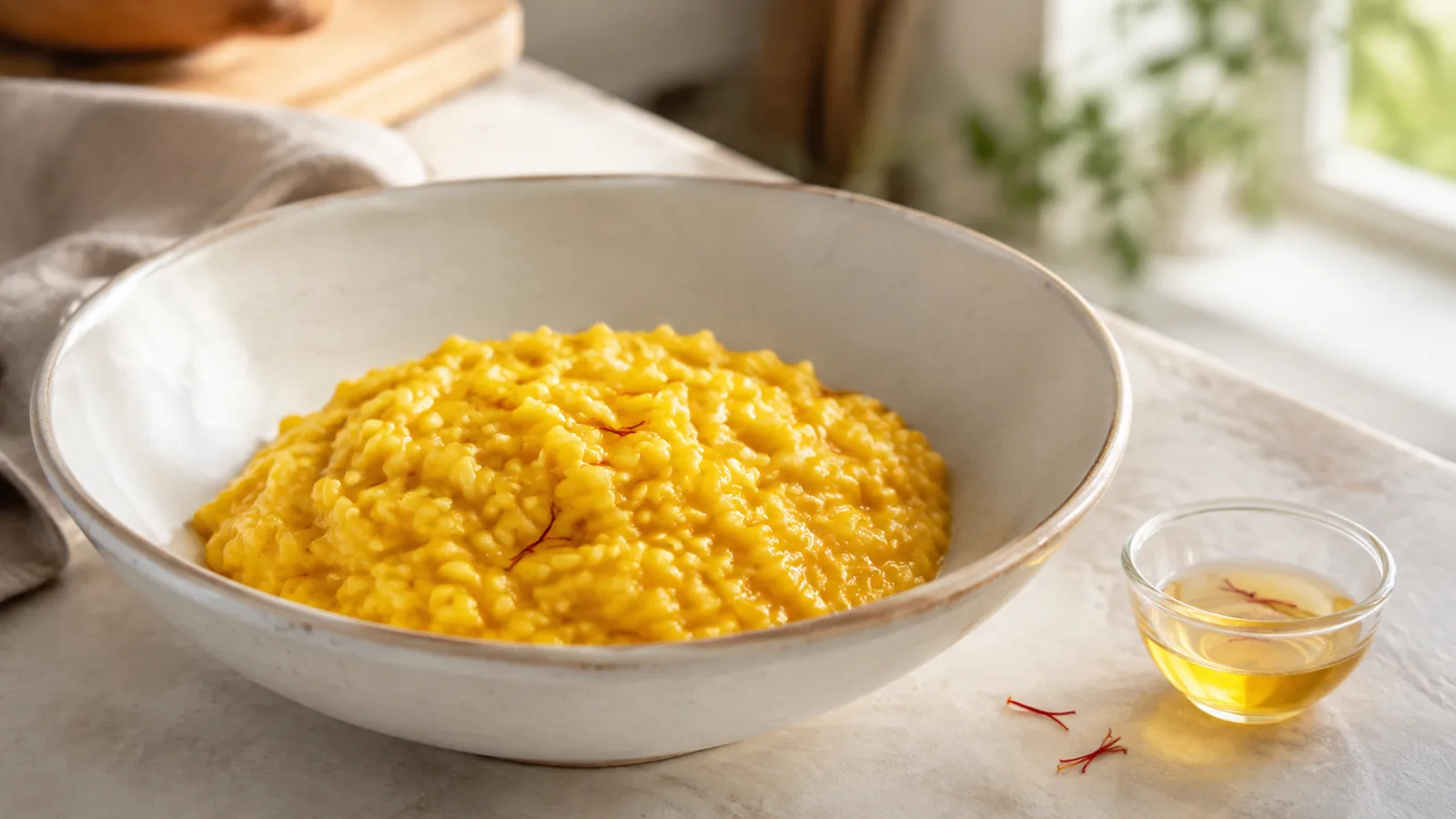
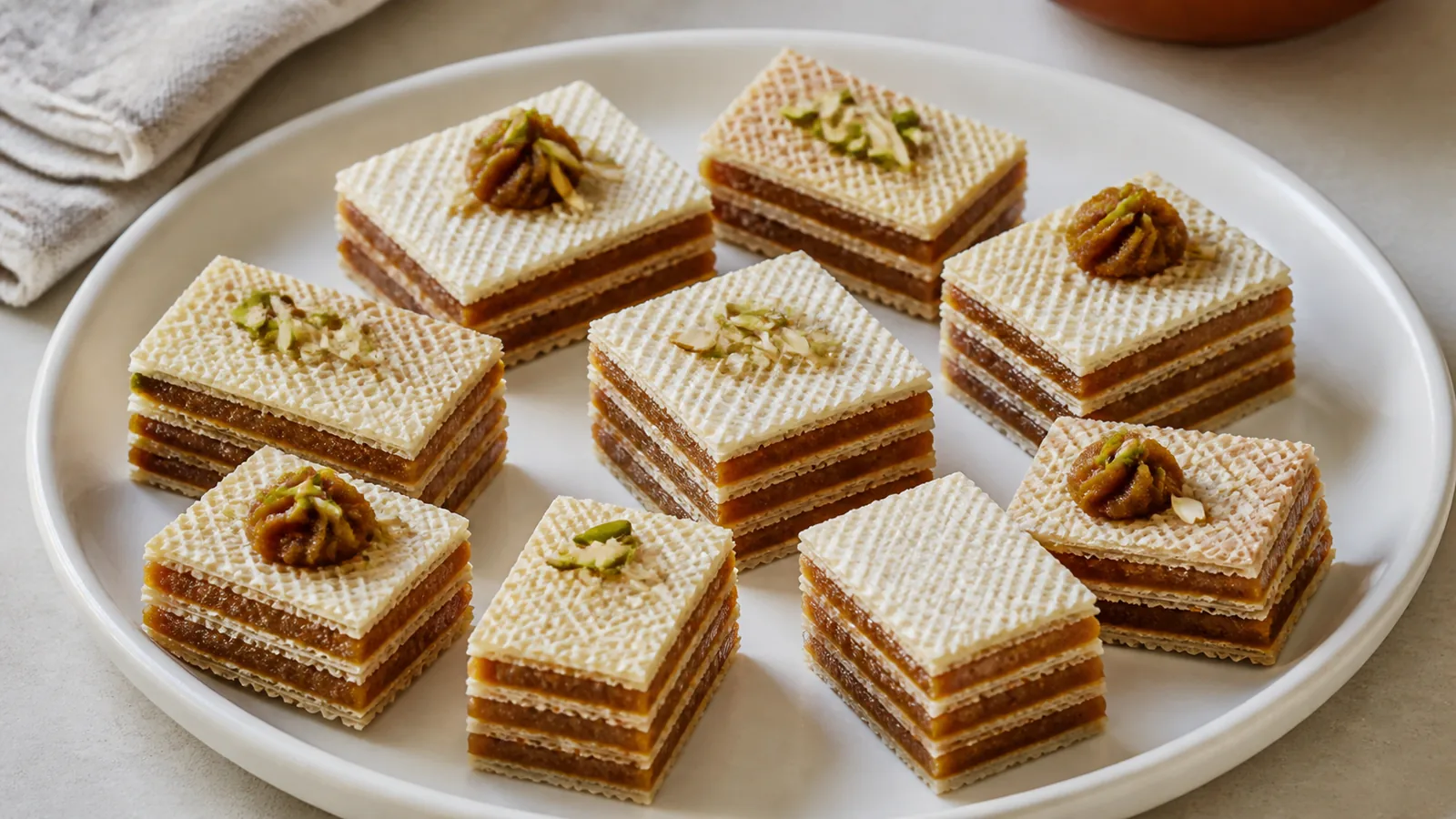
This halva Grape juice Saffron Recipe layers warm wheat-flour halva between crisp Mikado wafer sheets, then cuts it into small squares. Grape syrup supplies the sweetness and darker colour, while saffron, rosewater and cardamom keep the flavour distinctly Persian.
“Grape juice” in the original title means concentrated grape syrup or grape molasses, not a carton of drinking juice. Plain juice is too thin and not sweet enough to bind this halva without a separate sugar syrup.
Ingredients
- 2 cups plain flour
- 1/4 cup neutral oil or melted butter, plus a little more if needed
- 1 1/2 cups grape syrup or grape molasses
- 1/2 cup rosewater
- 1/4 cup concentrated saffron infusion
- 1/4 teaspoon ground cardamom
- 3 to 4 large Mikado wafer sheets
- Slivered pistachios and almonds, optional, for decorating
The source writes grape syrup as “1/5 cup,” a decimal convention meaning 1.5 cups. The wafer sheets were omitted from its ingredient list but are required by the described layering, trimming and cutting method.
Prepare the grape and saffron mixture
Put the grape syrup, rosewater, saffron infusion and cardamom in a saucepan. Warm over low heat until fluid and evenly mixed, but do not boil it down.
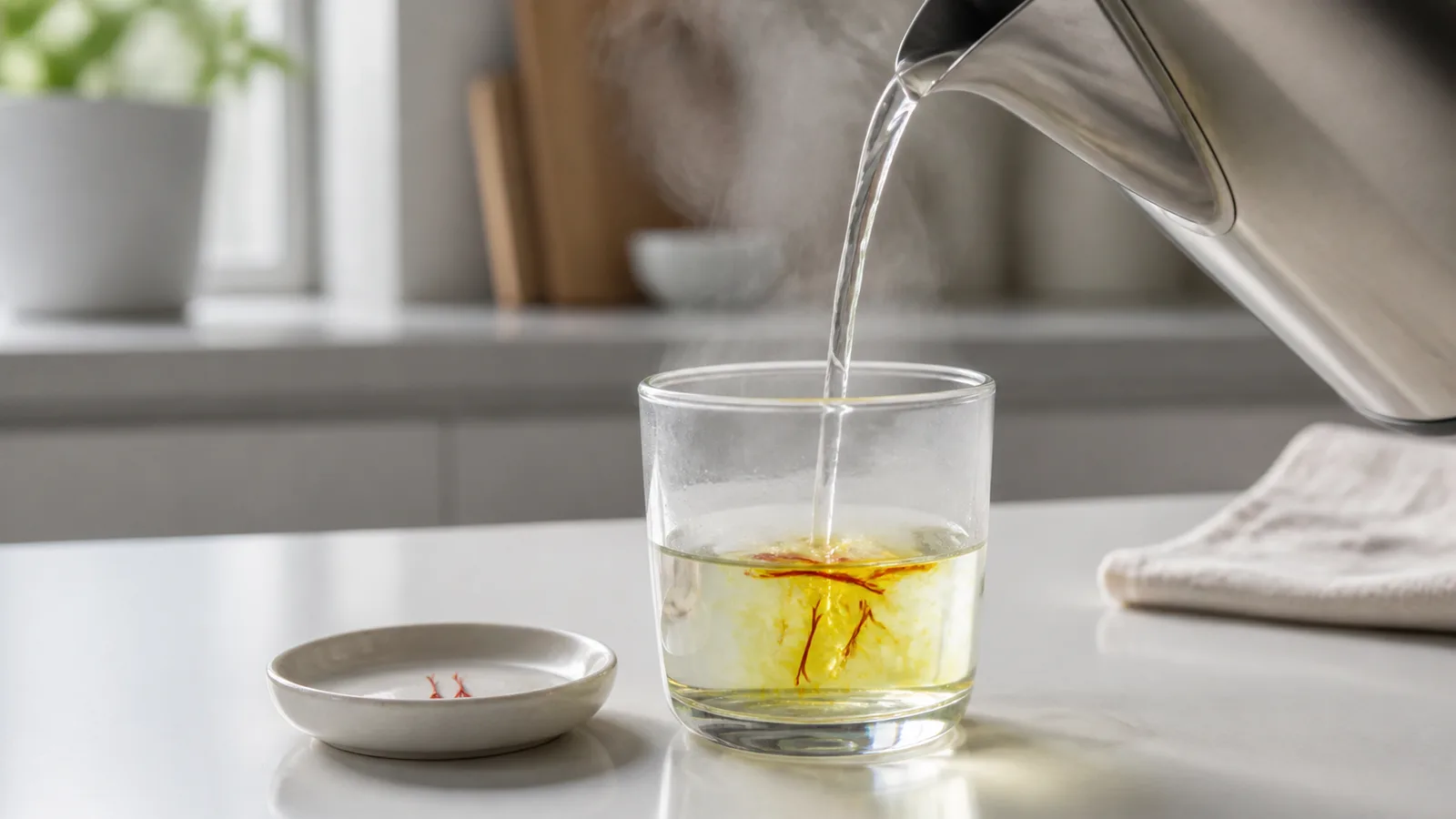
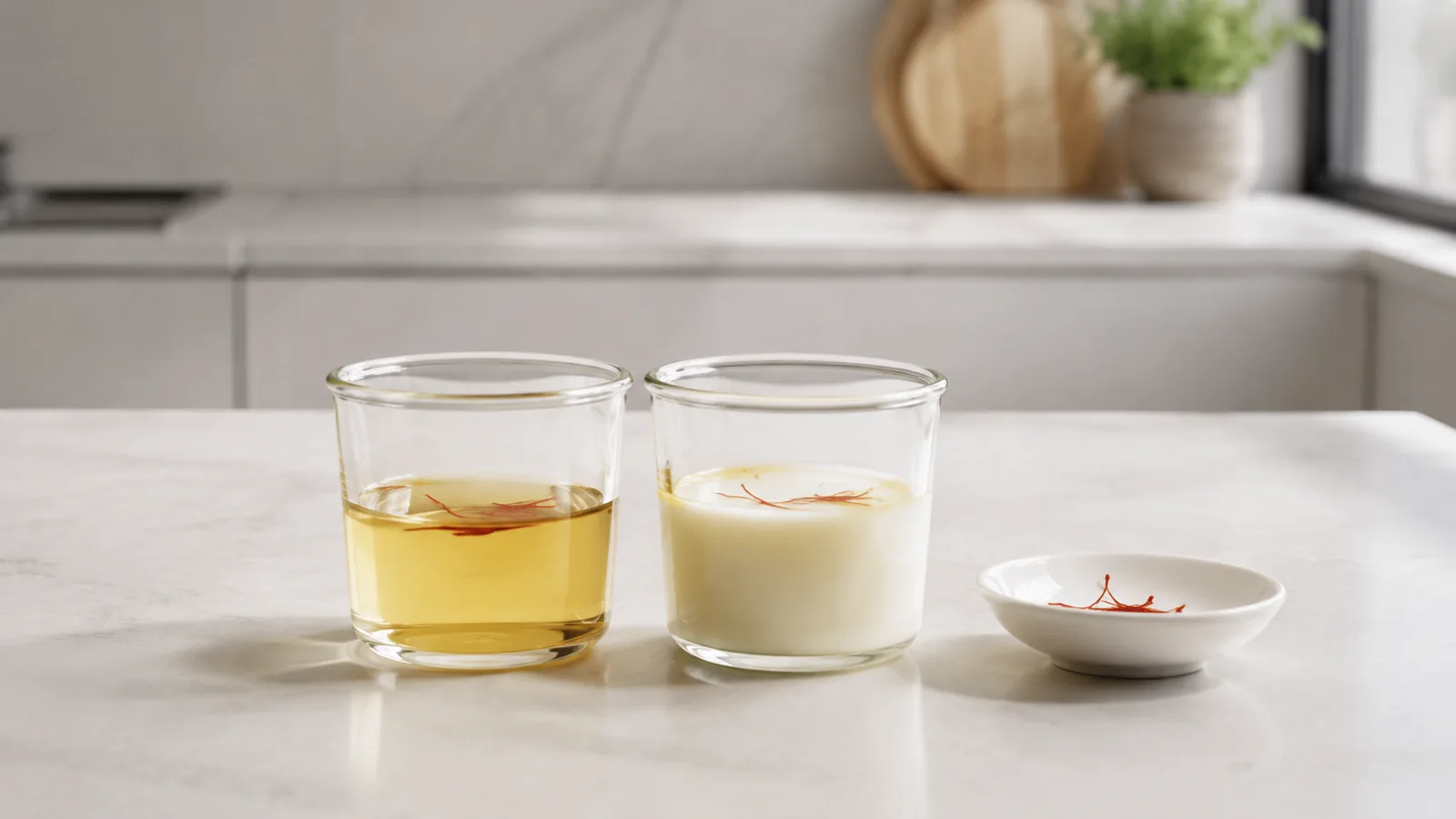
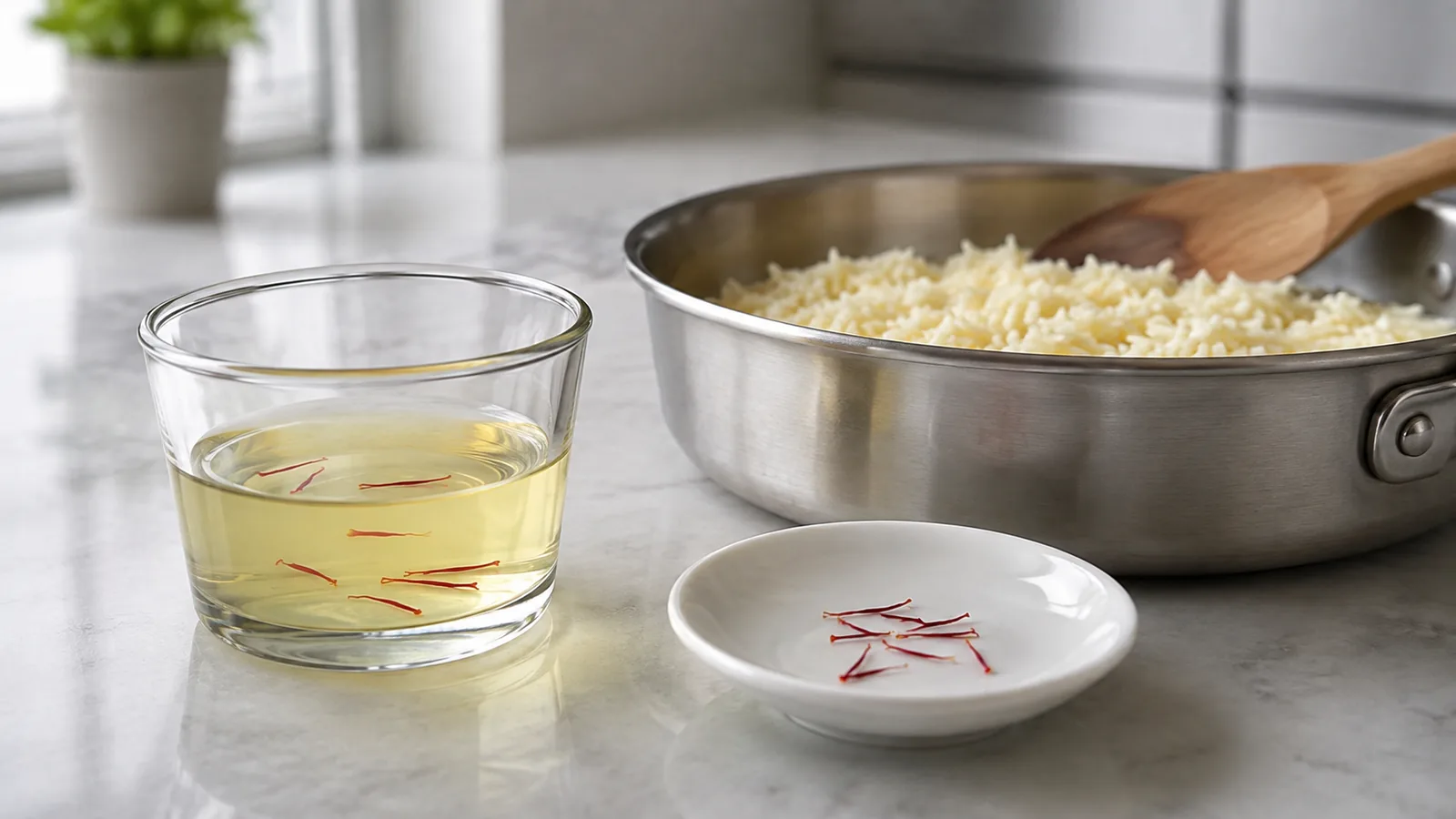
Keep the mixture warm. Cold syrup shocks the toasted flour and creates lumps. If your saffron is not ready, our guide to brewing saffron explains a concentrated method.
Toast and sift the flour
Sift the flour into a wide, heavy pan and set it over medium-low heat. Stir continuously for 15 to 20 minutes, until the raw smell disappears and the flour turns light hazelnut.
Take it off the heat and sift it again into a bowl. This second sifting removes the small toasted lumps that would otherwise show between the thin wafer layers.
Add the oil or butter
Return the flour to the pan and add the oil or melted butter. Stir over low heat until every grain is coated and the mixture resembles damp sand that gathers when pressed.
If dry flour remains after several minutes, add more fat 1 tablespoon at a time. Avoid pouring in a large extra quantity; grape syrup will loosen the mixture further.
Finish the grape-syrup halva
Take the pan off the heat. Add the warm grape mixture in four or five portions, stirring each addition smooth before continuing.
Return to the lowest heat and fold until the halva becomes glossy, gathers around the spoon and leaves the sides of the pan. It needs to be soft enough to spread but firm enough not to run off a wafer.
Build the wafer layers
Place one Mikado wafer sheet on baking paper, patterned side down. While the halva is still warm, spread a thin, even layer across it with an offset spatula, working right to the edges.
Add the second wafer and press lightly. Continue with more halva and wafer sheets according to how much mixture you have, finishing with a wafer on top.
Cover with baking paper and set a flat tray on top with a light weight. Leave for 20 to 30 minutes so the layers bond without crushing the wafers.
Trim and cut the halva squares
Let the layered slab cool completely. Use a long serrated knife to trim the uneven outer edges with a gentle sawing motion.
Cut first into strips, then into small squares or rectangles. Pressing straight down with a smooth knife can crack the wafers and squeeze out the filling.
Decorate with the remaining halva
If you have a small amount of halva left in the pan, soften it with up to 1 teaspoon rosewater. Spoon it into a strong piping bag and add a small rosette to each piece.
Finish with slivered pistachios and almonds. Keep the decoration light so the layered wafer and grape-halva filling remain visible.
Common problems
- Wafer turns soggy: cook the halva until it gathers and spread a thin layer rather than a wet, thick one.
- Layers separate: spread while warm, cover and press under a light flat weight.
- Halva is lumpy: sift the toasted flour again and add warm syrup gradually.
- Wafers crack while cutting: cool fully and use a serrated knife with a sawing motion.
Storage
Store the pieces in an airtight container at cool room temperature for up to 3 days. Separate layers with baking paper. Refrigeration can soften the wafers, so use it only if the room is warm. This recipe contains wheat and optional milk and tree nuts.