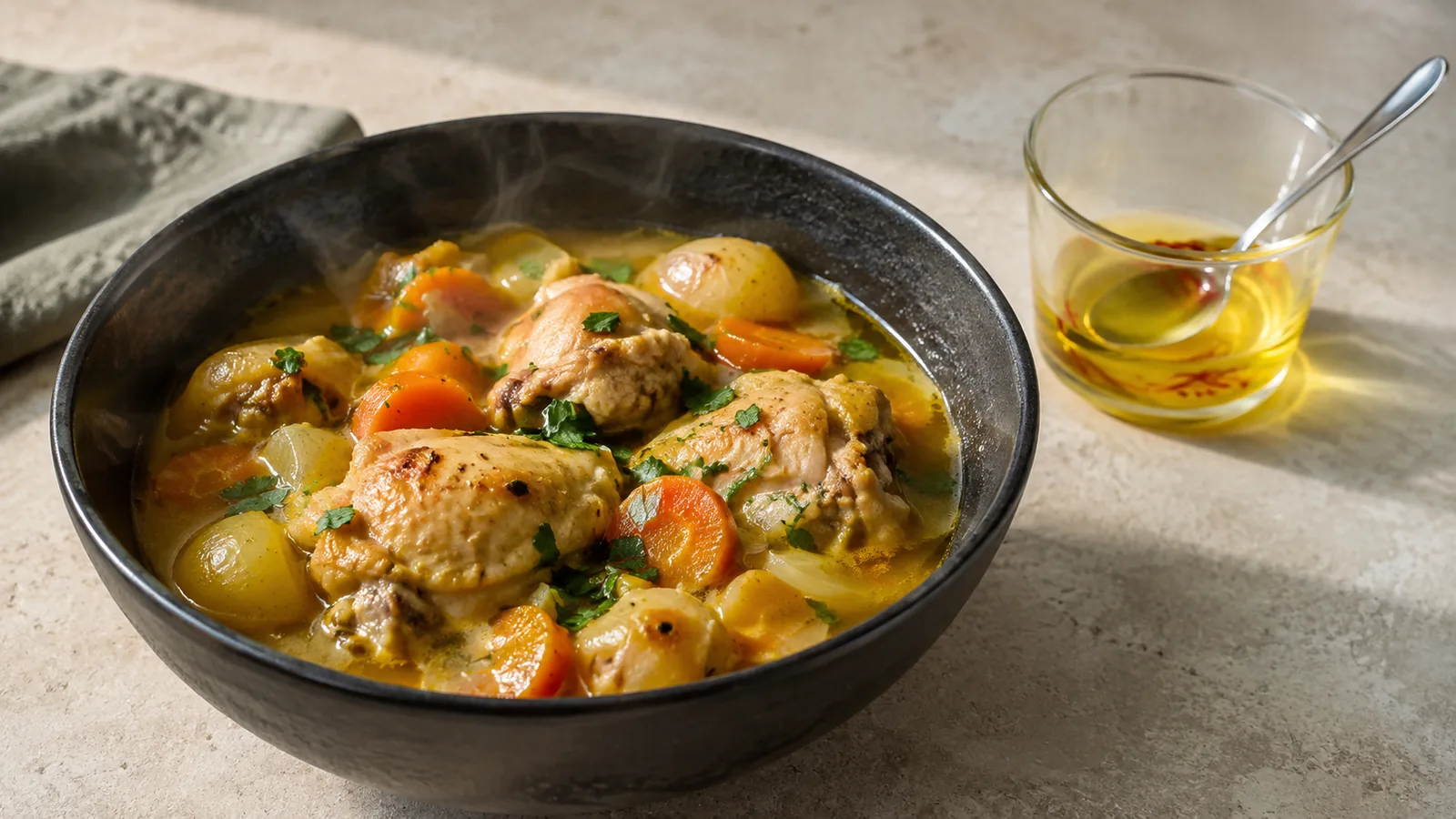
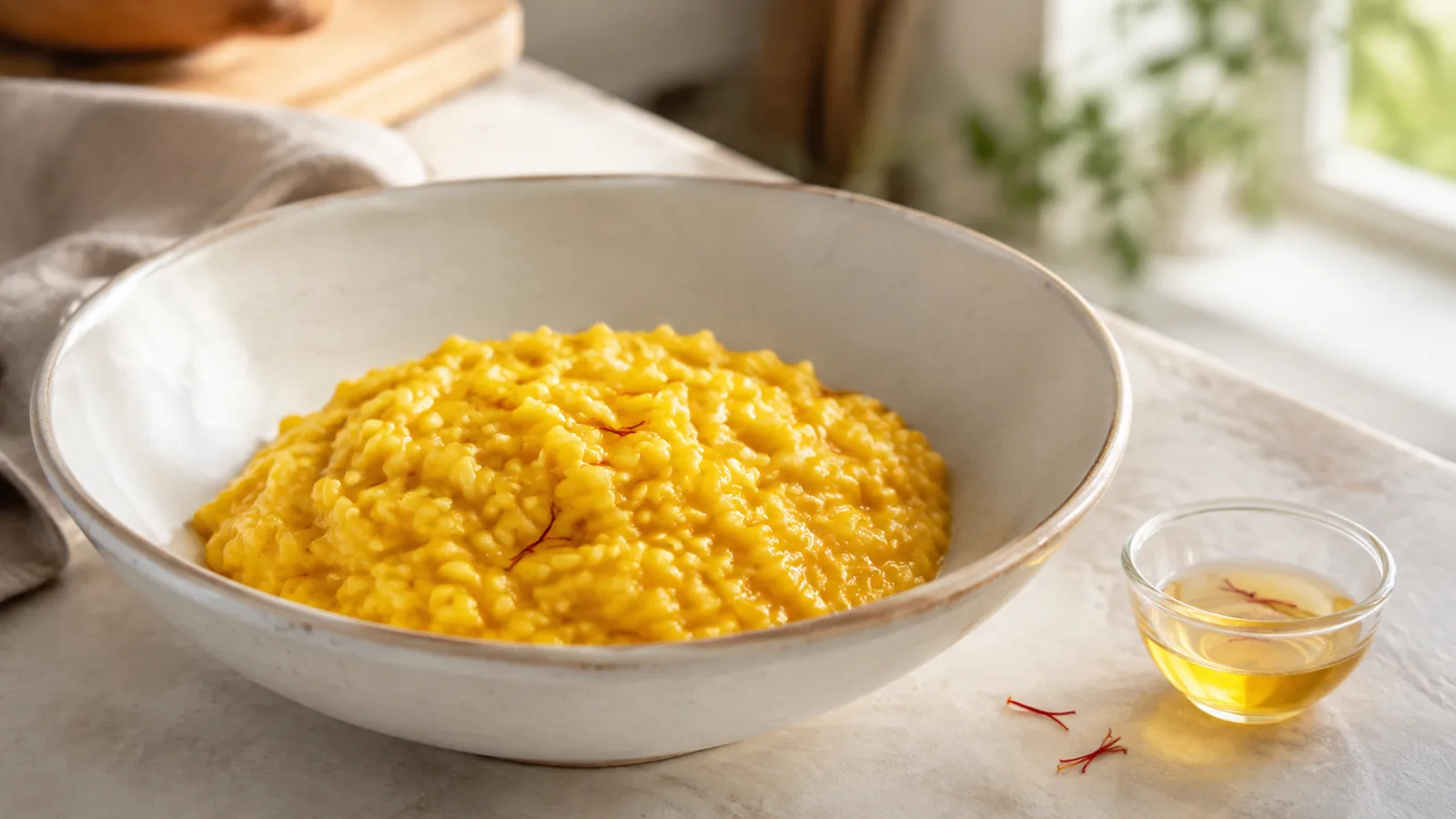
This Halim Bademjan recipe turns eggplant, lamb, rice and lentils into a thick Persian dish finished with kashk, saffron, walnuts, fried onion, garlic and mint. Slow cooking matters: the mixture should become smooth and cohesive without losing the savoury character of the meat and grilled eggplant.
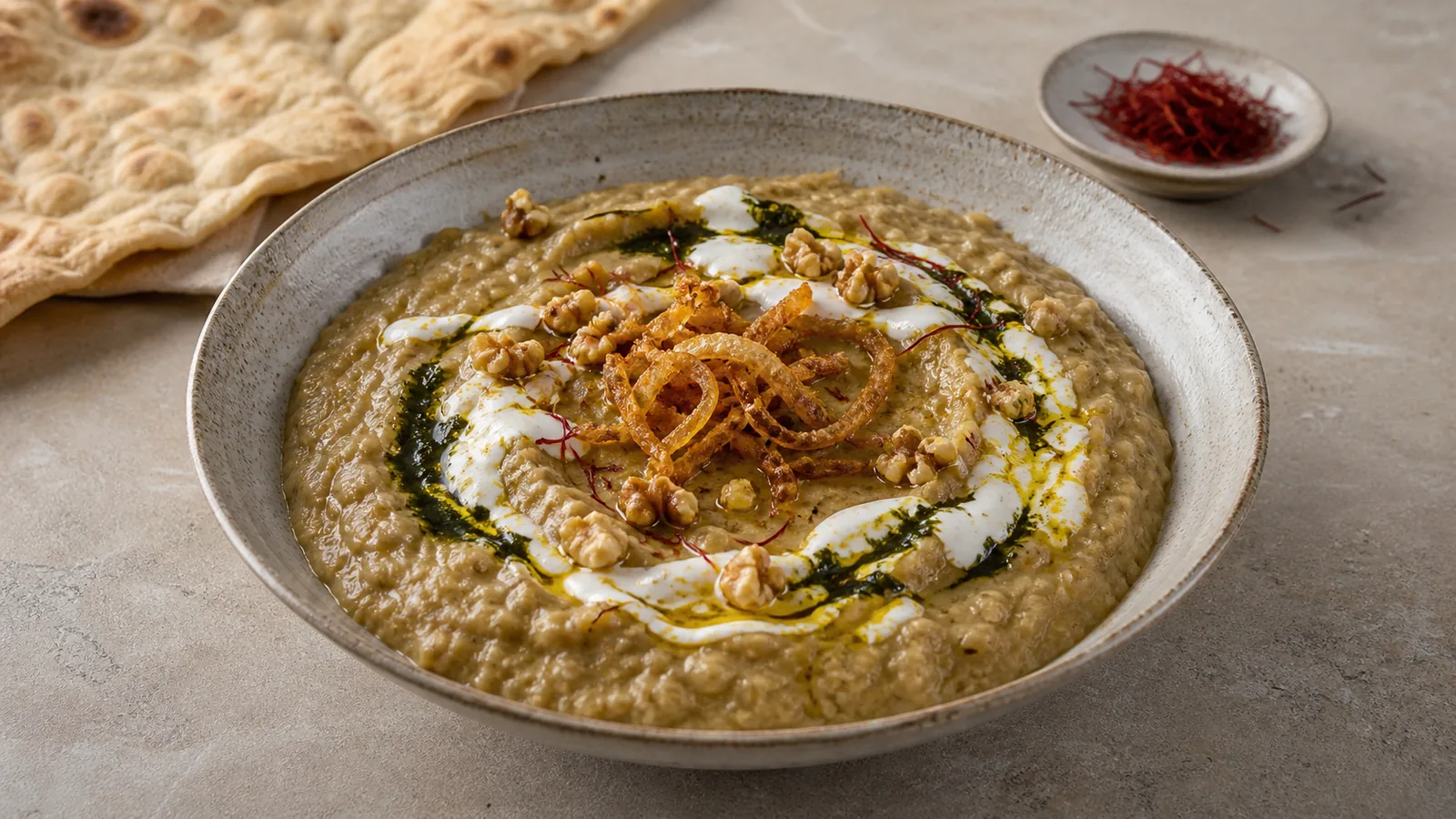
Halim bademjan is also spelled haleem bademjan or halim-e bademjan. The older version of this recipe described it as eggplant halim from Gilan; the method below preserves its generous walnut and saffron finish while making every step easier to follow.
Halim bademjan ingredients
- 1 kg eggplants
- 500 g boneless lamb with some fat, cut into large pieces
- 200 g brown or green lentils, rinsed
- 1 cup white rice, rinsed
- 4 medium onions, thinly sliced
- 1/2 cup walnuts, finely ground or crushed
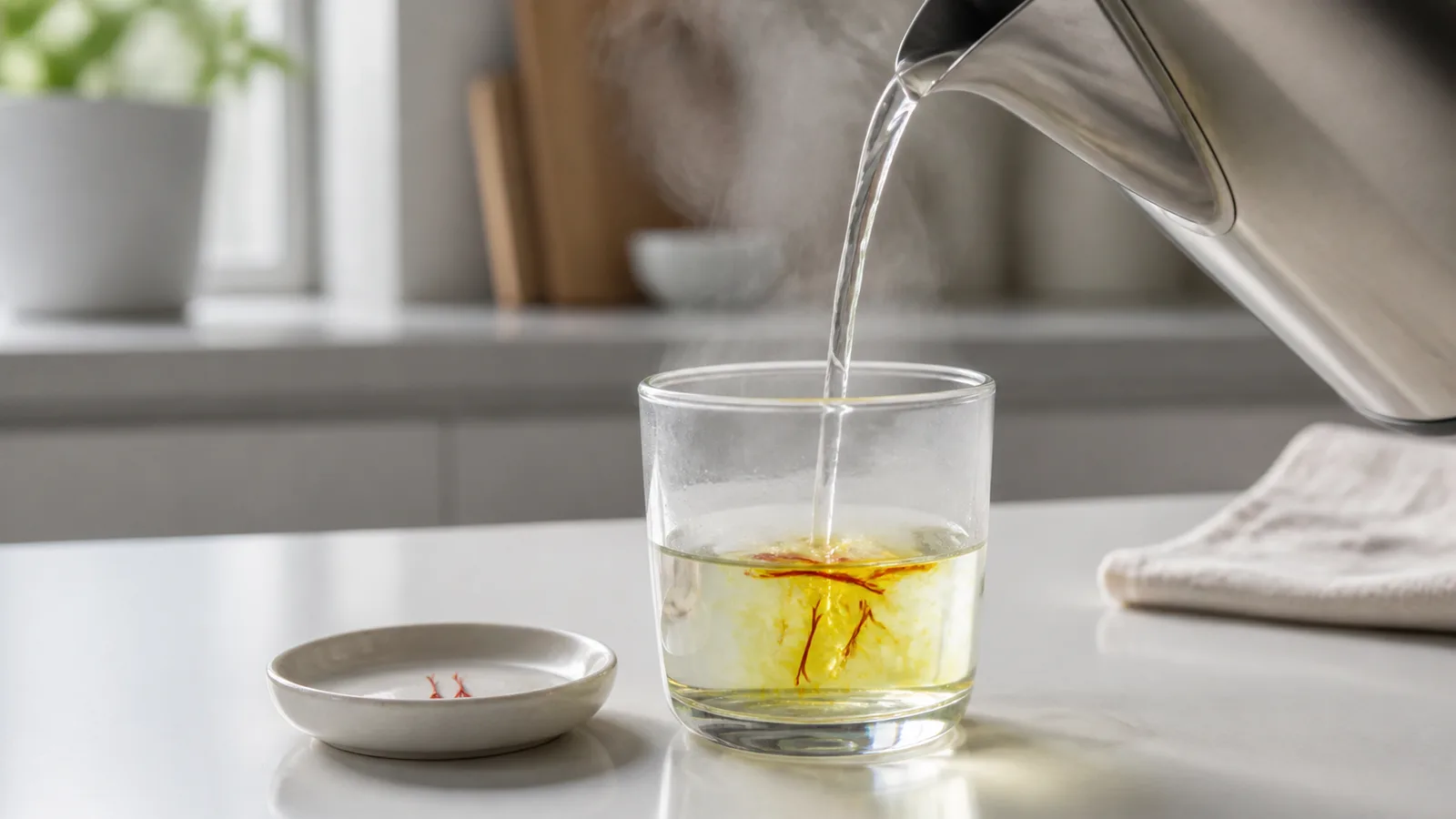
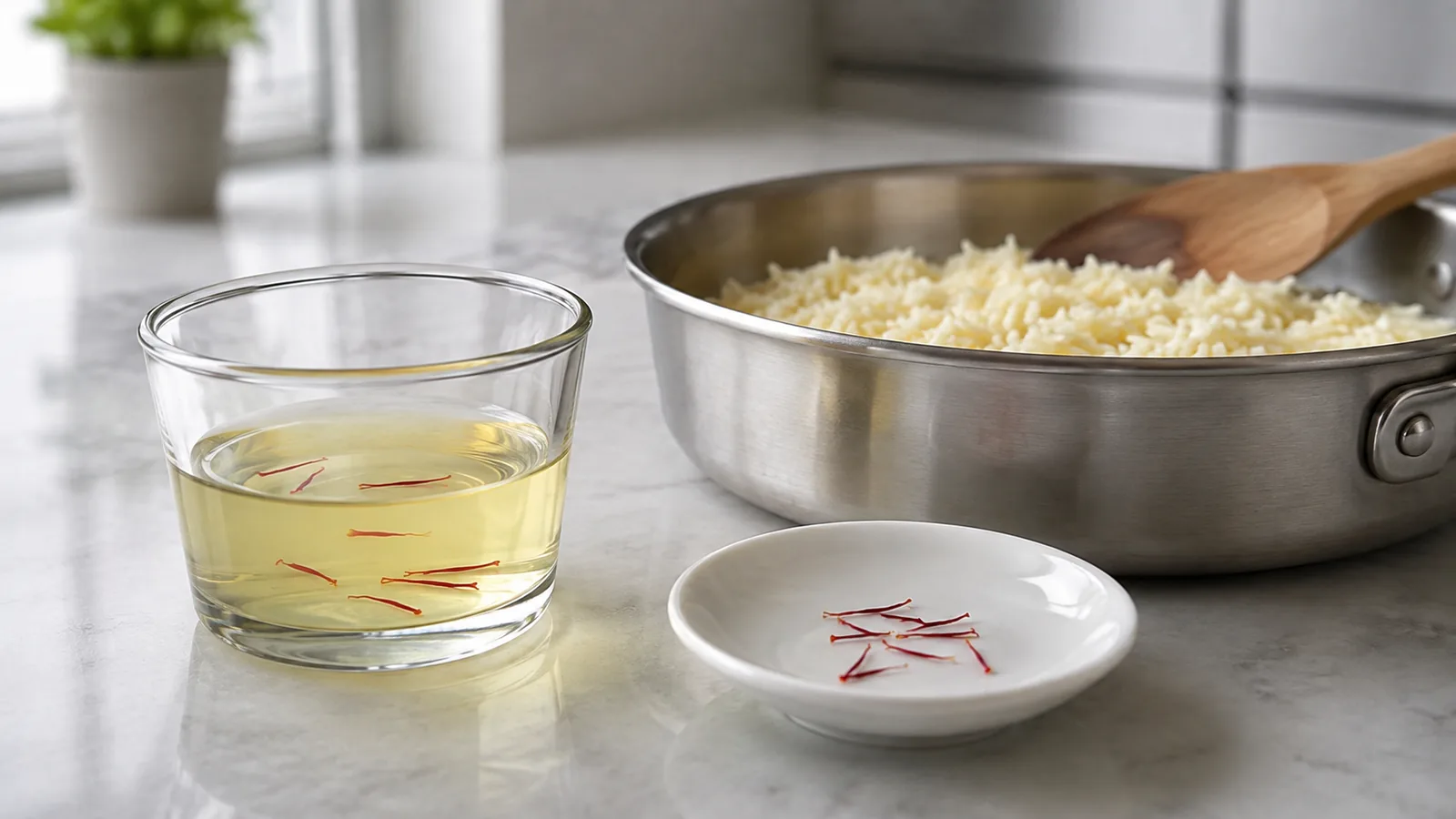
- 1 teaspoon saffron threads, finely ground and infused
- 2 to 3 garlic cloves, finely grated
- 1/2 teaspoon black pepper
- Salt, to taste
- Neutral oil, for frying
- Kashk, fried dried mint and extra walnuts, to serve
Grill or fry the eggplants
For a smoky flavour, prick the eggplants and grill or roast them until the skins are charred and the flesh is completely soft. Let them cool, peel away the blackened skin and drain the flesh in a colander.
You can instead peel, slice and fry the eggplants until tender and golden. Drain them well so the finished halim does not become greasy.
Cook and shred the lamb
Put the lamb in a pot with one sliced onion, a little pepper and enough water to cover it. Bring to a gentle boil, skim any foam, then lower the heat and simmer until the meat is very tender.
Lift out the lamb and reserve its cooking liquid. Remove any bones or large pieces of fat, then shred or pound the meat while it is still warm. The fine strands help give halim bademjan its characteristic texture.
Cook the rice and lentils
Cook the rice and lentils in separate saucepans until both are very soft. Drain any excess water. Keeping them separate prevents the lentils from remaining firm while the rice turns pasty.
Blend or mash the cooked rice, lentils, eggplant and about 200 g of the shredded lamb. Leave a little texture rather than processing the mixture into a completely liquid purée.
Fry the onions, garlic and mint
Fry the remaining onions over medium heat until deeply golden. Reserve some for the garnish and add the rest to the eggplant mixture.
Briefly fry the garlic in a little oil until fragrant. For the mint garnish, warm dried mint in oil for only a few seconds; it turns bitter if it burns.
Simmer the halim gently
Transfer the eggplant mixture to a heavy pot. Add the remaining shredded lamb, ground walnuts, garlic, salt and pepper. Stir in enough reserved lamb liquid to keep the mixture moving without making it soupy.
Cook over low heat for 30 to 45 minutes, stirring often and scraping the bottom of the pot. Add small amounts of cooking liquid if it becomes too stiff before the flavours have blended.
Add saffron and kashk
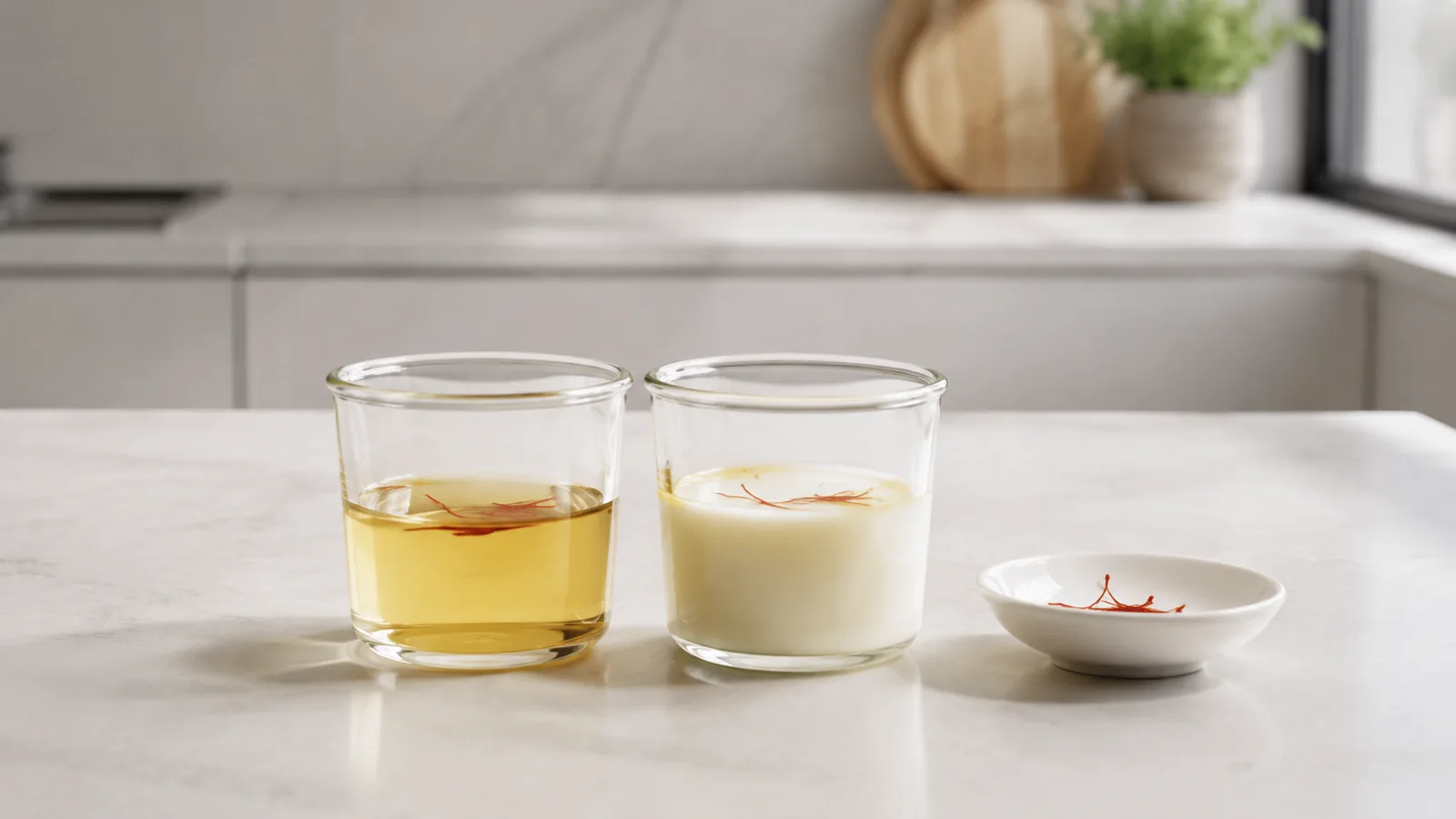
Stir most of the saffron infusion into the halim near the end of cooking. A concentrated infusion adds aroma without thinning the dish; our guide to brewing saffron explains the method.
Kashk varies in saltiness, so taste it before seasoning the pot. Stir in a modest amount if you want its tang throughout the dish, or keep it entirely for the topping.
How to serve halim bademjan
Spoon the hot halim into a shallow serving dish. Finish it with kashk, the reserved fried onion, mint oil, walnuts and the remaining saffron infusion.
The correct consistency is thick enough to hold the garnish, yet soft enough to scoop easily with bread. Serve it warm as a substantial starter or main dish.
Common problems
- The mixture catches on the pot: use low heat, stir frequently and loosen it with reserved cooking liquid.
- The eggplant tastes bitter: choose firm, fresh eggplants and cook the flesh until completely tender.
- The halim is too salty: season only after tasting the kashk.
- The texture is watery: simmer uncovered and stir until the mixture thickens; do not add more rice to a finished dish.
Storage and reheating
Refrigerate leftovers promptly in a covered container for up to 2 days. Reheat over low heat with a spoonful of water, stirring until hot throughout. Add fresh garnish after reheating rather than storing the mint oil and fried onion in the halim.