No good evidence shows that saffron selectively reduces belly fat. Trials have tested saffron and saffron extracts for weight-related outcomes, but the best combined evidence has not found a reliable reduction in body weight, BMI or waist circumference. That makes “saffron and belly fat reduction” a research question, not a proven result.
Saffron can still be part of a healthy way of eating. What it cannot do is choose where the body loses fat, burn abdominal fat on contact or replace the habits and medical care that actually influence weight.
What the clinical evidence found
A 2022 systematic review and meta-analysis combined 25 randomized trials in people with overweight or obesity. Across the studies, saffron produced no statistically significant change in body weight, BMI, waist circumference or hip circumference compared with control groups. The pooled result did find a change in waist-to-hip ratio, but the authors stressed study differences and the need for stronger, more generalizable evidence.
That pattern matters. A single positive measurement among several related outcomes is not proof that saffron targets abdominal fat. Waist-to-hip ratio can change because of measurements at either location, while the pooled waist-circumference estimate itself was not significant.
Does saffron help in weight loss by reducing appetite?
Possibly for some people, but the evidence is mixed and specific to the products studied. A small 2010 placebo-controlled trial tested a branded saffron extract in 60 mildly overweight women. The group taking the extract reported less snacking and had a small weight change over eight weeks. Snacking was self-recorded, the sample was narrow and the result does not establish an effect from culinary saffron.
A later placebo-controlled trial in overweight women with mild-to-moderate depression did not find that saffron capsules reduced food craving. Taken together, these studies do not support the simple story that crocin and safranal reliably curb appetite, lift mood and therefore remove belly fat.
Emotional eating is real, and mood can affect eating patterns, but it deserves more than a spice-based shortcut. Someone who frequently eats in response to distress may benefit from discussing both mood and nutrition with an appropriate professional.
Does saffron burn fat or speed metabolism?
There is no convincing human evidence that saffron acts as a fat burner or raises metabolism enough to cause meaningful weight loss. The trials also do not show that it regulates metabolism to prevent fat storage in the abdomen. Laboratory findings about cells, enzymes or animals can suggest a mechanism worth studying; they cannot show that a person will lose abdominal fat after drinking saffron water.
The same caution applies to the phrase “saffron extract for weight loss.” An extract can have a defined composition and measured dose, while threads added to rice or tea vary in weight and concentration. Neither form should be advertised as a substitute for an evidence-based weight plan.
Can any food target belly fat?
Body-fat distribution is influenced by genetics, age, hormones, sex, sleep, stress, medicines and overall energy balance. No single spice directs the body to take fat from one location. Abdominal exercises can strengthen the muscles beneath the fat, but they do not make saffron—or any ingredient—spot-reduce the layer above them.
Waist size still matters because excess abdominal fat is associated with metabolic risk. The sensible response is to work on overall health and, where appropriate, gradual total weight loss rather than chase a “belly fat” ingredient.
What actually supports a smaller waist over time?
The basics are less dramatic than supplement advertising, but they have much stronger support:
- Build meals around vegetables, fruit, whole grains and a satisfying source of protein.
- Choose portions and drinks that make an appropriate energy intake sustainable rather than extreme.
- Combine aerobic movement with muscle-strengthening activity.
- Protect sleep and address stress patterns that make regular eating harder.
- Review medicines or health conditions with a clinician if weight changes unexpectedly.
The CDC’s current guidance on physical activity and weight explains that physical activity increases energy use and works with dietary changes to create the calorie deficit needed for weight loss. The amount a person needs varies. In everyday terms, a balanced diet and regular exercise matter far more than saffron and weight loss claims.
Where saffron can fit
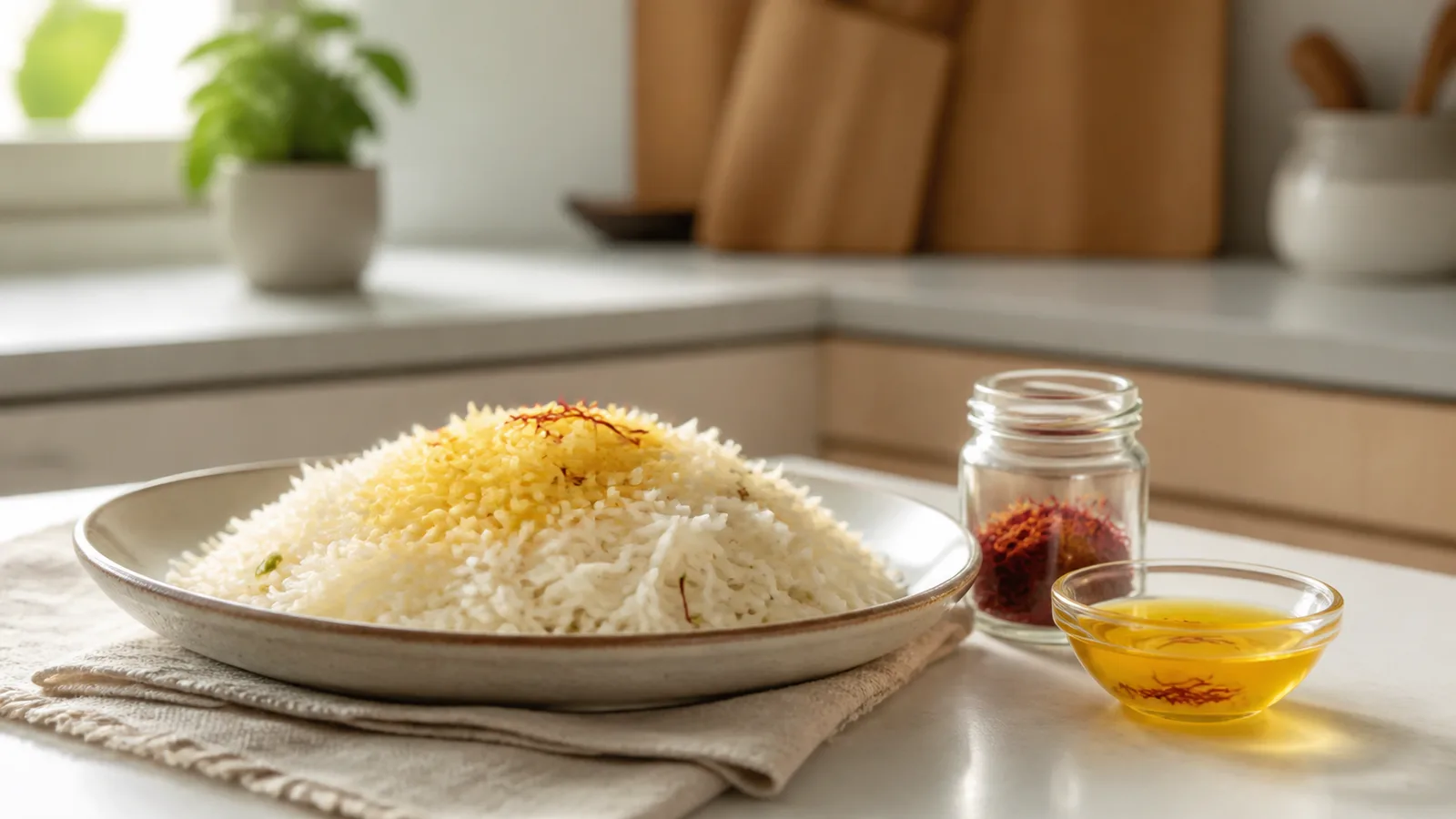
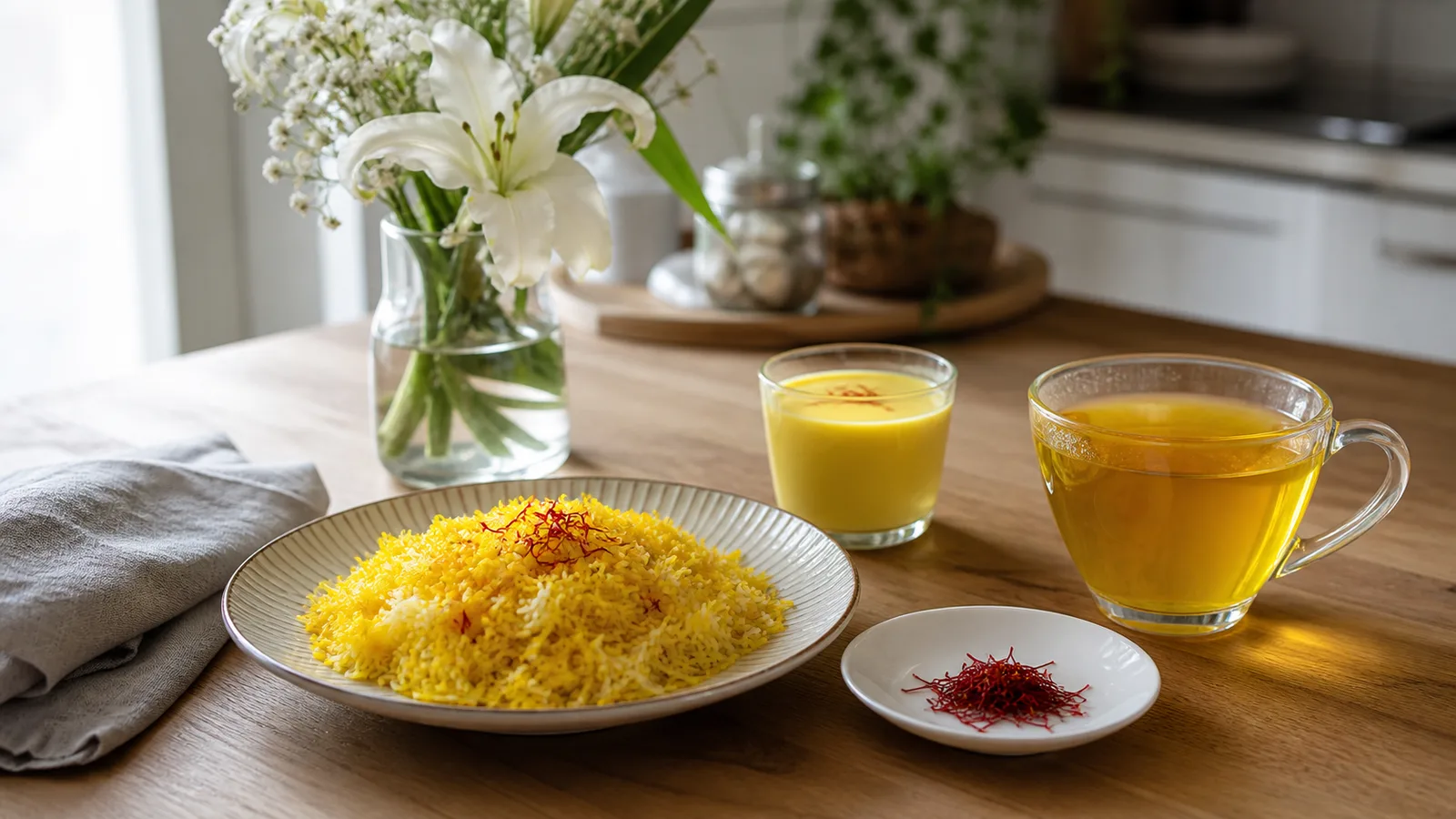
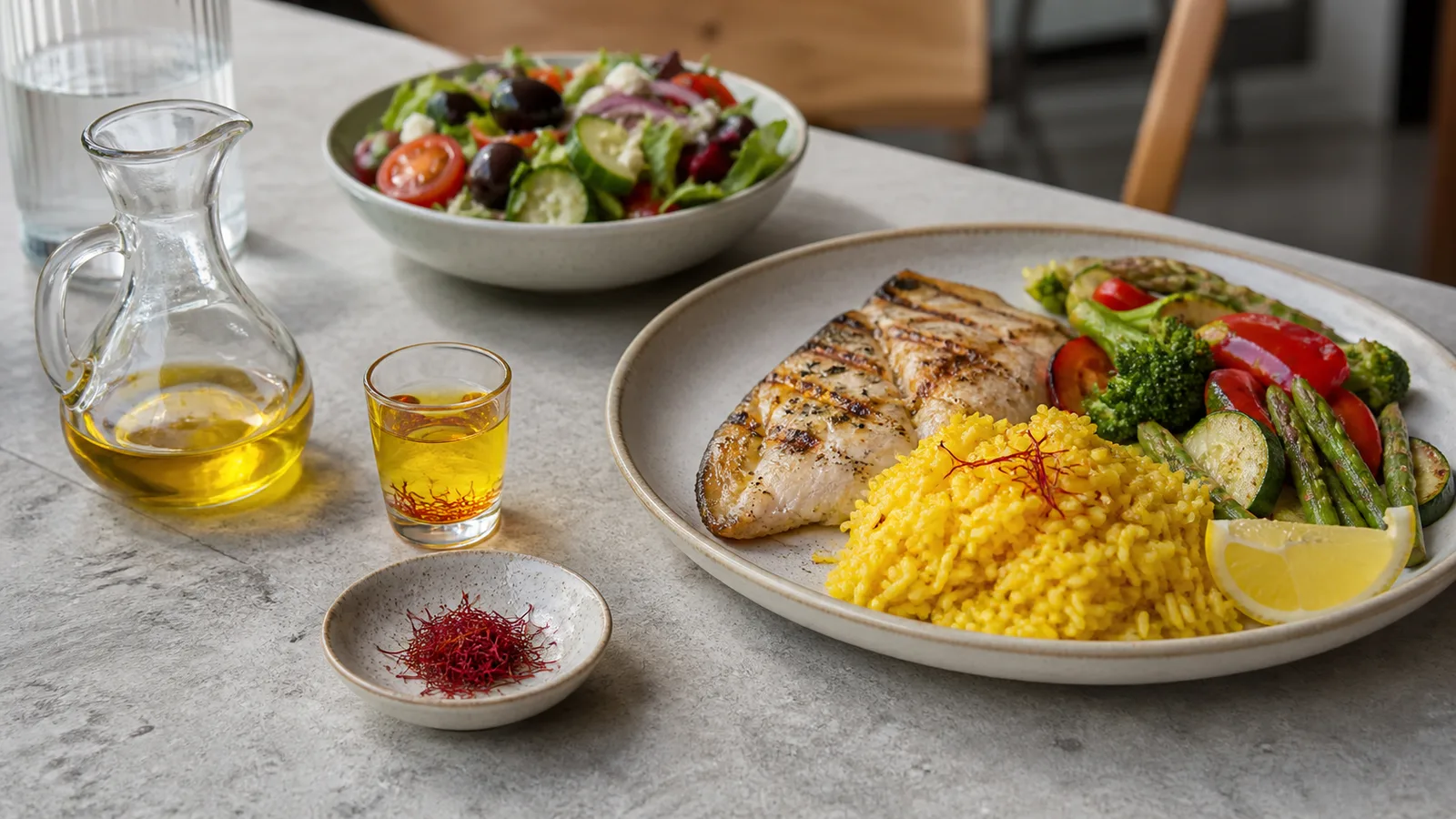
Saffron can make a modest meal fragrant and satisfying without adding much energy of its own. Bloom a small amount in warm water and stir it through rice, lentils, vegetables, fish or yogurt. Used this way, the spice supports the pleasure and variety of a healthy meal; it is not the active weight-loss programme.
Be more cautious with supplements. Follow the exact label, check the other ingredients and speak with a clinician or pharmacist if you take medicine, are pregnant or breastfeeding, or have a condition affected by diet or weight. Do not increase an extract because the scale or waist measurement has not changed.
The answer behind the claim
Is saffron good for weight loss? It may make nutritious food more enjoyable, and particular extracts have produced limited appetite or body-measurement findings in some trials. The larger evidence synthesis did not show meaningful reductions in weight or waist circumference. If you are considering saffron to lose weight, keep that distinction clear: saffron does not specifically reduce belly fat, and “kesar for weight loss” should not be sold as though it does.