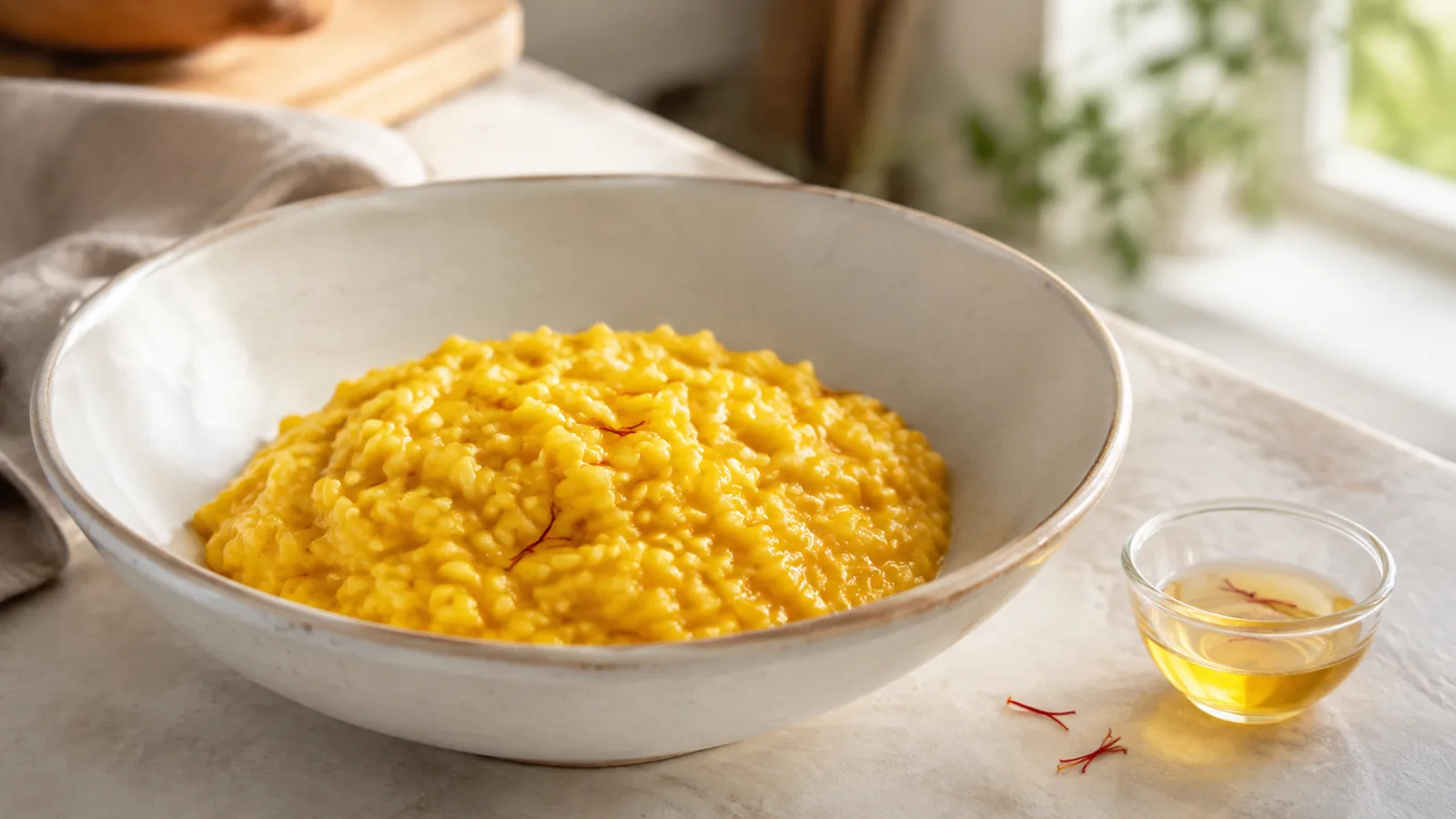
Saffron can make food taste better when its floral, earthy aroma and measured bitterness suit the dish. It is not a universal flavour booster, though. The result depends on the ingredients around it, the amount used and whether the threads are given time to release their character.
Does Saffron Make Food Taste Better?
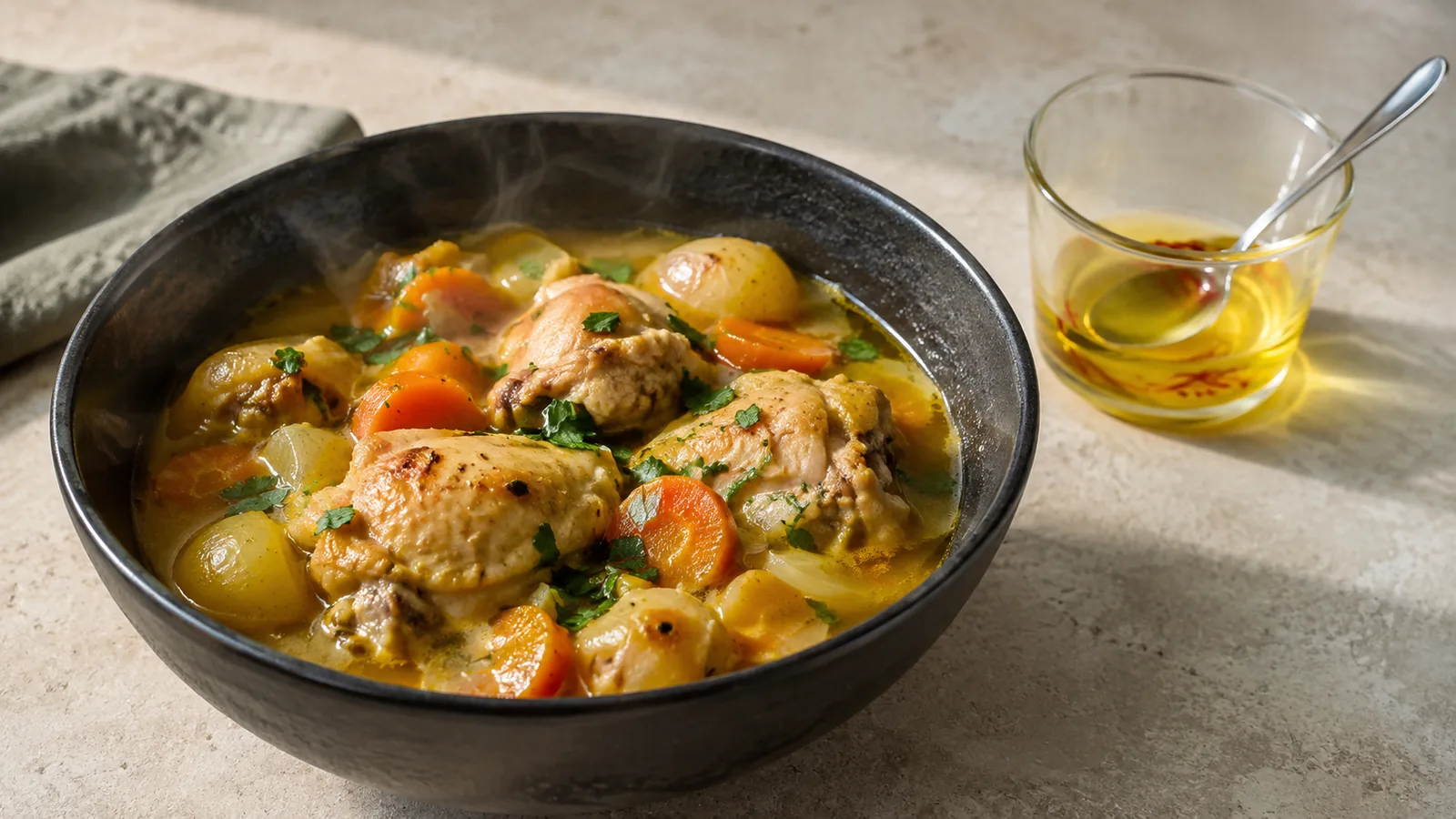
In a compatible recipe, yes. Saffron makes a plain base such as rice, milk, stock or cream more aromatic and gives it a gentle bittersweet complexity. That is different from simply making food stronger, sweeter or saltier. A well-made saffron dish should still taste like its main ingredients, with the spice adding a distinctive top note and a long, warm finish.
Personal preference matters. Someone who enjoys floral aromas may find saffron immediately appealing; another person may notice its bitterness first. The fairest way to judge it is in a simple dish, prepared with a restrained quantity, rather than in a heavily spiced sauce where its aroma is difficult to separate.
What Saffron Actually Adds
Earthy and Floral Notes
Much of saffron’s identity reaches the nose before the tongue. Its aroma is commonly described as floral, honeyed, warm, earthy or reminiscent of dry hay. These aromatic qualities overlap because scent does not fit neatly into one word. Safranal is an important volatile compound behind the characteristic scent, while the age and storage of the threads affect how vivid that scent remains.
Gentle Bitterness
Picrocrocin is closely associated with saffron’s bitter taste. Sensory research on the detection and recognition of picrocrocin also found that temperature and other saffron constituents can change how people perceive that bitterness. In cooking, a small bitter edge can give rice, dairy and sweet dishes welcome depth. Too much makes the dish medicinal or harsh.
Colour That Changes the Eating Experience
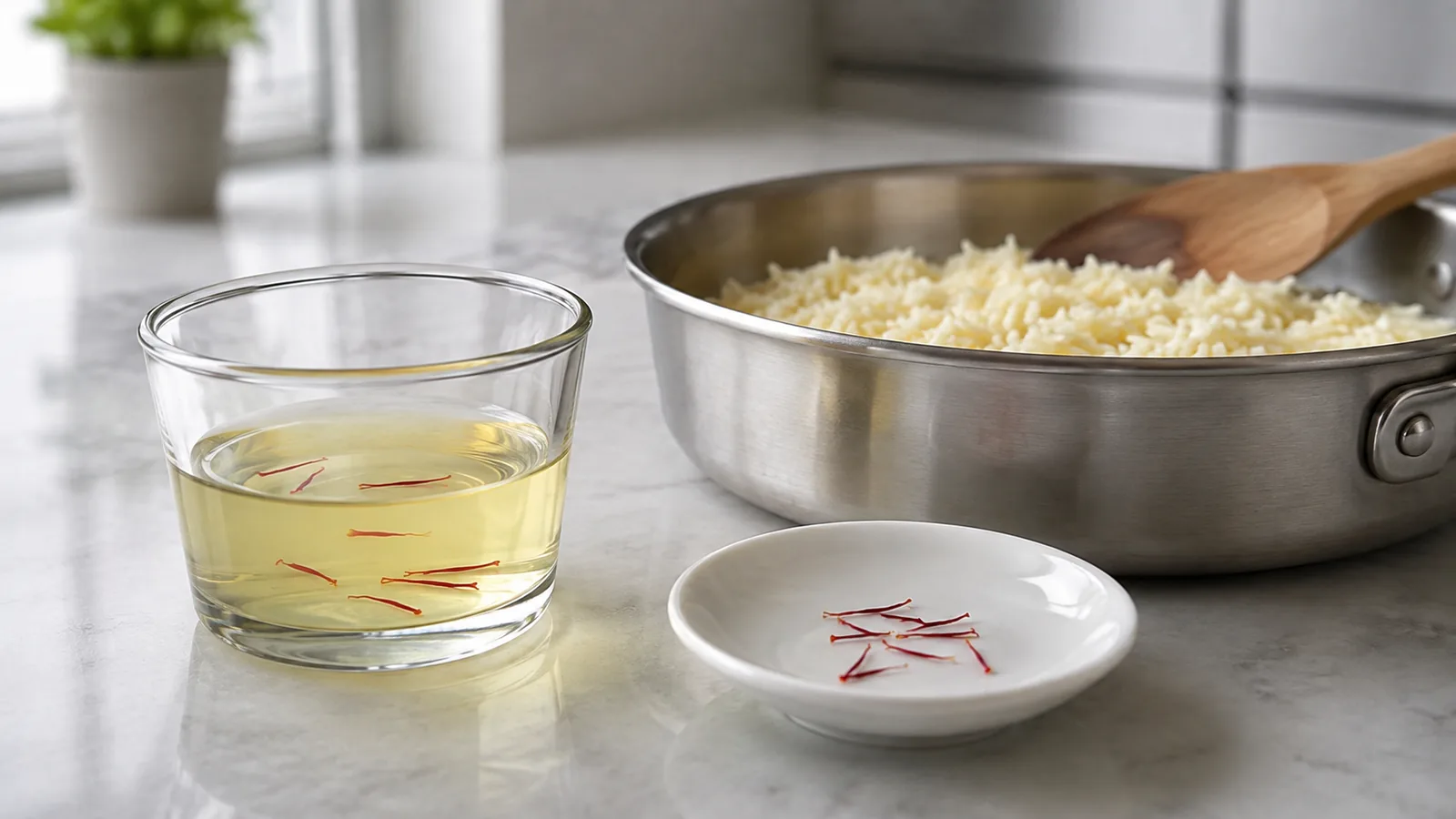
Saffron’s crocins give food its yellow-to-golden colour. Colour is not flavour, but it shapes expectation: golden rice or a softly tinted custard looks warmer and more aromatic before the first bite. This is one reason a properly distributed infusion often feels more complete than scattered dry threads, even when the same quantity is used.
Is Saffron Sweet or Savory?
Saffron is neither sweet nor savoury in the way sugar and salt are. A touch of sweetness may seem present in its honey-like aroma, but saffron does not add sugar-like sweetness. The spice works in both directions because mild bitterness and a floral scent can complement savoury stock, seafood and rice as naturally as they complement milk, fruit and pastry.
In savoury cooking, saffron is especially comfortable with rice, onion, mild stock, shellfish, chicken and gentle dairy. In sweets, it pairs well with milk, cream, cardamom, pistachio, almond, citrus and pear. The common thread is a base that leaves enough room for its aroma to remain recognisable.
When Saffron Improves a Dish
Enhancing other flavors does not mean masking them. Saffron works best when it gives familiar ingredients another aromatic layer while their own character remains clear.
- The base is relatively gentle. Rice, broth, milk and cream carry an infusion without burying it.
- The recipe has moisture. Water helps the colour and flavour spread evenly through the food.
- The other seasonings are controlled. Saffron can coexist with cardamom, cinnamon, garlic or paprika, but a crowded spice mixture may cover it.
- The threads are fresh and genuine. Stale material contributes colour more readily than a lively aroma, while poor-quality substitutes can taste flat or artificial.
- The quantity is restrained. A little creates complexity; excess saffron adds bitterness without making the result more elegant.
When It Can Make Food Worse
Saffron is not the right answer for every recipe. A robust chilli, smoky barbecue sauce or heavily roasted spice blend may overwhelm it. Adding more threads in response usually wastes the spice and can produce an unpleasant bitter note.
Dry threads sprinkled over a finished dish can also disappoint. They may look attractive, but much of their flavour remains concentrated in a few bites. Long, aggressive boiling presents the opposite problem: the liquid takes on colour while the delicate aroma becomes less clear. A moderate infusion followed by gentle cooking is more dependable.
How to Get a Better Flavour from Saffron
- Count or weigh a modest portion appropriate to the recipe.
- Crush the threads lightly so more surface area meets the liquid.
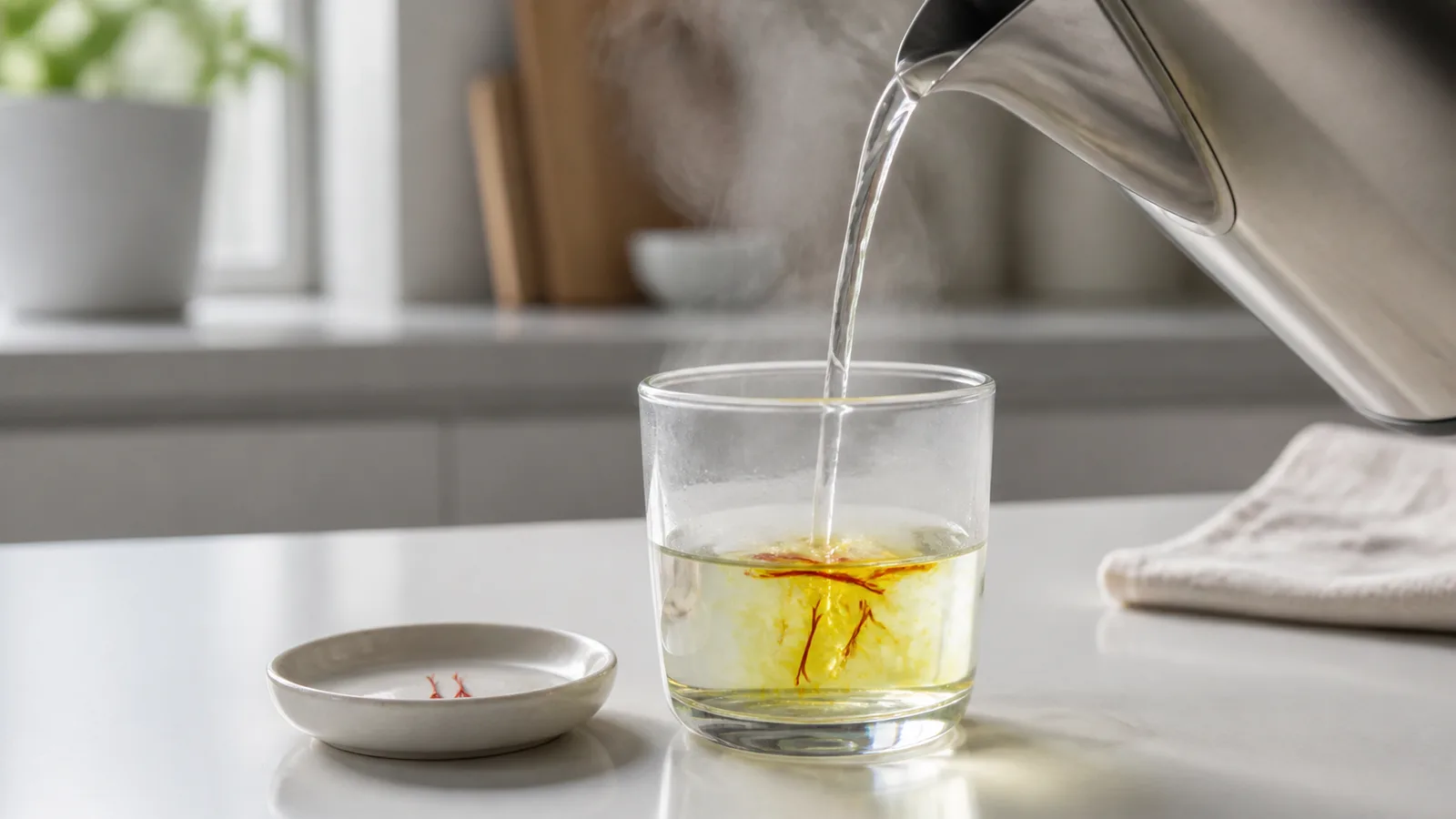
- Cover them with a small amount of warm water, milk or recipe stock.
- Allow the infusion to develop for about 10 to 20 minutes.
- Add both the liquid and threads where they can spread through the dish.
- Taste near the end, then adjust salt, acid or sweetness around the saffron rather than automatically adding more spice.
A culinary extraction study found that water-rich conditions favoured the extraction of crocins. In the kitchen, that supports the practical value of blooming saffron before distributing it through rice, soup, sauce or dessert. Our detailed guide to brewing saffron explains the method and the common temperature mistakes.
A Simple Side-by-Side Taste Test
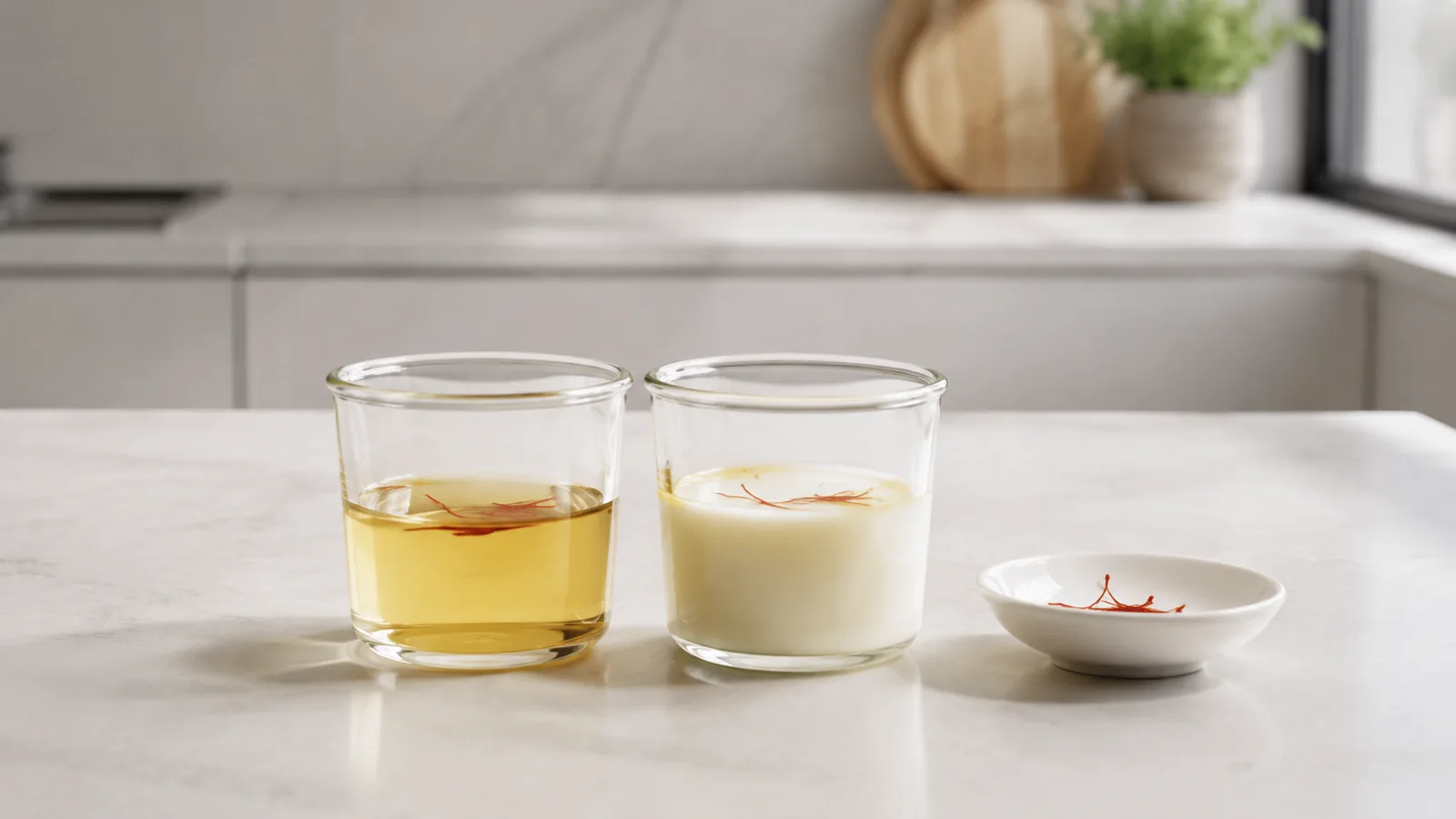
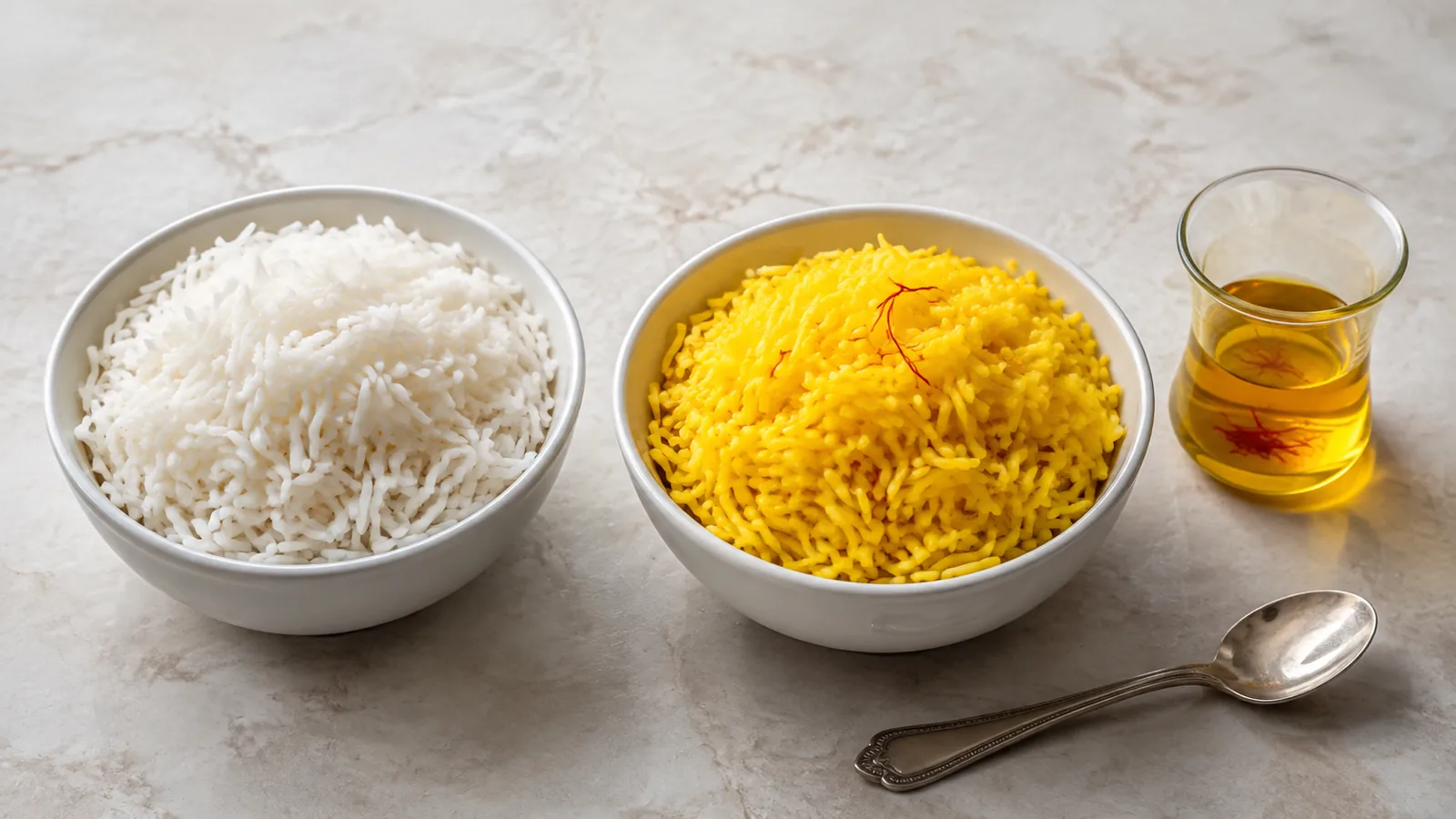
If you want to know whether saffron enhances flavor for your own palate, split a neutral food into two small portions. Plain rice, warm milk or a light vegetable broth works well. Leave one portion unchanged and stir a measured saffron infusion into the other. Keep the salt, sugar and temperature the same.
Smell each portion before tasting. Then compare the first impression, bitterness, aroma after swallowing and how long the flavour lasts. This small test is more useful than tasting a dry thread, which concentrates bitterness and does not resemble the way saffron behaves in a finished dish.
Choosing Dishes Where Saffron Can Shine
Start with a dish that gives the spice a clear job. In rice, it provides aroma and colour. In a light soup or risotto, it ties stock and starch together. In custard or ice cream, it offsets richness with a dry floral edge. In fruit, it can lend depth to pear, apple or citrus without replacing their natural character.
If you are looking for a particular sensory description, our guide to what flavour saffron adds separates aroma, taste and colour in more detail. For the best result in any recipe, begin with sound threads, bloom them gently and let saffron support the food rather than compete with it. You can compare available grades in our saffron shop.