Does Saffron Increase Estrogen?
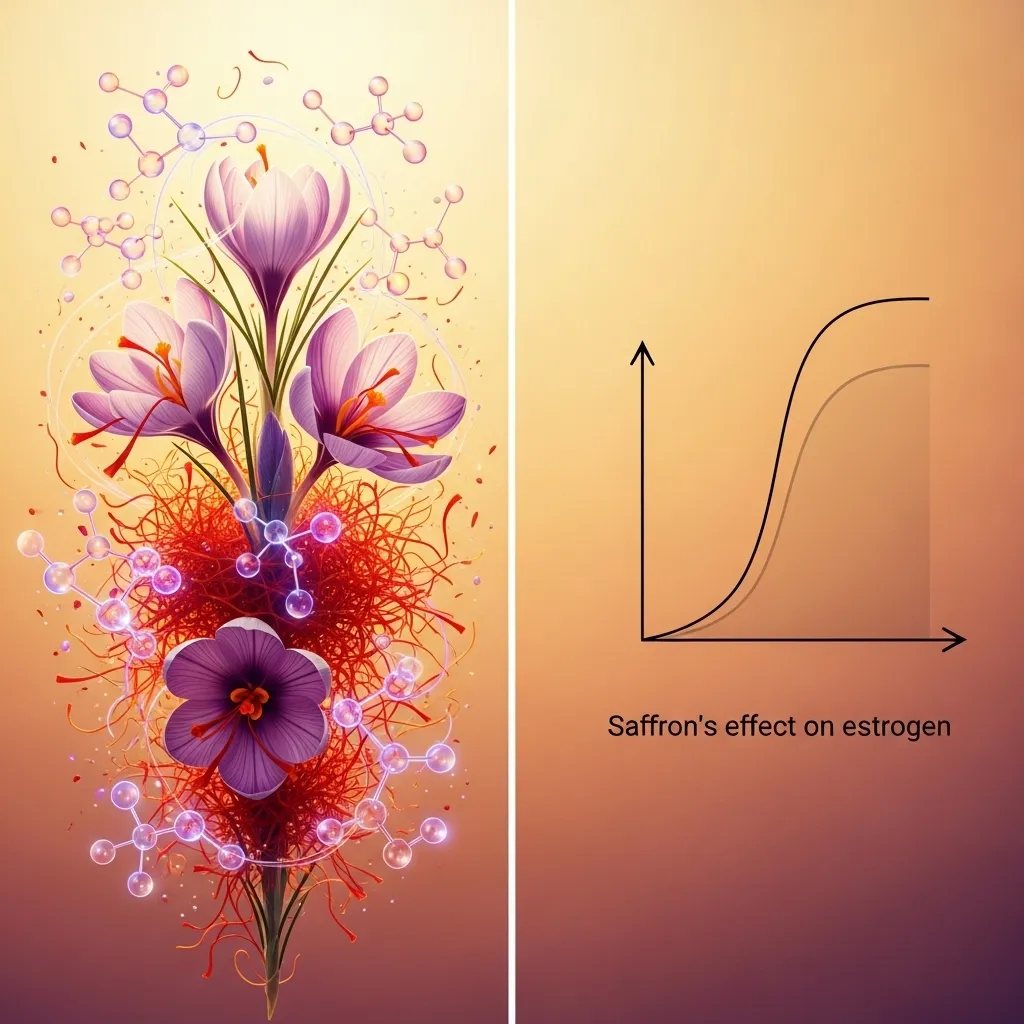
Saffron is well-known for its health benefits, including its effects on mood, digestion, and even skin health. But what about its impact on hormones, specifically estrogen? There is some evidence suggesting that saffron may have a positive effect on estrogen levels, although more research is needed to fully understand its impact on hormonal balance.
Saffron’s Impact on Hormones
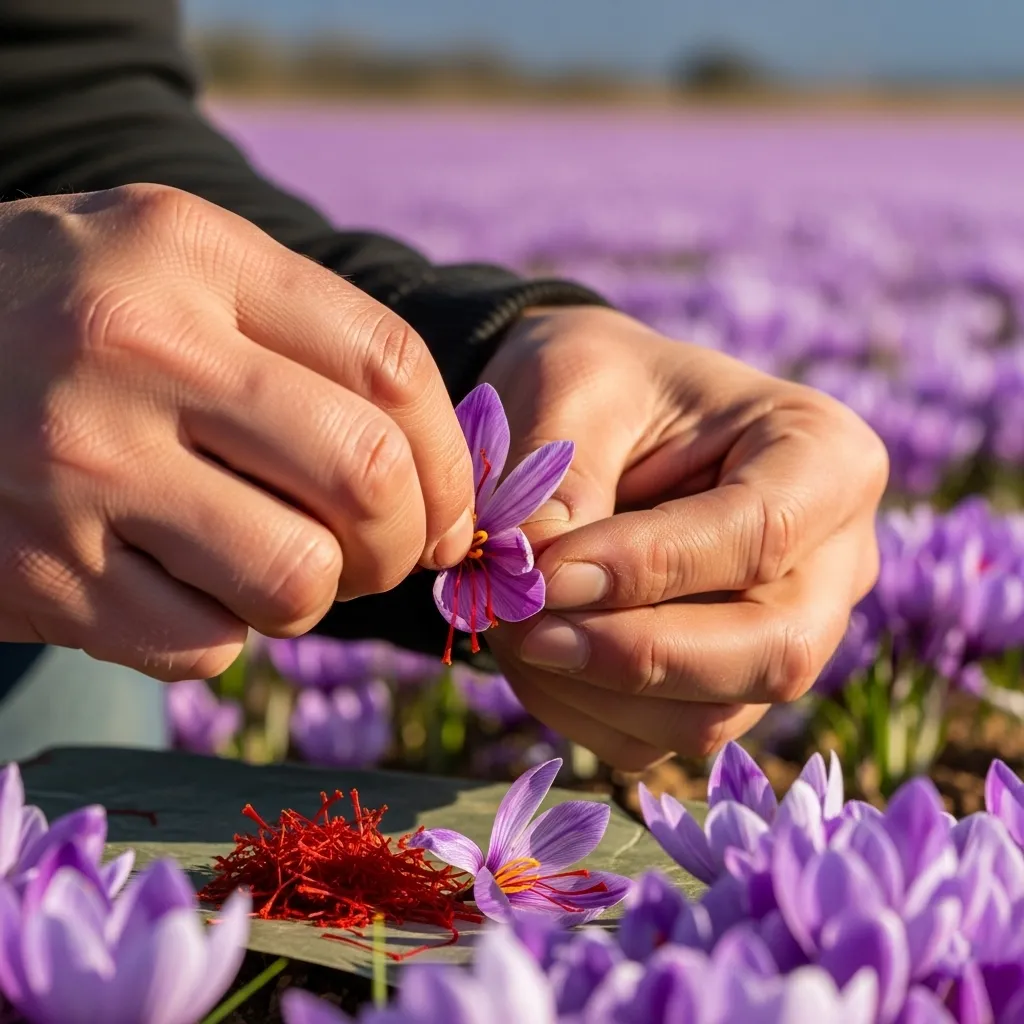
Saffron contains bioactive compounds like crocin and safranal, which have been shown to affect various physiological processes in the body. These compounds may play a role in modulating hormonal levels, including estrogen. Some studies suggest that saffron might promote the production of estrogen in women, especially in cases where estrogen levels are low, such as during menopause or with certain medical conditions.
Scientific Research on Saffron and Estrogen
Several studies have explored saffron’s effects on hormonal health. One study published in the “Phytotherapy Research” journal found that saffron extract could influence hormone regulation, potentially increasing estrogen levels in women. Another study suggested that saffron may help alleviate some symptoms of menopause, such as hot flashes and mood swings, which are related to fluctuating estrogen levels.
How Saffron May Help with Estrogen Balance
Saffron’s ability to help balance estrogen could be linked to its antioxidant properties. Antioxidants help to reduce oxidative stress, which can disrupt hormonal balance. By protecting the endocrine system and supporting overall health, saffron may contribute to better hormone regulation.
How to Use Saffron for Hormonal Balance
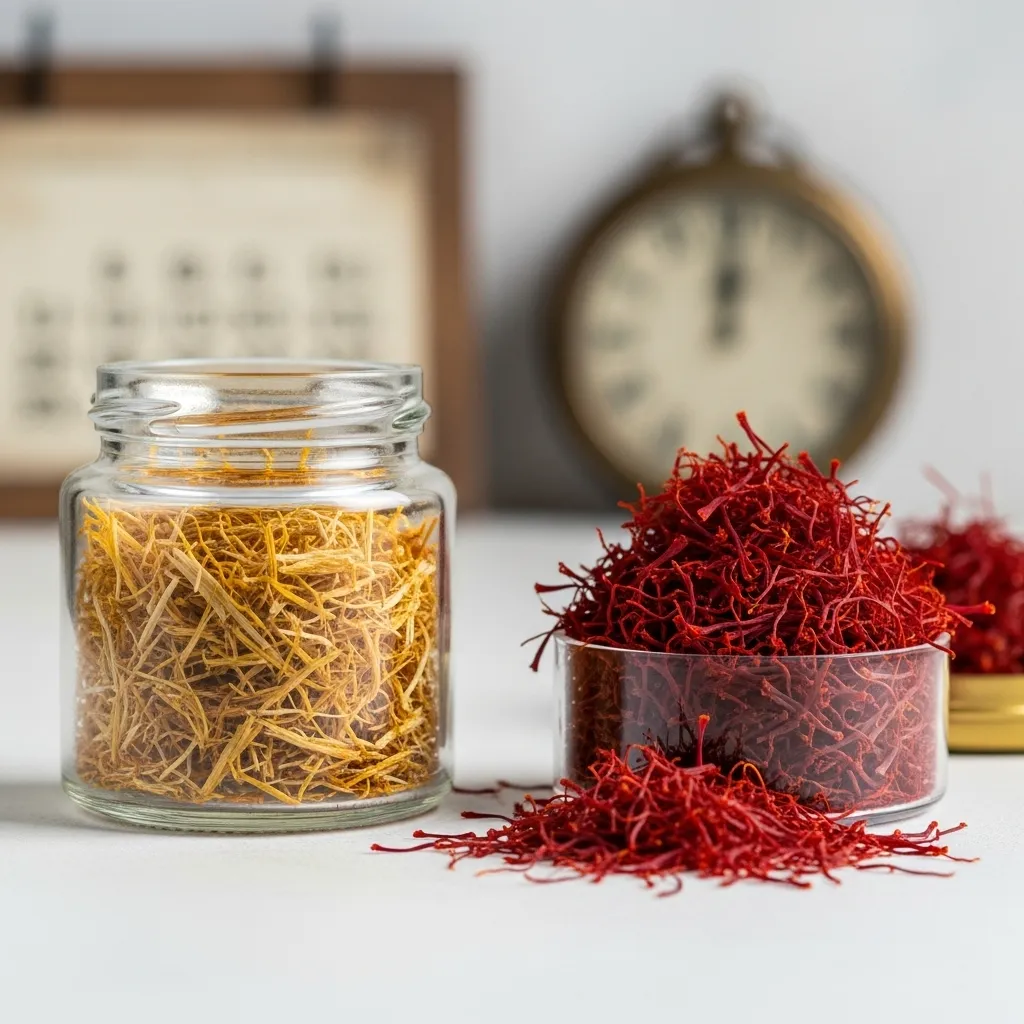
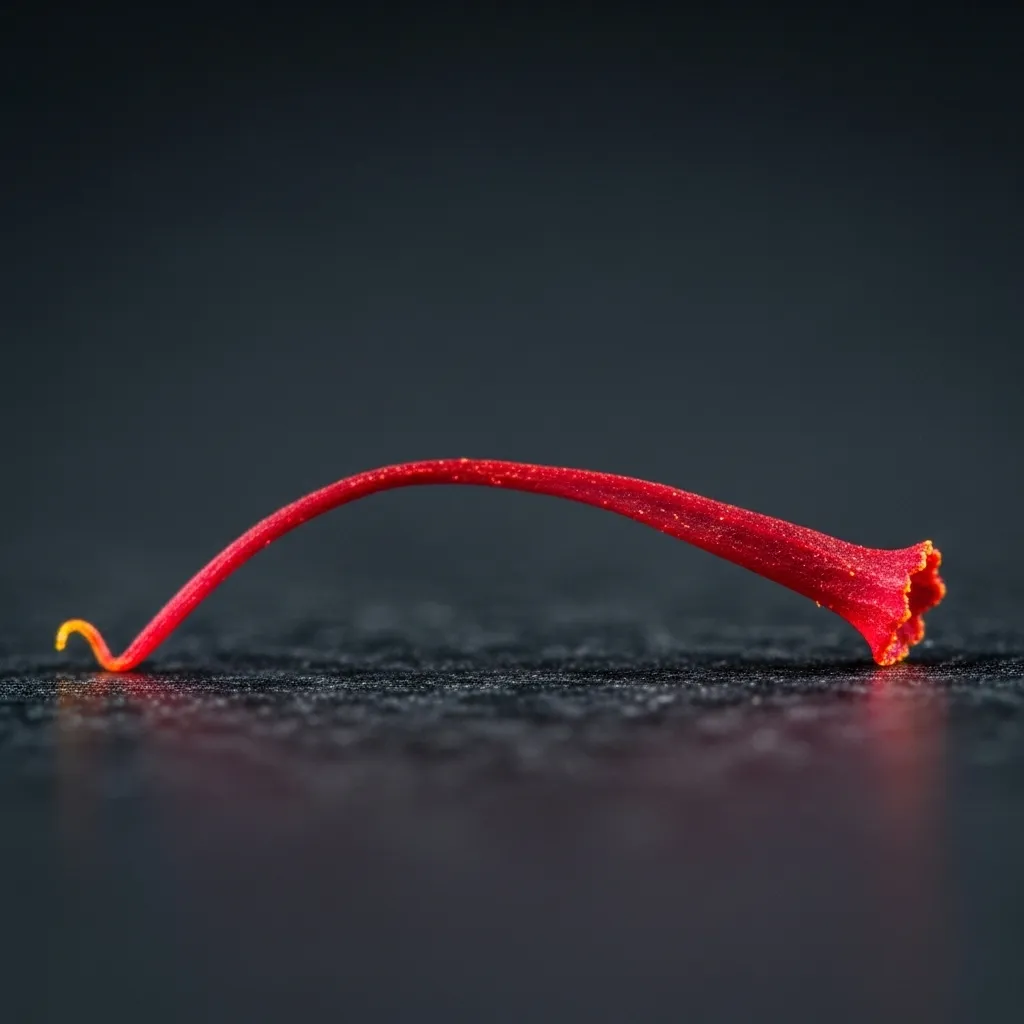
To benefit from saffron’s potential estrogen-boosting effects, you can add it to your daily routine in various ways. You can infuse a few strands of saffron in warm milk or tea. Saffron supplements are also available, offering a more concentrated dosage for those looking to address specific hormonal imbalances.
Dosage and Precautions
For hormonal health, a daily dose of 30 mg to 50 mg of saffron is typically recommended. However, it’s important not to exceed the suggested dosage, as large amounts of saffron may cause side effects such as digestive issues or allergic reactions. Always consult with a healthcare provider before starting saffron supplementation, especially if you have existing hormonal conditions.
Conclusion
Saffron may have a role in increasing estrogen levels and supporting overall hormonal balance, particularly in women with low estrogen levels. While more research is needed, saffron’s antioxidant properties make it a promising natural remedy for hormonal health.
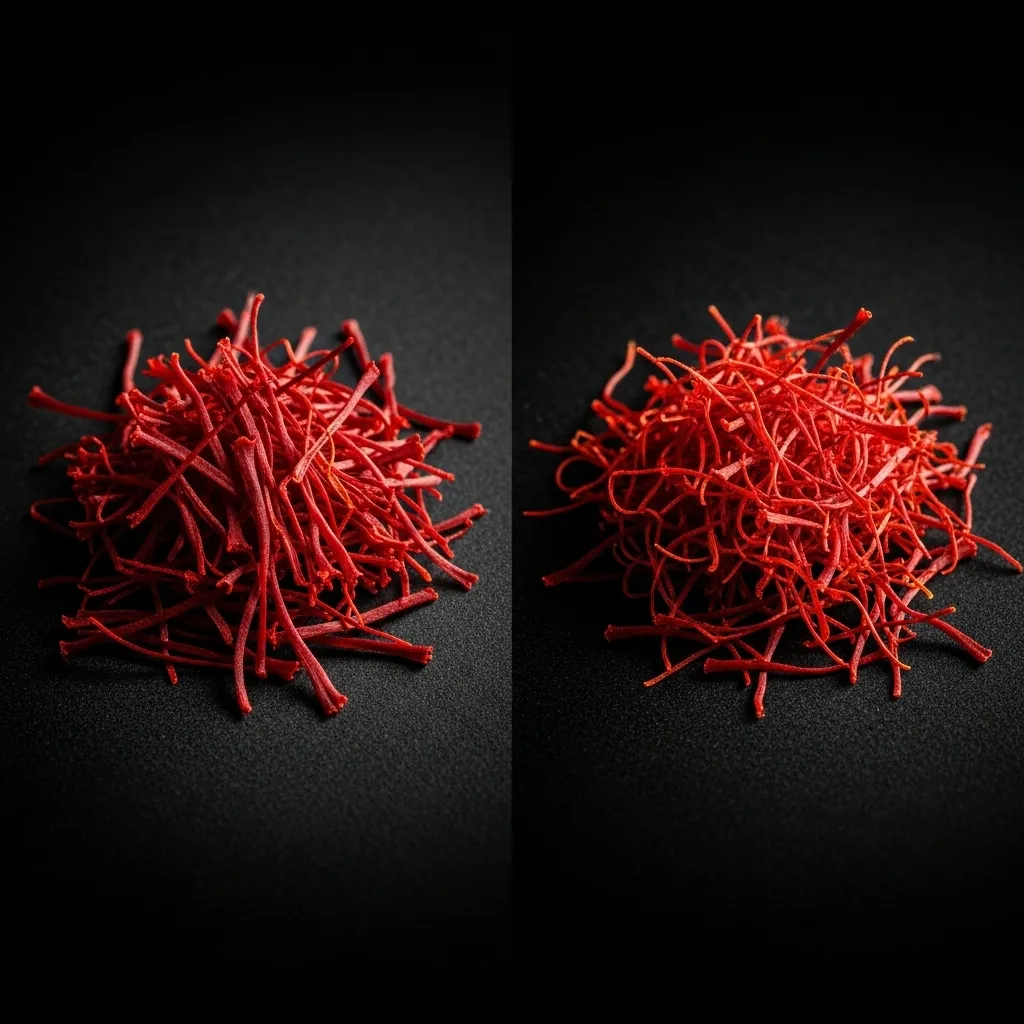
For high-quality saffron, visit our product range and experience the benefits of premium saffron.