Saffron’s Effect on Hormones: How Saffron Influences Hormone Levels
There is no good human evidence that saffron generally “balances hormones.” Studies have examined mood, stress, menstrual symptoms, menopausal complaints and sexual function, but those outcomes do not prove a saffron impact on hormones. Most trials did not measure the hormone changes that online claims promise.
Saffron may influence certain symptoms or biological pathways under specific study conditions. That is different from regulating estrogen, progesterone, testosterone or cortisol in everyday use. Broad promises of hormone regulation and improved overall well-being reach beyond what researchers measured.
What counts as a hormone effect?
Hormones are chemical messengers made by glands and tissues. Estrogen, progesterone, testosterone, thyroid hormones and cortisol have distinct jobs and are controlled by different feedback systems. “Hormonal balance” is not a single medical state that one supplement can reset.
Serotonin and dopamine are often included in hormone marketing, but in discussions of mood they are principally neurotransmitters. Researchers have proposed ways saffron compounds could affect neurotransmitter signalling; this does not show that eating saffron boosts serotonin or dopamine levels in the human brain.
To establish a direct hormone effect, a well-designed trial would need to measure a named hormone at appropriate times, compare saffron with a control and connect the result to a meaningful health outcome. A better mood score or less discomfort alone cannot establish that mechanism.
Saffron and female hormones: does saffron increase estrogen?
No reliable clinical evidence shows that saffron increases estrogen in women or men. It should not be described as estrogen replacement, a phytoestrogen treatment or a way to correct a low estrogen result.
A 12-week trial in 86 perimenopausal women found improvement in some psychological symptom scores with a standardised saffron extract. It did not find better vasomotor or somatic symptoms, and the trial was not evidence that saffron raised estrogen. Symptom research during perimenopause must not be translated into a claim about estrogen production.
If you have hot flashes, unexpected bleeding, vaginal dryness or another possible menopause symptom, a clinician can consider your age, cycle history, medicines and other causes. Saffron cannot tell you whether an estrogen level is low or whether hormone therapy is appropriate.
Saffron, progesterone and the menstrual cycle
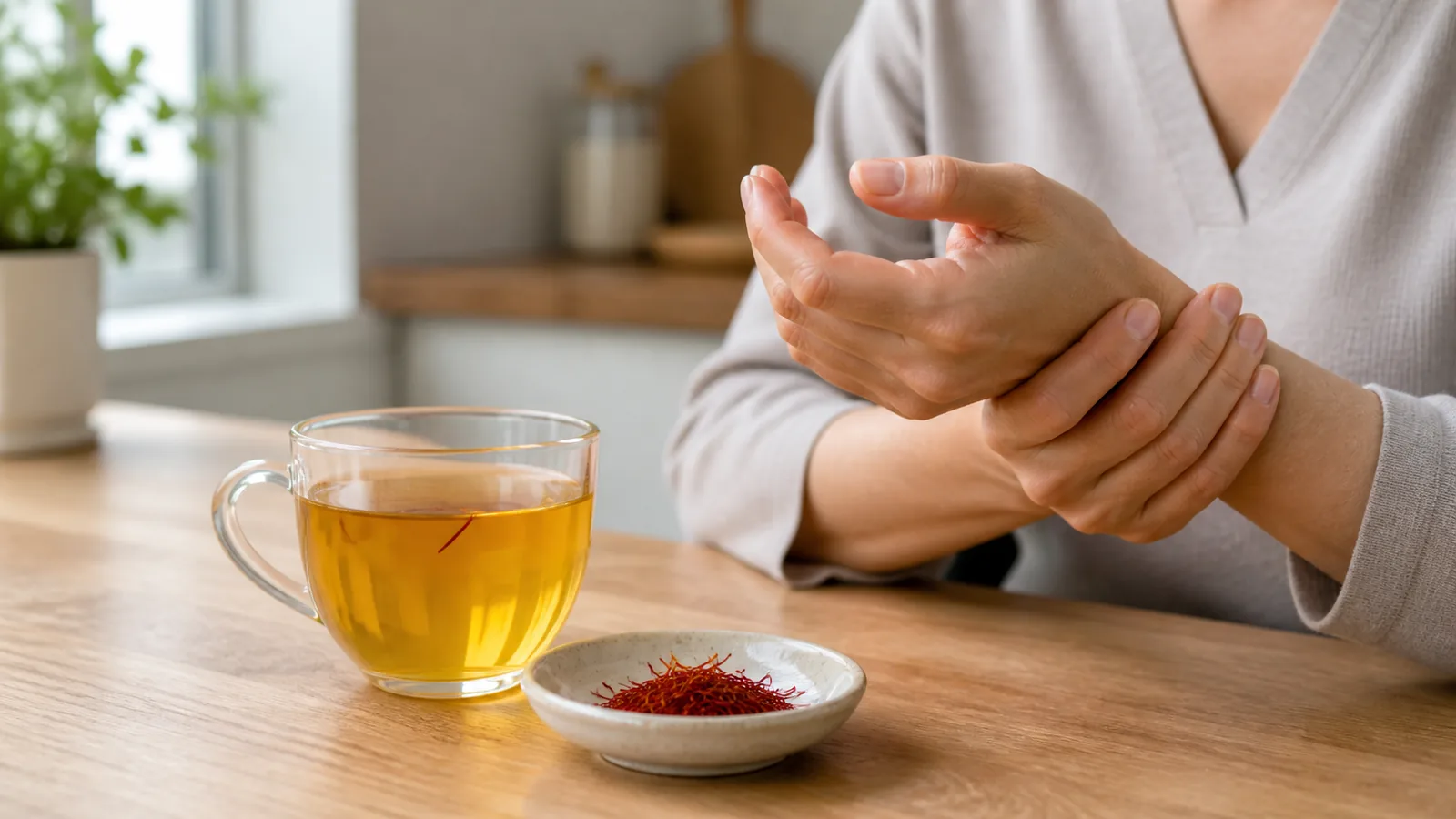
Small trials have reported changes in PMS symptoms or period-pain scores, including mood swings and cramps. These studies are about symptoms. They do not show that saffron can balance estrogen and progesterone, regulate menstrual cycles or correct an endocrine disorder.
Period timing and symptoms can change with pregnancy, stress, thyroid disease, polycystic ovary syndrome, perimenopause, weight change and many other factors. Using a supplement to “regulate” a cycle can delay the right test or diagnosis. New, very painful, very heavy or persistently irregular periods deserve medical assessment.
Saffron and male hormones: does saffron increase testosterone?
Claims that saffron supports testosterone production usually confuse sexual-function research with hormone evidence. A person can report a change in desire or erectile function without any rise in testosterone, and sperm measures are not a testosterone test.
A systematic review of herbal trials and testosterone in men identified limited evidence for a few other herbs, not saffron. Antioxidant activity against oxidative stress in a laboratory does not show that testosterone is protected. Current human evidence does not establish saffron as a treatment for low testosterone or show that it keeps testosterone levels stable.
Low testosterone is diagnosed from symptoms and properly timed blood tests, sometimes repeated. Fatigue, low mood or reduced sexual desire can have many causes, so a supplement should not replace that evaluation.
What about cortisol, stress and mood?
Cortisol is a hormone involved in the body’s daily rhythm and response to stress. A single reading changes with time of day, sleep, illness, exercise and the sampling method. Feeling calmer does not automatically mean cortisol has been “lowered.”
Recent small trials do not give one settled answer. One six-week randomised trial in 51 adults found no significant effect on its main mood outcome or on hypothalamic-pituitary-adrenal-axis reactivity. Another eight-week trial in 56 adults reported improved mood scores and lower serum cortisol with one standardised extract. These small, formulation-specific findings need replication; they do not support a general promise that saffron lowers the stress hormone.
How to use saffron without turning it into hormone therapy
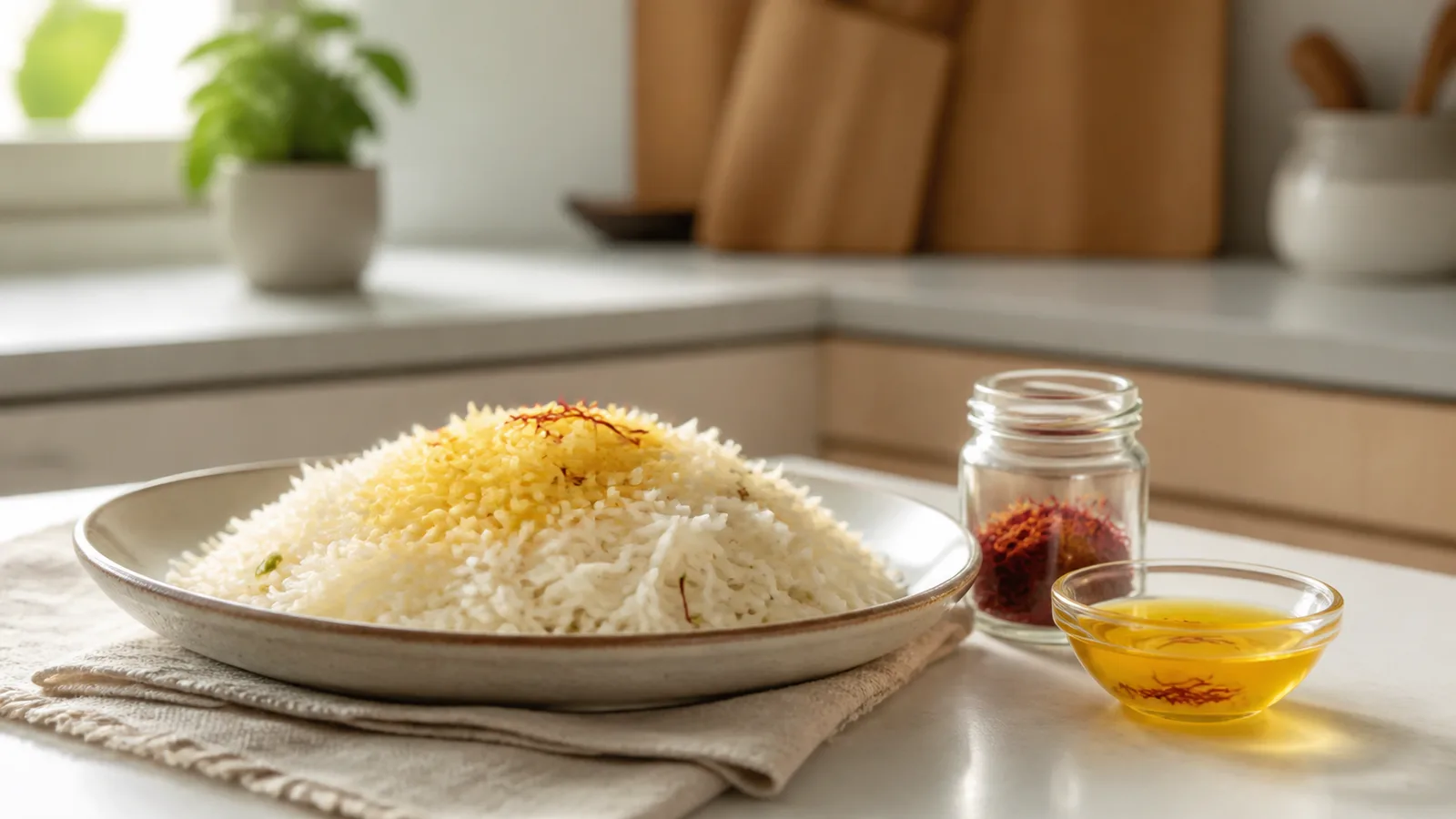
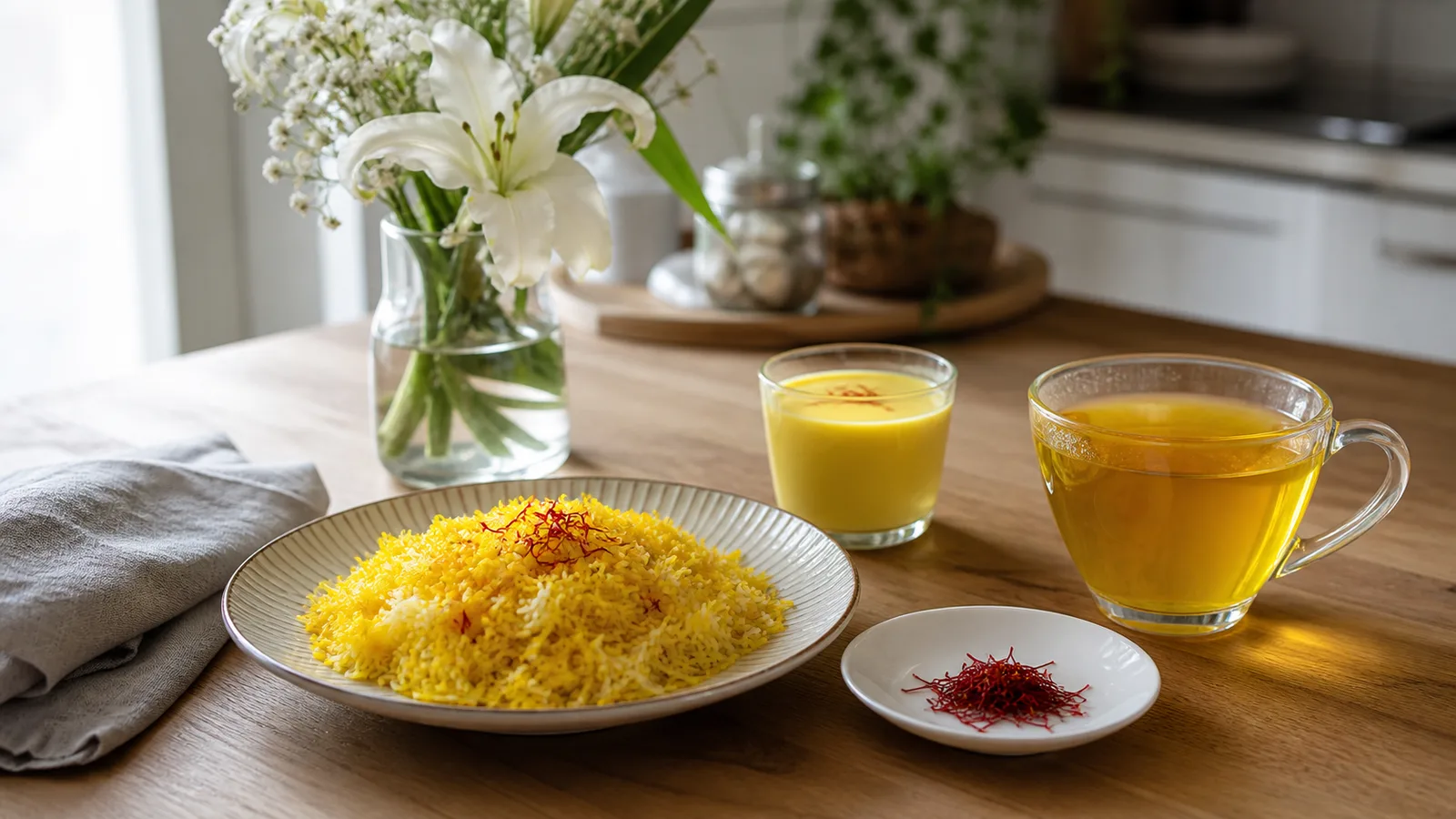
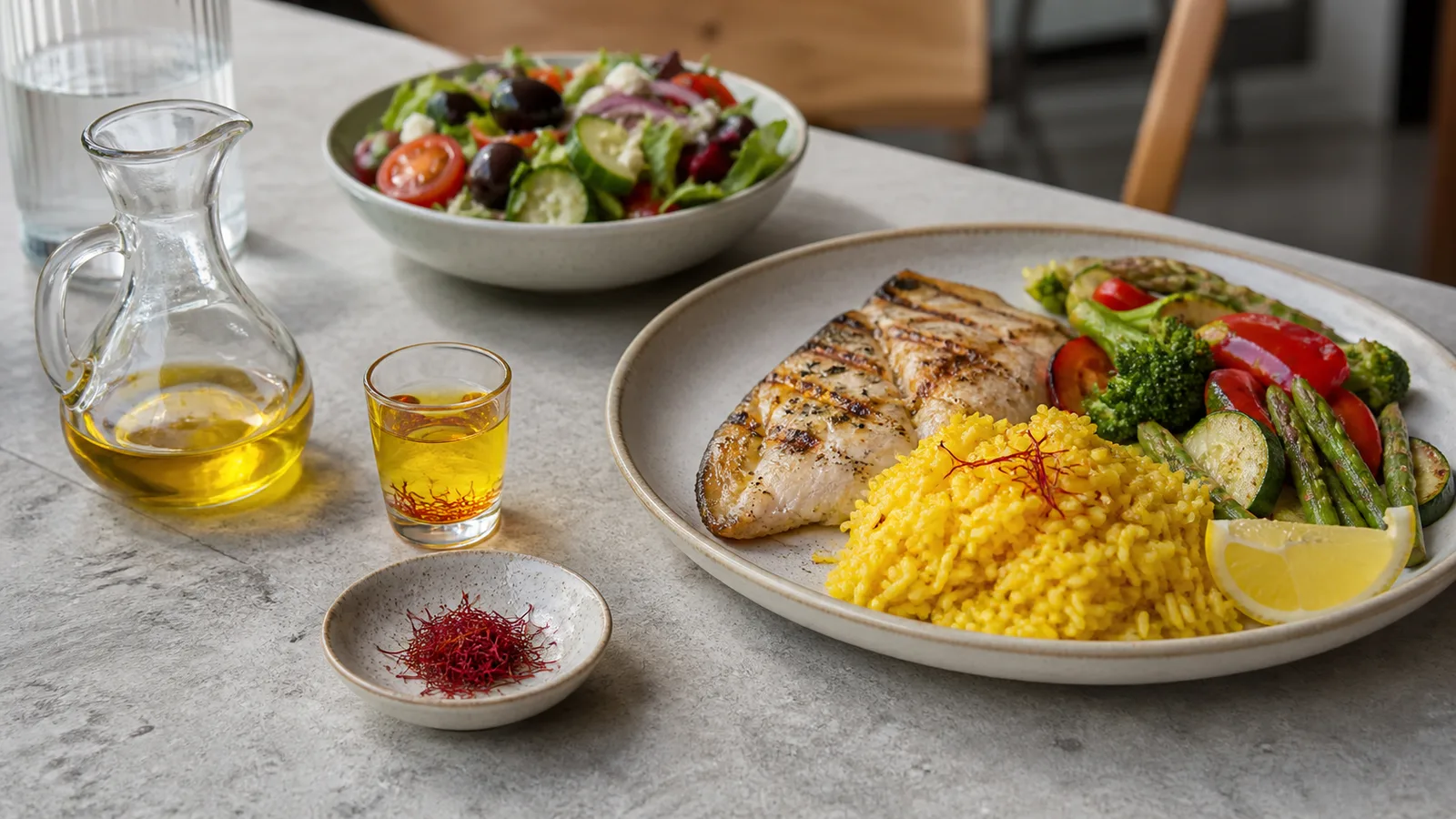
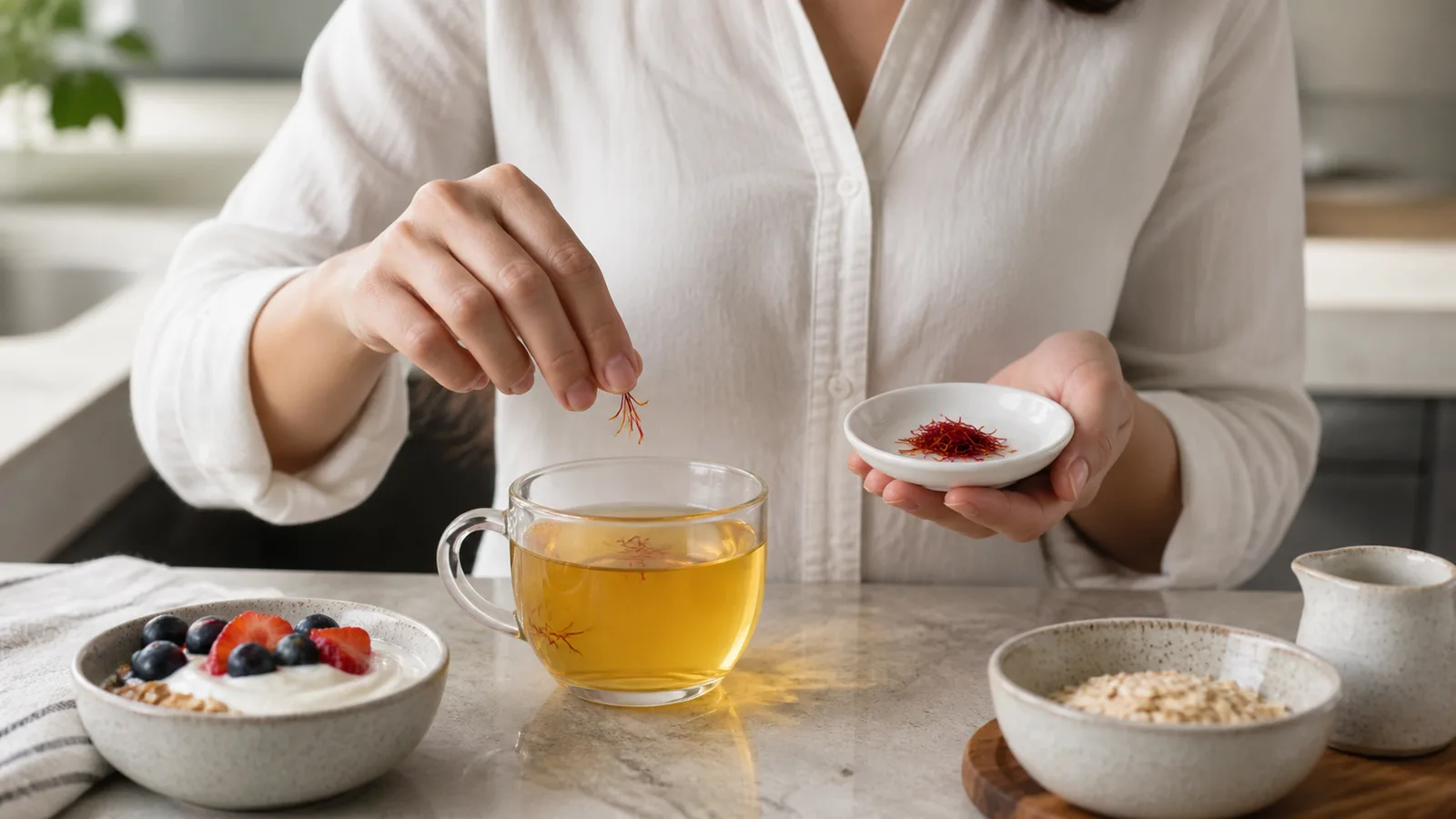
A small culinary amount can be used in meals, a light saffron tea or other drinks for flavour. That use does not require a hormone claim. Concentrated extracts and supplements are not equivalent to a few threads in food, and trial doses should not be copied without professional advice.
Speak with a clinician or pharmacist before taking a saffron supplement if you are pregnant or trying to conceive, have a hormone-sensitive condition, use hormone therapy or fertility treatment, take psychiatric medicine, or are being assessed for an endocrine problem. Do not stop prescribed treatment because a product says it supports hormonal health.
When testing makes more sense than a supplement
Seek individual advice for persistent cycle changes, hot flashes that disrupt life, breast changes, unexpected bleeding, fertility concerns, loss of sexual function, or symptoms of a thyroid or adrenal disorder. Tests are useful only when chosen and timed for the specific question; broad commercial “hormone panels” can also be misleading.
The practical answer
Does saffron impact hormones? It may affect symptoms related to mood, stress or the menstrual cycle in some small trials, but direct changes in estrogen, progesterone or testosterone have not been established. Cortisol findings are preliminary and inconsistent. Enjoy saffron as a spice; treat a suspected hormone problem as a specific medical question rather than something to balance with one ingredient.