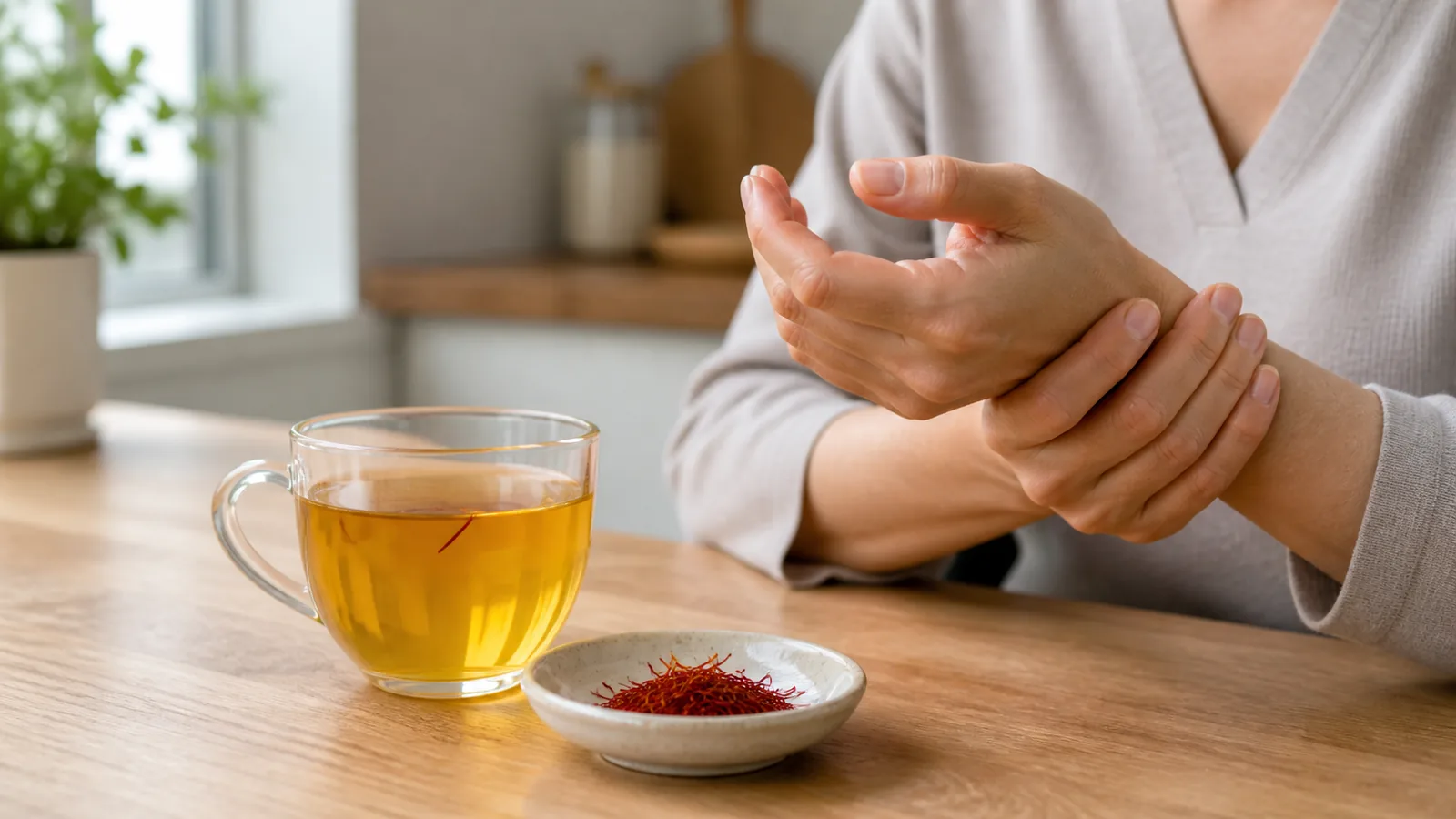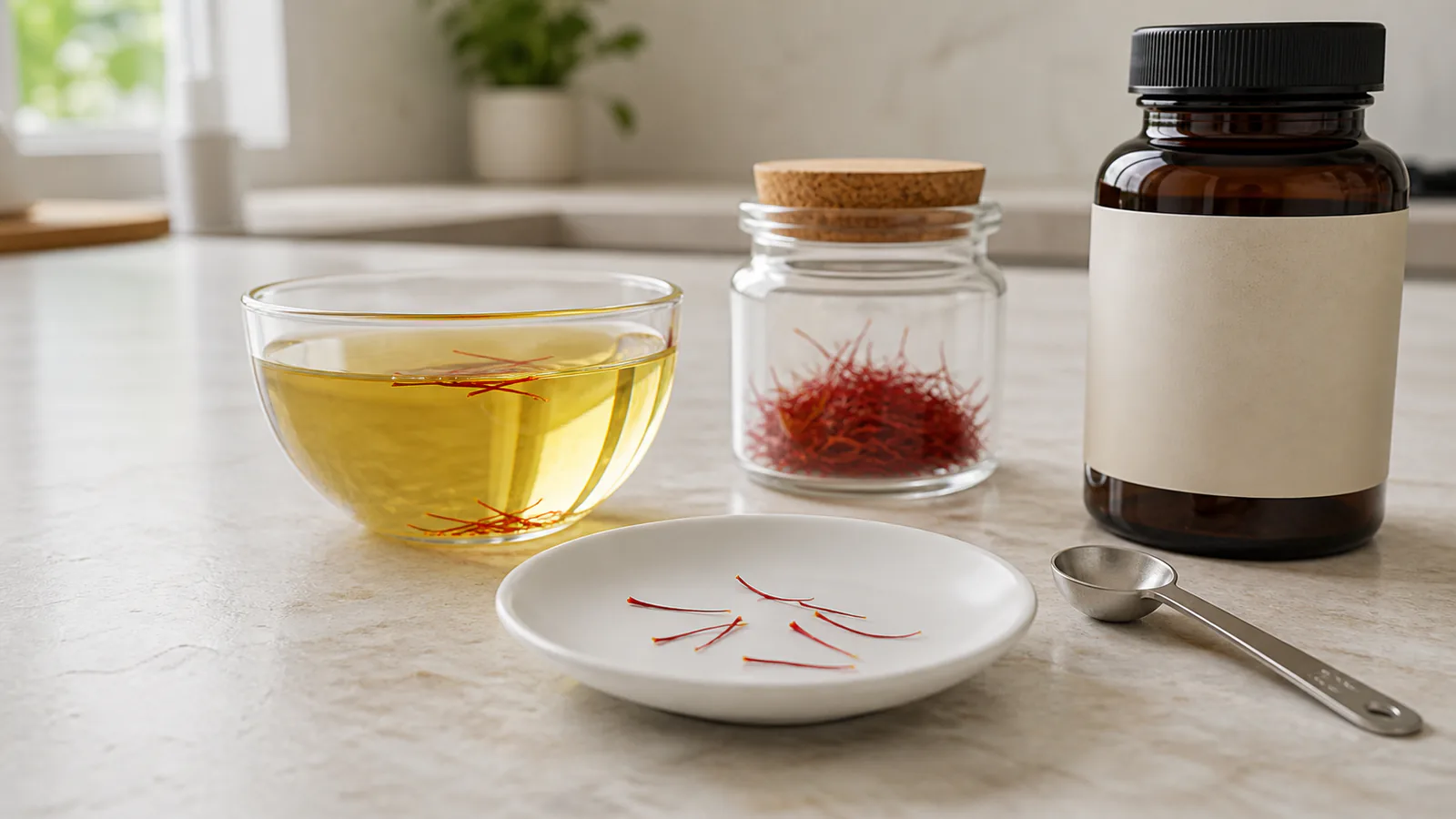
The main disadvantages of saffron appear when a concentrated product or a large amount is treated like ordinary food. Culinary use is generally well tolerated by most adults, but saffron supplements and excessive intake can cause side effects. Pregnancy, prescription medicines and unusual symptoms deserve particular caution.
This guide separates normal food use from medicinal-dose products. It also explains what “too much” means without repeating unsupported fatal-dose numbers.
Disadvantages of saffron: risks of excessive consumption
Saffron is powerful in flavour and colour, so recipes use a small pinch rather than spoonfuls. Eating much more does not create proportionally greater benefits. A systematic review of 102 human trials and one case report estimated that adverse events related to saffron occurred in about 17.5% of participants. The most frequently reported problems were gastrointestinal and were usually minor and self-limiting.
Clinical studies and toxicology reviews have reported nausea, stomach discomfort, vomiting, headache, dizziness, dry mouth, tiredness, drowsiness and appetite changes. Not every symptom was more common than placebo, and the preparation and dose varied between studies. That makes these possible saffron side effects, not a checklist of effects that every user should expect.
Very high intakes are a different matter. The toxicology literature describes vomiting, diarrhoea, bleeding and changes in blood or kidney measurements at large experimental doses. Claims that one exact household amount is always fatal are not supported by robust human evidence, but consuming saffron by the gram as a home remedy is still unsafe.
Food, saffron extract and supplements are different
A few threads infused into a shared dish are not equivalent to a saffron extract capsule. A saffron supplement may contain powdered stigma, a concentrated extract or one standardised constituent. Two products with the same front-label number can therefore deliver different chemical profiles.
Quality matters as much as quantity. Adulterated powder, inaccurate labels or undeclared ingredients introduce risks that do not come from genuine saffron itself. A supplement promoted for mood, sleep, attention or weight control should be assessed as a health product, not assumed safe because its source is a spice.
Who should be especially cautious?
- Pregnant people: avoid medicinal or concentrated use unless an obstetric clinician specifically advises it.
- People taking prescription medicine: ask a pharmacist or doctor to check the exact product, dose and medicine list before using an extract.
- People with bleeding, blood-pressure or kidney concerns: do not self-prescribe high-dose saffron; clinical research has noted changes in blood measures, blood pressure and kidney markers at some studied doses.
- People with a plant allergy: stop using it and seek advice if itching, rash, swelling, wheezing or breathing difficulty occurs.
- Children: normal food should not be converted into an adult-strength supplement regimen without paediatric guidance.
Saffron has been studied alongside antidepressant treatment and may affect biological pathways involved in mood. Evidence about specific interactions remains incomplete. Anyone taking an antidepressant, sedative or several medicines should have a clinician check the combination rather than relying on an online interaction list. Agitation, confusion, fever, heavy sweating or a racing heartbeat after combining products requires urgent medical assessment.
Saffron and pregnancy
Saffron has a long cultural history in pregnancy and childbirth, but tradition is not a safety test. A 2026 integrative review of pregnancy evidence found limited and inconclusive evidence overall. Some small studies at term have investigated saffron for cervical ripening, labour pain or anxiety, while high exposure has been associated with uterine stimulation and greater miscarriage risk.
Those findings do not justify using saffron as a home method to start labour or ease delivery. Pregnancy stage, preparation and dose matter, and long-term safety data are not strong enough for a general recommendation. Normal food use and a 250 mg trial capsule are not interchangeable.
During pregnancy, especially early pregnancy, speak with an obstetrician or midwife before taking saffron capsules, extracts, teas brewed unusually strong or repeated medicinal amounts. The same applies during breastfeeding because infant-exposure evidence is limited.
How much saffron is safe to use?
There is no single clinically established “saffron per day” limit that is right for every person and every preparation. Body size, pregnancy, medical history, medicines and extract strength all affect risk. Research doses are designed for controlled studies; they are not universal self-care instructions.
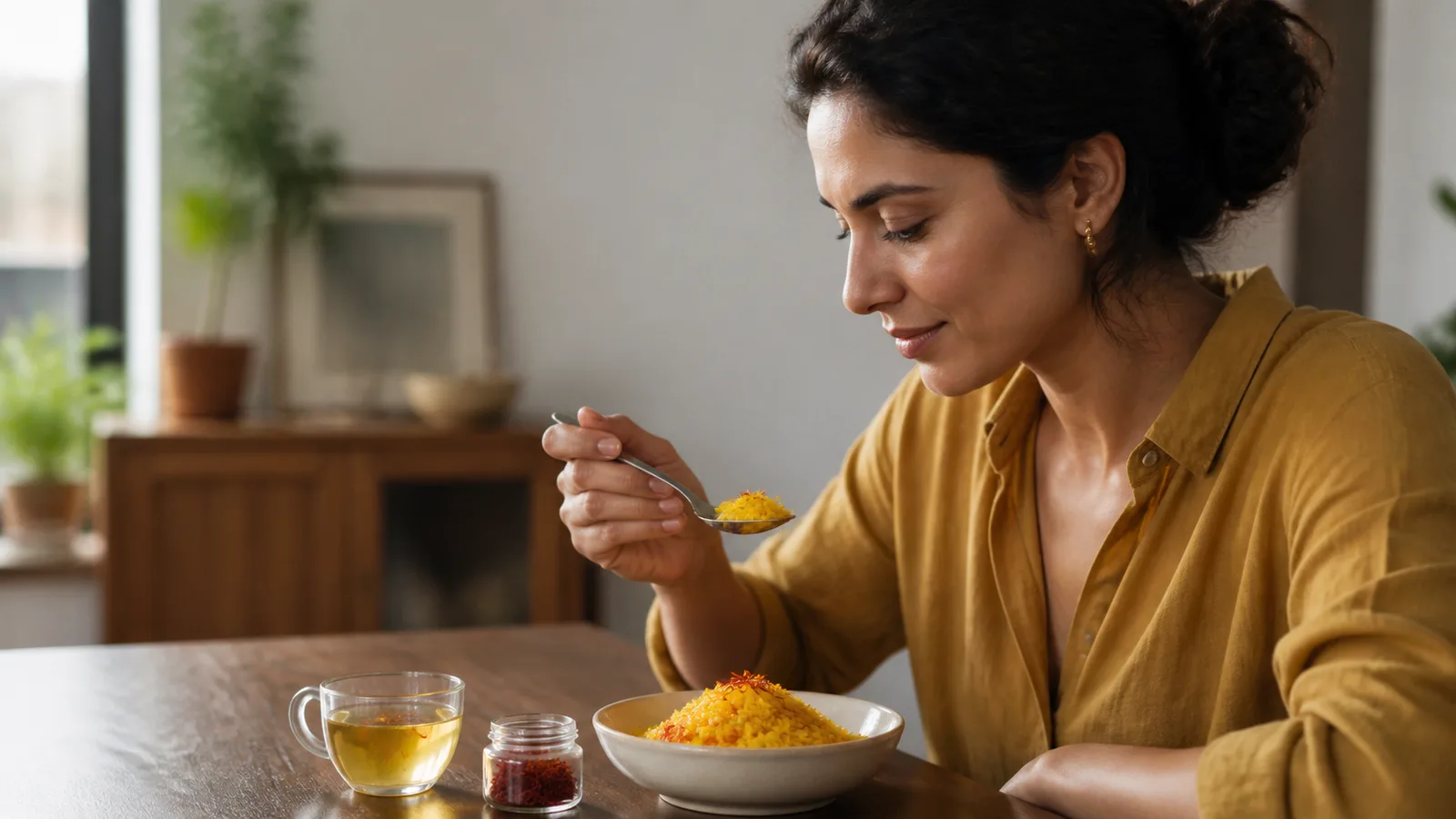
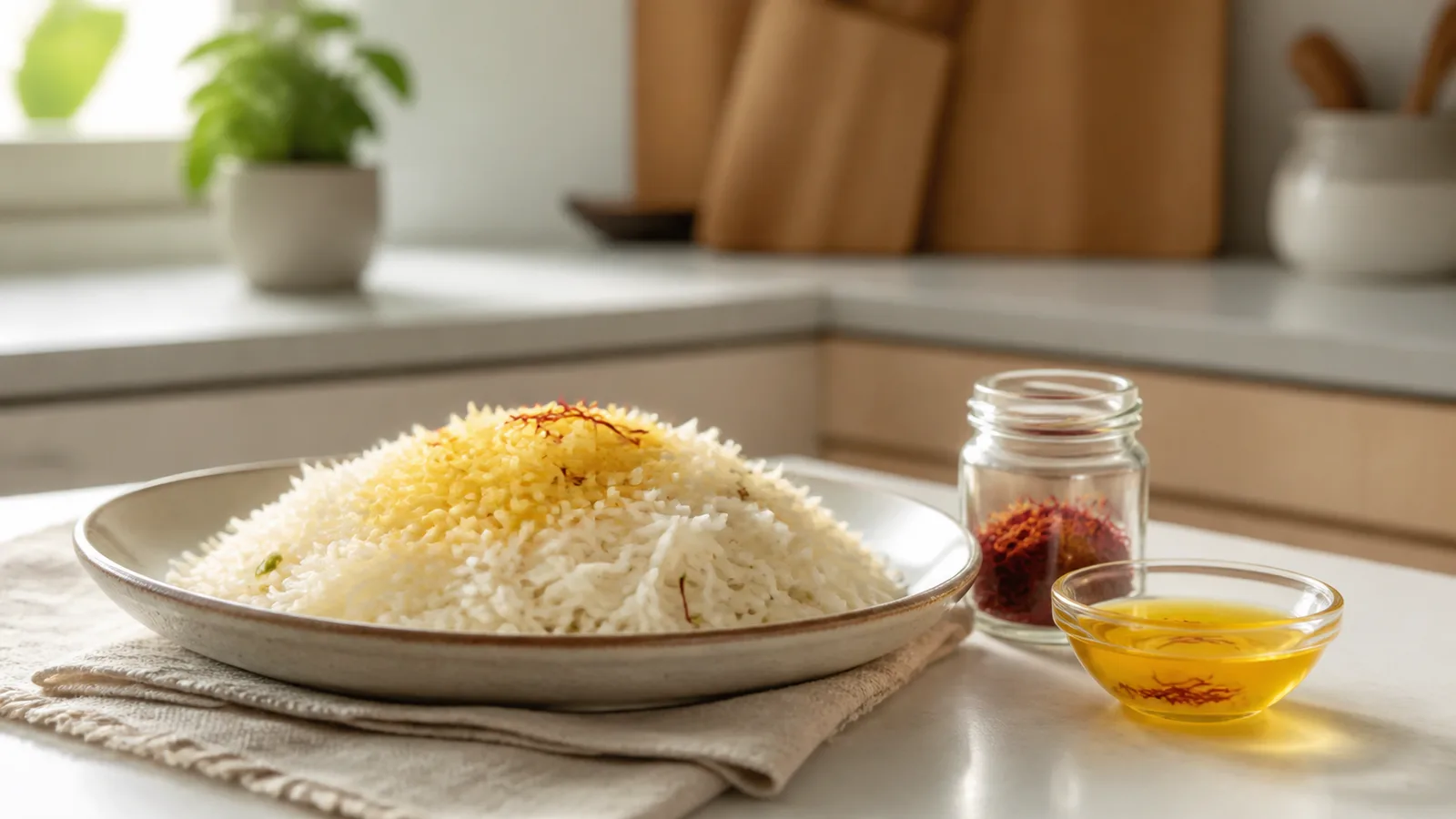
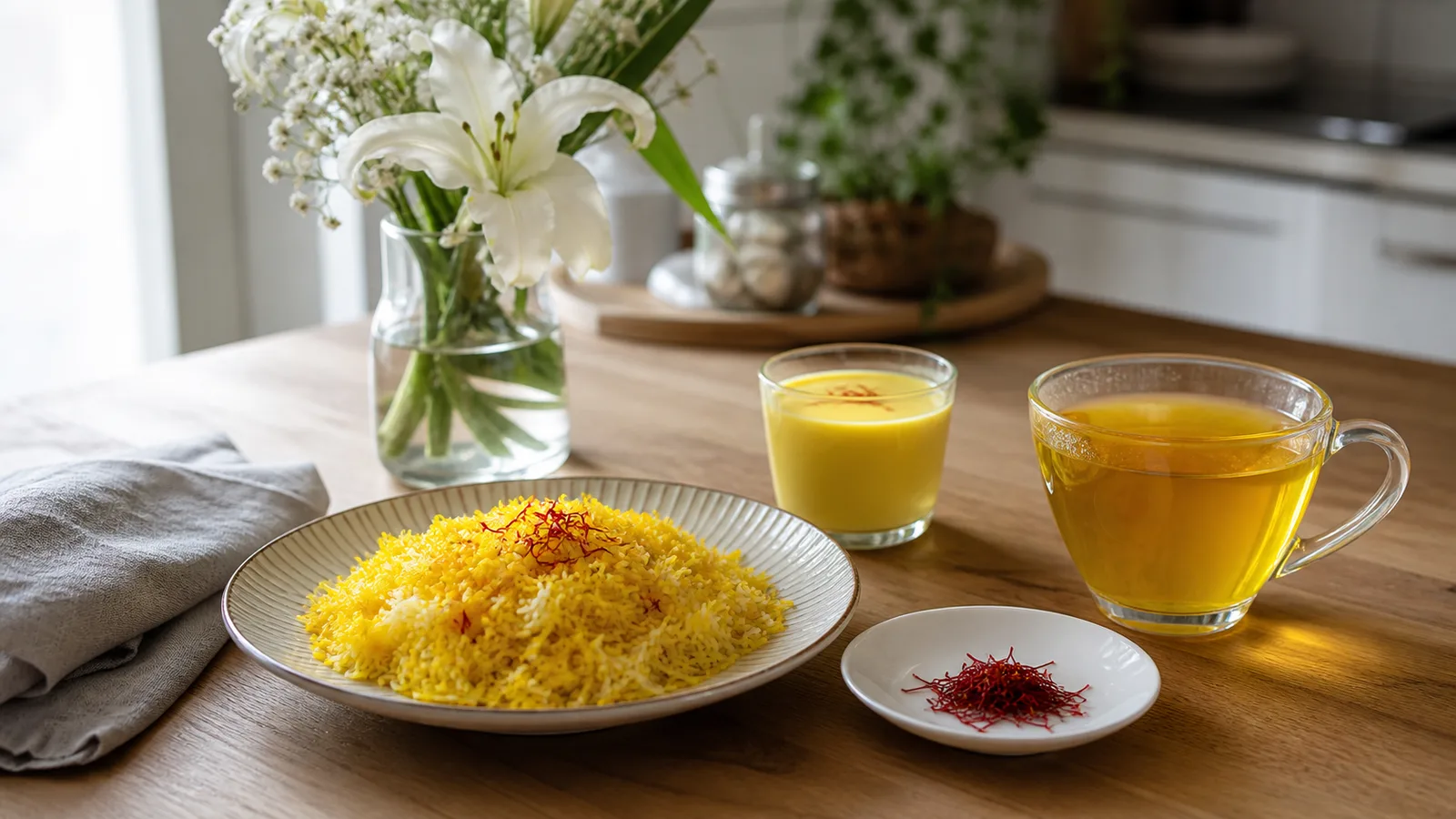
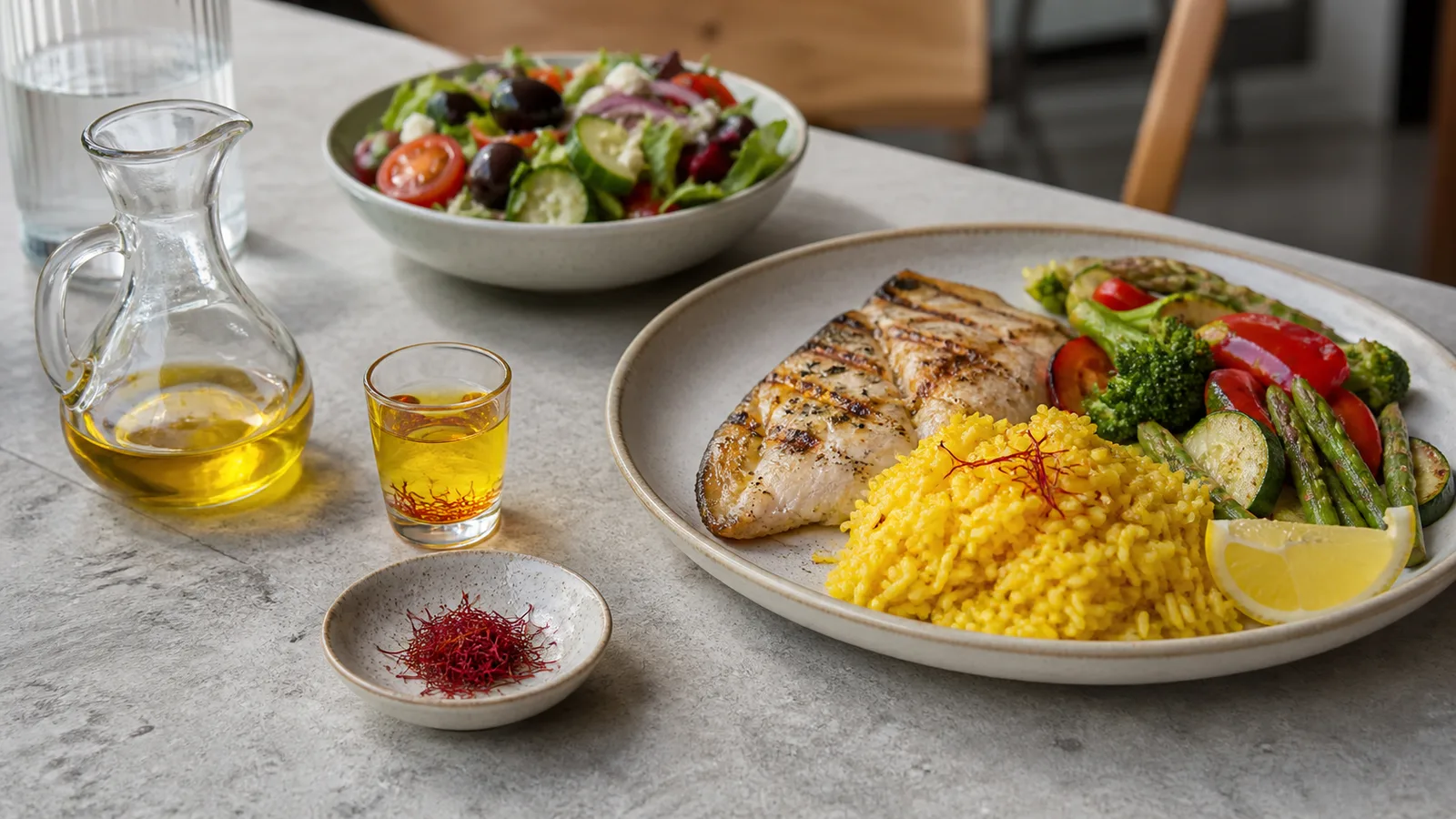
For cooking, use the quantity required by the recipe: normally a pinch distributed through several servings. Crush the threads lightly, then steep them in warm water or milk so a small amount spreads evenly. That is enough to obtain saffron’s aroma and colour. There is no culinary reason to eat several grams at once.
If you want to take saffron every day as a supplement, show the label to a pharmacist or doctor. Include the extract ratio and standardisation, not only the milligrams printed on the front. Stop and obtain advice if a new symptom begins after starting it.
What to do after taking too much saffron
Do not wait for a specific threshold if someone feels unwell. Contact the local poison-information service or urgent medical care after a large accidental intake, or if there is persistent vomiting, fainting, unusual bleeding, severe dizziness, breathing difficulty, confusion or yellowing of the skin or eyes. Keep the product container so clinicians can see what was taken.
Do not induce vomiting unless a poison specialist instructs you to do so. An online article cannot determine the risk from a particular amount, extract or individual medical history.
Do saffron’s benefits cancel out its disadvantages?
No. Possible saffron benefits and possible harms have to be evaluated for the same product, purpose and person. Evidence that one standardised extract may help a particular outcome in a trial does not make every saffron supplement beneficial, and it does not erase side effects.
For most customers, the clearest benefit is culinary: genuine saffron adds a distinctive aroma, flavour and golden colour with a very small amount. Health claims require stronger evidence. A product that promises to treat many unrelated conditions at once is a reason for scepticism.
Storage, authenticity and safe handling
Keep saffron threads in a tightly closed glass or metal container, away from light, heat and moisture. Air and poor storage gradually weaken the volatile aroma. Use a clean, dry spoon or fingers so moisture does not enter the container.
Choose traceable threads rather than an anonymous, unusually cheap powder. Genuine threads should not release all their colour instantly or leave a harsh artificial dye. Our guide to recognising counterfeit saffron explains what to inspect before use.
A balanced conclusion
Disadvantages of saffron are most relevant to supplements, pregnancy and excessive intake. Human trials suggest that saffron is generally tolerated, but gastrointestinal symptoms and other adverse events do occur, and medicinal use at higher doses or for long periods deserves clinical monitoring.
Use saffron sparingly in food, do not copy study doses, and do not use it to start labour or replace prescribed treatment. If the intended use is medical rather than culinary, the safest next step is a conversation with a clinician who can review the actual product and the person taking it.