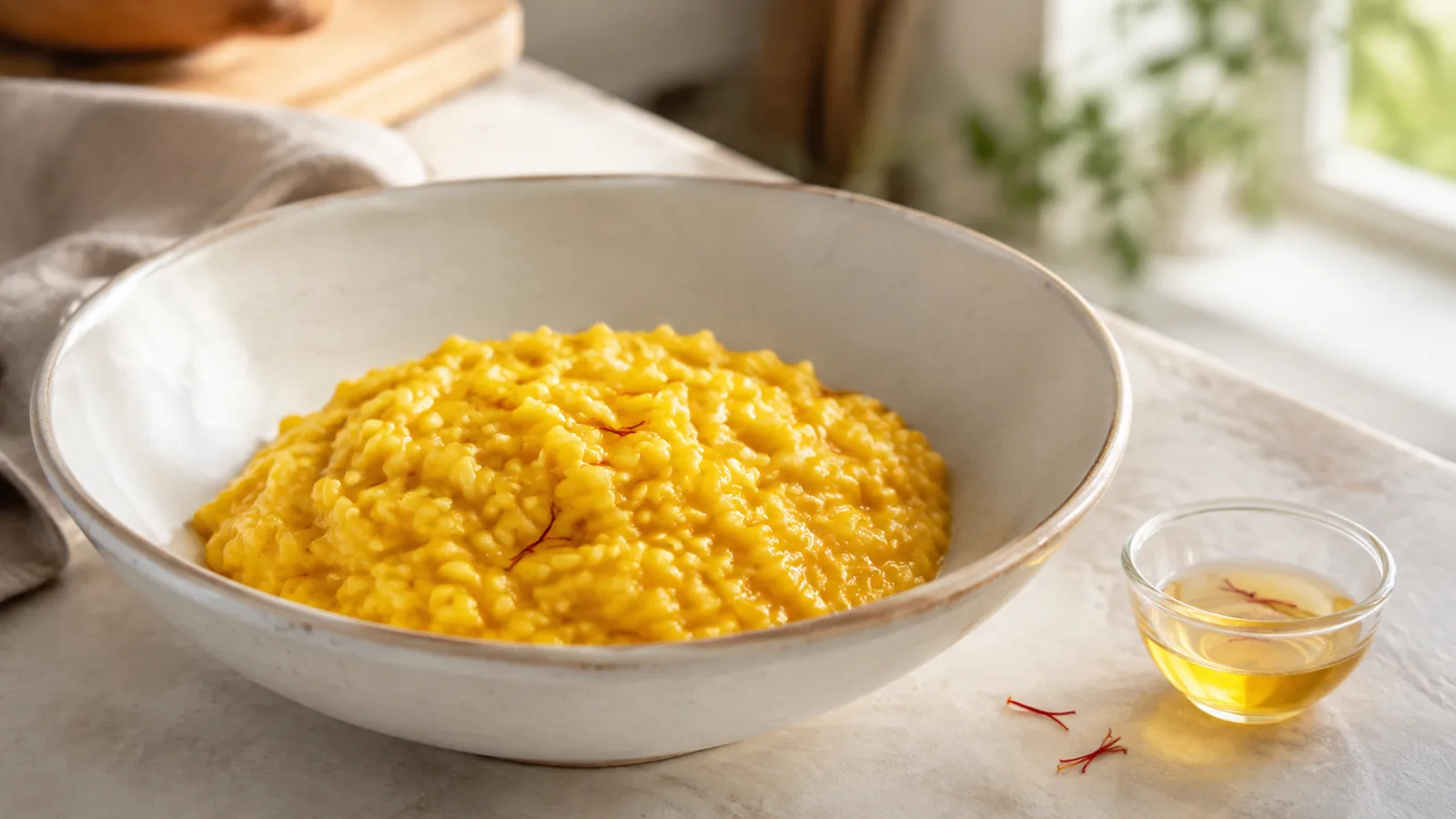
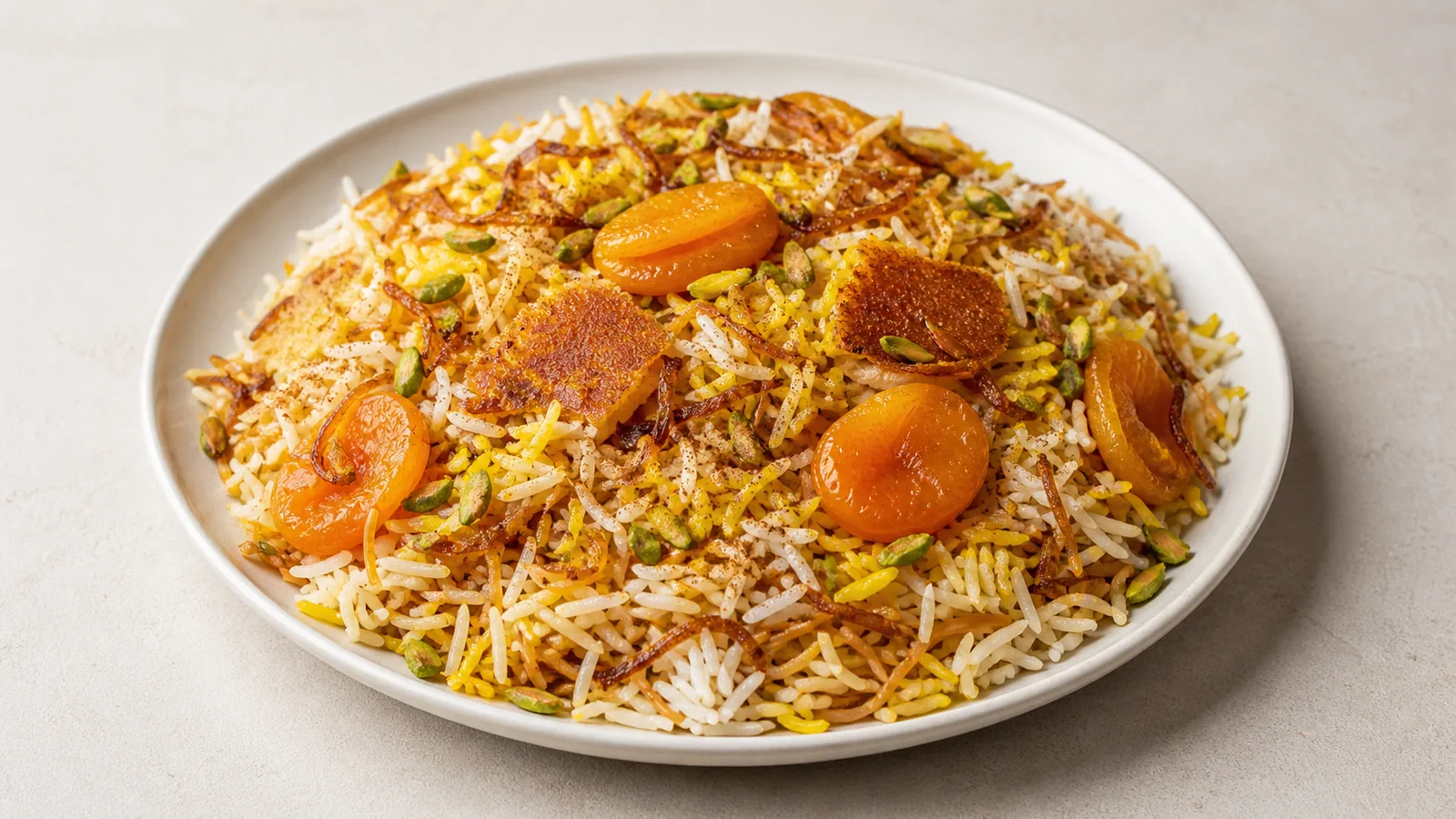
Qaisi rice noodles is a sweet-savoury pilaf from East and West Azerbaijan, combining basmati rice, toasted reshteh noodles, dried apricots, fried onion, cinnamon and saffron. The fruit brings a soft tart sweetness, while the noodles and onion keep the dish firmly in the world of Persian rice rather than dessert.
This recipe serves four for lunch or dinner and can also be offered at iftar. Rice soaking accounts for most of the preparation time; the final pilaf takes about one hour to cook and steam.
Qaisi rice noodles ingredients
- 3 cups basmati rice
- 1 cup Persian reshteh polo noodles, broken into short lengths
- 100 g qaisi, or dried apricot halves
- 100 g barg-e zardaloo, or dried apricot pieces
- 100 g butter
- 3 tablespoons fried onion
- 1 teaspoon ground cinnamon
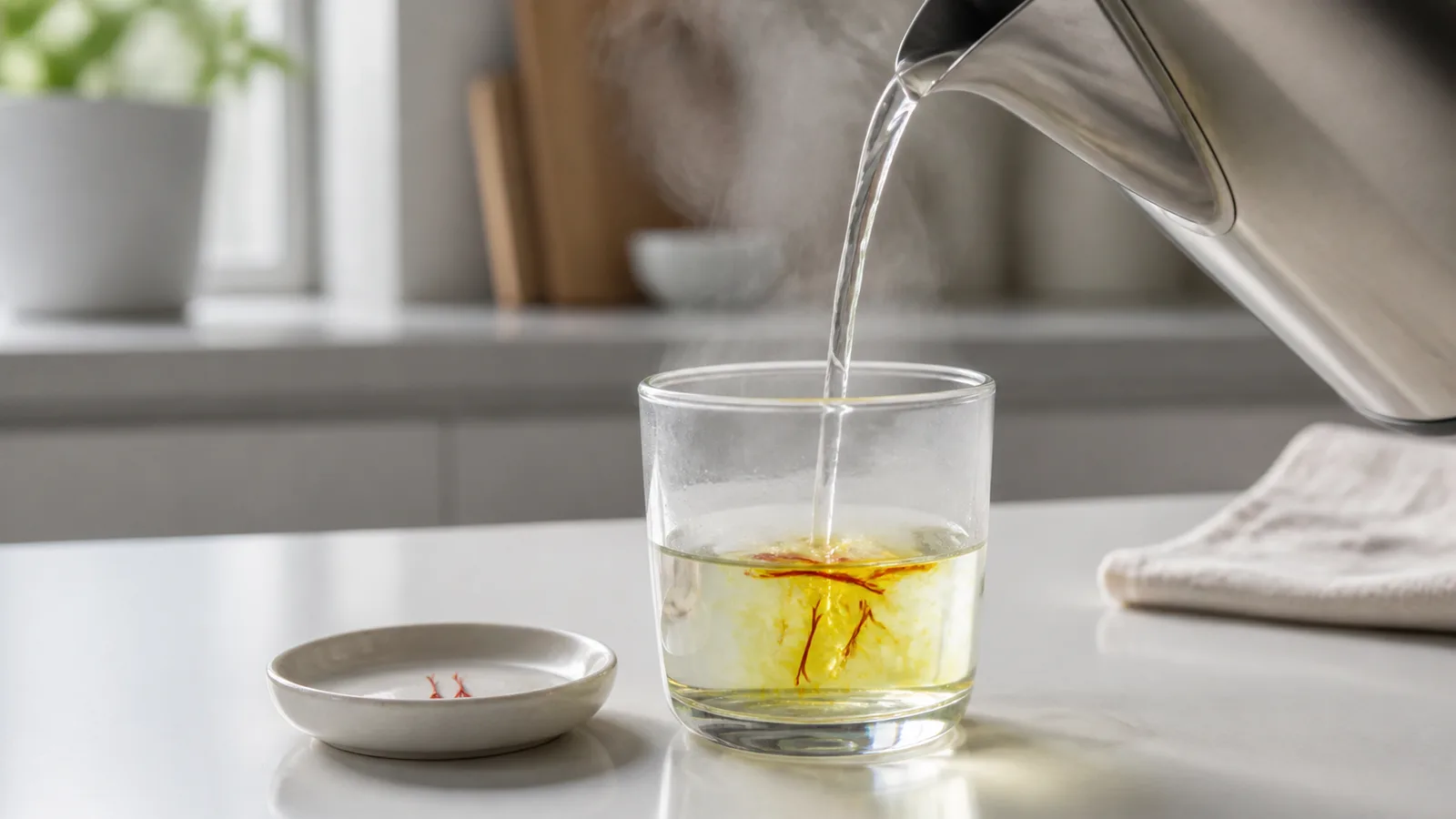
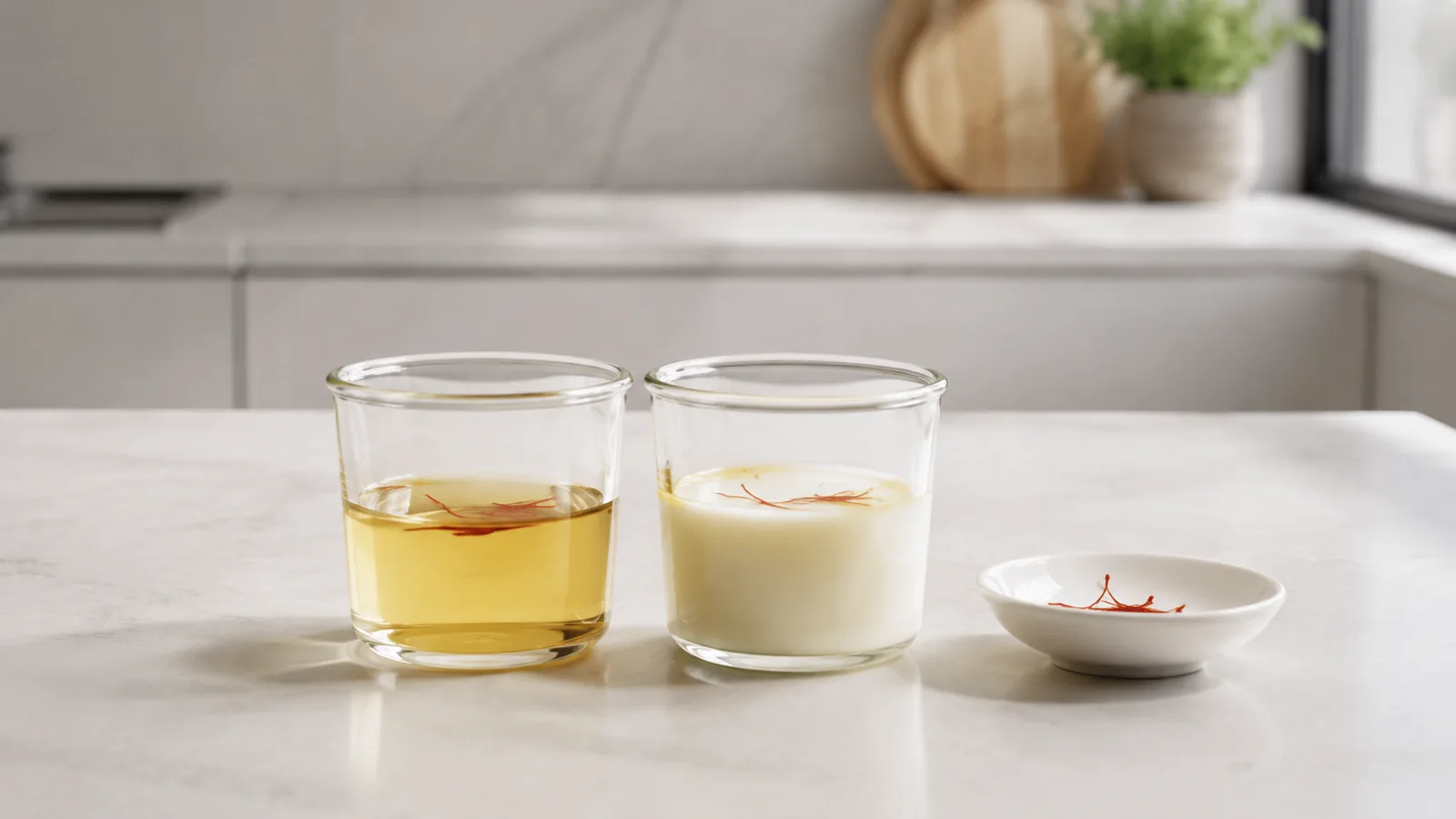
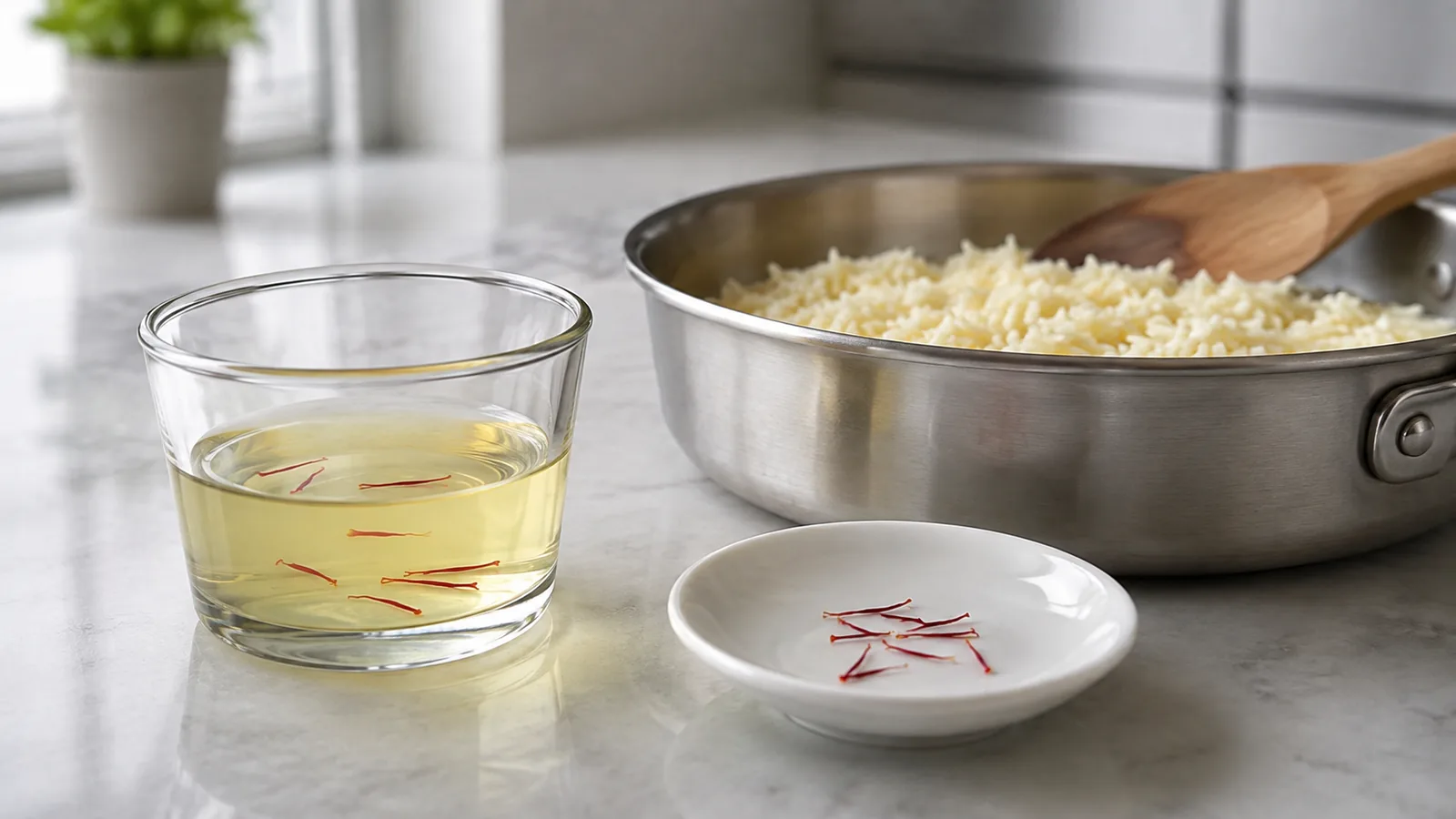
- 1 tablespoon concentrated brewed saffron
- Salt, black pepper and turmeric, to taste
- 1–2 tablespoons sugar, optional
- Oil, for the base of the pot
- Slivered pistachios, for serving
- Cooked chicken fillets, optional, for serving
The older translation calls one dried fruit “apricot leaf.” It means dried apricot pieces, not leaves from the tree. Qaisi usually refers to plump dried apricot halves; barg-e zardaloo can be flatter or thinner. If only one kind is available, use 200 g of it.
Sugar appears in the original method but not its ingredient list. Treat it as optional. Taste the soaked fruit first: sweet apricots may need none, while very tart ones may benefit from one or two tablespoons.
Prepare the rice, fruit and noodles
1. Soak the rice
Rinse the rice until the water is nearly clear. Cover with cool water, add salt and soak for 3–4 hours. A shorter soak will still work with some modern rice, but the long rest is part of the original timing.
2. Soak the dried apricots
Put the qaisi and dried apricot pieces in warm water for 30 minutes. Drain, rinse and pat dry. Cut very large halves into bite-size pieces so the filling distributes evenly.
3. Check the noodles
Persian rice noodles are thin, toasted wheat noodles intended for pilaf. Break long strands into pieces about 5 cm long. They cook quickly and are added near the end of parboiling, not at the same time as the raw rice.
How to make Qaisi rice noodles
1. Parboil the rice and noodles
Bring a large pot of salted water to a strong boil. Drain the soaked rice, add it to the pot and cook until the outside of a grain is tender while the centre remains firm.
Add the broken noodles for the final 2–3 minutes. Stir once so they separate, then drain the rice and noodles together. Do not wait until both are fully soft; they finish cooking in steam.
2. Fry the apricot mixture
Melt about half of the butter in a frying pan over medium-low heat. Add the soaked fruit, fried onion, turmeric, black pepper and optional sugar.
Cook for 4–5 minutes, turning gently, until the apricots look glossy and begin to soften. Stir in half of the saffron and take the pan off the heat. Do not fry until the fruit becomes jammy.
3. Layer the pilaf
Add 2 tablespoons of oil to a heavy pot. Use a thin layer of rice, flatbread or potato for tahdig if you wish.
Spoon in one third of the rice-and-noodle mixture, followed by half of the apricots. Repeat, finishing with rice. Keep the fruit away from the very edge of the pot, where its sugar can scorch.
Make several steam holes with the handle of a spoon. Drizzle over the remaining butter and 2 tablespoons of water. Cover the lid with a clean cloth, cook over medium heat for 5 minutes, then reduce to low and steam for 35–45 minutes.
4. Finish with saffron and cinnamon
Mix a cup of cooked rice with the remaining brewed saffron. Turn the pilaf gently onto a platter, lifting rather than pressing so the noodles and grains remain distinct.
Scatter over the saffron rice, cinnamon and slivered pistachios. Reserve a few glossy apricot pieces for the top so diners can see the qaisi that gives the dish its name.
Serving Qaisi rice with chicken
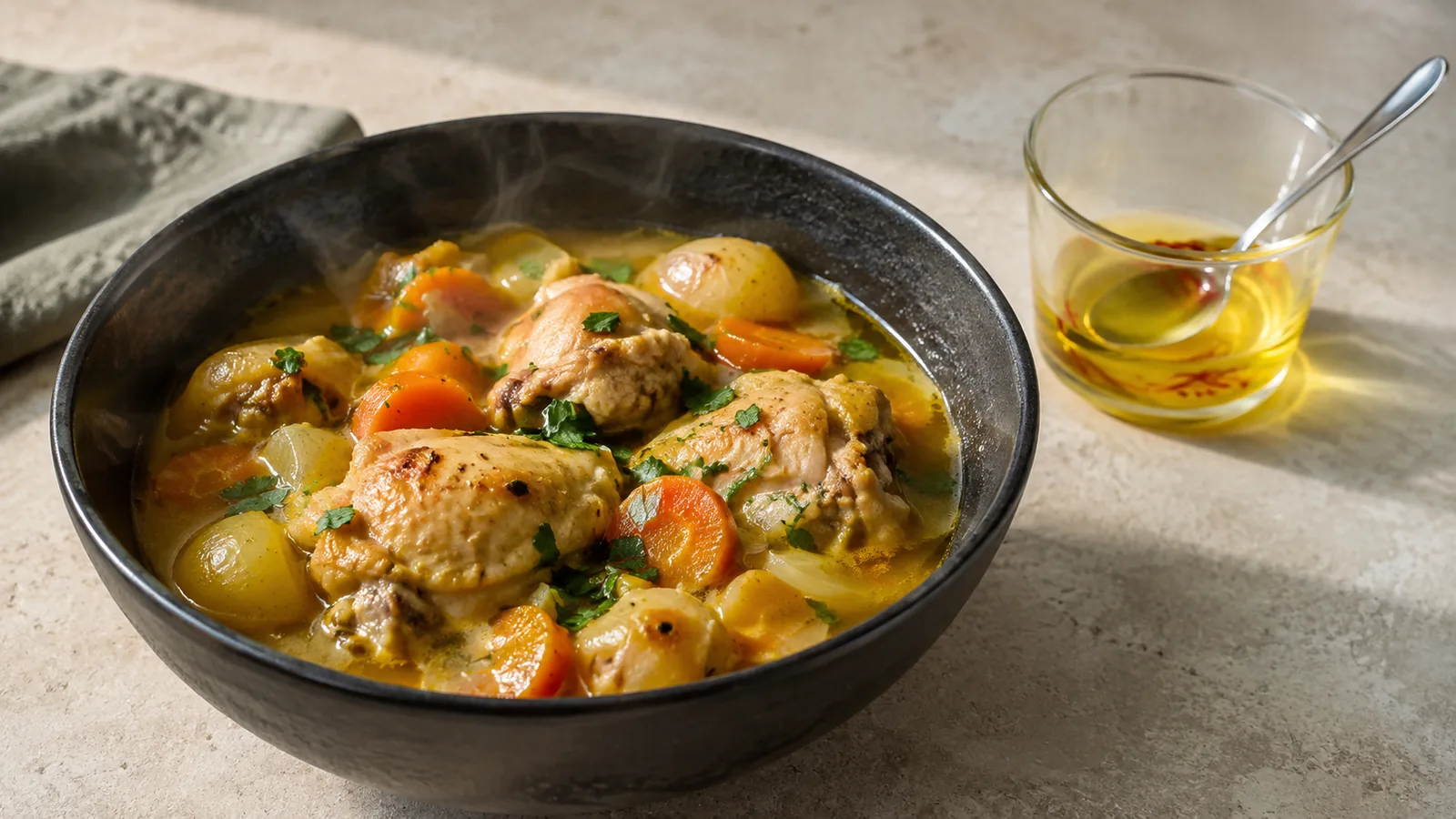
The rice can stand alone, but the older recipe suggests fried chicken fillets as a garnish. Treat chicken as an optional accompaniment rather than a hidden required ingredient.
Season fillets simply with salt, pepper, turmeric and a little saffron, then cook them separately until the centre reaches 74°C/165°F. Arrange slices around the finished rice instead of steaming them in the fruit layers.
How to avoid sticky or scorched rice
- Drain the rice while its centre is still firm.
- Add noodles only for the final few minutes of boiling.
- Pat soaked fruit dry before frying.
- Keep sweet apricots away from the pot wall and tahdig.
- Use low heat for the long steam.
Storage
Refrigerate leftovers in shallow covered containers within two hours and use within three days. If chicken is served, store it separately when practical so the rice reheats evenly.
A well-made Qaisi rice noodles pilaf has separate grains, tender strands, soft but intact apricot and a restrained sweet-savoury balance. Saffron should brighten the fruit and rice, not turn the dish into a sugary pudding.