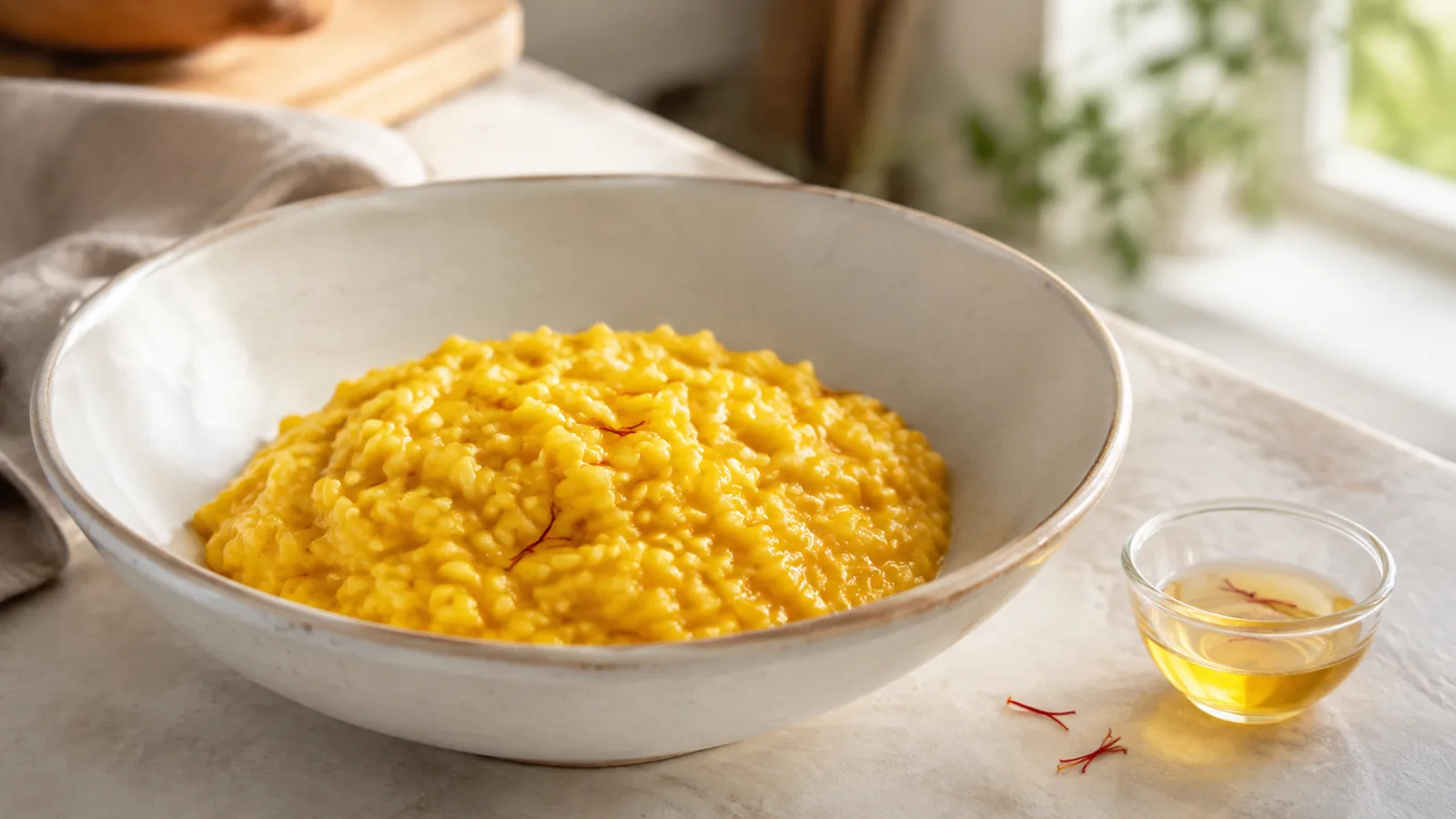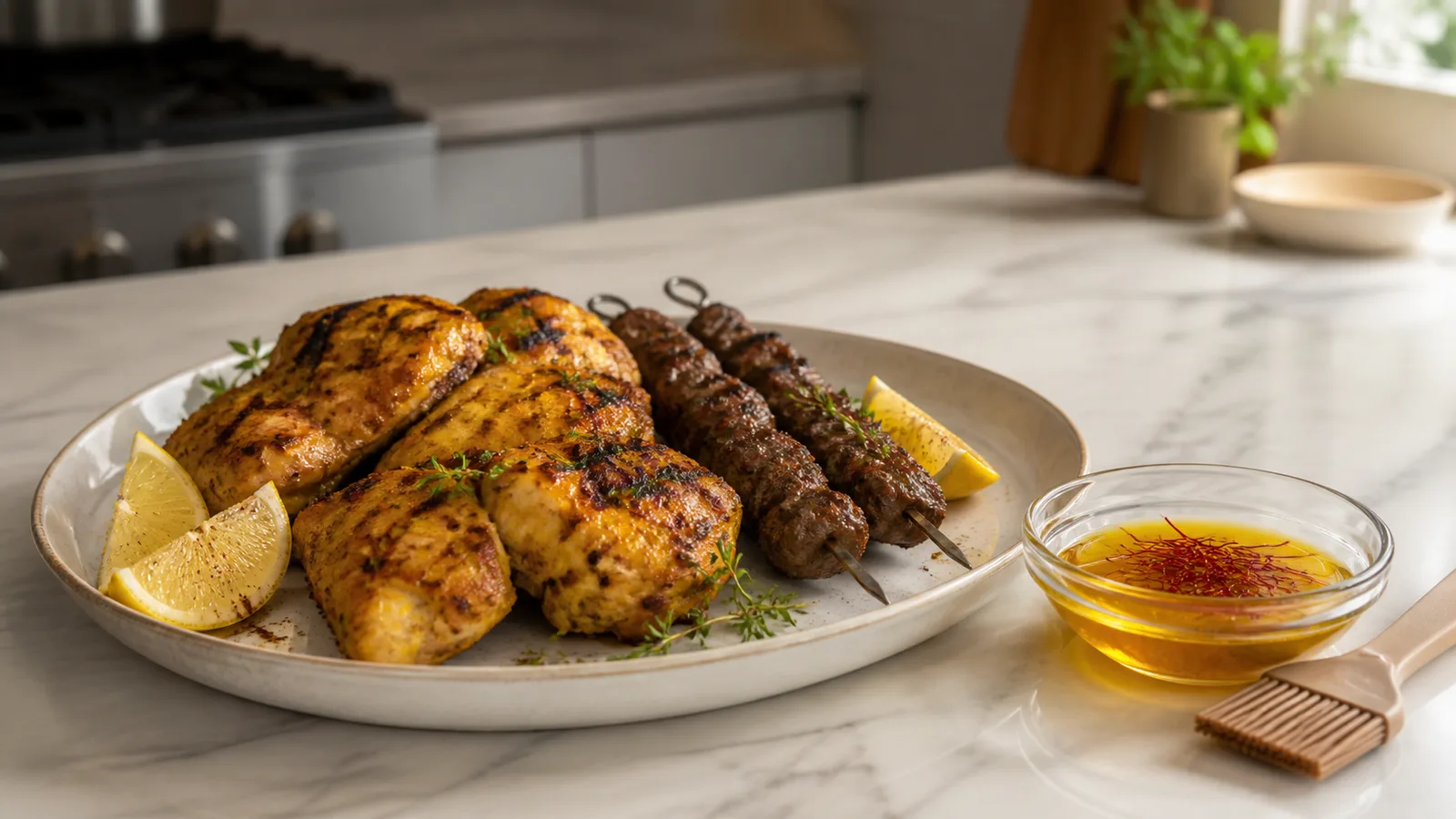
Yes, you can add saffron to meat. It works through a marinade, braising liquid, sauce, butter, or finishing infusion, bringing a floral aroma and warm golden color. Saffron is easiest to notice with chicken and in light sauces, but it can also complement lamb and beef when the surrounding spices are kept in balance.
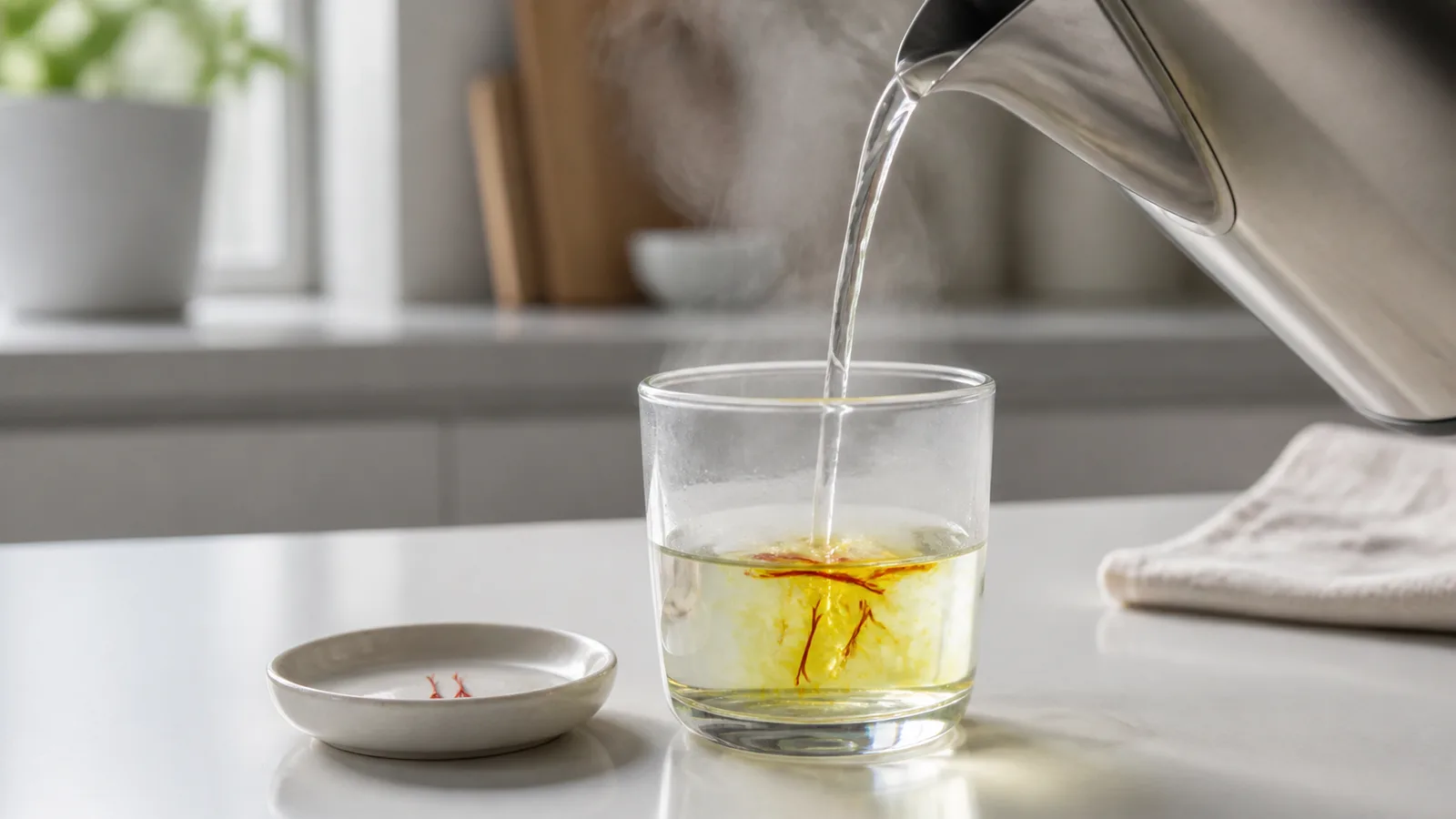
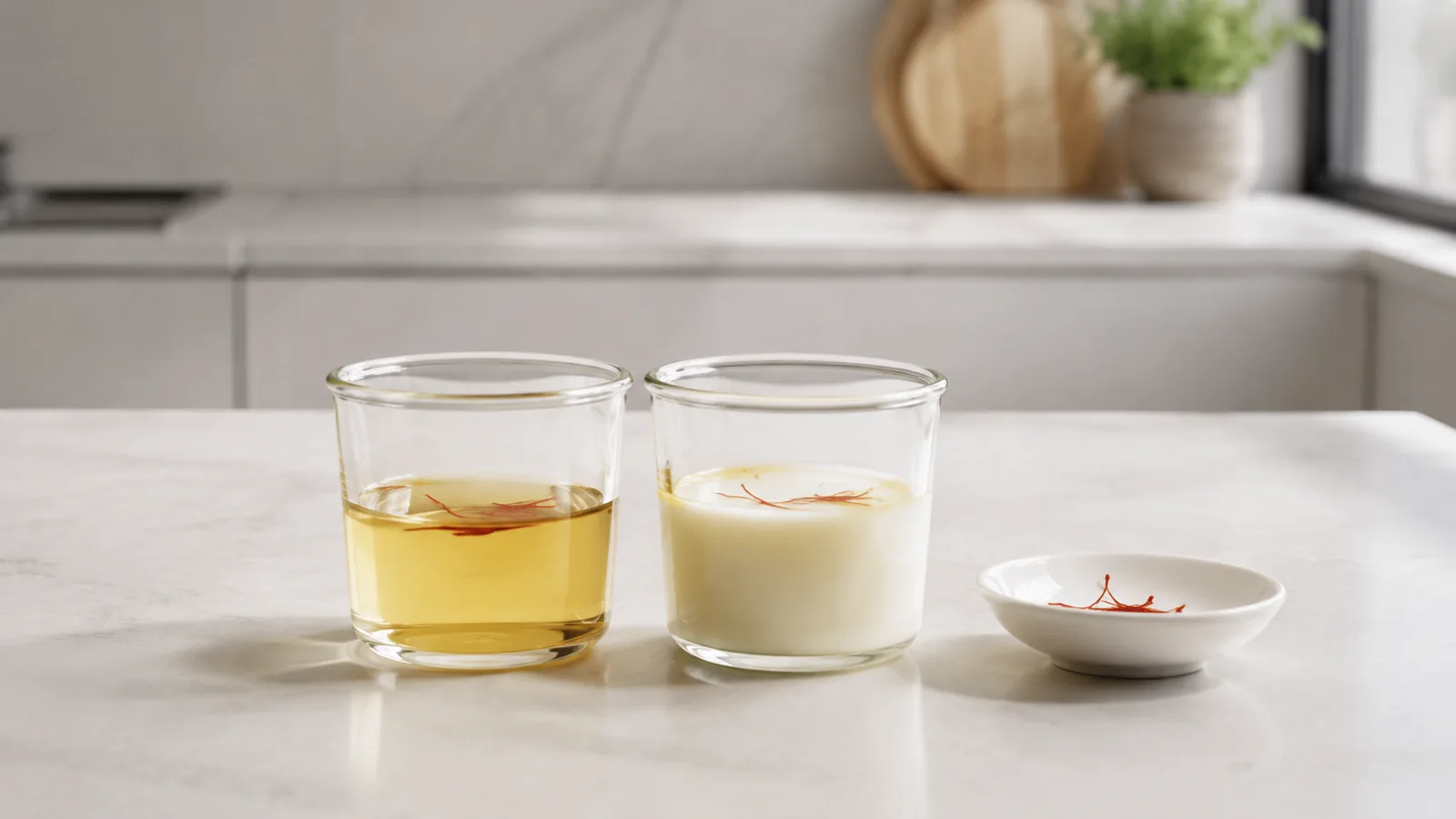
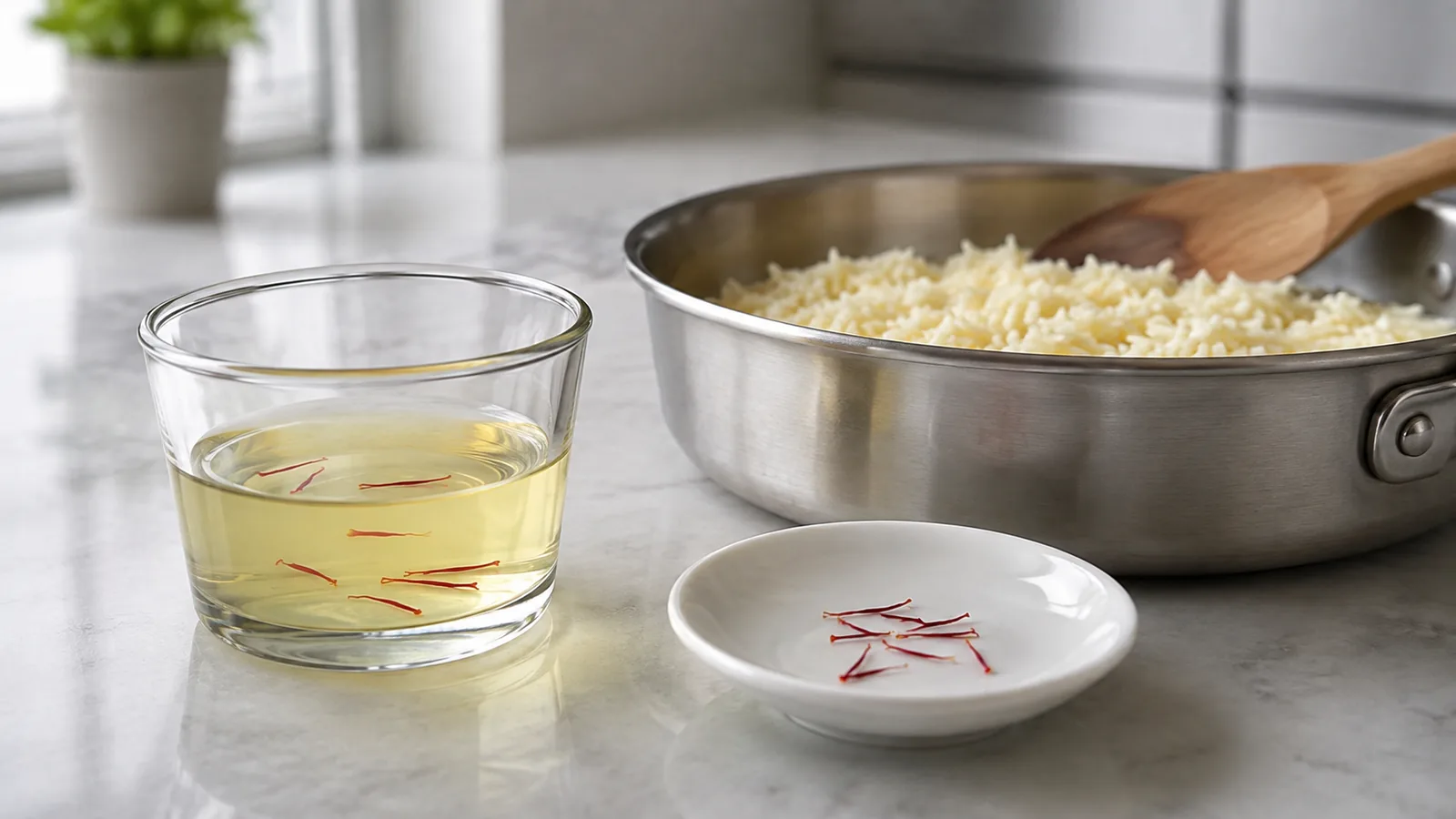
The dependable method for saffron in meat dishes is to bloom a modest pinch in warm liquid before it touches the meat. That distributes the spice far more evenly than rubbing dry threads over the surface.
How to make a saffron marinade
For roughly 750 g (1½ lb) of chicken, lamb, or beef, begin with this adaptable base:
- 15 to 20 saffron threads
- 2 tablespoons warm water or light stock
- 2 tablespoons olive oil
- 1 tablespoon lemon juice
- 1 small garlic clove, finely grated
- Salt and black pepper
- Lightly crush two or three saffron threads, then place all the threads in the warm water or stock.
- Cover and bloom for 10 to 15 minutes.
- Whisk the infusion and threads with the oil, lemon, garlic, salt, and pepper.
- Coat the meat, cover it, and marinate it in the refrigerator rather than on the counter.
Chicken pieces usually need only a few hours to take on the seasoning. Lamb and beef can be marinated longer, but an acidic mixture left overnight may soften the outside excessively. The marinade flavors the surface; it does not need to “penetrate” every part of a thick cut to be useful.
How to add saffron during cooking
Grilled or roasted meat
Use the marinade before cooking, then discard any portion that touched raw meat. If you want a saffron butter or glaze at the end, reserve a clean portion before marinating or prepare a separate batch. Brush it on during the final minutes so the aroma is not exposed to high heat for the entire cook.
Braises, stews, and curries
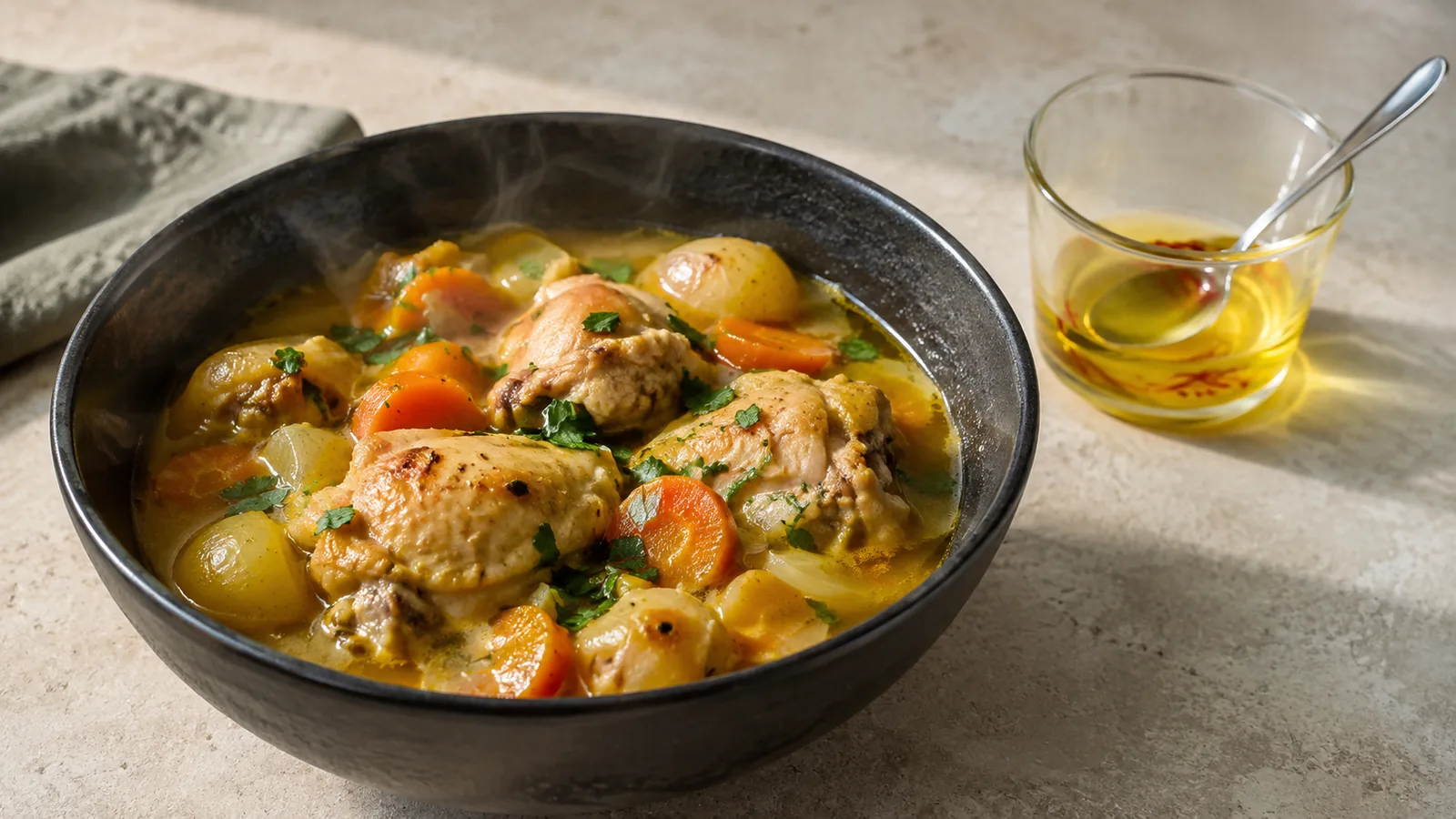
Bloom the threads in a small amount of warm stock, then stir the infusion into the cooking liquid after the browned meat and aromatic base are ready. A long, fierce boil can dull the fragrance, so simmer steadily and keep some clean infusion for the final 10 to 15 minutes if you want a brighter saffron note.
Pan sauces
After the meat is cooked, deglaze the pan and add a saffron infusion to the sauce. Cream, butter, light stock, tomato, or citrus can all work, but the sauce should not be so dark or heavily reduced that the saffron disappears.
Which meats pair well with saffron?
Chicken
Chicken is the most forgiving starting point. Its mild flavor and pale surface show saffron’s aroma and color clearly. Use the marinade for thighs, breast pieces, kebabs, or a whole bird, adjusting cooking time to the cut.
Lamb
Saffron can lighten the impression of rich lamb and works well with onion, yogurt, lemon, cumin, coriander, and a measured amount of cinnamon. In a stew, add some infusion to the liquid; for kebabs, use it in the marinade.
Beef
Beef’s deeper flavor can overwhelm saffron, especially with heavy smoke or a dark sauce. Choose a light marinade, braise, or pan sauce and let saffron support rather than lead. It is usually more noticeable with leaner cuts and restrained seasoning.
What spices go well with saffron?
Cardamom, cumin, coriander, ginger, garlic, black pepper, mild paprika, cinnamon, and turmeric can all share a dish with saffron. They do not belong together automatically. Select two or three that fit the recipe and use the most assertive ones carefully.
- Chicken: garlic, black pepper, cardamom, and lemon.
- Lamb: cumin, coriander, cinnamon, and onion.
- Beef: black pepper, mild paprika, garlic, and a little cumin.
Turmeric can reinforce a golden color but brings a different earthy flavor. Rose water is much more floral than saffron and can dominate a savory meat dish within a few drops.
How much saffron should you use?
The marinade above is a recipe starting point, not a health dose or a rule for every dish. Thread size and strength vary. Begin modestly, bloom fully, and taste the sauce or clean marinade before adding more. An excessive amount can taste bitter or medicinal.
Food-safety details that matter
Keep raw meat and its marinade refrigerated. Do not spoon used raw marinade over cooked food unless it has been brought to a safe boil, and use a clean plate and utensils for the finished meat. Cook each cut to a safe internal temperature measured with a food thermometer; FoodSafety.gov’s official temperature chart lists the current minimums and rest times.
Saffron changes flavor and color; it does not preserve meat or make undercooking safe.
What saffron does—and does not—add
A culinary pinch can make a meat dish more aromatic and visually warm. It does not establish that the finished meal provides antioxidant, mood, or general wellness benefits. Those claims cannot be inferred from one seasoning, and they should not replace attention to the meat, cooking method, portion, and full meal.
Use fragrant, identifiable threads and store them sealed away from light, steam, and stove heat. For saffron meat recipes, browse our products page.
Saffron meat works when the spice has a clear route into the dish: a well-bloomed marinade, a gentle braising liquid, or a clean finishing sauce. Choose the method that suits the cut, keep the seasoning balanced, and cook the meat safely.