Iranian saffron standards
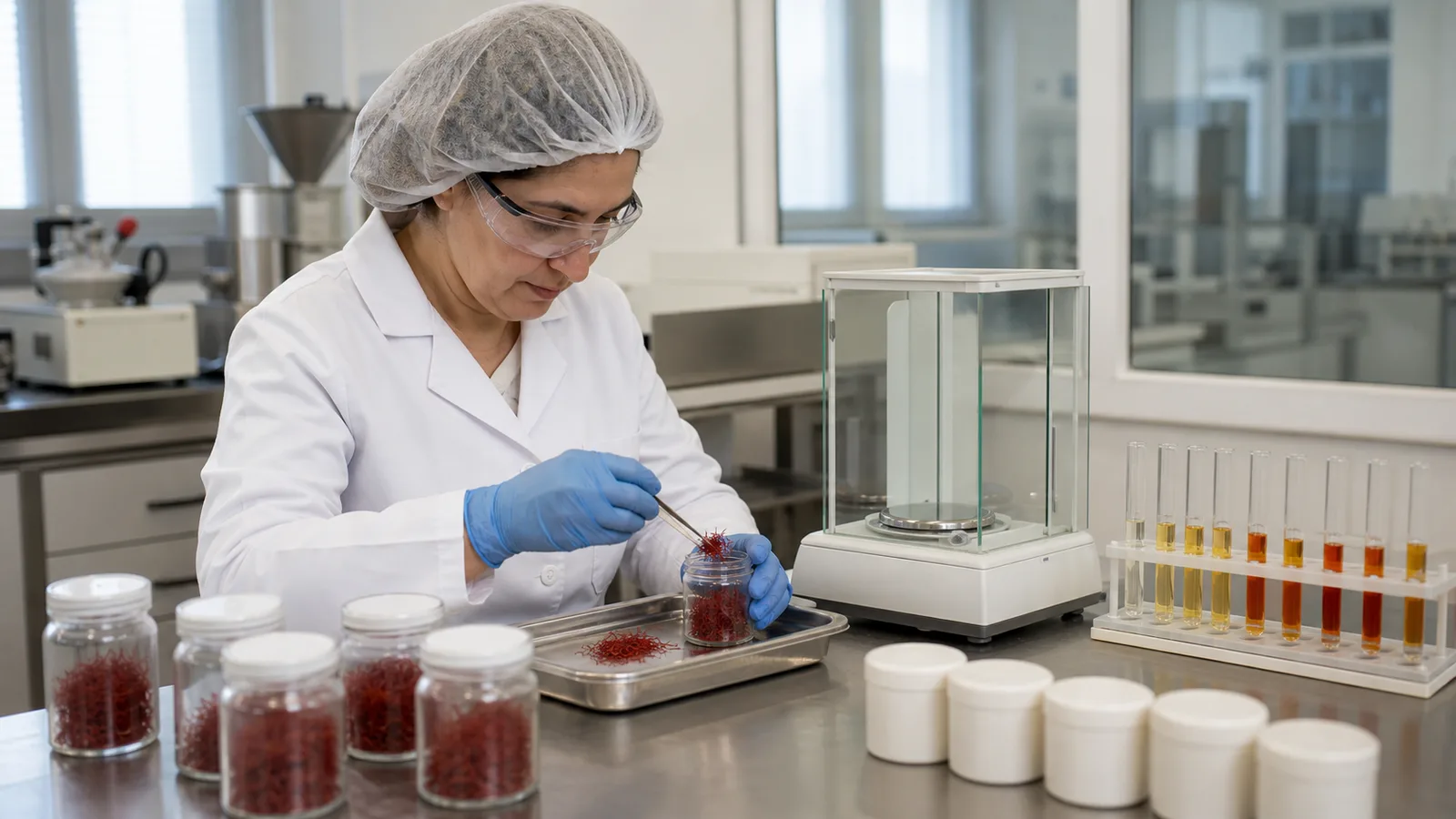
Iranian saffron standards are a system for identifying the product, taking a representative sample, measuring composition, checking contaminants and releasing a traceable lot. They are ... Read More...




Iranian saffron standards are a system for identifying the product, taking a representative sample, measuring composition, checking contaminants and releasing a traceable lot. They are ... Read More...
Iran saffron export statistics are useful only when the year, source and type of figure are kept together. Production is not the same as exports; ... Read More...
Saffron sunscreen research has found ultraviolet absorption in experimental safranal formulations, but the reported SPF values were laboratory measurements—not proof that saffron itself is a ... Read More...
Small clinical studies have tested saffron for several kinds of sexual dysfunction, but the evidence is not strong enough to call organic Iranian saffron a ... Read More...
The defining properties of saffron are its golden color, layered aroma and gently bitter taste. They come from the dried stigmas of Crocus sativus and ... Read More...
The best conditions for organic Iranian saffron begin with the same essentials as any healthy saffron crop: a site that drains quickly, sound corms, enough ... Read More...
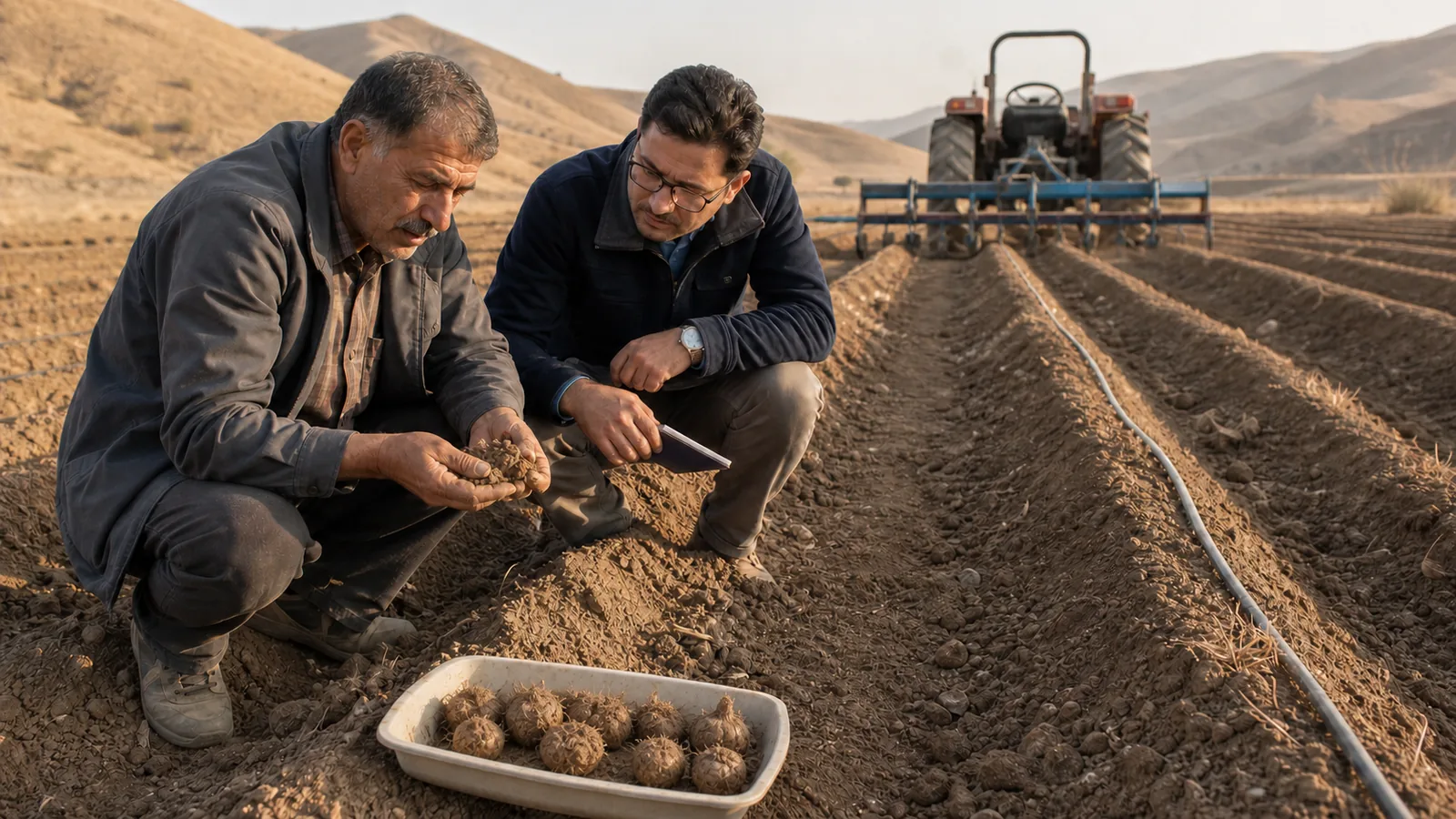
Before you plant saffron, the field has to do three things well: drain excess water, give the corms loose soil for roots and daughter-corm growth, ... Read More...
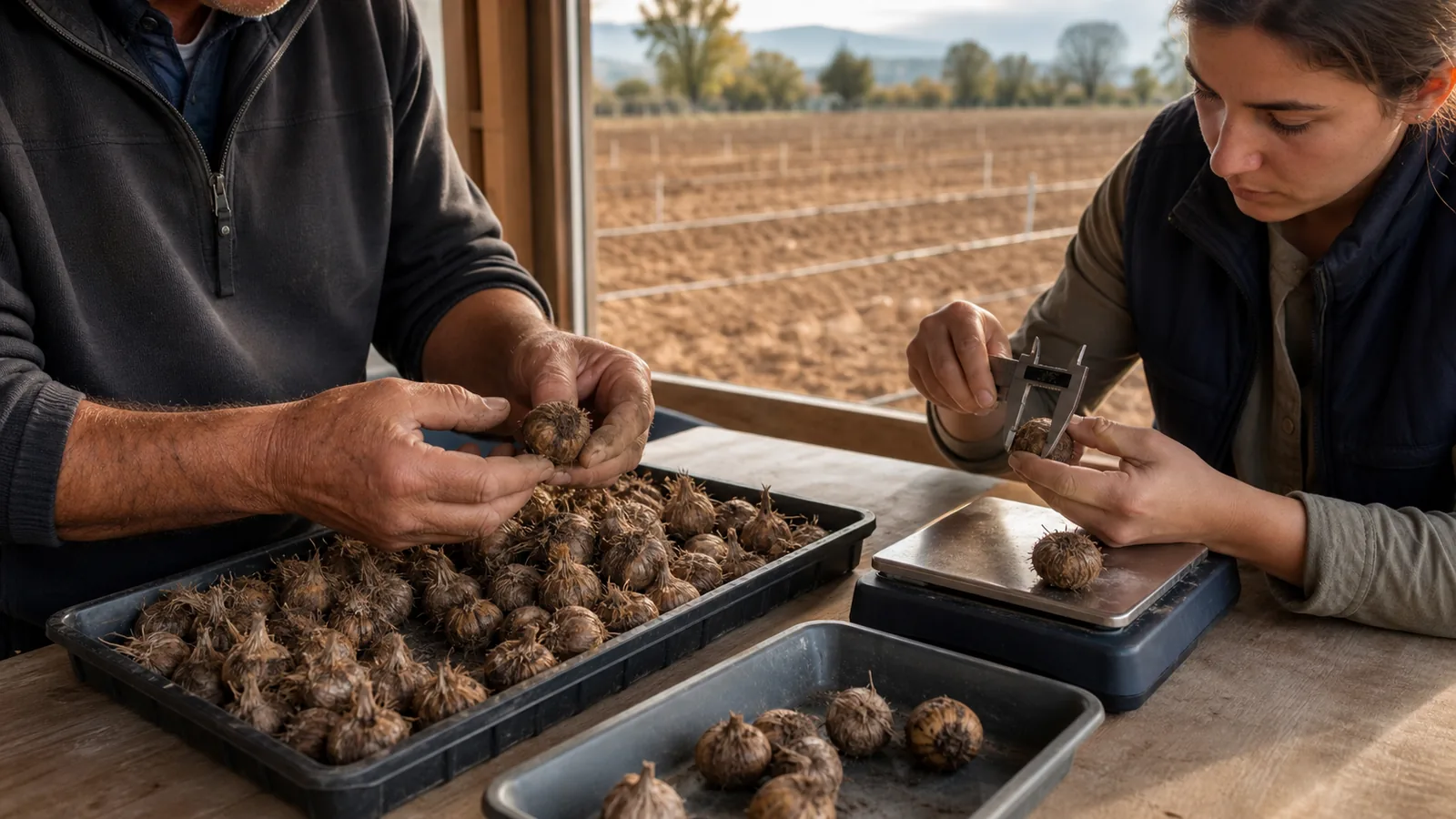
Saffron bulbs are more accurately called corms. They are the living planting material from which every commercial Crocus sativus crop is propagated, so their identity, ... Read More...
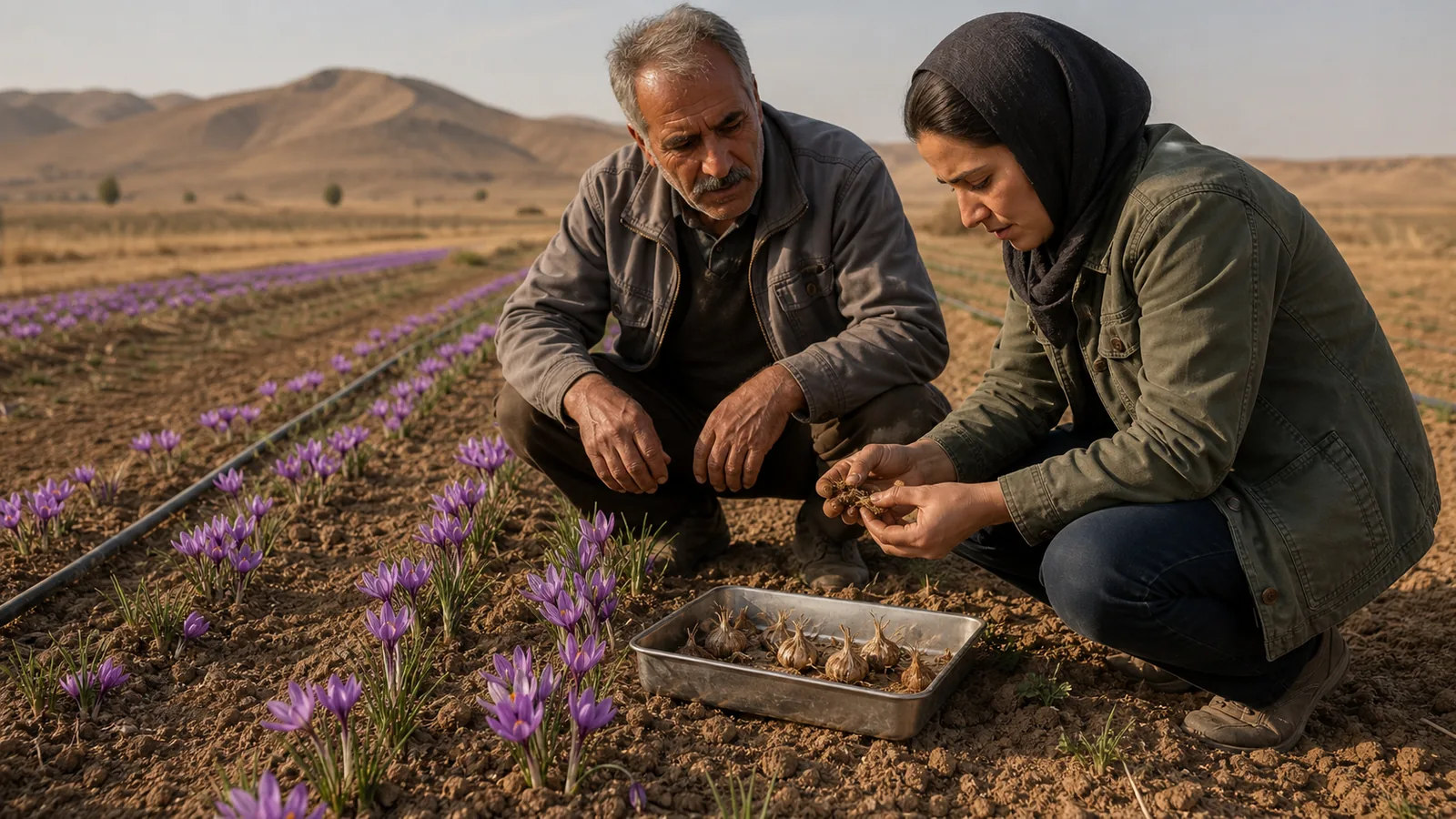
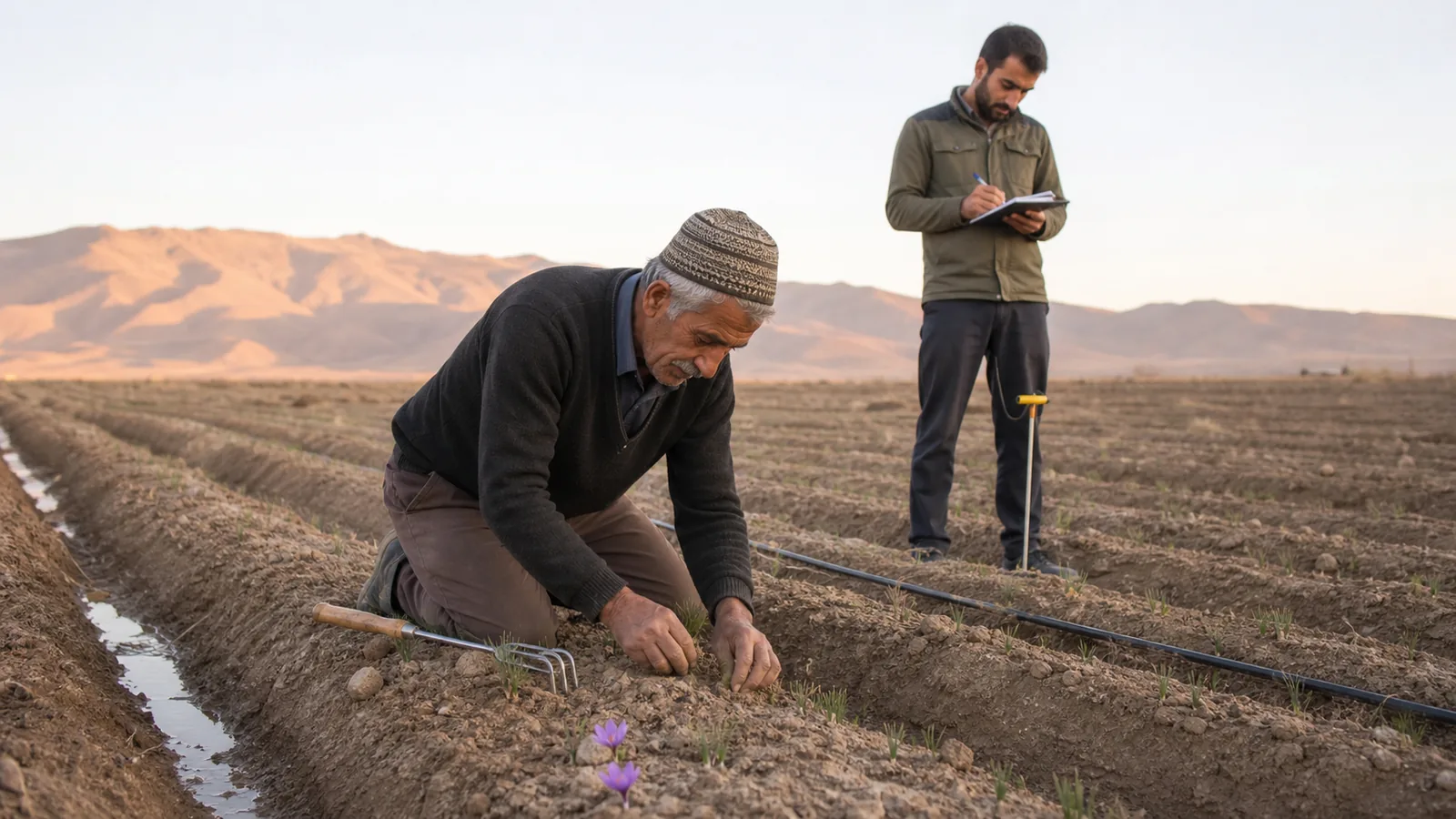
The job description of saffron growers changes with the crop. In late summer it centres on corms and field readiness. In autumn it moves quickly ... Read More...
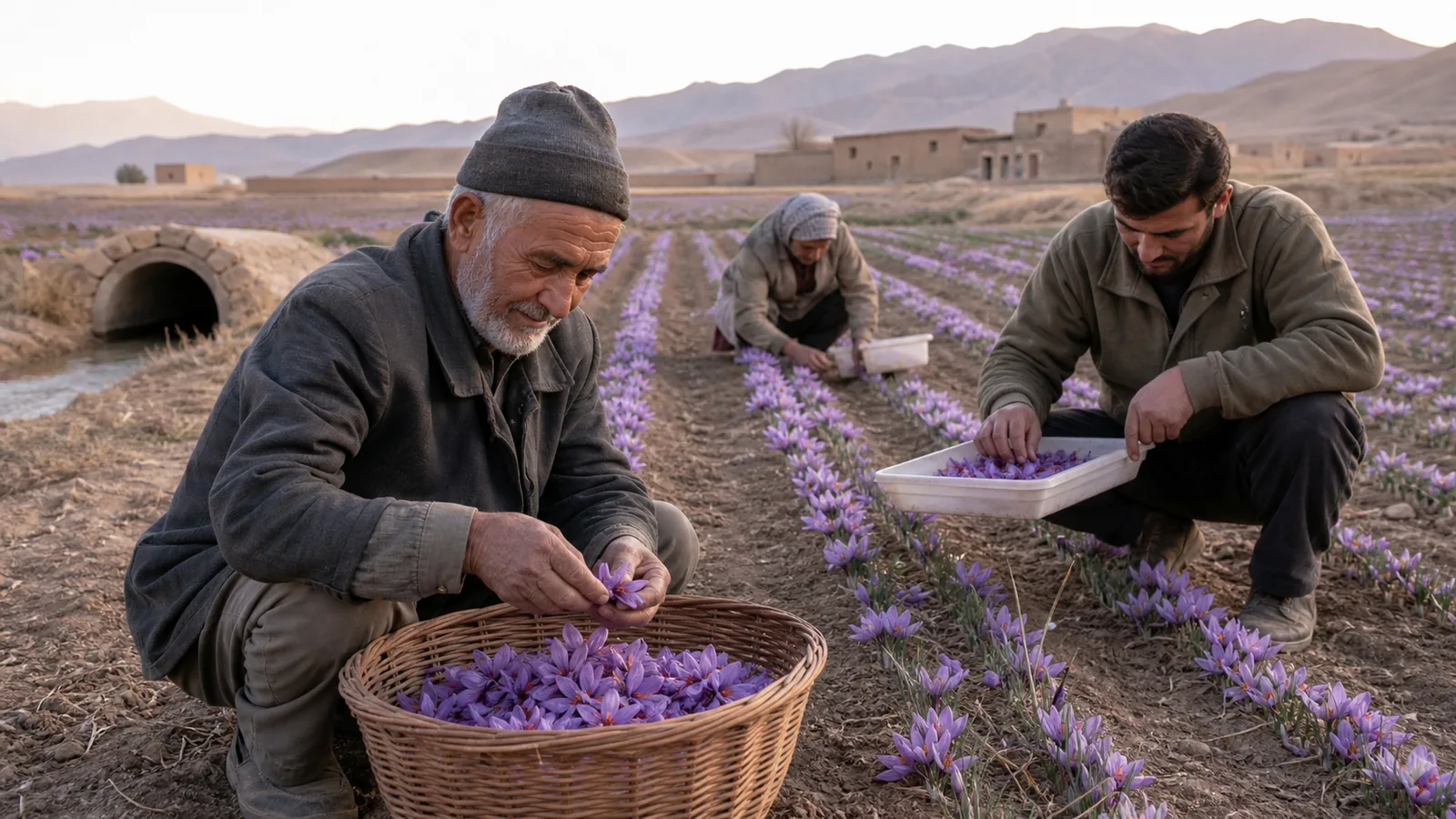
Iranian saffron producers belong to a farming and trading tradition that has developed over centuries, especially in Khorasan. Their history is not one straight line ... Read More...