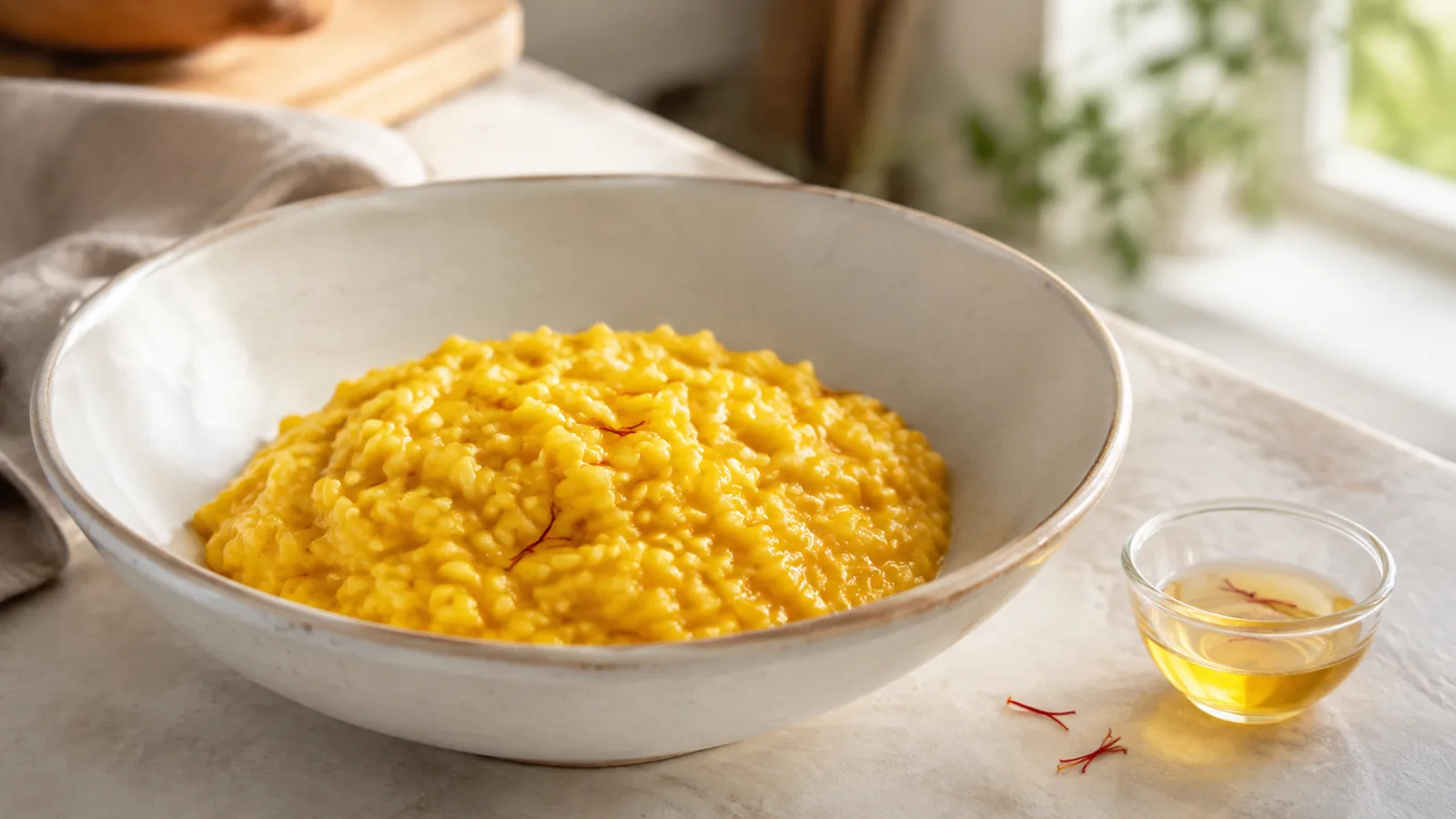
Sabb al-Qafsheh is a Kuwaiti spoon-dropped sweet with crisp golden edges and a soft saffron-cardamom centre. The batter is fried in small portions, then dipped briefly in syrup, giving a result similar to legimat but with its own flour mixture and shape.
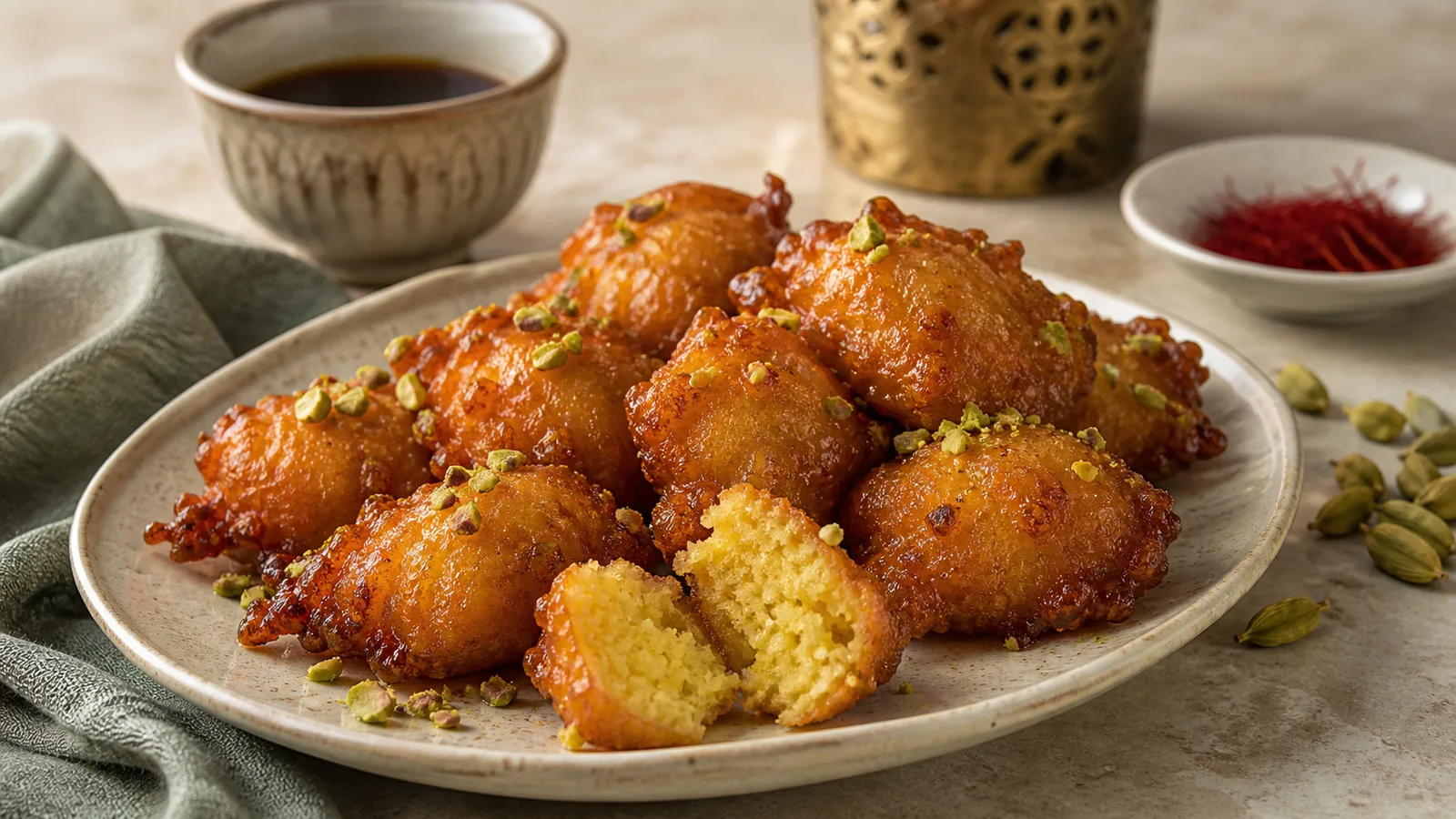
The key is a thick, rested batter and moderate oil temperature. If the batter is thin, it spreads; if the oil is too hot, the outside darkens before the egg-based centre cooks.
What does Sabb al-Qafsheh mean?
The name is commonly explained through the method: sabb refers to pouring, while al-qafsheh refers to the spoon used to drop the batter. Together, the sense is a sweet poured or dropped by the spoonful.
Questions about “Sabbal meaning” often come from running the first two words together. English spellings vary, including Sabb al-Qafsheh, sab al-gafsha and similar transliterations. It is a Kuwaiti sweet related in technique to luqaimat or legimat, but the names should not be treated as proof that every recipe is identical.
Ingredients
For the batter
- 1 cup plain white flour
- 1 tablespoon chickpea flour
- 1 tablespoon milk powder
- 1 tablespoon custard powder or cornflour
- 1 teaspoon ground cardamom
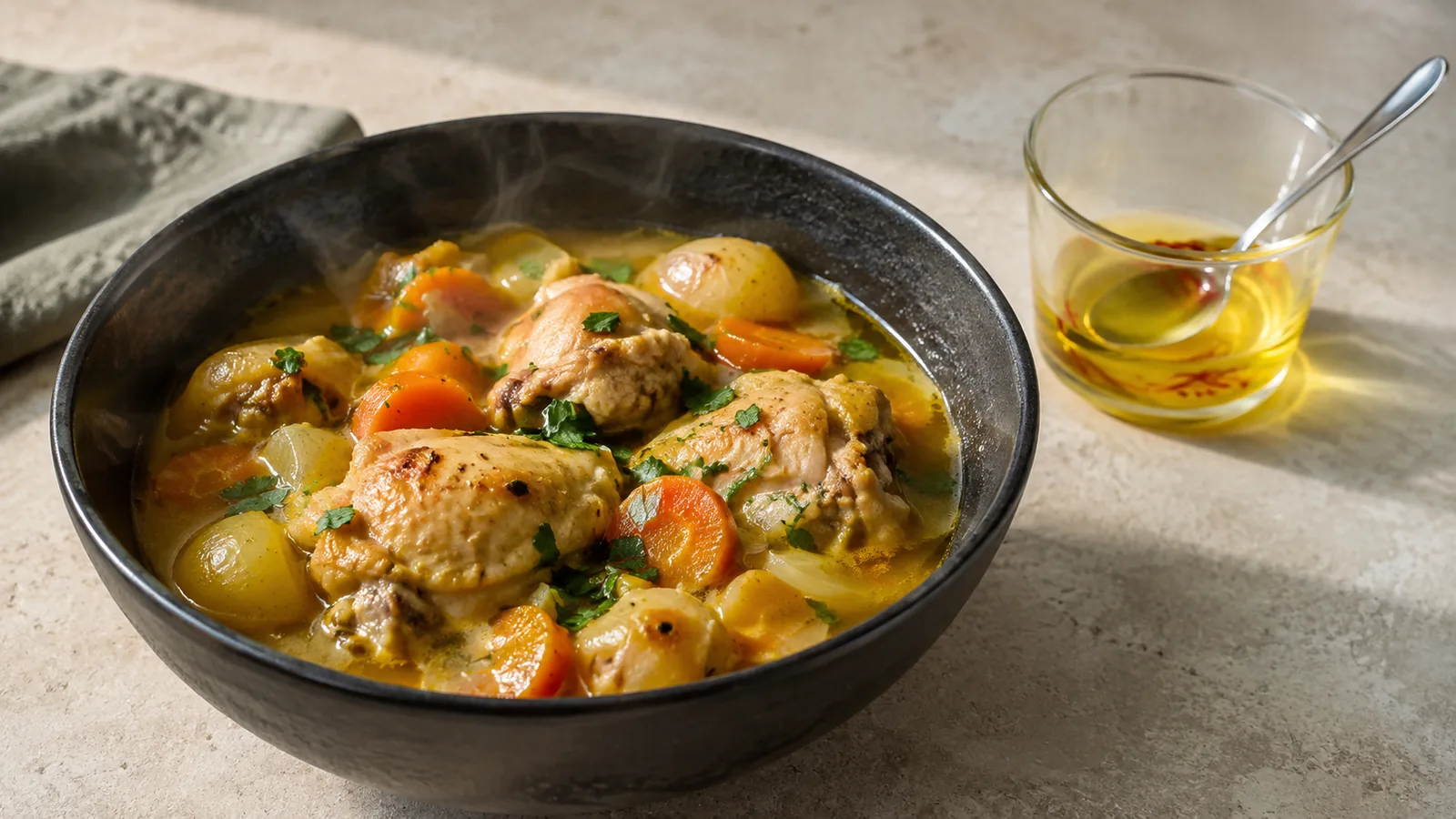
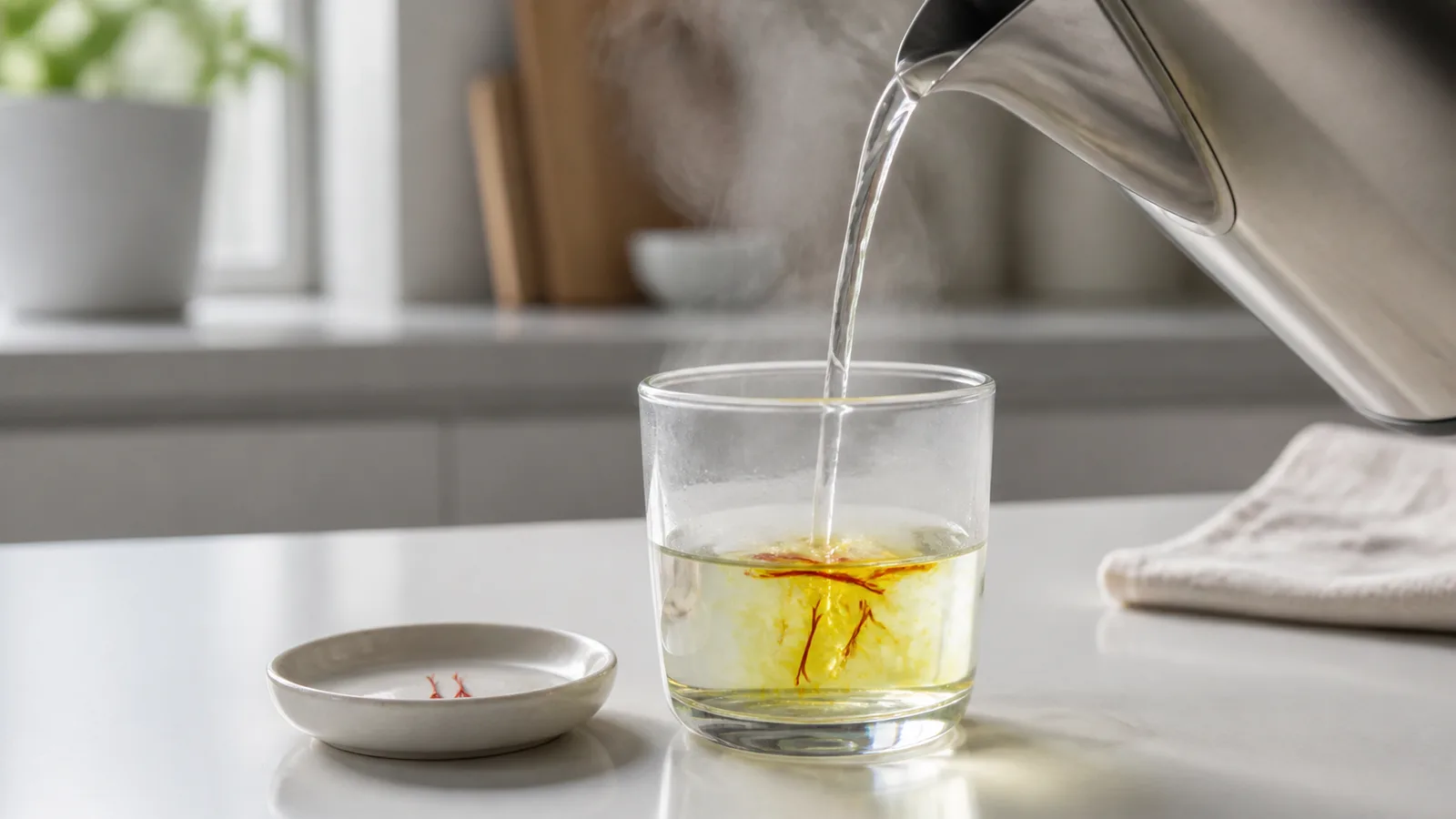
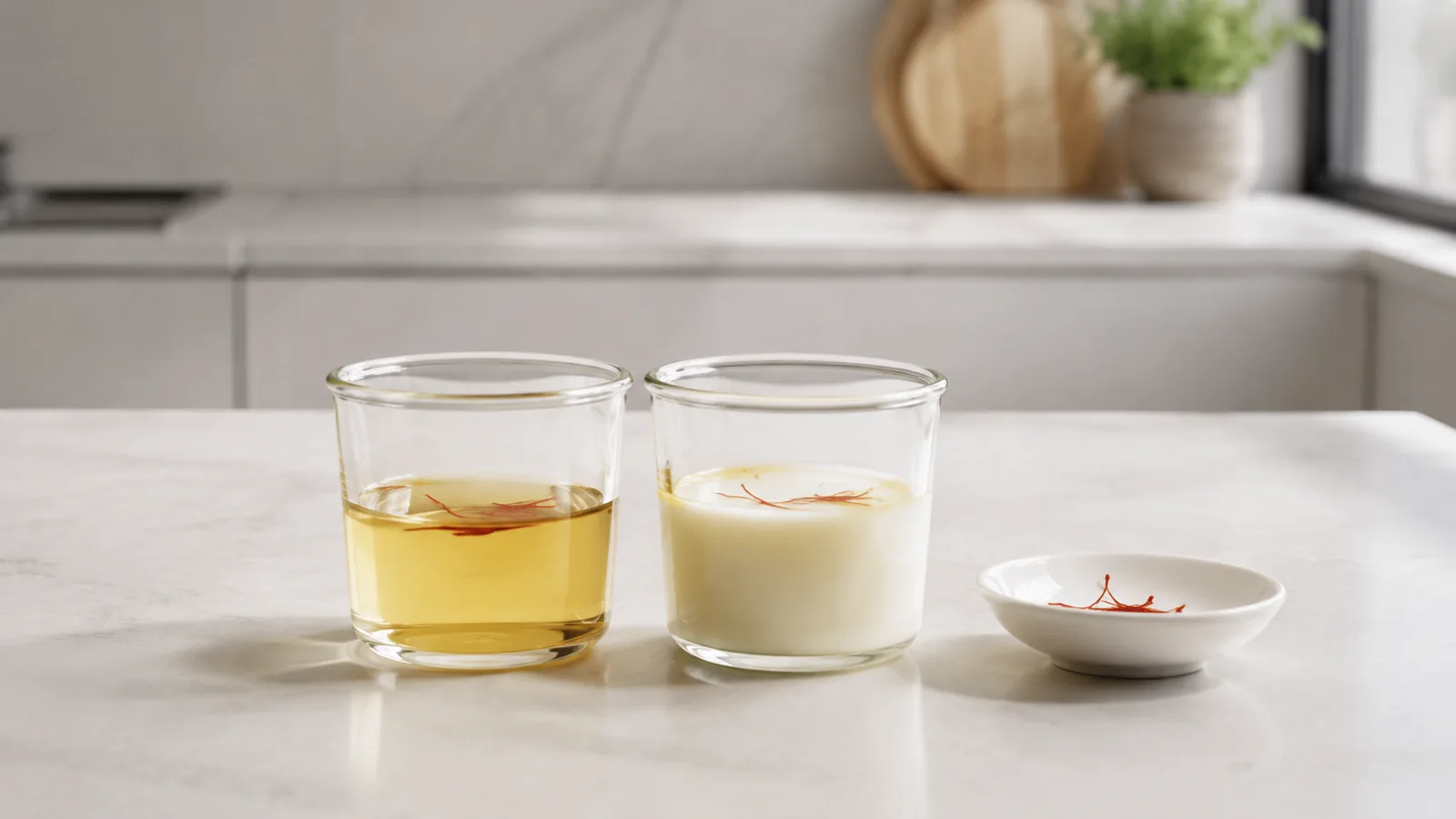
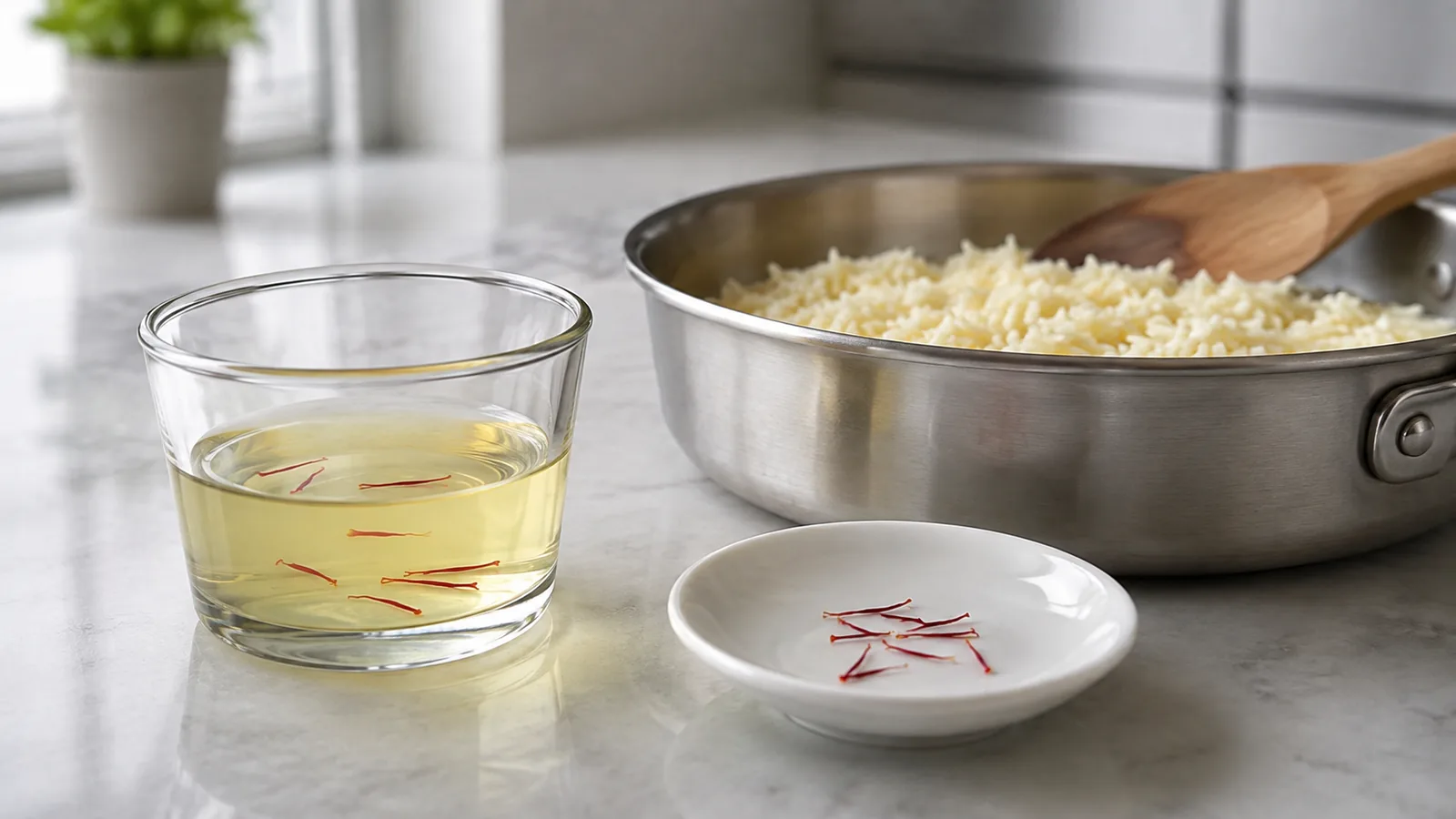
- ½ teaspoon saffron threads, brewed in 1 tablespoon warm water
- 1 teaspoon instant yeast
- 1 large egg
- ¼ cup neutral oil
- Up to ¾ cup lukewarm water
- Neutral oil for frying
For a light saffron syrup
- 1 cup sugar
- ½ cup water
- 1 teaspoon lemon juice
- 1 tablespoon rose water, optional
- A pinch of brewed saffron, optional
The old ingredient “instant dough” refers to instant yeast. Its translated “tablespoon jam” measure is unclear, so this version uses a level teaspoon, enough to aerate a one-cup-flour batter without leaving a strong yeast flavour.
Make the syrup first
Put the sugar and water in a small saucepan. Heat gently until the sugar dissolves, then simmer for 5 to 7 minutes without vigorous stirring. Add the lemon juice and optional rose water or saffron, simmer for one minute, and remove from the heat.
The syrup should be pourable, not as thick as honey. Let it cool while you prepare the batter. Warm sweets dipped into cool syrup absorb a light coating without becoming waterlogged.
Mix and rest the batter
Whisk the egg until smooth. Add the cardamom, brewed saffron and quarter-cup oil. In another bowl, combine the plain flour, chickpea flour, milk powder, custard powder and instant yeast.
Stir the dry ingredients into the egg mixture. Add lukewarm water gradually; different flours absorb different amounts. Stop when the batter is thicker than pancake batter but still drops slowly from a spoon. It should not pour in a thin stream.
Cover the bowl and leave it in a comfortably warm place for 45 to 60 minutes, until slightly puffy. Stir gently just once to distribute the saffron and release very large air pockets.
Fry the spoon sweets
Pour oil into a deep, heavy pan to a depth of about 4 cm. This is safer and more even than trying to fry in a film of oil, while still using much less than a large fryer. Heat it to about 170°C.
Dip a teaspoon in oil, scoop a small portion of batter and ease it into the pan. Fry only a few pieces at a time. Turn them as needed until evenly golden and cooked through, about 2 to 3 minutes depending on size.
Transfer the sweets to a rack or paper briefly. Keep the oil near 170°C between batches: cooler oil makes them greasy, while hotter oil colours them too quickly.
Syrup the Sabb al-Qafsheh
While the sweets are still warm, lower them into the cooled syrup and turn gently. For a lightly sweet result, lift them out almost at once. For a softer, sweeter centre, leave them for 20 to 30 seconds.
Set them on a rack so excess syrup drains. If you prefer no syrup, allow them to cool slightly and dust with icing sugar mixed with a pinch of cardamom.
What the finished sweet should look like
Good Sabb al-Qafsheh is irregular and spoon-shaped rather than perfectly round. The outside is deep gold with small crisp ridges; the centre is tender and lightly honeycombed. Saffron should colour the crumb warm yellow, not fluorescent orange.
Readers looking for Arabic saffron photos should expect a real fried sweet with natural variation from piece to piece. A perfectly identical tray would not reflect the spoon-drop method.
Serving and storage
Serve the sweets warm with Arabic coffee or tea. Chopped pistachios can be scattered over the syrup while it is tacky. For another dessert that uses syrup and spice differently, see this saffron syrup cake recipe.
Sabb al-Qafsheh is best on the day it is fried. Store cooled leftovers in a covered container at room temperature for a day, then refresh them briefly in a moderate oven. Refrigeration tends to firm the fried shell and make the syrup feel heavy.