Always too tired? Drink saffron tea if you enjoy it—but do not use the drink to explain away persistent fatigue. A warm cup can provide fluid, aroma and a quiet pause. It cannot diagnose iron deficiency, repair lost sleep or treat the many medical conditions that can cause low energy.
That distinction makes Iranian saffron tea easier to enjoy responsibly. Prepare it as a fragrant food drink, notice whether it fits your routine, and treat ongoing tiredness as a symptom worth understanding.
Always Too Tired? Drink Saffron Tea
What a cup of saffron tea can offer
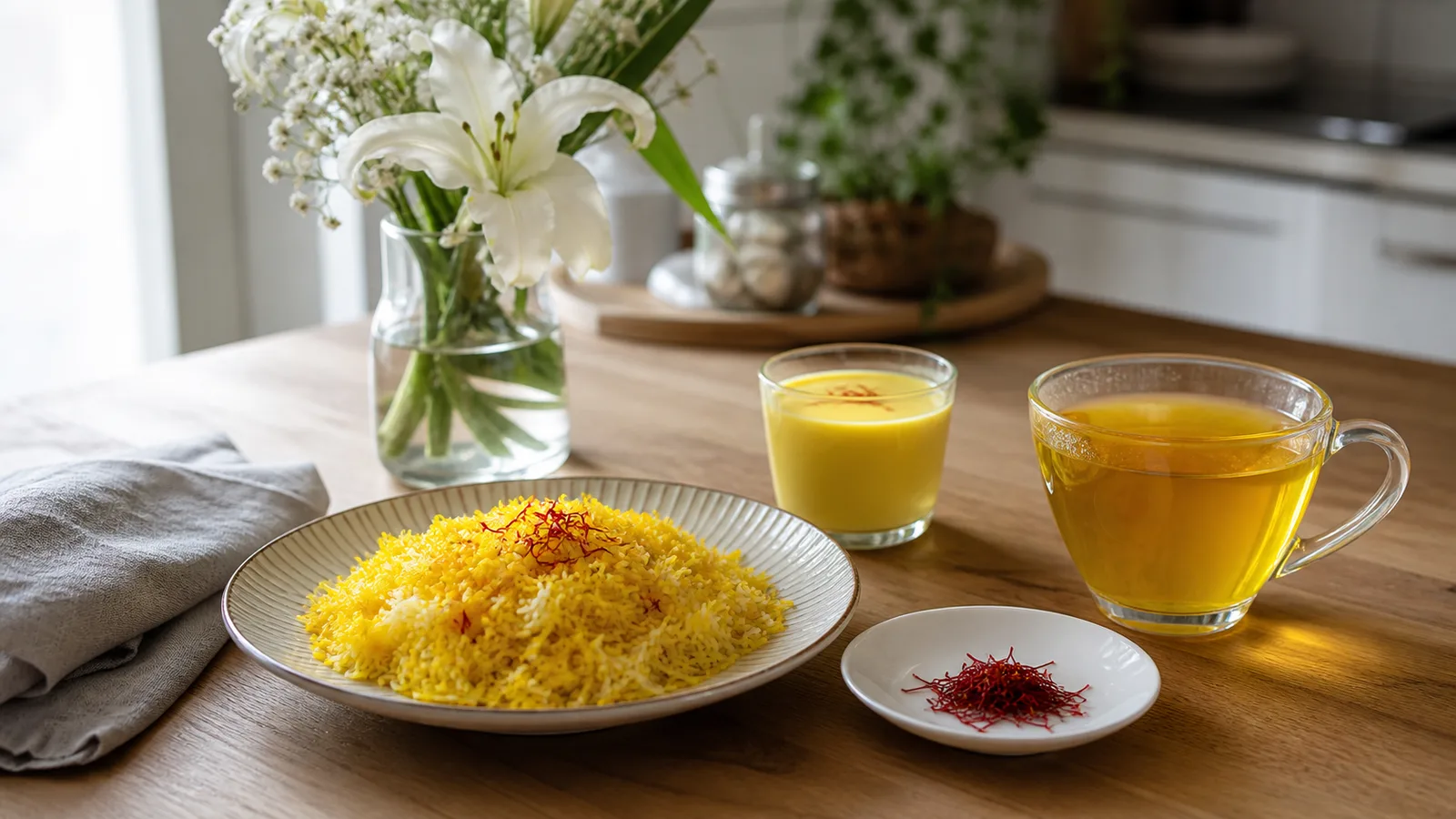
Saffron releases a honeyed, hay-like aroma and a golden colour in warm water. The few minutes spent brewing and sipping it can become a useful break in a busy day. If the drink replaces a very sugary beverage or a late cup of coffee, that choice may also fit a calmer evening routine.
These are practical benefits, not a fatigue cure. Saffron tea contains no caffeine of its own, and a normal culinary amount contributes very little energy or nutrition. You may feel refreshed because you paused, drank fluid and enjoyed the aroma. That experience does not reveal why you were tired.
How to make Iranian saffron tea
- Place a small pinch—about 6 to 10 threads—in a cup.
- Add 200 to 250 ml of hot water that has stopped boiling.
- Cover and infuse for 5 to 10 minutes.
- Taste it before adding anything else. If desired, add a little lemon, honey or a bruised cardamom pod.
The drink should be clear and golden, with a noticeable aroma. It does not need to be dark red or crowded with threads. Using more saffron does not automatically make the tea more effective; it mainly raises the cost and changes the flavour.
Whole threads are easier to inspect than an unidentified powder. Store them airtight, dry and away from heat and direct light. Buy from a seller that identifies the product and origin clearly rather than relying on an unusually low price.
Why tiredness needs context
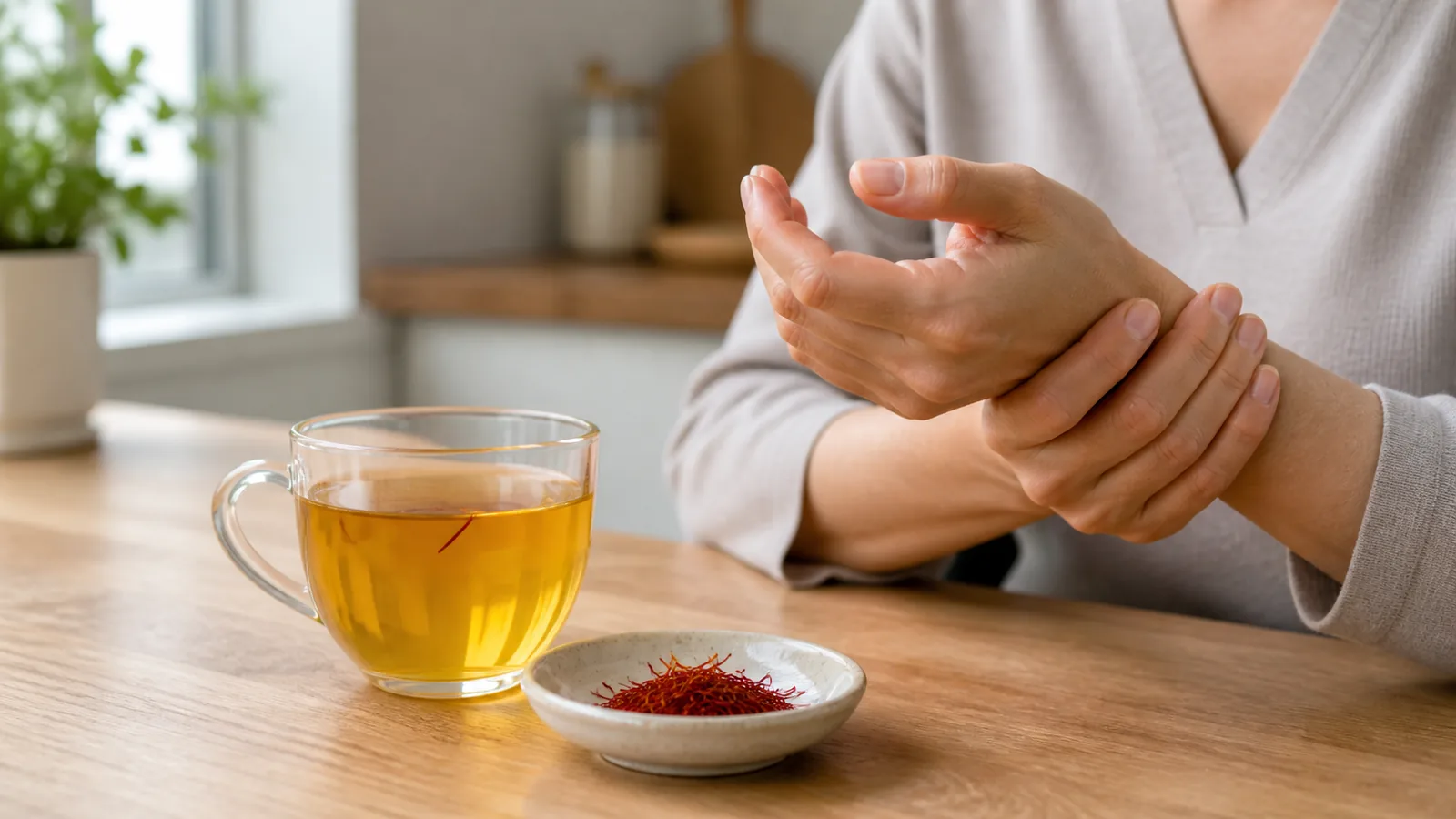
Fatigue is a symptom, not a diagnosis. The US National Library of Medicine’s MedlinePlus fatigue guidance lists many possible causes, including insufficient sleep, stress, pregnancy, anaemia, medical conditions, medicines and lifestyle factors. A drink cannot distinguish among them.
Start with the basics. Consider whether you are sleeping enough, eating regularly, drinking enough water, moving during the day and relying on alcohol or caffeine near bedtime. Notice when the tiredness began and whether it follows a new medicine, illness, major stress or change in routine.
Seek medical advice when fatigue lasts for several weeks, affects daily life or has no clear explanation. Do not wait if it comes with chest pain, severe breathlessness, fainting, confusion or another urgent symptom.
Saffron tea does not treat iron deficiency
The original version of this advice linked tiredness to iron deficiency and suggested that saffron in a daily meal could solve it. That is not supported by serving-size reality. Although food tables can detect iron in saffron, a cup uses only a few threads and supplies far too little to treat iron-deficiency anaemia.
Iron deficiency can cause tiredness, shortness of breath, noticeable heartbeats and pale skin, but those symptoms are not specific. The NHS guidance on tiredness and fatigue advises against self-diagnosis and explains that treatment depends on the cause. A clinician can decide whether a blood test is appropriate and investigate why iron may be low.
Do not start high-dose iron simply because you feel tired, and do not substitute saffron tea for prescribed iron. Both choices skip the diagnosis that determines safe treatment.
What research on saffron and fatigue actually studied
Some human studies have examined defined saffron products in people with specific conditions. One small randomised trial tested a drink containing saffron, honey and rose water for cancer-related fatigue in women receiving breast-cancer care. The authors reported improvement but also called for larger and longer studies. It does not show that ordinary saffron tea treats unexplained fatigue in the general population. You can read the cancer-related fatigue trial to see how specific the population and preparation were.
A 2025 placebo-controlled study of saffron extract in otherwise healthy adults with subclinical mood symptoms found no significant effect on its primary combined measure of depression, anxiety and fatigue. That healthy-adult saffron extract trial is another reason not to turn early, condition-specific research into a universal energy claim.
Research may develop, but an extract, a multi-ingredient syrup and a home infusion are not interchangeable.
Safety: food use is different from concentrated use
For most adults, the small amount used to flavour one cup is culinary use. Concentrated extracts, strong repeated infusions and supplements are different exposures. A 2026 systematic review of saffron adverse events found that reported effects across clinical trials were most often mild gastrointestinal problems, while advising monitoring for higher-dose or prolonged medicinal use.
- Ask a clinician or pharmacist before concentrated use if you take regular medicine or have a health condition.
- During pregnancy, discuss use beyond normal food amounts with the maternity clinician; evidence for medicinal use is limited.
- For children, keep saffron as a normal food ingredient and ask a paediatric professional before using a concentrated product.
- Stop and seek advice if a drink or supplement causes an unexpected reaction.
Use tea as a ritual, not a diagnosis
A cup of saffron tea can be beautiful: clear gold, fragrant and warming. It may help you slow down long enough to notice that you need rest, food, water or a change of pace. That is worthwhile on its own.
If you are always too tired, however, the useful next step is to understand the pattern and cause. Enjoy the tea if you like it. Keep the medical question separate, and get help when fatigue persists.